Close-ups
Framed and on the wall


Frame and rooms are illustrations of how the print could look; the description says what is included.
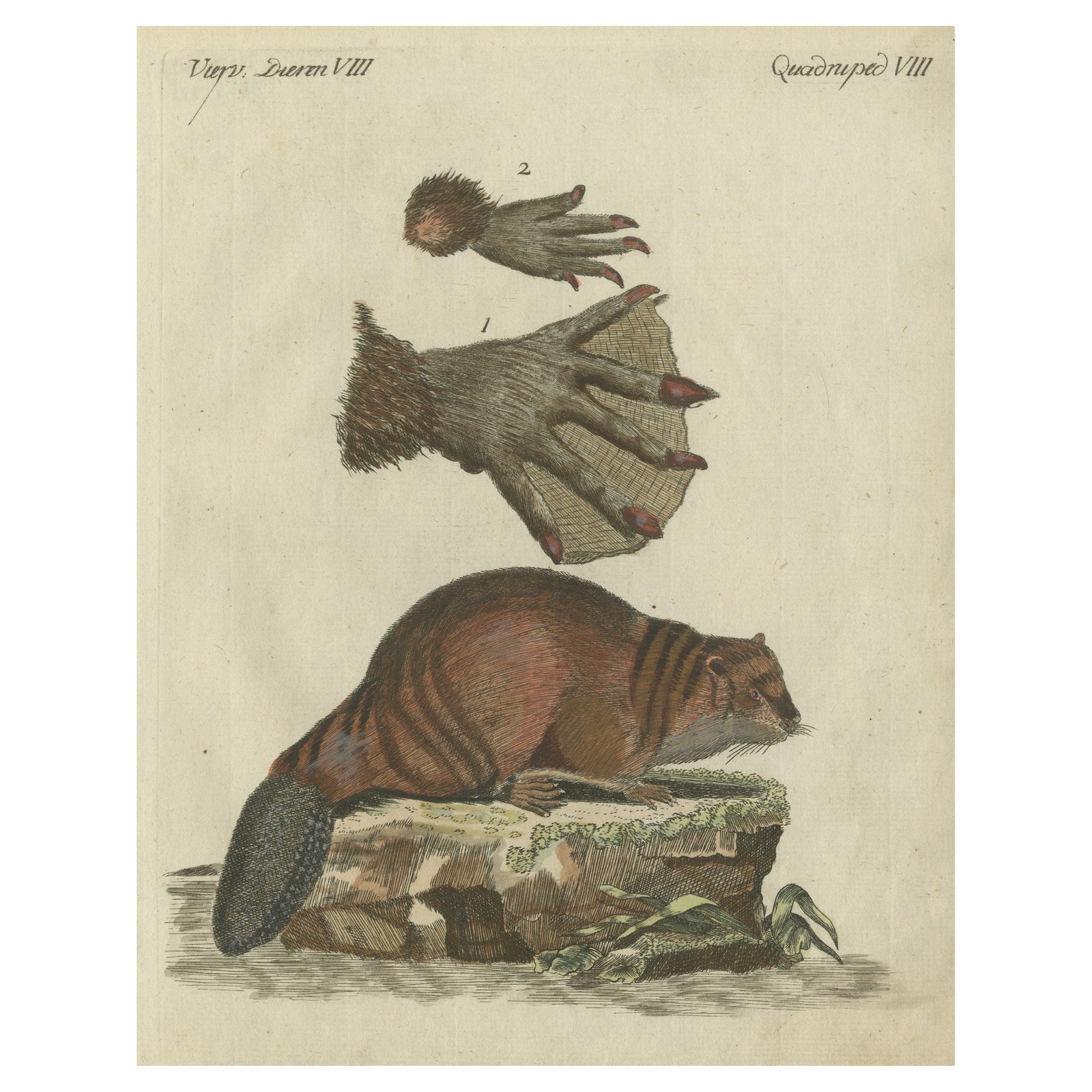
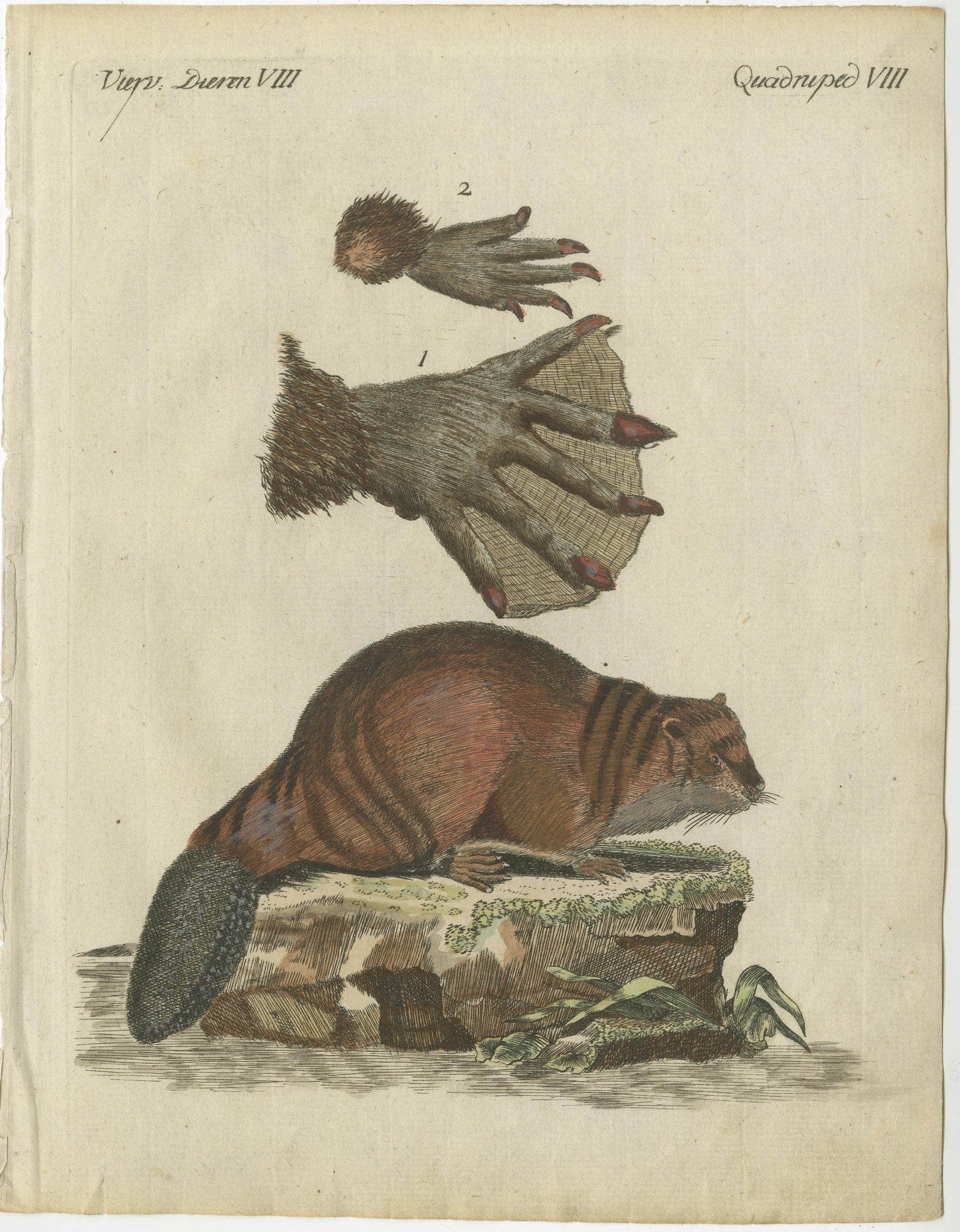
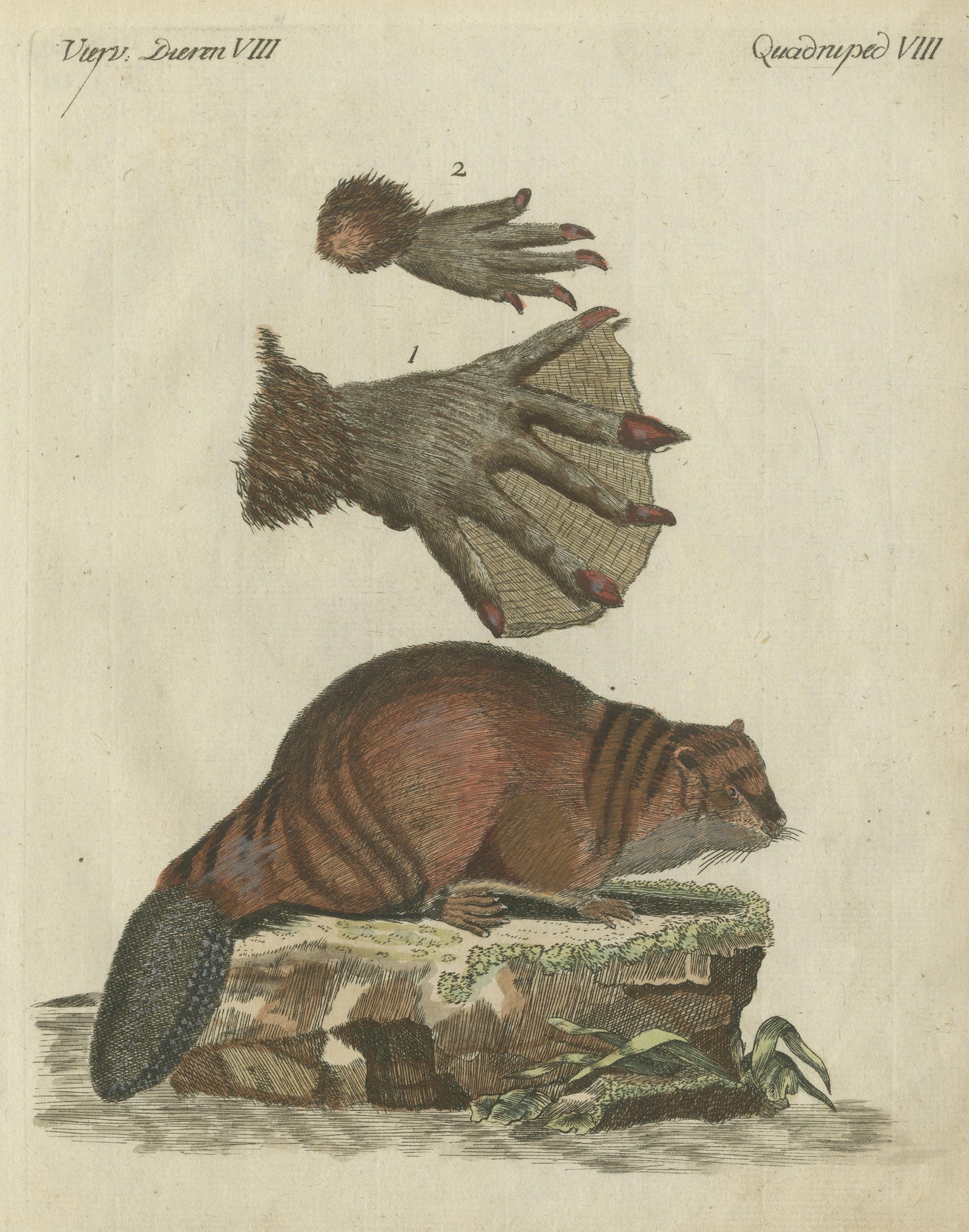
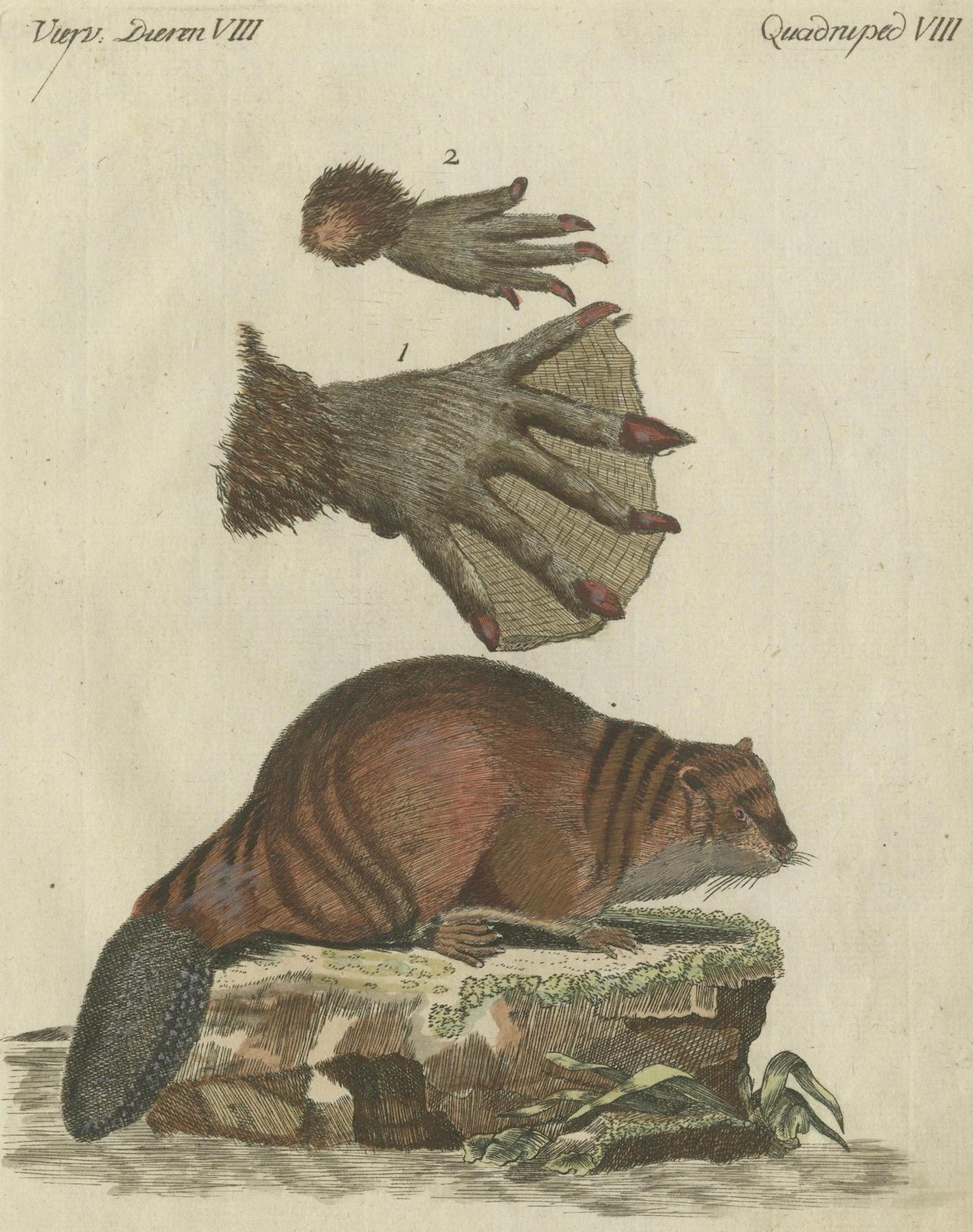
Patinca Rich Hand Colored Antique Print of a Beaver, Pubished in circa 1820
€160 ($180, £135, €160)
Period original, not a reproduction.
Shipped from the Netherlands, flat, insured and tracked, worldwide. Returns accepted within 14 days.
- Date
- 1820
- Size
- 10.1 × 7.8 in (25.6 × 19.7 cm)
- Condition
- Good. General age-related toning. Small tear in lower margin. Some wear and soiling, adding to the patina of this engraving. Blank verso. Please study image carefully.
- Period
- Early 19th century
- Artist or book
- Bertuch
- Section
- Mammals
- Reference
- f_38510272
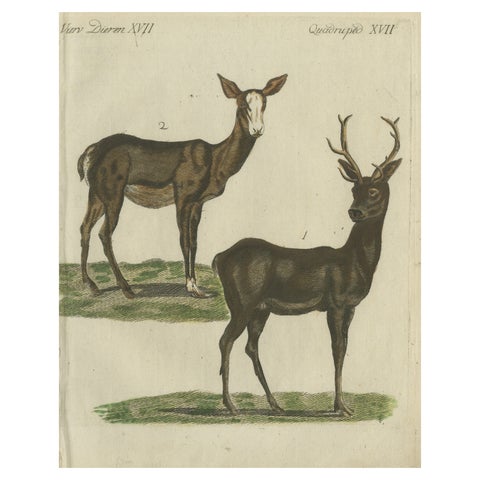
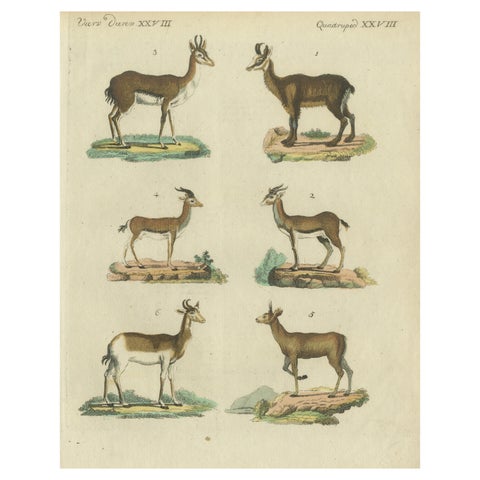
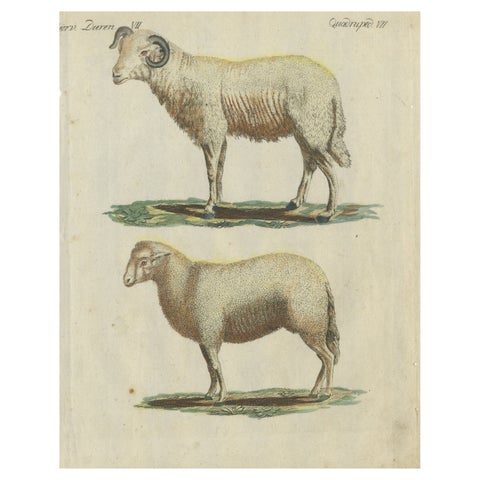
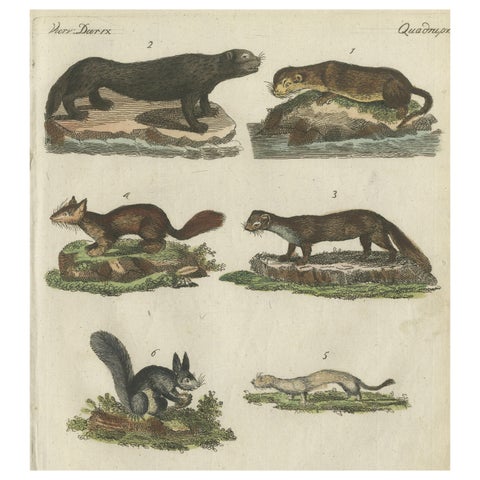
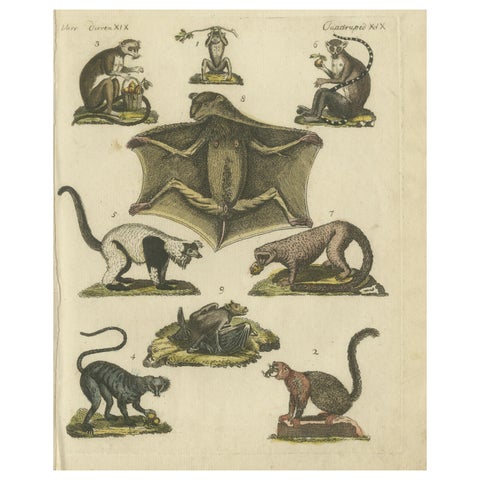
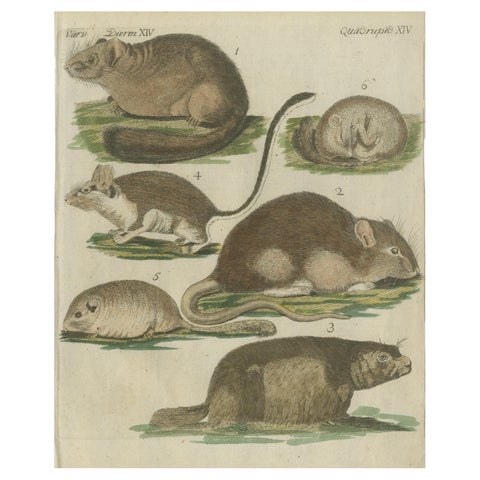
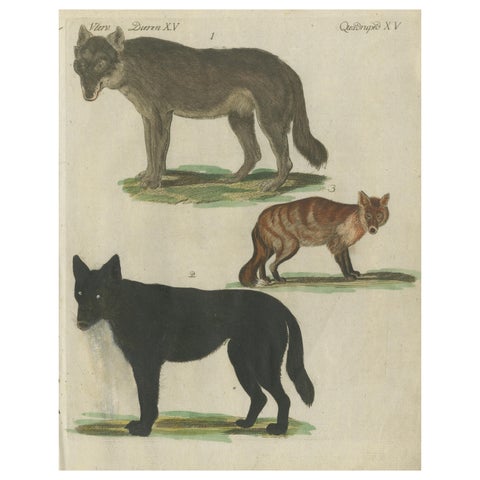
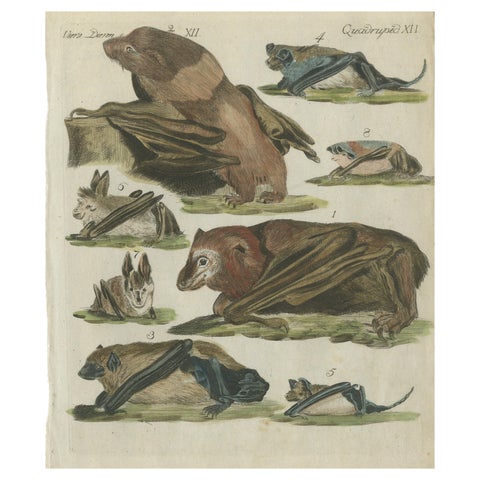
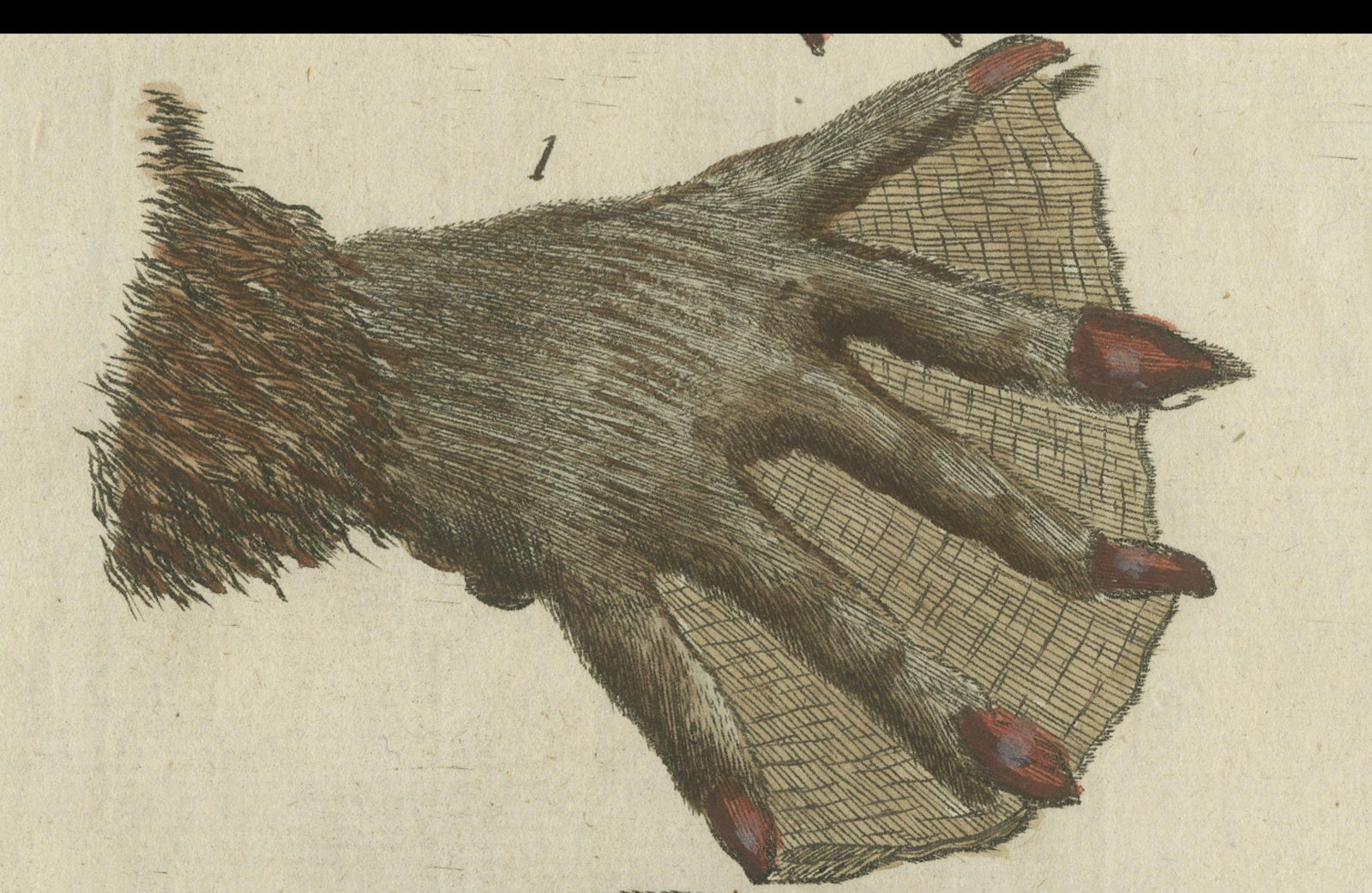
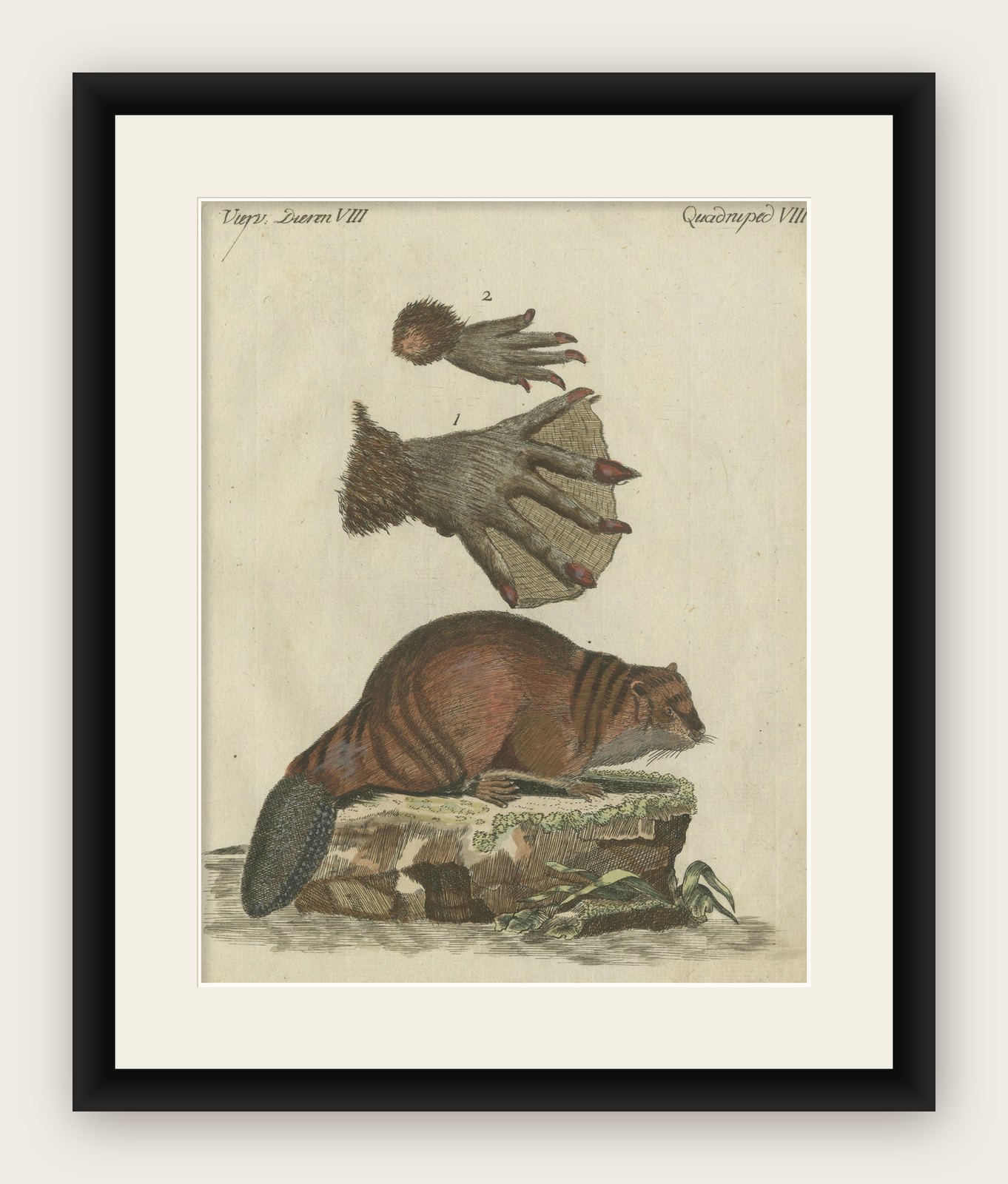
Original antique print of a beaver. This engraved print originates from a very rare unknown Dutch work. The plates are similar to the plates in the famous German work: ‘Bilderbuch fur Kinder' by F.J. Bertuch, published 1790-1830 in Weimar. This could be Dutch edition of this work (no references found), or a work that used the Bertuch plates. Published circa 1820.
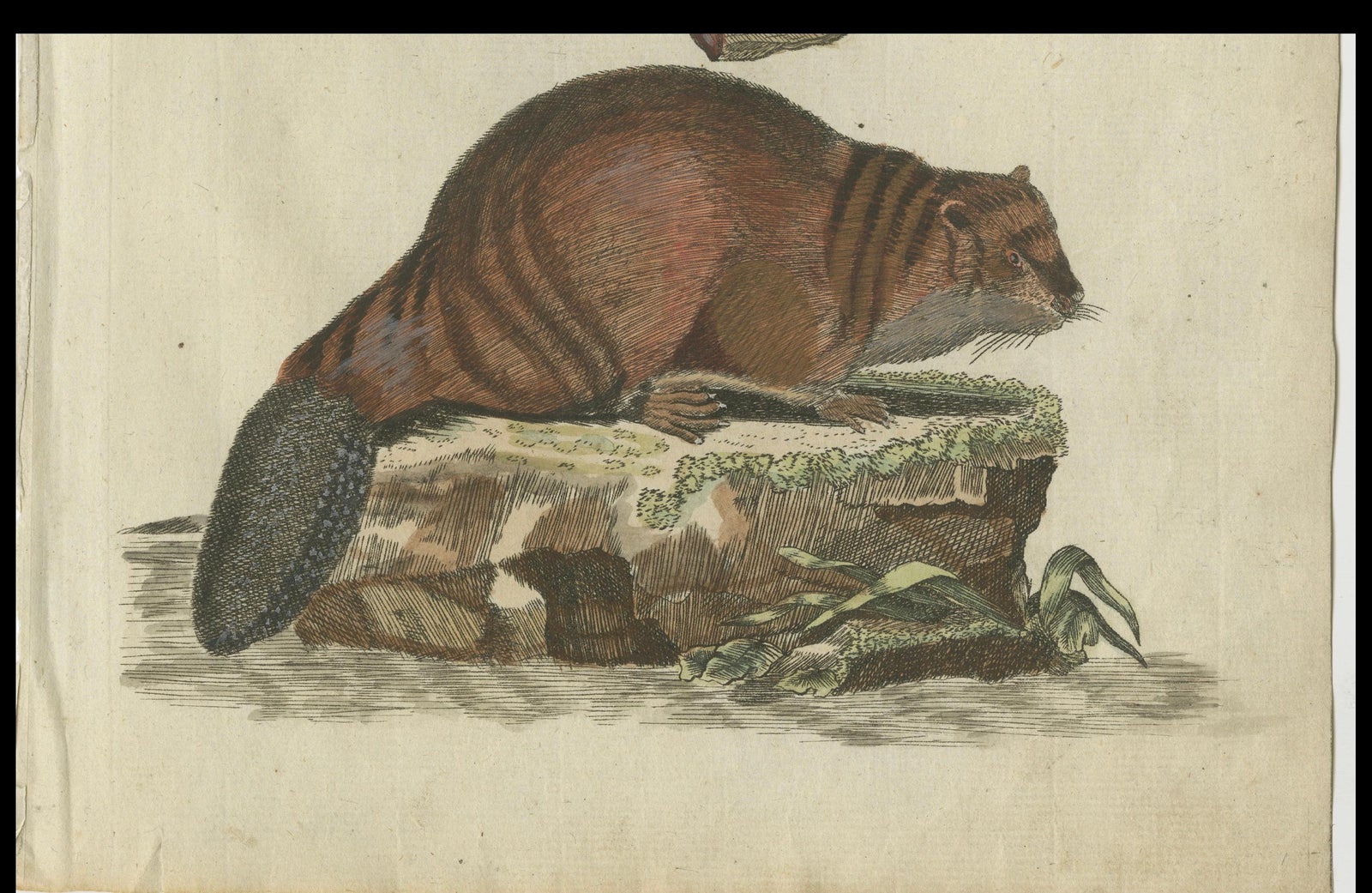
The larger animal depicted in the engraving described is a beaver. It can be identified by its distinctive broad tail, thick fur, and its general body shape. Beavers are known for their role in building dams in rivers and streams, and they have strong teeth for gnawing wood, which are characteristics that might be depicted in such an engraving.
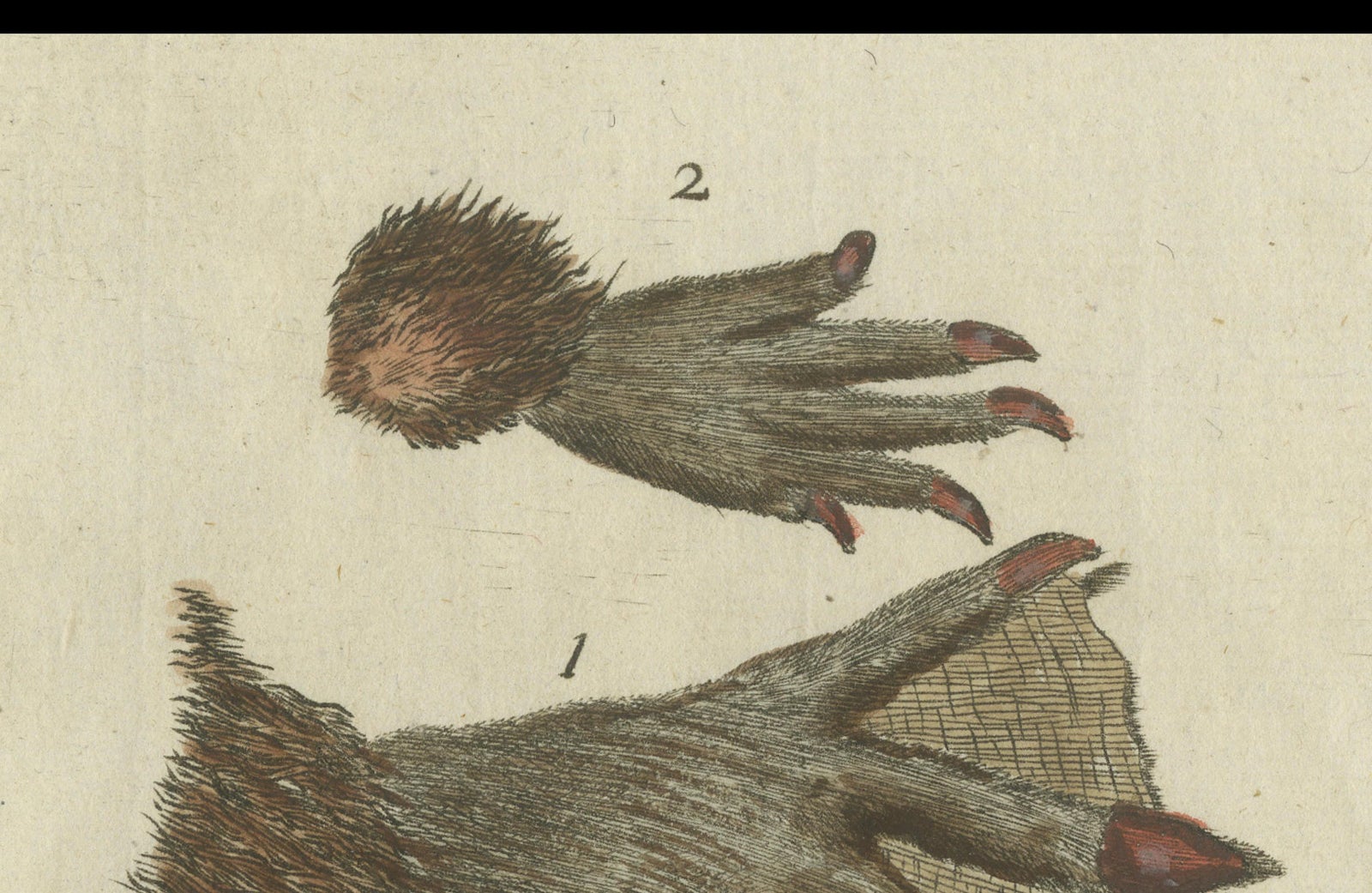
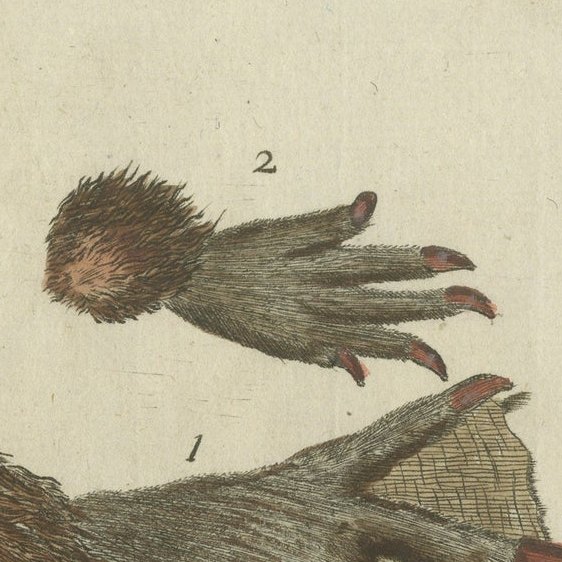
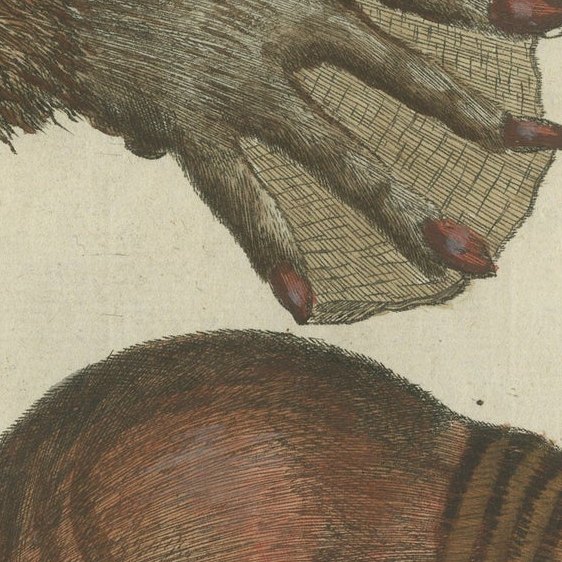
The detailed focus on the forelimbs with sharp claws in the engraving may be emphasizing the beaver's adaptations for digging and manipulating objects, which are essential for constructing their habitats. These illustrations are typical of natural history engravings that were used for educational and scientific purposes, to illustrate the physical attributes and behaviors of various species.
The illustrations are rendered with fine lines and attention to detail, especially in the texture of the fur and the anatomy of the limbs, suggesting a high level of craftsmanship typical of scientific illustrations from the early 19th century. The purpose of such engravings would have been to document and educate, providing detailed visual representations of animal anatomy and behavior. The depiction of the limbs may serve to highlight specific anatomical features for comparative study or identification purposes.