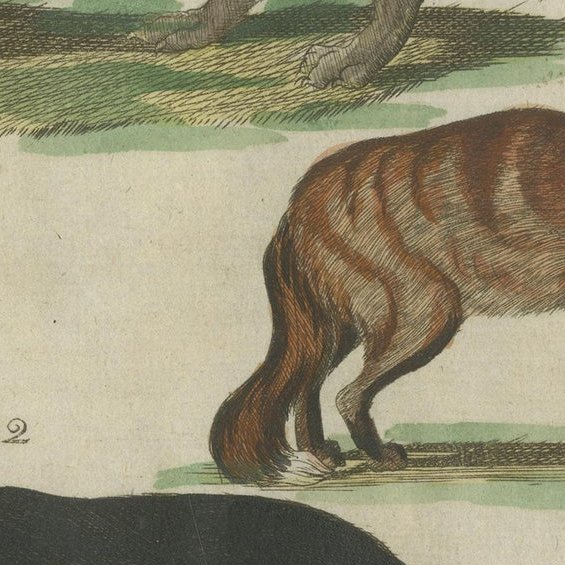
Close-ups
Framed and on the wall

Frame and rooms are illustrations of how the print could look; the description says what is included.
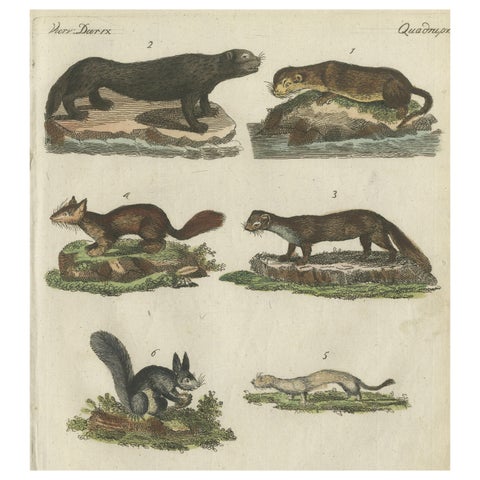
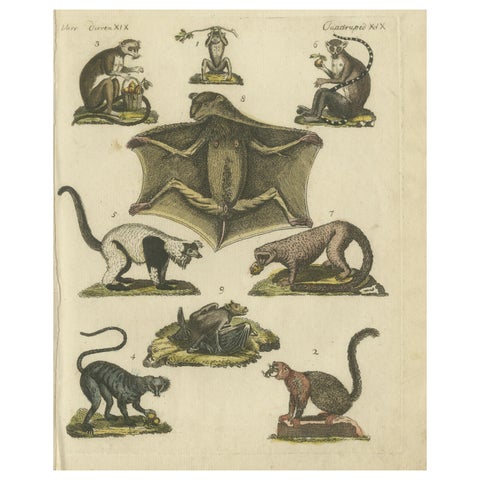
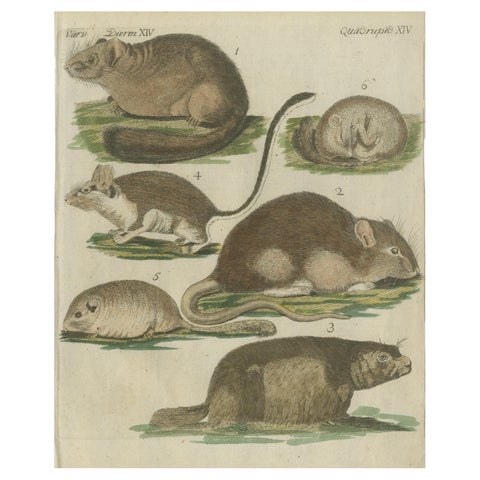
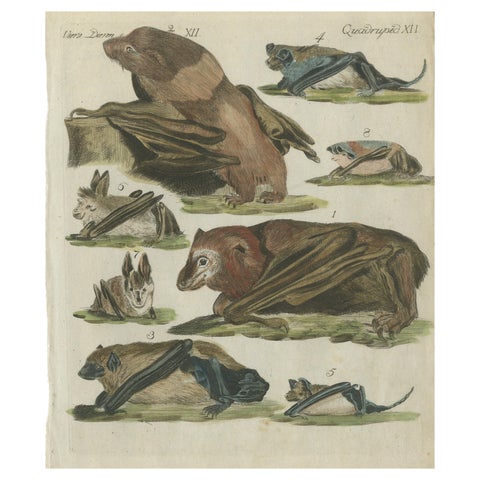
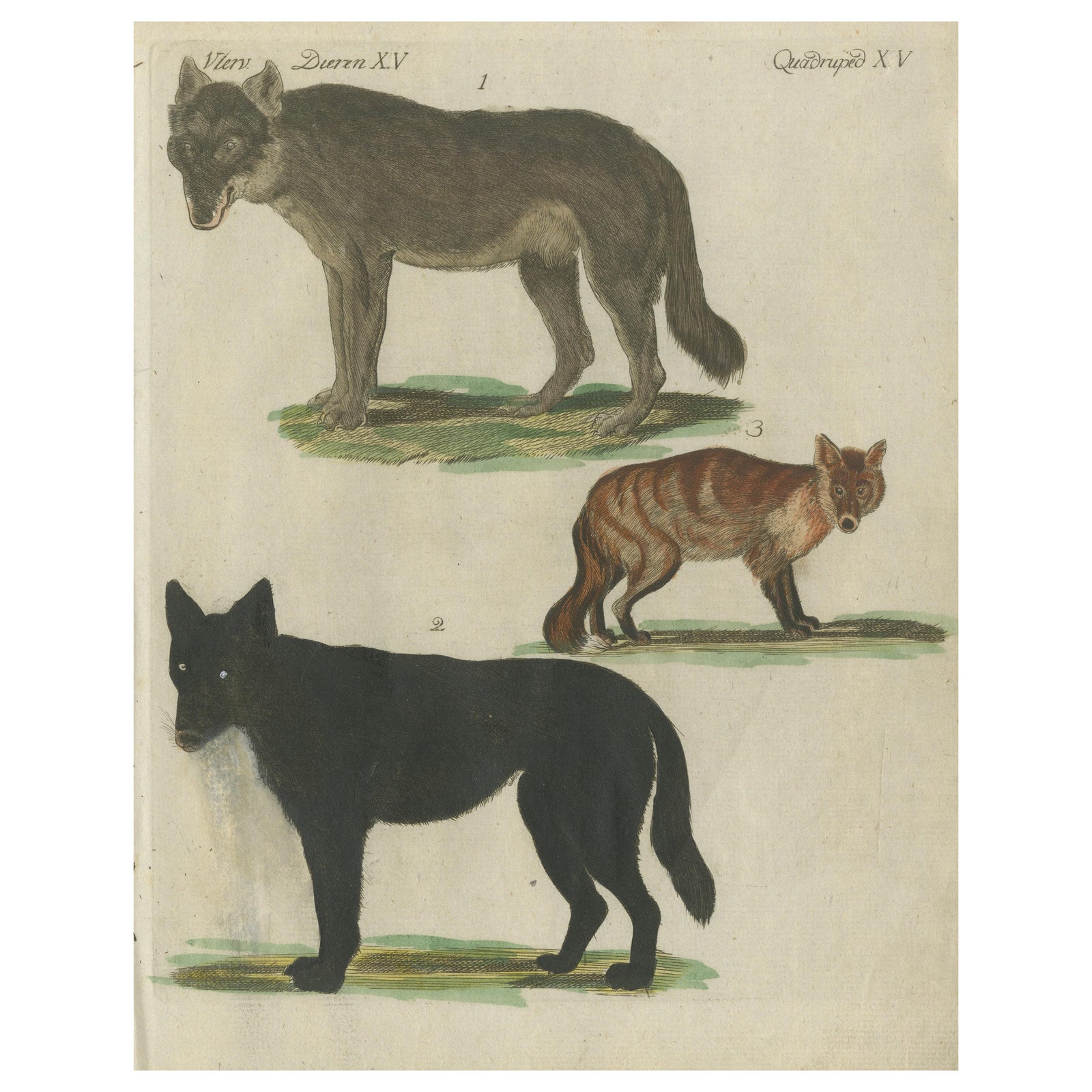
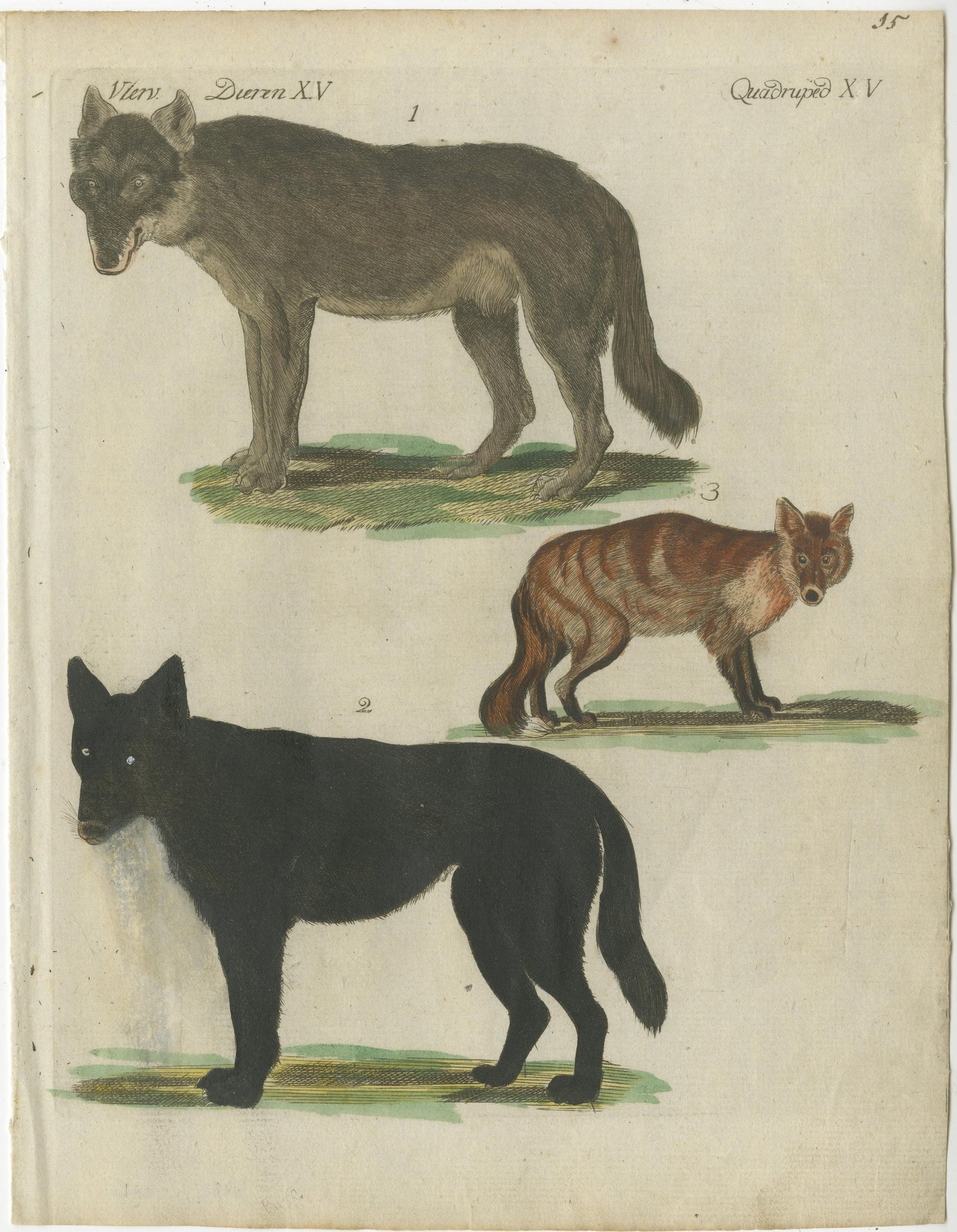
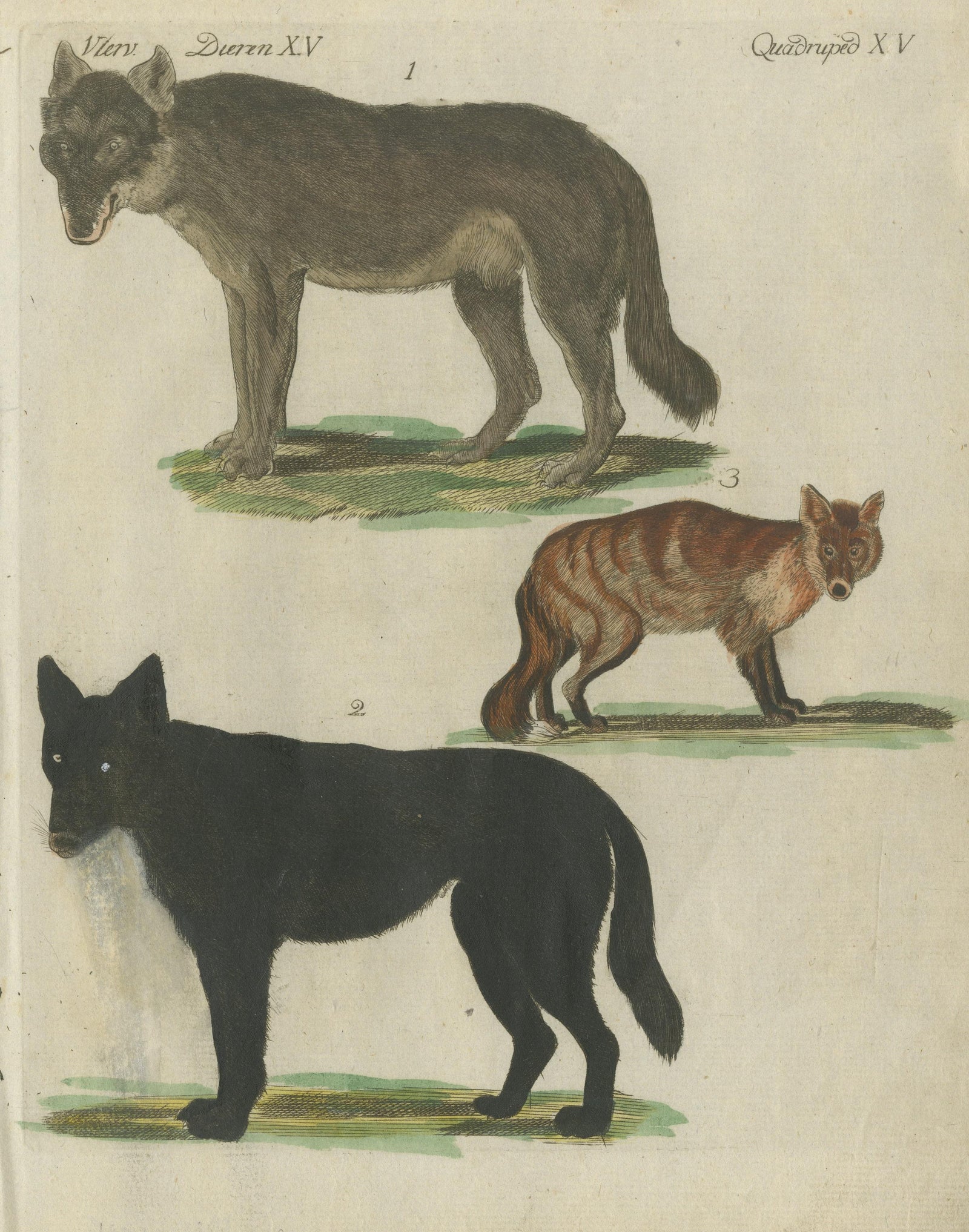
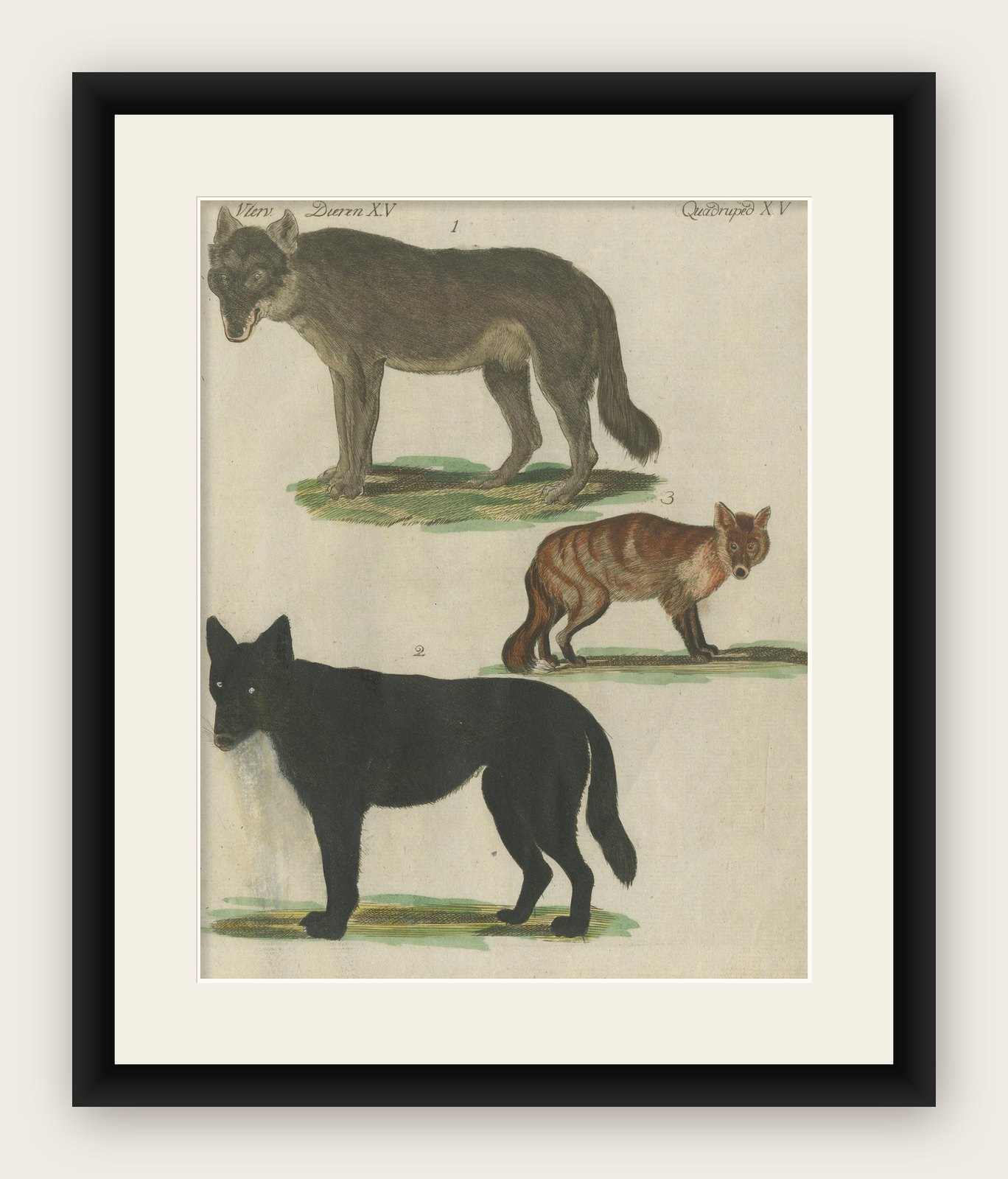
Hand Colored Antique Print of Wolves and a Fox, circa 1820
$155 (£120, €140)
Period original, not a reproduction.
Shipped from the Netherlands, flat, insured and tracked, worldwide. Returns accepted within 14 days.
- Date
- 1820
- Size
- 10.1 × 7.8 in (25.6 × 19.7 cm)
- Condition
- Good. General age-related toning. Some wear and soiling, adding to its patina. Blank verso. Please study image carefully.
- Period
- Early 19th century
- Artist or book
- Bertuch
- Section
- Mammals
- Reference
- f_38600922
Original antique print of wolves and a fox. This engraved print originates from a very rare unknown Dutch work. The plates are similar to the plates in the famous German work: ‘Bilderbuch fur Kinder' by F.J. Bertuch, published 1790-1830 in Weimar. This could be Dutch edition of this work (no references found), or a work that used the Bertuch plates. Published circa 1820.
The engraving in more detail:
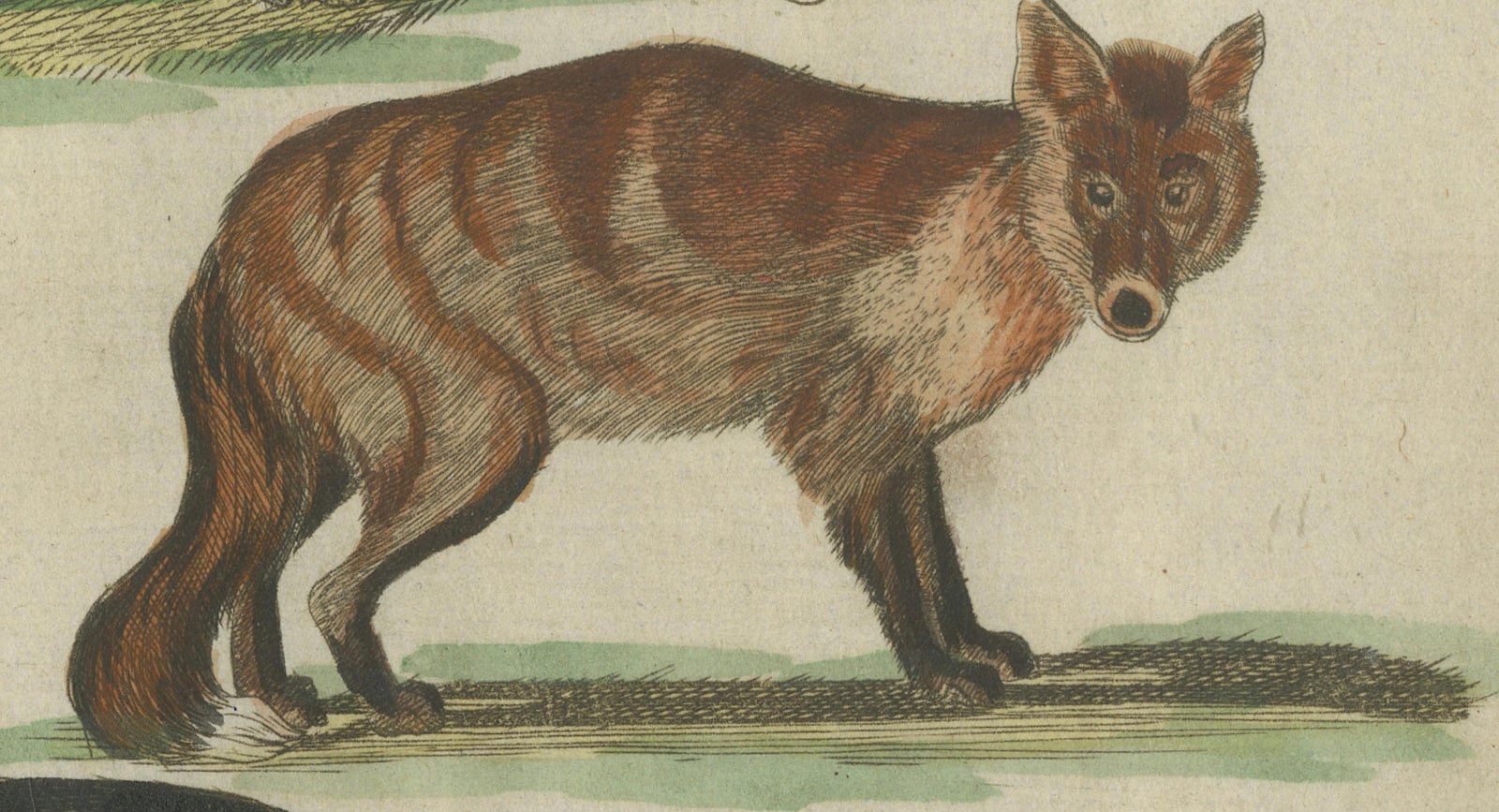
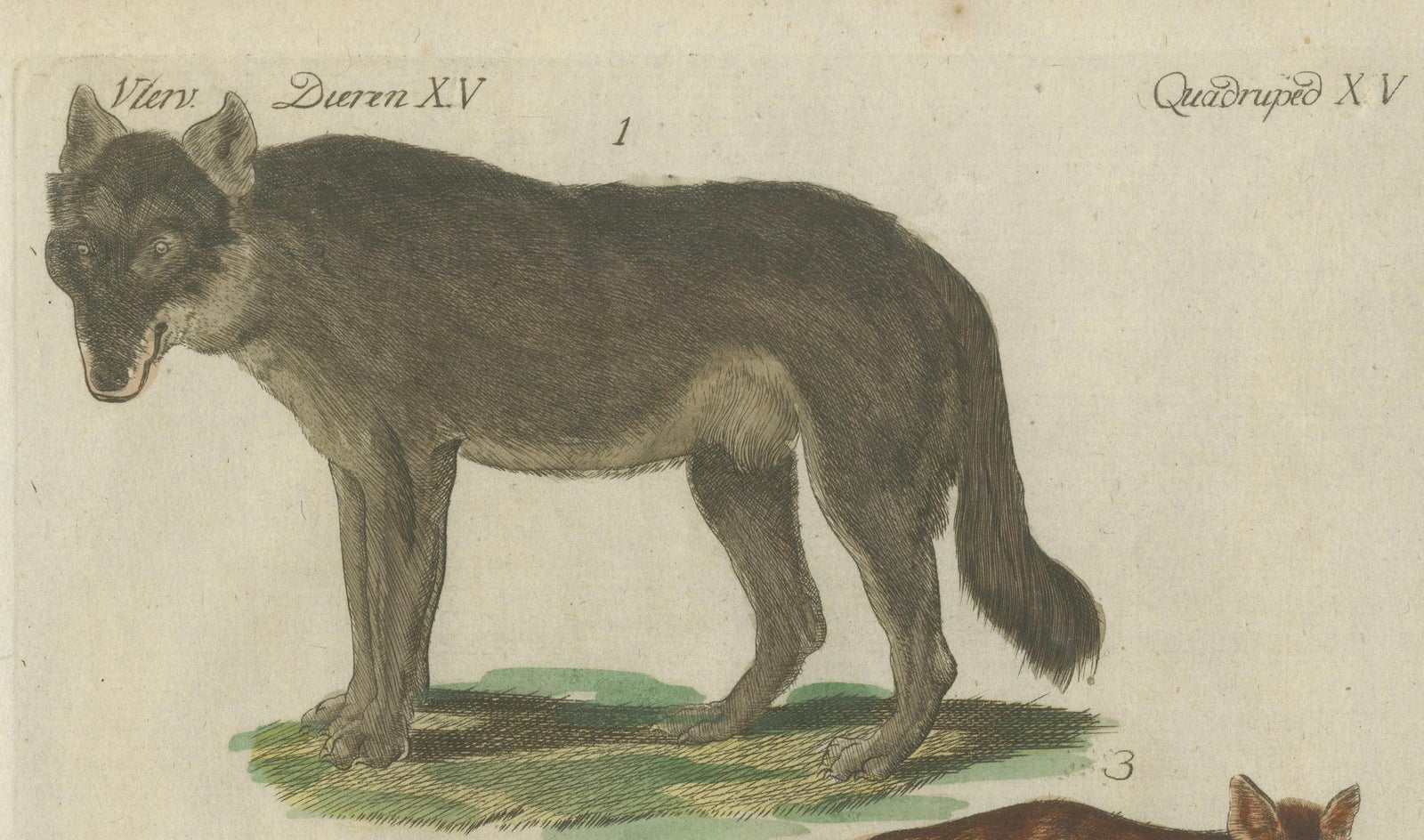
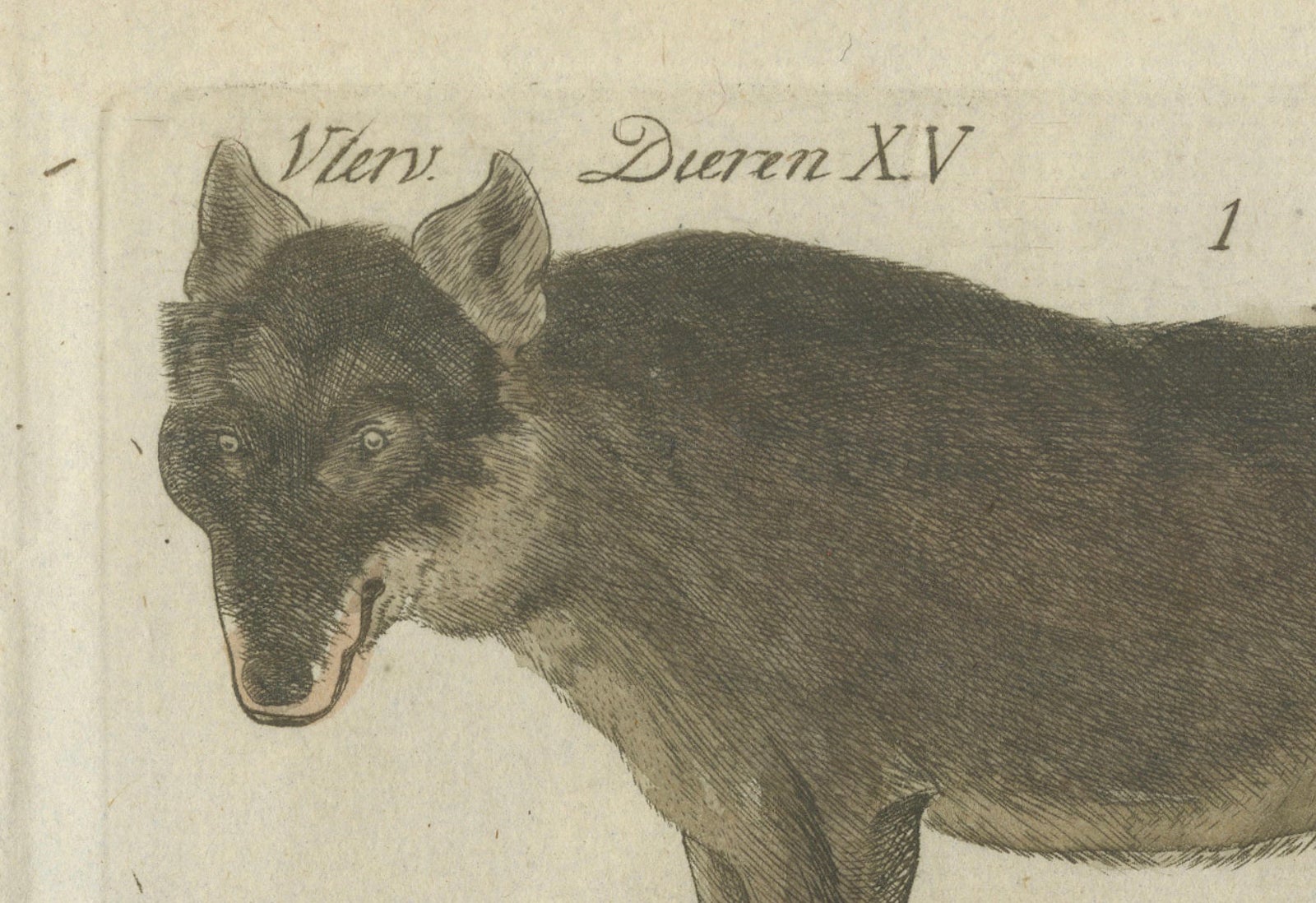
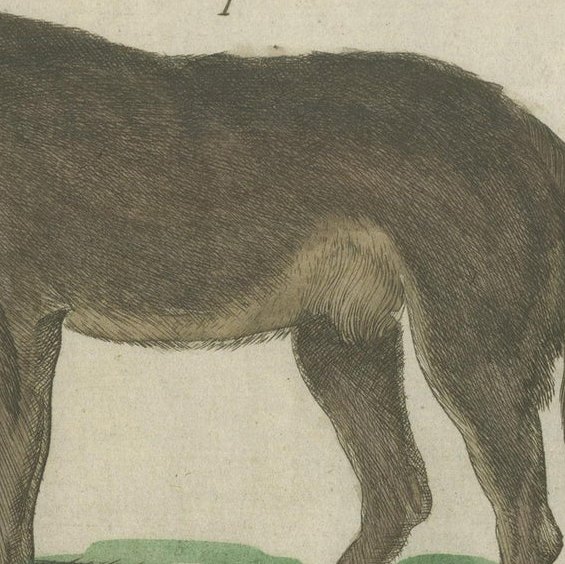
This image depicts three animals that appear to be drawn in an illustrative style characteristic of old natural history illustrations. The top left animal resembles a wolf, standing on a grassy mound. The creature is rendered with a somewhat exaggerated and elongated body, a detail often found in early zoological illustrations before the advent of more accurate scientific drawing standards.
The top right features a smaller animal, possibly a wild canine or a fox, depicted with an attentive expression and striped fur. This illustration style seems to aim for realism but is influenced by the limited understanding of the time it was created.
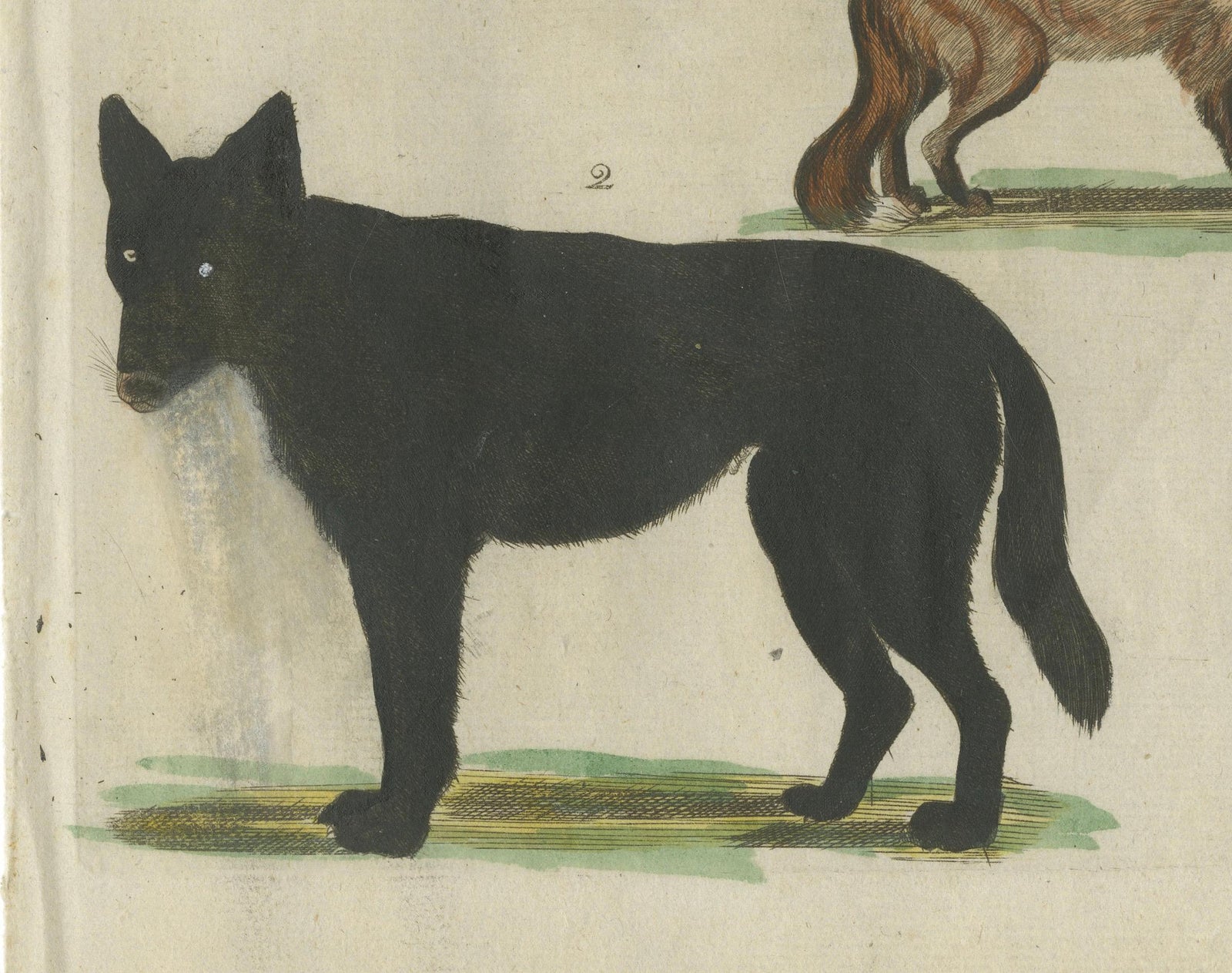
The bottom illustration shows a larger black canine with a prominent gaze towards the viewer. It has a stout body and a bushy tail, with its fur rendered in solid black.
These images likely come from a historical natural history book, where artists relied on descriptions and second-hand accounts to illustrate animals, sometimes leading to less accurate representations.