Close-ups
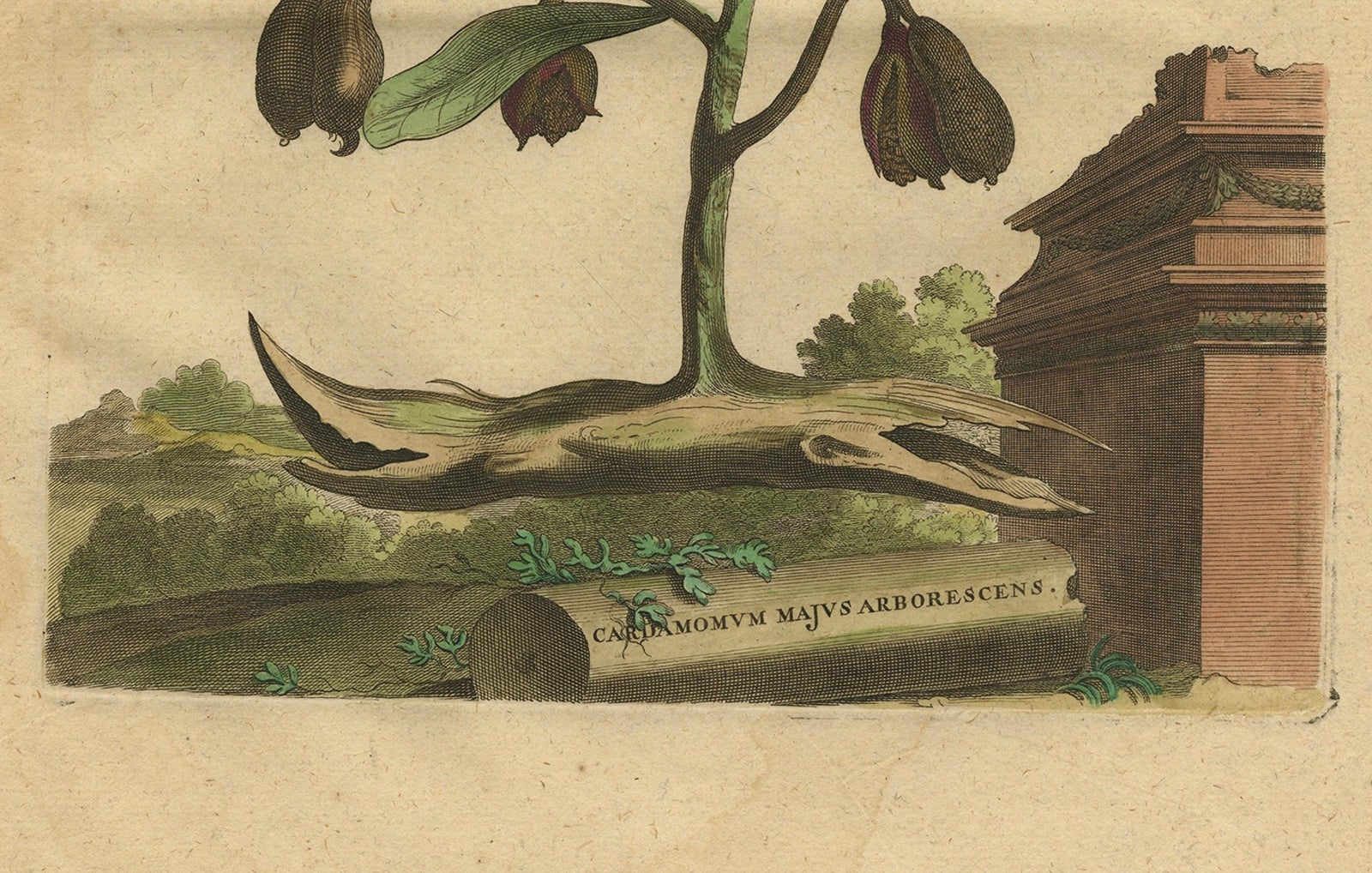
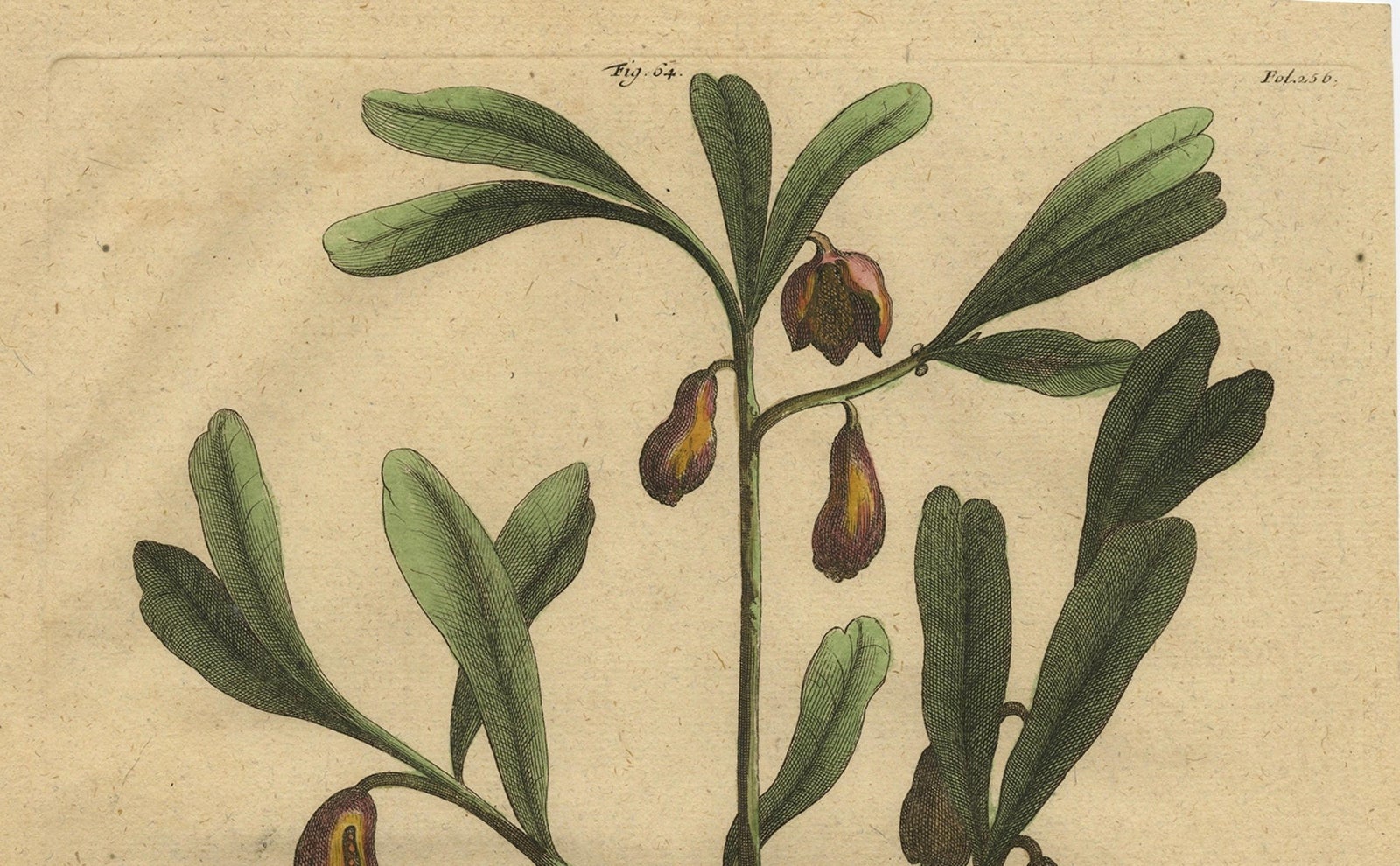
Framed and on the wall
Frame and rooms are illustrations of how the print could look; the description says what is included.
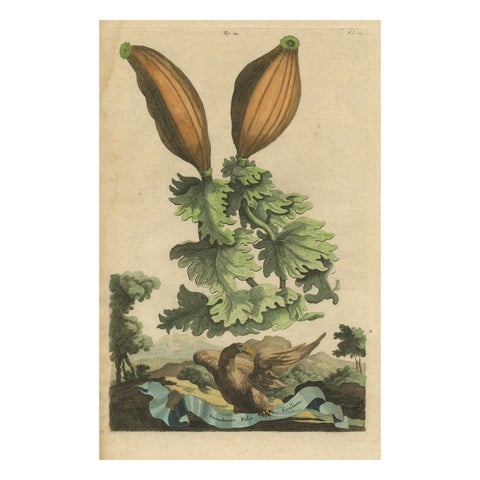
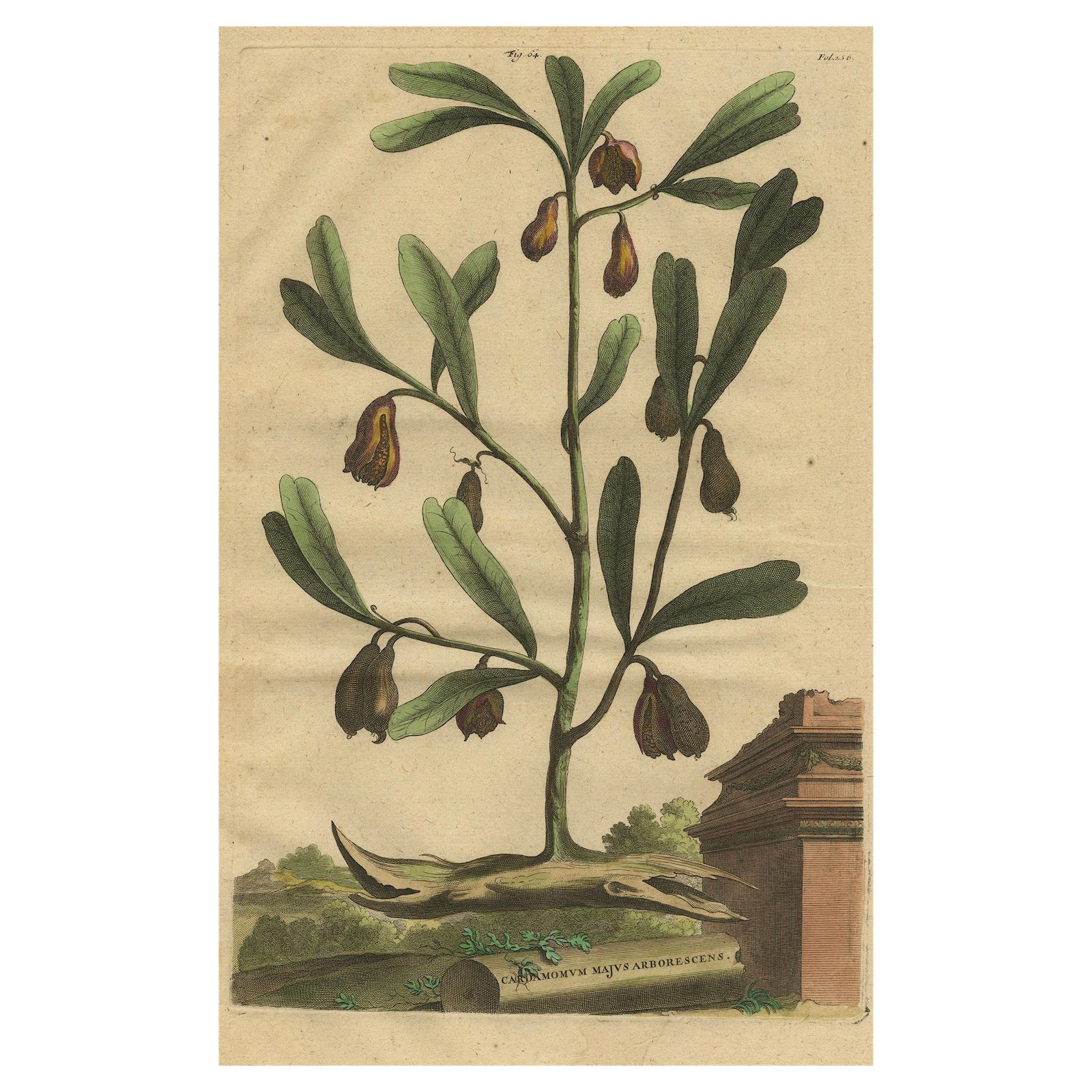
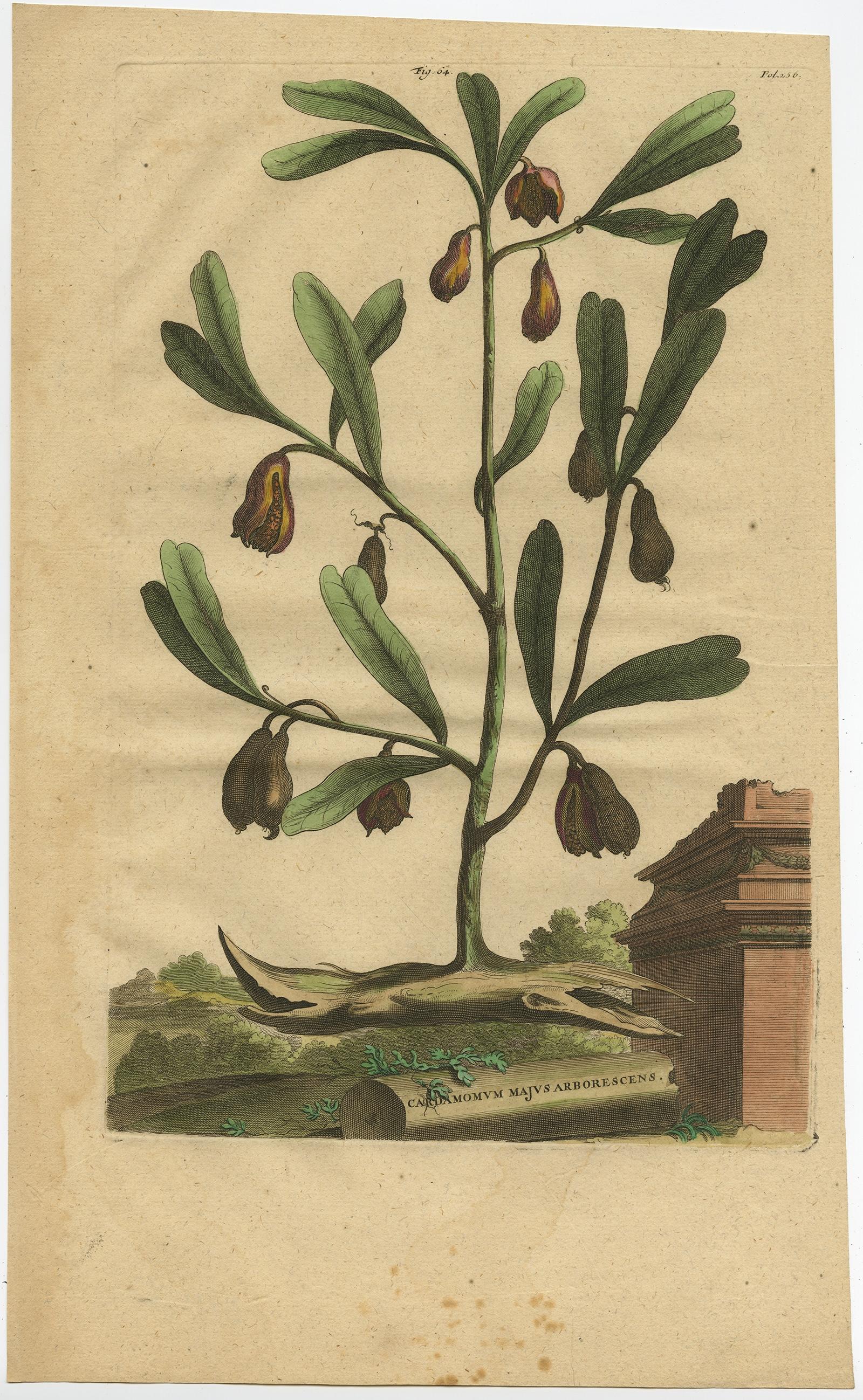
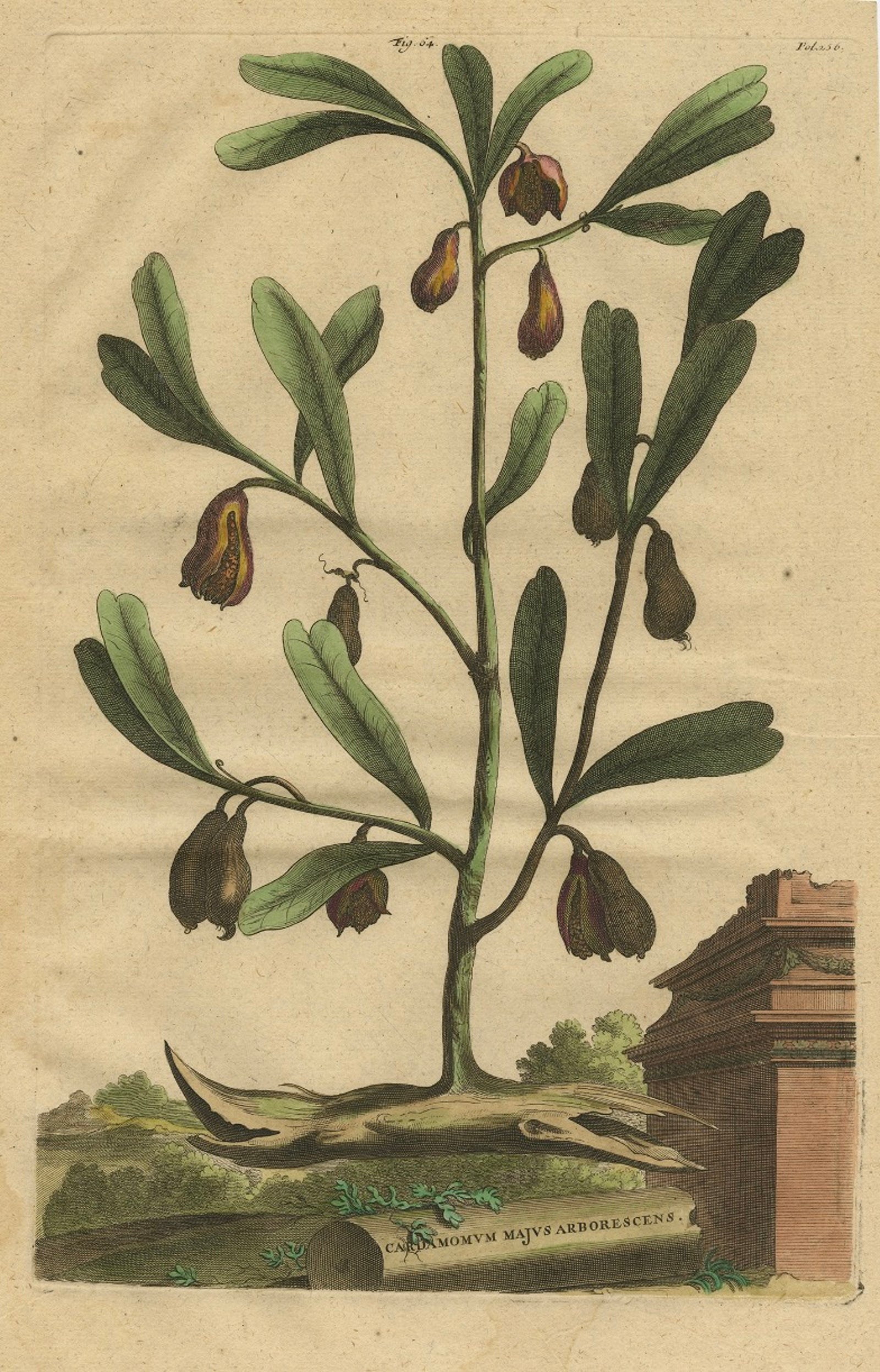
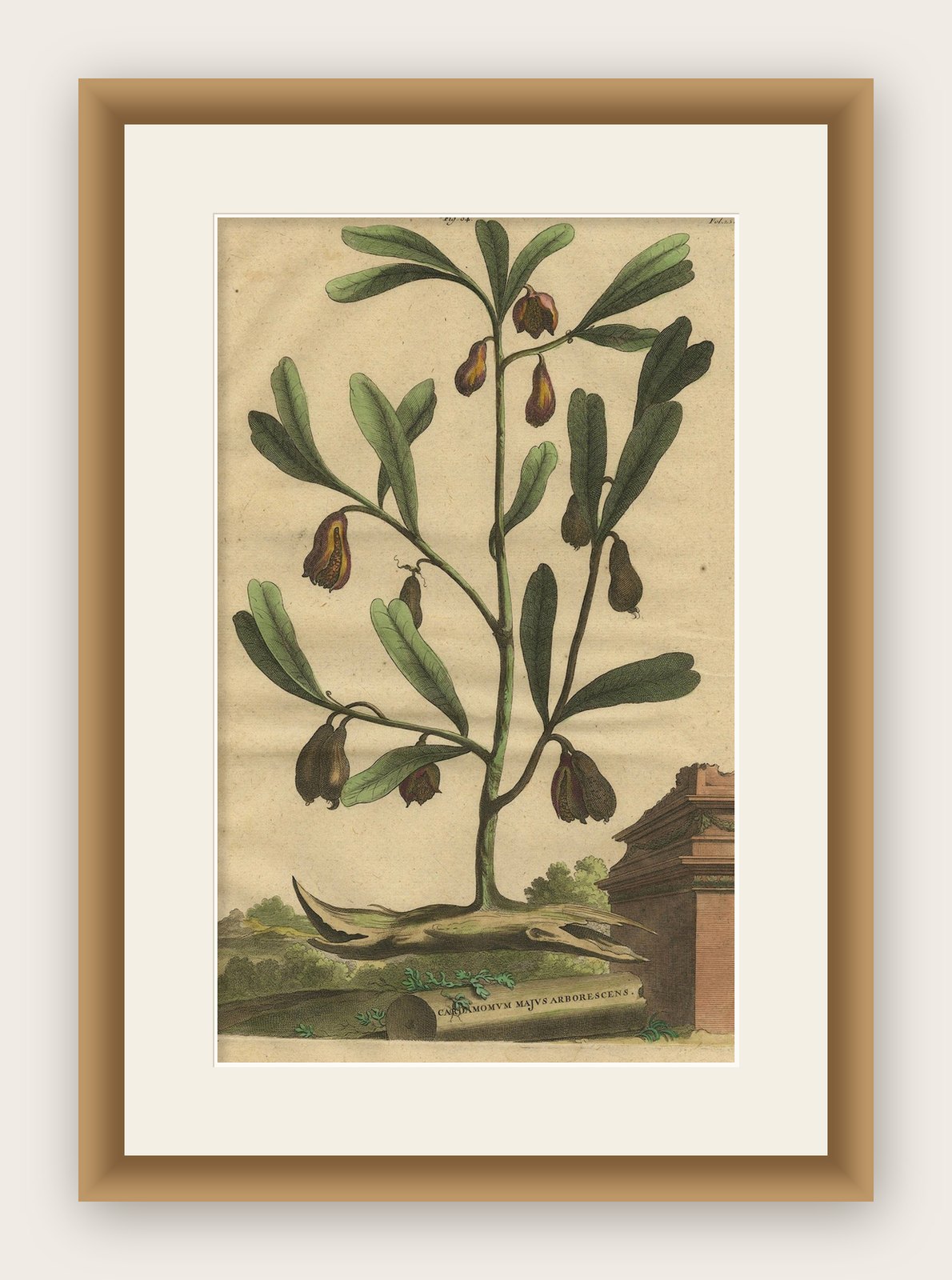
Botanical Illustration of Cardamom Plant (Cardamomum majus arborescens) , 1696
$490 (£370, €440)
Period original, not a reproduction.
Shipped from the Netherlands, flat, insured and tracked, worldwide. Returns accepted within 14 days.
- Date
- 1696
- Size
- 15.7 × 9.5 in (40 × 24.2 cm)
- Condition
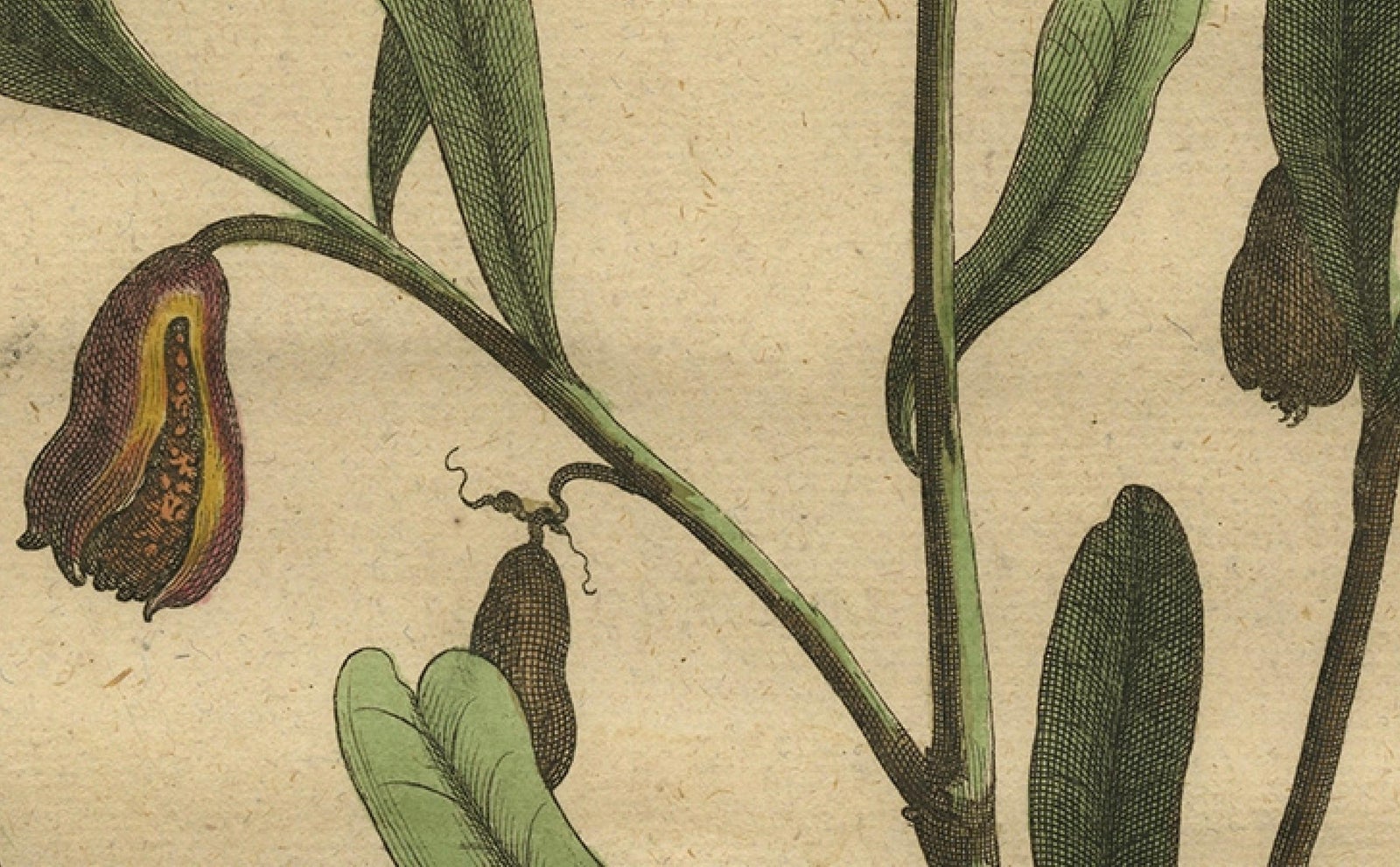
- Good. Good, given age. A few small spots, mainly in the margins. General age-related toning and/or occasional minor defects from handling. Please study scan carefully.
- Period
- Before 1700
- Section
- Botanical
- Reference
- f_41504102
What the condition grades mean
- Excellent
- Bright and clean, with no faults worth mentioning.
- Very good
- Only light signs of age, such as faint toning.
- Good
- Normal signs of age for a sheet of this period: toning, some foxing, small marks or neat old repairs.
- Fair
- Clear faults such as staining, tears or repairs, priced to match.
Every fault we see is written in the condition note, and the whole sheet is shown uncropped in the photos.
This antique print, titled "Cardamomum majus arborescens," illustrates the Cardamom plant, known for its aromatic seeds, which are commonly used as a spice in both culinary and medicinal contexts. The plant is native to tropical regions of India and Southeast Asia and thrives in humid, forested environments.
Cardamom has been valued for centuries for its ability to aid digestion, treat respiratory problems, and its use in flavoring food and beverages, particularly in Indian and Middle Eastern cuisine.
Abraham Munting (1626–1683) was a Dutch botanist who contributed significantly to plant taxonomy and botanical gardens. His posthumously published work gained popularity for its unique artistic style, blending scientific illustrations with creative depictions.