Close-ups
Framed and on the wall
Frame and rooms are illustrations of how the print could look; the description says what is included.
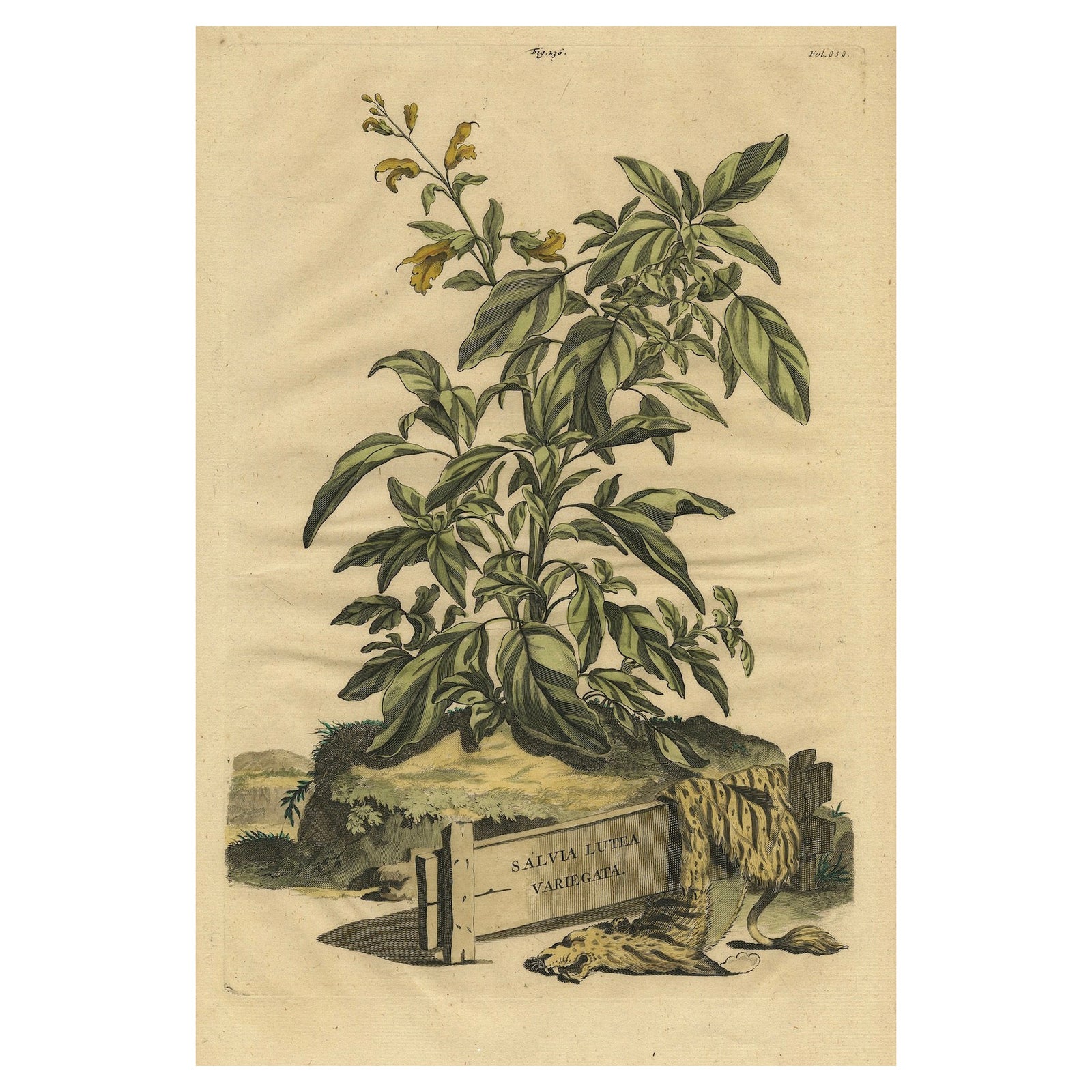
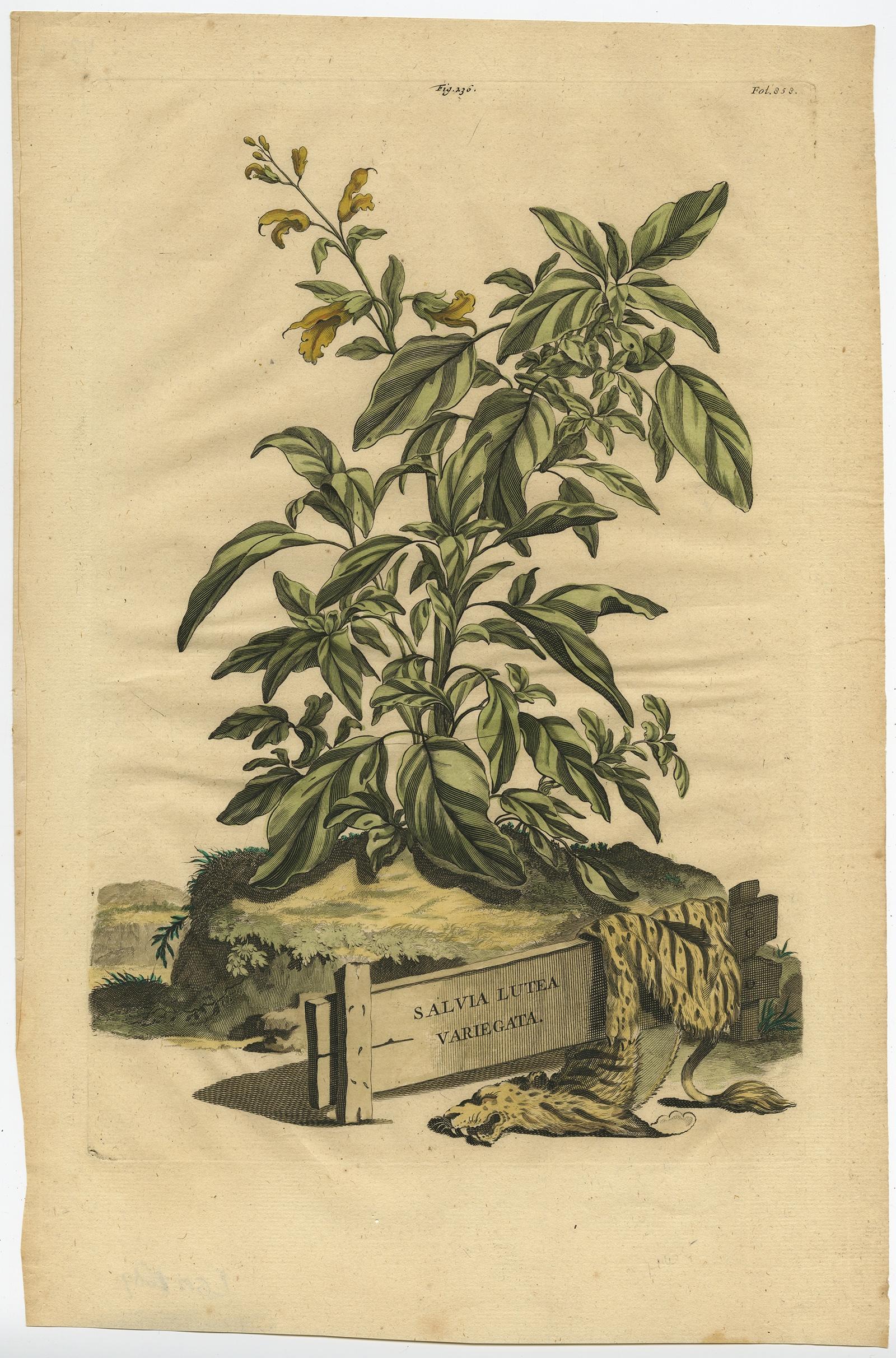
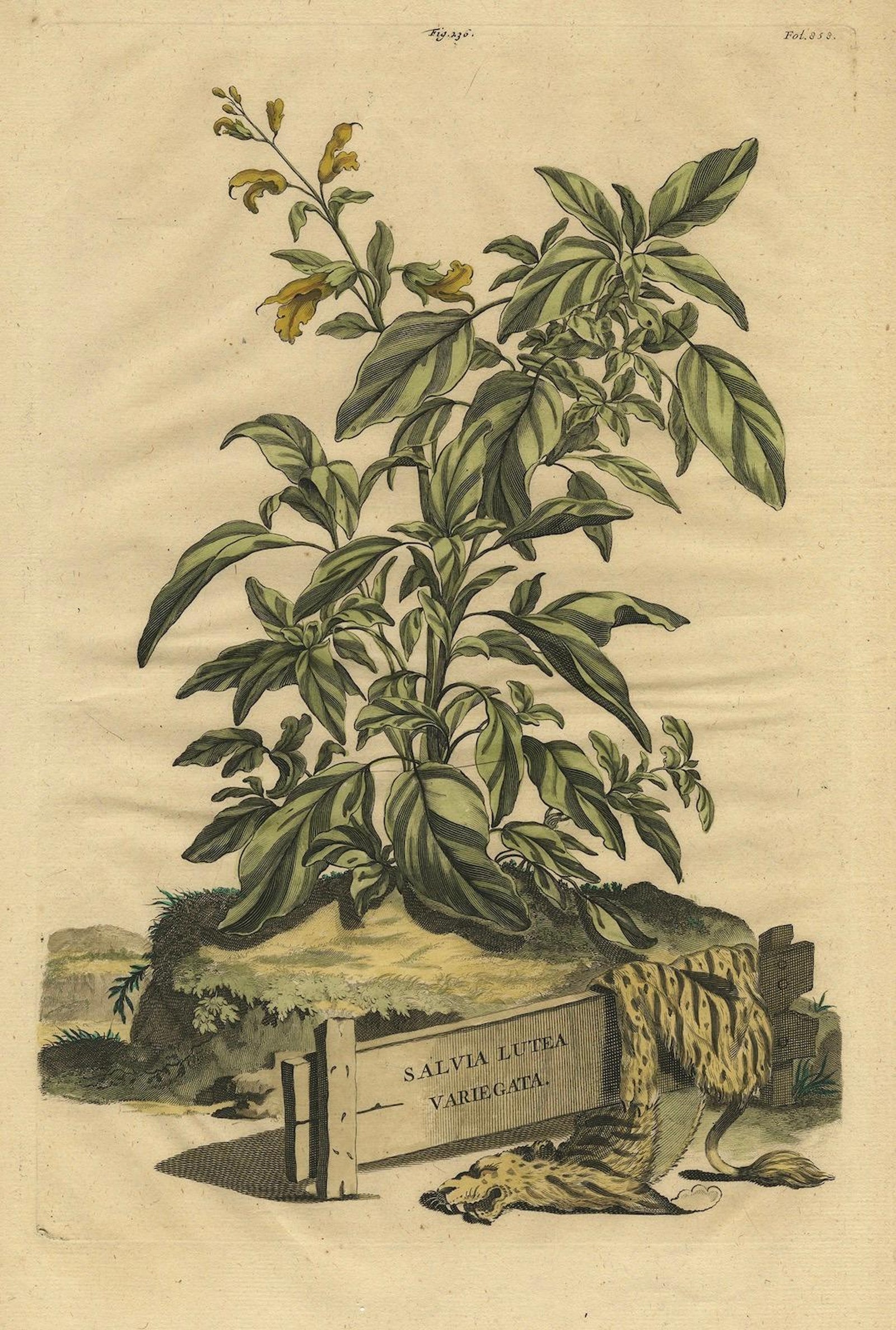
Botanical Illustration of Yellow Variegated Sage from Munting’s 1696 Herbal
$380 (£290, €340)
Period original, not a reproduction.
Shipped from the Netherlands, flat, insured and tracked, worldwide. Returns accepted within 14 days.
- Date
- 1696
- Size
- 15.8 × 10.2 in (40.2 × 26 cm)
- Condition
- Good. Good, given age. Some minor crinkles. General age-related toning and/or occasional minor defects from handling. Please study scan carefully.
- Period
- Before 1700
- Section
- Botanical
- Reference
- f_41503602
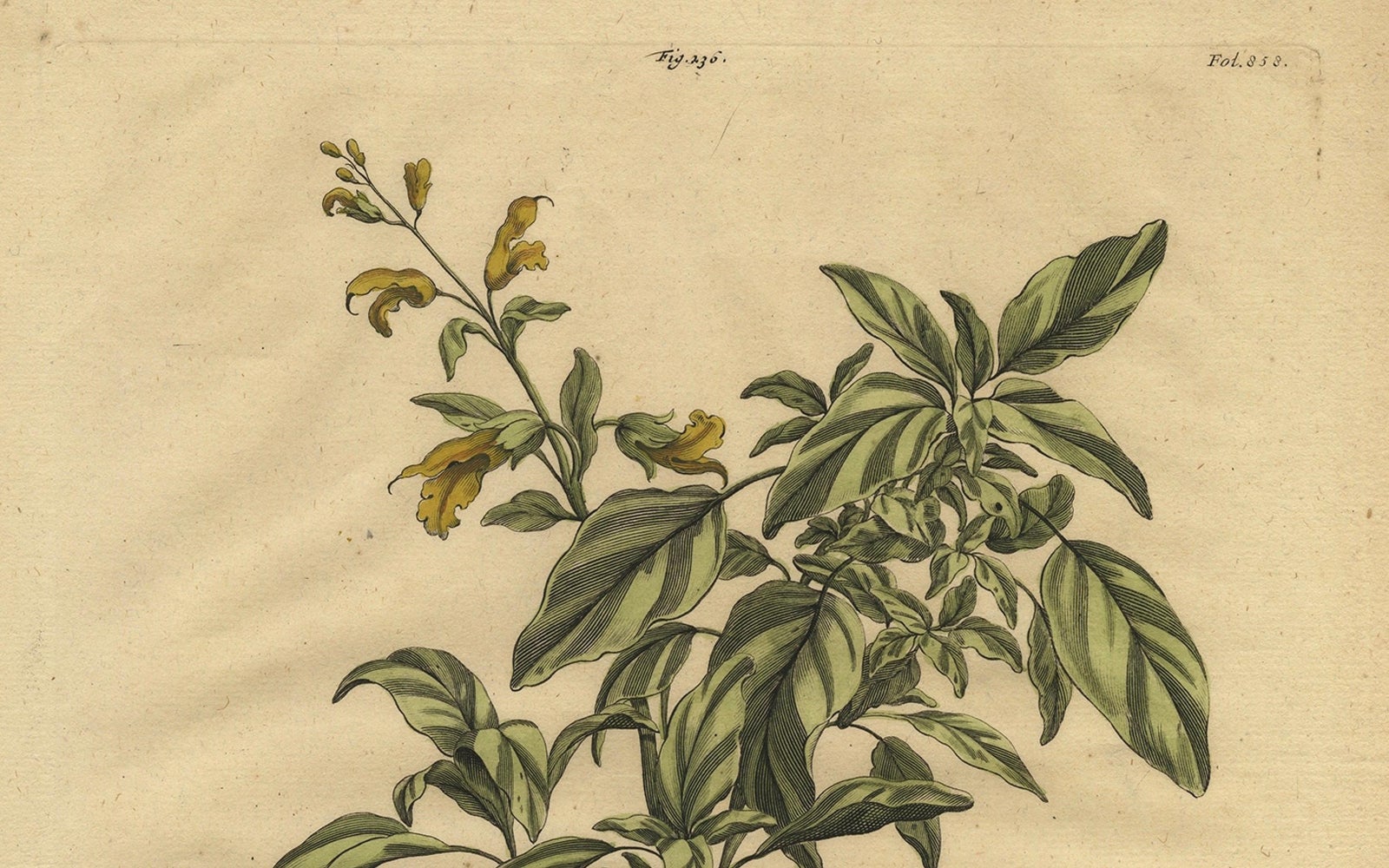
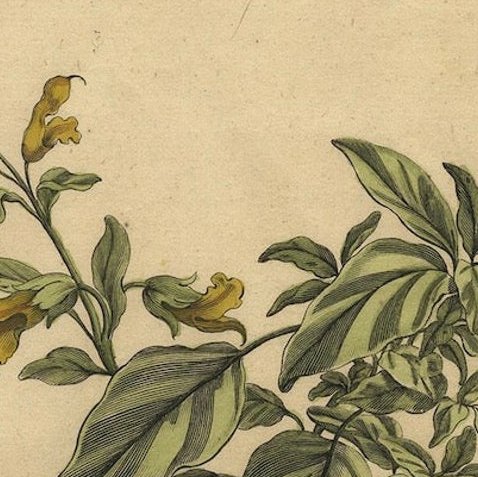
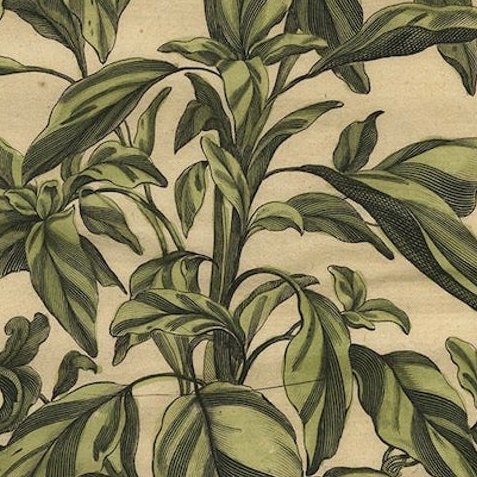
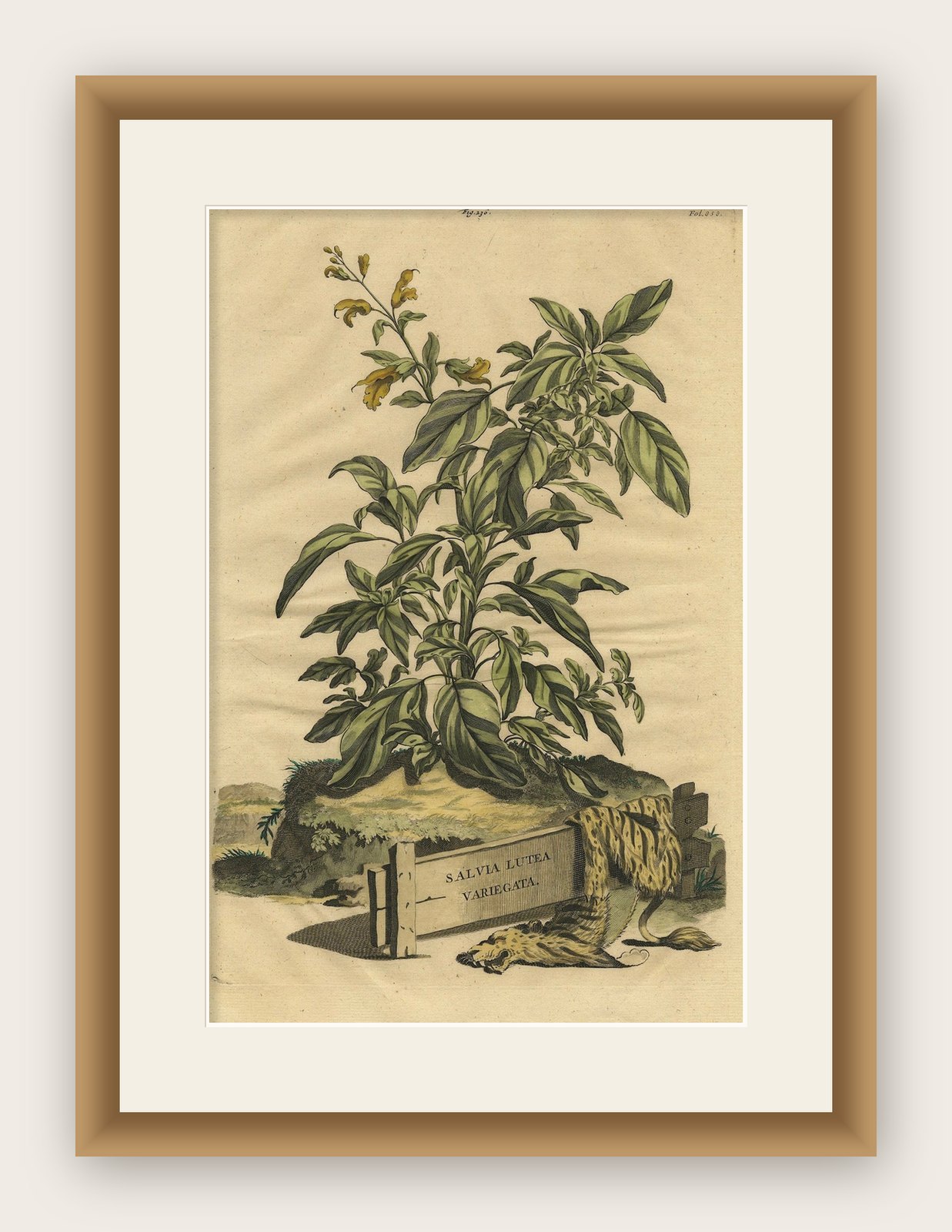
This antique print, titled "Salvia Lutea Variegata," originates from Abraham Munting's renowned botanical work published in 1696. The print features the Salvia plant against an imaginative landscape, which deviates from traditional botanical illustrations of its time. The copper engraving technique captures the intricate details of the plant, while the setting highlights a whimsical presentation uncommon in earlier florilegia.
Abraham Munting (1626–1683) was a Dutch botanist and professor who became well-known for his work in plant taxonomy and botanical studies. He served as a professor of botany at the University of Groningen, where he established a botanical garden, which became one of the most famous in Europe at the time. His extensive studies and experiments with plants culminated in his posthumously published work, "Naauwkeurige Beschryving der Aardgewassen" (1696), which became a significant reference for botanical art and plant knowledge in the 17th century.
The Salvia Lutea Variegata is notable for its variegated leaves and yellow flowers, making it visually distinct among the salvia species. Many salvias are known for their medicinal uses, but this variety is also valued in gardens for its ornamental qualities. It typically thrives in Mediterranean regions but can grow in other areas with well-drained soil and full sunlight. Its adaptability and striking appearance make it a popular choice for temperate gardens and herbal collections.
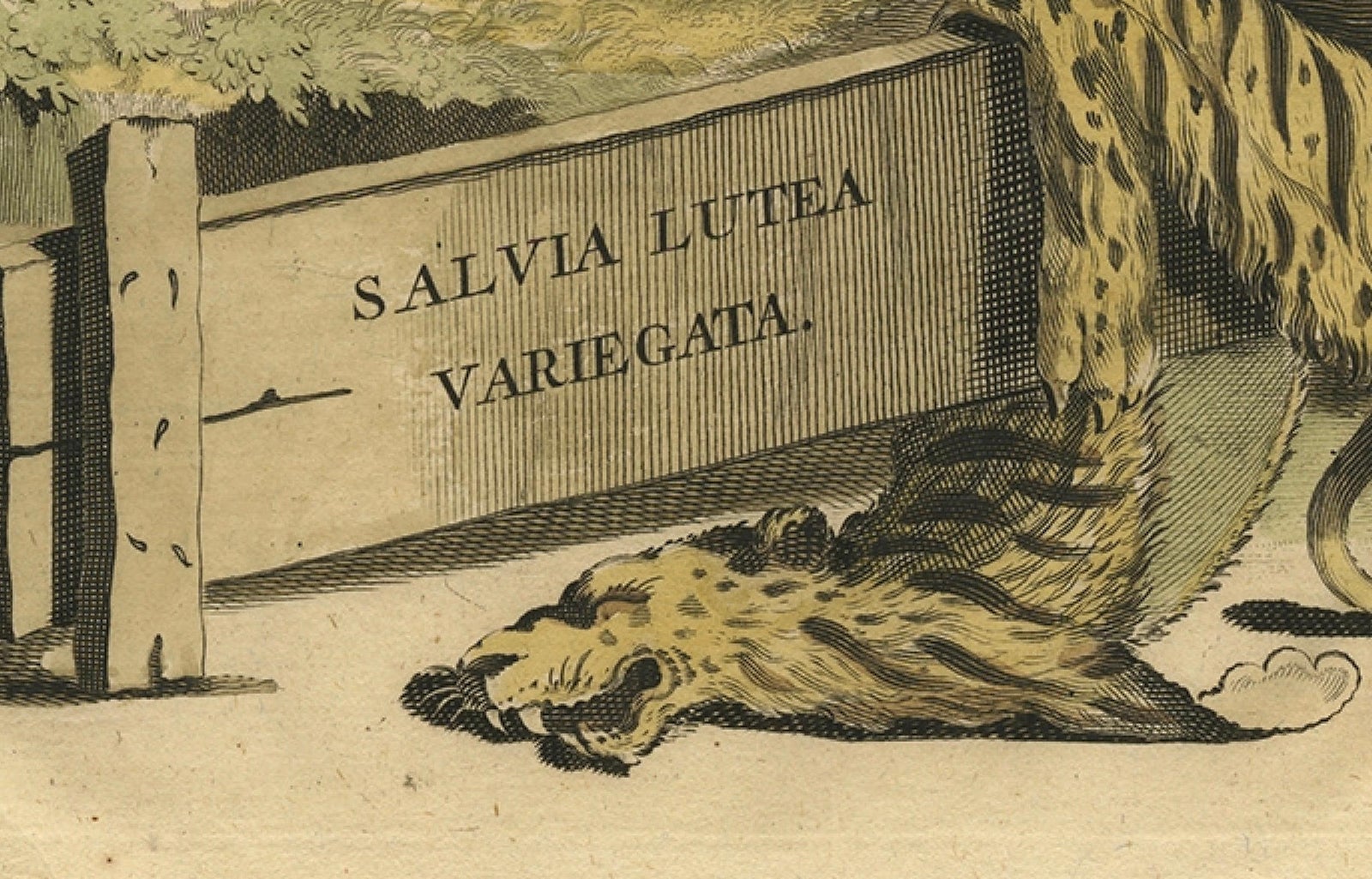
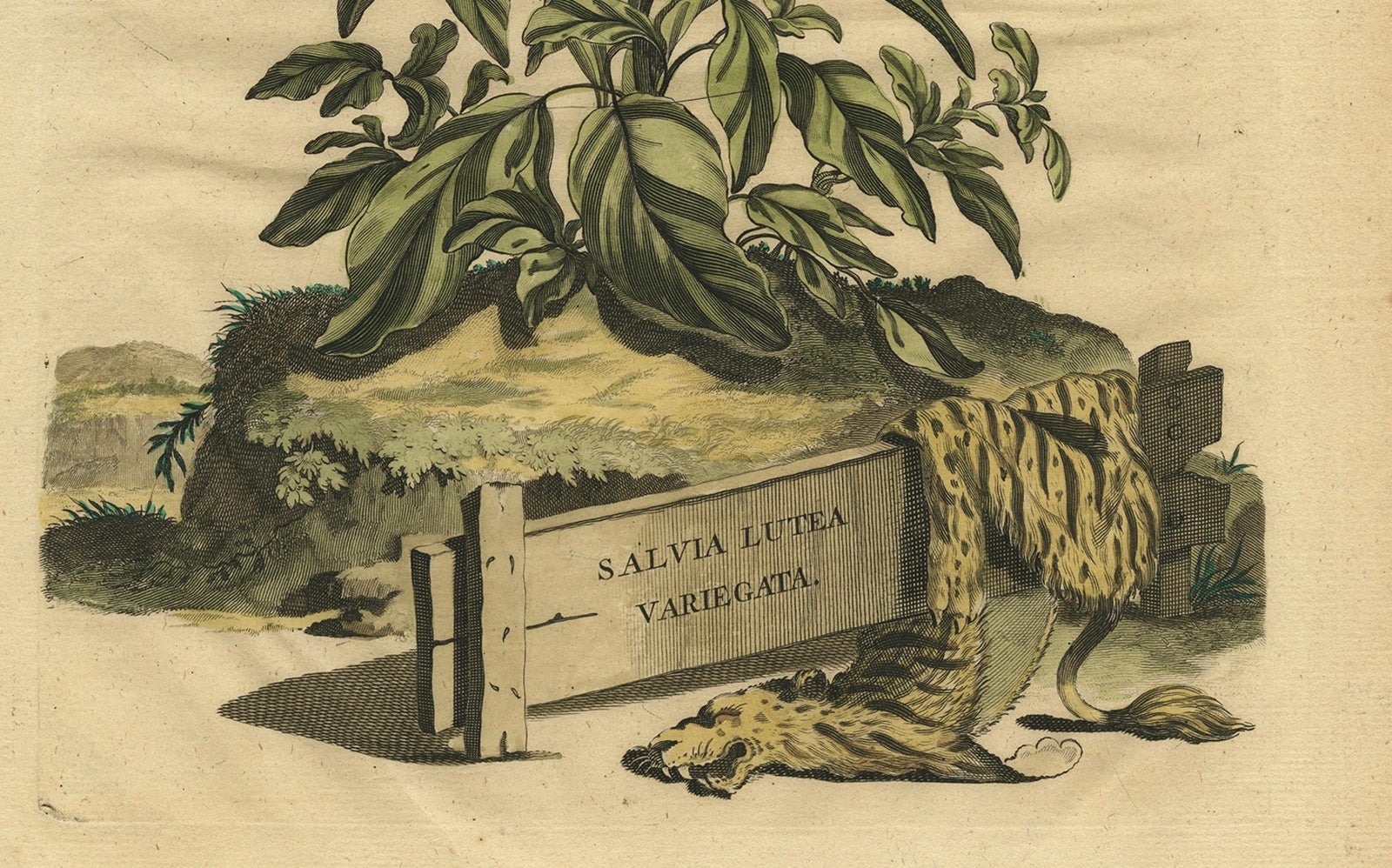
There appears to be a tiger skin depicted at the base of the plant in the print. The skin is stylized, likely included as an artistic element, draped over a small structure near the roots of the Salvia Lutea Variegata. Such details were common in botanical engravings from this period to create a sense of exoticism and draw attention to the rarity or uniqueness of the plant being illustrated.
Collectors or researchers would find keywords like Salvia Lutea, antique botanical print, Munting engraving, and 1696 herbal plates helpful in locating similar works.