Framed and on the wall
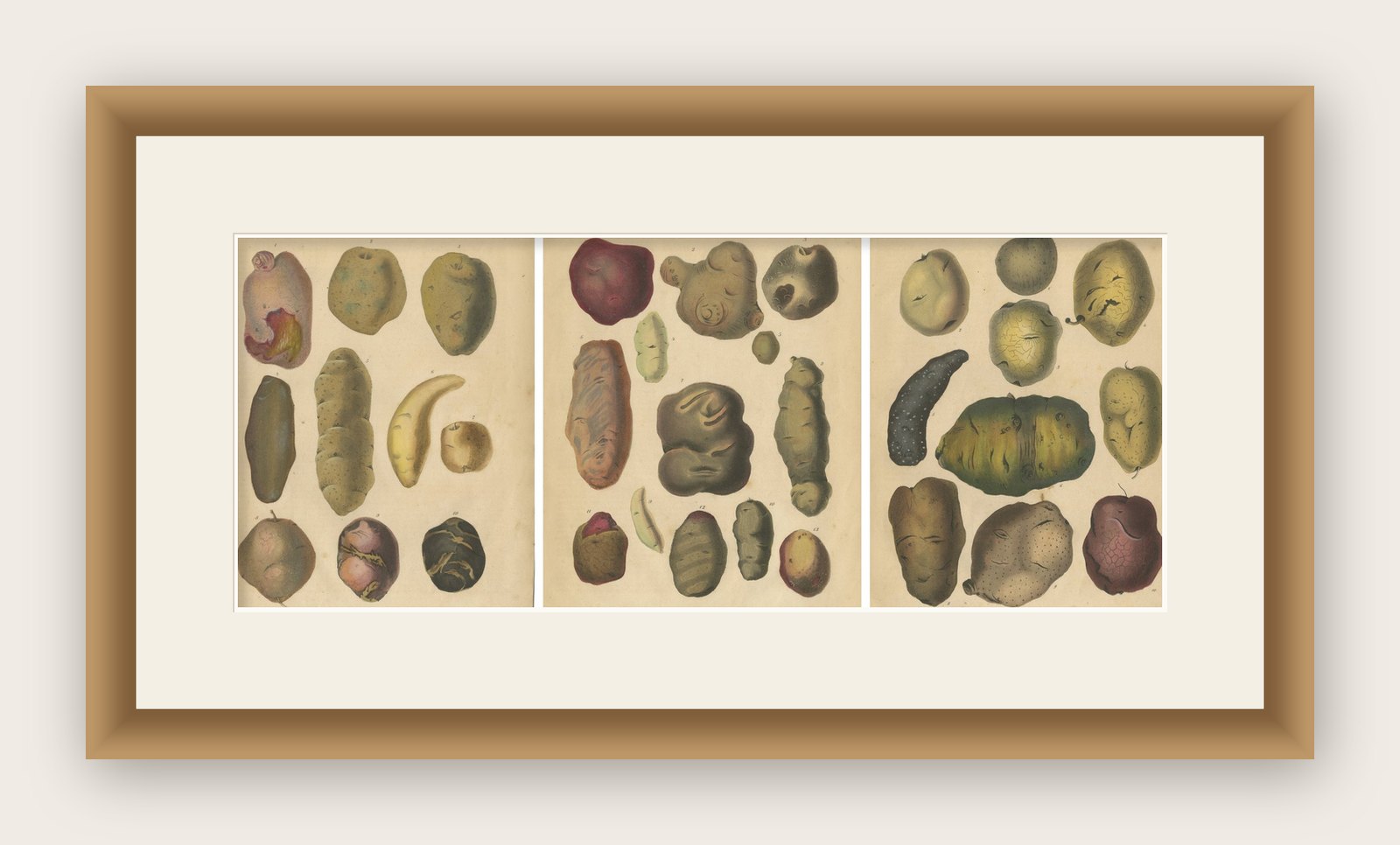


Frame and rooms are illustrations of how the print could look; the description says what is included.
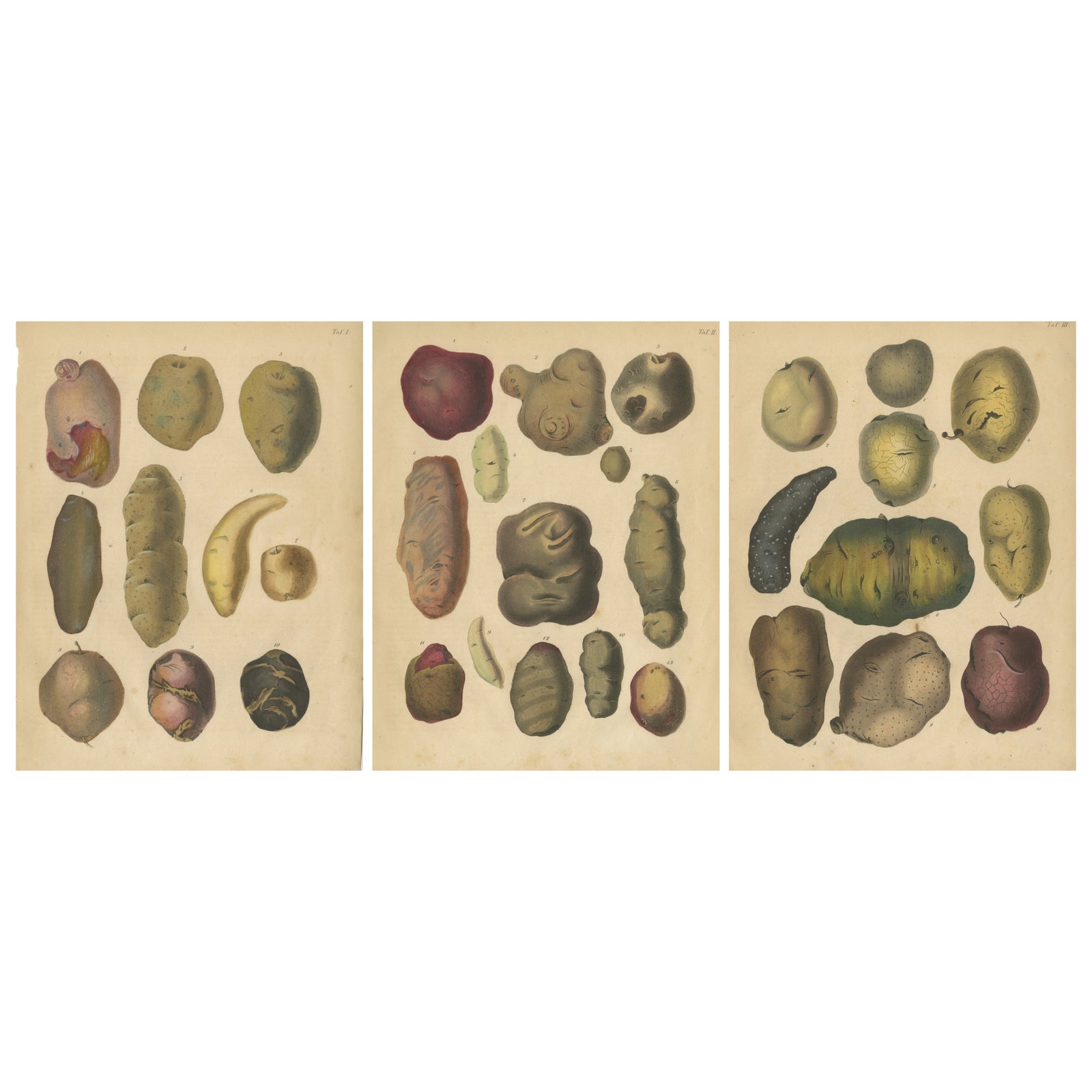
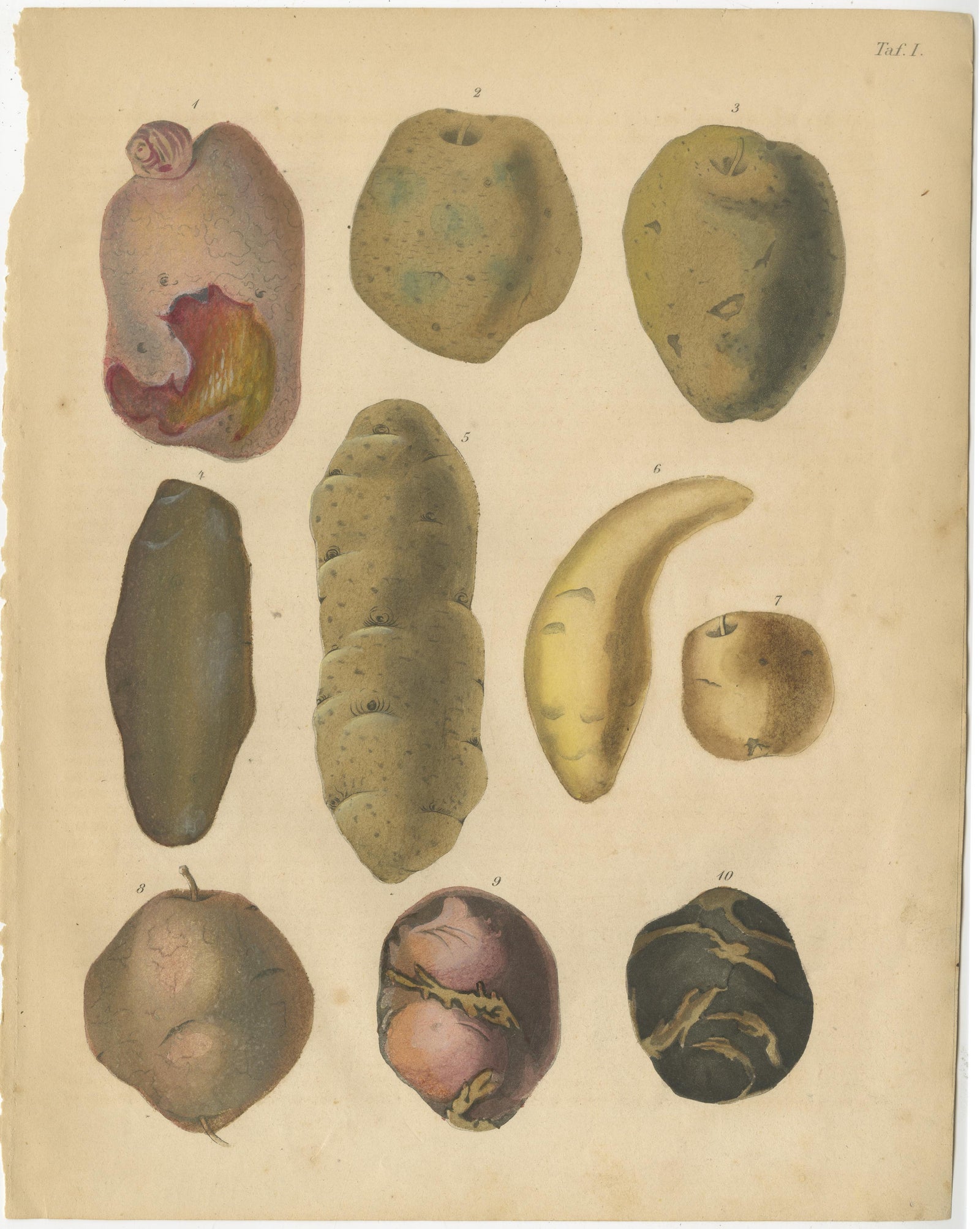
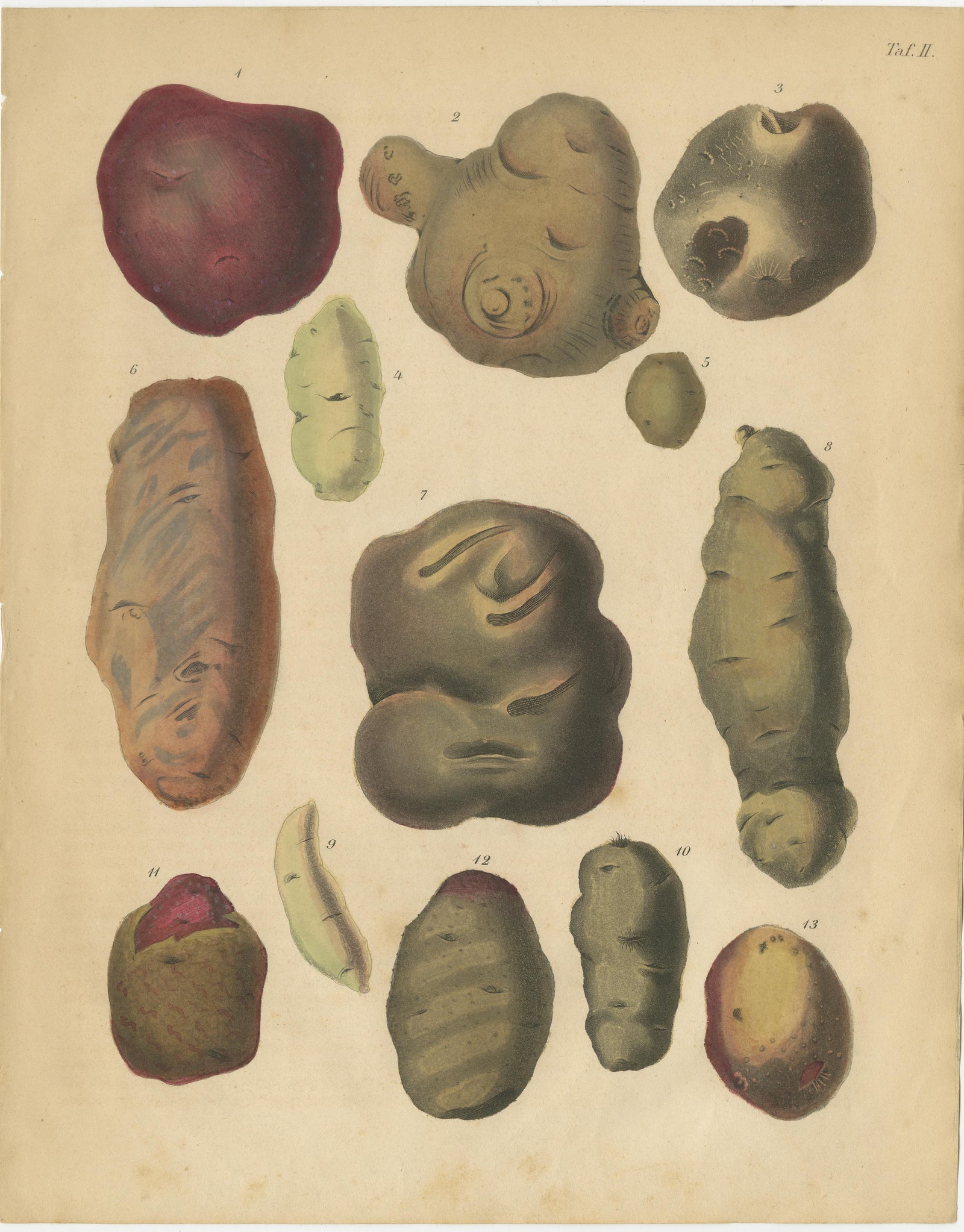
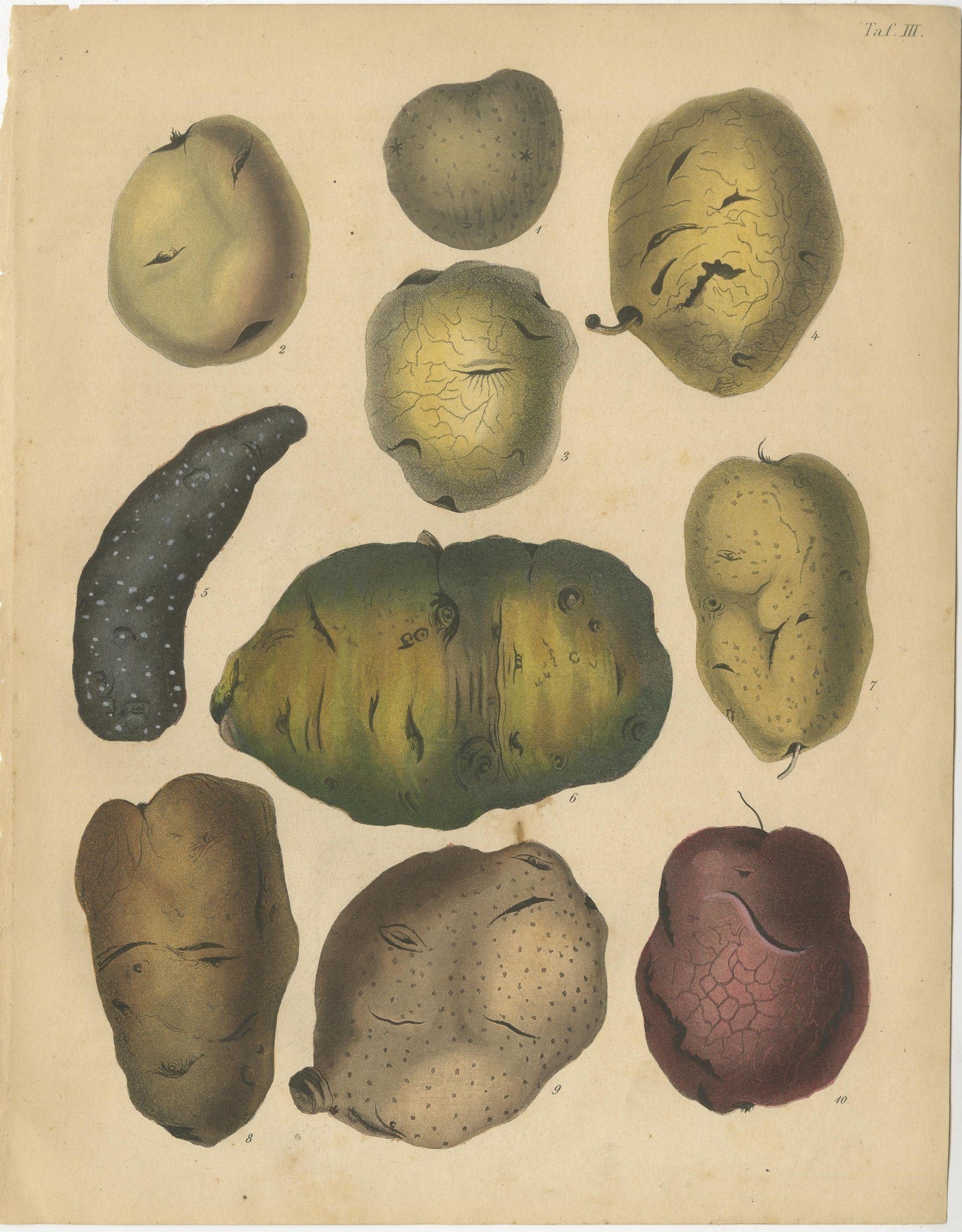
Antique Botanical Lithographs of Potatoes and Tubers, Calwer 1852
€370 ($415, £315, €370)
Period original, not a reproduction.
Shipped from the Netherlands, flat, insured and tracked, worldwide. Returns accepted within 14 days.
- Date
- 1852
- Size
- 10.4 × 8.3 in (26.5 × 21 cm)
- Condition
- Good. Wear consistent with age and use. Light to moderate overall toning consistent with age. Occasional foxing and edge wear. Colors remain clear. From a bound volume. No restoration observed.
- Period
- Late 19th century
- Artist or book
- Calwer's Käferbuch
- Section
- Botanical
- Reference
- f_48104972
Antique Botanical Lithographs of Potatoes and Tubers, Calwer 1852
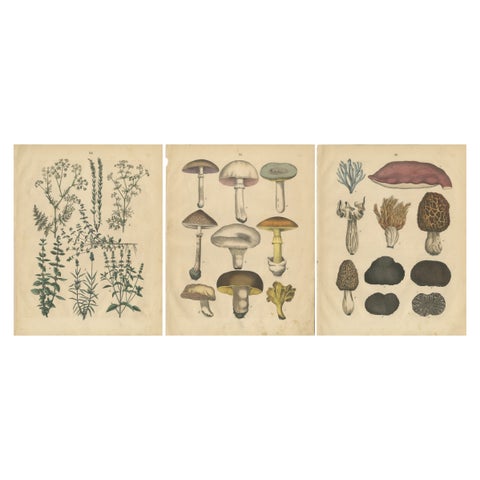
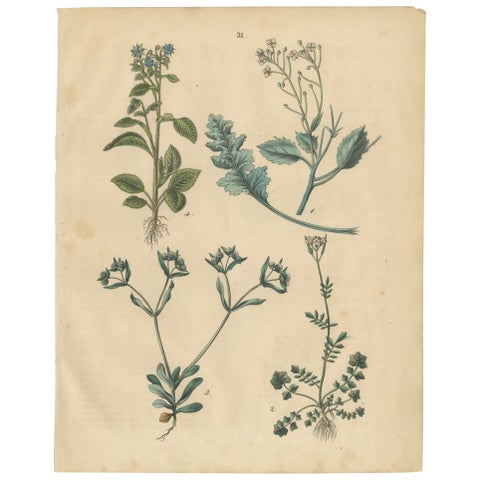
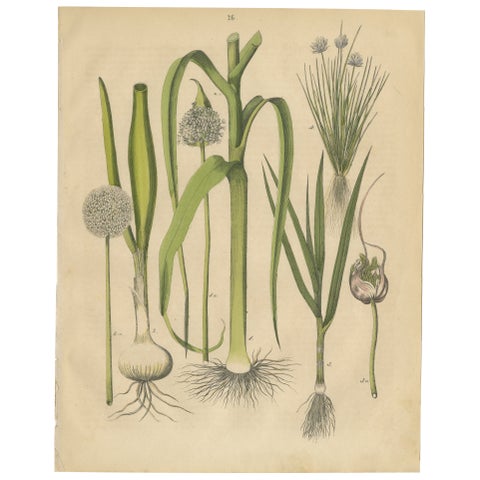
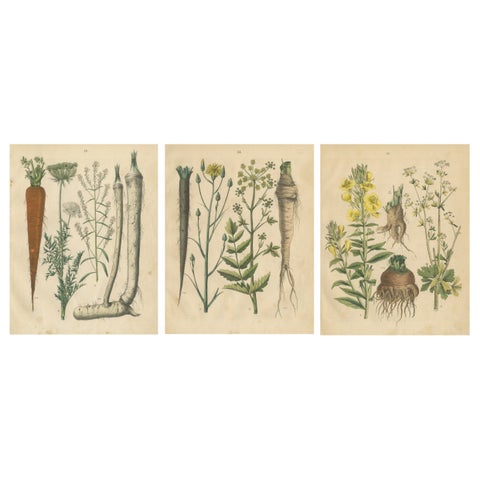
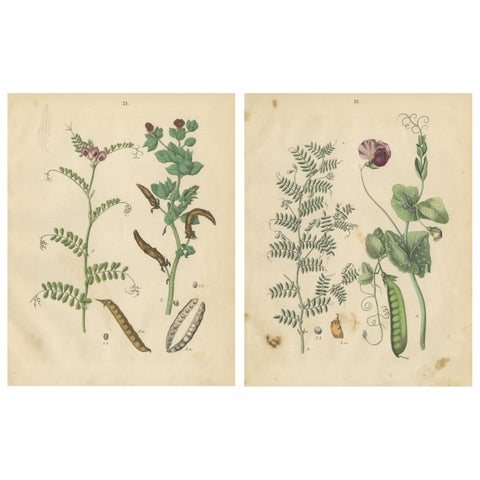
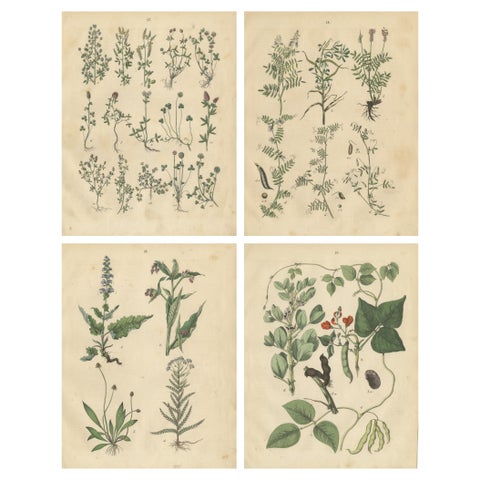
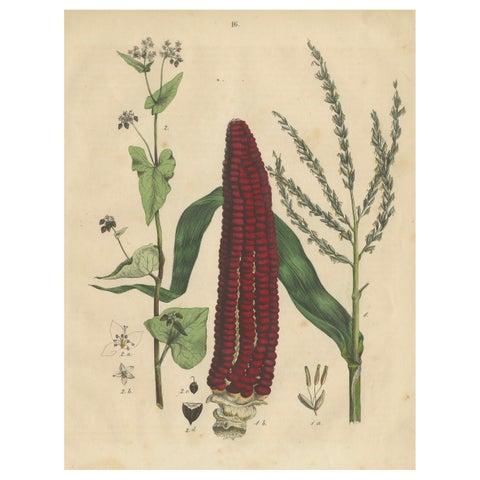
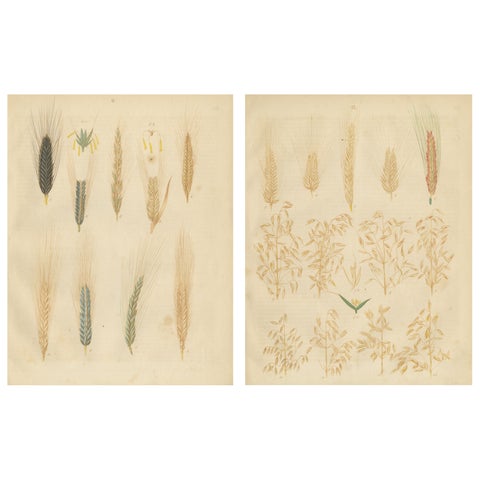
This decorative set of three original hand-colored lithographs comes from Carl Gustav Calwer’s influential 19th-century botanical work Landwirthschaftliche und technische Pflanzenkunde, published in Stuttgart by Krais & Hoffmann in 1852. The plates belong to Volume I, Deutschlands Feld- und Gartengewächse, and illustrate a remarkable range of potato and tuber forms, emphasizing agricultural variation, disease, and morphology.
Calwer’s work occupies an important position between scientific botany and practical agriculture. These images were created to educate farmers, horticulturists, and agronomists, yet their soft coloration and sculptural forms give them strong decorative appeal today. The lithographs show tubers in multiple stages and shapes, rendered with careful shading and naturalistic coloring that reflect mid-19th-century advances in agricultural illustration.
The visual language is earthy and restrained, making the set particularly well suited for rustic interiors, kitchens, country houses, or farm-inspired spaces. At the same time, the scientific precision appeals to collectors of botanical and agricultural prints.
Grouped as a coherent thematic set, these plates create a balanced wall display that tells a clear story of crop cultivation and botanical observation in early industrial Europe.
Condition report: Light to moderate overall toning consistent with age. Occasional foxing and edge wear. Colors remain clear. From a bound volume. No restoration observed.
Framing tips: Frame as a horizontal row of three using light oak or walnut frames. Use an off-white or warm ivory mat to complement the paper tone and enhance contrast.
Technique: Hand-colored lithograph
Maker: Carl Gustav Calwer, Stuttgart, 1852