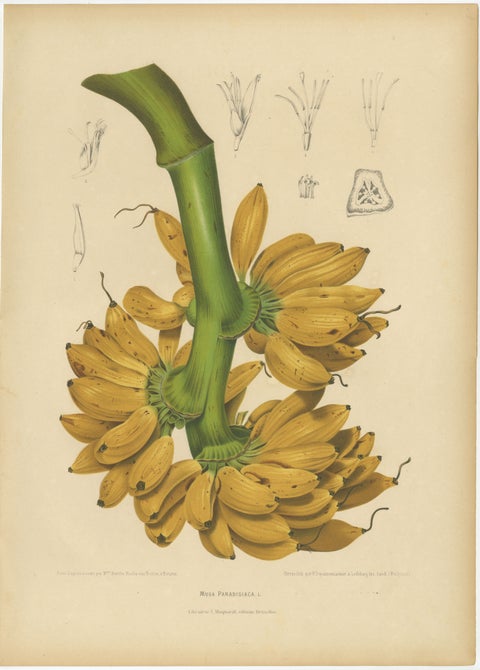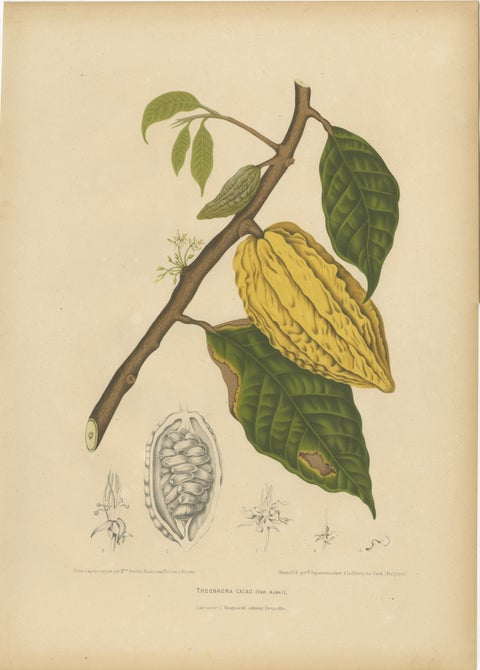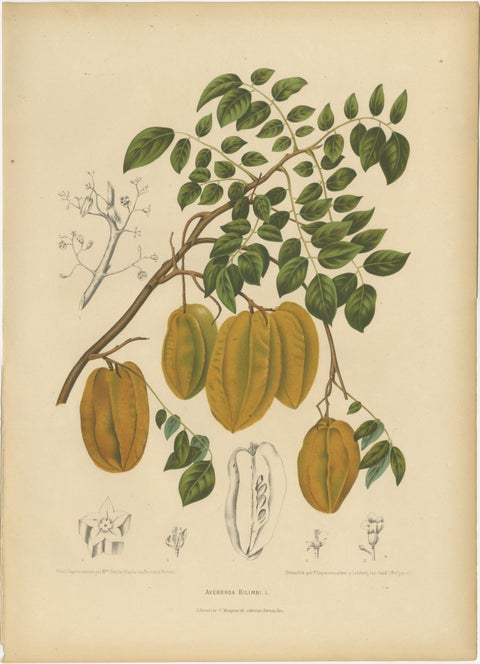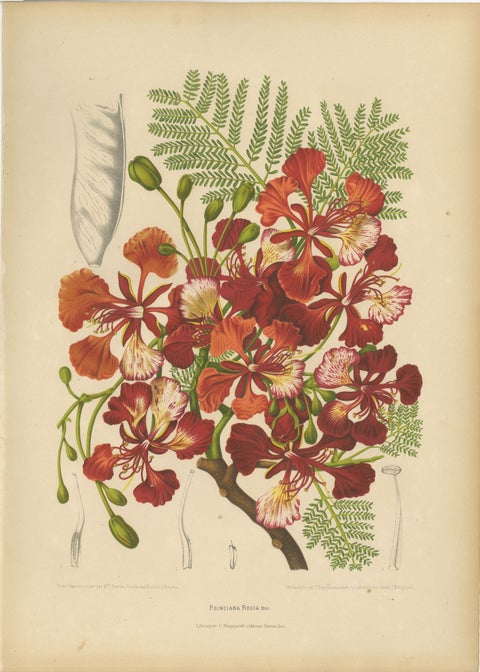
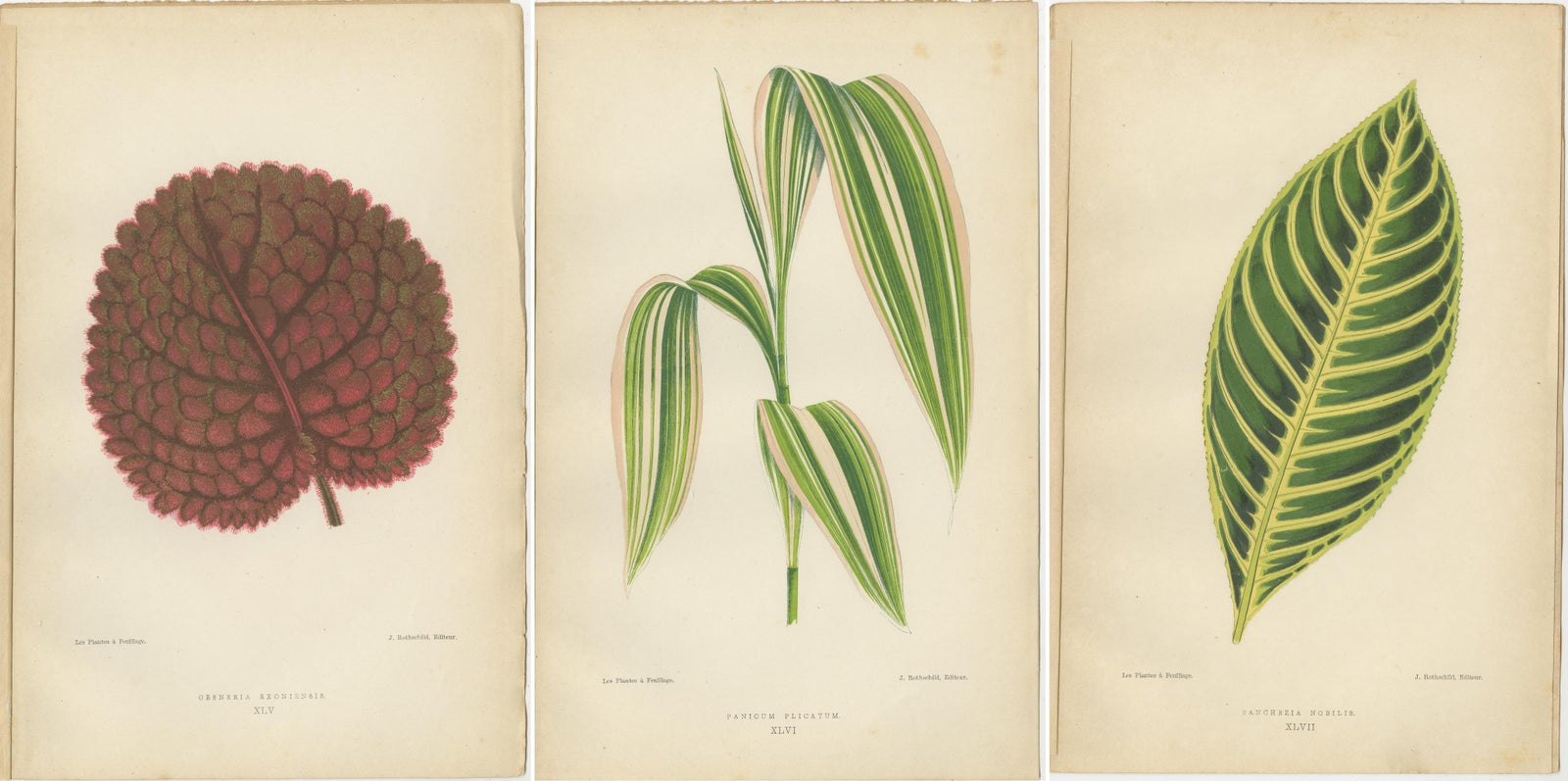
Framed and on the wall
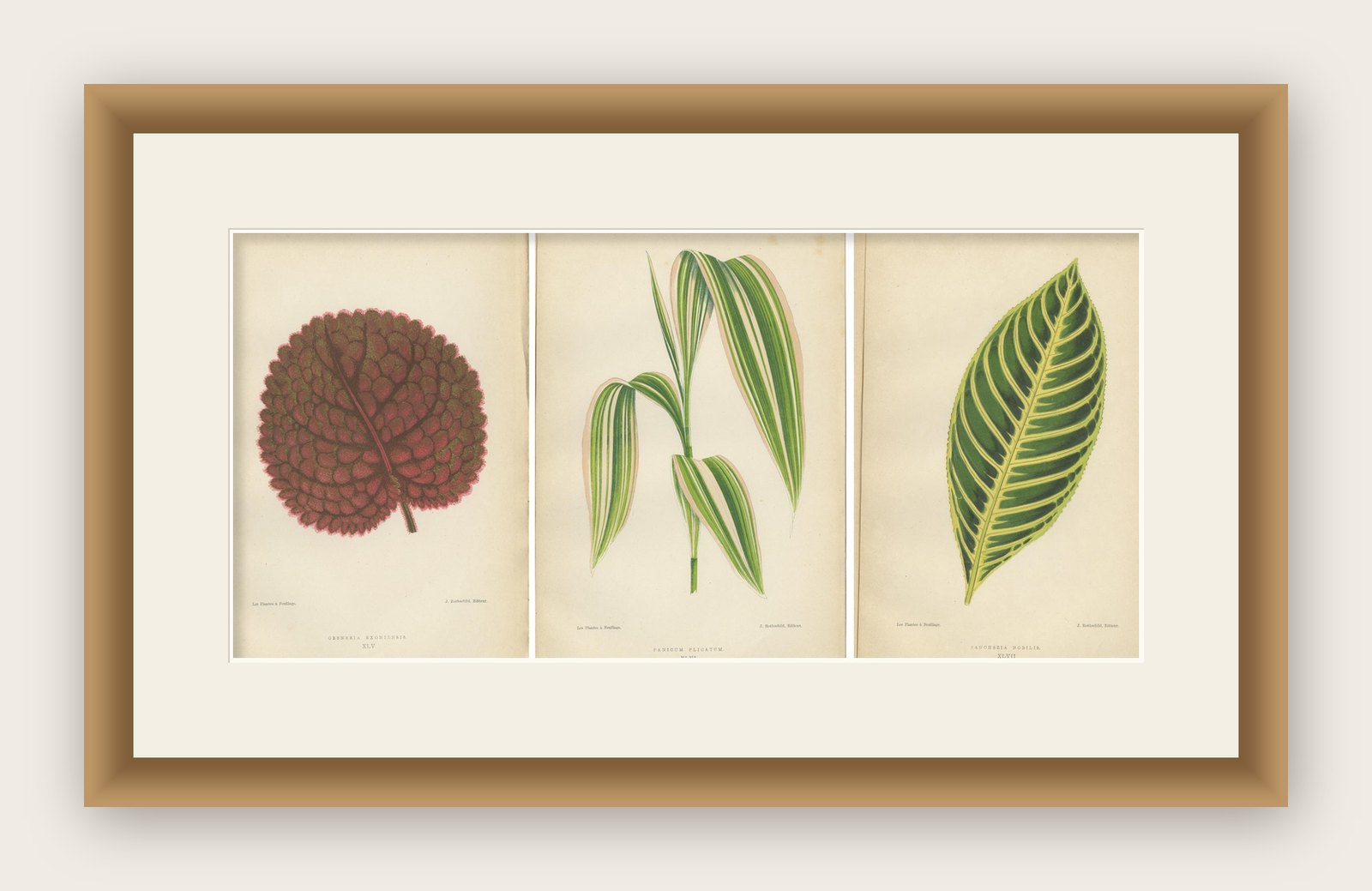

Frame and rooms are illustrations of how the print could look; the description says what is included.
Verdant Elegance: Botanical Artistry from 1880 Paris
$270 (£205, €240)
Period original, not a reproduction.
Shipped from the Netherlands, flat, insured and tracked, worldwide. Returns accepted within 14 days.
- Date
- 1880
- Size
- 10.6 × 7.1 in (27 × 18 cm)
- Condition
- Good. Given age. General age-related toning and/or occasional minor defects from handling. Please study scan carefully. Comes with protective sheet and text sheet in French.
- Period
- Late 19th century
- Section
- Botanical
- Reference
- f_38839652
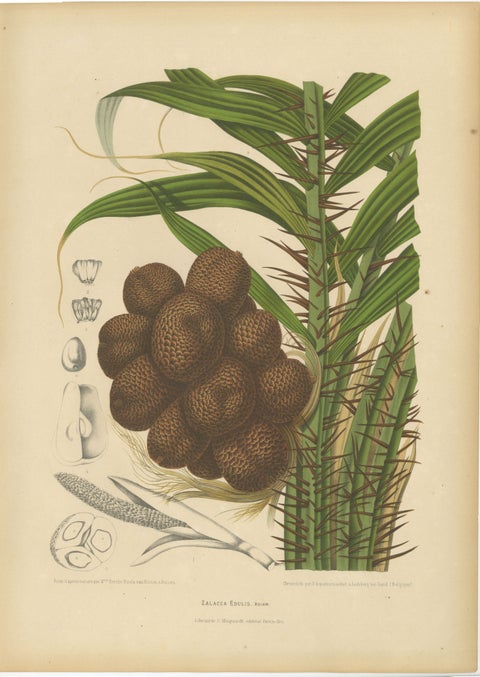
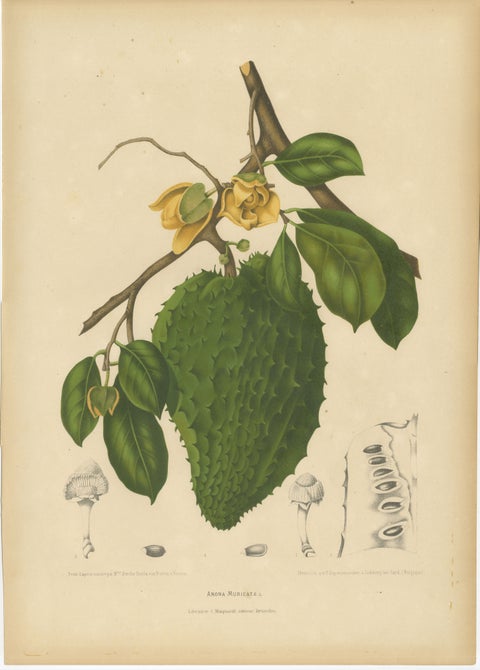
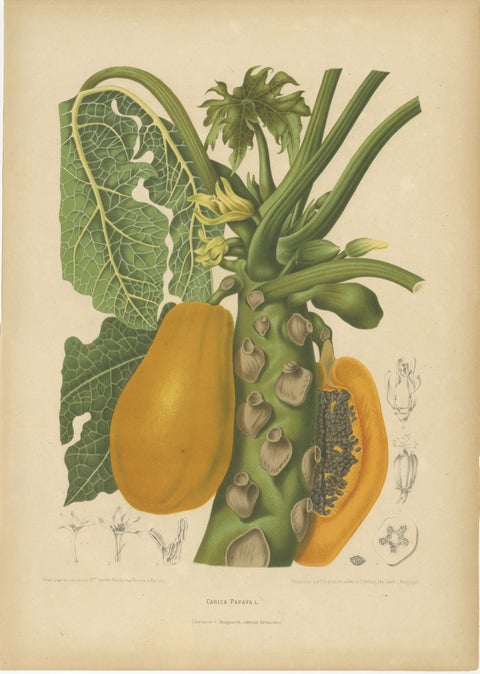
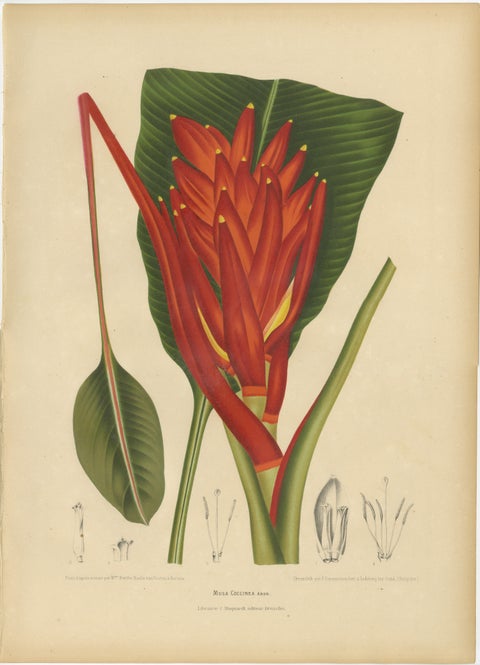
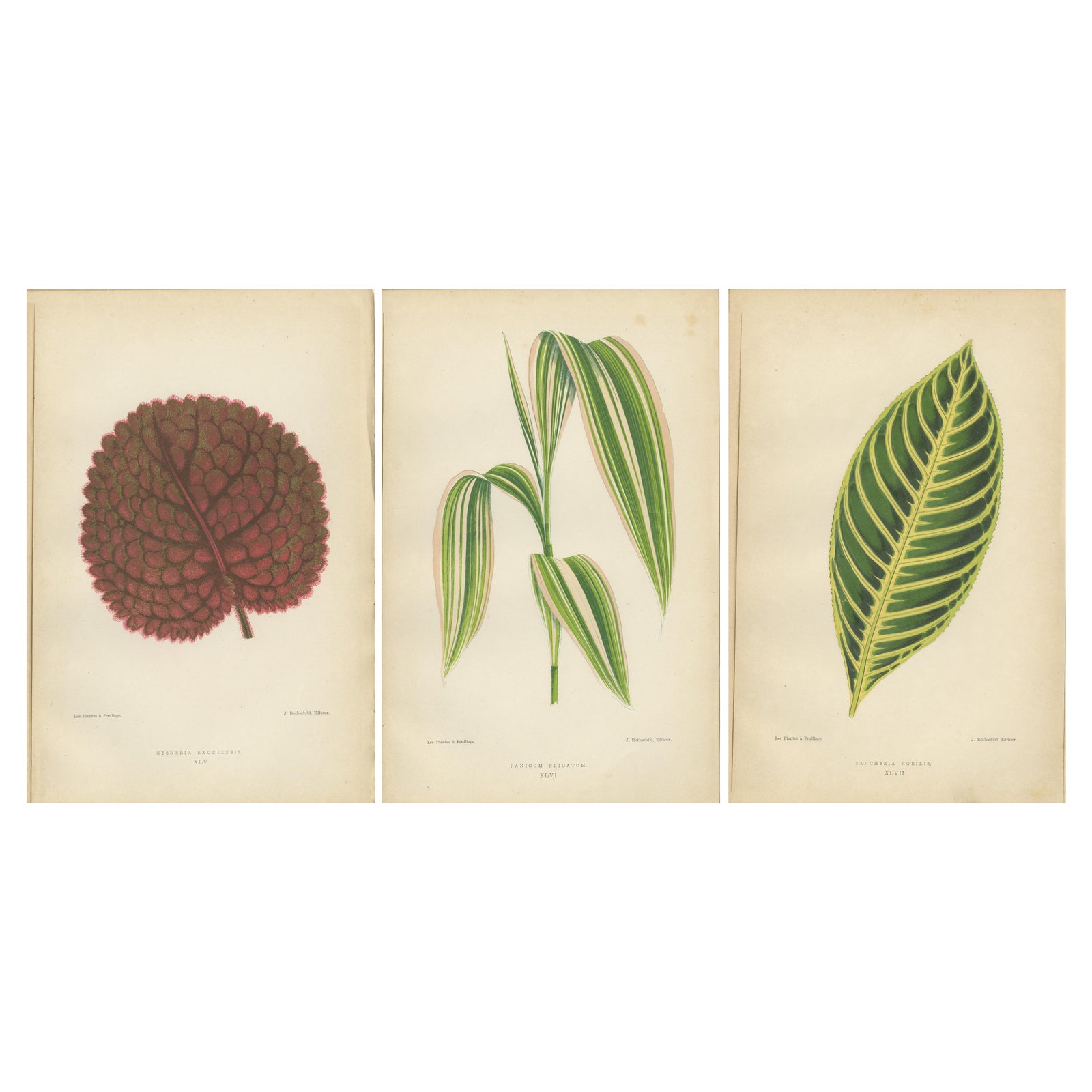
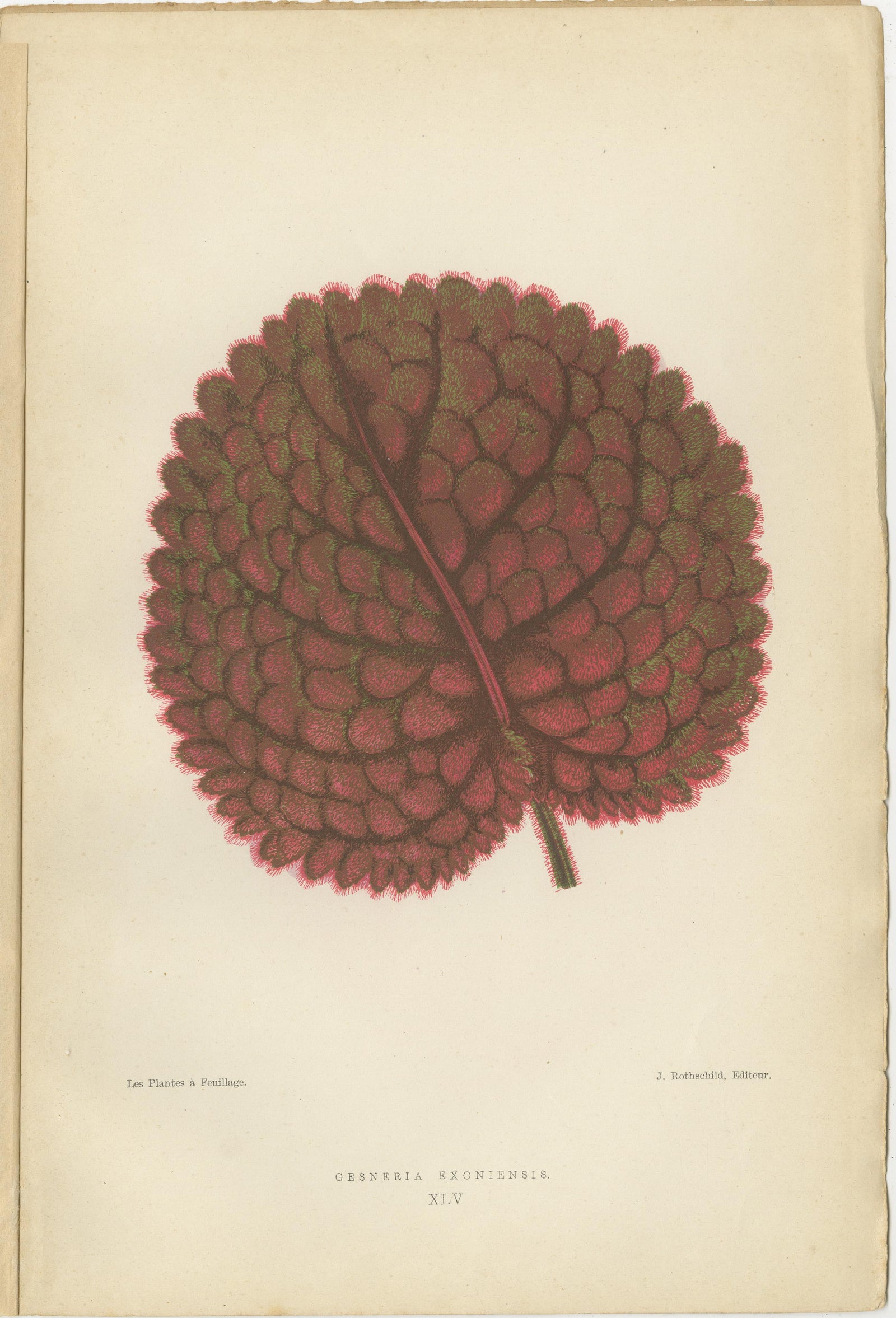
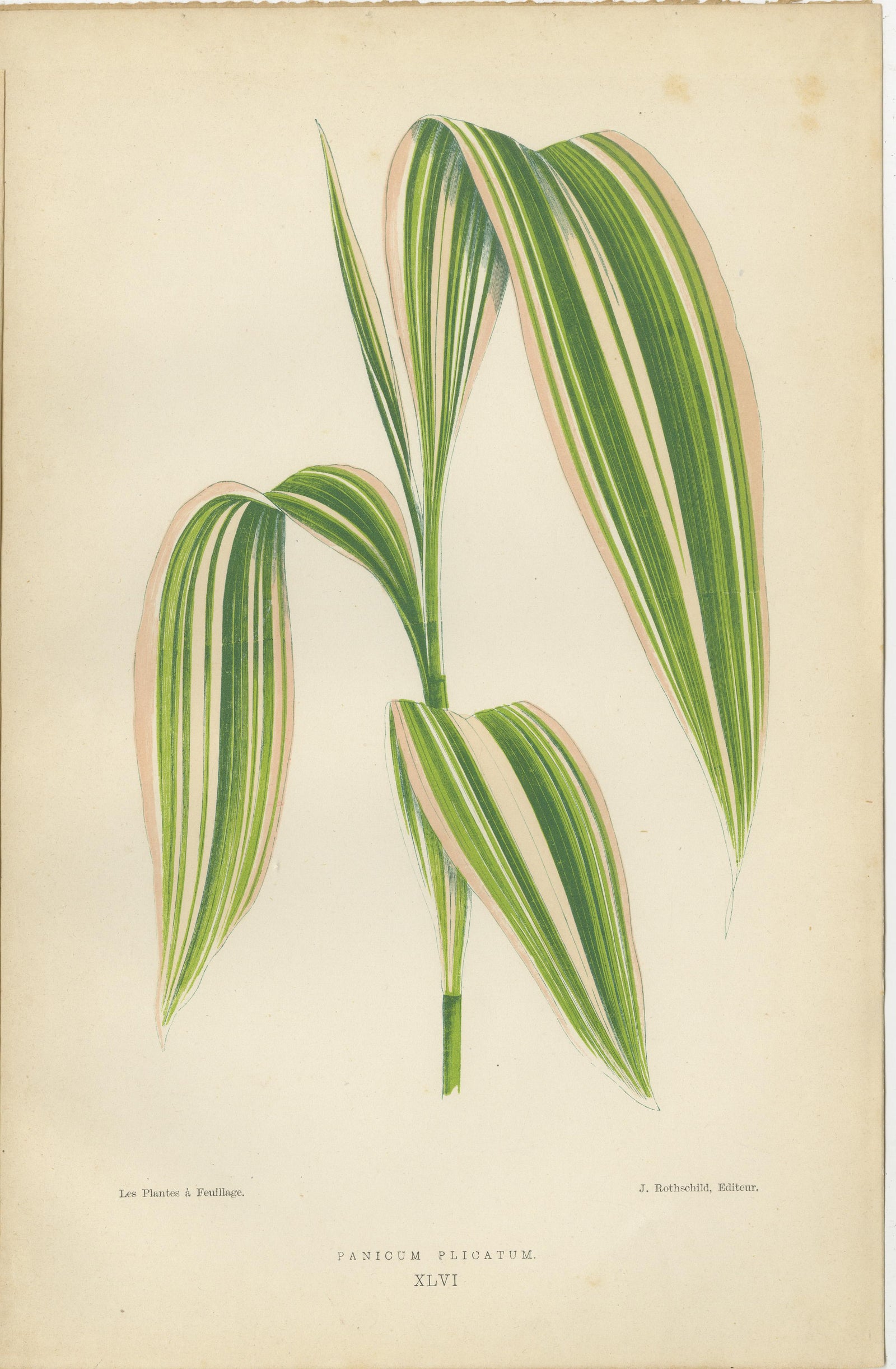
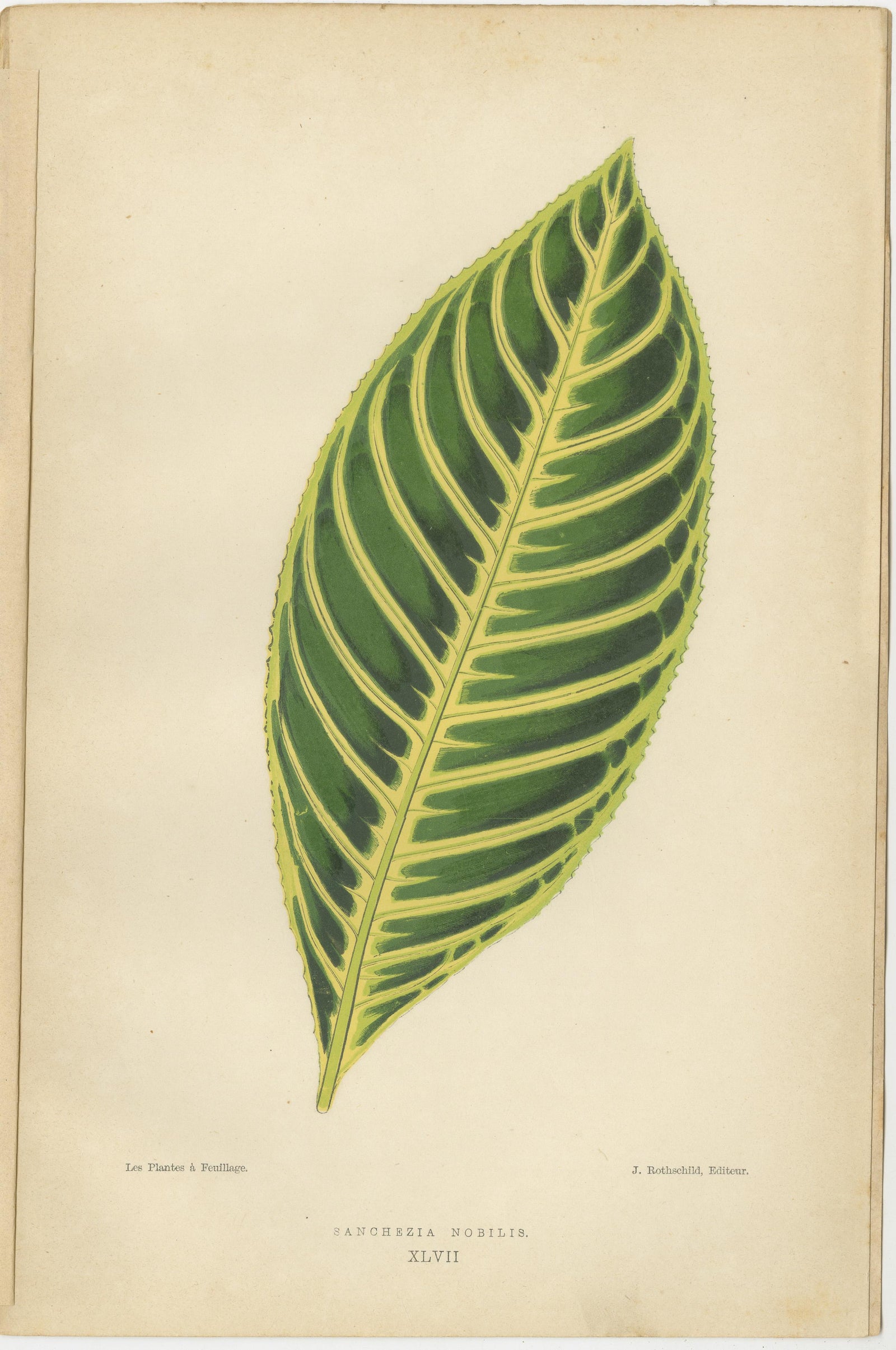
The three prints from "Les Plantes A Feuillage Colore Tome Second" feature illustrations of plants with distinctive and colorful foliage, a characteristic focus of the publication. Here’s a brief description of each:
1. The first print depicts a plant with a large, dense cluster of leaves. Each leaf is rounded with scalloped edges and exhibits a vibrant combination of green and a deep reddish-pink color. The leaves are tightly packed in a rosette formation, emanating from a central point, suggesting a lush, velvety texture.
2. In the second print, we see a plant with long, slender leaves. The leaves have an elegant variegation, with prominent green stripes on a lighter green background. The contrast in the variegation is striking and suggests the plant may be valued for its patterned foliage, which can stand out in a garden setting.
3. The third print shows a single, large leaf with an intricate pattern. The leaf is mostly green with a distinctive, regular pattern of yellow stripes that follow the natural veining. The edges of the leaf are gently serrated, and the combination of colors and patterns make it a visually interesting specimen, likely used for decorative purposes.
Each print is meticulously detailed, capturing the intricate patterns and color variations of the leaves, which is a testament to the craftsmanship of botanical illustration during that era. The prints also serve a scientific purpose, enabling identification and appreciation of the plant species' aesthetic qualities. The publisher, J. Rothschild, suggests a French origin, and the meticulous nature of the work implies a certain level of prestige and academic interest in botany at the time.