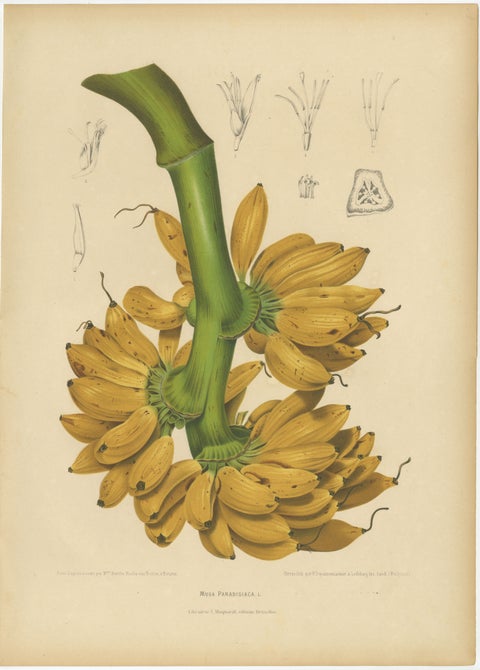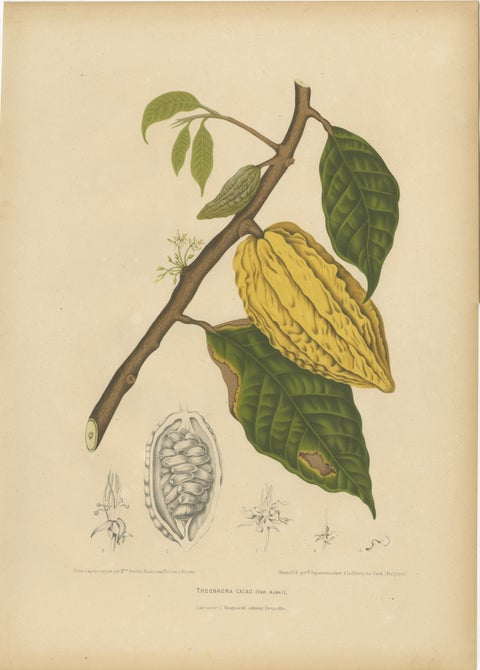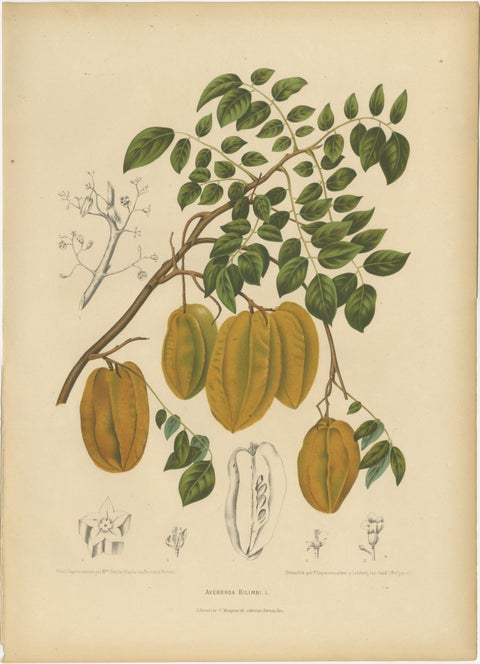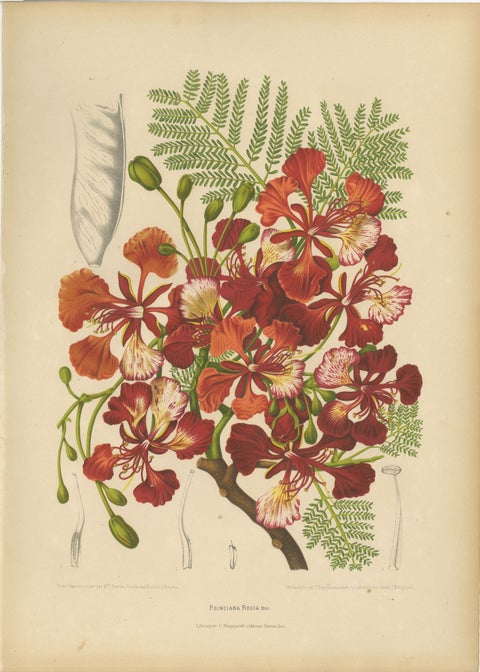
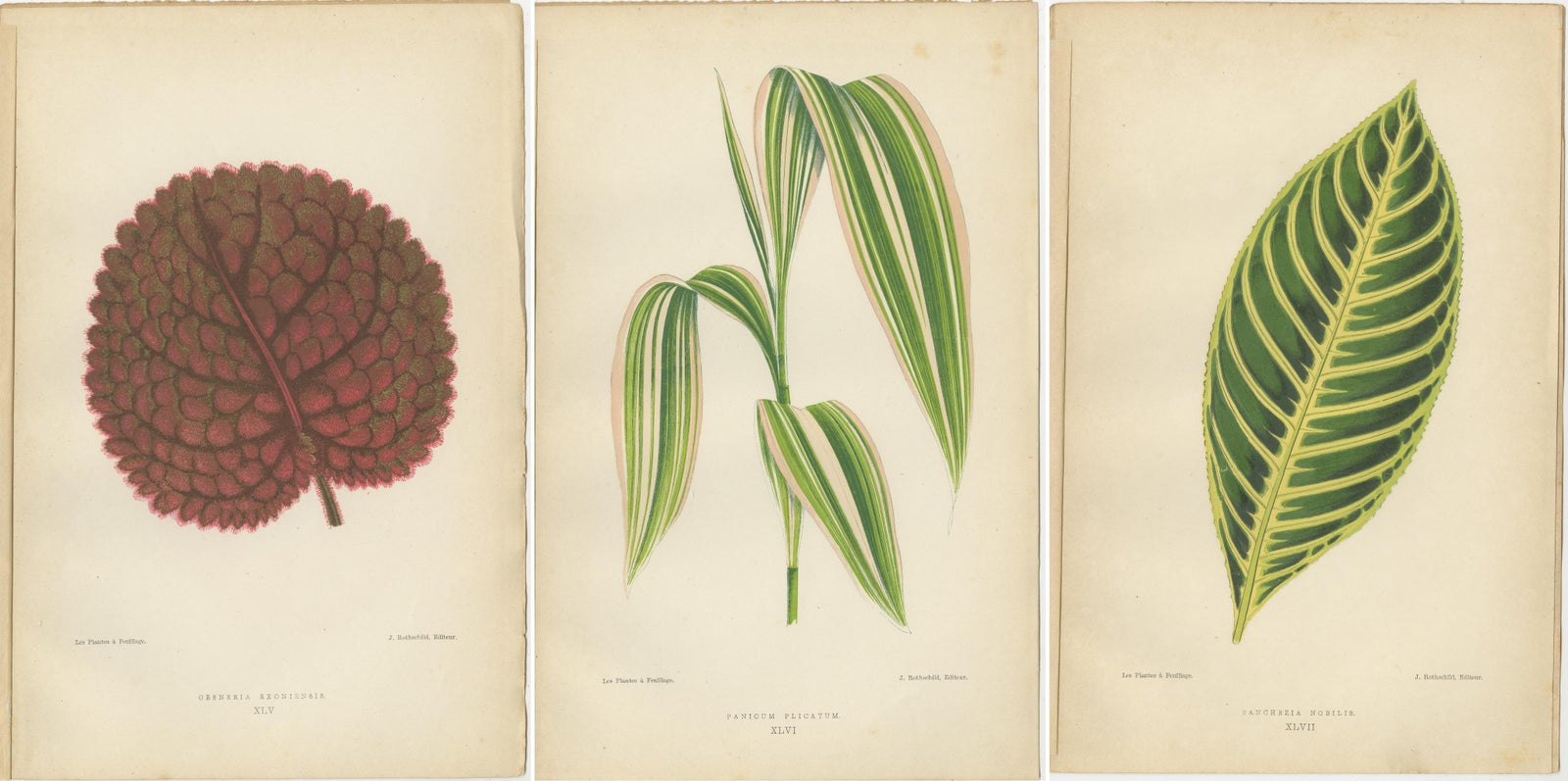
Framed and on the wall
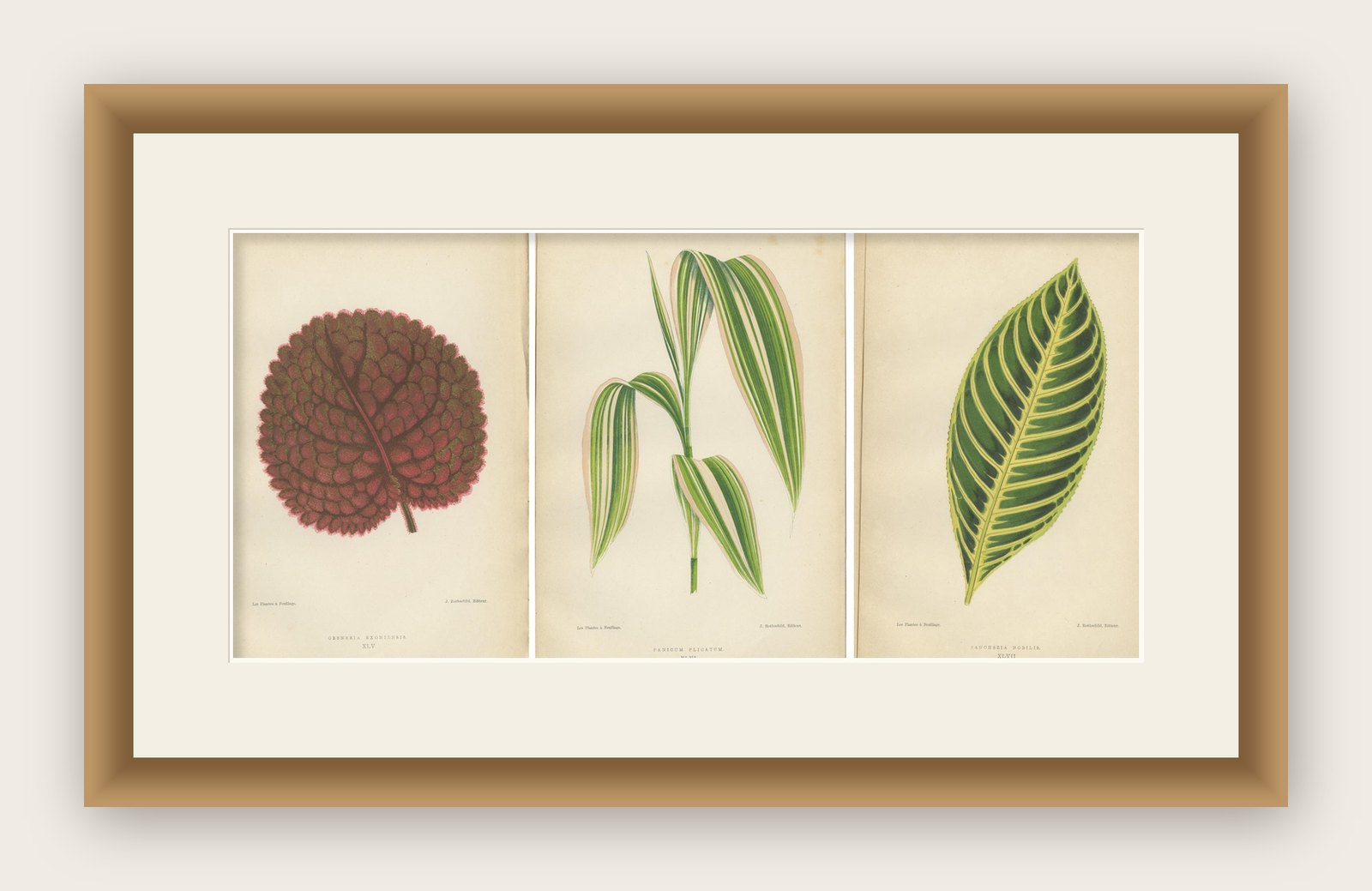

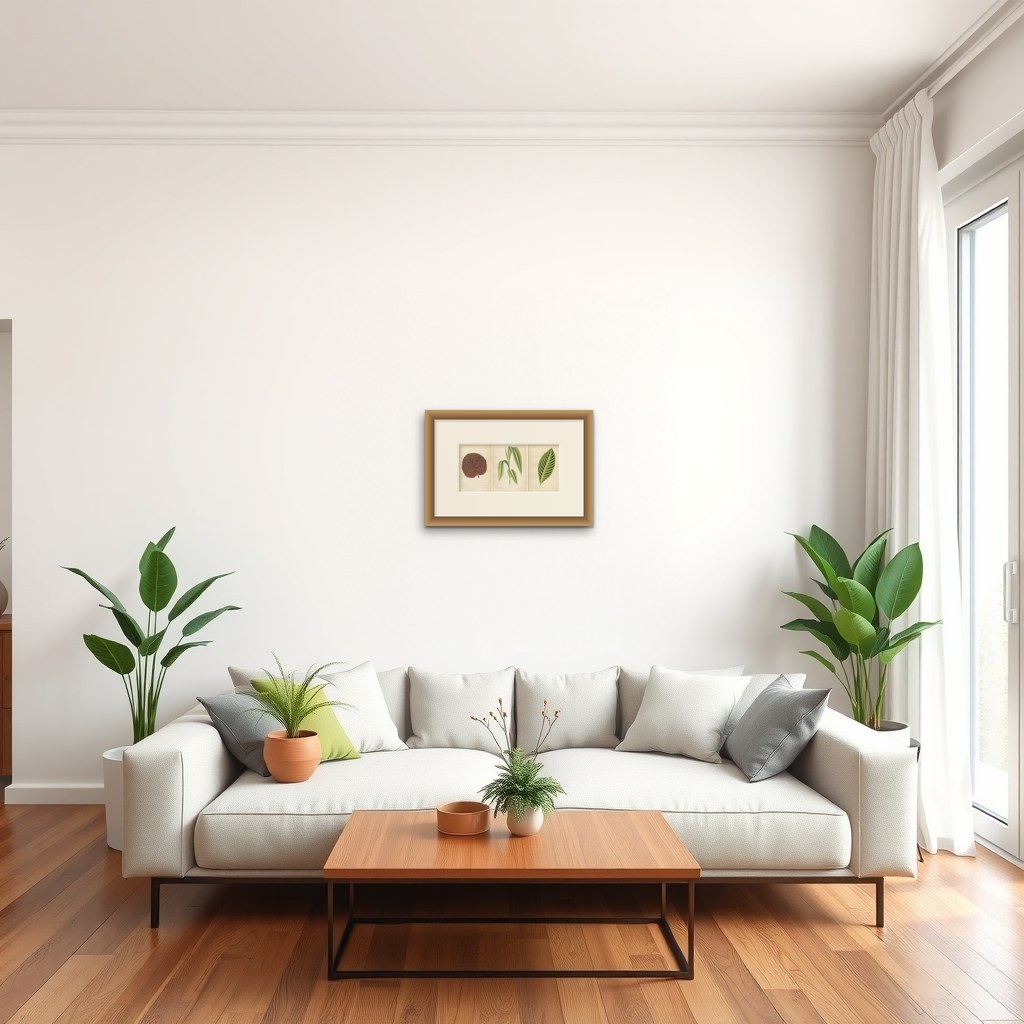
Frame and rooms are illustrations of how the print could look; the description says what is included.
Verdant Elegance: Botanical Artistry from 1880 Paris
£205 ($270, €240)
Period original, not a reproduction.
Shipped from the Netherlands, flat, insured and tracked, worldwide. Returns accepted within 14 days.
- Date
- 1880
- Size
- 10.6 × 7.1 in (27 × 18 cm)
- Condition
- Good. Given age. General age-related toning and/or occasional minor defects from handling. Please study scan carefully. Comes with protective sheet and text sheet in French.
- Period
- Late 19th century
- Section
- Botanical
- Reference
- f_38839652
What the condition grades mean
- Excellent
- Bright and clean, with no faults worth mentioning.
- Very good
- Only light signs of age, such as faint toning.
- Good
- Normal signs of age for a sheet of this period: toning, some foxing, small marks or neat old repairs.
- Fair
- Clear faults such as staining, tears or repairs, priced to match.
Every fault we see is written in the condition note, and the whole sheet is shown uncropped in the photos.
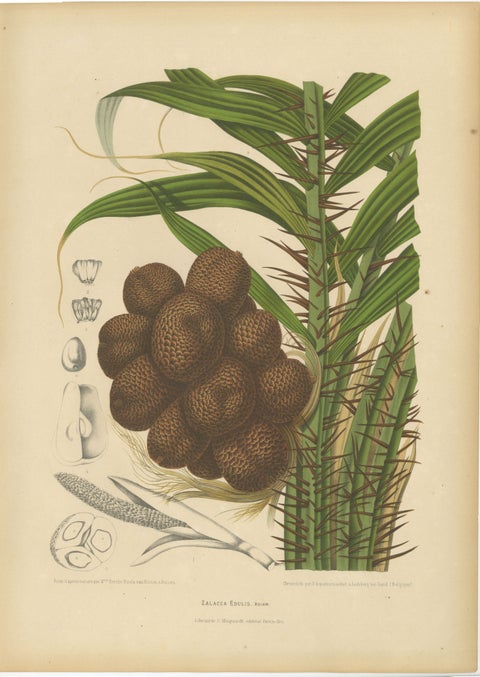
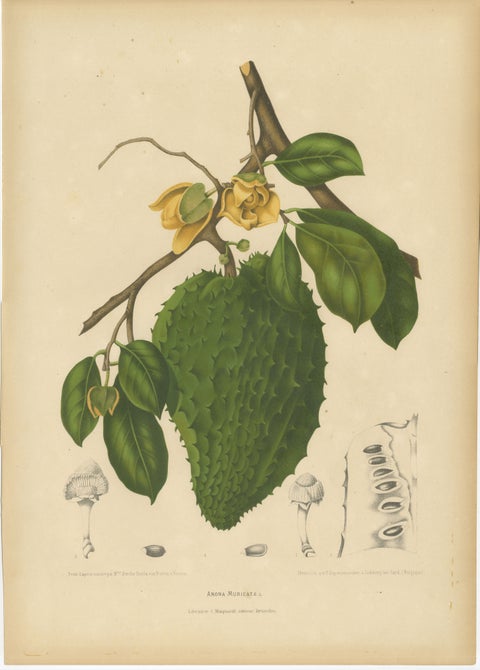
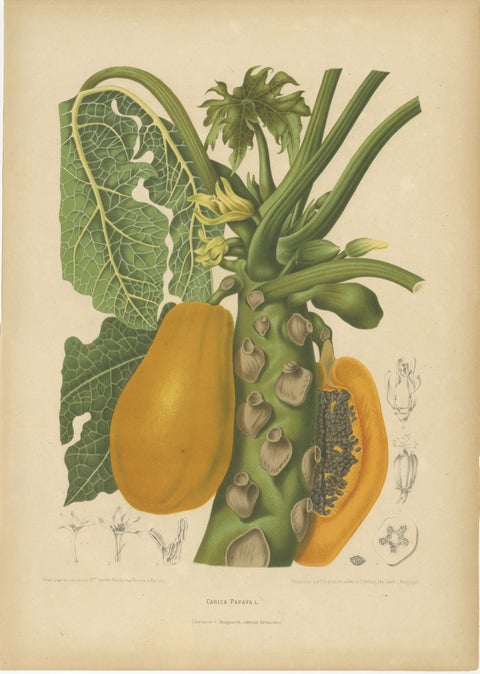
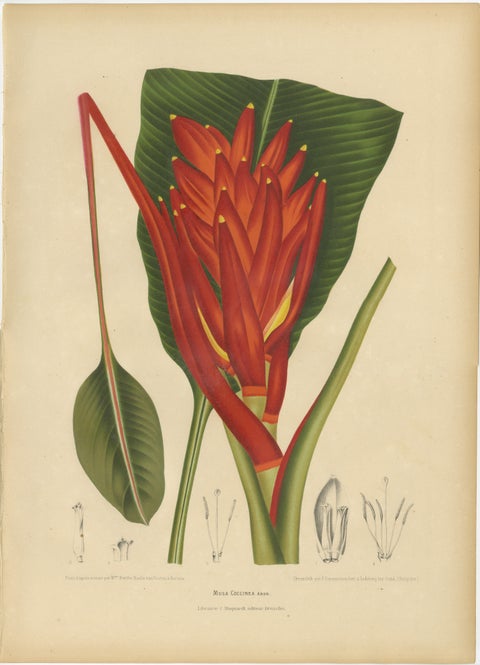
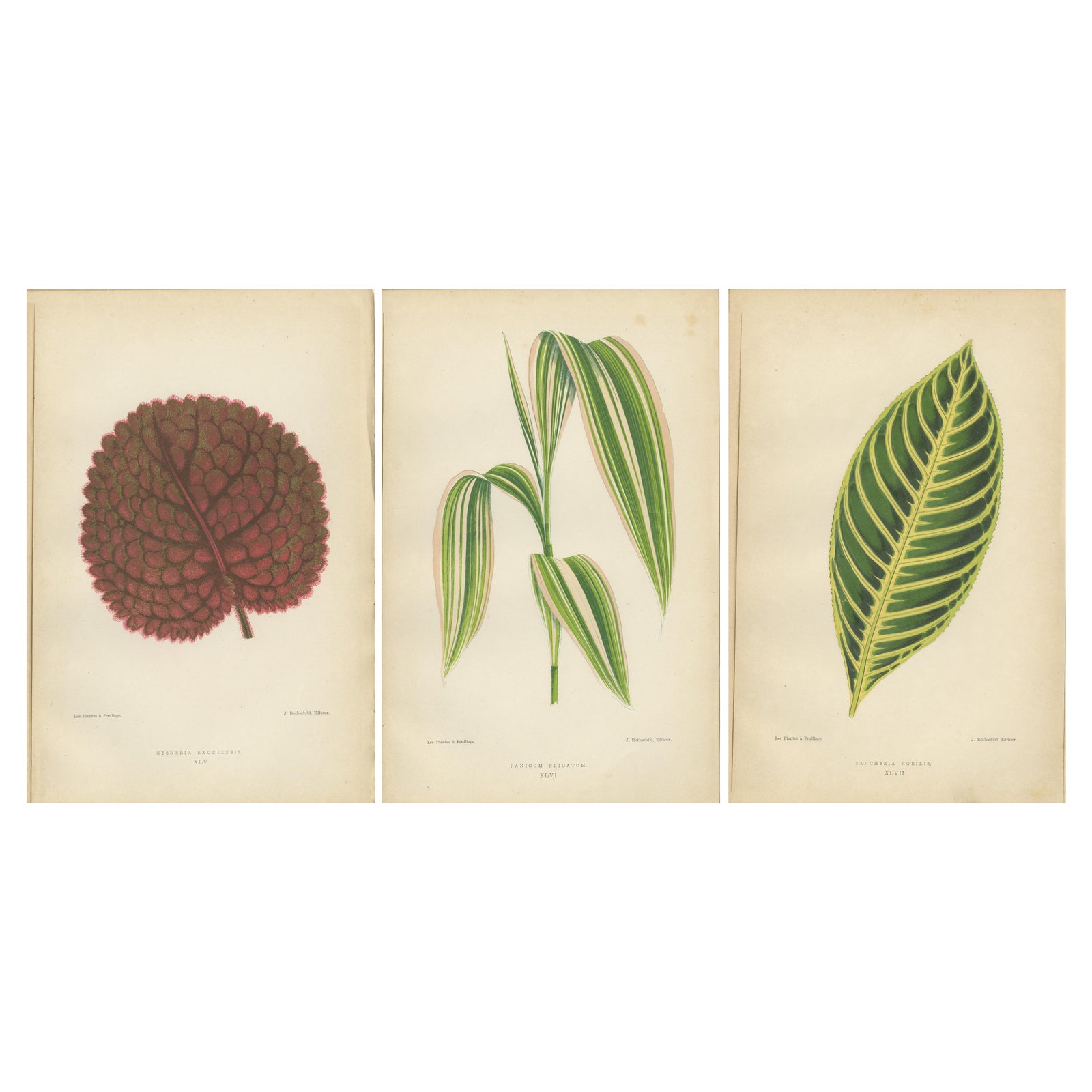
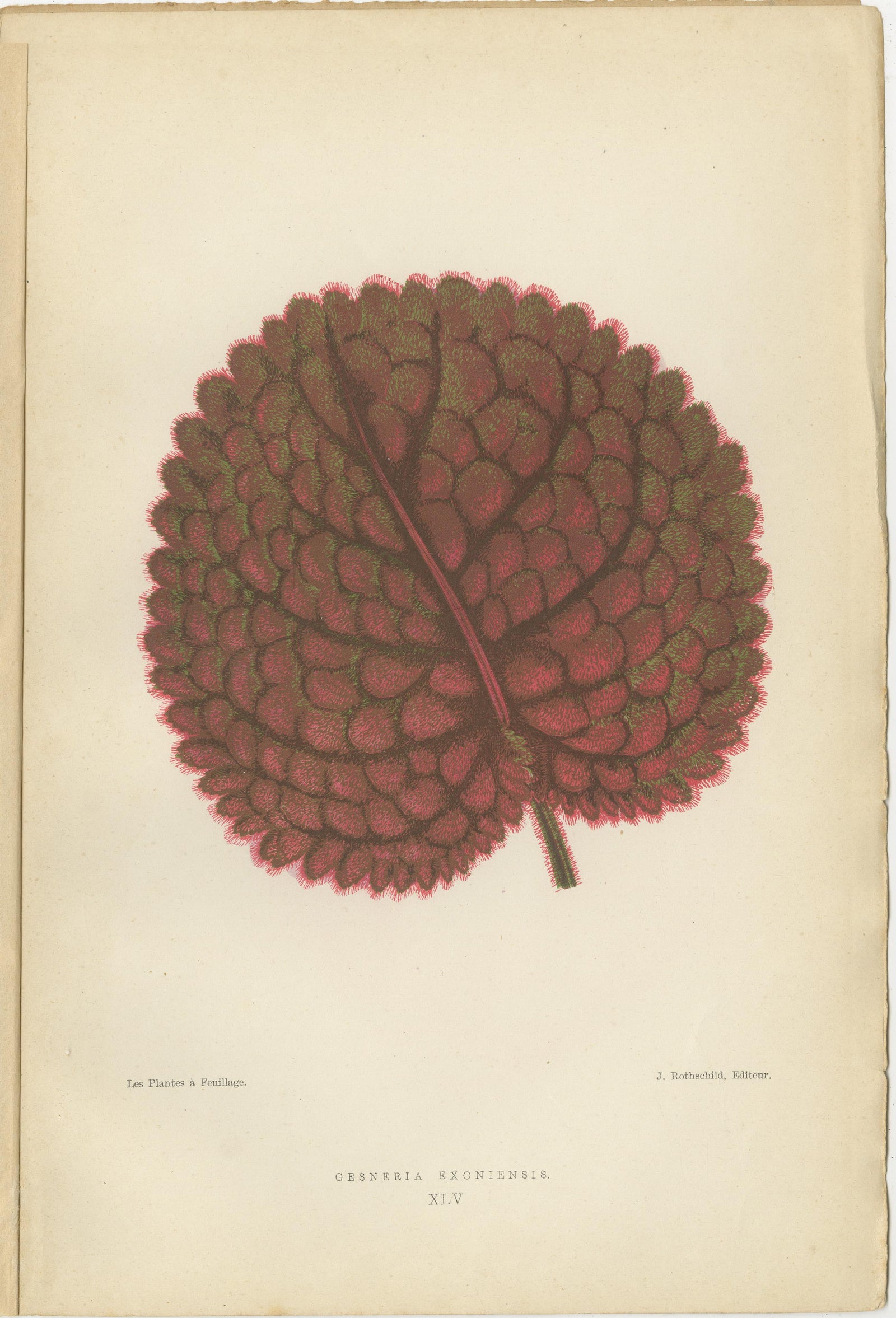
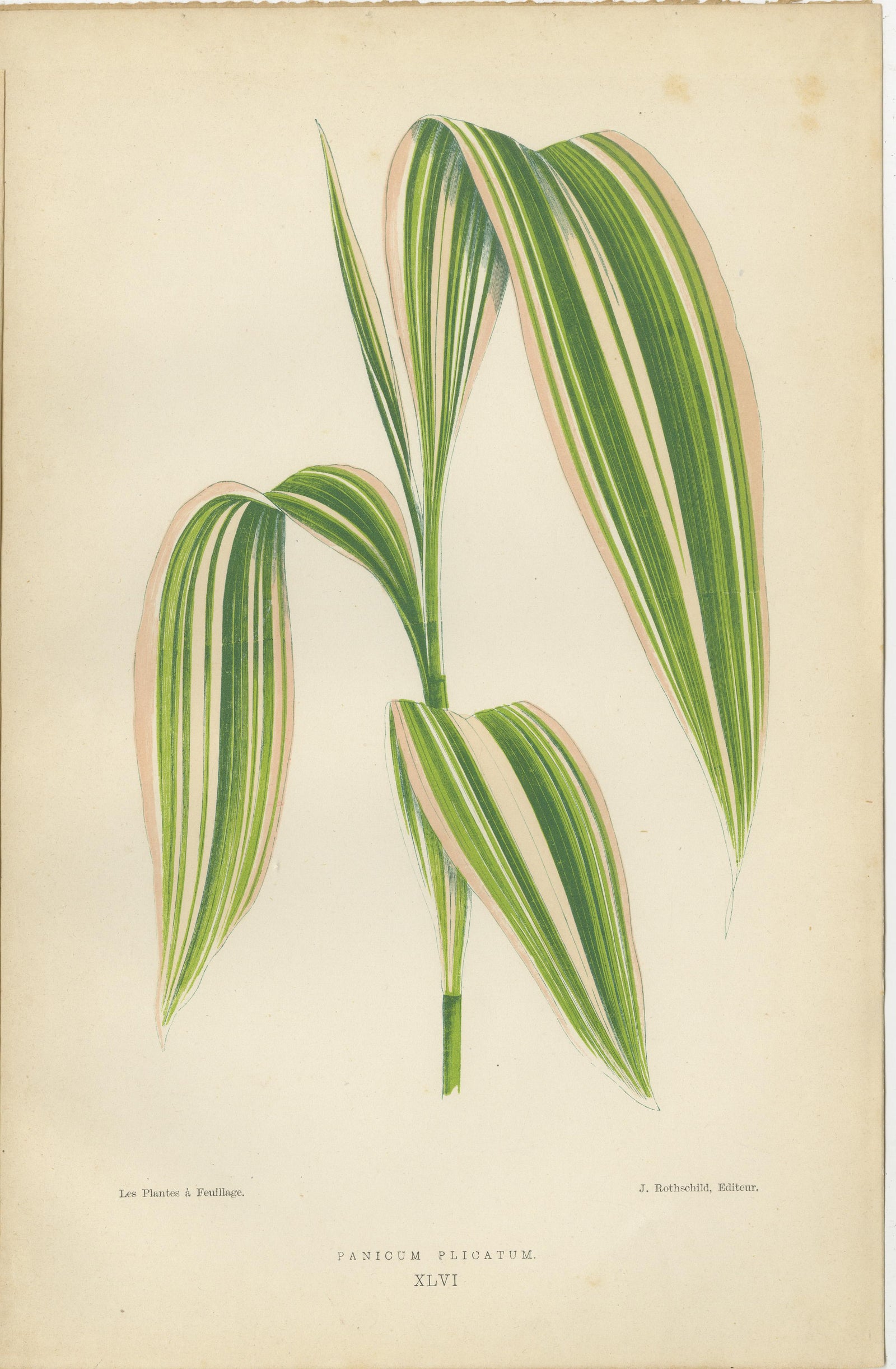
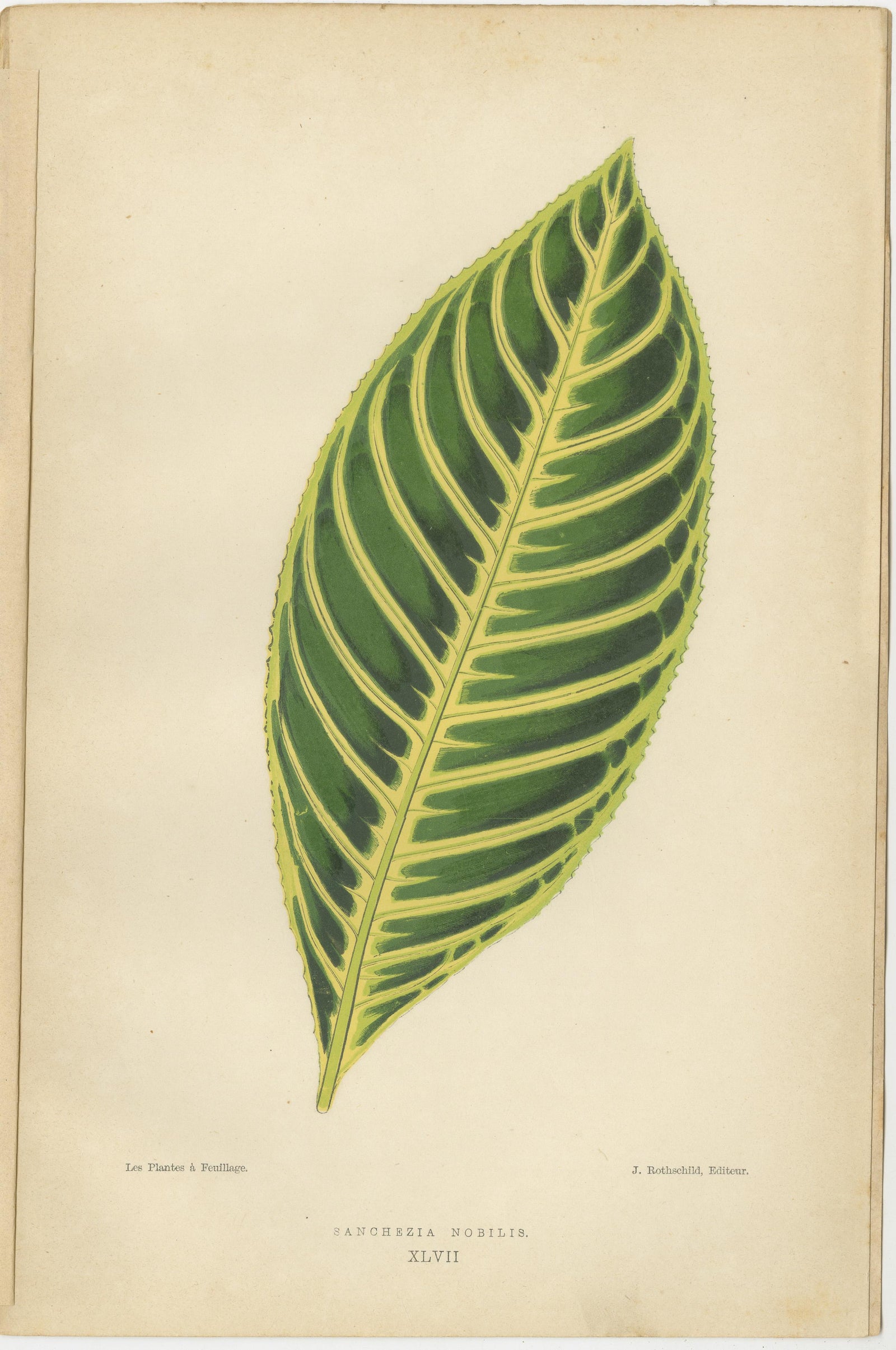
The three prints from "Les Plantes A Feuillage Colore Tome Second" feature illustrations of plants with distinctive and colorful foliage, a characteristic focus of the publication. Here’s a brief description of each:
1. The first print depicts a plant with a large, dense cluster of leaves. Each leaf is rounded with scalloped edges and exhibits a vibrant combination of green and a deep reddish-pink color. The leaves are tightly packed in a rosette formation, emanating from a central point, suggesting a lush, velvety texture.
2. In the second print, we see a plant with long, slender leaves. The leaves have an elegant variegation, with prominent green stripes on a lighter green background. The contrast in the variegation is striking and suggests the plant may be valued for its patterned foliage, which can stand out in a garden setting.
3. The third print shows a single, large leaf with an intricate pattern. The leaf is mostly green with a distinctive, regular pattern of yellow stripes that follow the natural veining. The edges of the leaf are gently serrated, and the combination of colors and patterns make it a visually interesting specimen, likely used for decorative purposes.
Each print is meticulously detailed, capturing the intricate patterns and color variations of the leaves, which is a testament to the craftsmanship of botanical illustration during that era. The prints also serve a scientific purpose, enabling identification and appreciation of the plant species' aesthetic qualities. The publisher, J. Rothschild, suggests a French origin, and the meticulous nature of the work implies a certain level of prestige and academic interest in botany at the time.