Close-ups
Framed and on the wall
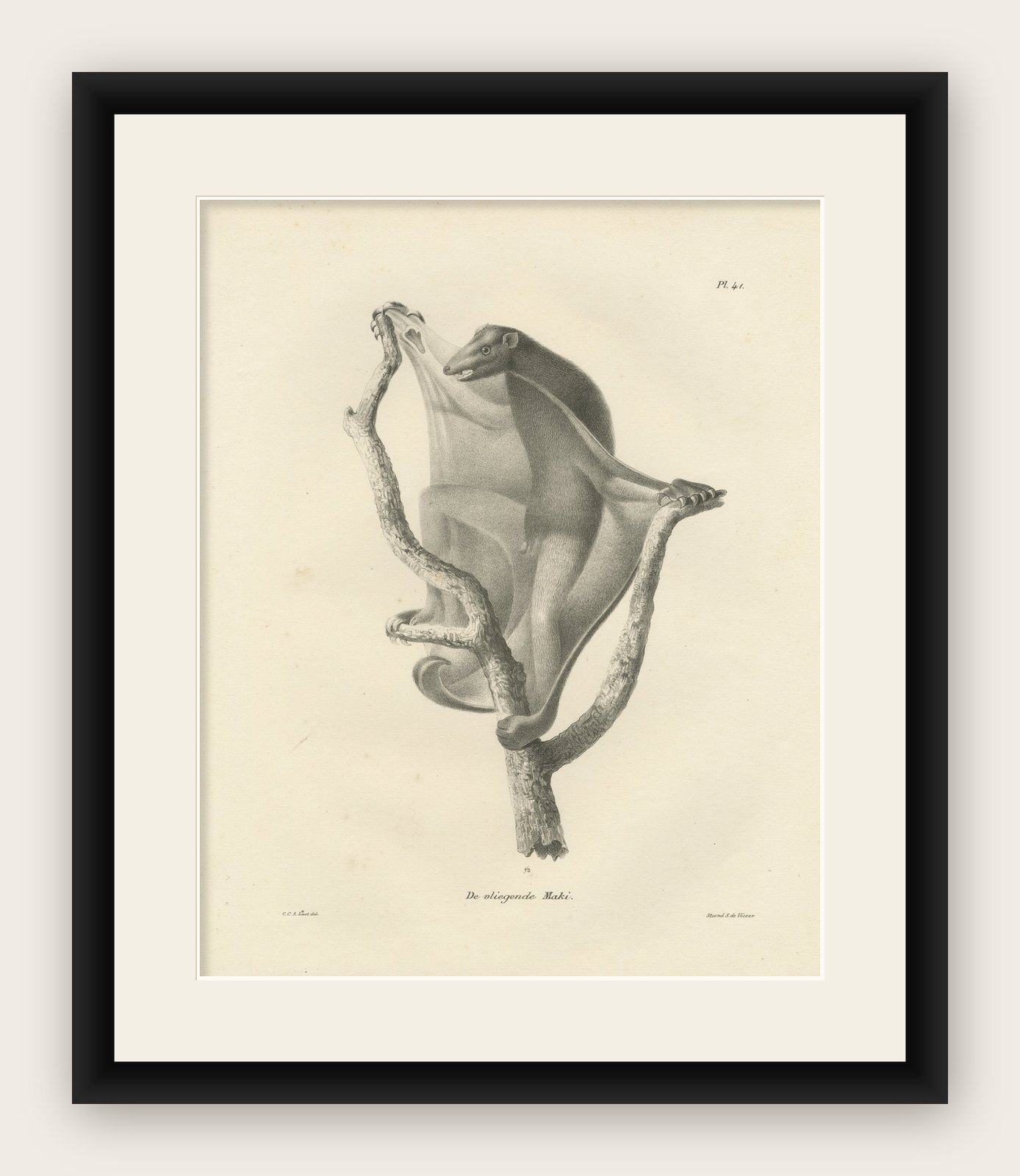


Frame and rooms are illustrations of how the print could look; the description says what is included.
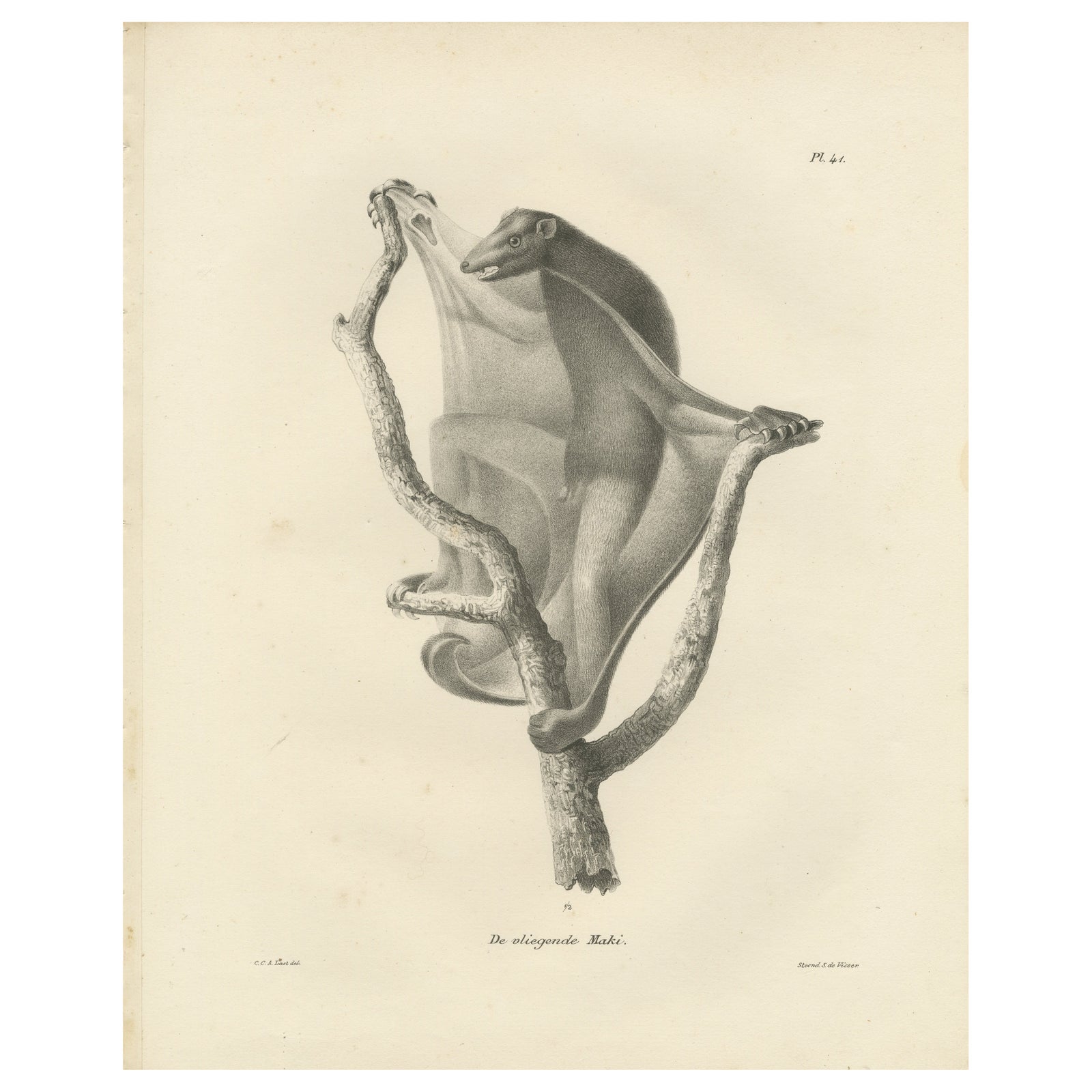
The Flying Lemur (Colugo) Lithograph by C.C. Last, 1836
$295 (£220, €260)
Period original, not a reproduction.
Shipped from the Netherlands, flat, insured and tracked, worldwide. Returns accepted within 14 days.
- Date
- 1836
- Size
- 12.7 × 10.2 in (32.2 × 26 cm)
- Condition
- Good, given age. Light foxing / soiling. General age-related toning and/or occasional minor defects from handling. Please study scan carefully.
- Period
- Early 19th century
- Section
- Mammals
- Reference
- f_41749152
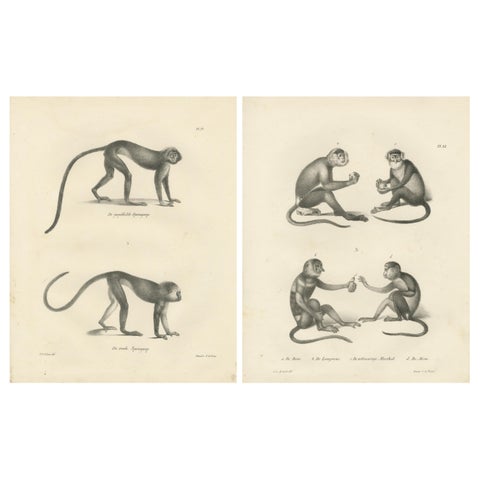
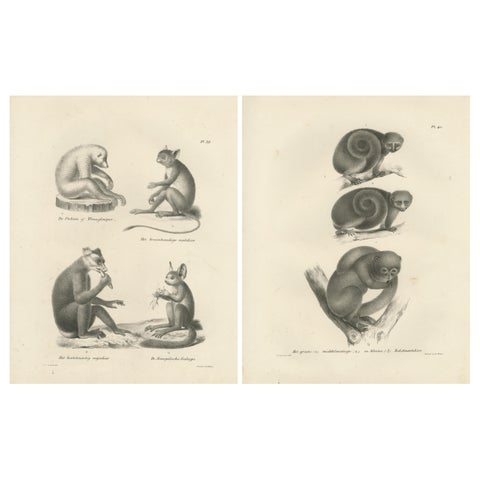
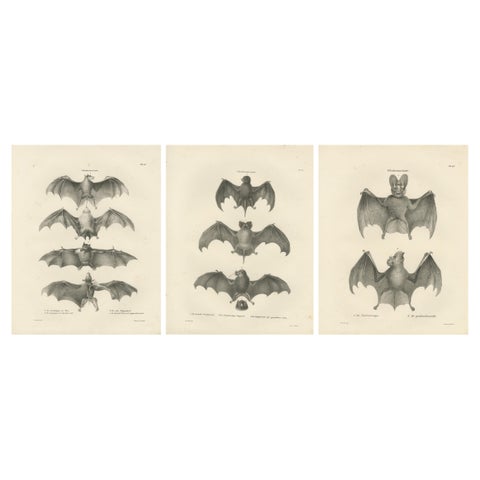
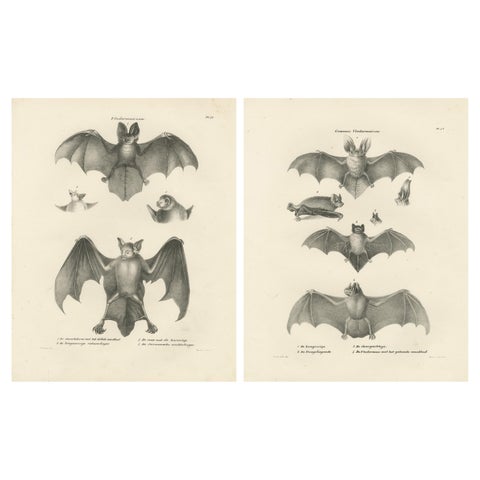
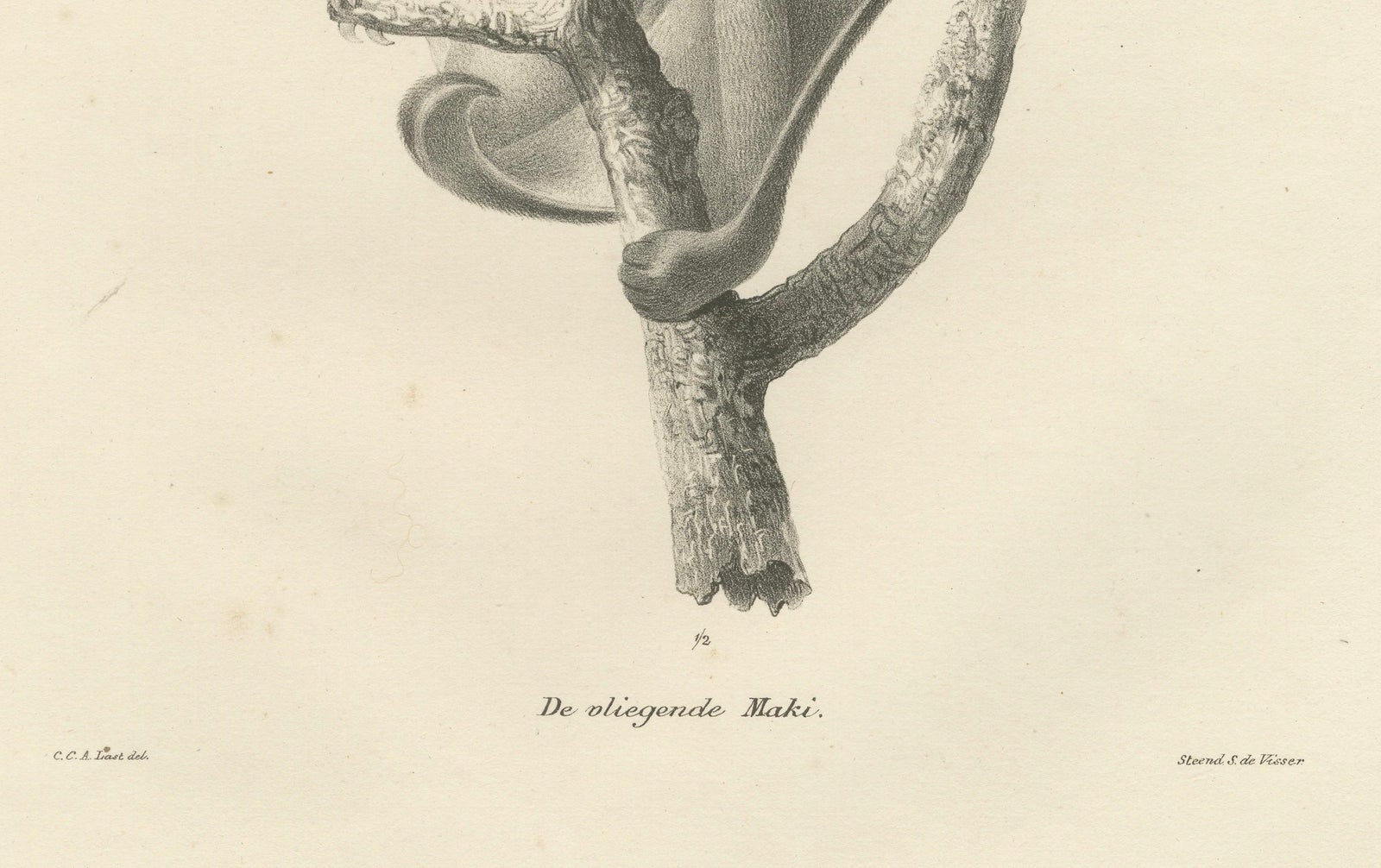
This lithograph, titled *De Vliegende Maki* (The Flying Lemur), is a striking depiction of the colugo or flying lemur, drawn by Carel Christiaan Antony Last for Heinrich Rudolf Schinz's *Volledige Natuurlijke Historie der Zoogdieren* (1836). Published by S. de Visser en Zoon in The Hague, this print is part of a broader collection of zoological illustrations aimed at cataloging the diversity of mammalian species for European audiences.
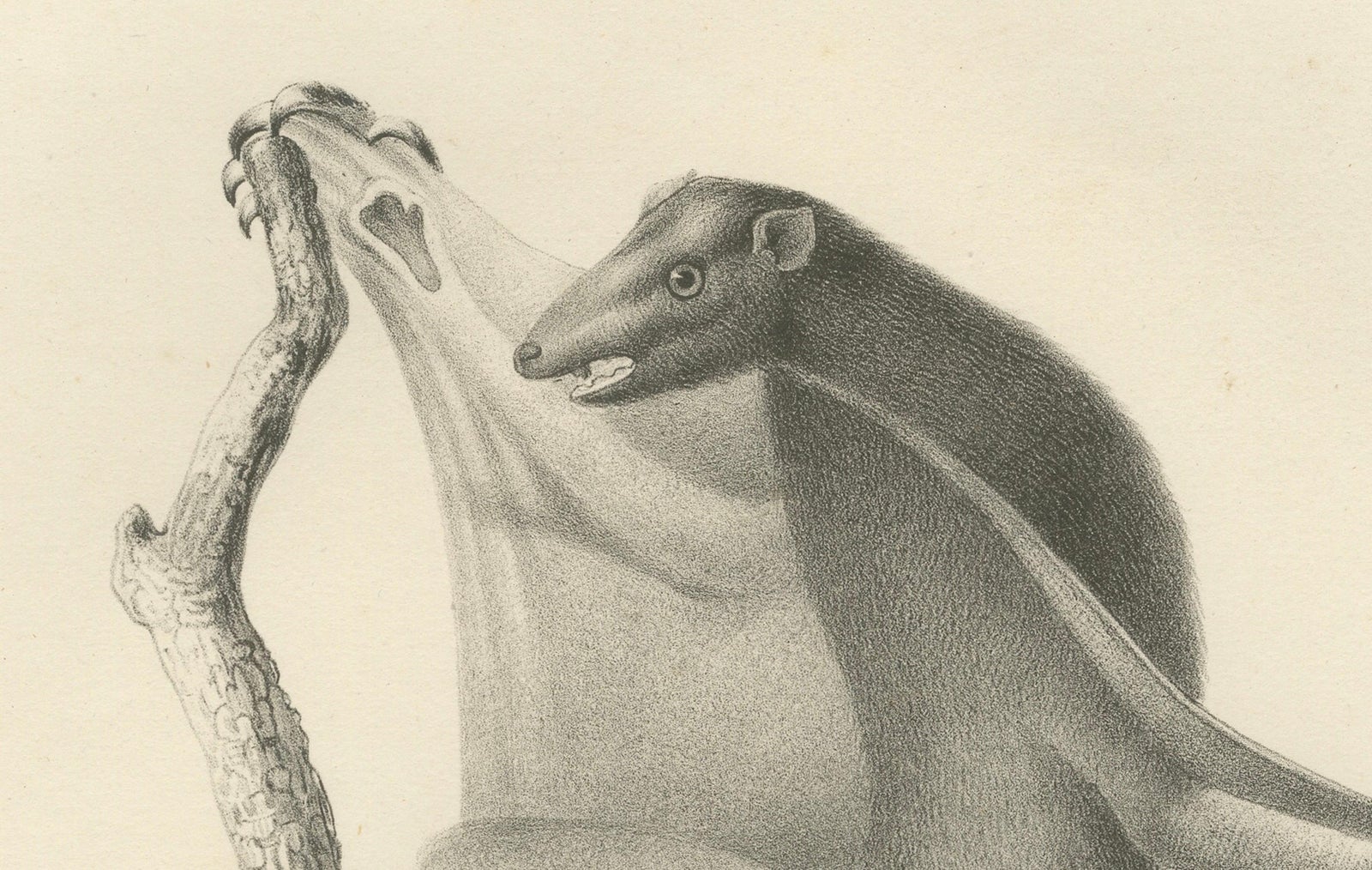
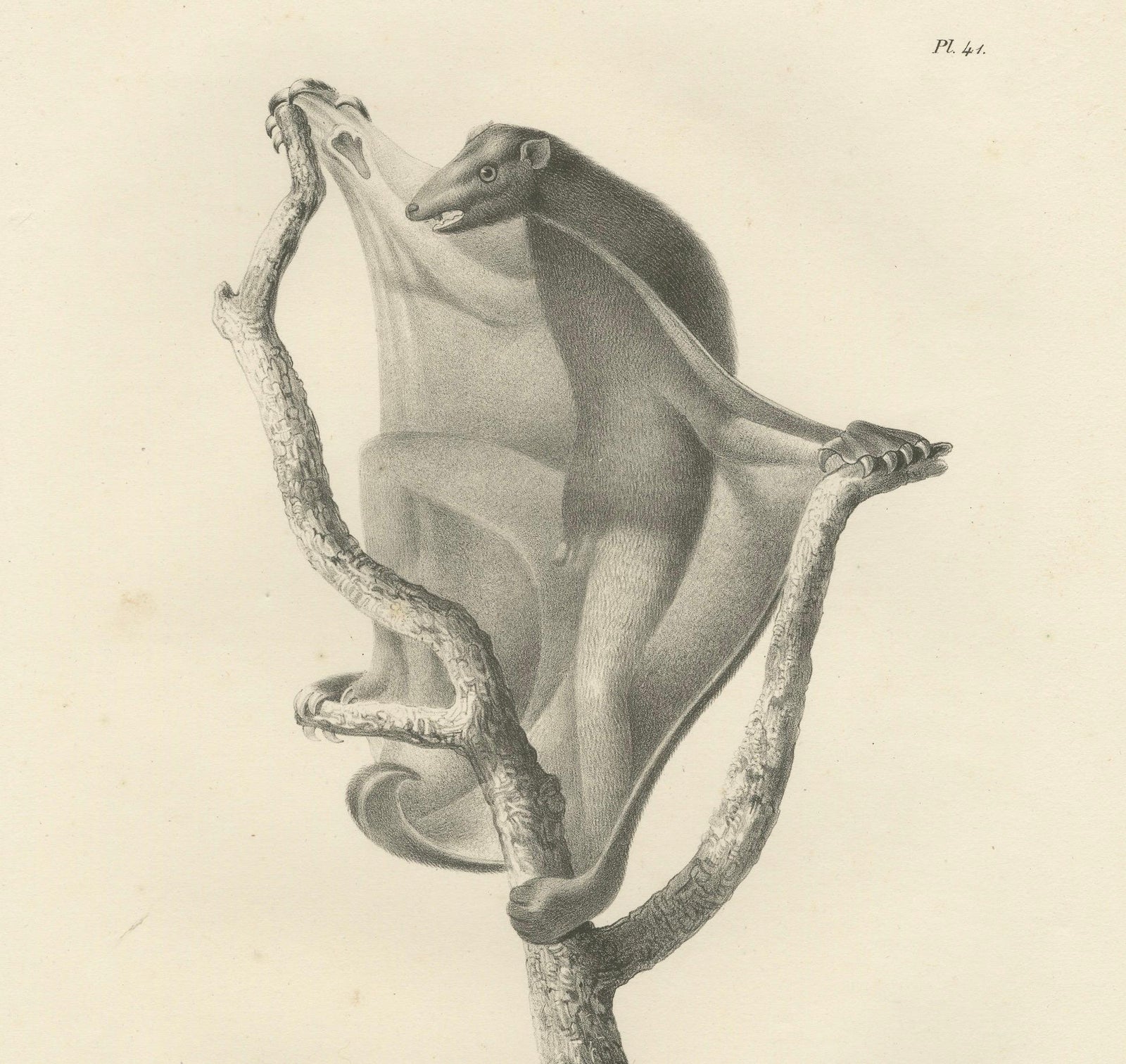
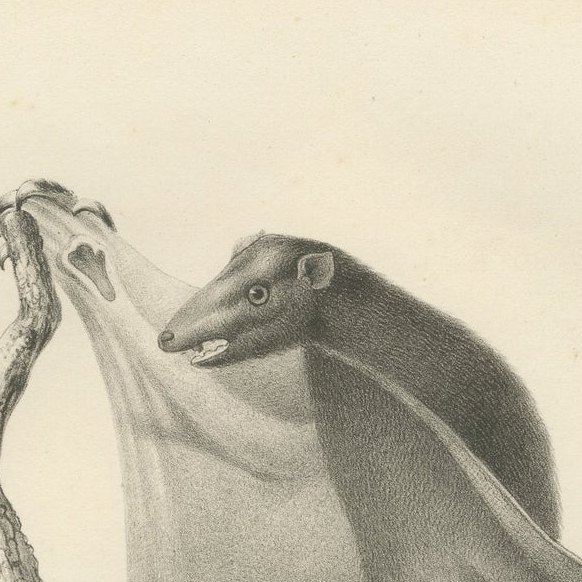
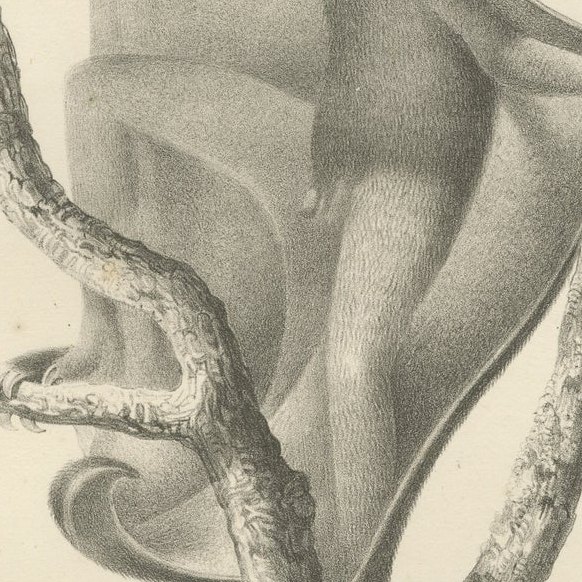
The image shows the colugo, perched on a tree branch, with its distinctive patagium, an extended membrane that allows it to glide between trees, stretched out. The artist has rendered the texture of the animal's fur and the delicate folds of the membrane with remarkable precision, capturing the creature's unique anatomy and behavior. The naturalistic pose gives the impression of the colugo being in its natural environment, ready to glide from one branch to another, highlighting its arboreal lifestyle.
The illustration is not only scientifically informative but also visually captivating. The interplay between the animal's pose and the branch it clings to creates a dynamic composition that emphasizes both the colugo's agility and its adaptation to life in the trees. The attention to detail in the depiction of the animal's claws and limbs, as well as the careful shading of its body, adds to the sense of realism.
Carel Christiaan Antony Last, known for his scientific and ethnographic illustrations, worked on many natural history publications during this period, contributing to the visual documentation of newly discovered species for European naturalists. The colugo, although called a flying lemur, is not actually a lemur but belongs to a unique group of gliding mammals native to Southeast Asia.
This lithograph is a fine example of the intersection between art and science in the 19th century, where detailed illustrations served as both educational tools and aesthetic objects.