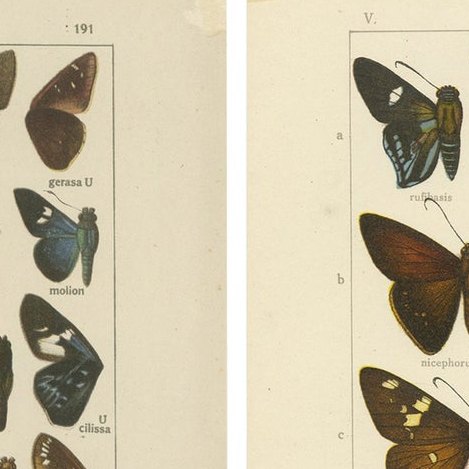
Close-ups
Framed and on the wall


Frame and rooms are illustrations of how the print could look; the description says what is included.
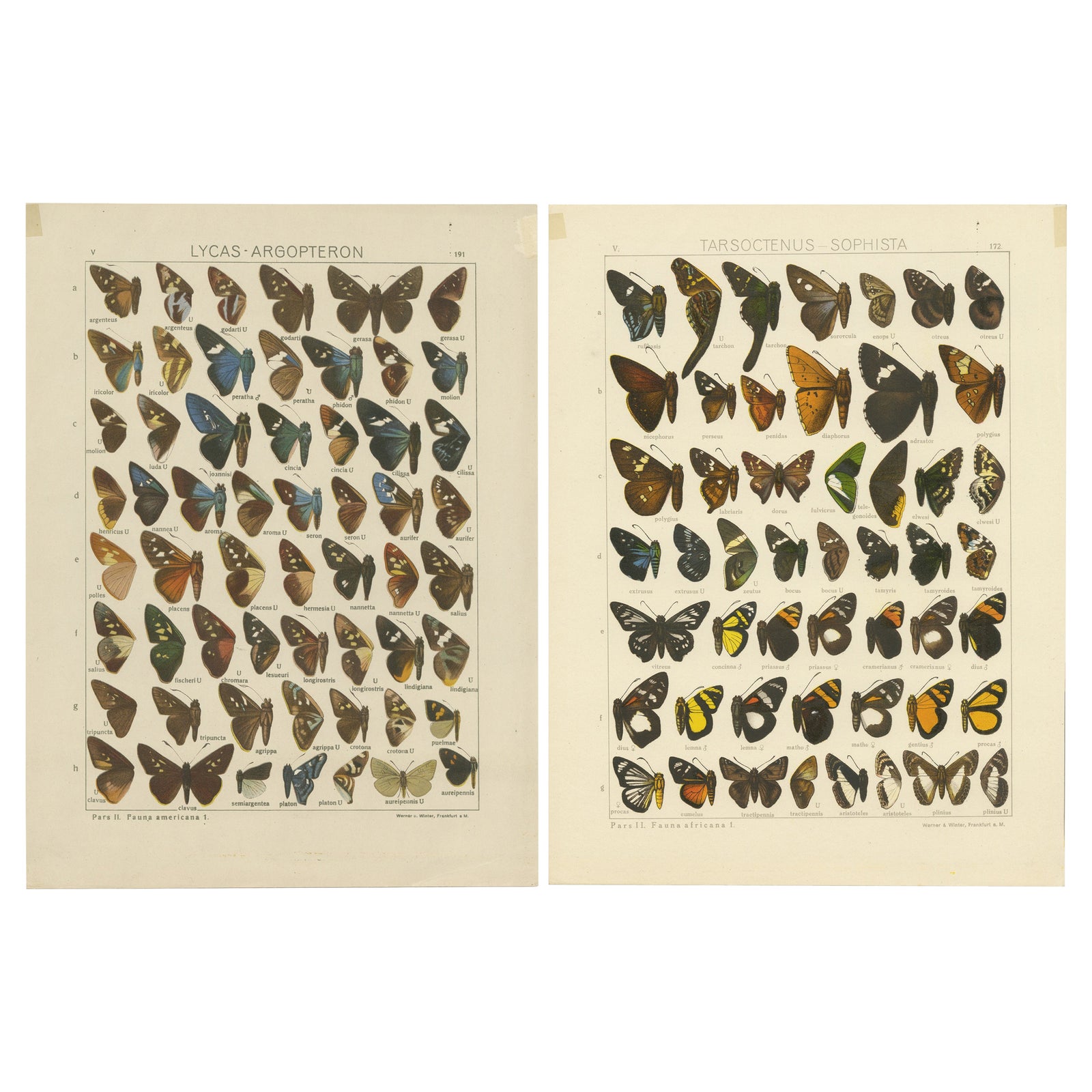
Set of 2 Antique Prints of Butterflies of Africa and America, Published in 1910
$270 (£205, €240)
Period original, not a reproduction.
Shipped from the Netherlands, flat, insured and tracked, worldwide. Returns accepted within 14 days.
- Date
- 1910
- Size
- 12.9 × 9.8 in (32.8 × 25 cm)
- Condition
- Good. Age-related toning Shows some wear, most in margins. Blank verso. Please study images carefully.
- Period
- 20th century
- Section
- Insects and butterflies
- Reference
- f_38248652
What the condition grades mean
- Excellent
- Bright and clean, with no faults worth mentioning.
- Very good
- Only light signs of age, such as faint toning.
- Good
- Normal signs of age for a sheet of this period: toning, some foxing, small marks or neat old repairs.
- Fair
- Clear faults such as staining, tears or repairs, priced to match.
Every fault we see is written in the condition note, and the whole sheet is shown uncropped in the photos.
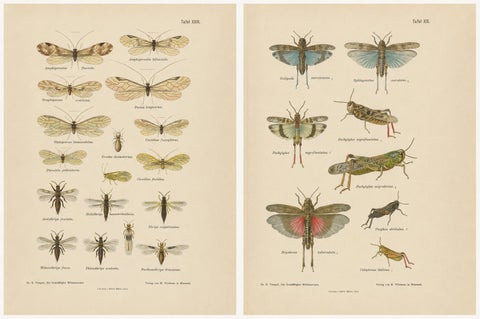
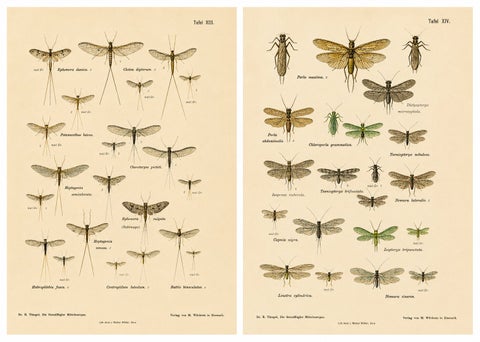
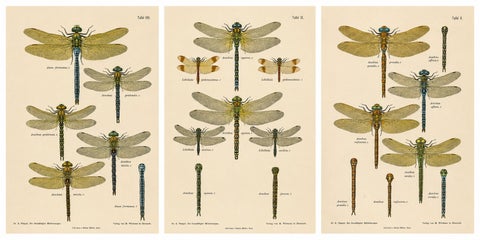
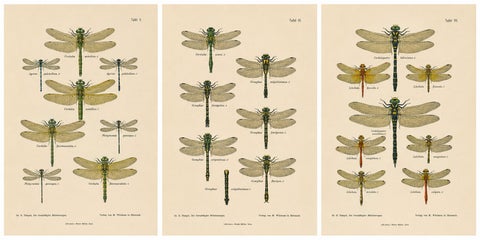
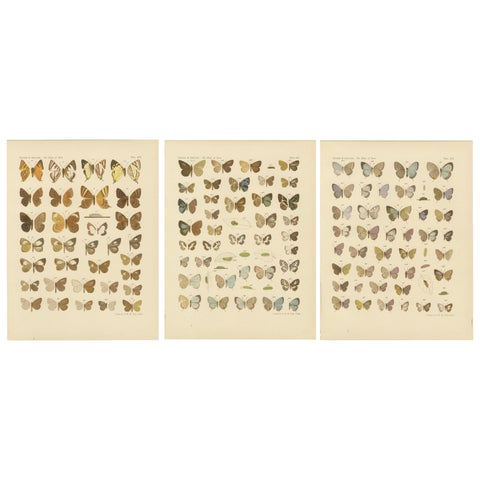
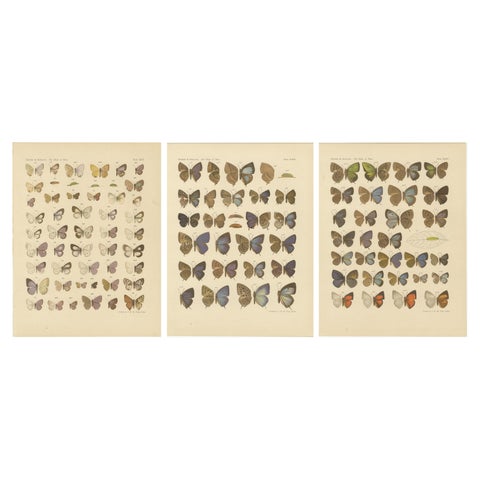
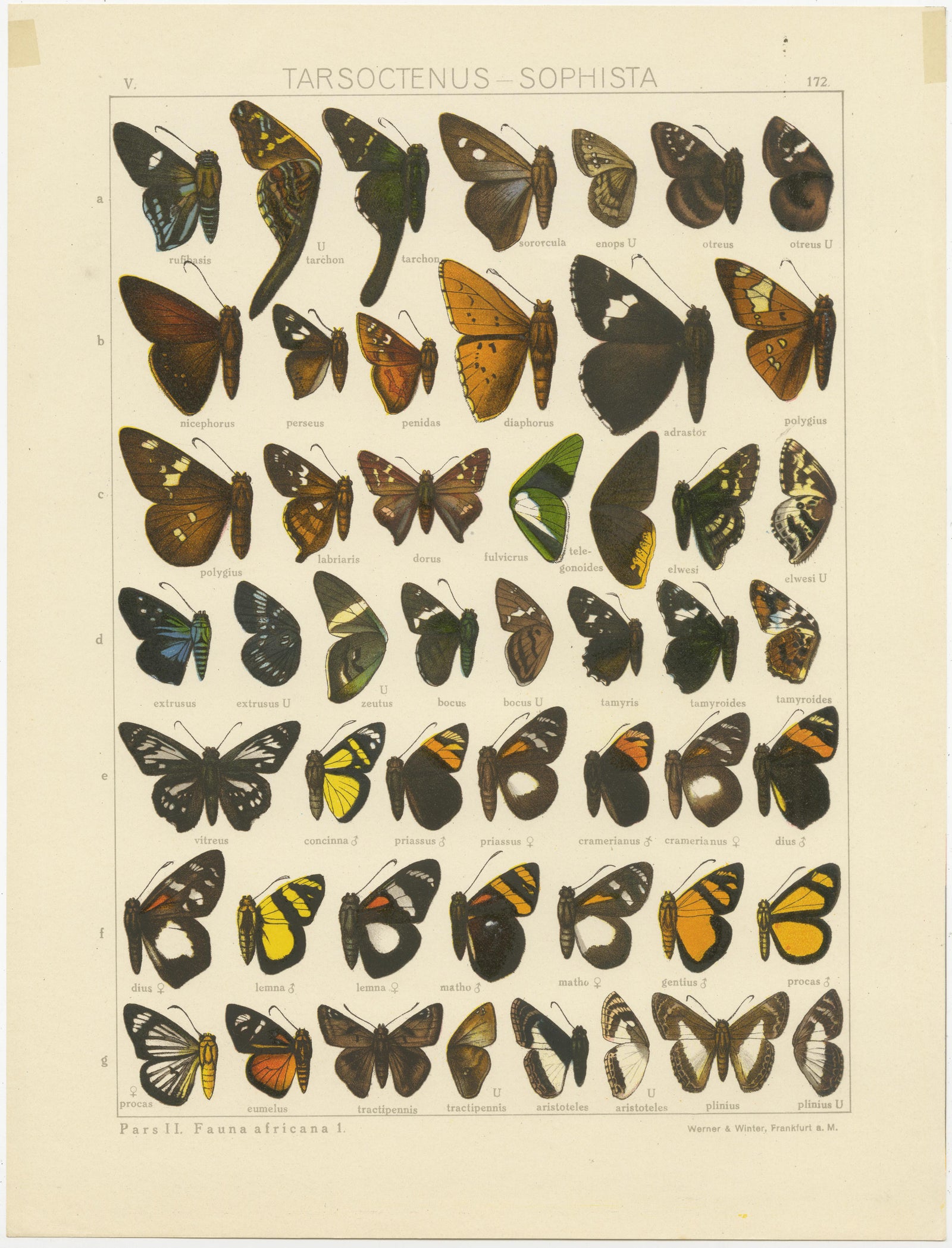
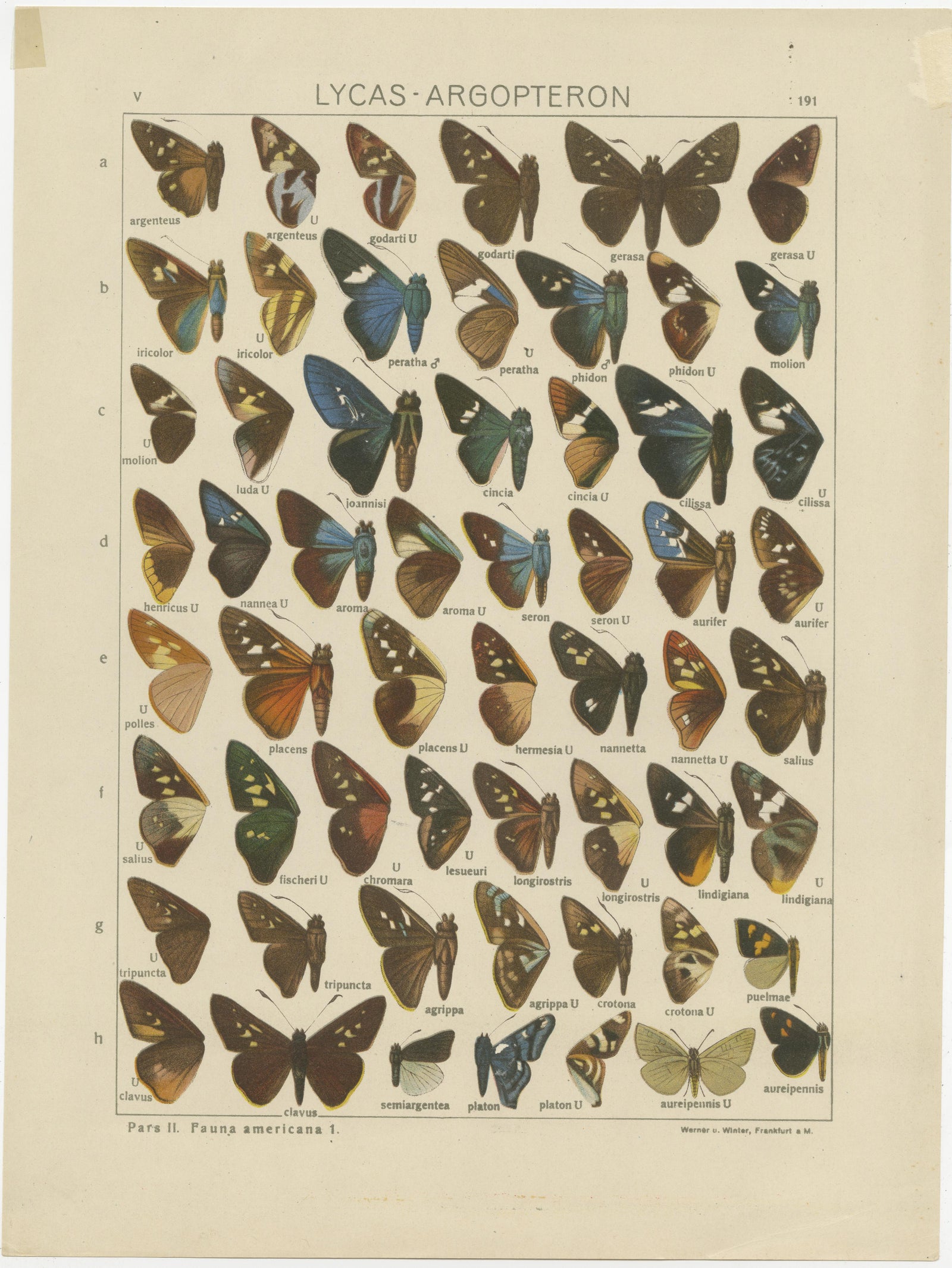
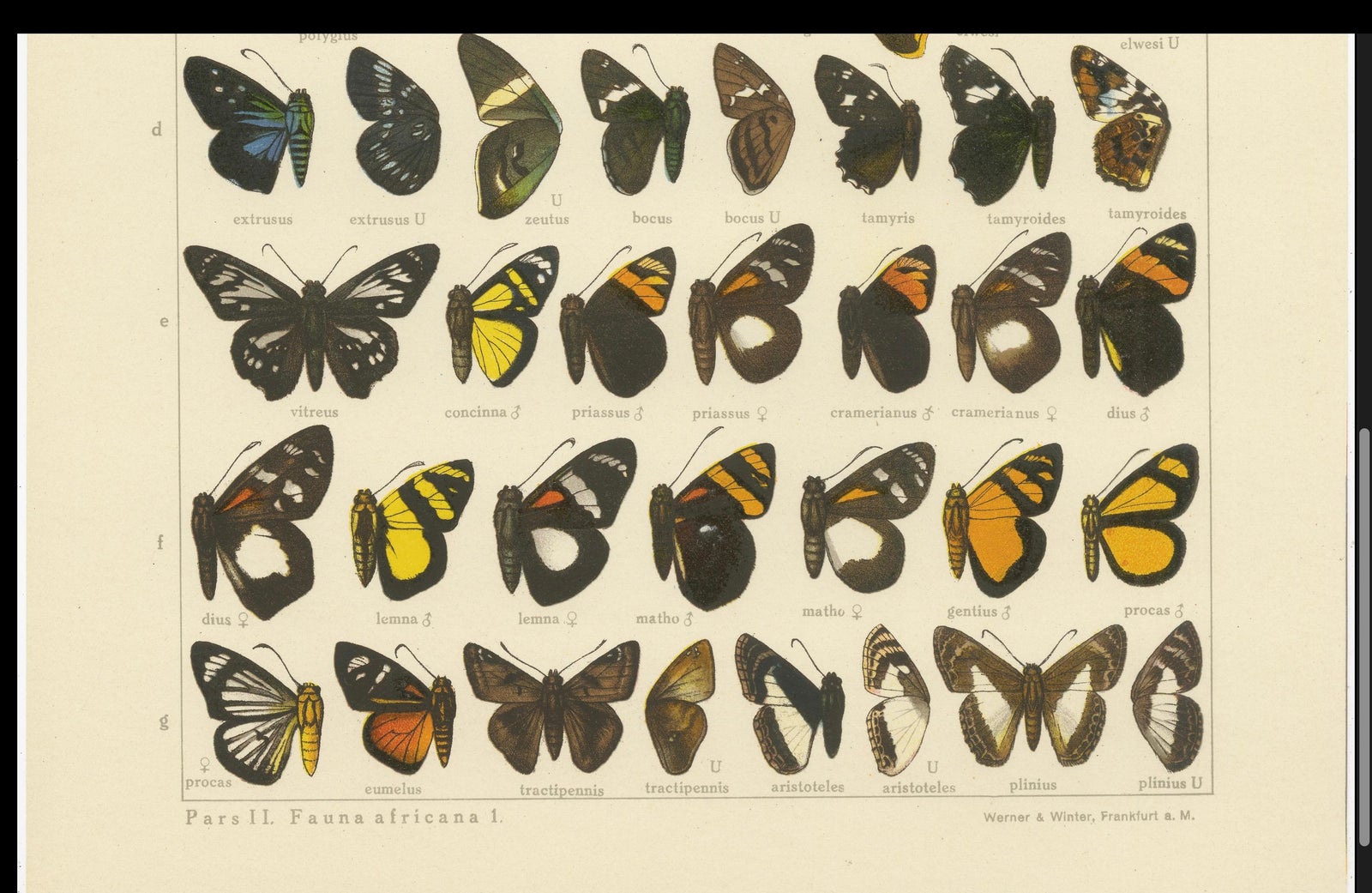
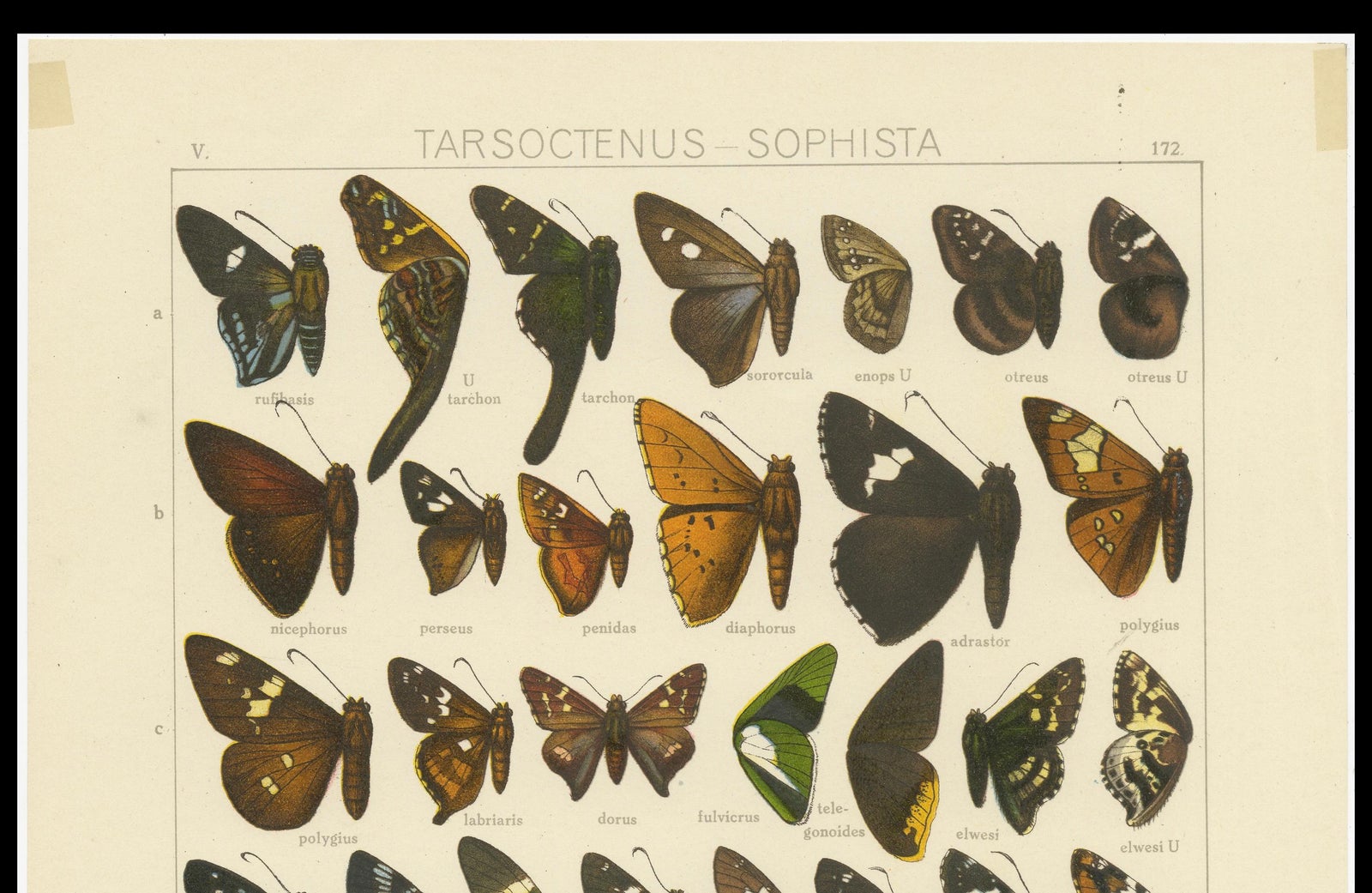
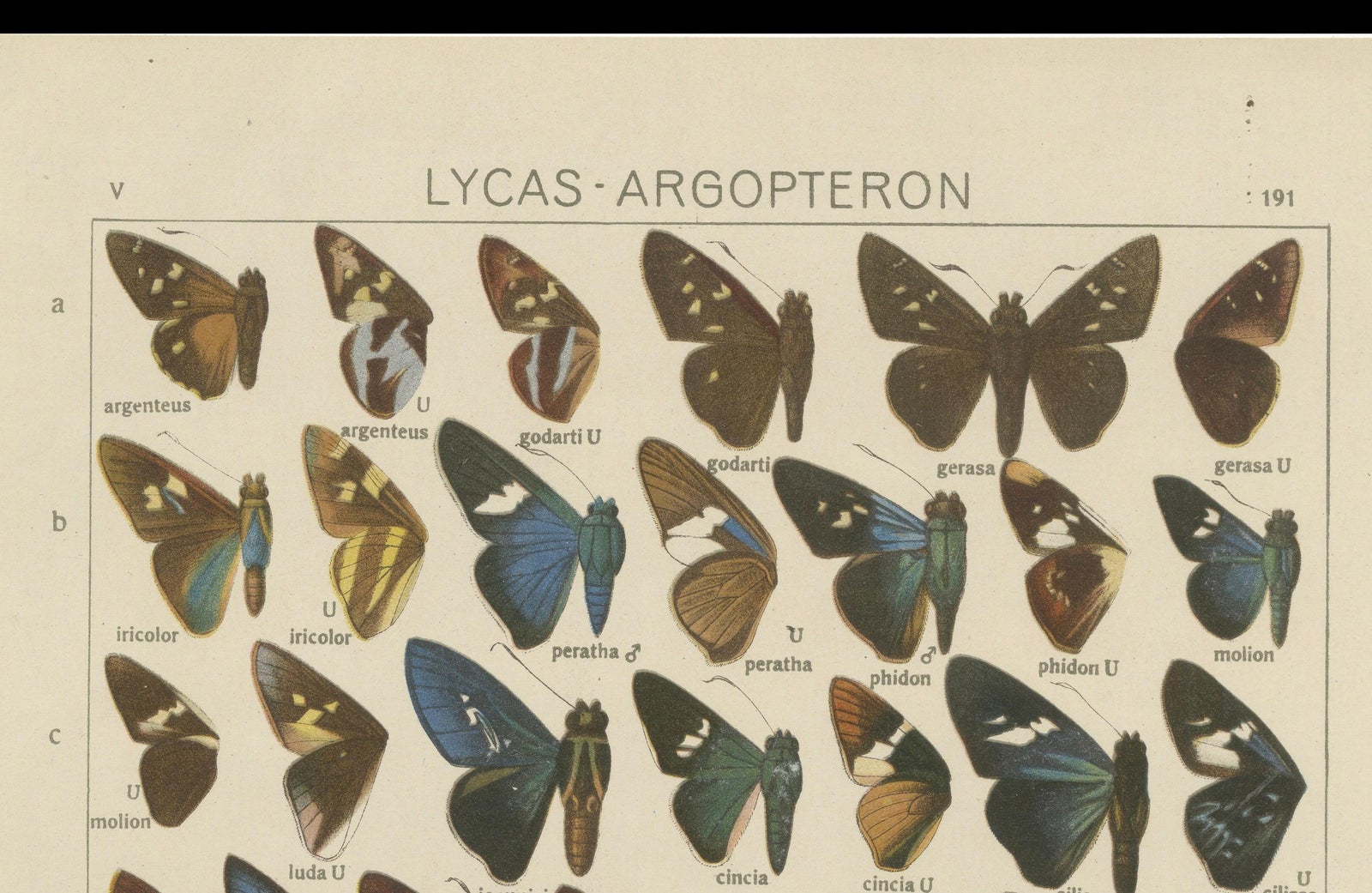
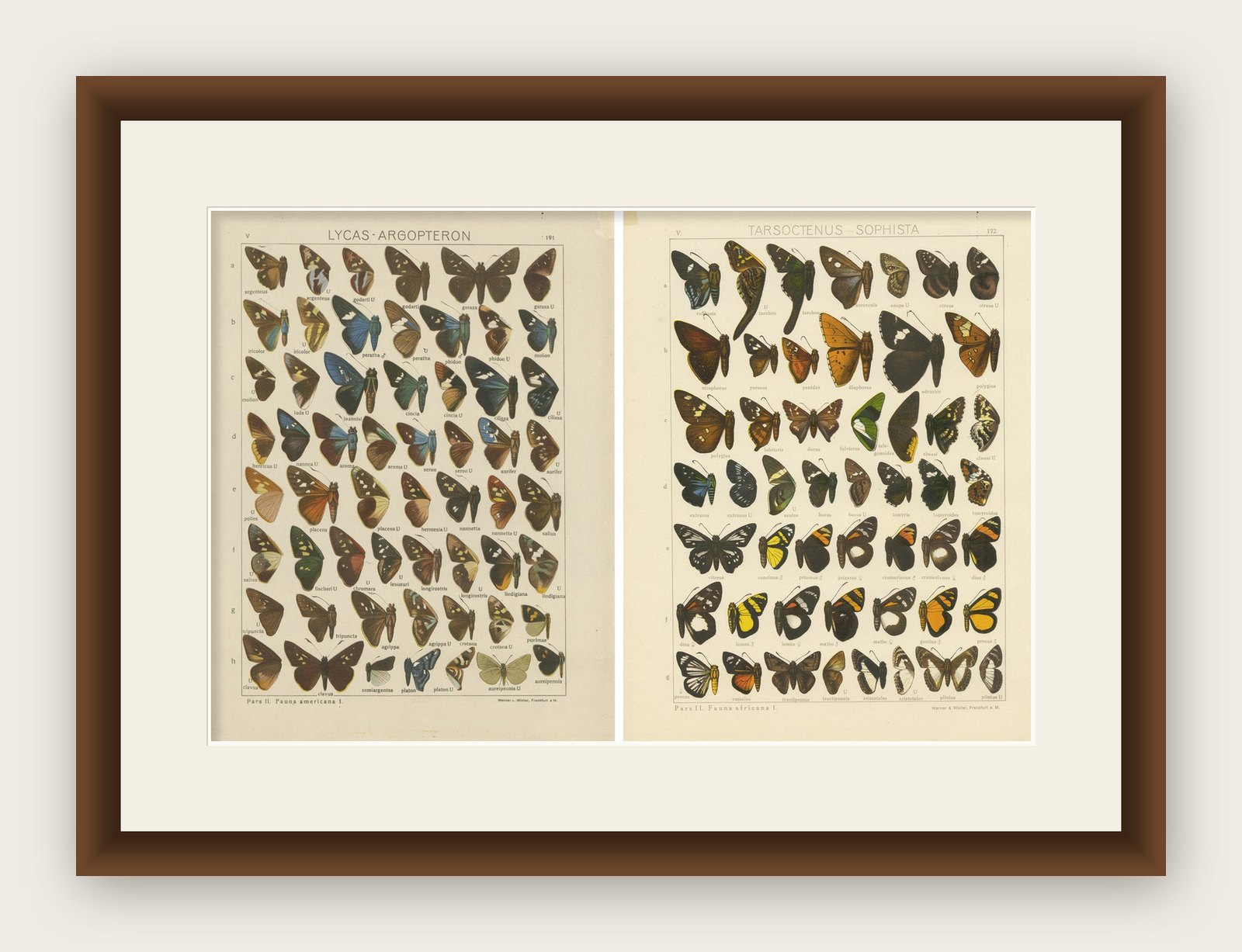
Set of two antique butterfly prints titled 'Tarsoctenus - Sophista' and 'Lycas - Argopteron'. It shows butterflies of Africa and America. These prints originate from 'Die Großschmetterlinge der Erde' published circa 1910.
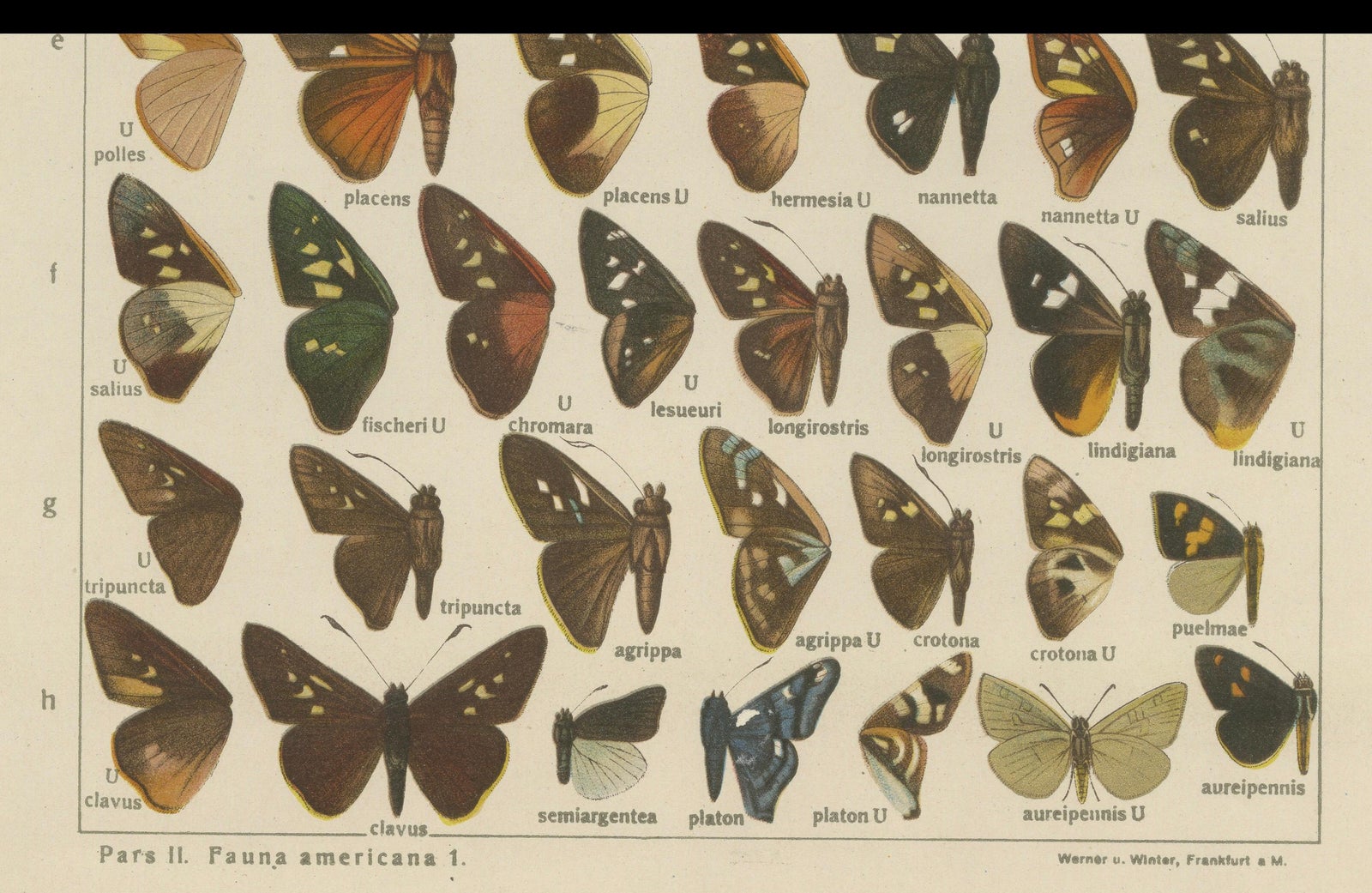
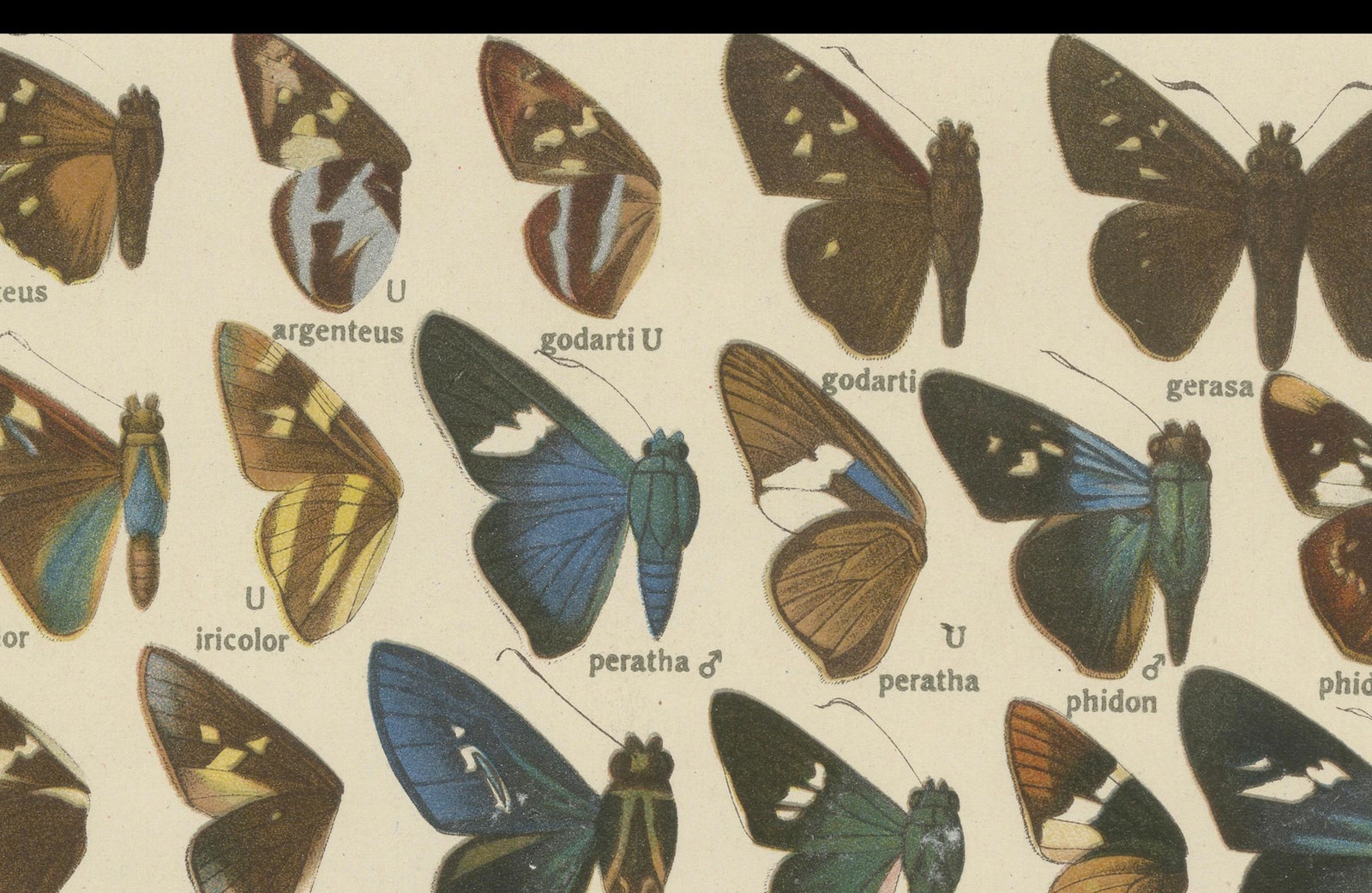
The prints display a variety of butterflies and are labeled "LYCAS-ARGOPTERON" and "TARSOTENUS-SOPHISTA," which are likely the genera or groups of species being represented. These prints come from a work that details various species of butterflies, namely "Pars II. Fauna americana 1," which suggests these are illustrations of American fauna. The detailed coloration and patterning indicate they were produced with a high level of care and precision, common in scientific illustrations of the time.
The prints were published by Werner & Winter, Frankfurt a. M., indicating they were produced by or for a publishing house located in Frankfurt am Main, Germany. Without further context, it's unclear whether Werner & Winter was the printer, publisher, or distributor, but they were clearly involved in the production of these scientific plates.
Identifying the individual butterflies would require expertise in entomology, especially knowledge of historical names and classifications, as the names used in the 19th and early 20th centuries can differ from current taxonomy. However, it's evident that each butterfly is meticulously labeled with its respective scientific name, which would have been used at the time for identification and classification purposes.
The creator of these prints is not specified in the information provided, but given the era and the publisher's location, it's likely that the illustrations were made by a naturalist or an illustrator specializing in scientific or biological drawings. These prints would have served an important role in the study and documentation of biodiversity, particularly in the field of lepidopterology, the study of butterflies and moths. The quality and style suggest they were part of a comprehensive collection, such as a detailed catalog of species or an educational series for scholars and enthusiasts.