Close-ups
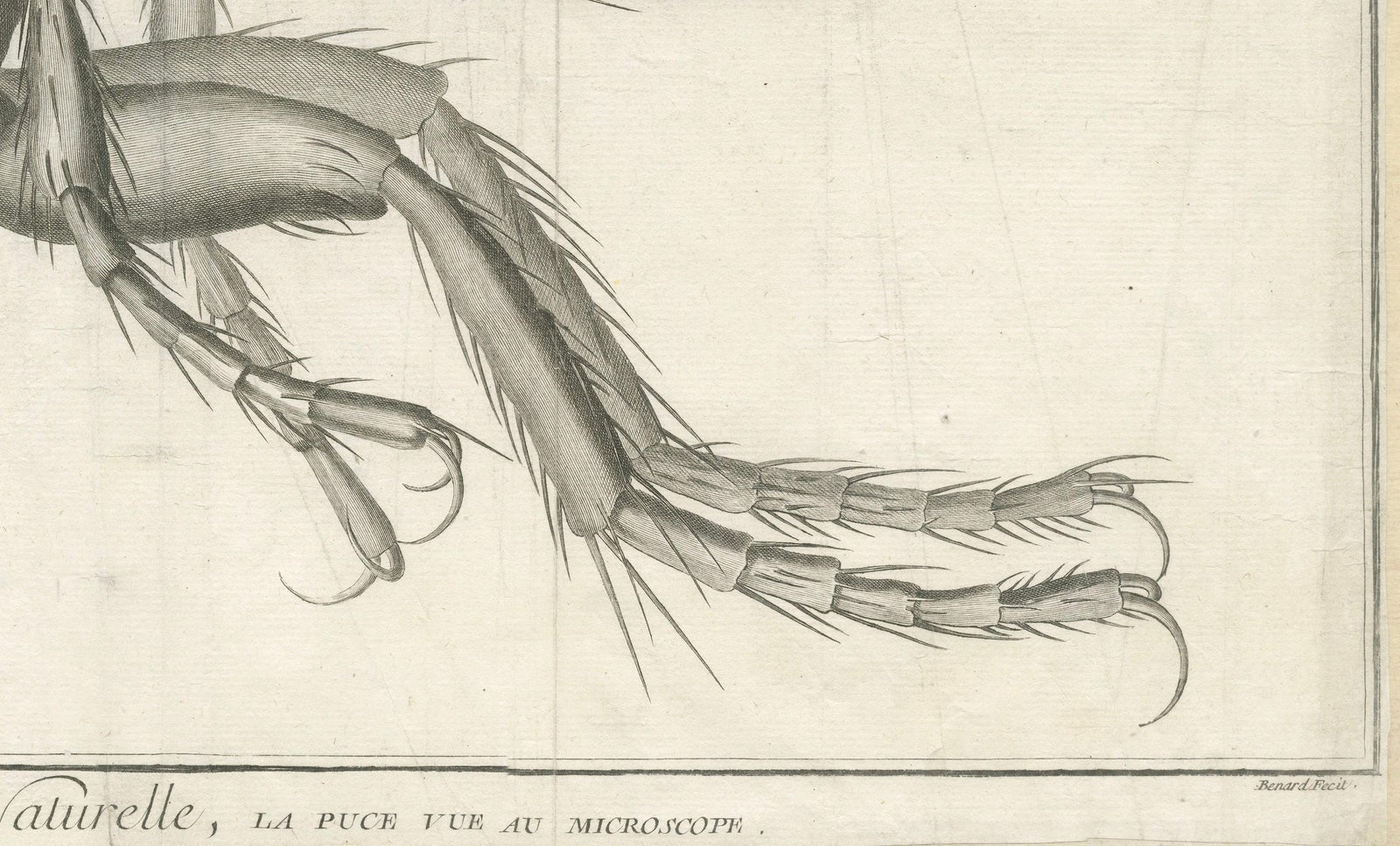
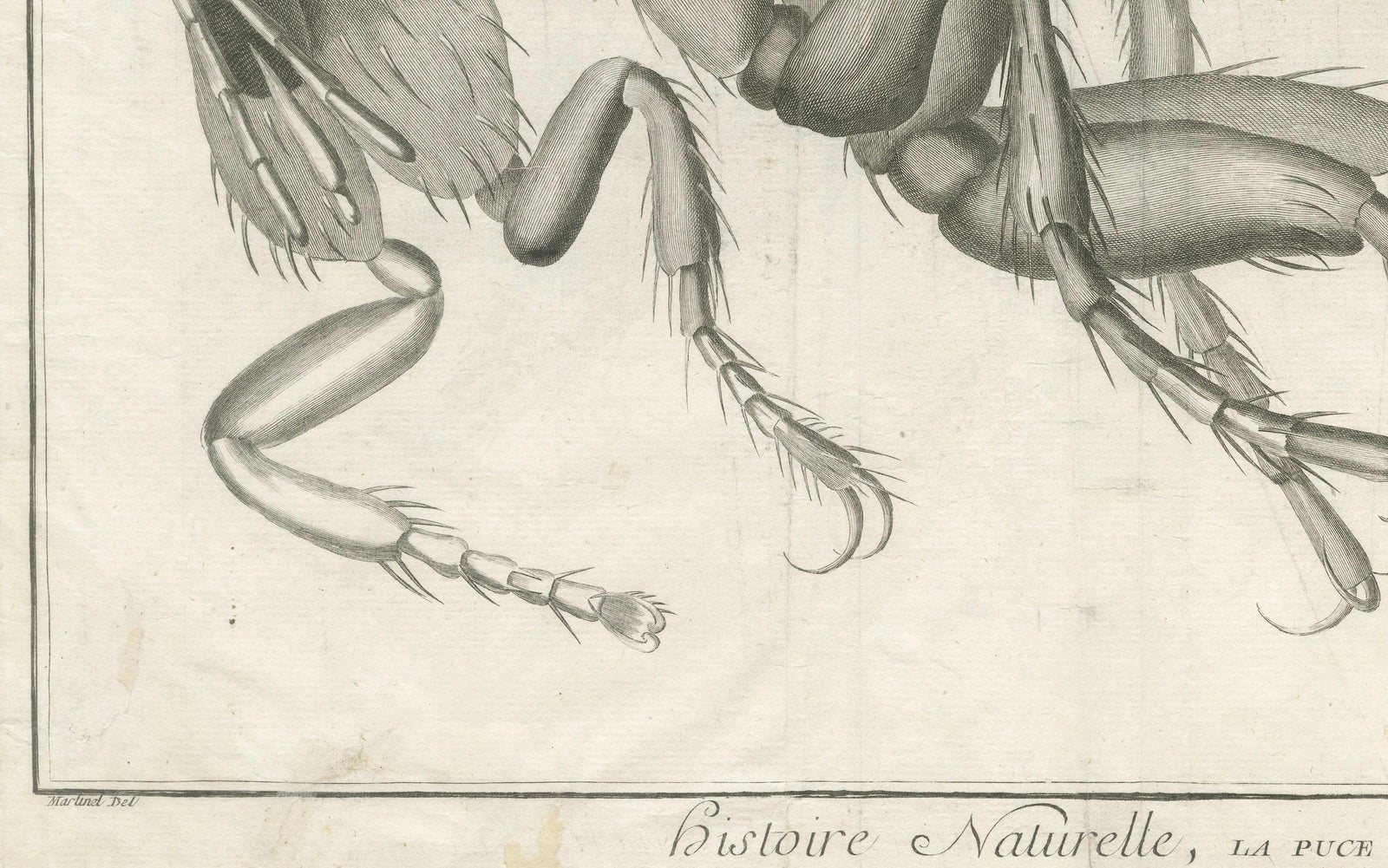
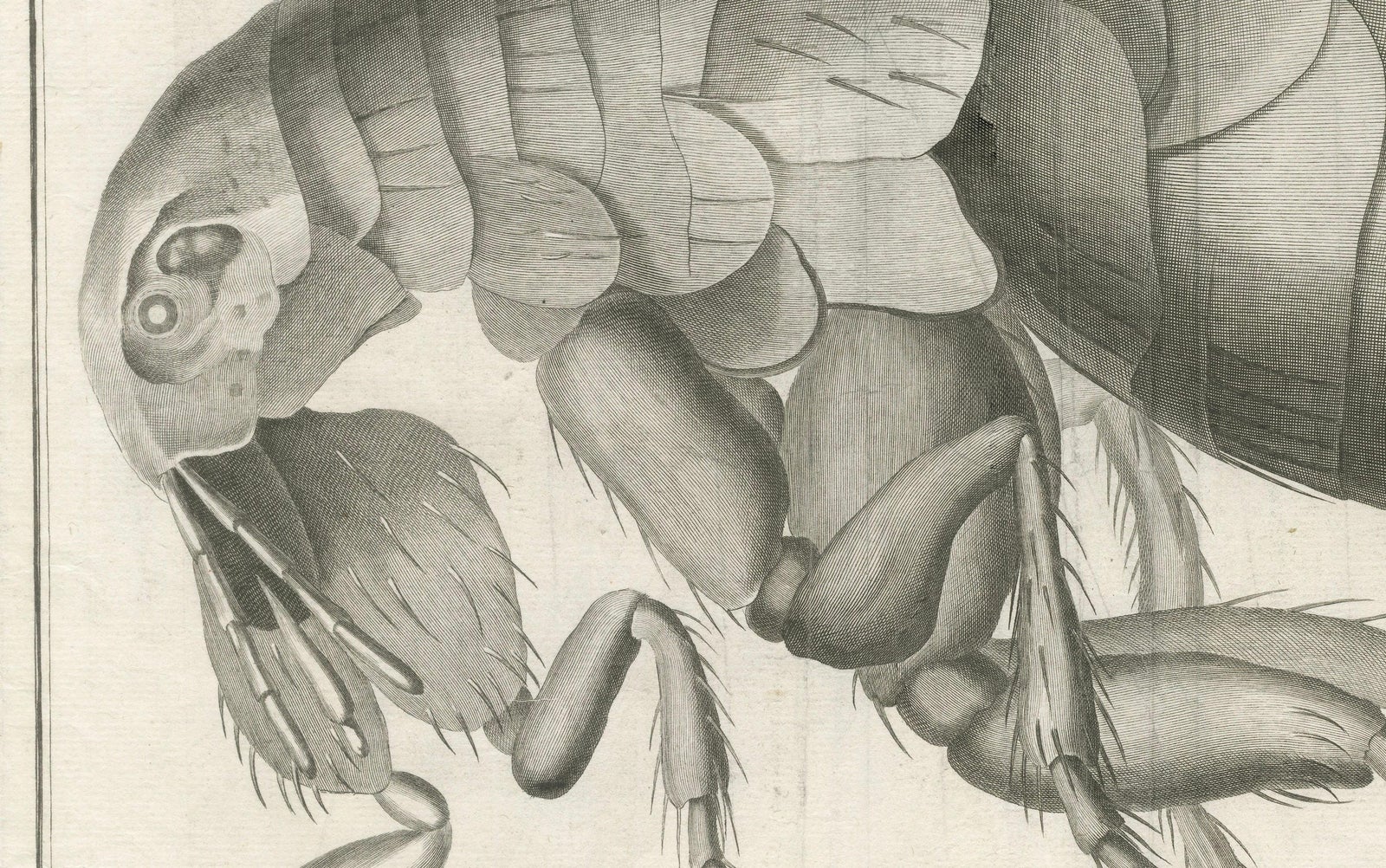
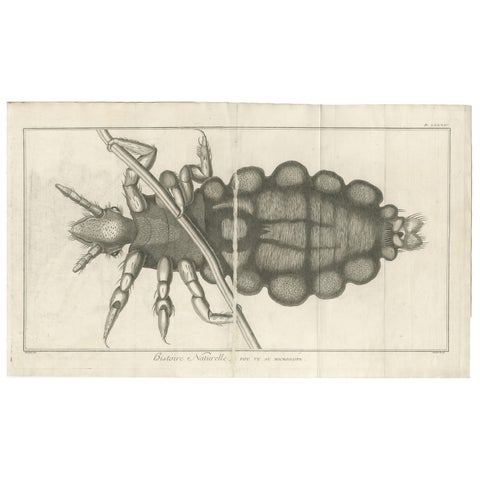
Large Folding Engraving of a Flea Seen Under the Microscope by Diderot, ca.1770
€240 ($270, £205, €240)
Period original, not a reproduction.
Shipped from the Netherlands, flat, insured and tracked, worldwide. Returns accepted within 14 days.
- Date
- 1770
- Size
- 15.4 × 18.1 in (39 × 46 cm)
- Condition
- Fair. Condition report: Fair to good condition with visible platemark. Folding lines as issued, with some wear and minor soiling along folds and margins. Slight staining to the lower edge, not affecting the image. Image remains sharp and well-defined.
- Period
- 18th century
- Section
- Insects and butterflies
- Reference
- f_46682032
Large Folding Engraving of a Flea Seen Under the Microscope, Diderot’s Encyclopédie, ca. 1770
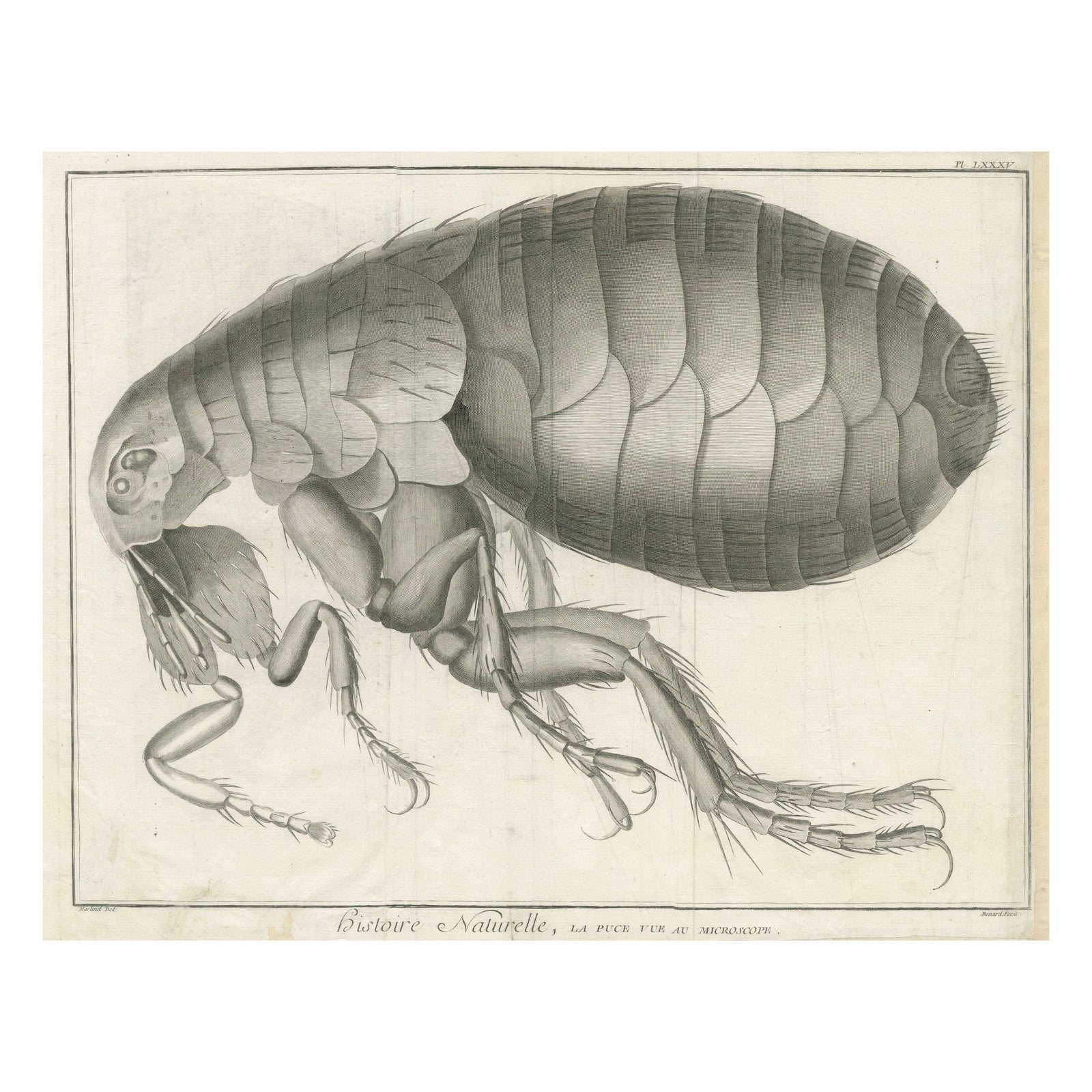
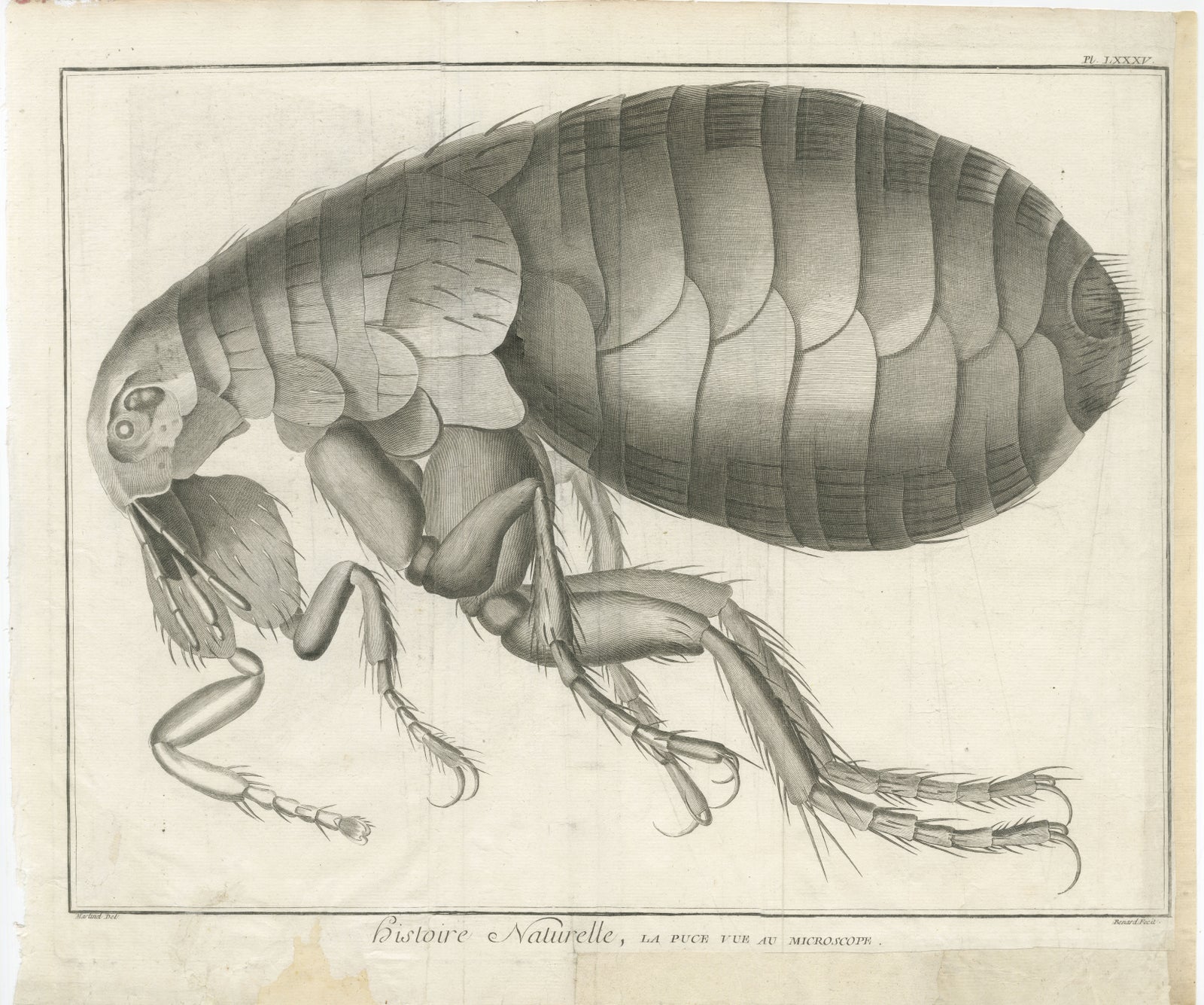
An extraordinary large copperplate engraving from Denis Diderot and Jean le Rond d’Alembert’s Encyclopédie ou Dictionnaire raisonné des sciences, des arts et des métiers, Paris, circa 1770. This remarkable fold-out plate, titled La Puce vue au microscope (“Flea seen under the microscope”), presents a magnified view of a flea, engraved with astonishing precision.
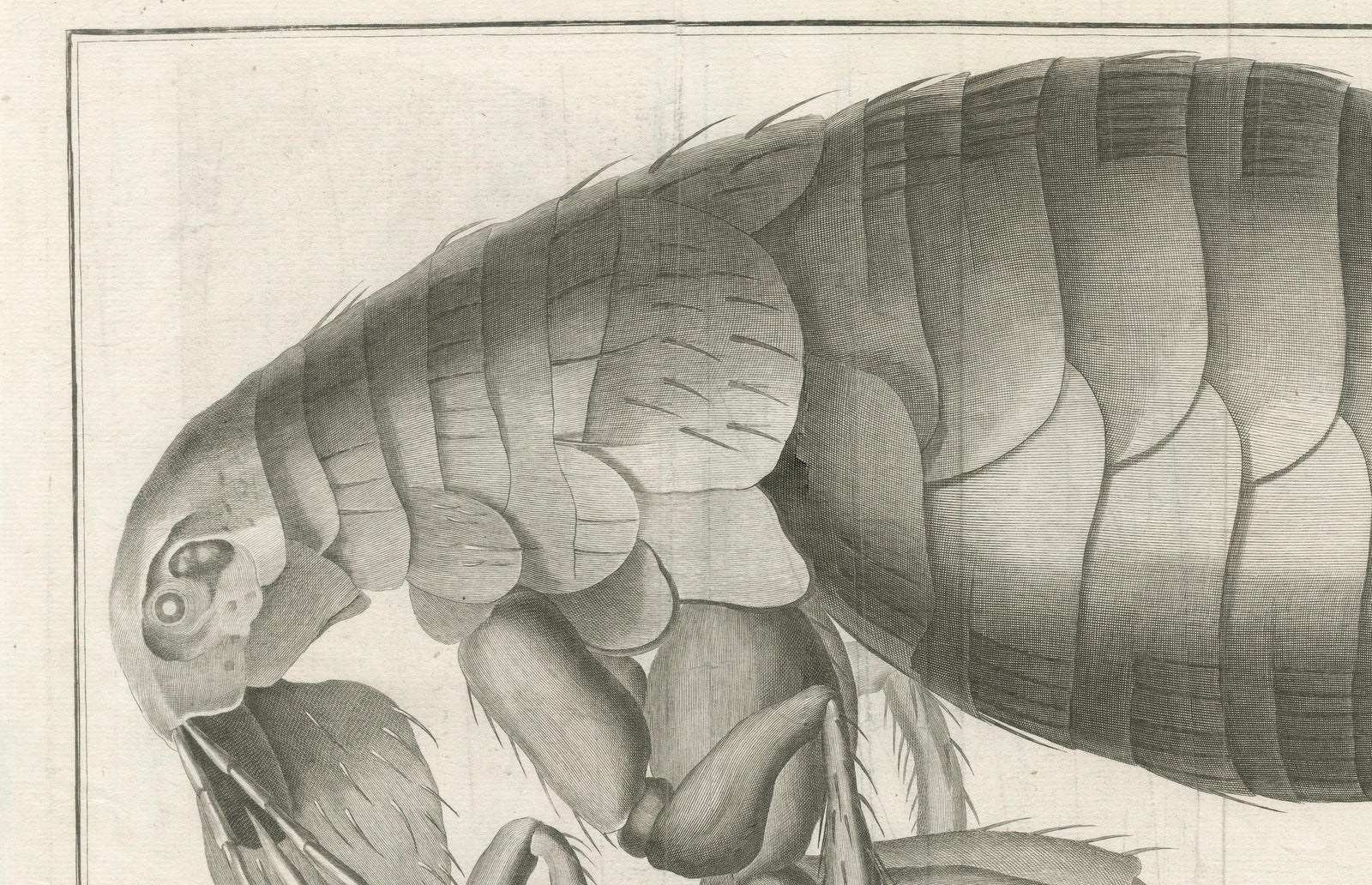
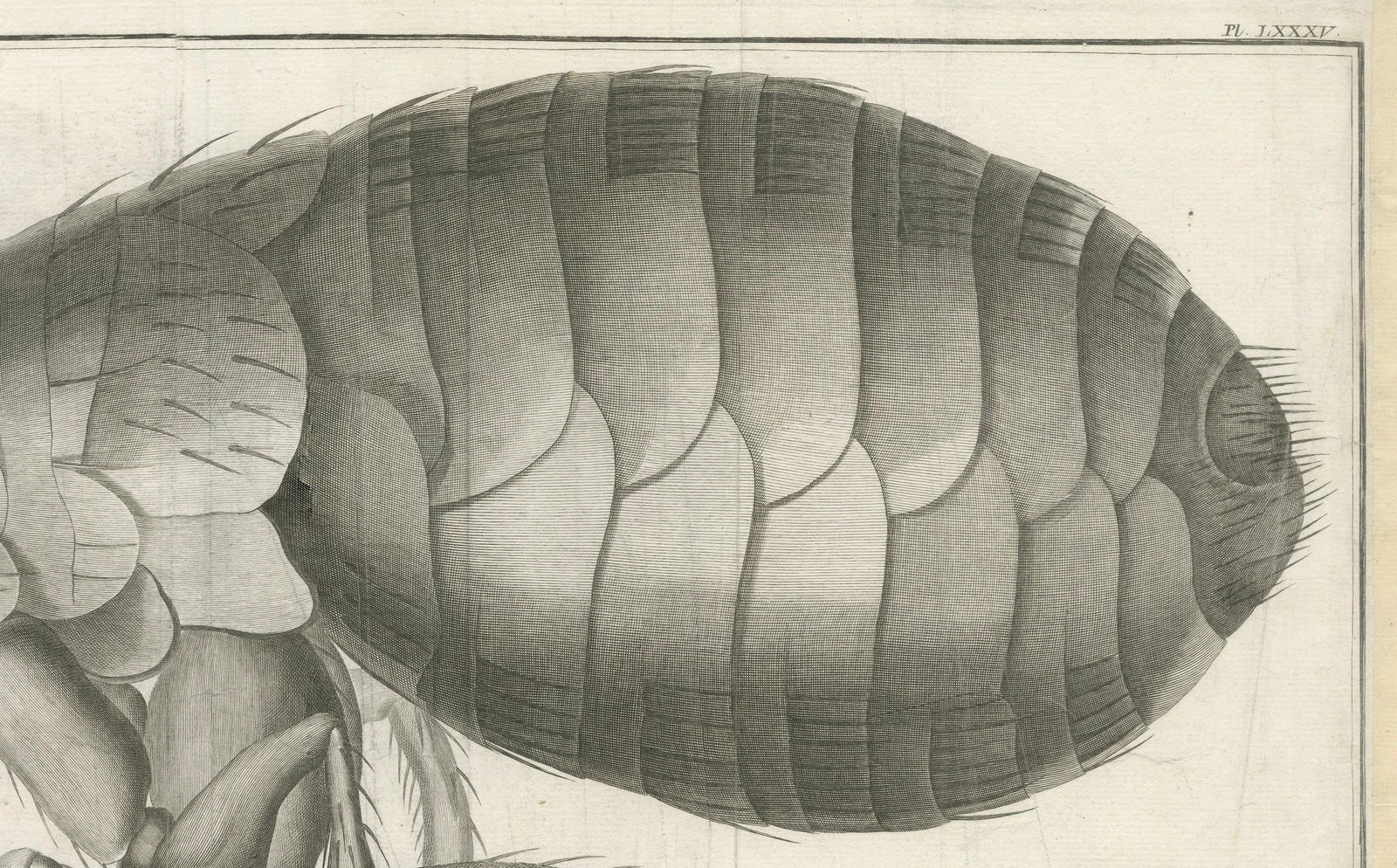
Every anatomical feature of the flea is meticulously rendered: the segmented exoskeleton, powerful jumping legs with bristling hairs, articulated antennae, and the distinctive head adapted for piercing and sucking. The engraving dramatically enlarges this tiny insect to a scale that emphasizes its intricate and somewhat monstrous structure, reflecting the Enlightenment fascination with the hidden worlds revealed by microscopy.
Microscope studies were a novelty in the 17th and 18th centuries, and the flea became one of the most iconic subjects for demonstration. Its grotesque yet captivating form symbolized both the marvels of natural science and the power of technology to extend human knowledge. This plate is among the most famous and visually striking of the Histoire naturelle series in the Encyclopédie, combining scientific purpose with visual drama.
Large folding plates of this type are particularly desirable due to their rarity and the difficulty of preserving them in good condition over centuries. This example retains strong detail and remains a commanding piece of Enlightenment-era scientific illustration.
Condition report: Fair to good condition with visible platemark. Folding lines as issued, with some wear and minor soiling along folds and margins. Slight staining to the lower edge, not affecting the image. Image remains sharp and well-defined. Offered as a single large folio sheet, unframed.
Framing tips: This plate makes a dramatic statement as a standalone piece. A wide ivory or cream mount will emphasize its scientific character, while a simple black or dark wood frame will ground the image. A float mount that allows the original folds to remain visible would highlight its authenticity as a historic folding plate.
Technique: Copperplate engraving (folding plate)
Maker: Denis Diderot & Jean le Rond d’Alembert, Paris, ca. 1770