Close-ups
Framed and on the wall
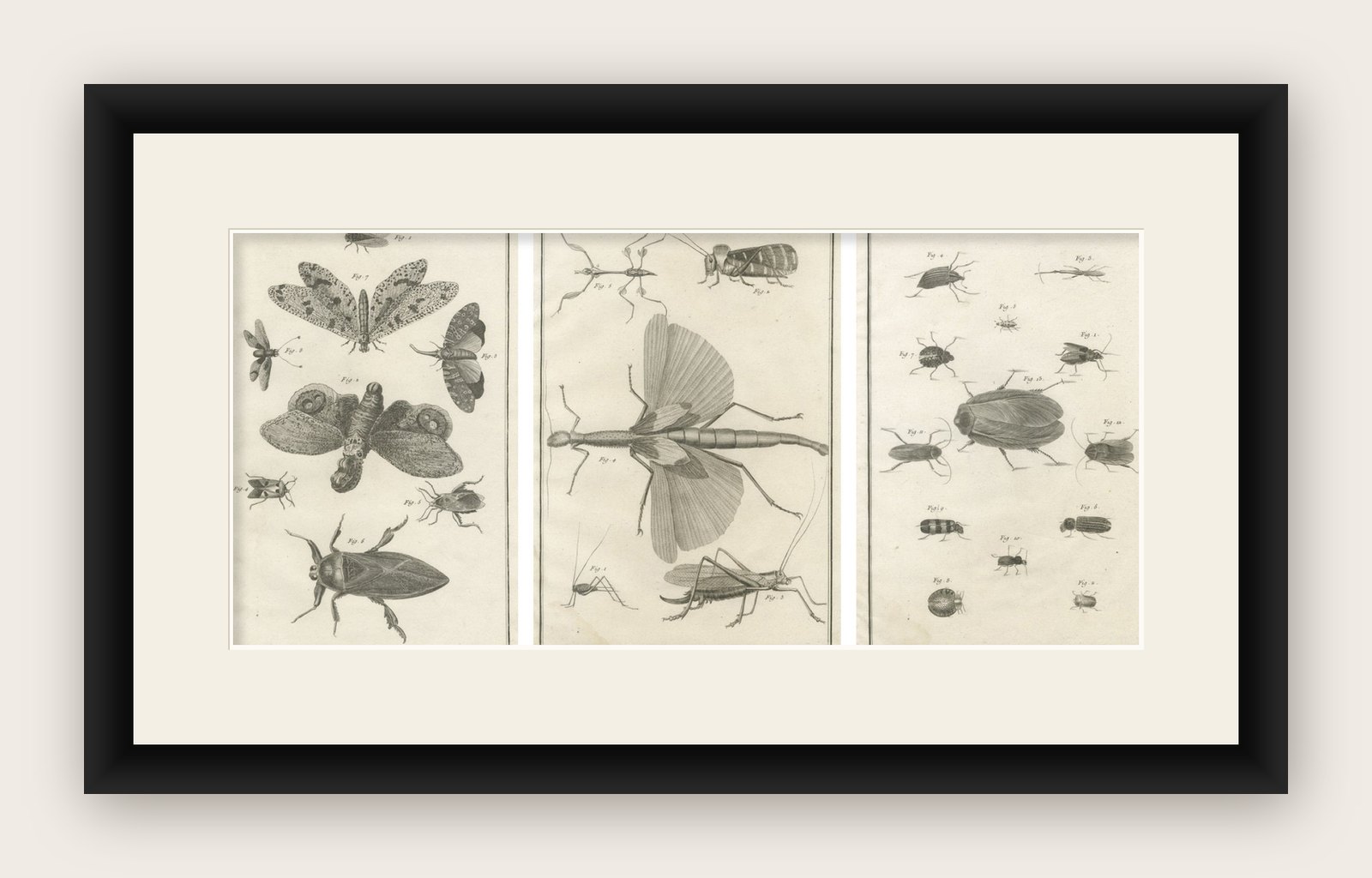
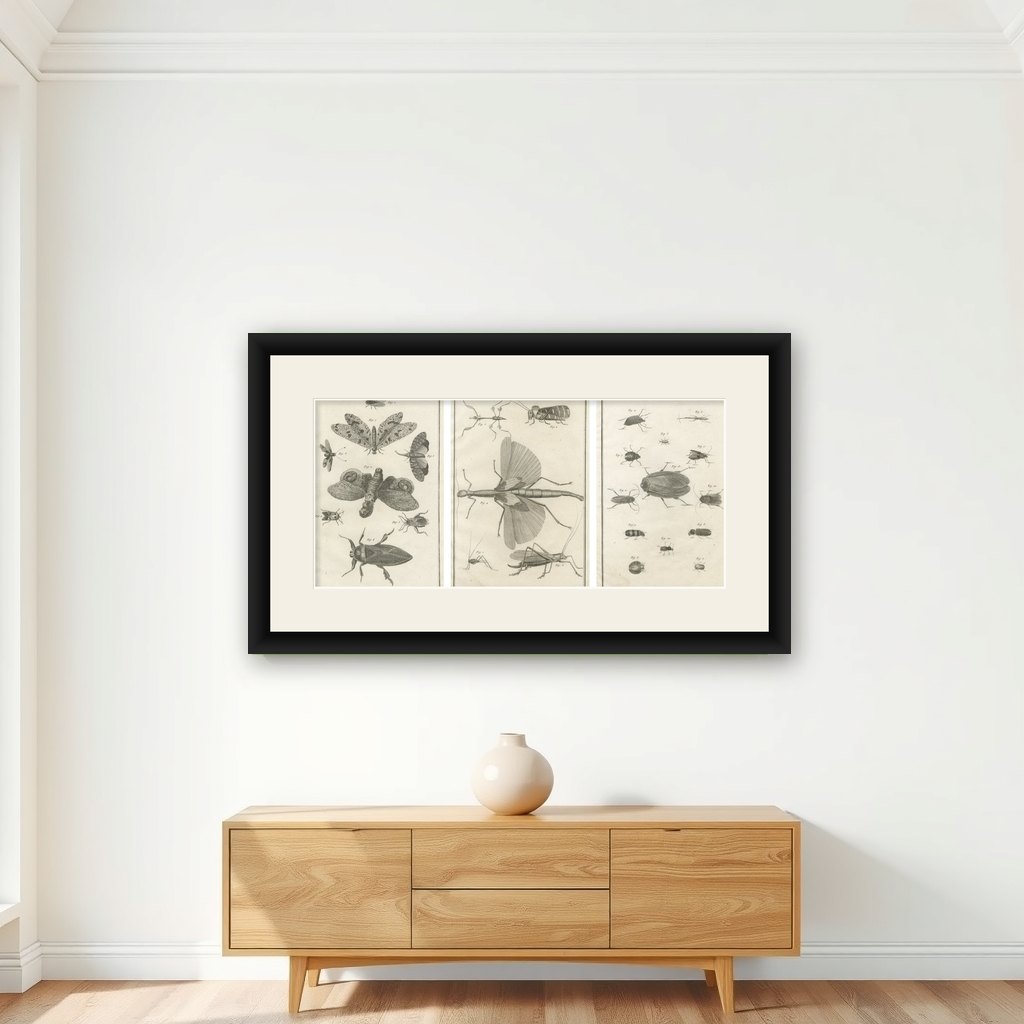

Frame and rooms are illustrations of how the print could look; the description says what is included.
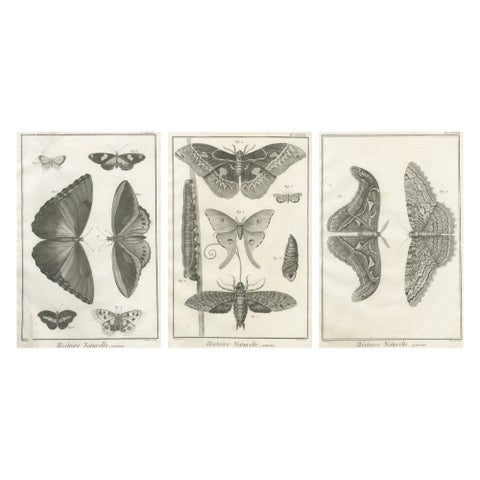
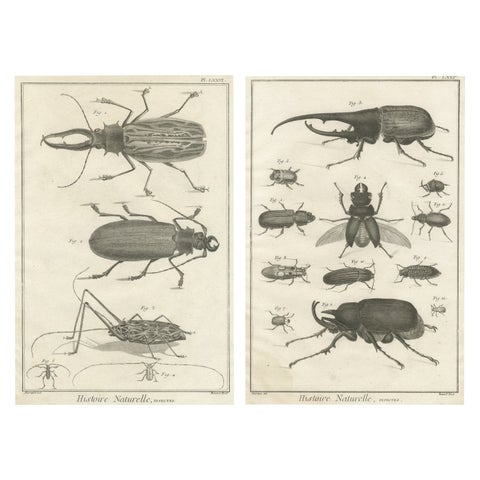
Set of Three Antique Engravings of Insects from Diderot’s Encyclopédie, ca. 1770
€290 ($325, £245, €290)
Period original, not a reproduction.
Shipped from the Netherlands, flat, insured and tracked, worldwide. Returns accepted within 14 days.
- Date
- 1770
- Size
- 15.4 × 9.8 in (39 × 25 cm)
- Condition
- Good. Condition report: Good condition with strong plate impressions. Light toning, occasional foxing and marginal handling marks consistent with age. Sheets remain well-preserved and images crisp. Offered as three separate folio sheets, unframed.
- Period
- 18th century
- Section
- Insects and butterflies
- Reference
- f_46681842
Set of Three Antique Engravings of Insects from Diderot’s Encyclopédie, ca. 1770
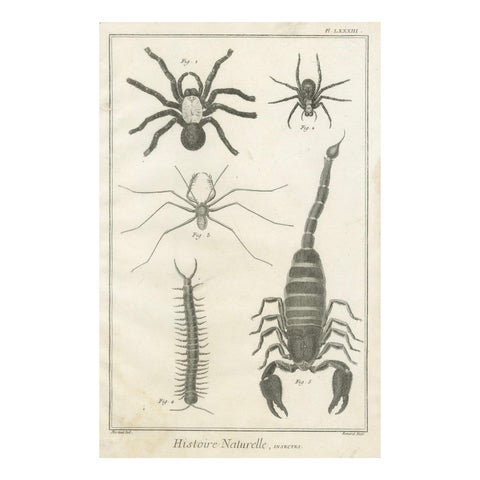
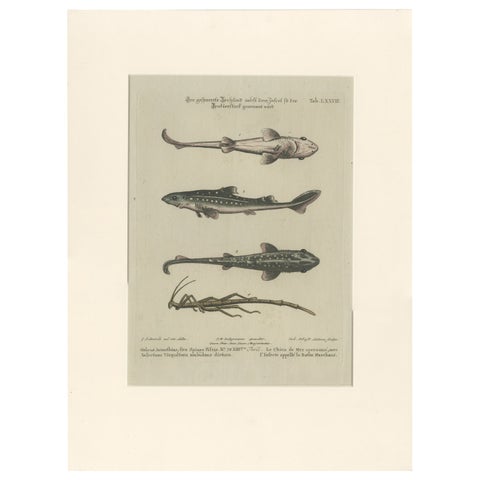
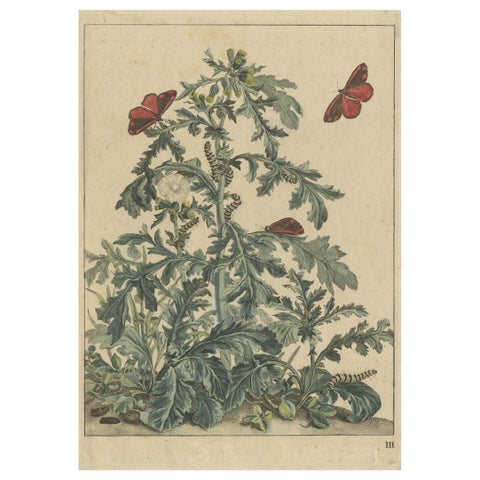
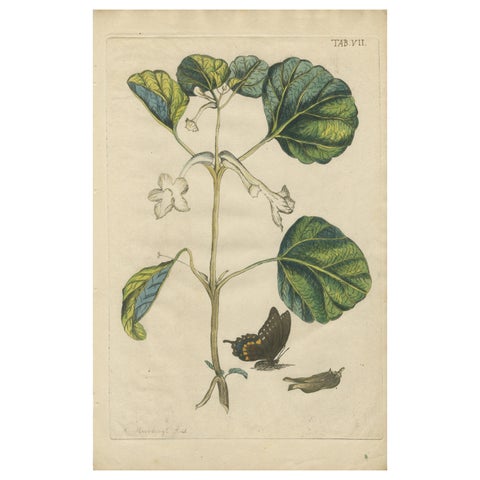
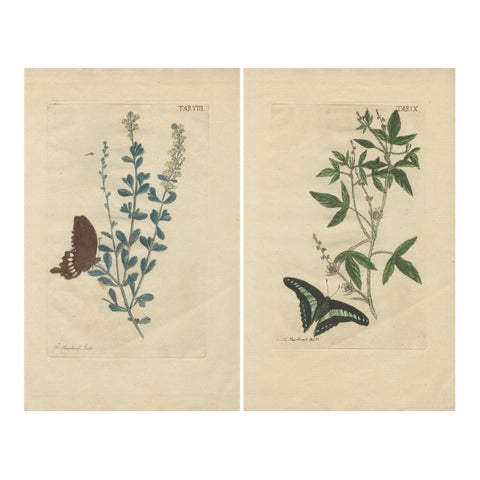
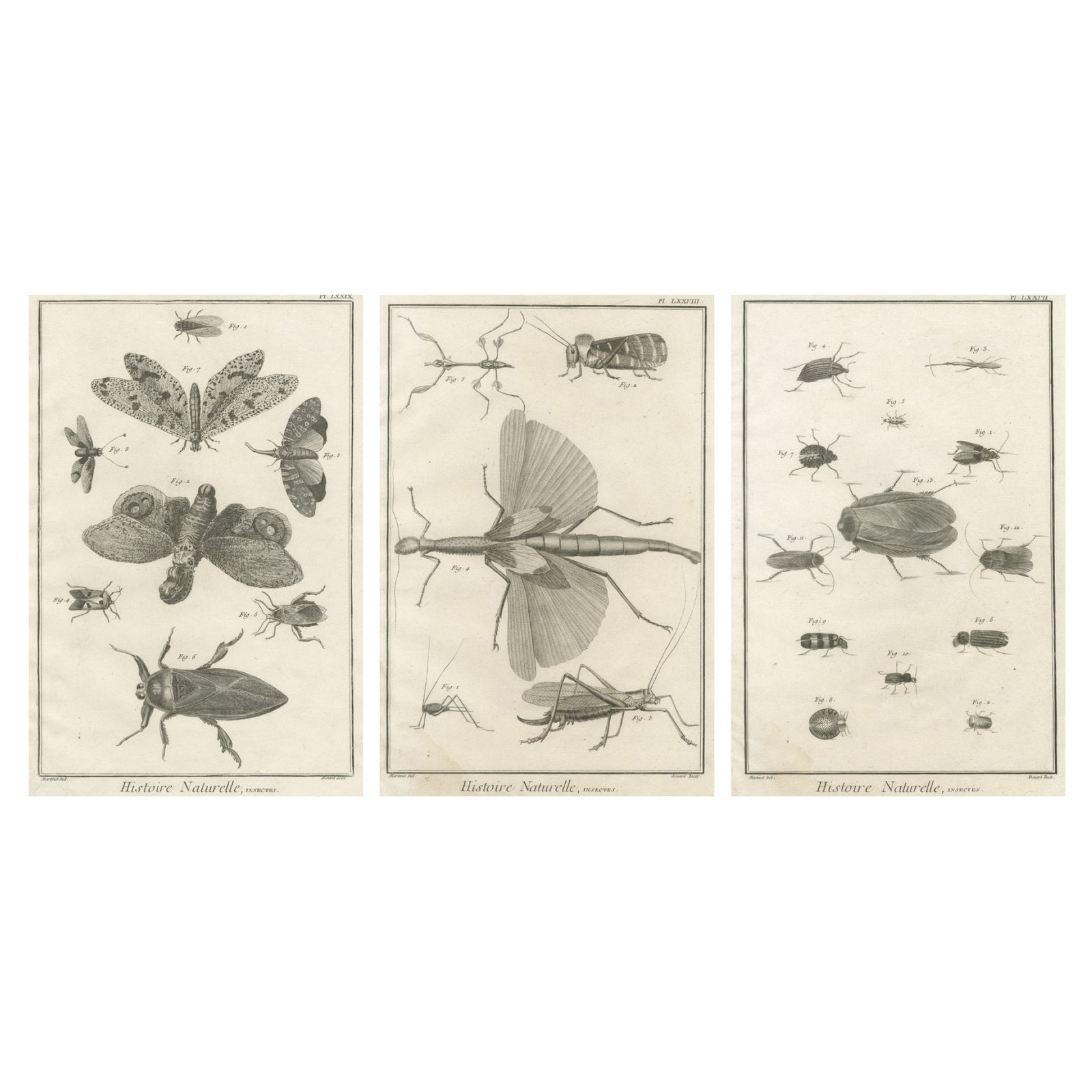
A set of three finely engraved copperplates from Denis Diderot and Jean le Rond d’Alembert’s monumental Encyclopédie ou Dictionnaire raisonné des sciences, des arts et des métiers, Paris, circa 1770. These plates belong to the Histoire naturelle section devoted to insects and showcase a diverse range of species with both scientific and artistic precision.
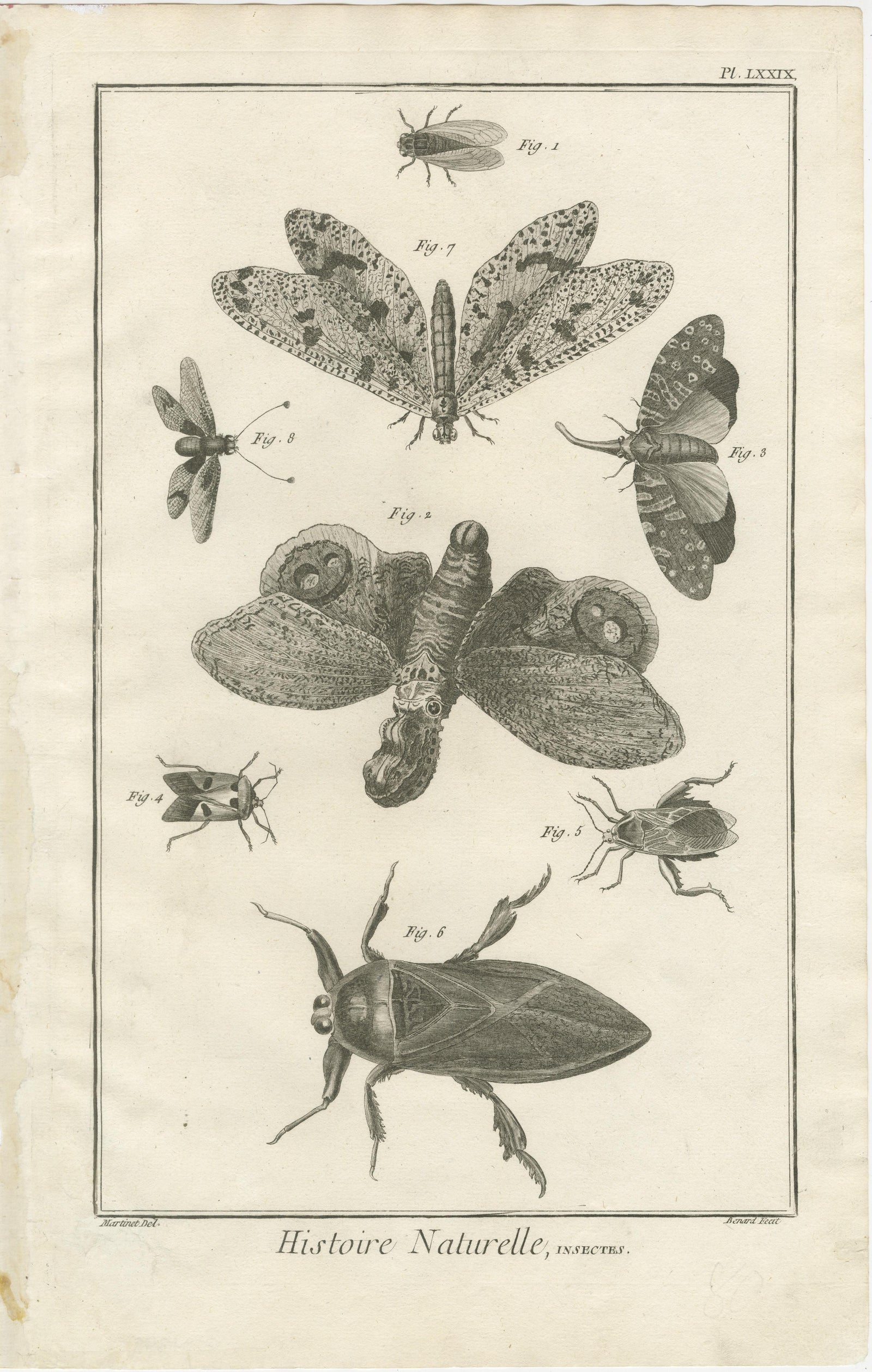
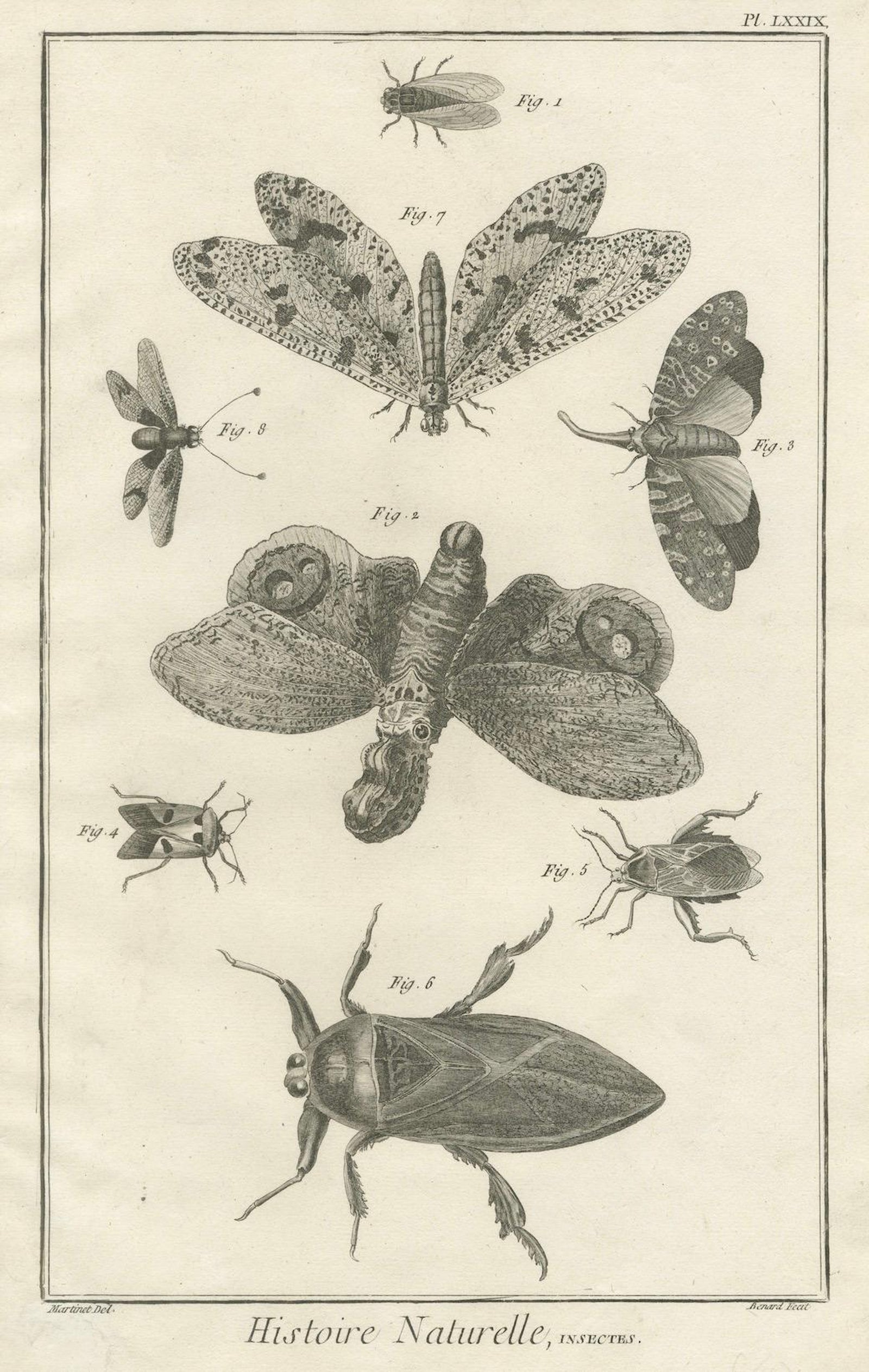
The first plate (Pl. LXXIX) presents an array of insects including moths, cicadas, and aquatic bugs. Particularly striking is the detailed depiction of a moth with extended wings, as well as a remarkable lanternfly with a bulbous head, reflecting the fascination with exotic specimens arriving in Europe from Asia and the Americas.
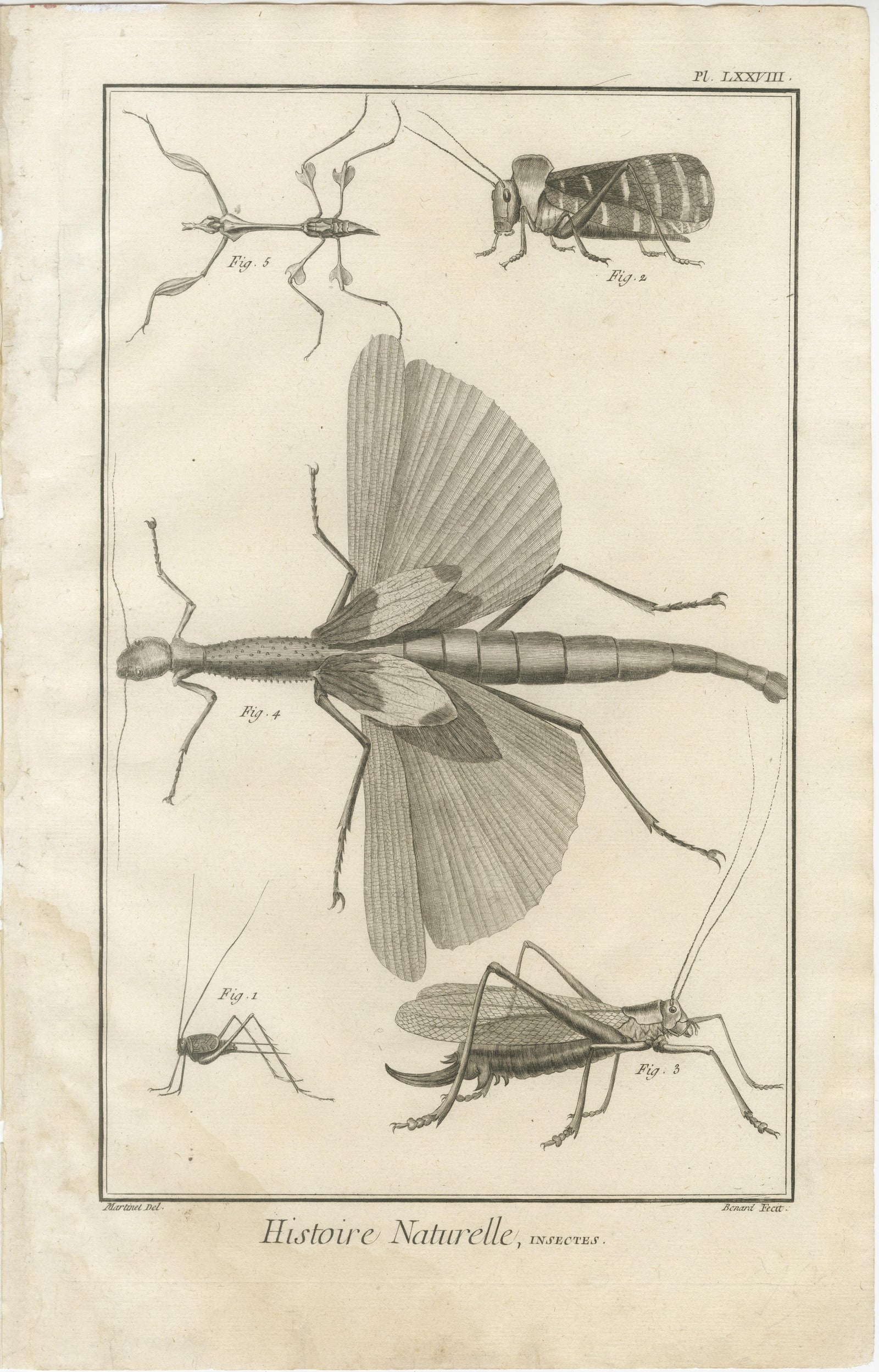
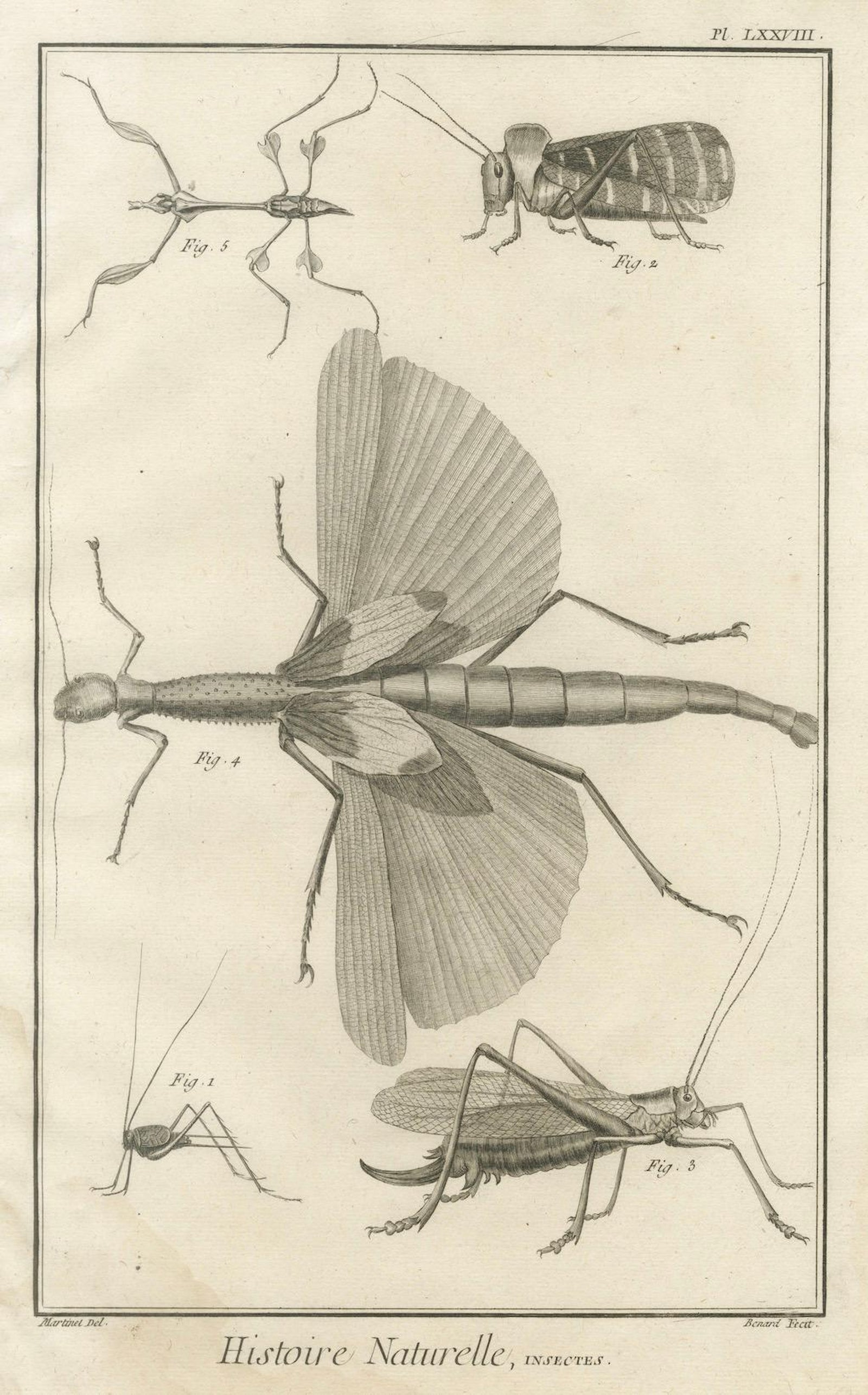
The second plate (Pl. LXXVIII) focuses on orthopterans such as grasshoppers, crickets, and stick insects. The large central figure is a mantis-like insect with extended wings, rendered with fine attention to texture and structure. Smaller figures highlight variations in form, from delicate stick insects to robust locust-like species.
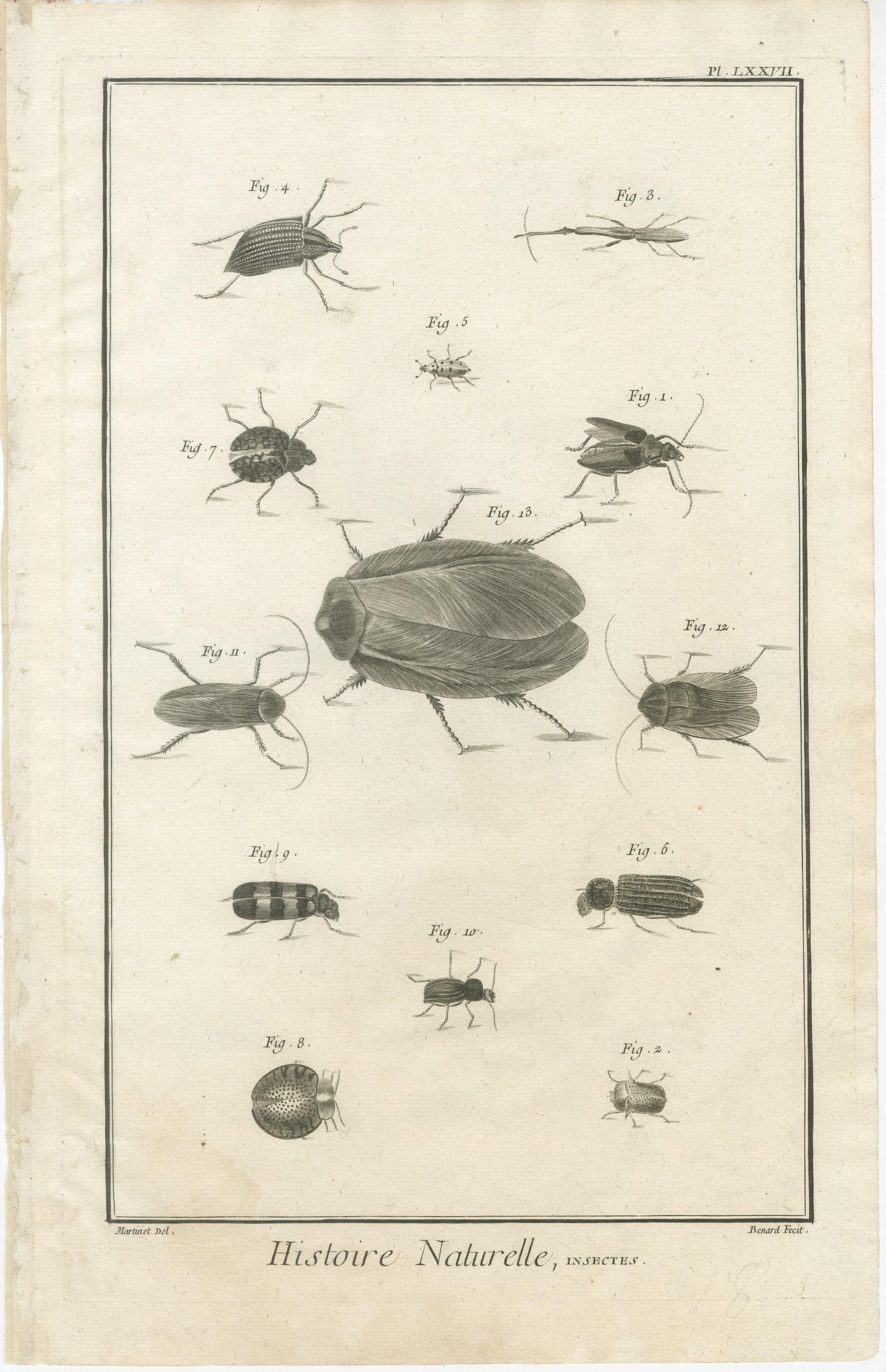
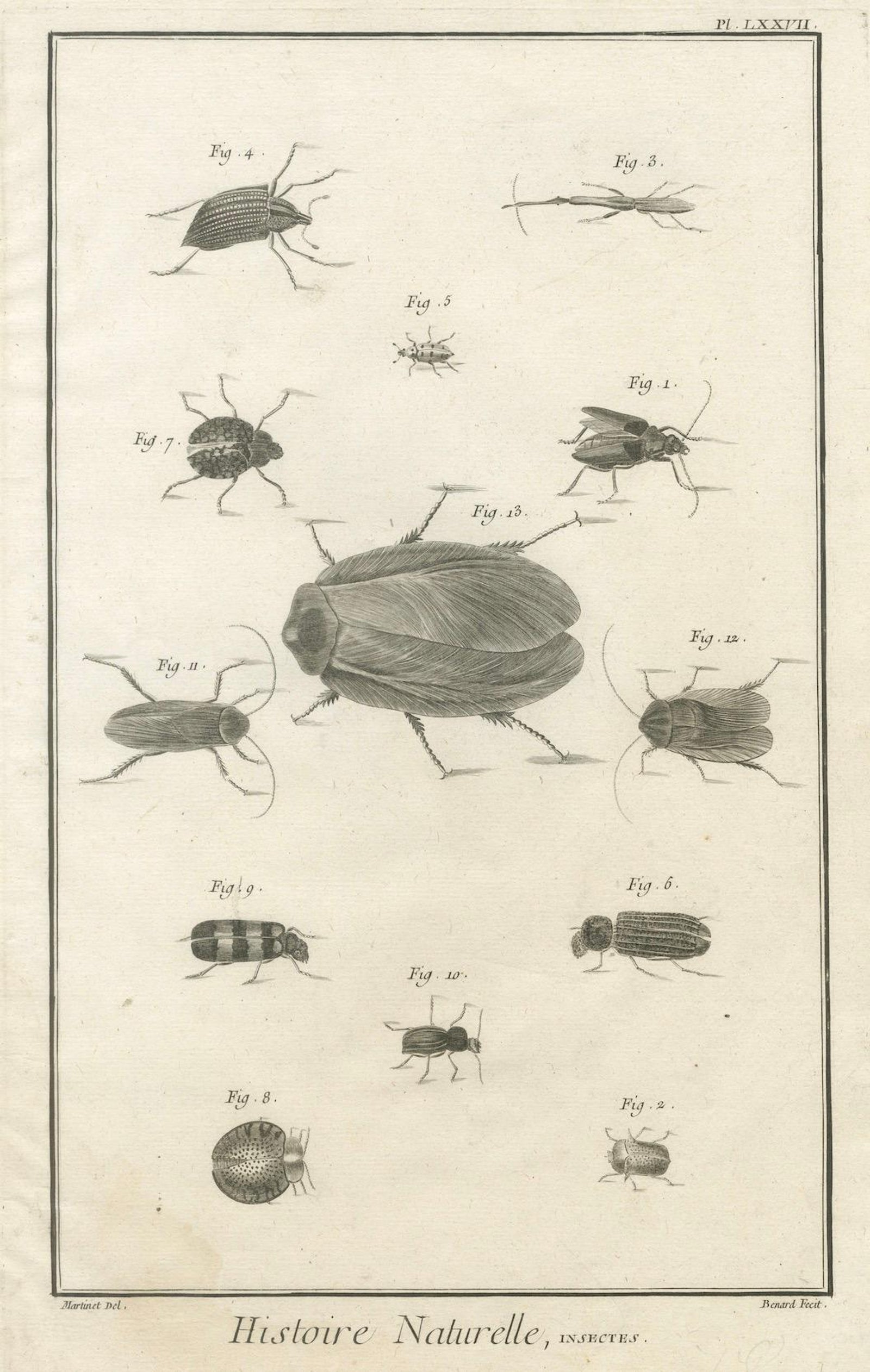
The third plate (Pl. LXXVII) includes beetles and related insects, with a prominent cockroach at its center surrounded by smaller beetle and bug species. Each specimen is carefully isolated for comparative study, reflecting the encyclopedists’ ambition to document the diversity of the insect world.
These engravings exemplify the Enlightenment drive to classify nature, pairing scientific observation with aesthetic clarity. Their detailed linework captures the complexity of insect anatomy, from wings and antennae to carapaces and legs, making them both valuable historical records and decorative works of art.
Condition report: Good condition with strong plate impressions. Light toning, occasional foxing and marginal handling marks consistent with age. Sheets remain well-preserved and images crisp. Offered as three separate folio sheets, unframed.
Framing tips: These three plates make an attractive display as a grouped set. Matching dark wood or black frames with ivory mounts will bring out the engraving lines, while double matting with a green or golden inner line adds refinement and echoes natural insect coloration.
Technique: Copperplate engraving
Maker: Denis Diderot & Jean le Rond d’Alembert, Paris, ca. 1770