Framed and on the wall
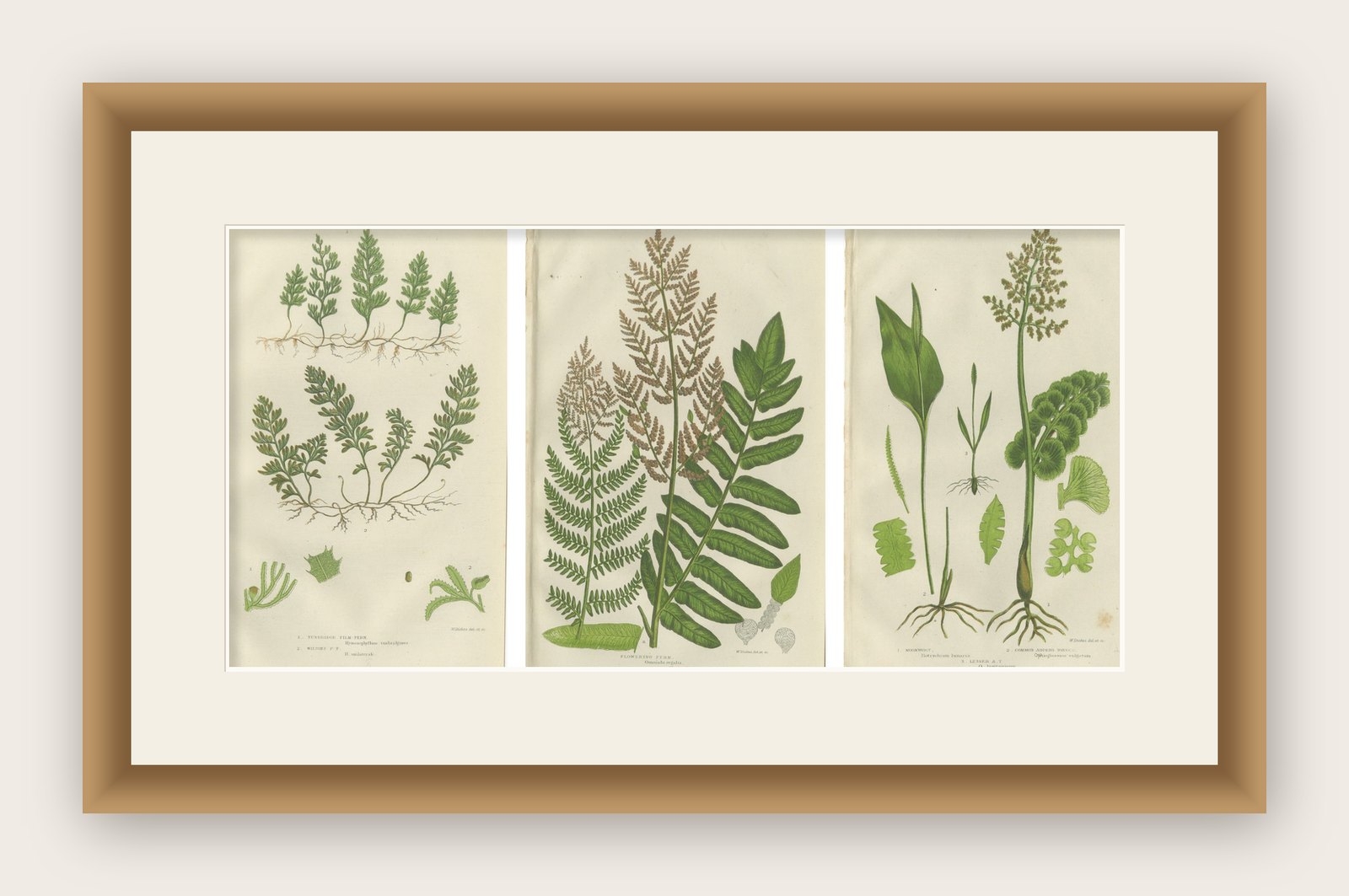
Frame and rooms are illustrations of how the print could look; the description says what is included.
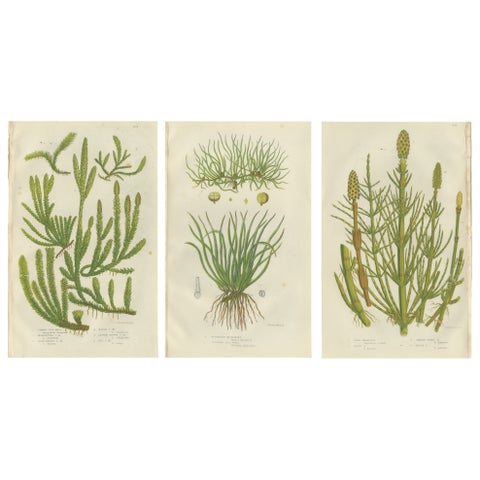
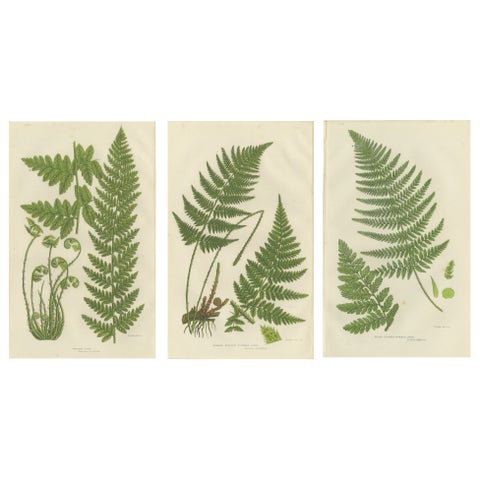
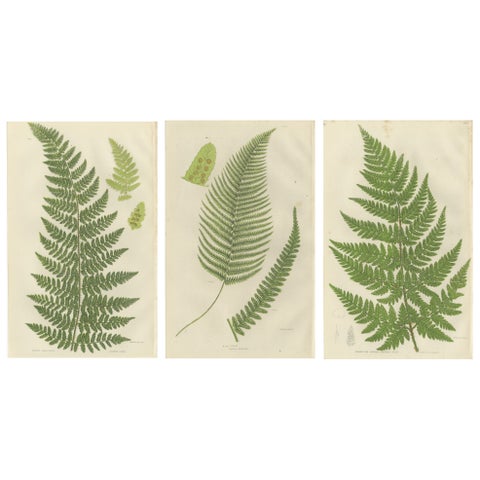
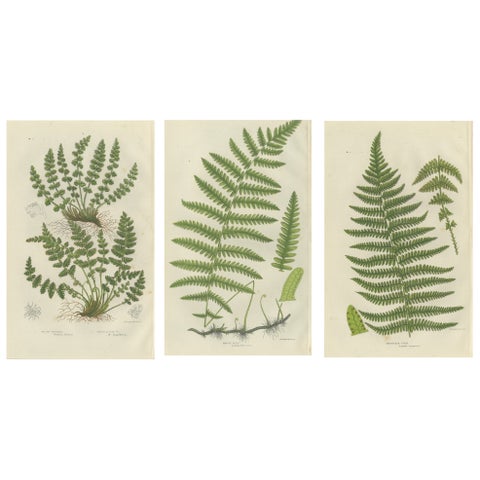
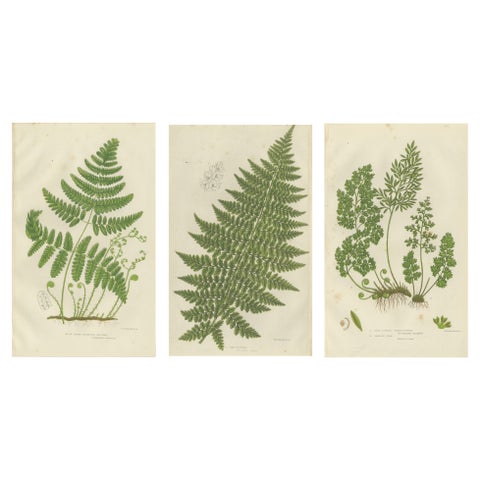
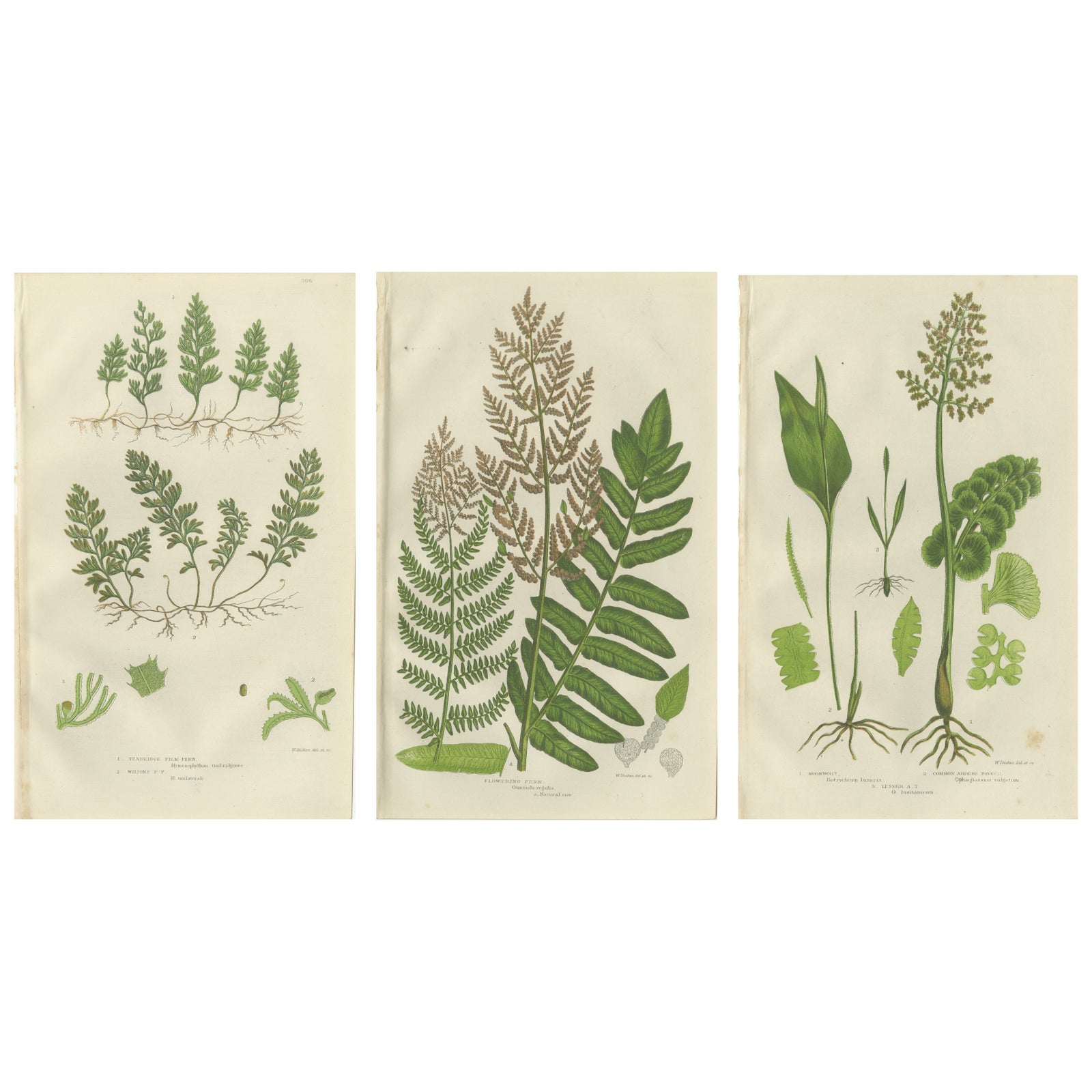
Interrupted Club Moss, Marsh Club Moss and Alpine Club Moss, Botanicals of 1873
$305 (£230, €270)
Period original, not a reproduction.
Shipped from the Netherlands, flat, insured and tracked, worldwide. Returns accepted within 14 days.
- Date
- 1873
- Size
- 9.6 × 5.5 in (24.4 × 14 cm)
- Condition
- Good. Moderate age toning with light scattered foxing, consistent with age; images remain clear and visually balanced.
- Period
- Late 19th century
- Section
- Botanical
- Reference
- f_48054332
Interrupted Club Moss, Marsh Club Moss and Alpine Club Moss, Botanical Triptych, 1873
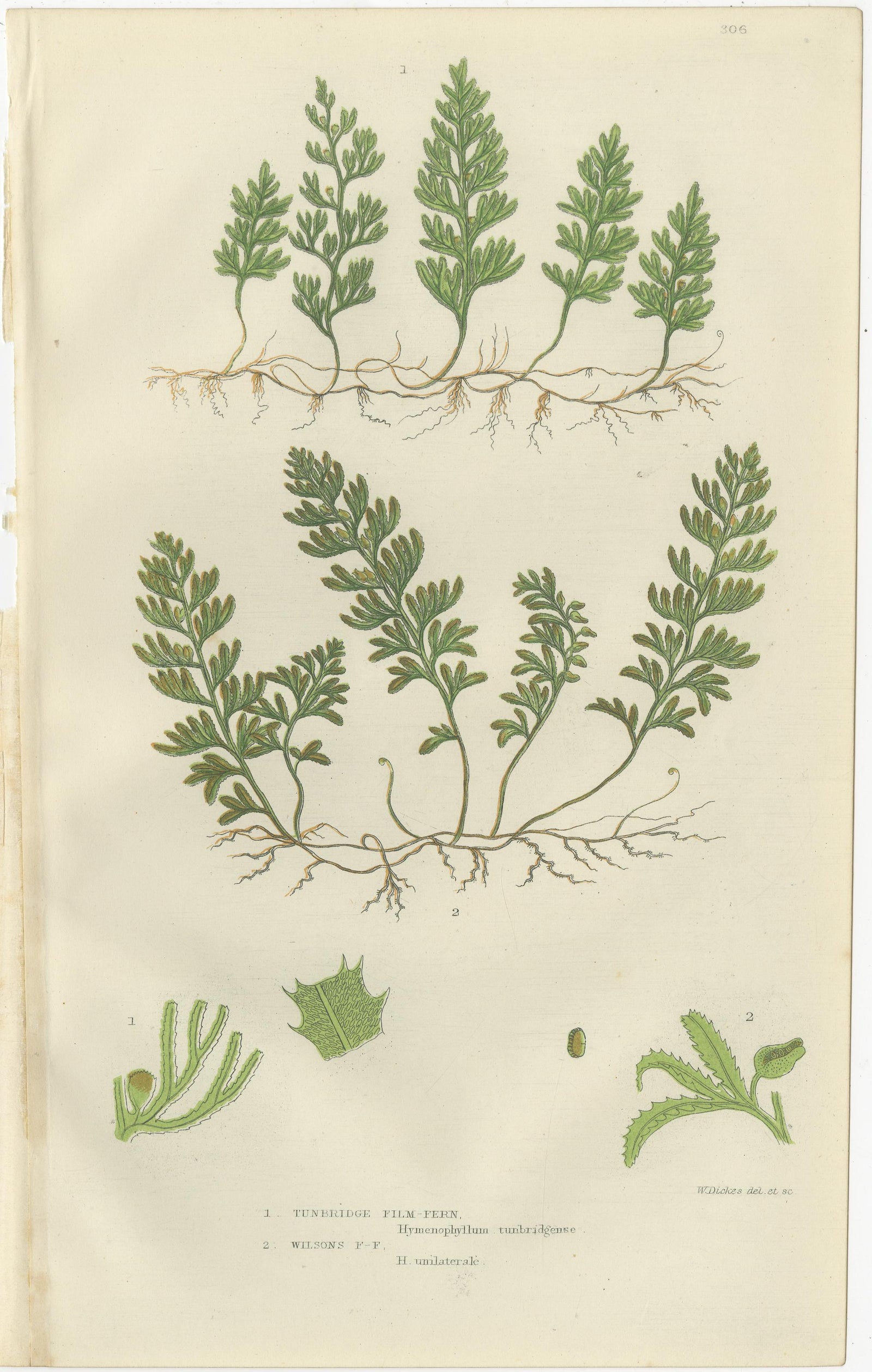
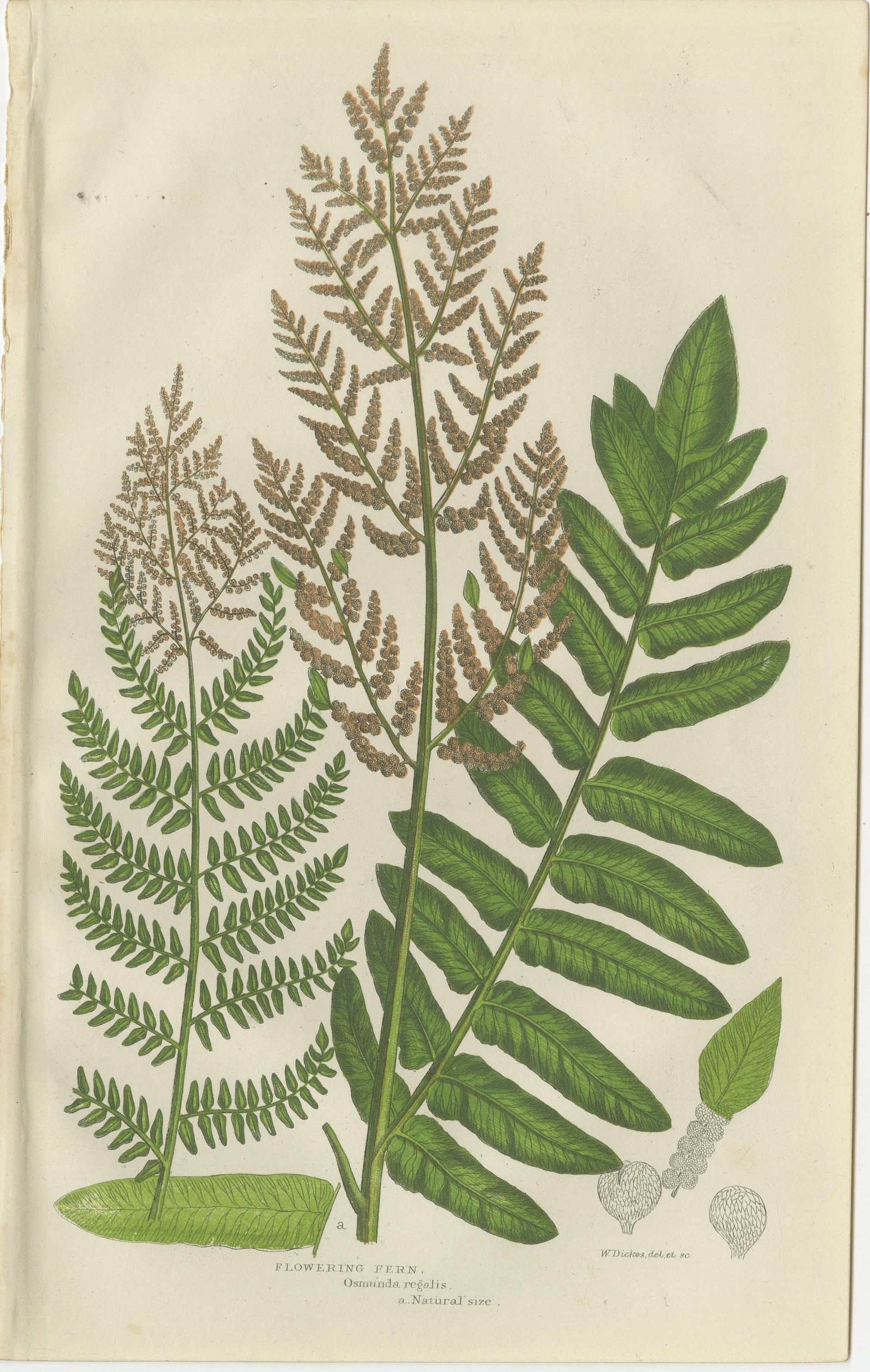
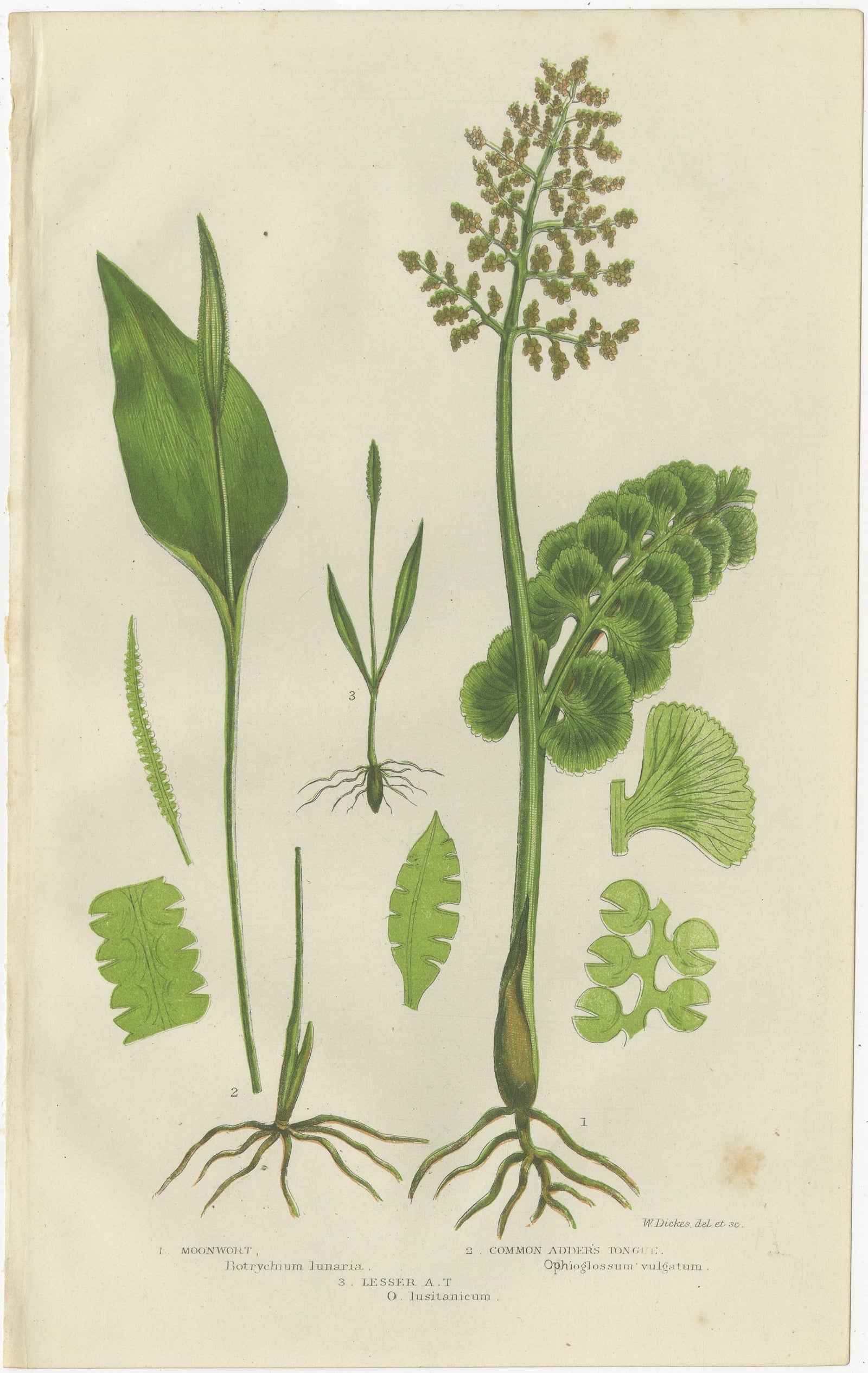
This cohesive botanical triptych presents three club moss species, illustrated with clarity and a strong sense of structure. The Interrupted Club Moss, Marsh Club Moss, and Alpine Club Moss are shown with their characteristic low-growing, branching forms and finely textured foliage. Displayed together, the three prints create a harmonious composition defined by repetition, rhythm, and subtle variation in growth habit.
The engravings were published in 1873 as part of Anne Pratt’s respected botanical works, admired in the Victorian period for their precise engraving and accessible presentation of British plant life. Club mosses fascinated 19th-century botanists due to their ancient lineage and unusual appearance, and these illustrations capture both their scientific interest and quiet decorative appeal. The restrained green tones, set against warm cream paper, give the triptych a calm, almost modern aesthetic despite its 19th-century origin.
As a ready-made triptych, this set is particularly appealing to collectors and interior designers seeking botanical artwork that feels refined and slightly unconventional. It works well in studies, libraries, hallways, or contemporary interiors where understated natural history imagery is desired.
Condition report:
Moderate age toning with light scattered foxing, consistent with age; images remain clear and visually balanced.
Framing tips:
Use matching mats in warm ivory, pale sand, or soft grey. Frames in light oak, natural maple, or slim dark-stained wood will complement the fine branching forms.
Technique: Hand-colored engraving
Maker: Anne Pratt, England, published 1873