Framed and on the wall
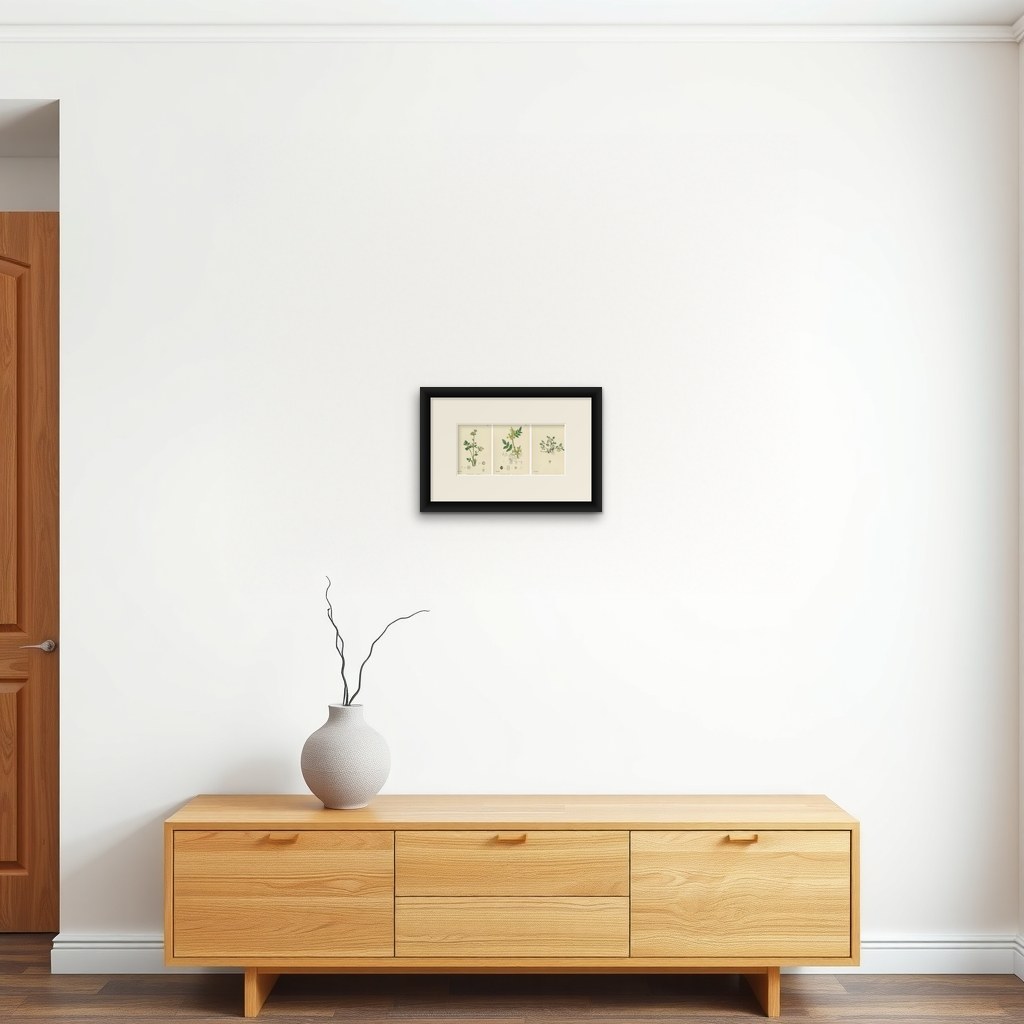

Frame and rooms are illustrations of how the print could look; the description says what is included.
Hand-Colored Botanical Engravings of Wild Celery & Water-Parsnip Varieties, 1902
£285£20030% off ($260, €238)
Period original, not a reproduction.
Shipped from the Netherlands, flat or rolled, insured and tracked, worldwide. Returns accepted within 14 days.
- Date
- 1902
- Size
- 10.2 × 6.7 in (26 × 17 cm)
- Condition
- Good. Condition report: Excellent condition with clear plate marks and delicate original hand coloring. Very minor age toning in margins, consistent with the period.
- Period
- 20th century
- Section
- Botanical
- Reference
- f_47478572
- Color
- Hand colored
What the condition grades mean
- Excellent
- Bright and clean, with no faults worth mentioning.
- Very good
- Only light signs of age, such as faint toning.
- Good
- Normal signs of age for a sheet of this period: toning, some foxing, small marks or neat old repairs.
- Fair
- Clear faults such as staining, tears or repairs, priced to match.
Every fault we see is written in the condition note, and the whole sheet is shown uncropped in the photos.
Hand-Colored Botanical Engravings of Wild Celery and Water-Parsnip Varieties, 1902
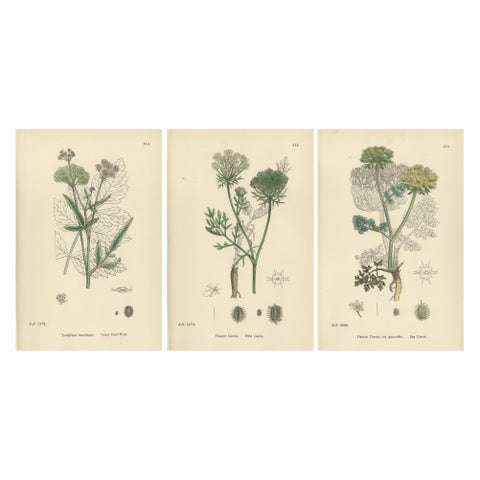
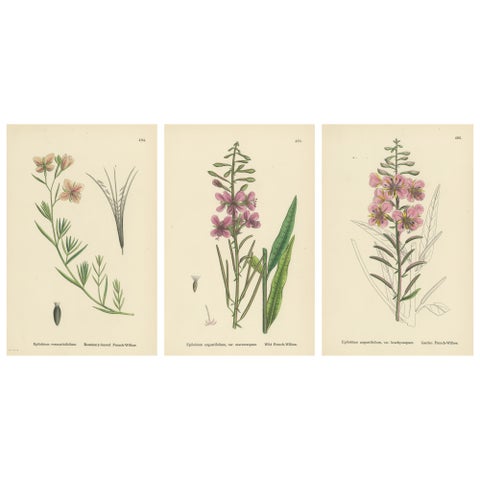
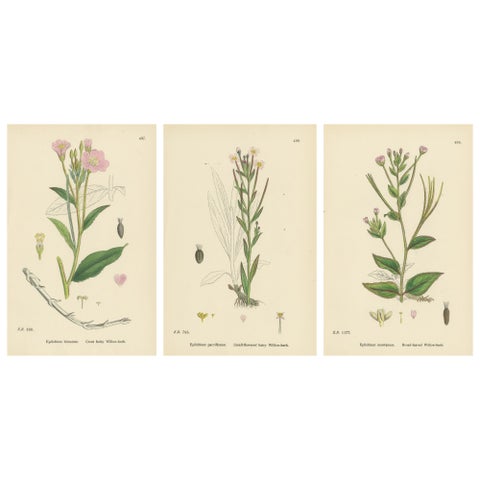
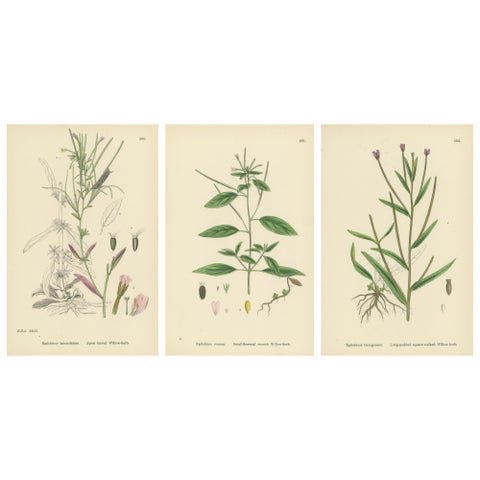
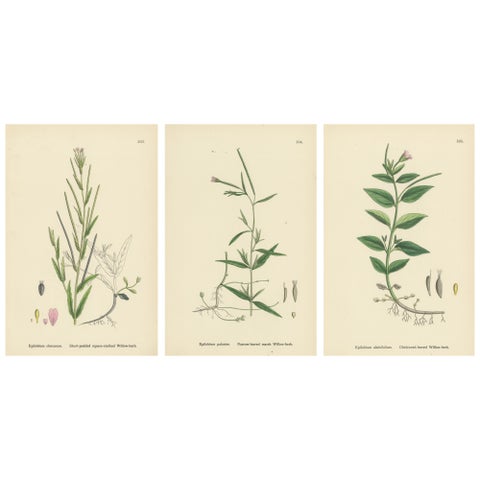
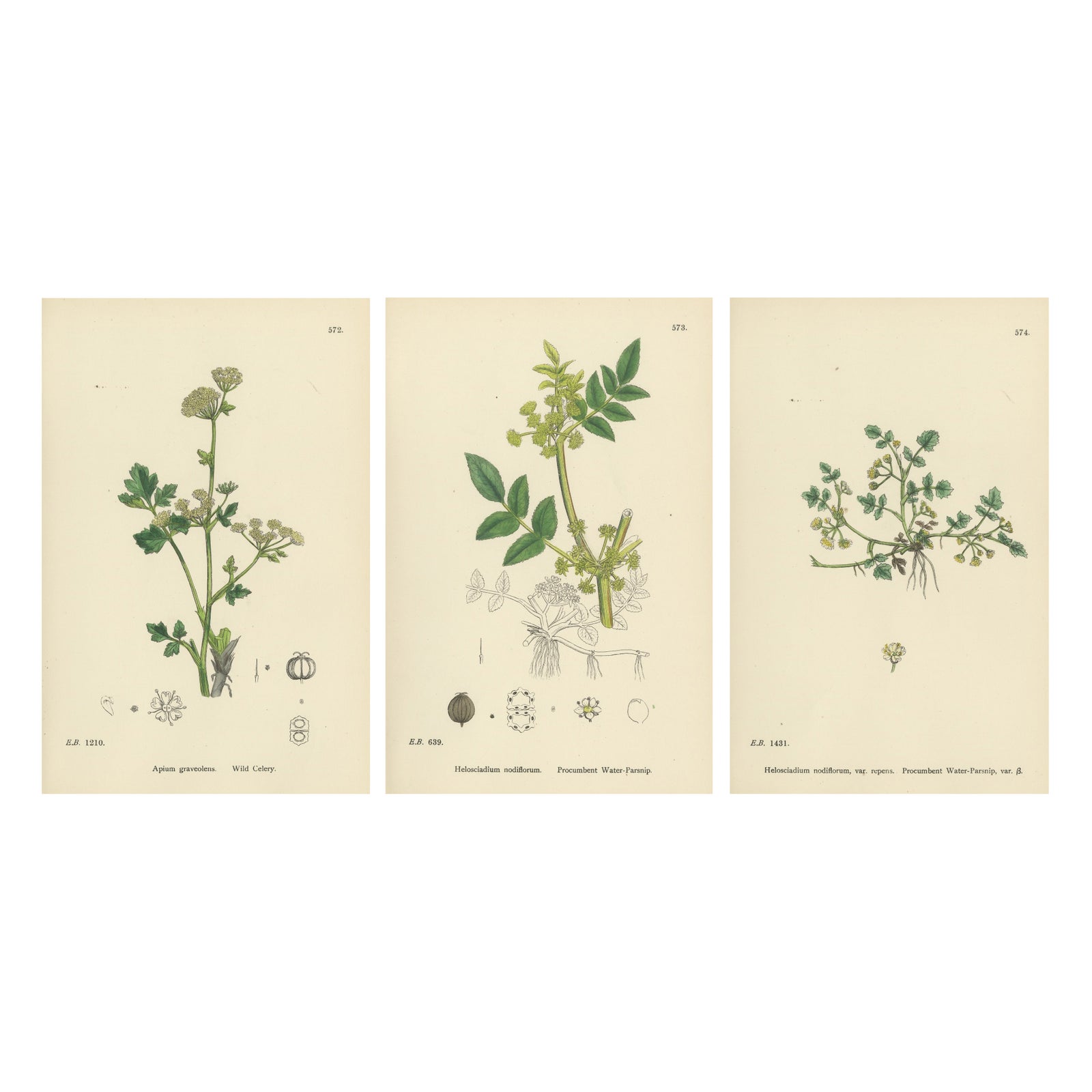
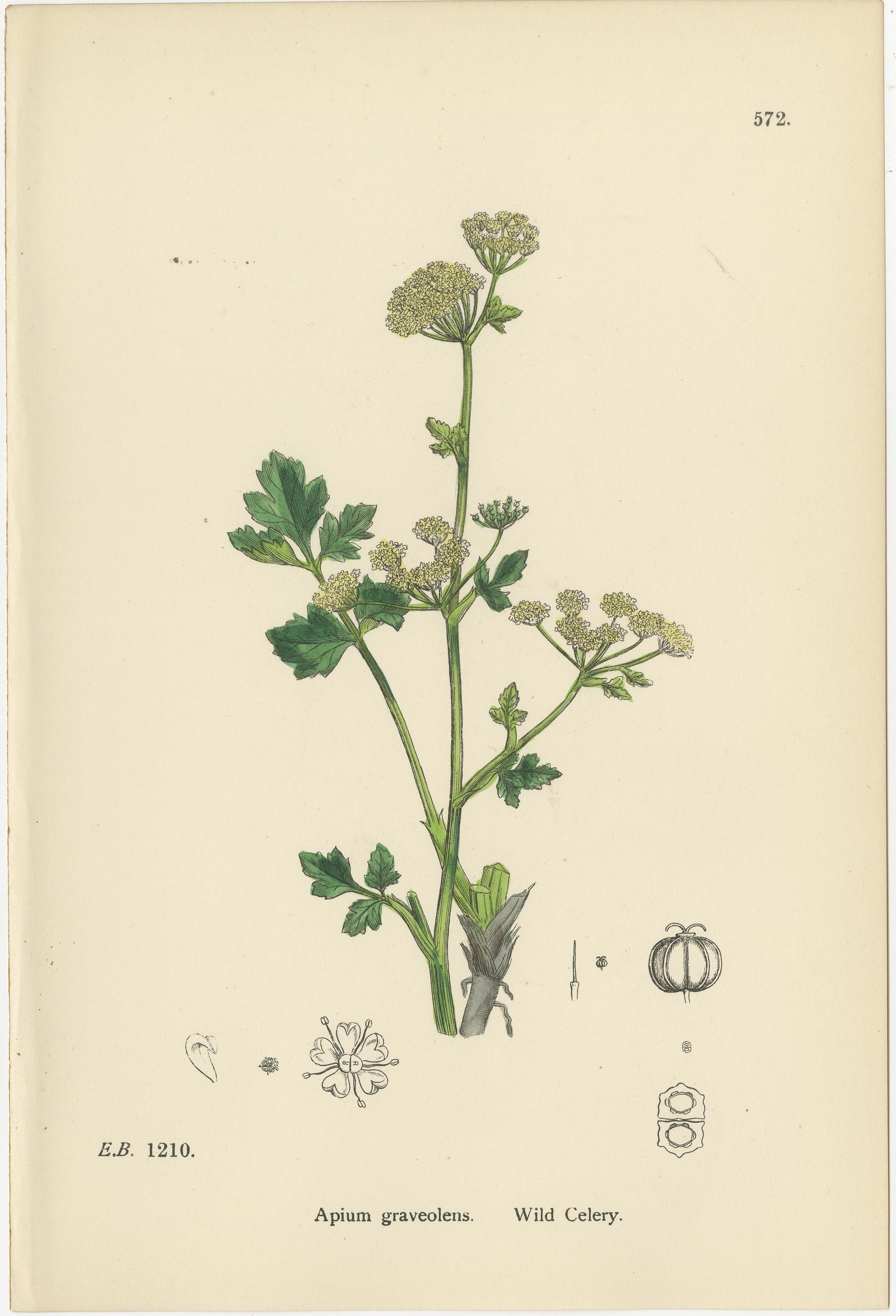
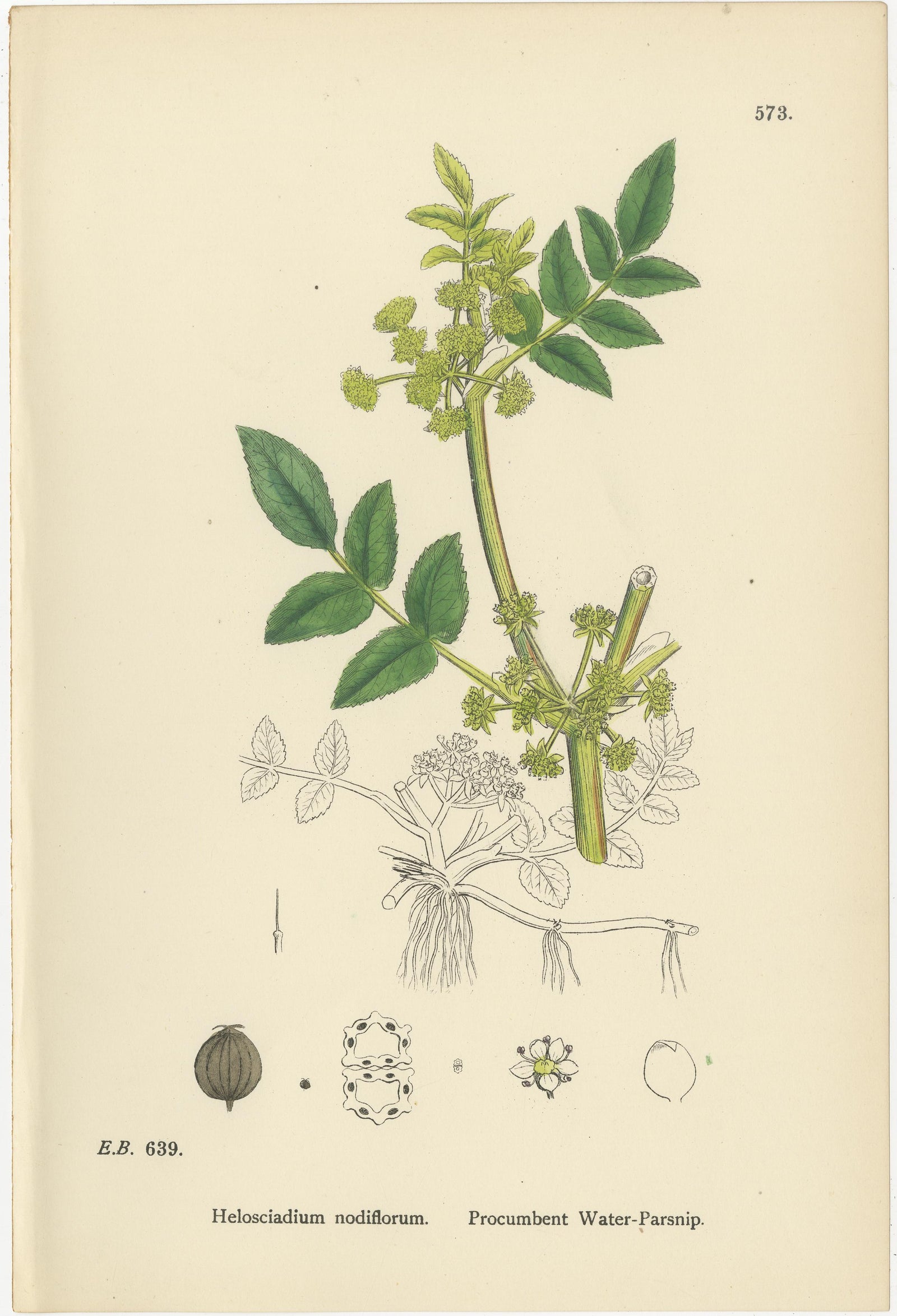
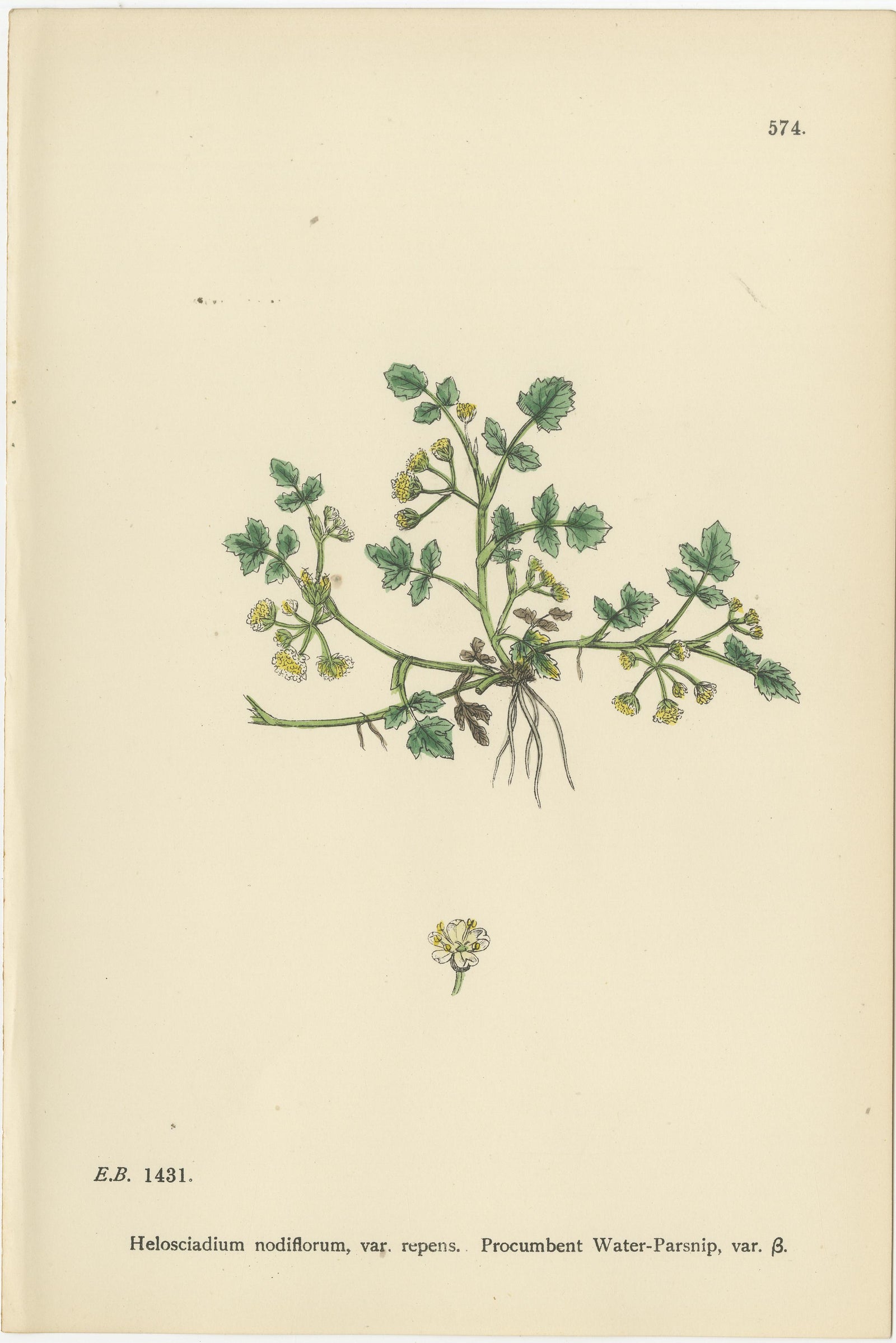
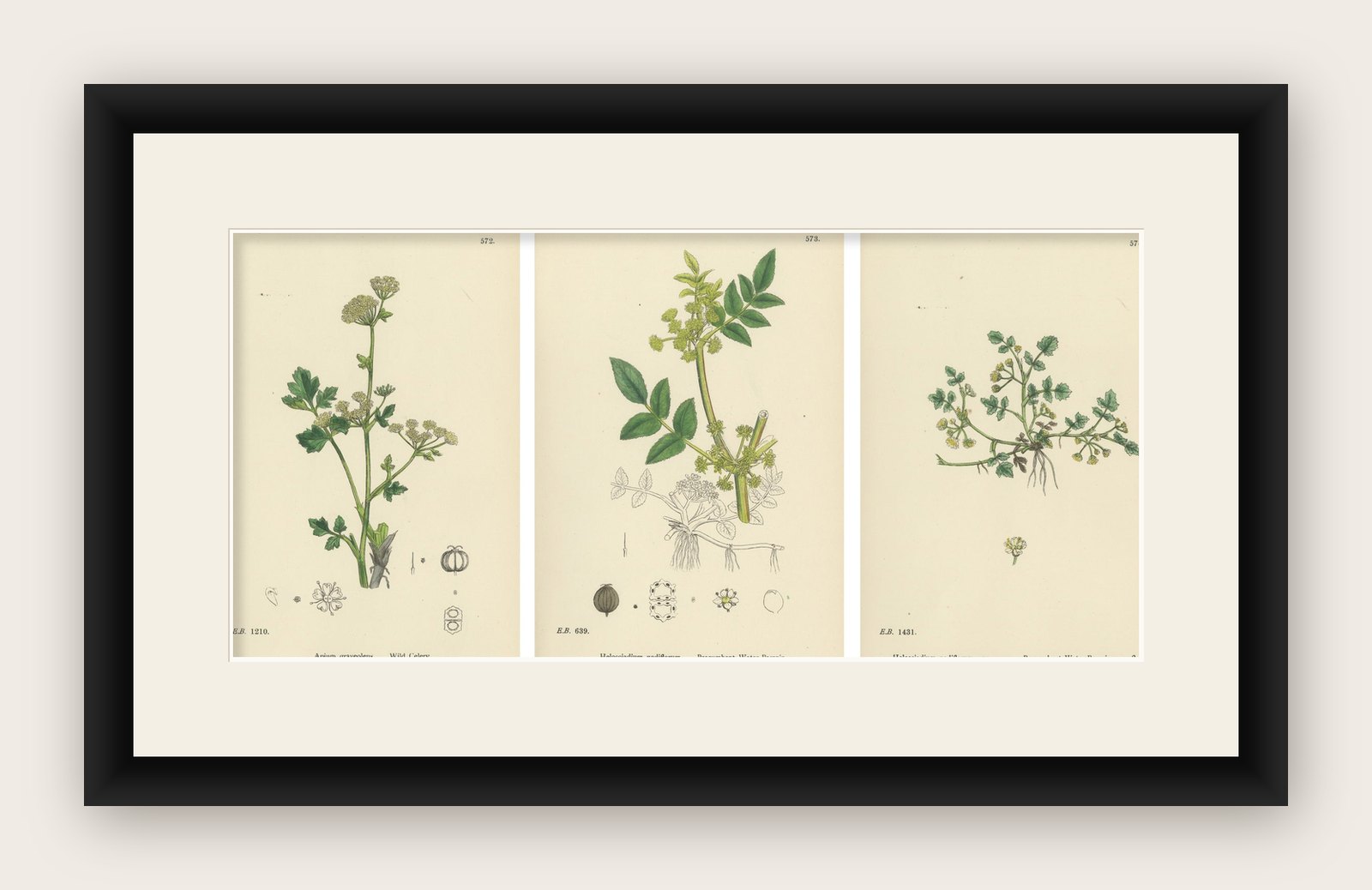
This refined trio of hand-colored botanical engravings from 1902 beautifully depicts three members of the Apiaceae family, Apium graveolens (Wild Celery), Helosciadium nodiflorum (Procumbent Water-Parsnip), and Helosciadium nodiflorum var. repens (Creeping Water-Parsnip). These detailed renderings combine scientific precision with subtle artistry, typical of late 19th- and early 20th-century natural history illustration.
The first engraving, Apium graveolens, illustrates the wild ancestor of modern celery, showing the tall, hollow stems and divided leaves characteristic of this aromatic coastal plant. The delicate umbels of white-green flowers and finely engraved seed capsules reveal the species’ refined structure. Once common in salt marshes and damp meadows across Europe, wild celery’s natural elegance and culinary connection make it a particularly interesting subject in botanical art.
The central plate features Helosciadium nodiflorum, known as the Procumbent Water-Parsnip, a semi-aquatic species with trailing stems and clusters of creamy flowers. The artist captures both the lush foliage and its rooted, creeping habit, with meticulous linework that extends into botanical dissections at the base of the image. This engraving bridges aesthetic beauty and scientific study, a perfect balance of art and field observation.
The third plate, Helosciadium nodiflorum var. repens, presents a closely related variant, with a lower, more spreading growth pattern suited to wet meadows and stream margins. Its depiction here emphasizes both botanical variation and the artist’s keen sensitivity to form and proportion.
Together, these engravings present a cohesive study in green tones, fine textures, and floral geometry, an elegant representation of aquatic and marshland flora.
Condition report: Excellent condition with clear plate marks and delicate original hand coloring. Very minor age toning in margins, consistent with the period.
Framing tips: Displayed as a vertical or horizontal triptych, these prints are ideal for naturalist interiors or botanical-themed collections. Use narrow oak or gilt frames with ivory or pale green mounts to enhance the soft natural palette.
Technique: Hand-colored engraving
Maker: British, published London, 1902