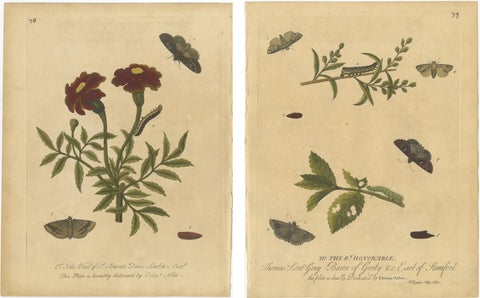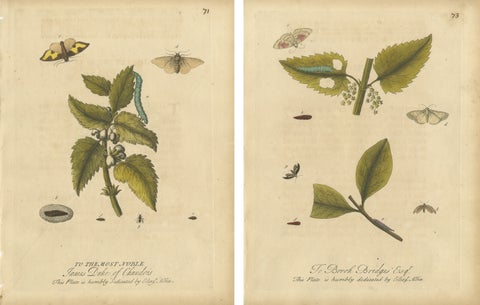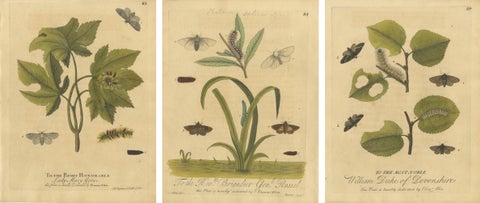
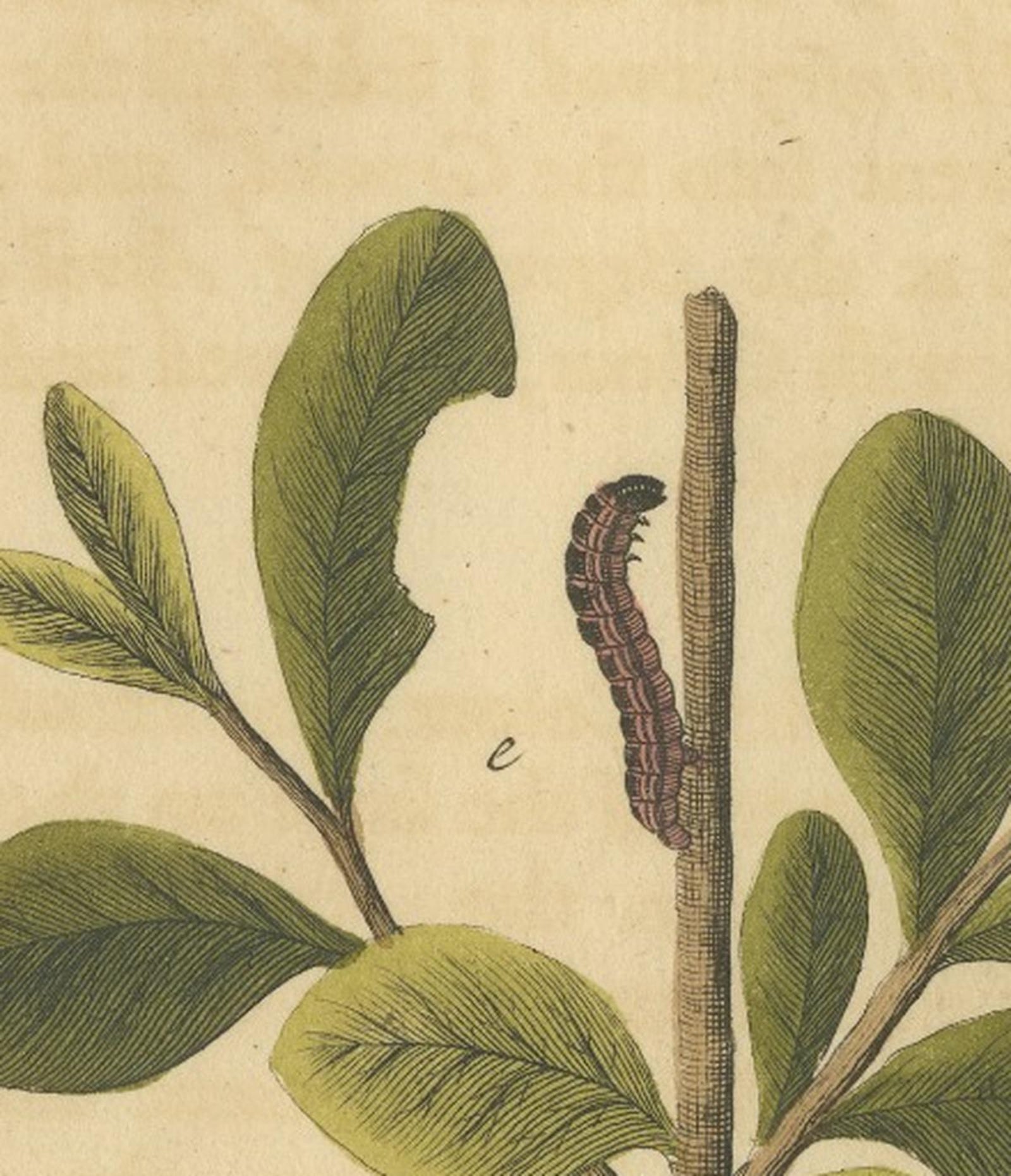
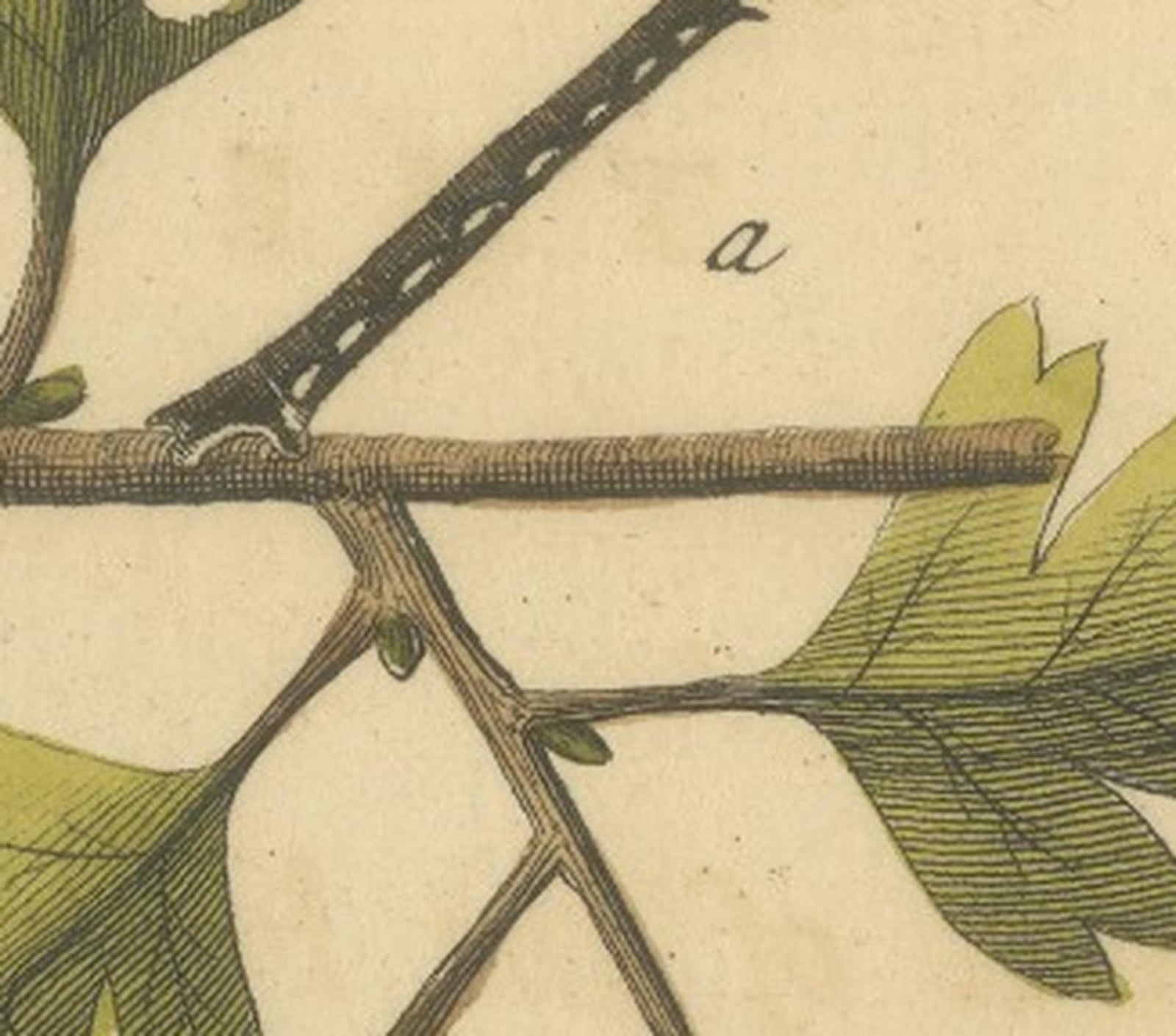
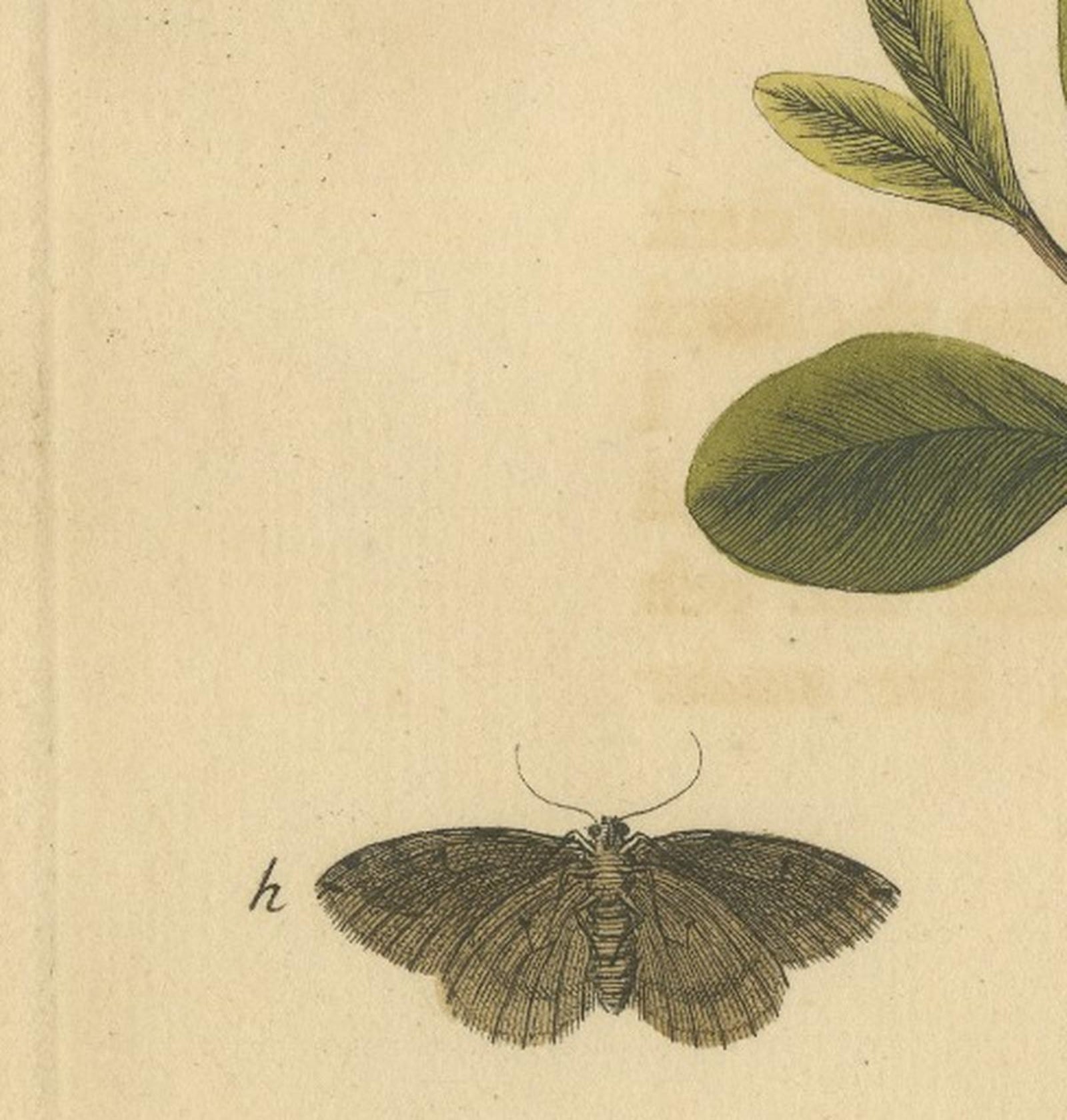
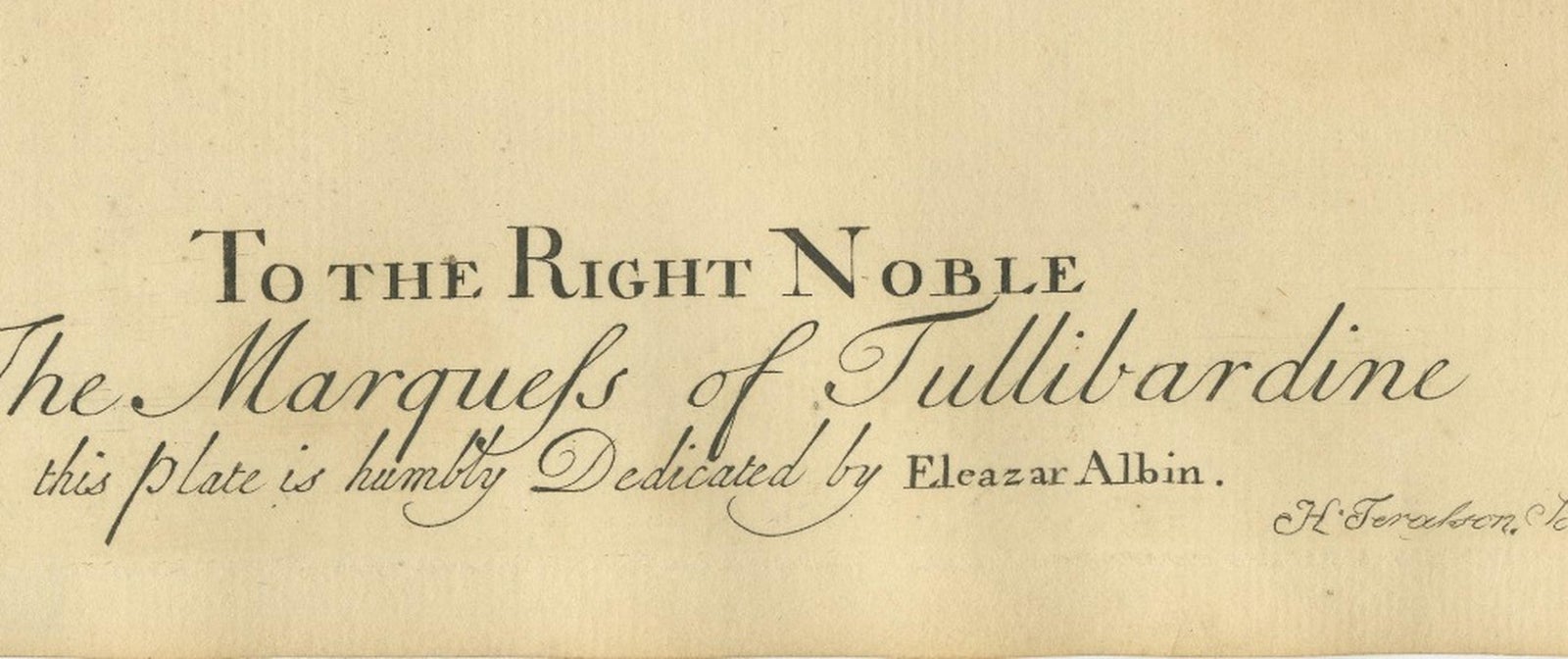
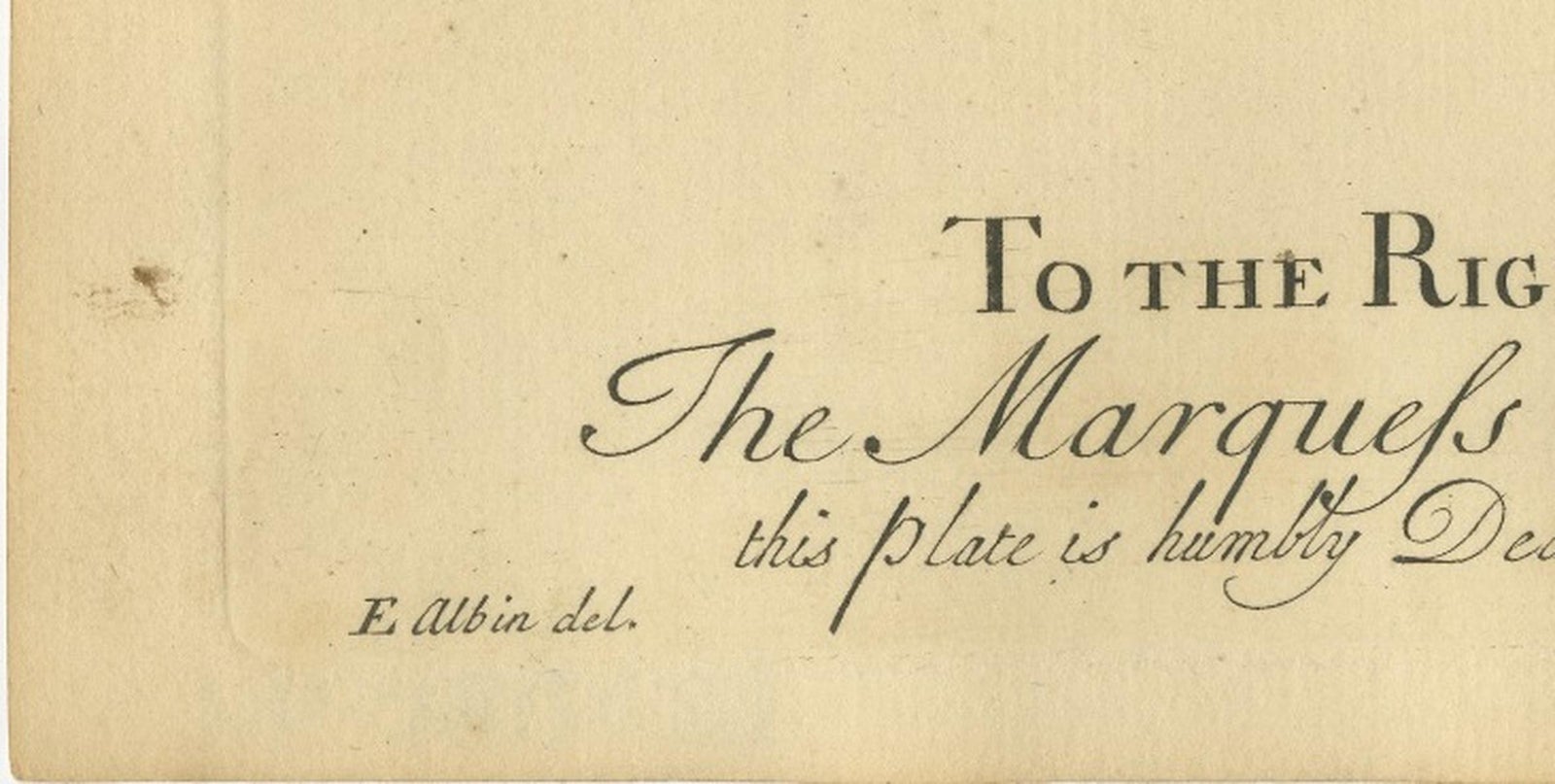
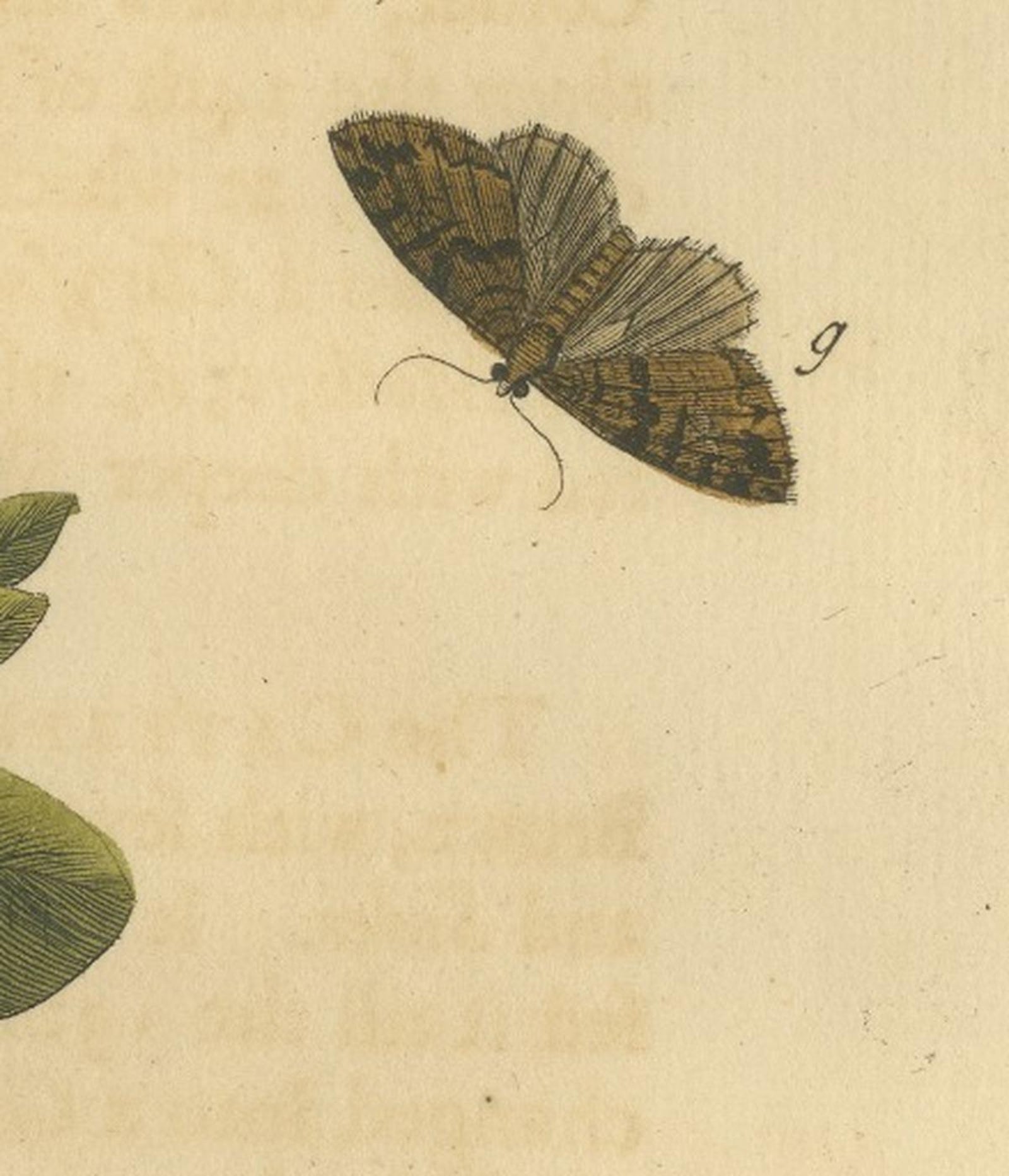
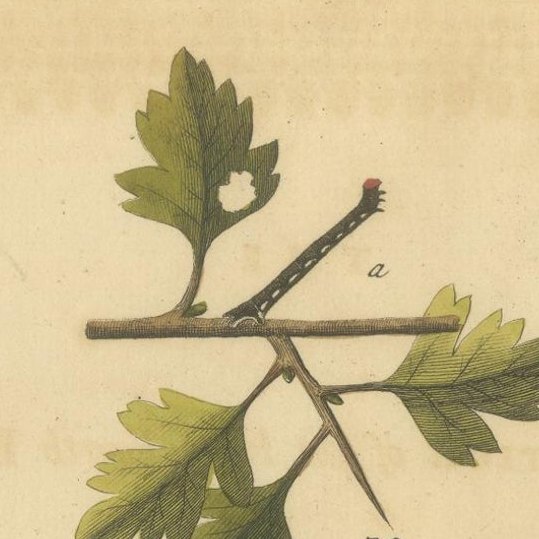
Close-ups
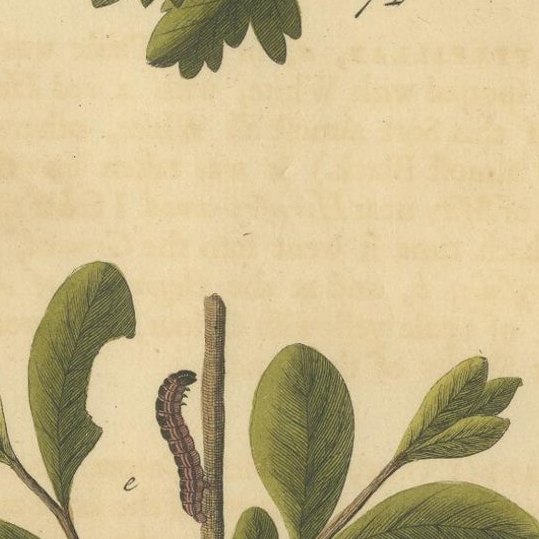
Framed and on the wall
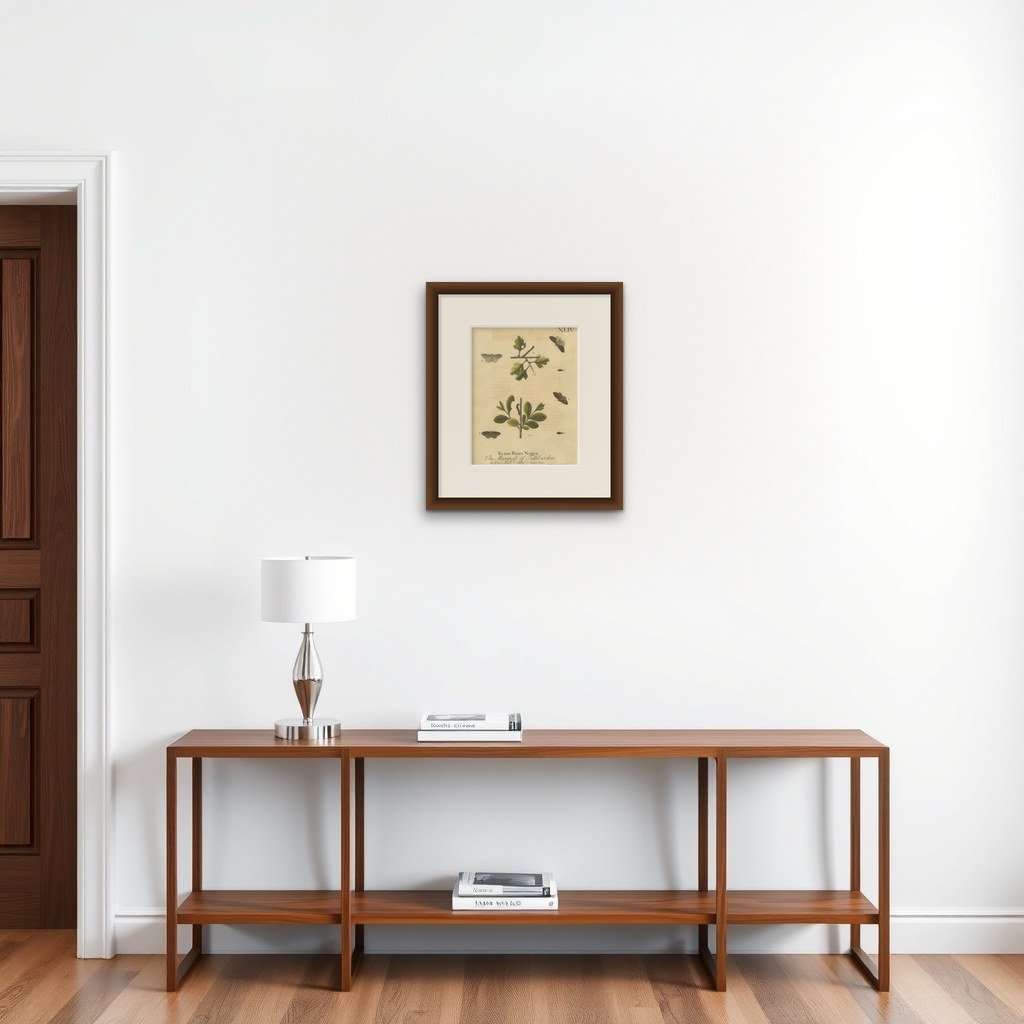

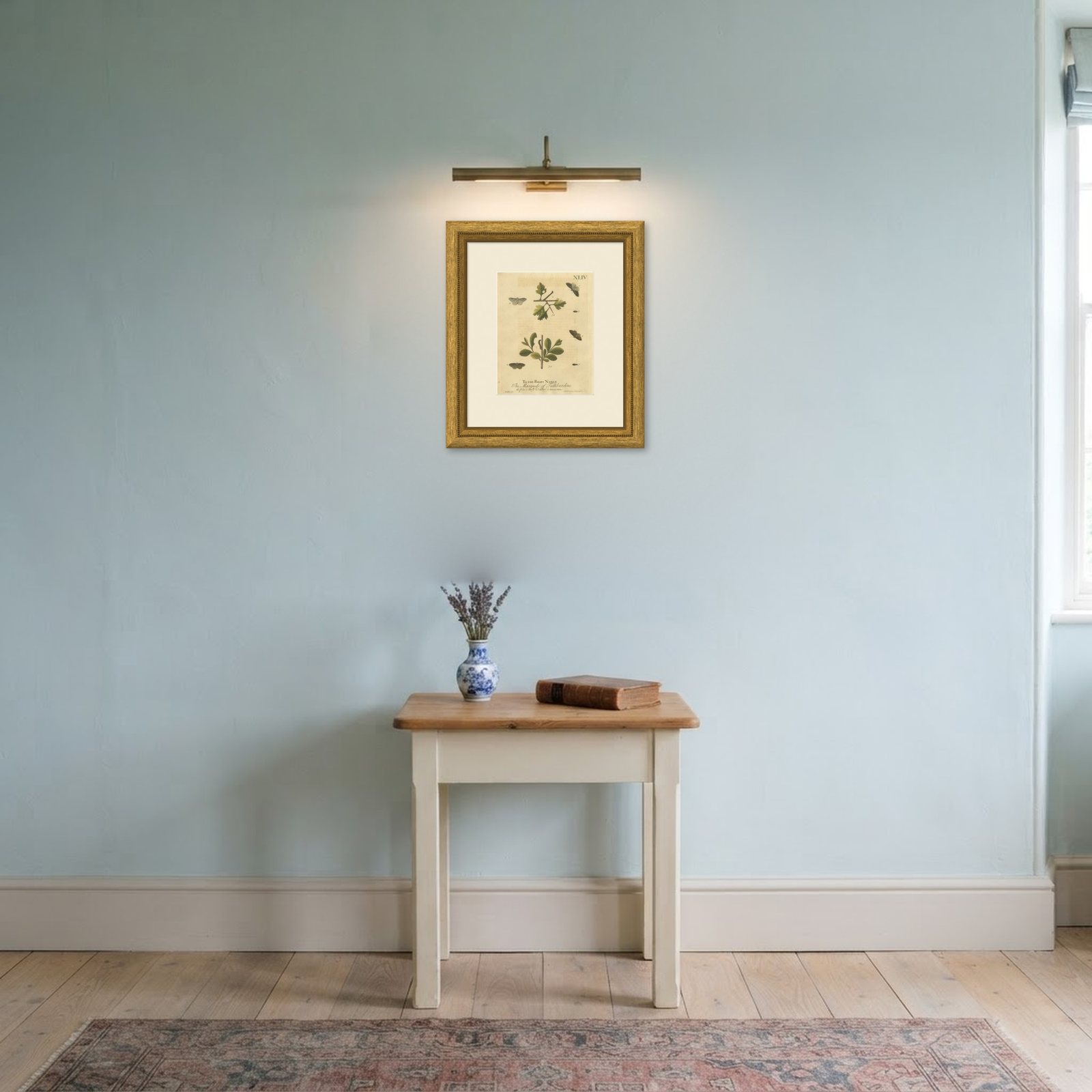
Frame and rooms are illustrations of how the print could look; the description says what is included.
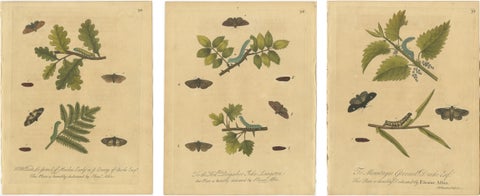
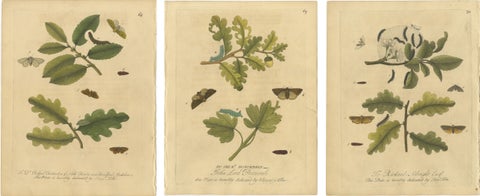
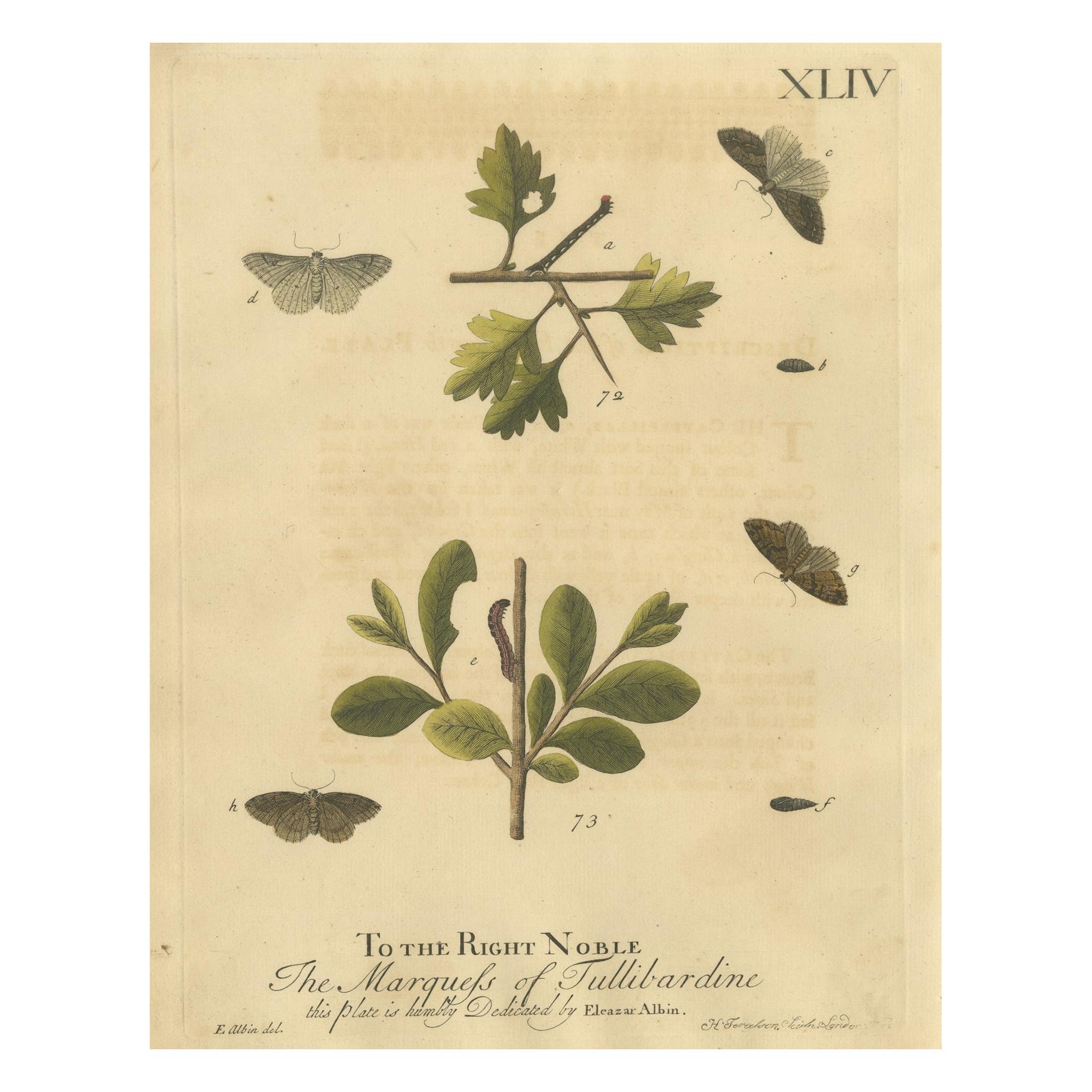
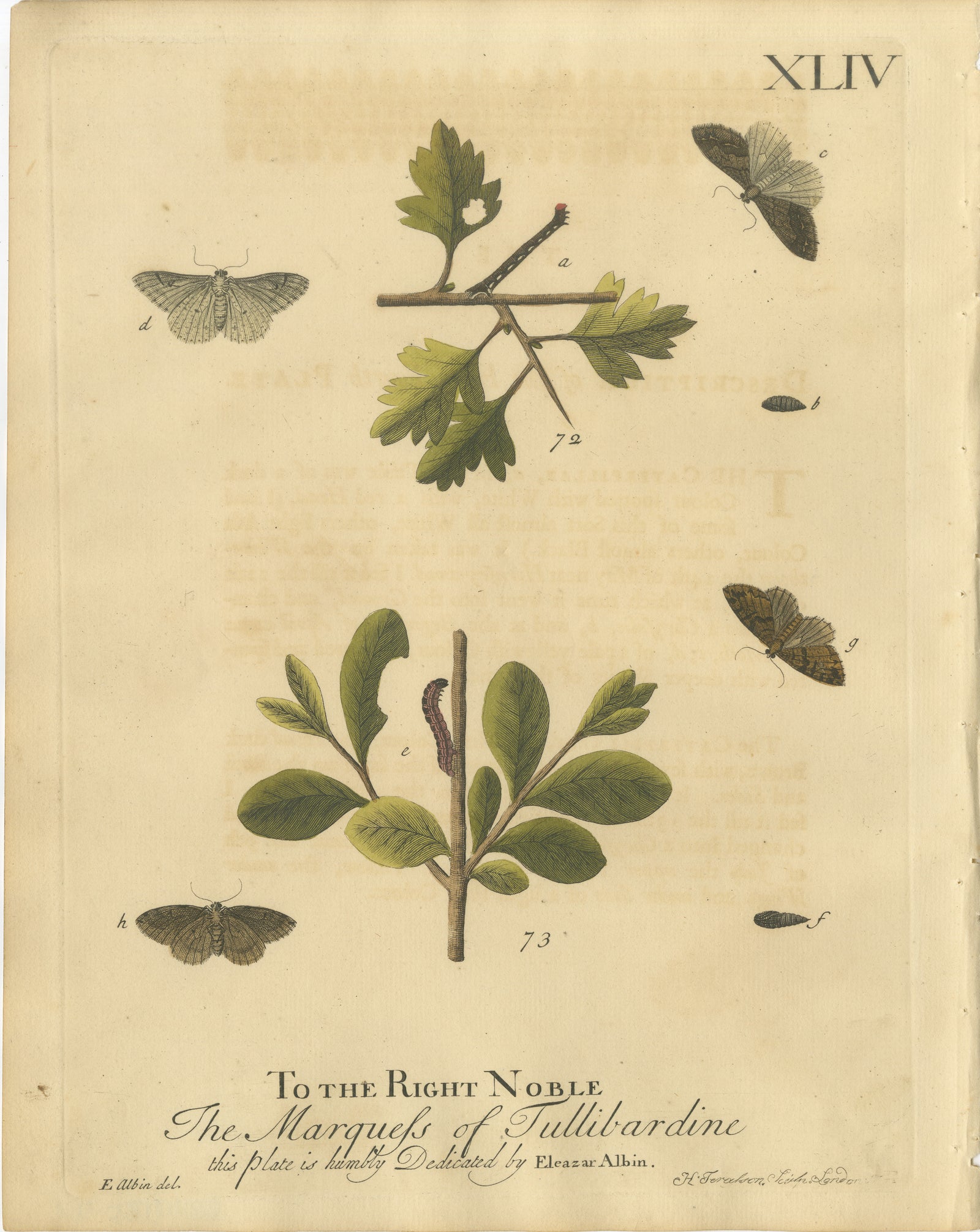
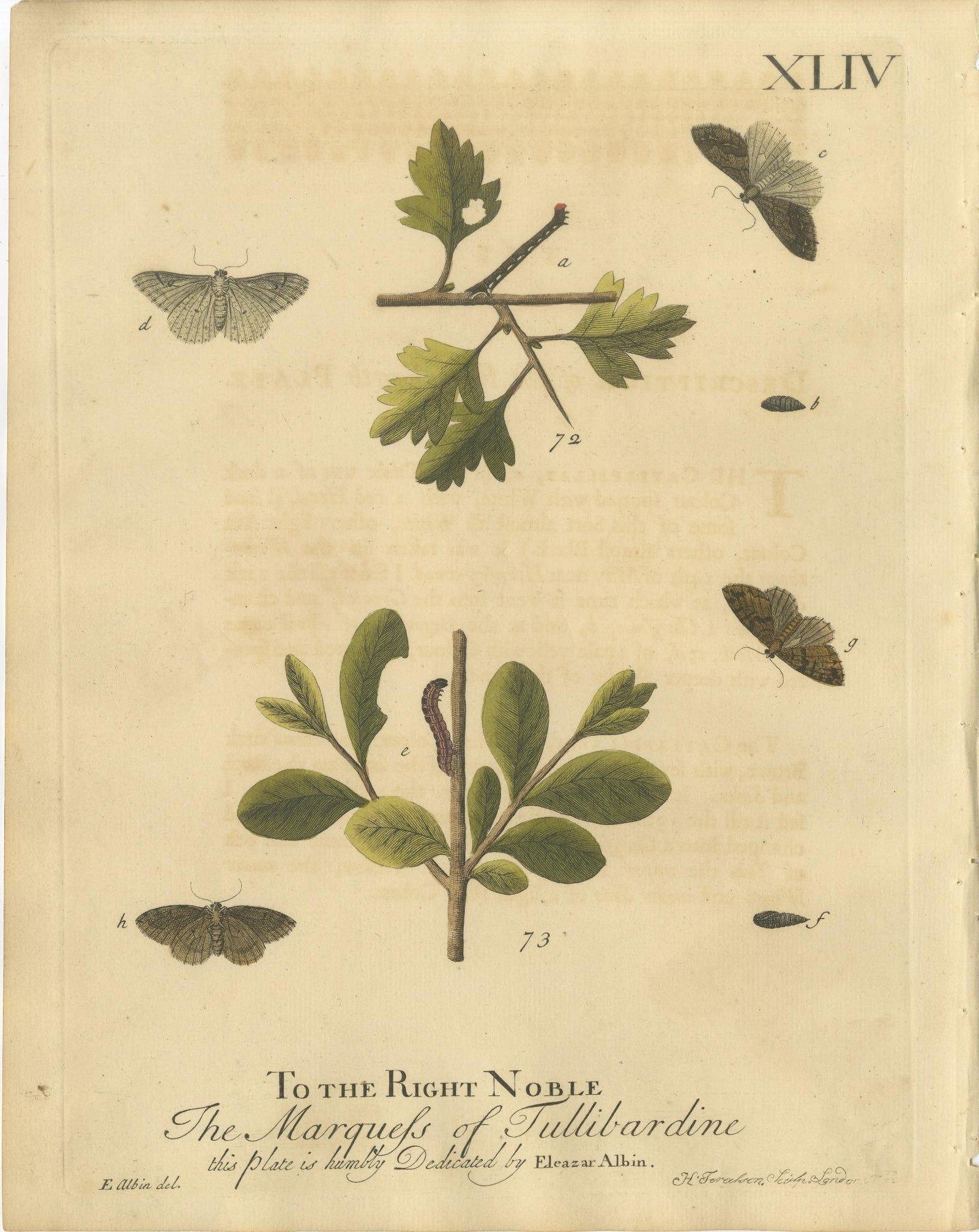
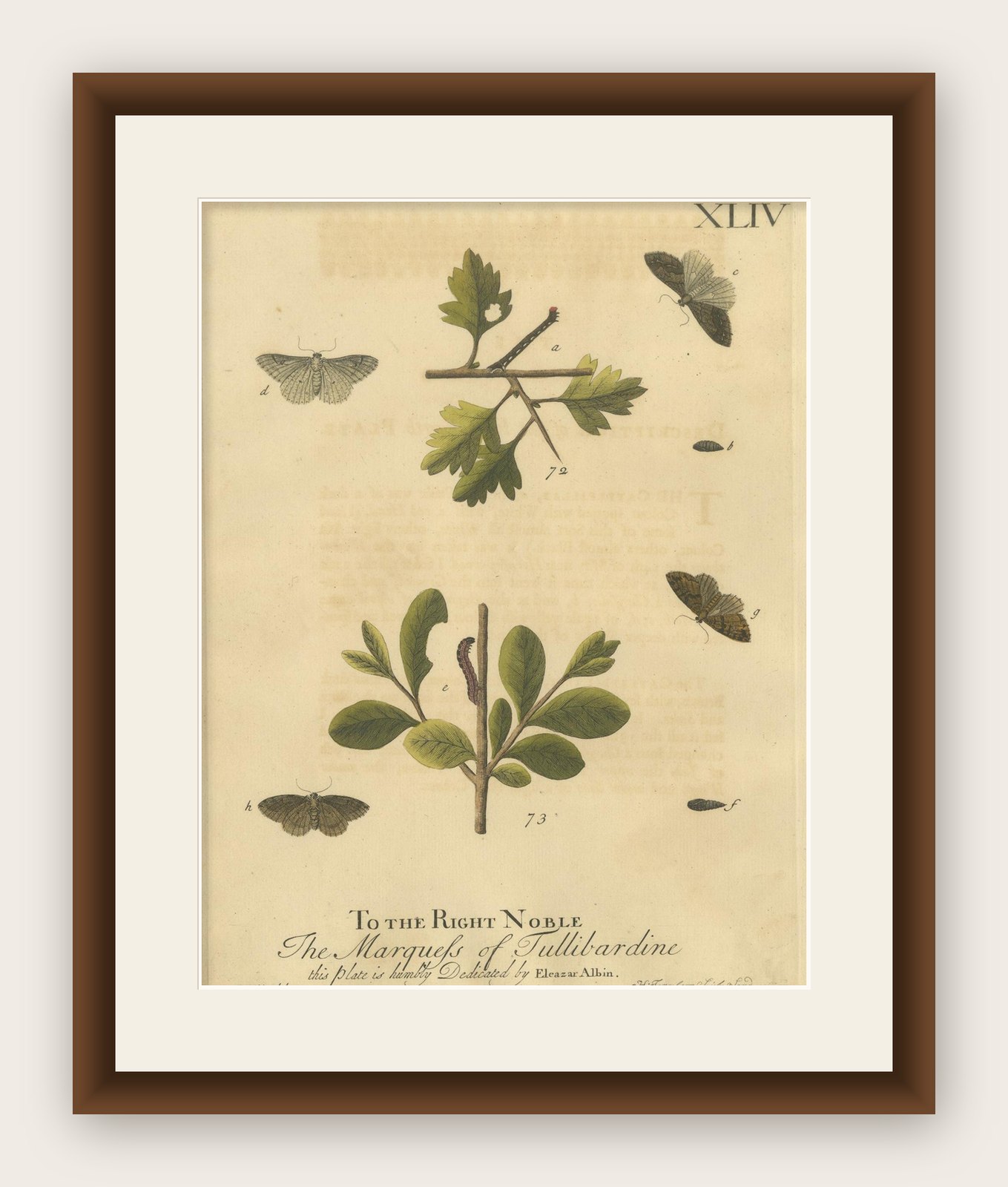
English Moths on Oak, Hand-Colored Insect Engraving, Eleazar Albin 1720
$340$24030% off (£180, €217)
Period original, not a reproduction.
Shipped from the Netherlands, flat or rolled, insured and tracked, worldwide. Returns accepted within 14 days.
- Date
- 1720
- Size
- 11.1 × 8.7 in (28.3 × 22.1 cm)
- Condition
- Good. Light to moderate, even age-related toning consistent with early 18th-century paper. Minor edge wear from original binding. Original hand coloring remains well preserved.
- Period
- 18th century
- Section
- Insects and butterflies
- Reference
- f_48602692
- Color
- Hand colored
What the condition grades mean
- Excellent
- Bright and clean, with no faults worth mentioning.
- Very good
- Only light signs of age, such as faint toning.
- Good
- Normal signs of age for a sheet of this period: toning, some foxing, small marks or neat old repairs.
- Fair
- Clear faults such as staining, tears or repairs, priced to match.
Every fault we see is written in the condition note, and the whole sheet is shown uncropped in the photos.
English Moths on Oak, Hand-Colored Insect Engraving, Eleazar Albin 1720
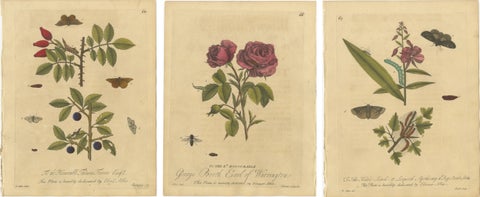
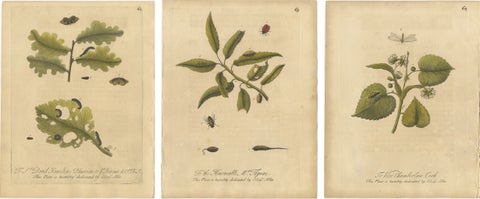
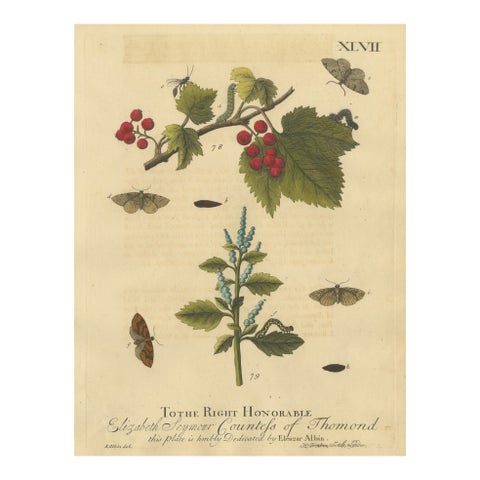
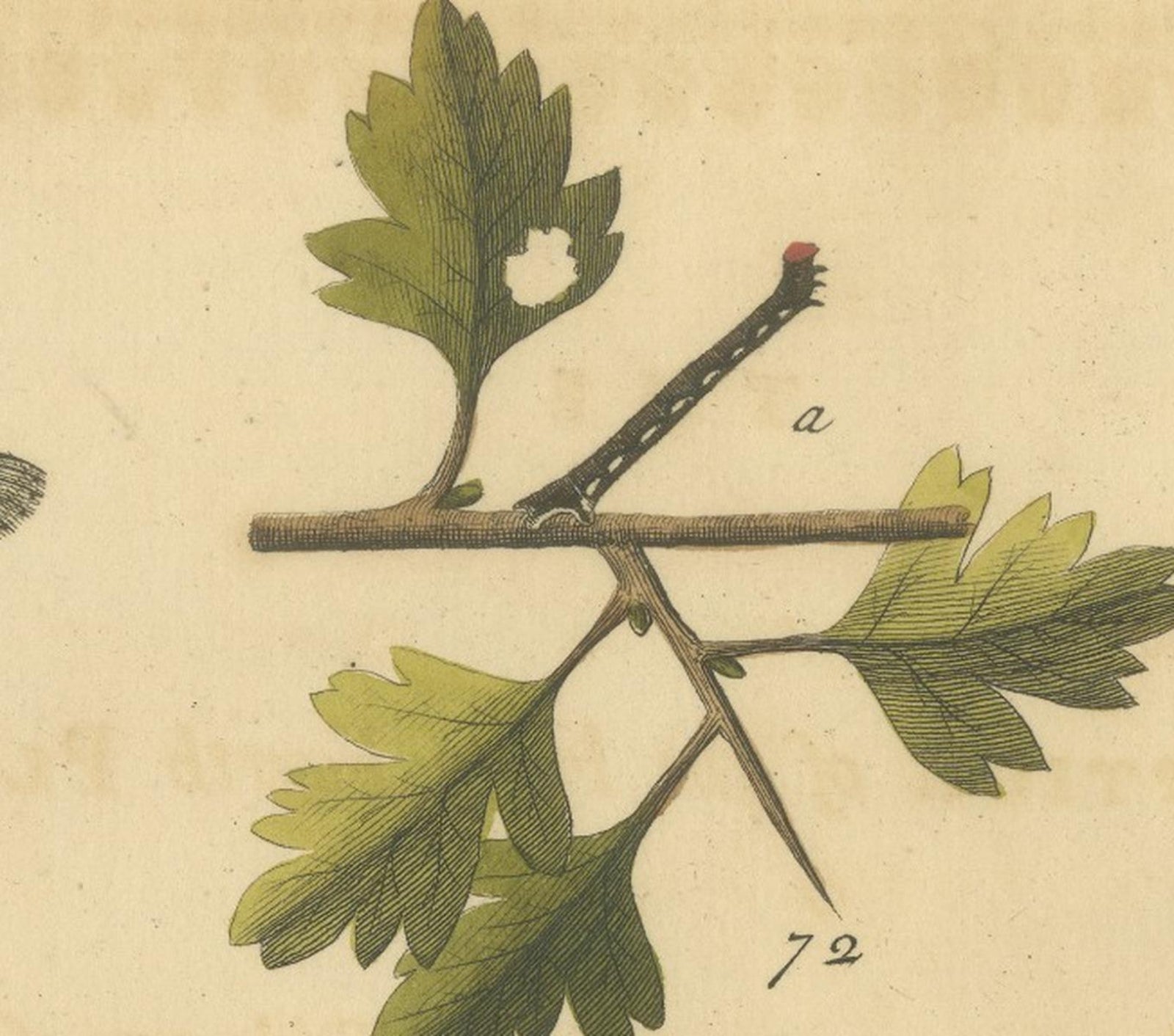
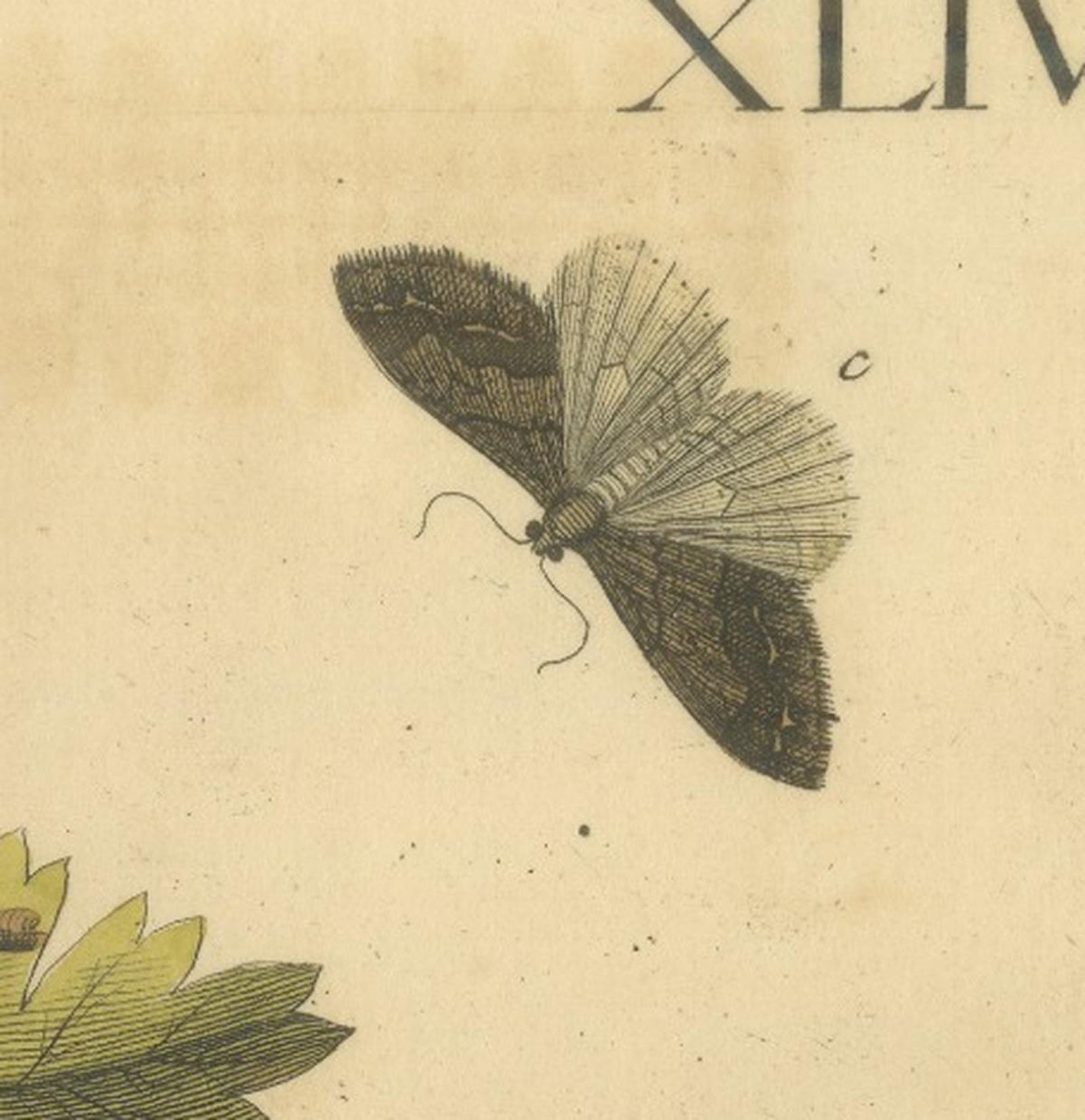
This hand-colored copper engraving was published in London in 1720 as part of A Natural History of English Insects by Eleazar Albin, one of the earliest systematic studies of British entomology. The plate illustrates moths and caterpillars shown at different stages of development, arranged around oak foliage. Albin’s method of depicting insects in direct association with their host plants was highly innovative and reflects careful field observation.
The plate is dedicated “To the Right Noble The Marquis of Tullibardine,” a Scottish nobleman and member of the powerful Murray family. Such dedications reflect the aristocratic patronage that supported scientific publishing in early 18th-century Britain.
The insects shown are moths and larvae associated with oak trees, likely early observations of oak-feeding species within the geometrid and noctuid families. The host plant depicted is oak (Quercus). The balanced composition, restrained coloring, and generous negative space give the engraving a refined decorative quality.
This is an original 18th-century engraving with original hand coloring, not a later reproduction.
Condition
Light to moderate, even age-related toning consistent with early 18th-century paper. Minor edge wear from original binding. Original hand coloring remains well preserved.
Framing tips
Frame in dark walnut or ebonized wood with a generous ivory or soft cream mat to complement the aged paper. For a lighter interior, pale oak or natural wood with a museum-white mat works beautifully. UV-protective glazing is recommended. Sold unframed.