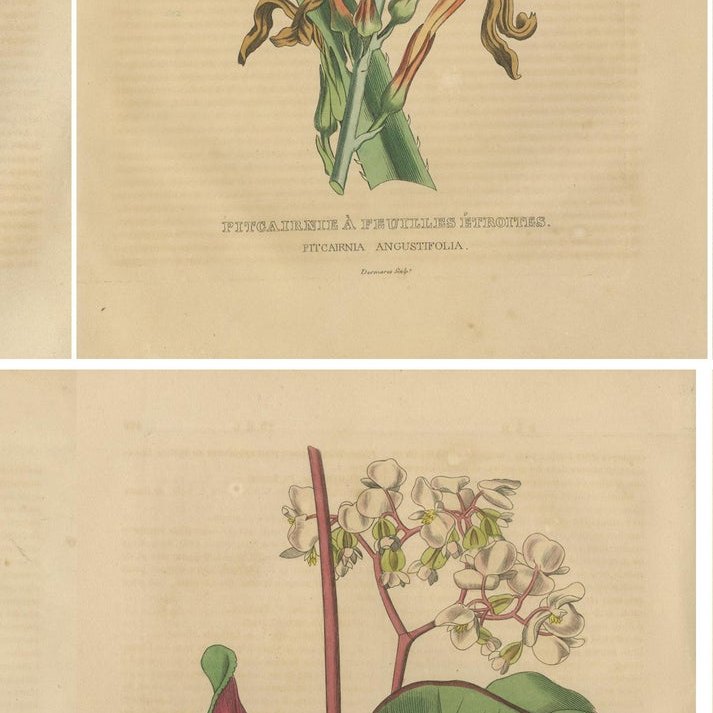
Close-ups
Framed and on the wall
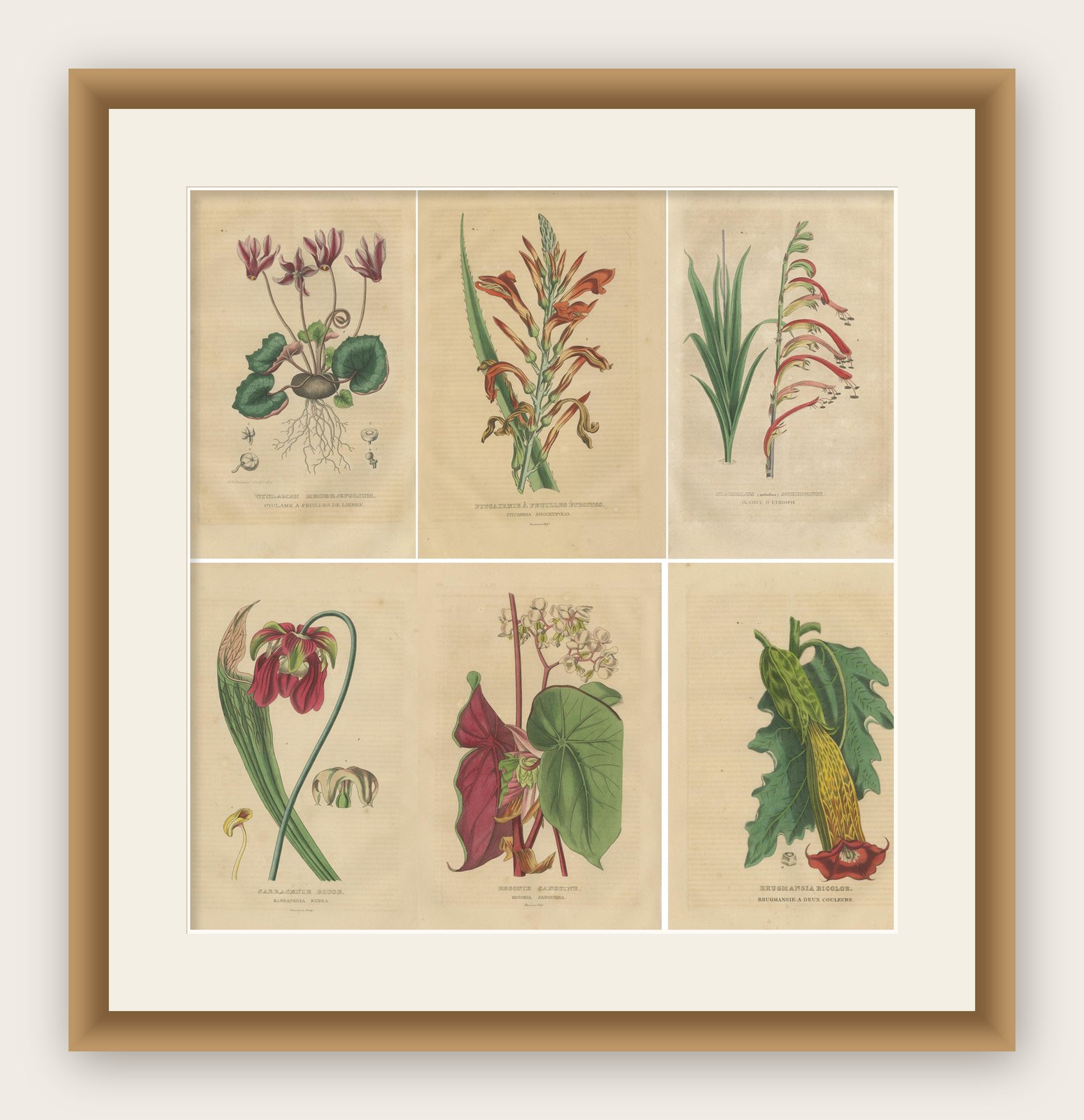


Frame and rooms are illustrations of how the print could look; the description says what is included.
Botanical Rarities: Pristine Hand-Colored Engravings from 1845
€590 ($660, £500, €590)
Period original, not a reproduction.
Shipped from the Netherlands, flat, insured and tracked, worldwide. Returns accepted within 14 days.
- Date
- 1845
- Size
- 10.4 × 6.9 in (26.5 × 17.5 cm)
- Condition
- Good. Good condition. Please study the images carefully. Minor toning due to age and handling, especially around the edges.
- Period
- Early 19th century
- Section
- Botanical
- Reference
- f_37693102
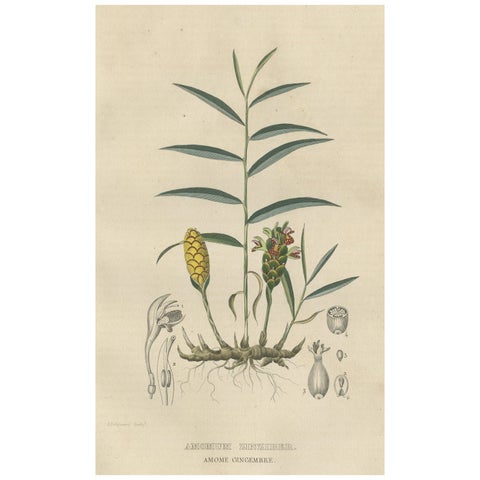
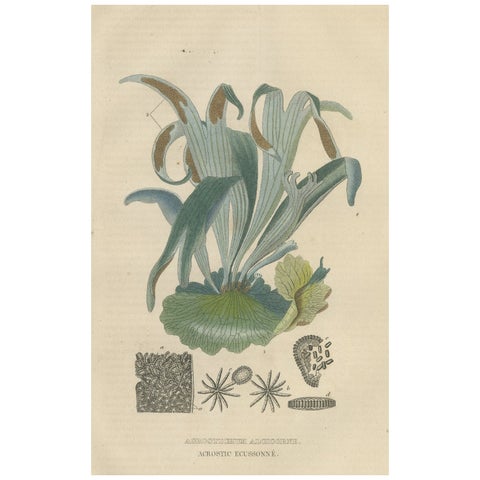
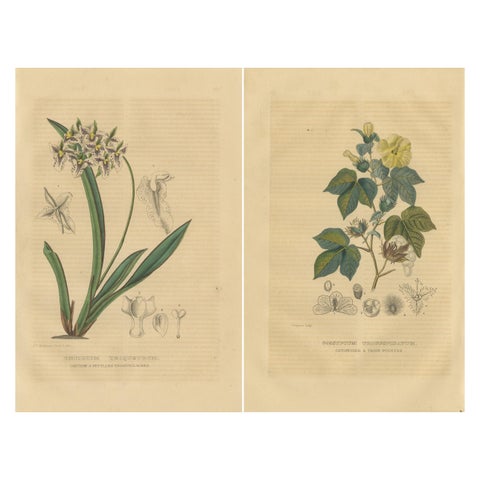
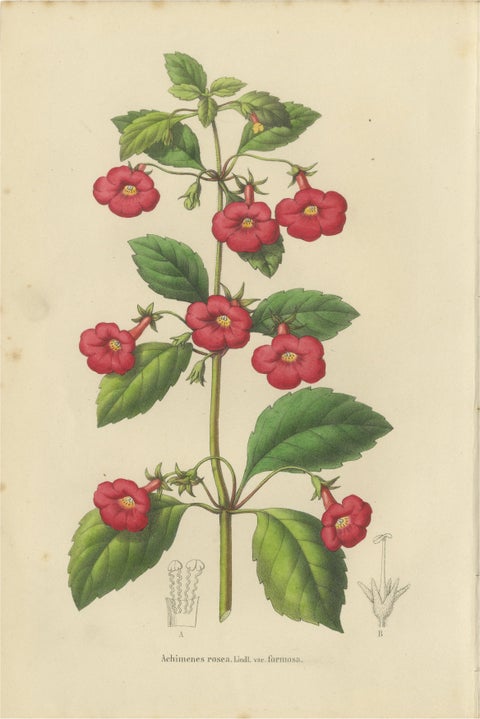
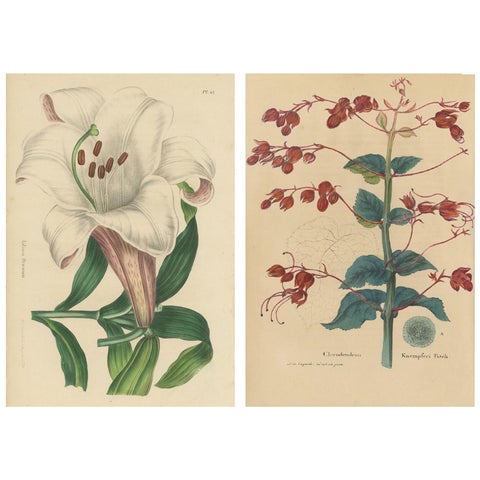
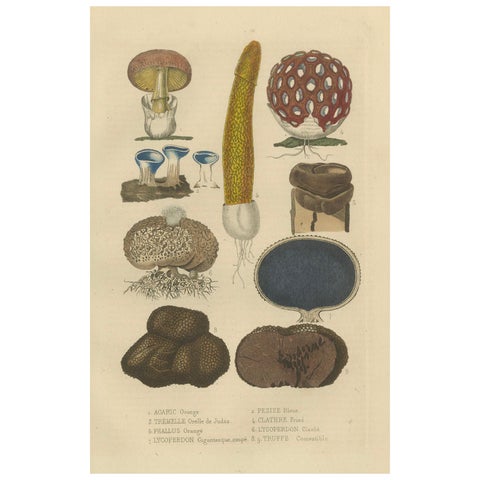
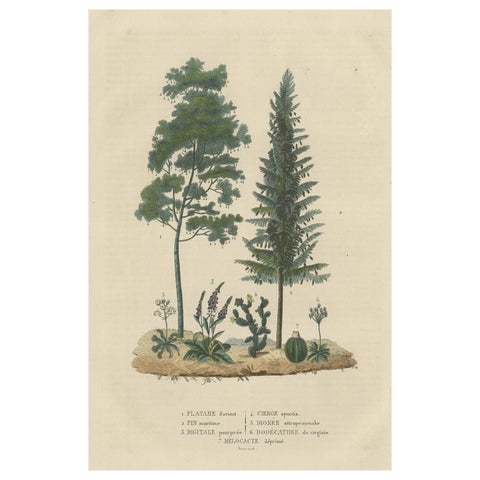
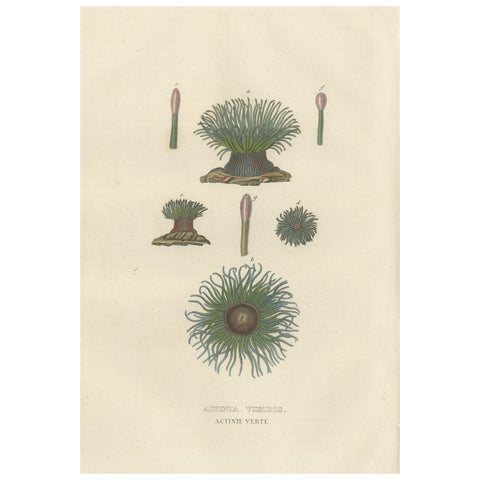
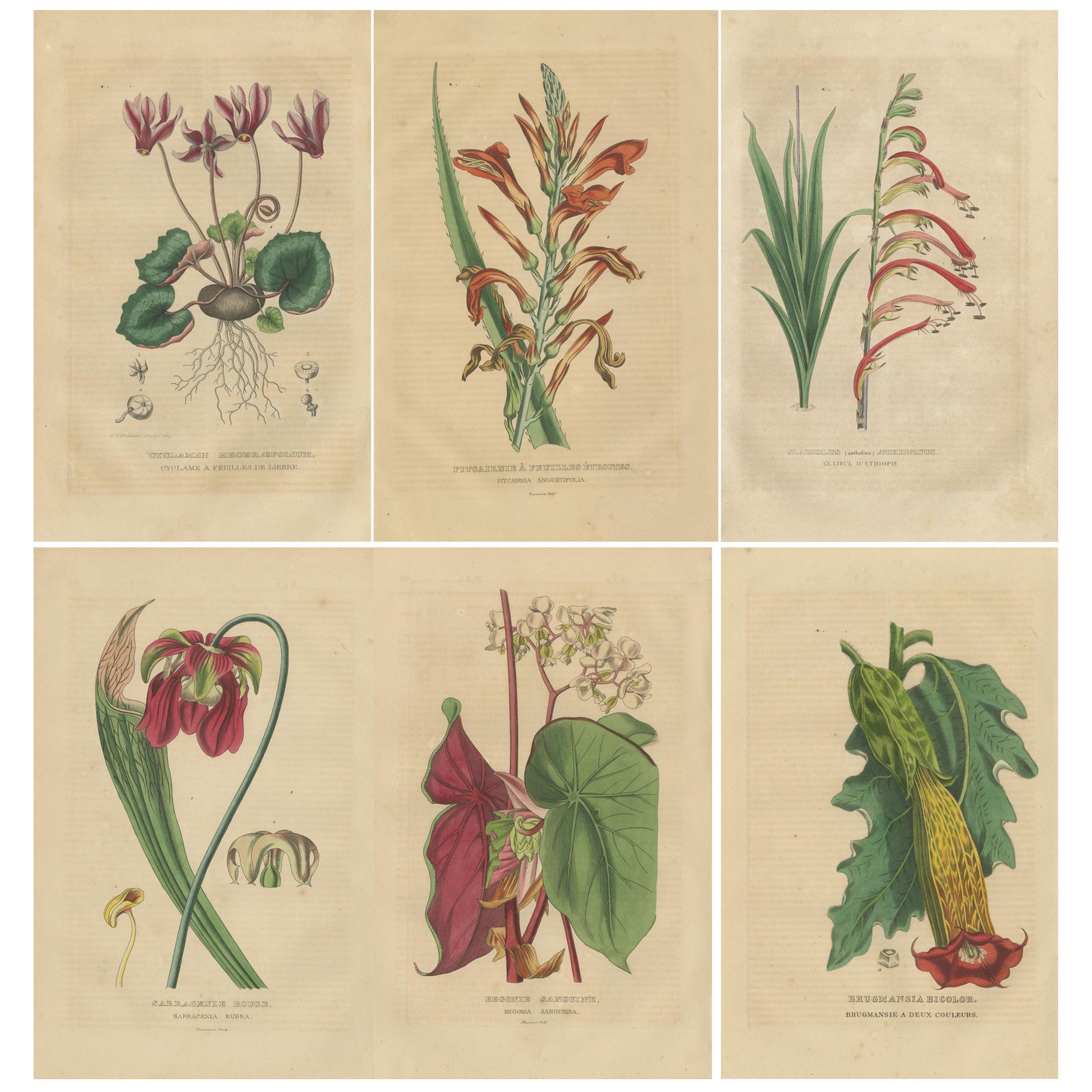
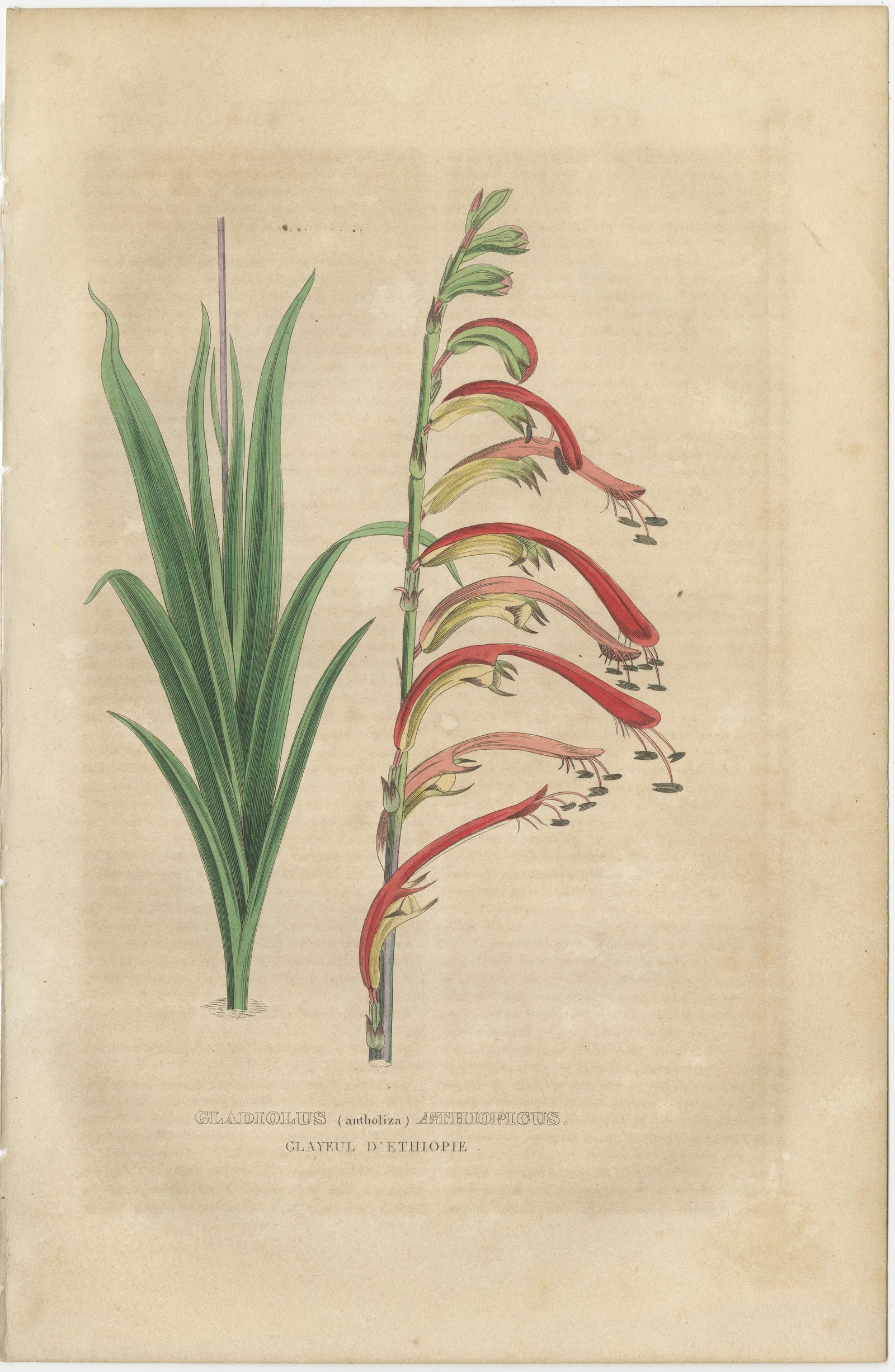
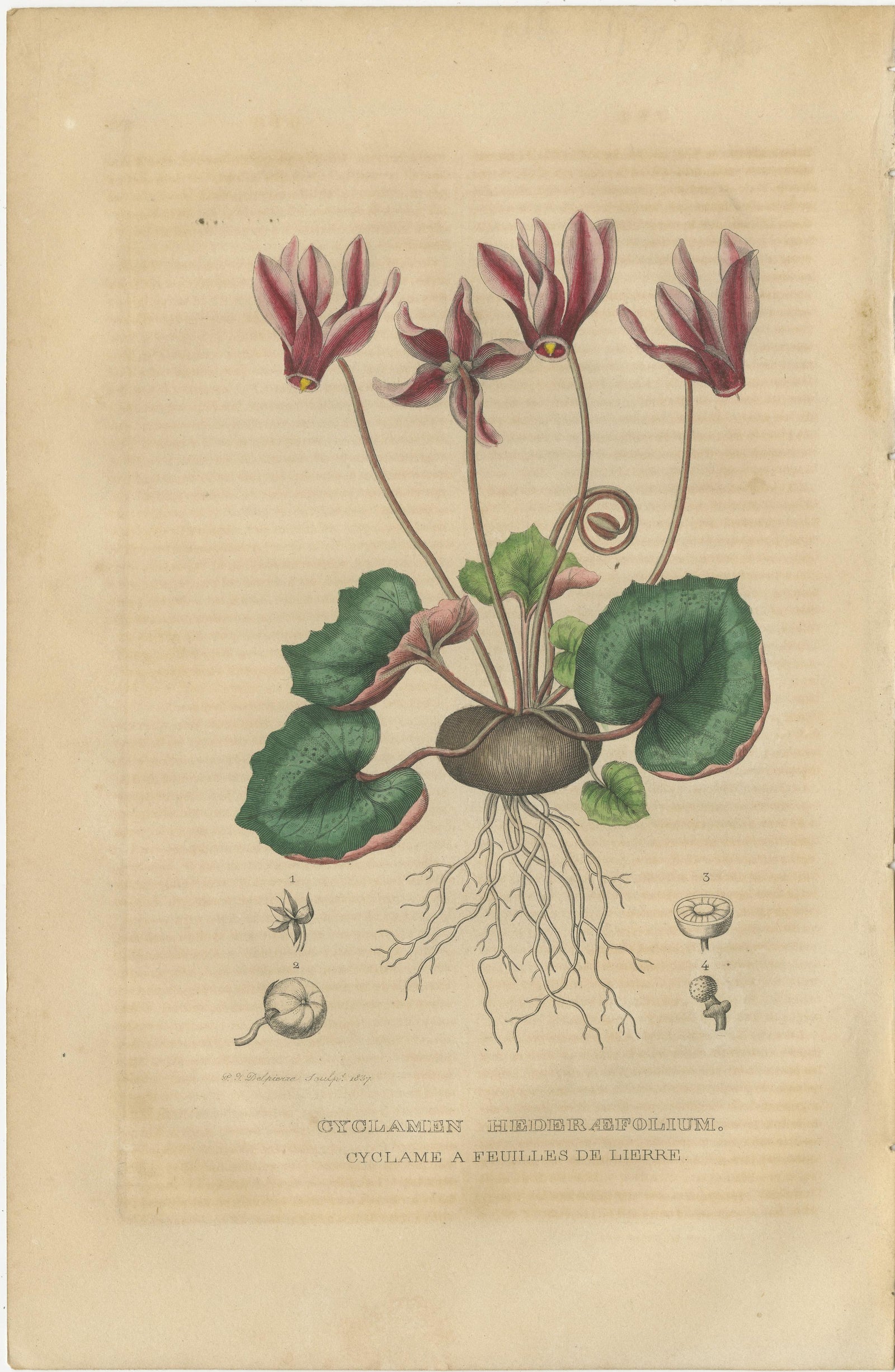
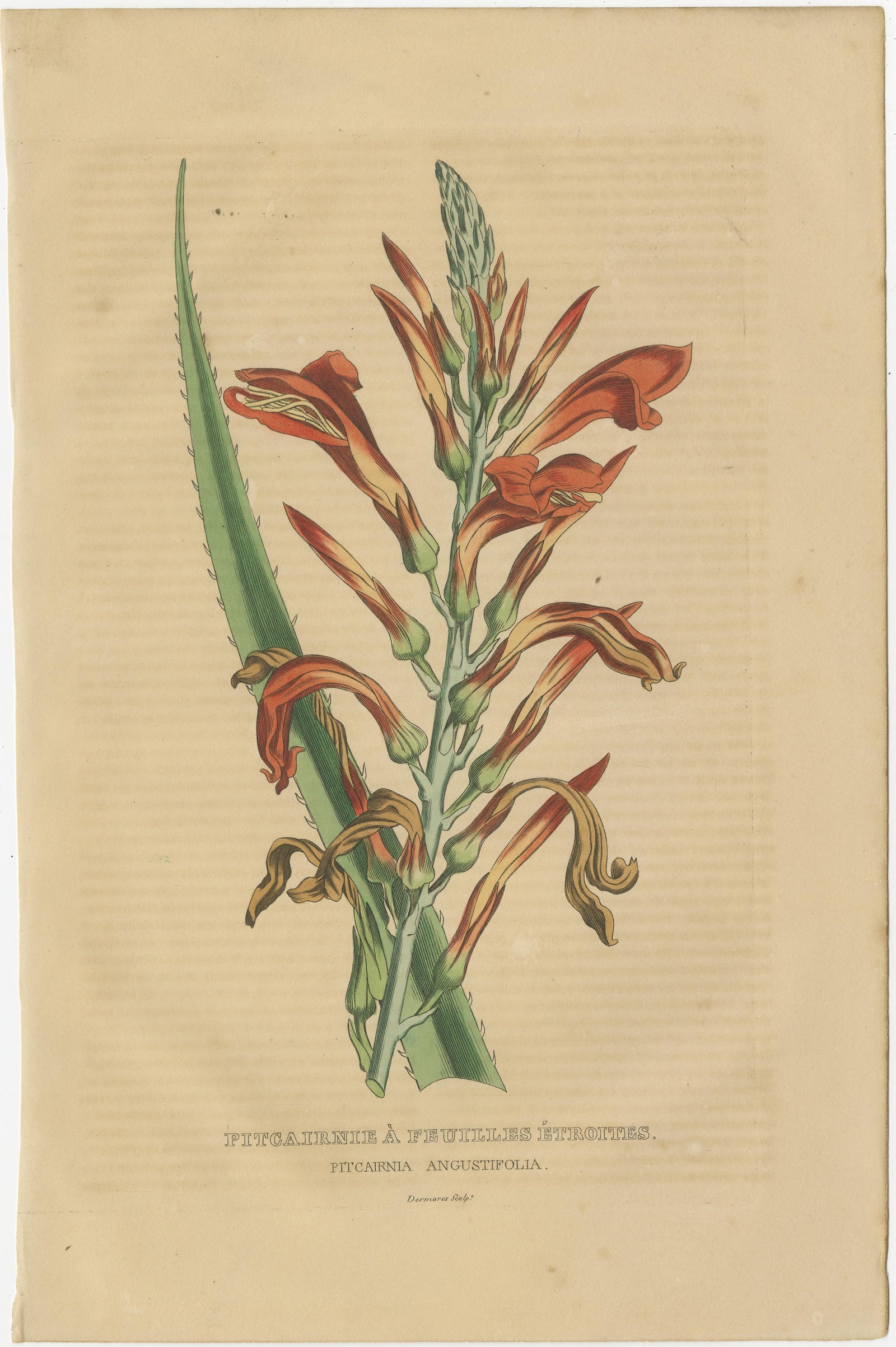
This image is a beautiful collage of antique hand-colored botanical engravings from 1845, each showcasing a different plant species with exceptional detail and vibrant colors. The engravings represent the following plants:
1. "Cyclamen Hederifolium," commonly known as Ivy-leaved Cyclamen, featuring its distinctive up-swept petals and heart-shaped leaves.
2. "Pitcairnia Angustifolia," which displays a striking array of elongated red and orange flowers against long, slender leaves.
3. "Gladiolus (Antholiza) Eminiopicus," also known as Sword Lily, with its tall spikes of red and yellow flowers and blade-like foliage.
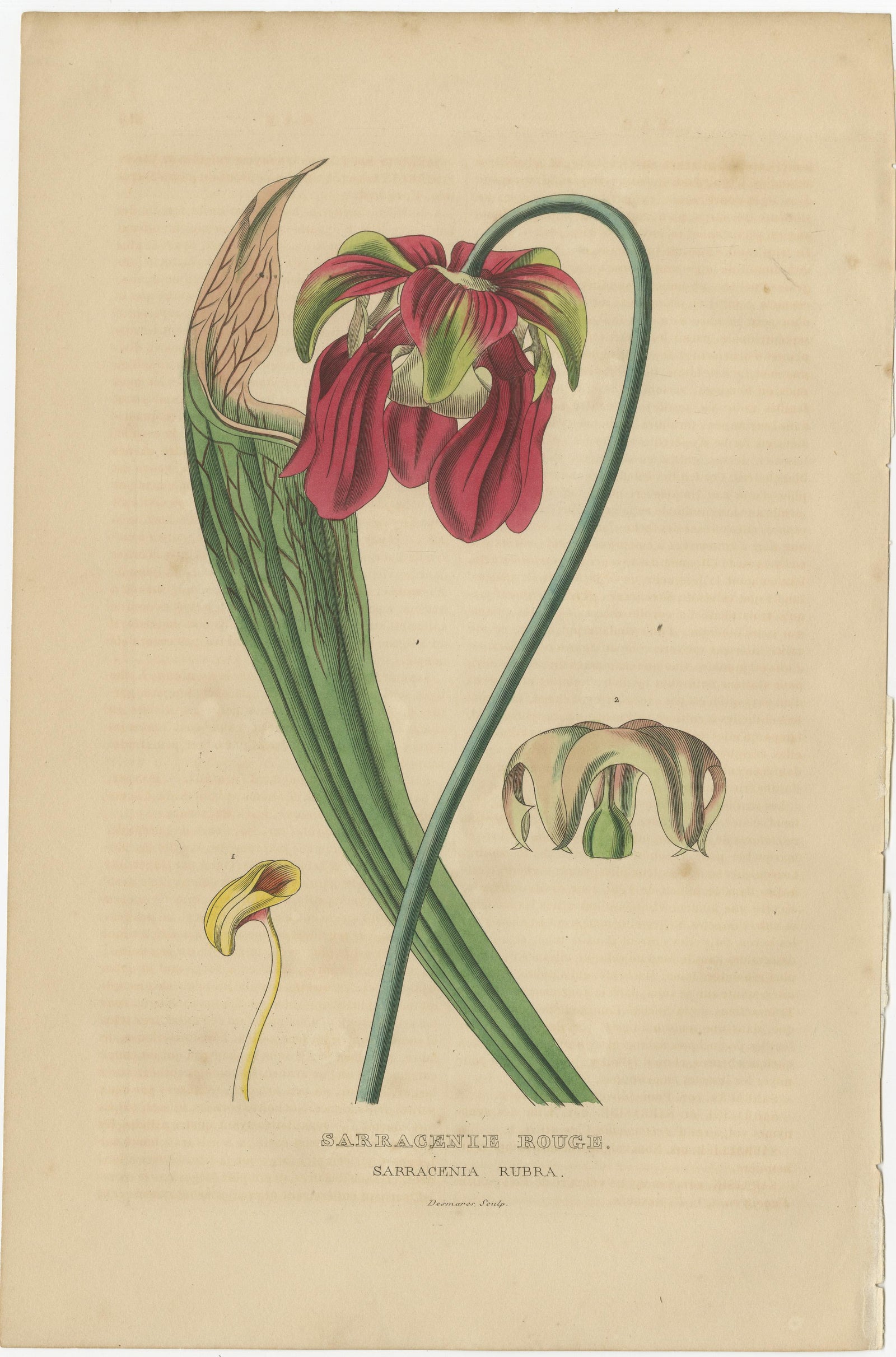
4. "Sarracenia Rubra," the Red Pitcher Plant, known for its carnivorous nature, capturing insects within its tubular, hooded pitchers.
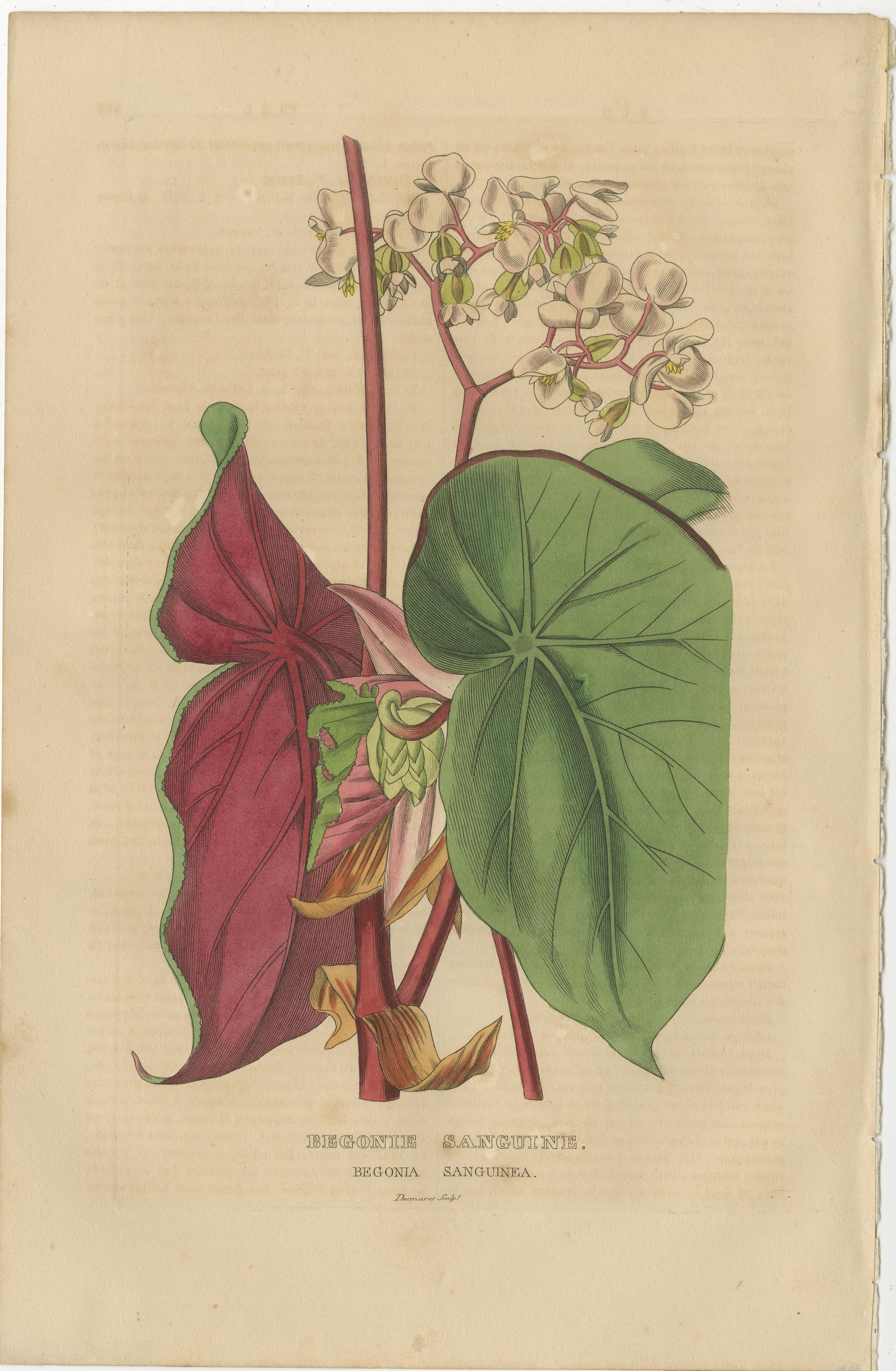
5. "Begonia Sanguinea," which offers a display of delicate white flowers offset by its bold red stems and large, asymmetrical leaves.
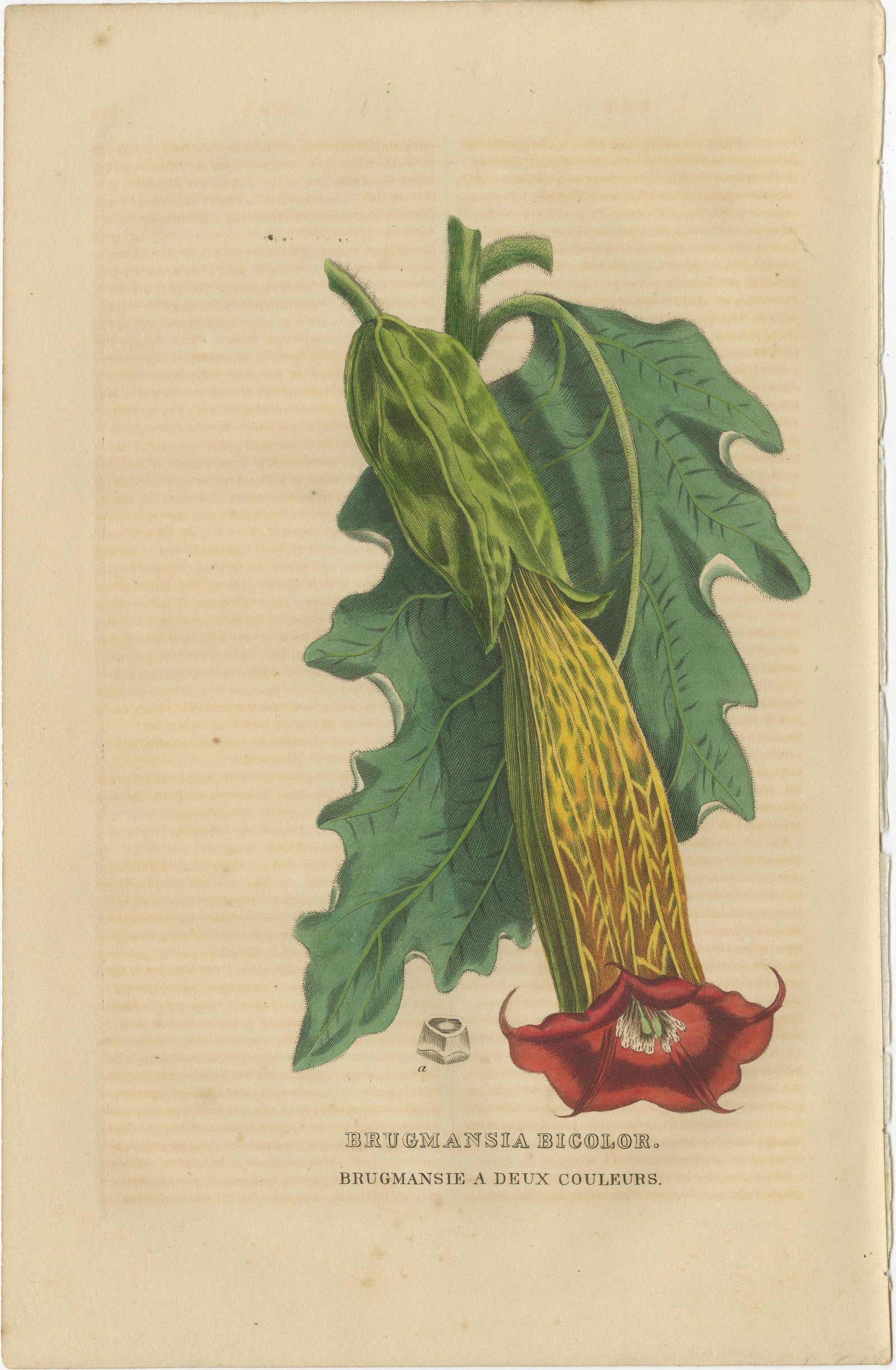
6. "Brugmansia Bicolor," a species with dramatic, pendulous flowers in shades of yellow and red, complemented by large, green, textured leaves.
These engravings have been included in Pierre Auguste Joseph Drapiez's 'Dictionnaire Classique des Sciences Naturelles,' reflecting the era's pursuit of scientific knowledge and appreciation for the natural world's beauty. Each illustration is meticulously detailed, capturing the unique characteristics of the plants, from the veining of the leaves to the subtle hues of the flowers. They serve as both artistic masterpieces and educational representations of botanical diversity from the mid-19th century.