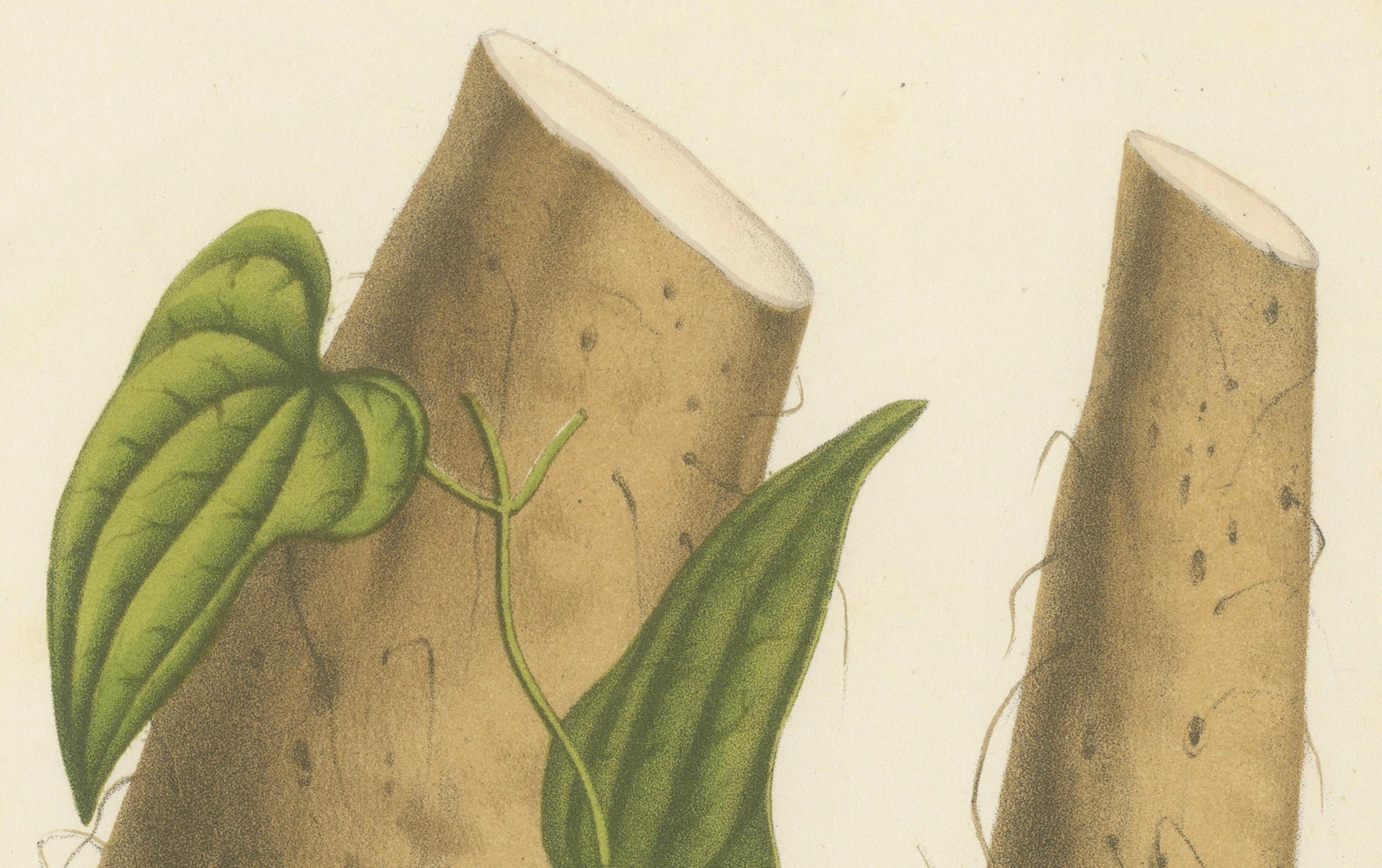
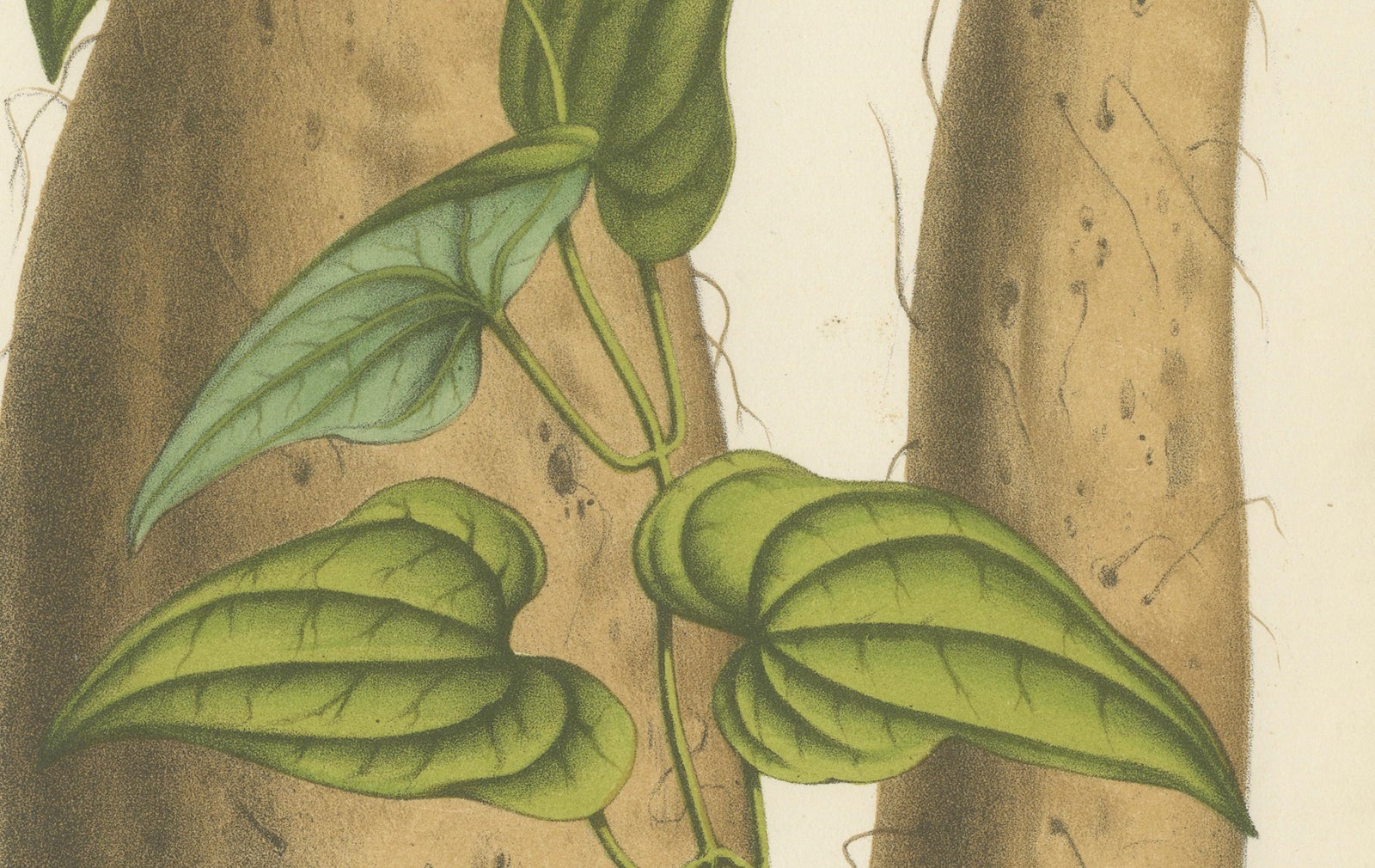
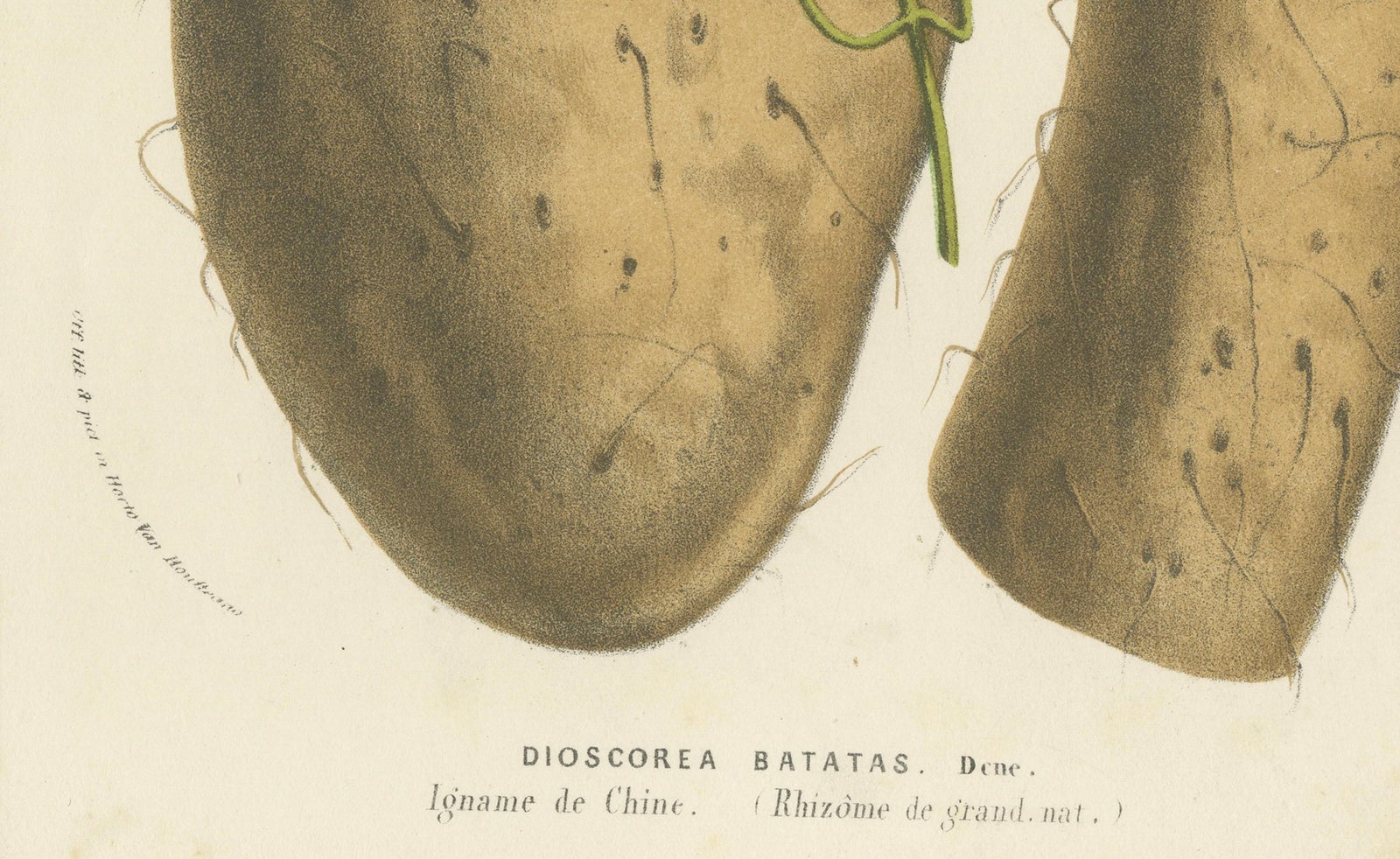
Close-ups
Framed and on the wall
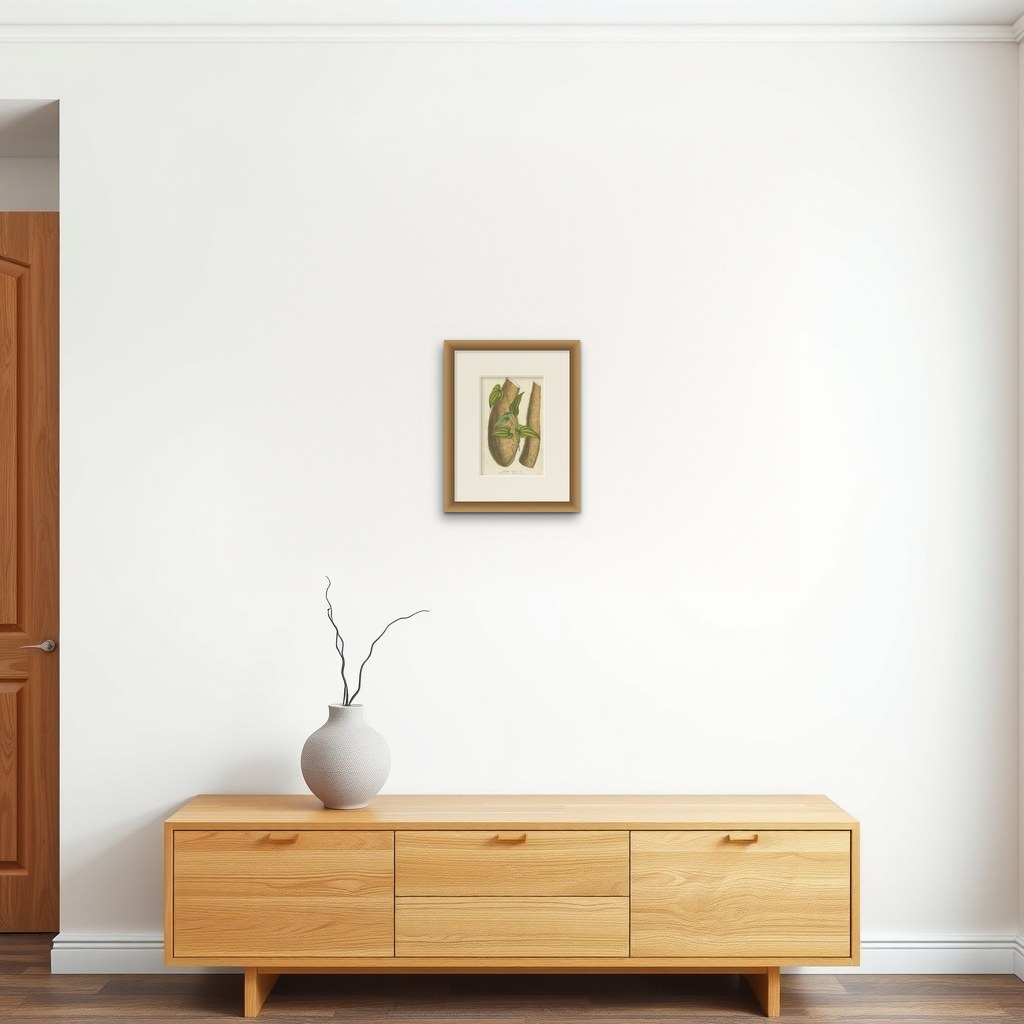
Frame and rooms are illustrations of how the print could look; the description says what is included.
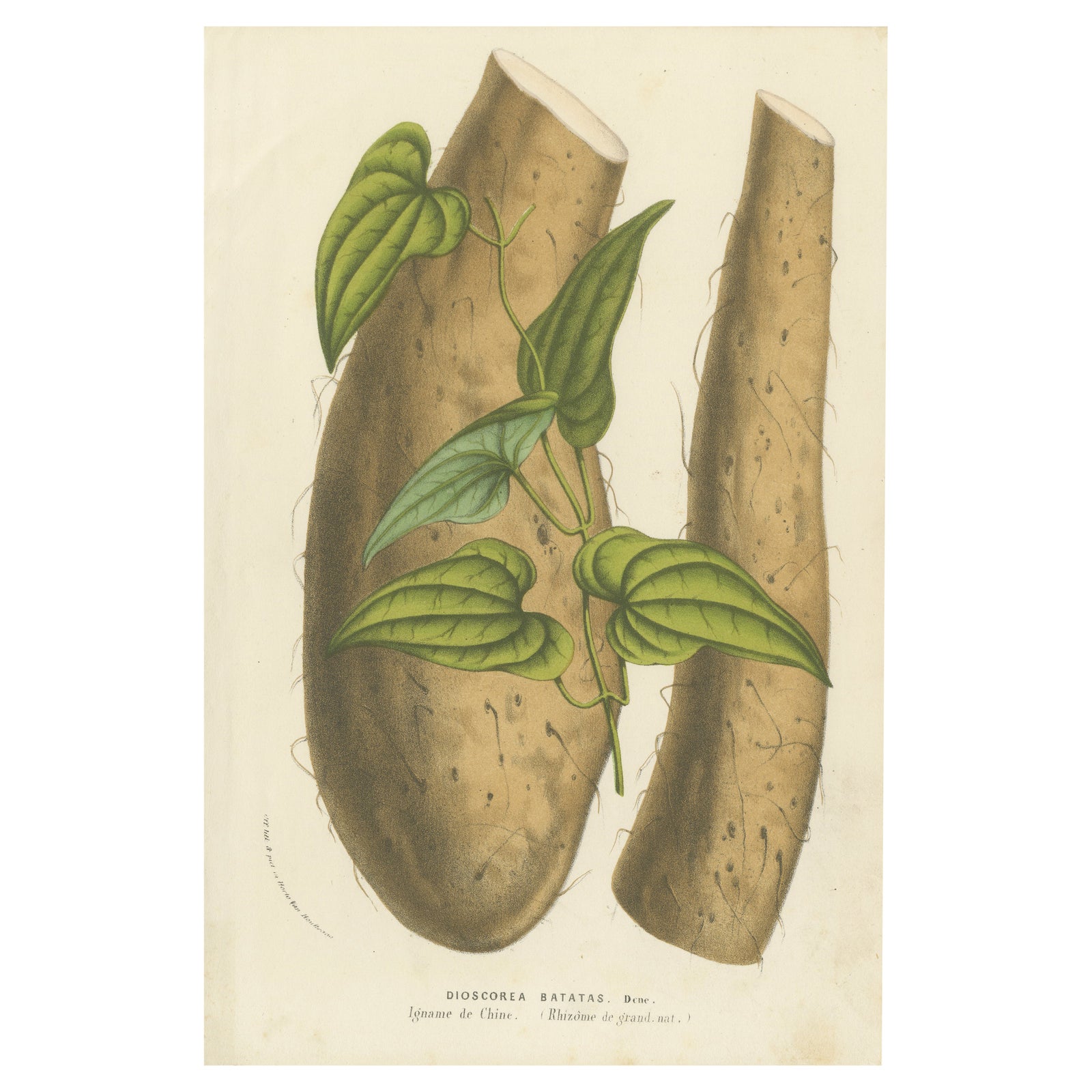
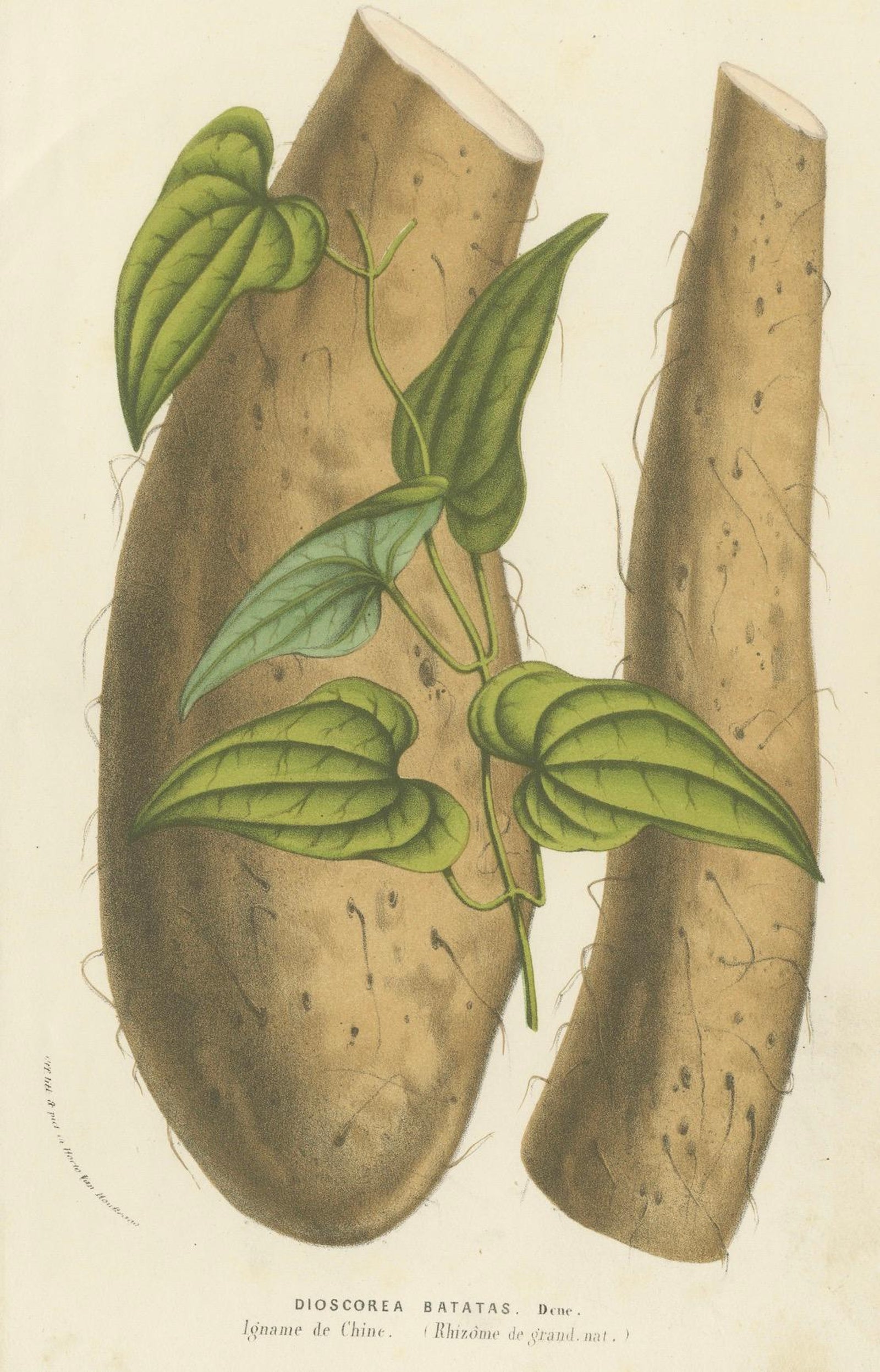
Botanical Illustration of Chinese Yam: Dioscorea Batatas, c.1855
$155 (£120, €140)
Period original, not a reproduction.
Shipped from the Netherlands, flat, insured and tracked, worldwide. Returns accepted within 14 days.
- Date
- 1855
- Size
- 9.4 × 6.3 in (24 × 16 cm)
- Condition
- Good. The condition of this print is good, with vibrant colors and clear details that have been well-preserved over time. General age-related toning and/or occasional minor defects from handling. Study scans carefully.
- Period
- Late 19th century
- Section
- Botanical
- Reference
- f_41294662
- Colour
- Hand coloured
What the condition grades mean
- Excellent
- Bright and clean, with no faults worth mentioning.
- Very good
- Only light signs of age, such as faint toning.
- Good
- Normal signs of age for a sheet of this period: toning, some foxing, small marks or neat old repairs.
- Fair
- Clear faults such as staining, tears or repairs, priced to match.
Every fault we see is written in the condition note, and the whole sheet is shown uncropped in the photos.
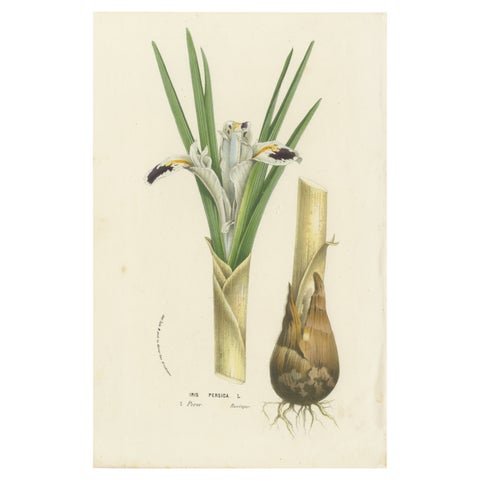
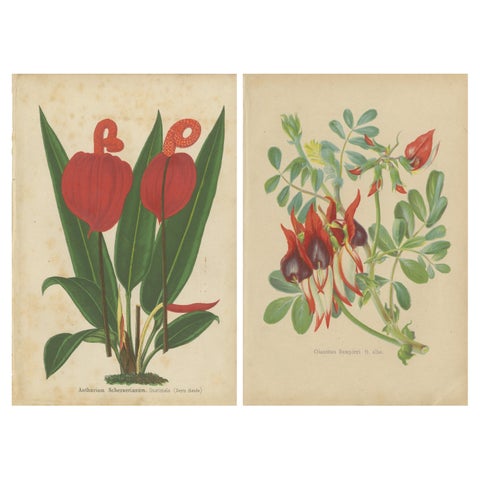
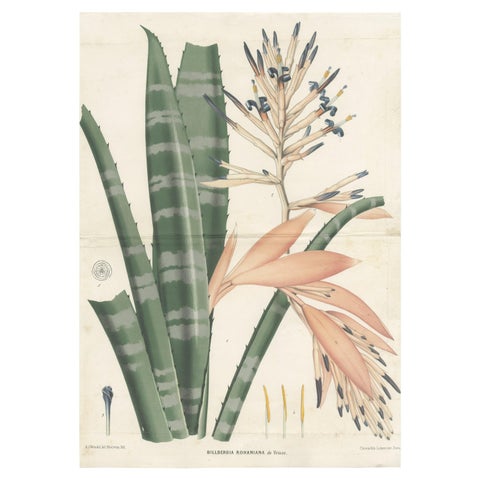
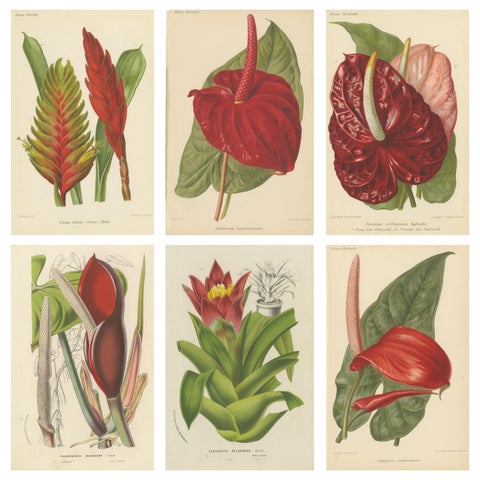
Botanical Illustration of Little Kurrajong: Brachychiton Bidwillii
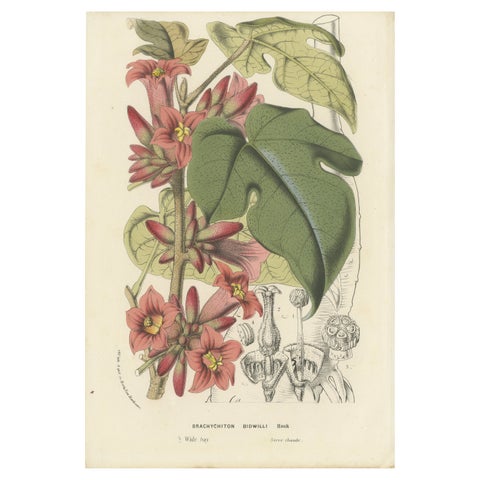
This lithograph features the Brachychiton bidwillii, commonly known as the Little Kurrajong. Native to Australia, this small tree or shrub is appreciated for its stunning red or pink bell-shaped flowers and large, lobed leaves.
The illustration captures the plant's unique floral structure and the texture of its leaves, alongside detailed depictions of its reproductive parts, highlighting the botanical intricacies of the species.
This artwork is part of the renowned botanical series "Flore des Serres et des Jardins de l'Europe," created by Louis van Houtte, a prominent Belgian horticulturist in the 19th century. Van Houtte's works are celebrated for their scientific accuracy and artistic quality, making significant contributions to the understanding and appreciation of global plant diversity.
The lithograph employs hand-coloring, a technique that was commonly used during the period to achieve vivid, lifelike representations of plants.
The condition of this print is well-preserved, showing vibrant colors and fine details, with minor signs of aging such as slight foxing, which is typical of antique botanical illustrations.
This piece illustrates the 19th-century enthusiasm for documenting and celebrating the diversity of plant species from around the world, offering a glimpse into the rich flora of Australia.