Close-ups
Framed and on the wall
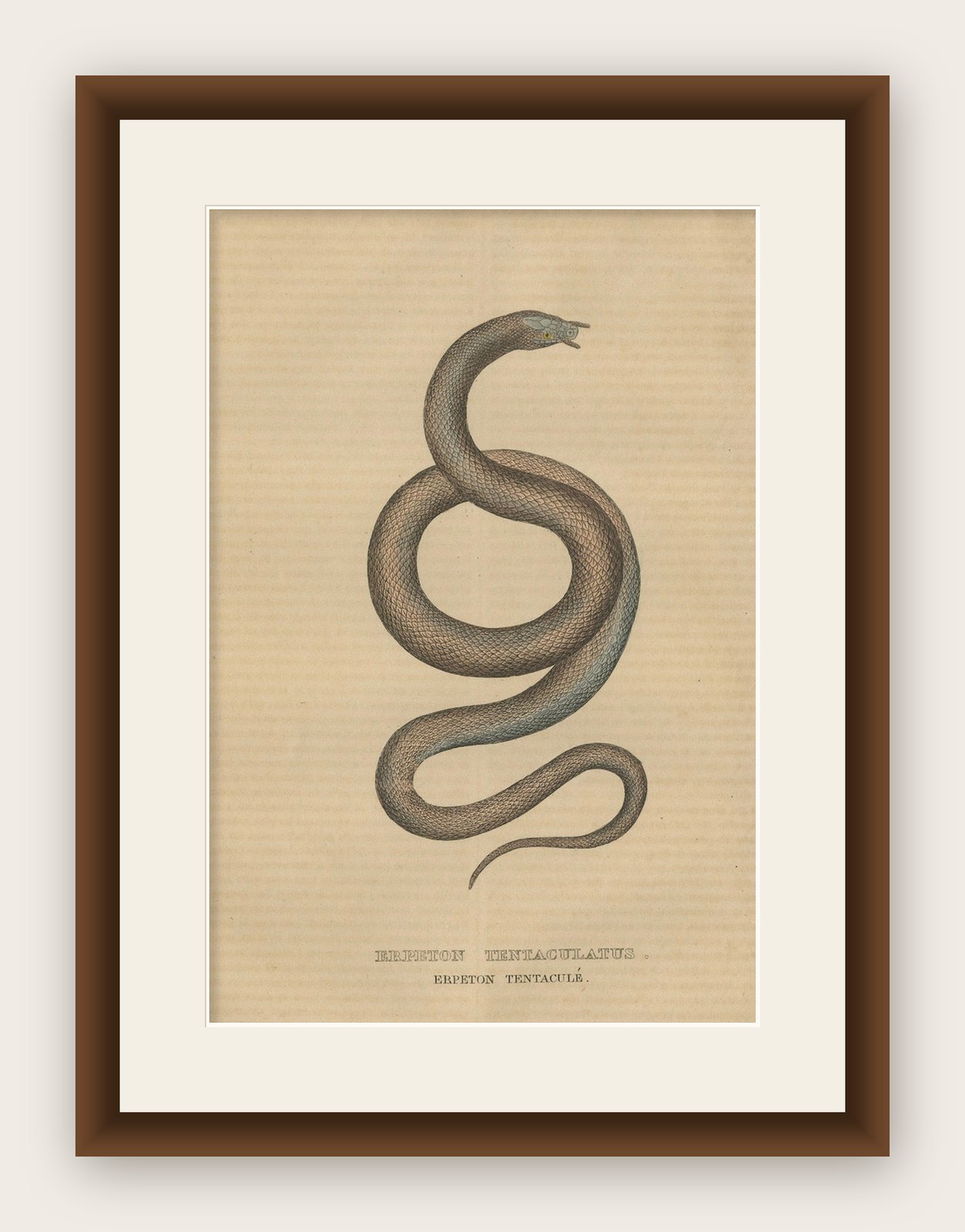


Frame and rooms are illustrations of how the print could look; the description says what is included.
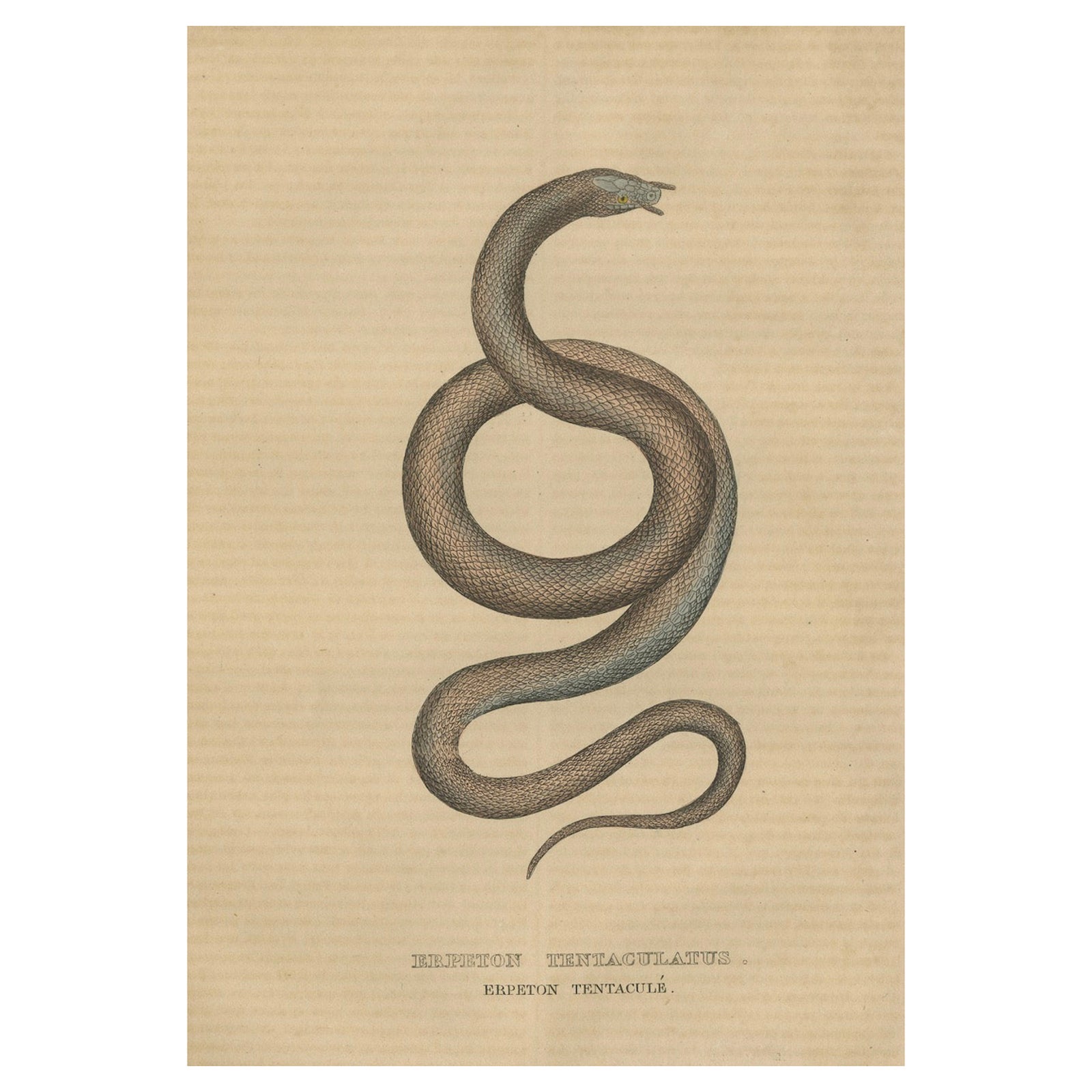
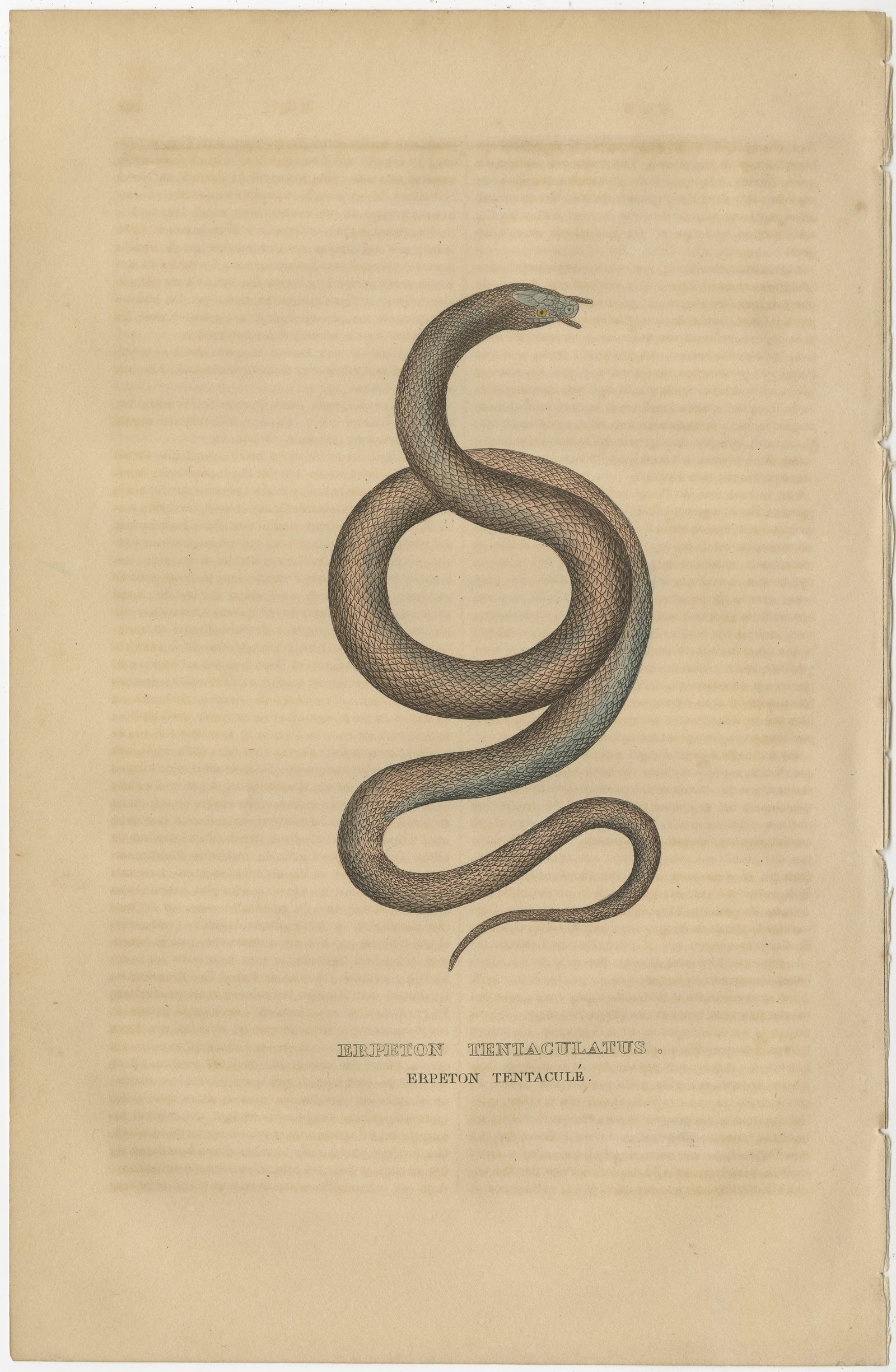
Aquatic Ambush: Hand-Colored Engraving of The Tentacled Snake, 1845
€190 ($215, £160, €190)
Period original, not a reproduction.
Shipped from the Netherlands, flat, insured and tracked, worldwide. Returns accepted within 14 days.
- Date
- 1845
- Size
- 10.4 × 6.7 in (26.5 × 17 cm)
- Condition
- Good. Good. Edge on the right side roughly cut. Aged paper with typically warm, yellowish-brown hue. Light offset. Please study the image carefully.
- Period
- Early 19th century
- Section
- Reptiles and amphibians
- Reference
- f_37855102
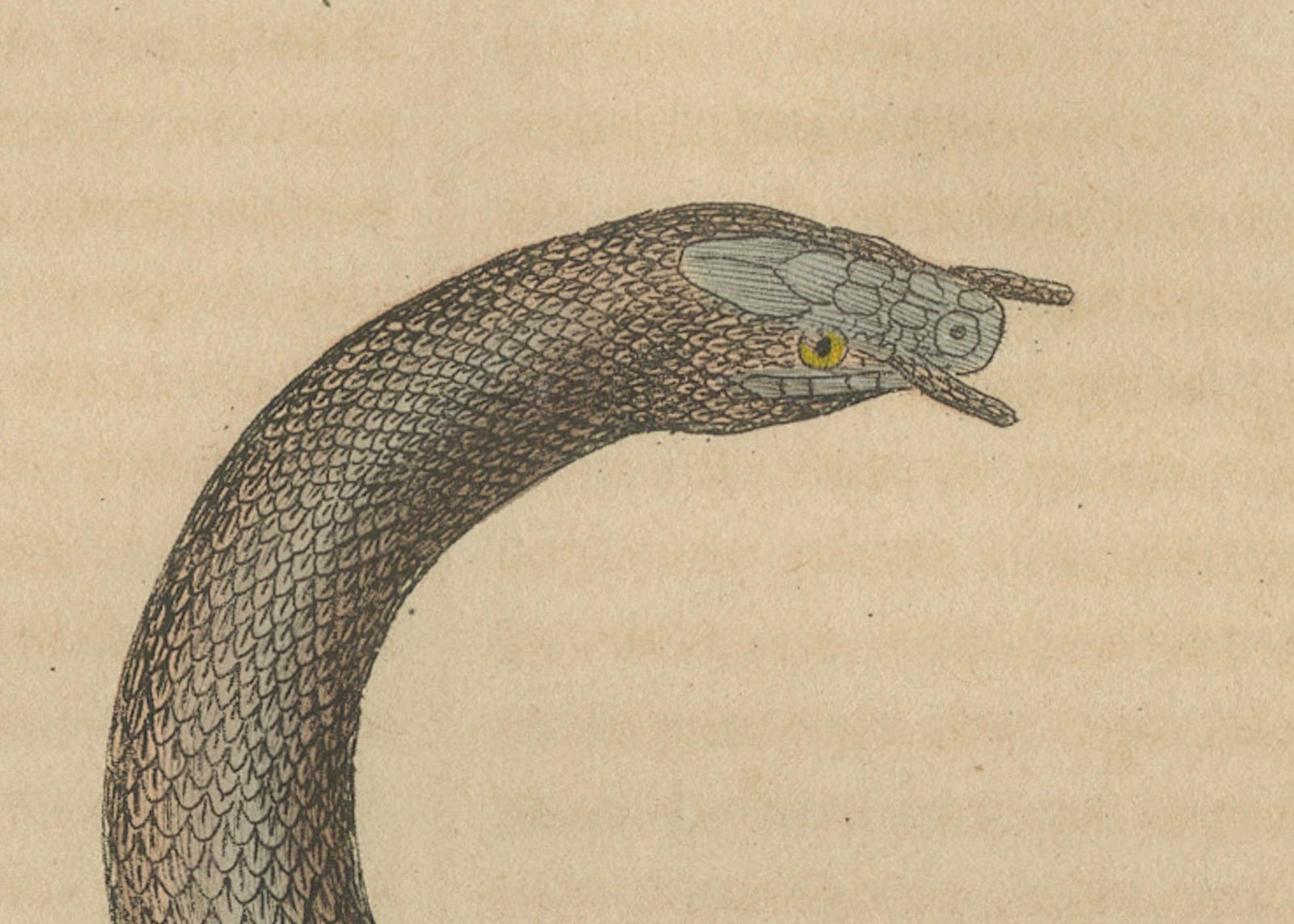
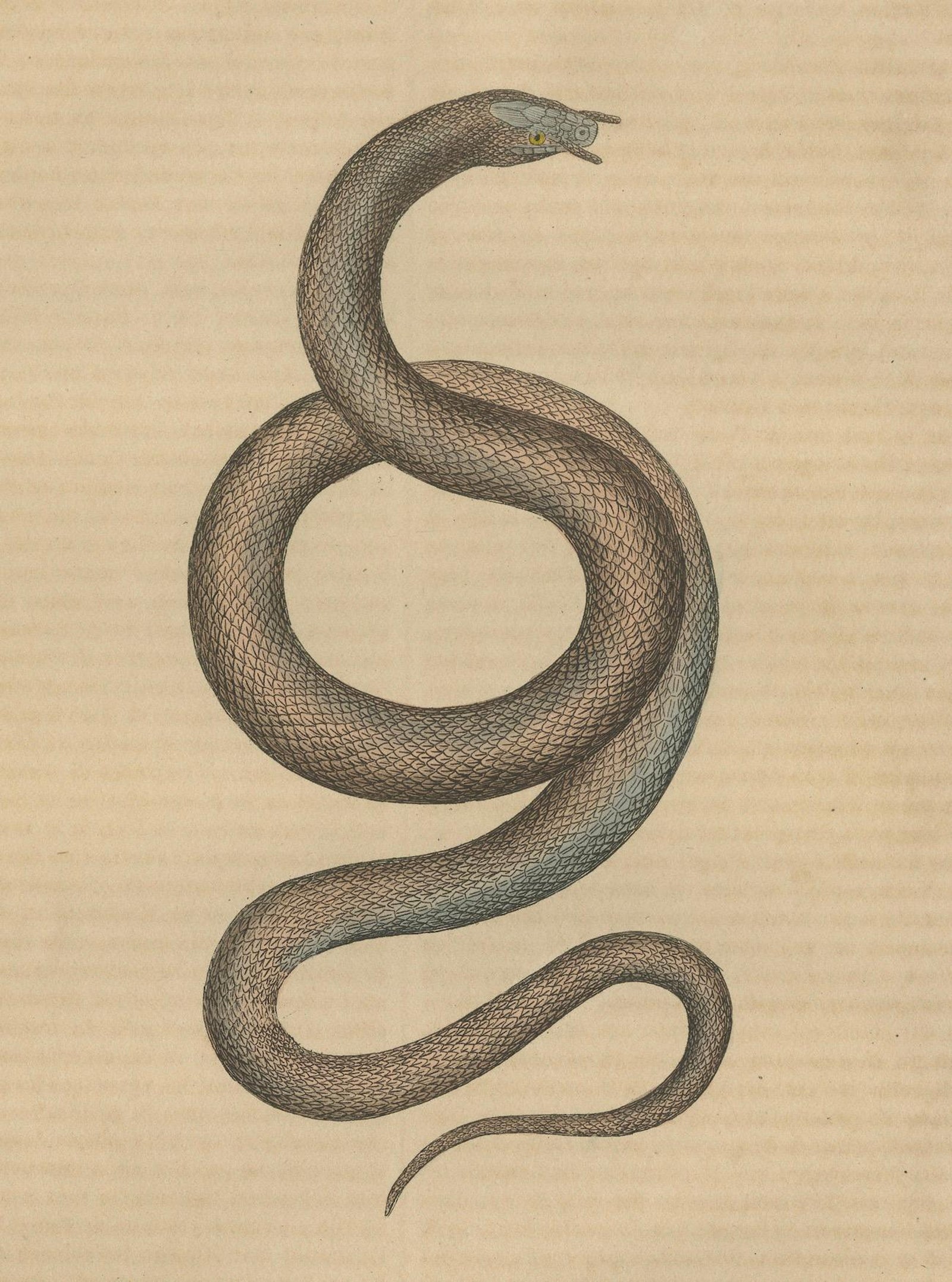
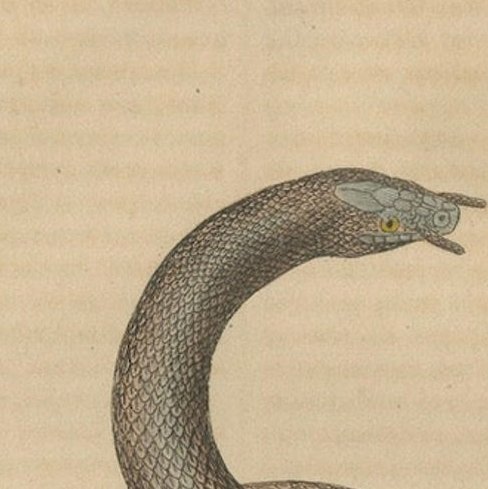
The image depicts a snake, specifically labeled as "Erpeton tentaculatus," which is commonly known as the tentacled snake. It is a species found in Southeast Asia and is remarkable for the pair of tentacles on its snout, which are unique among snakes and are believed to aid in sensory perception.
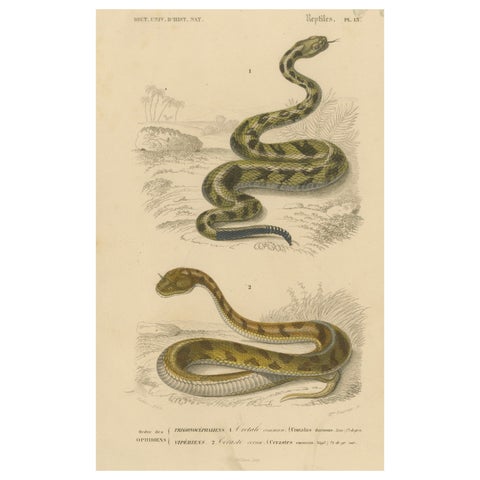
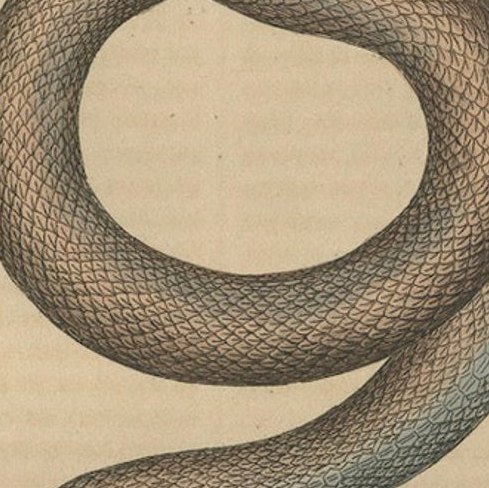
The snake is illustrated in a coiled position, which showcases the pattern and texture of its scales. The detailing of the scales is meticulous, suggesting the illustrator took great care to capture the reptile's appearance accurately.
As with the other engravings from Pierre Auguste Joseph Drapiez's 'Dictionnaire Classique des Sciences Naturelles', this hand-colored print would have been used for scientific study and education. The coloration is subtle, emphasizing the natural tones of the snake's skin.