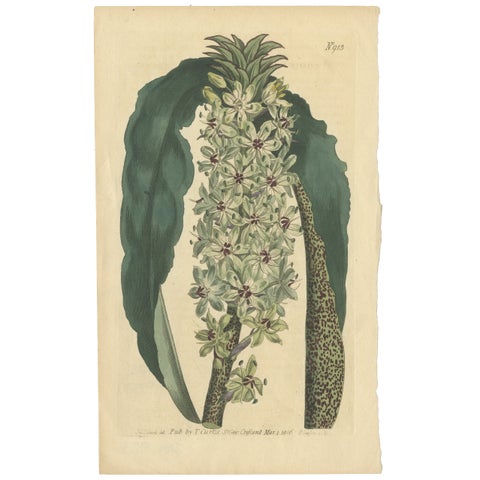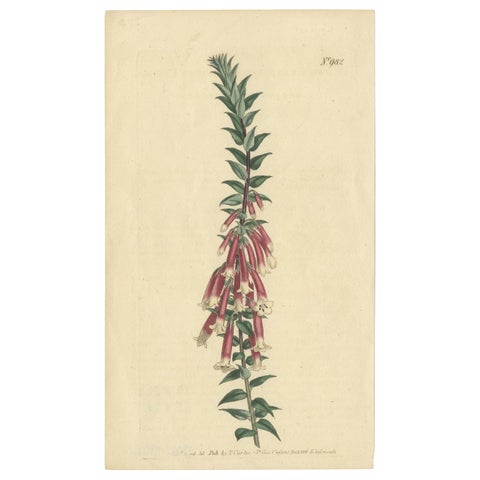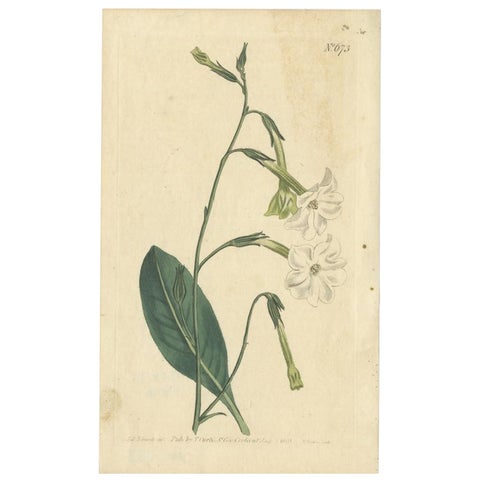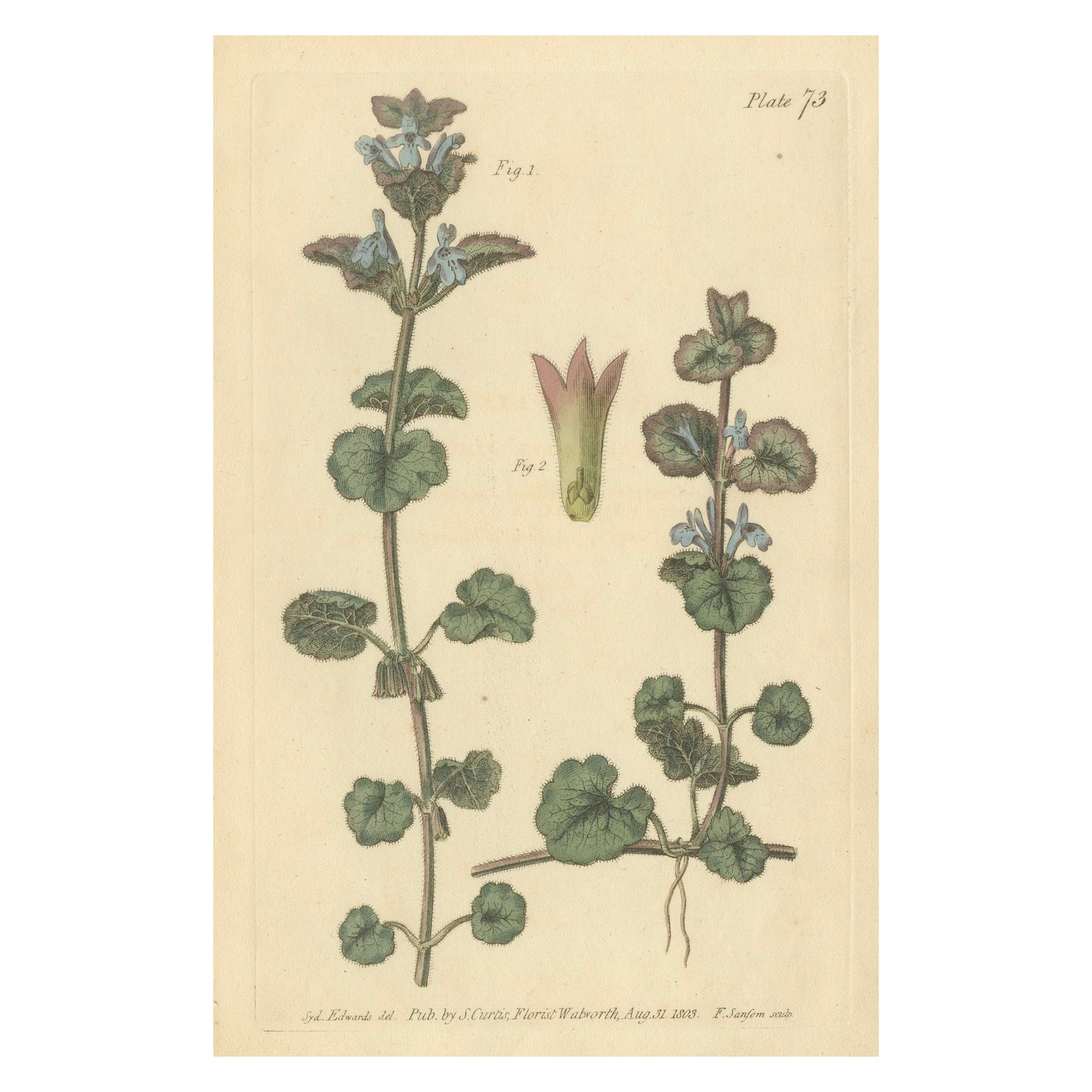
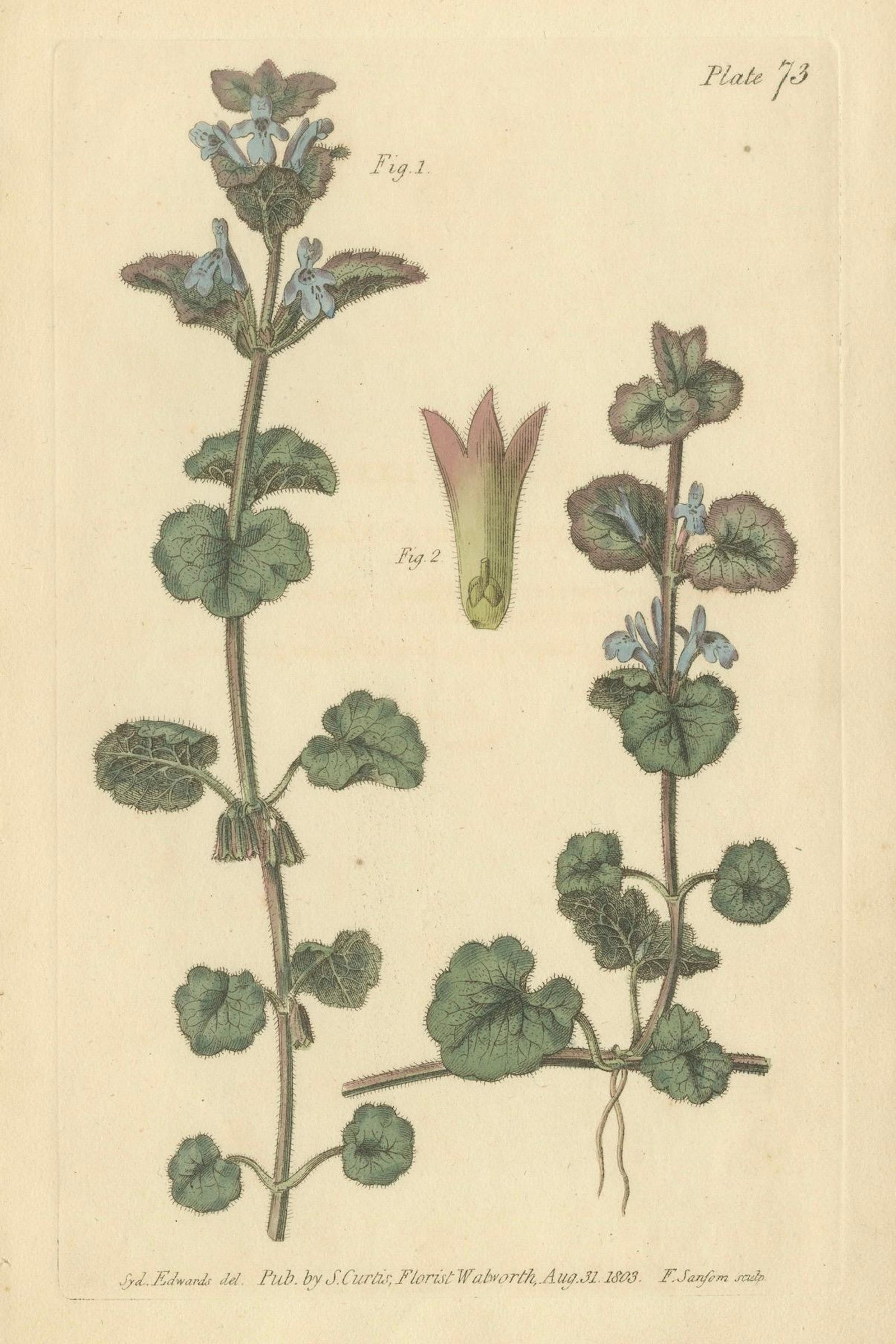
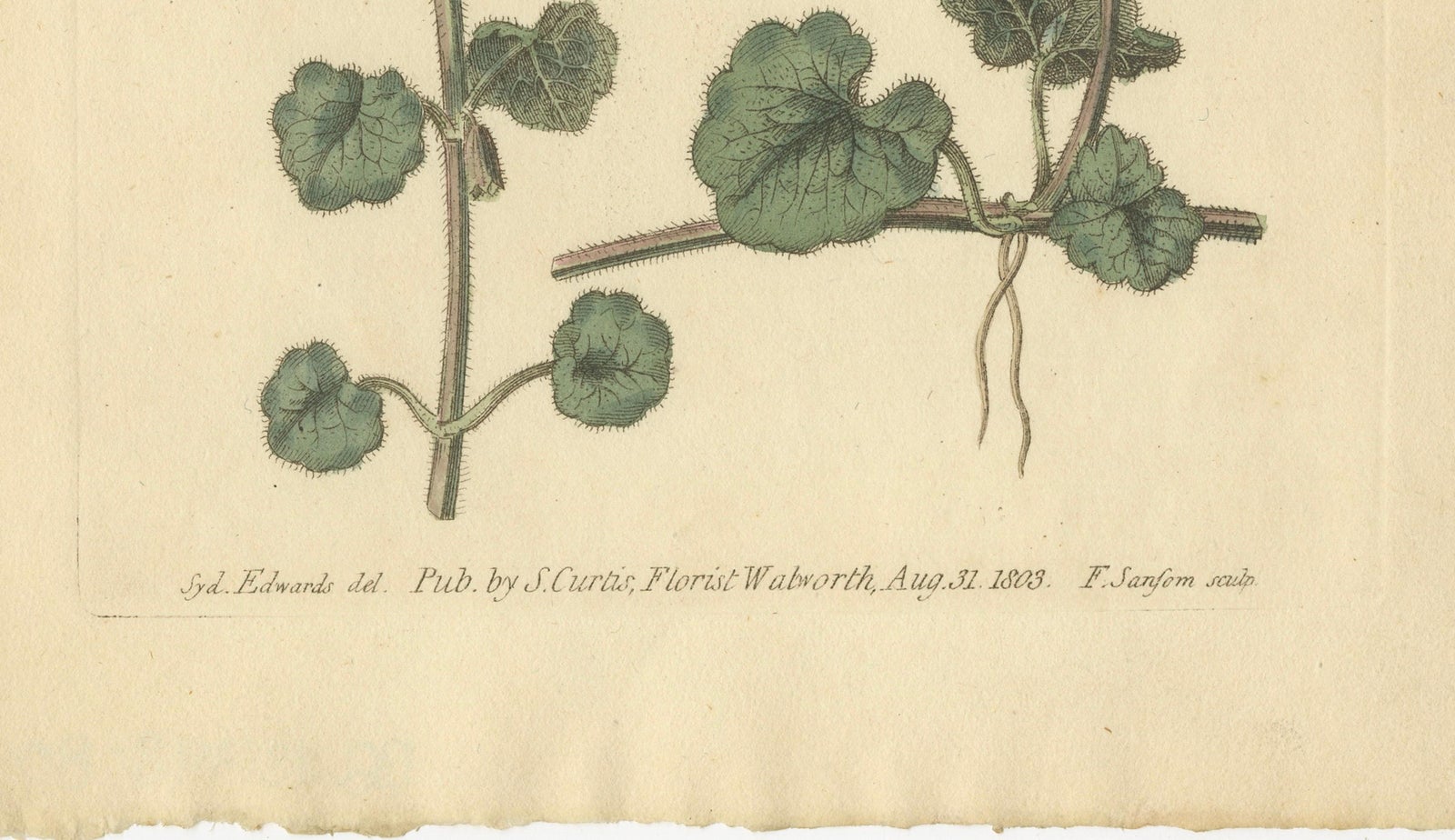
Close-ups
Framed and on the wall
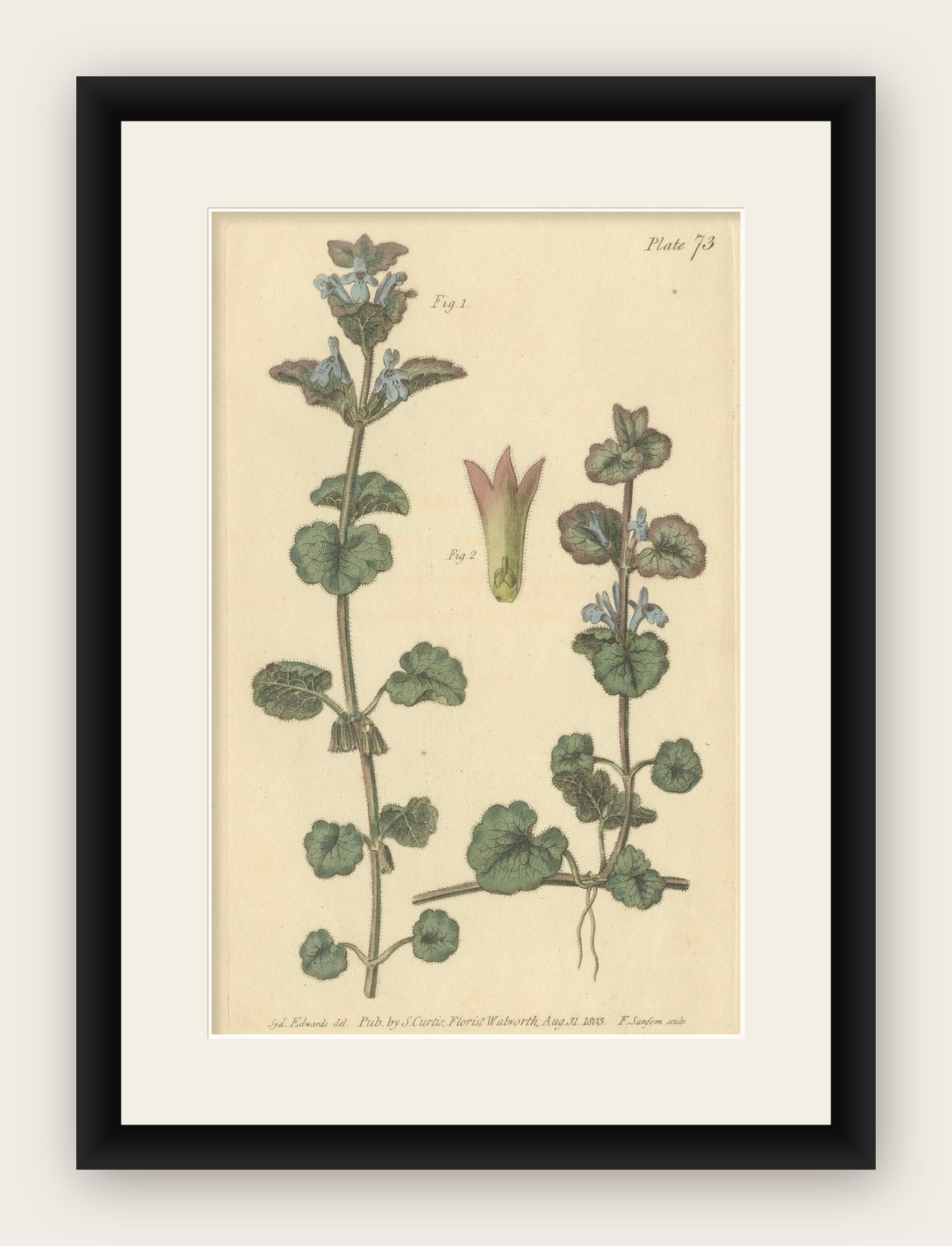


Frame and rooms are illustrations of how the print could look; the description says what is included.
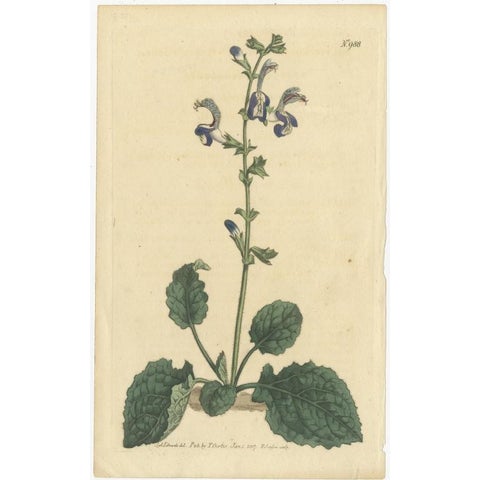
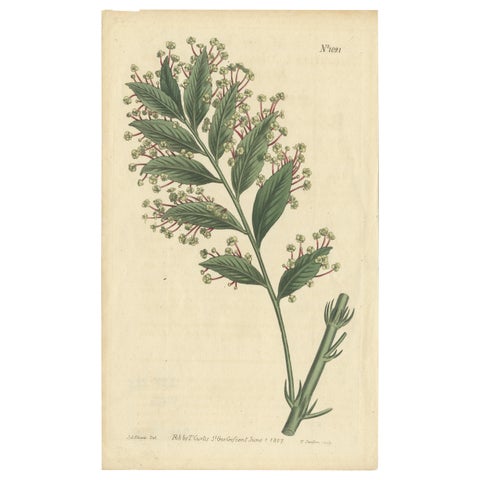
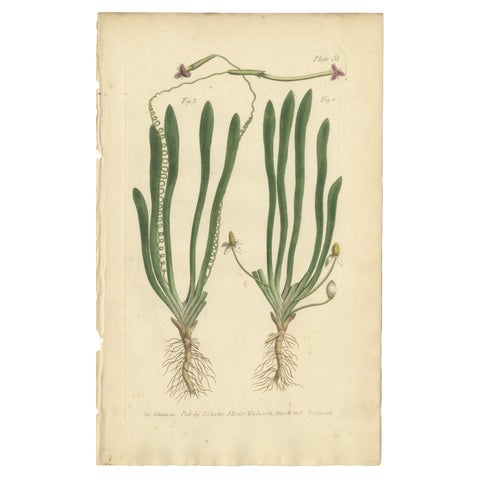
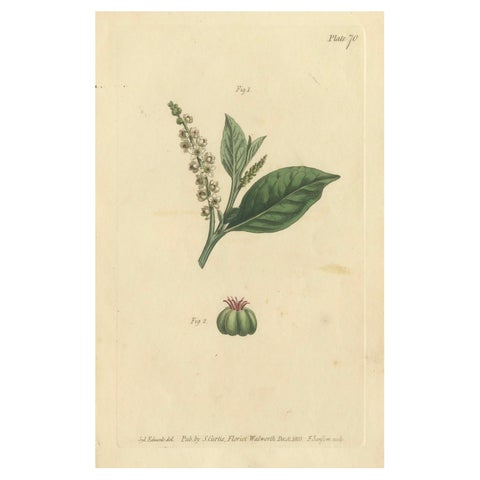
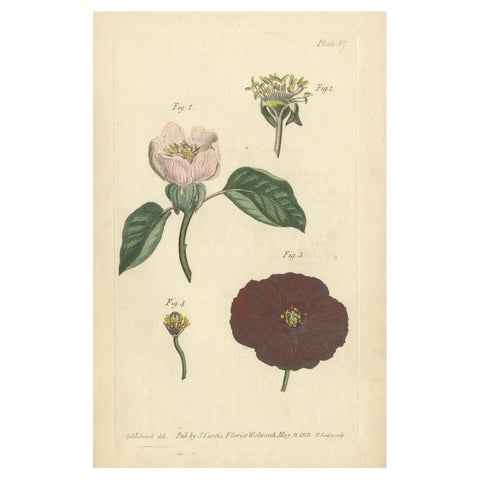
Antique Ground Ivy Botanical Engraving, Glechoma hederacea, 1805
£120 ($155, €140)
Period original, not a reproduction.
Shipped from the Netherlands, flat, insured and tracked, worldwide. Returns accepted within 14 days.
- Date
- 1805
- Size
- 9.4 × 6.3 in (24 × 16 cm)
- Condition
- Good. The condition of this print is very good, with vibrant colors and clear details that have been well-preserved over time. General age-related toning and/or occasional minor defects from handling. Study scans carefully.
- Period
- Early 19th century
- Artist or book
- Curtis's Botanical Magazine
- Section
- Botanical
- Reference
- f_41342062
Antique Ground Ivy Botanical Engraving, Glechoma hederacea, 1805
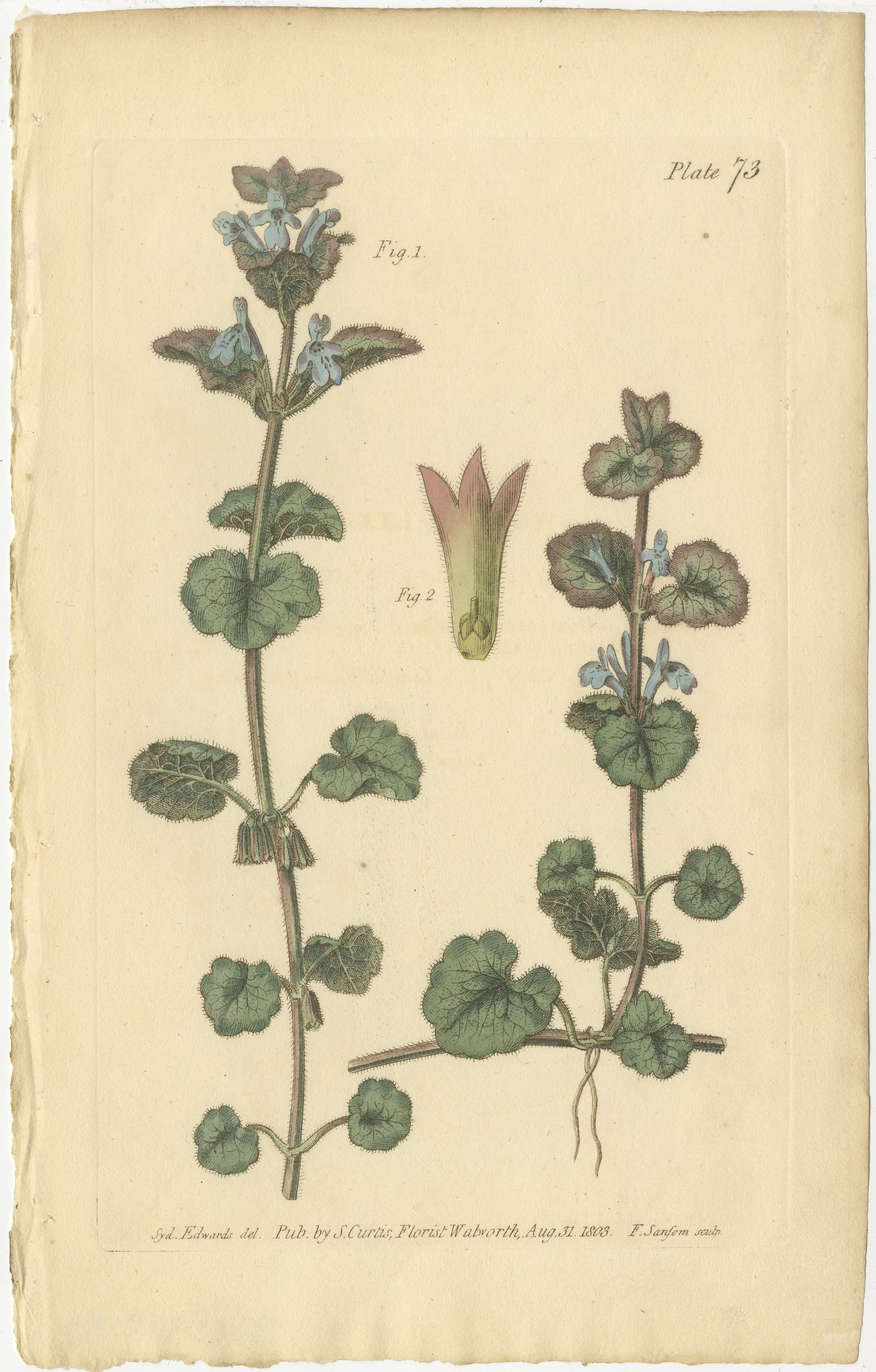
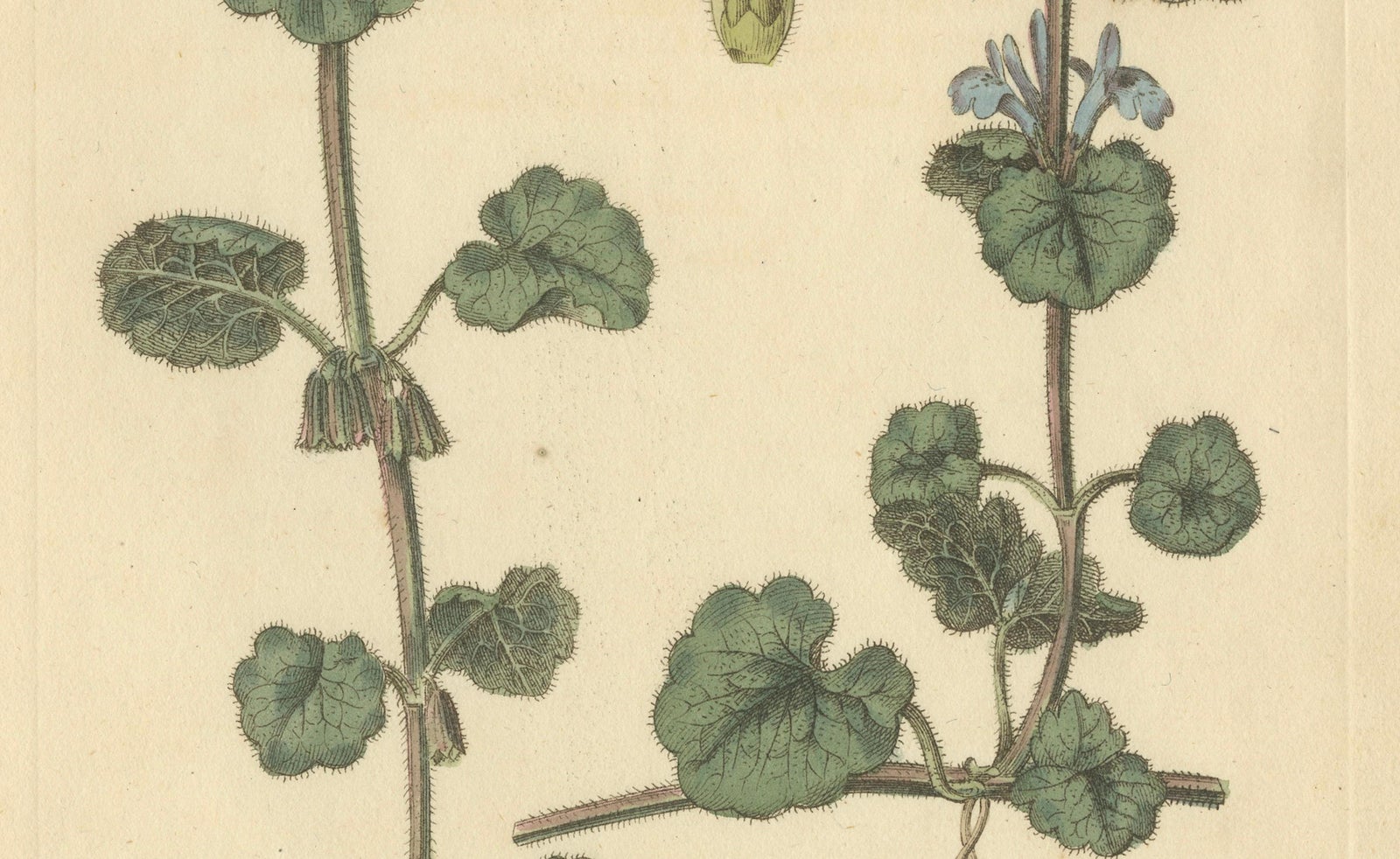
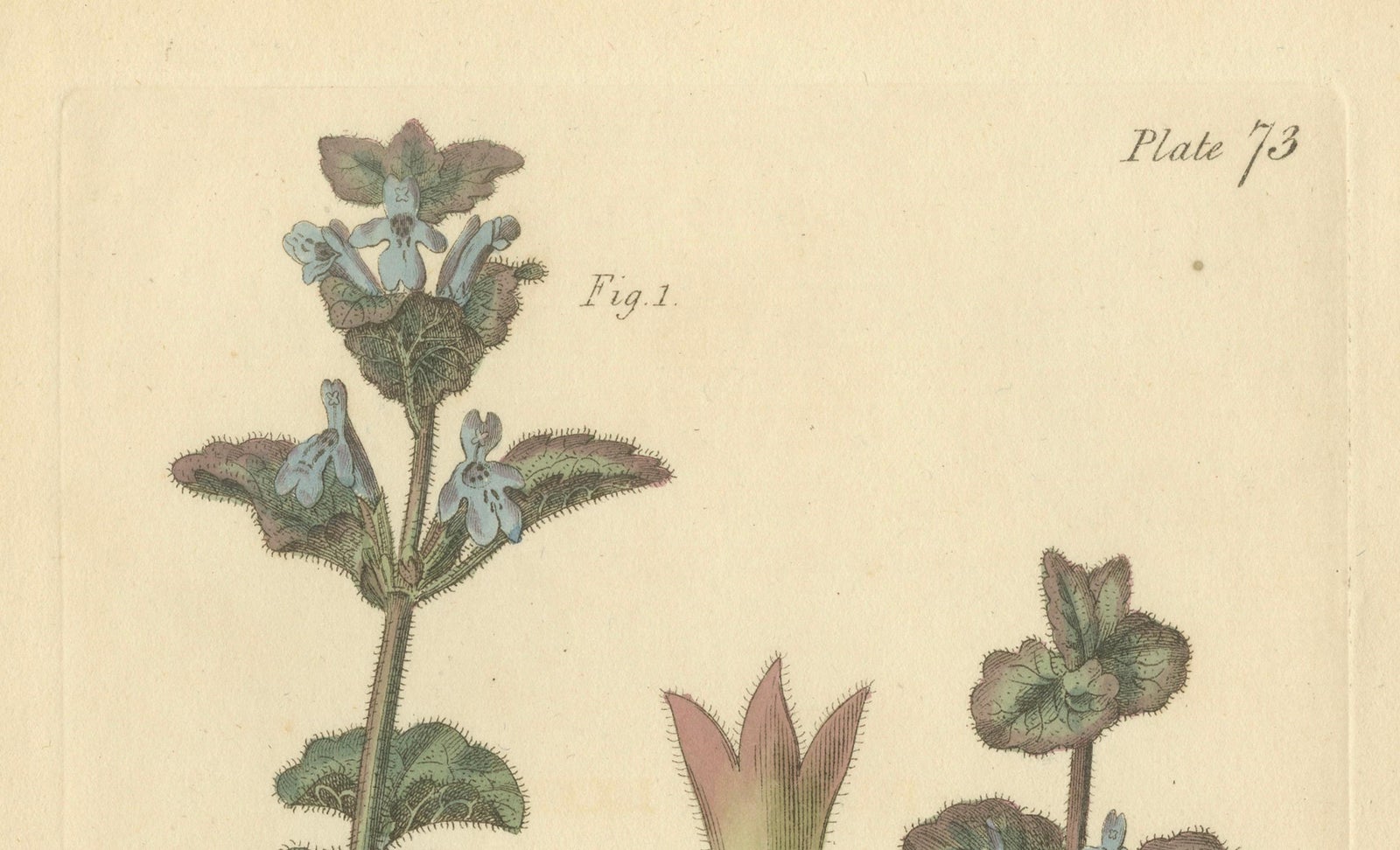
This exquisite handcoloured copperplate engraving depicts the Ground Ivy (Glechoma hederacea), also known as Gymnospermia. Crafted by the talented F. Sansom from an original botanical illustration by Sydenham Edwards, this piece was produced for William Curtis' renowned "Lectures on Botany" in 1805.
The engraving, featuring detailed renderings of the plant's form and structure, showcases the intricate beauty of botanical art from the early 19th century. This antique print, published by S. Curtis of Walworth, is a treasure for collectors and enthusiasts of historical botanical art, offering a glimpse into the rich heritage of botanical studies.
Ground Ivy, scientifically known as **Glechoma hederacea**, holds a unique place in both ecological and historical contexts which contributes to its special status:
1. **Medicinal Uses**: Historically, Ground Ivy has been used for various medicinal purposes. It has properties that make it useful for treating ailments like inflammation, respiratory problems, and mild digestive issues. Its use in traditional medicine adds to its allure and interest, especially among herbalists and those interested in natural remedies.
2. **Culinary Uses**: In addition to medicinal uses, Ground Ivy is also edible and has been used in cooking and as a flavoring agent, particularly in teas and as a salad ingredient. Its mild, minty flavor adds a unique touch to dishes.
3. **Ecological Role**: As a ground cover plant, it plays a significant role in its ecosystems by preventing soil erosion, providing habitat for insects, and offering ground cover that helps sustain moisture levels in the soil.
4. **Historical Interest**: The fact that it was featured in early botanical works, such as the 1805 copperplate engraving by F. Sansom for William Curtis' "Lectures on Botany," highlights its importance in historical botanical studies and plant classification.
These diverse uses and roles make Ground Ivy a subject of interest not only to gardeners and ecologists but also to historians and collectors of botanical art, enhancing its special status among plants.
Keywords: Ground Ivy print, Glechoma hederacea engraving, antique flower print, 1805 botanical engraving, Sydenham Edwards, William Curtis botany, historical botanical art, collectible plant engraving, copperplate botanical illustration.