Close-ups
Framed and on the wall
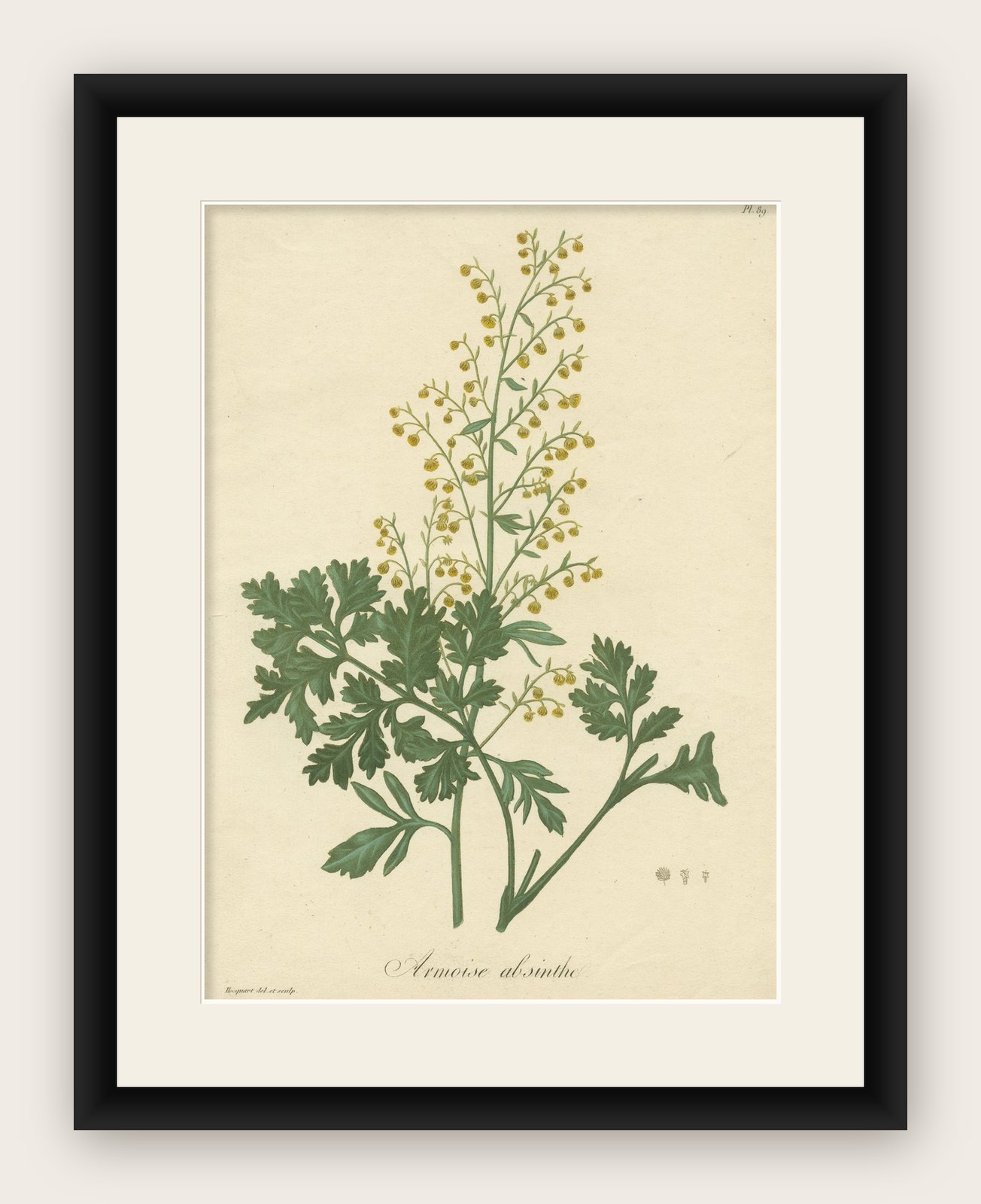
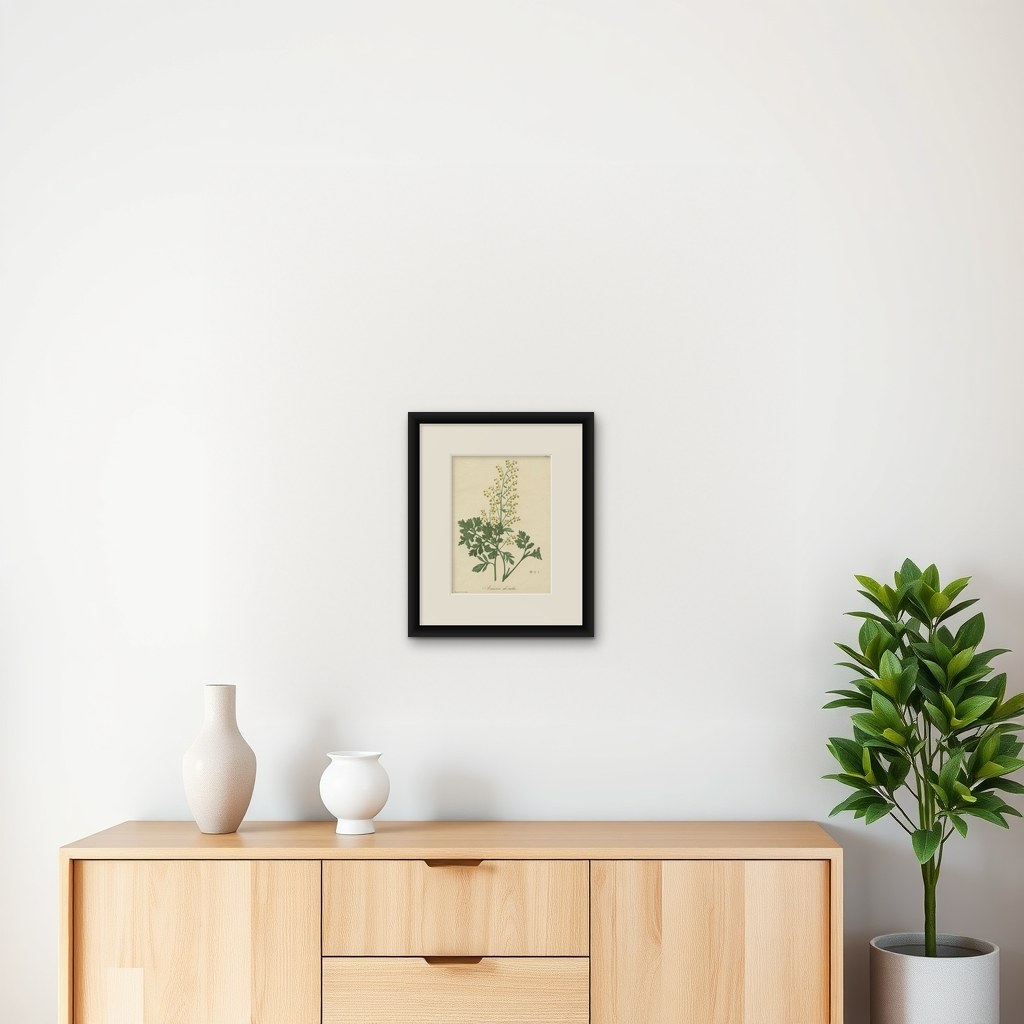

Frame and rooms are illustrations of how the print could look; the description says what is included.
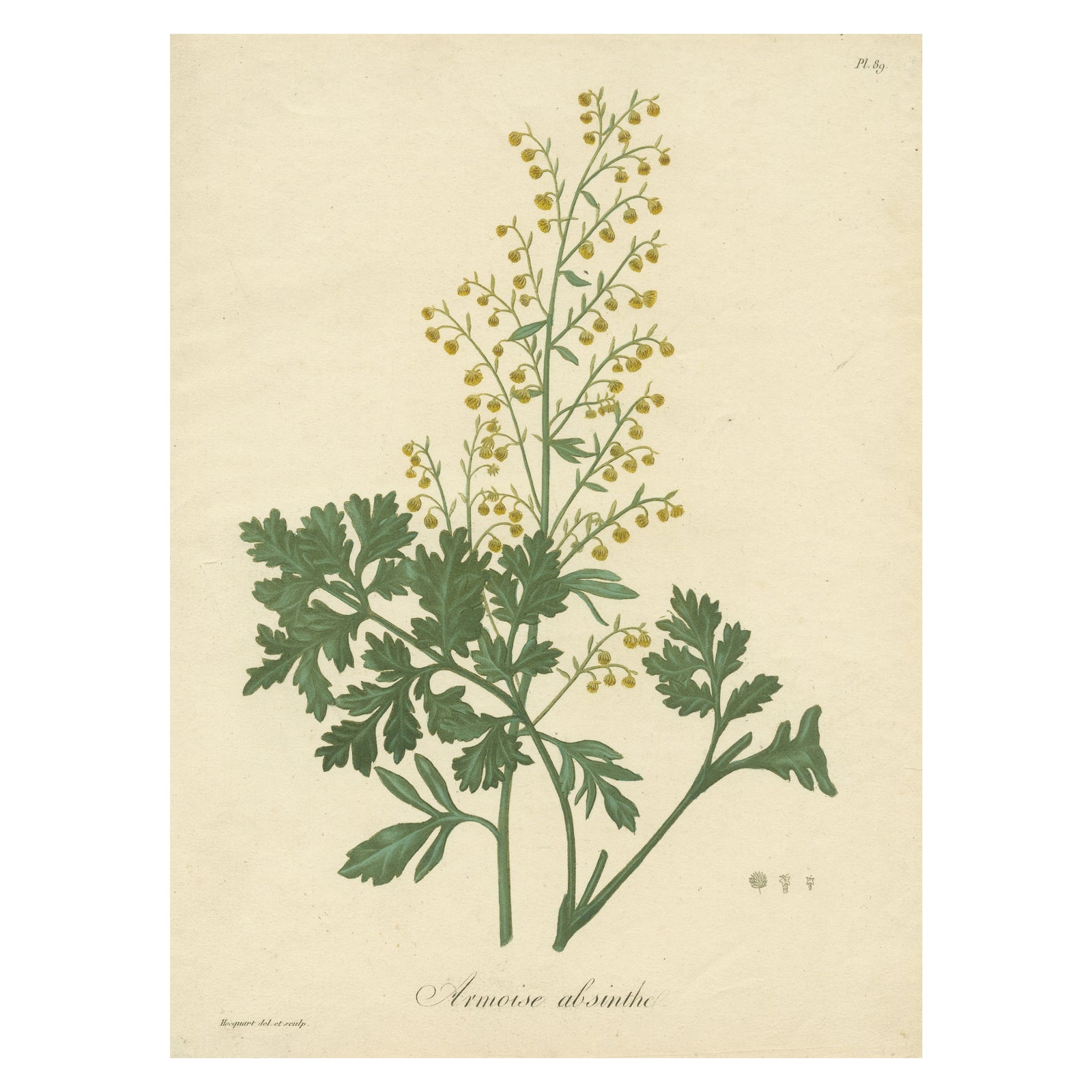
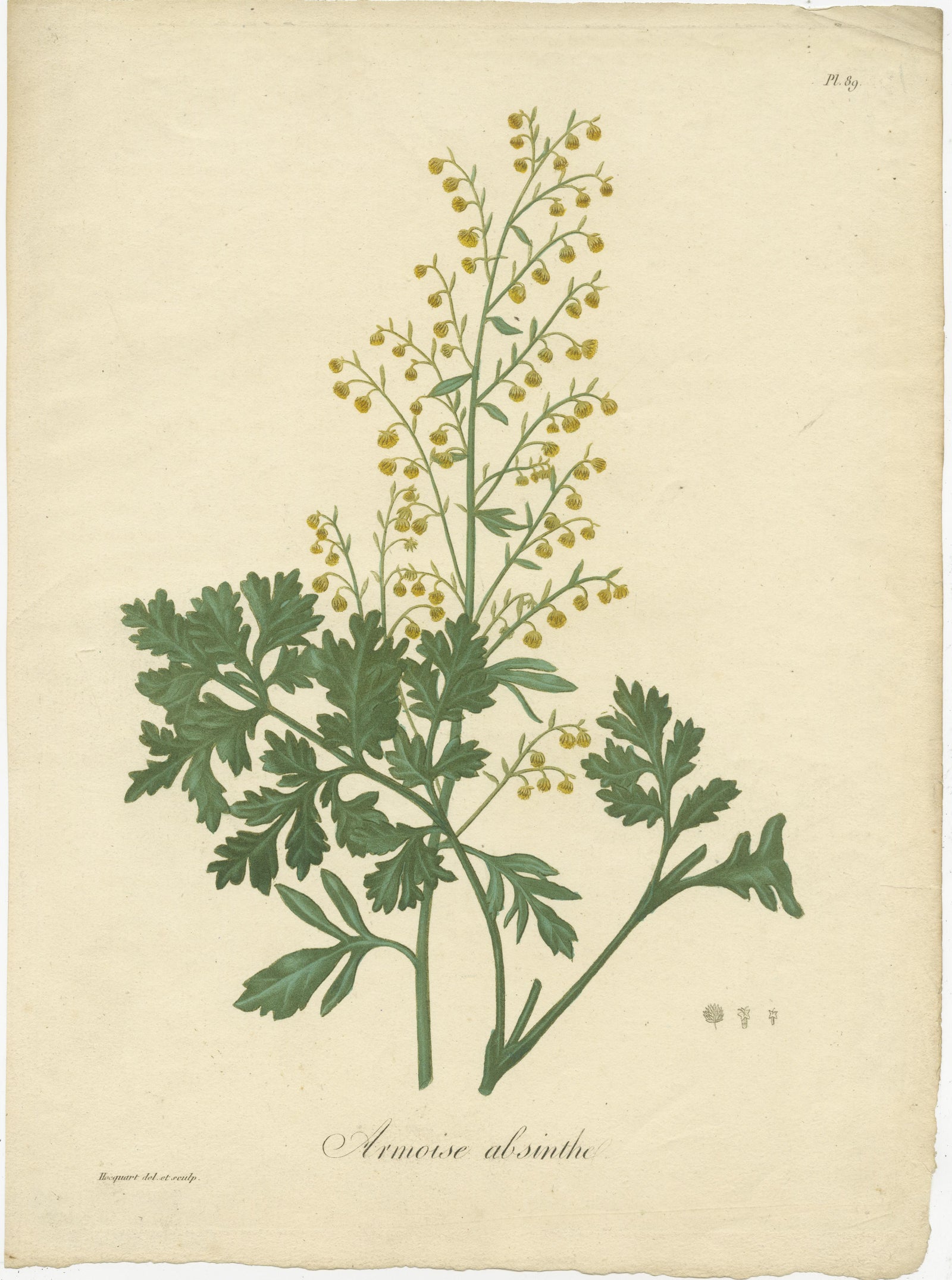
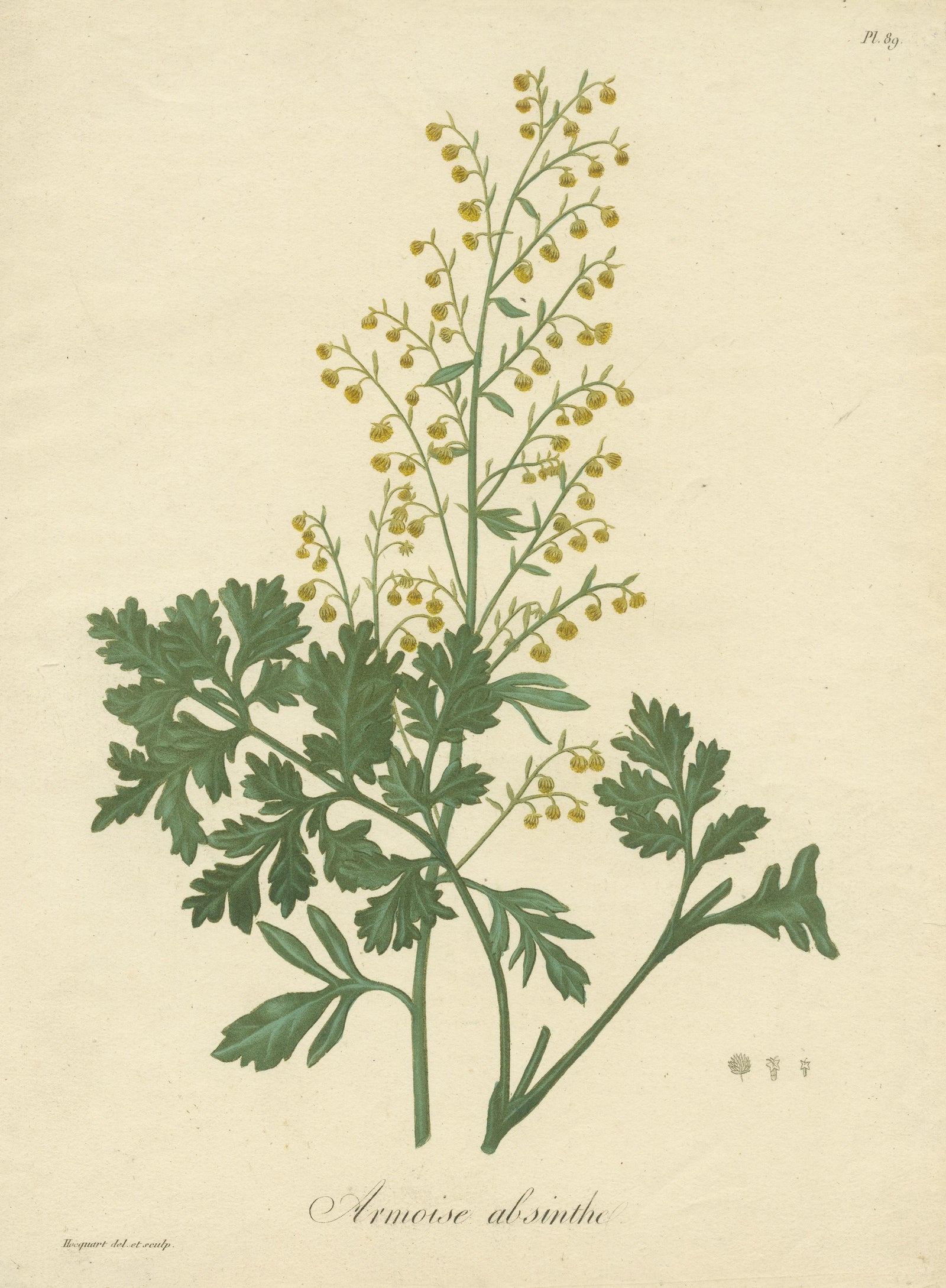
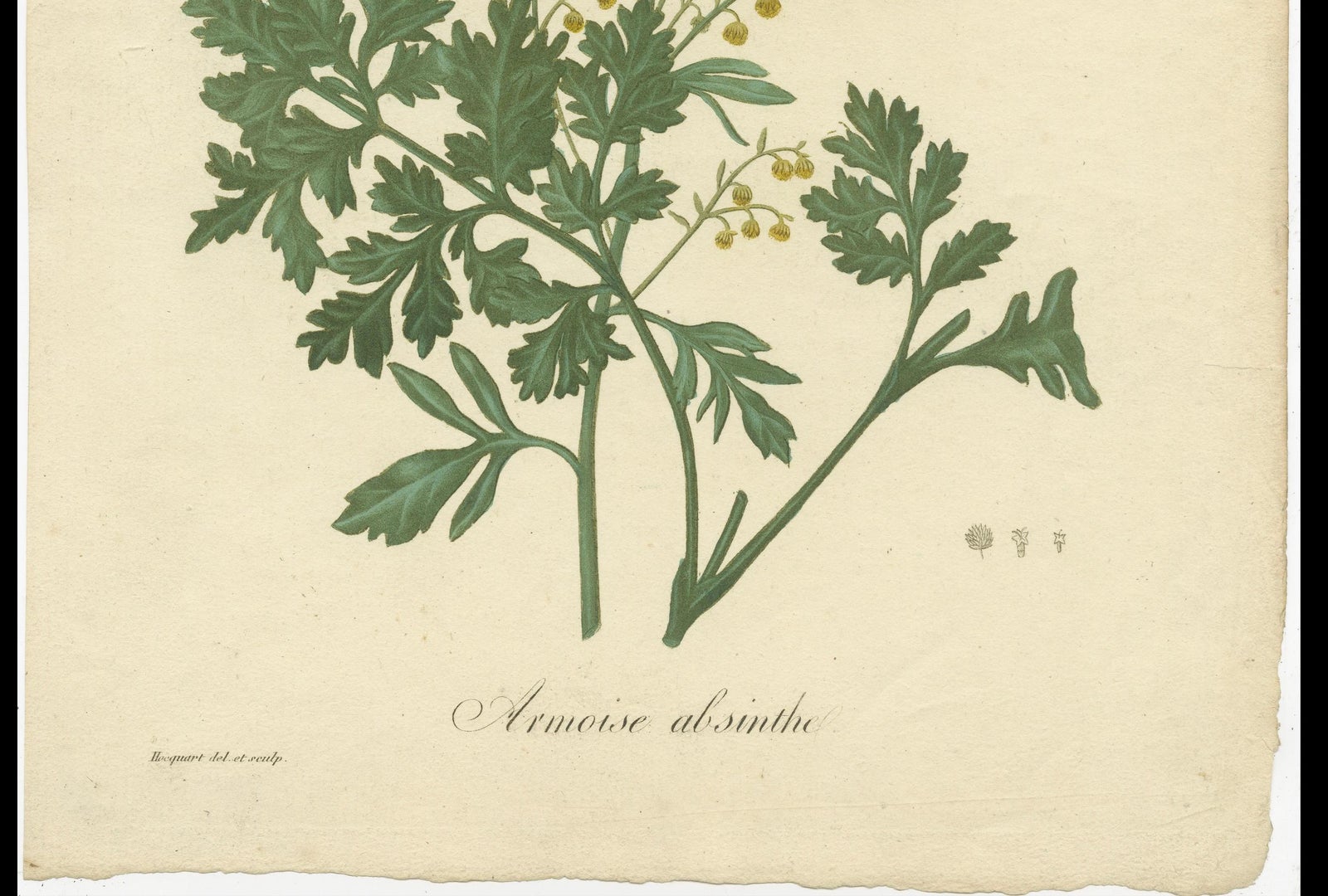
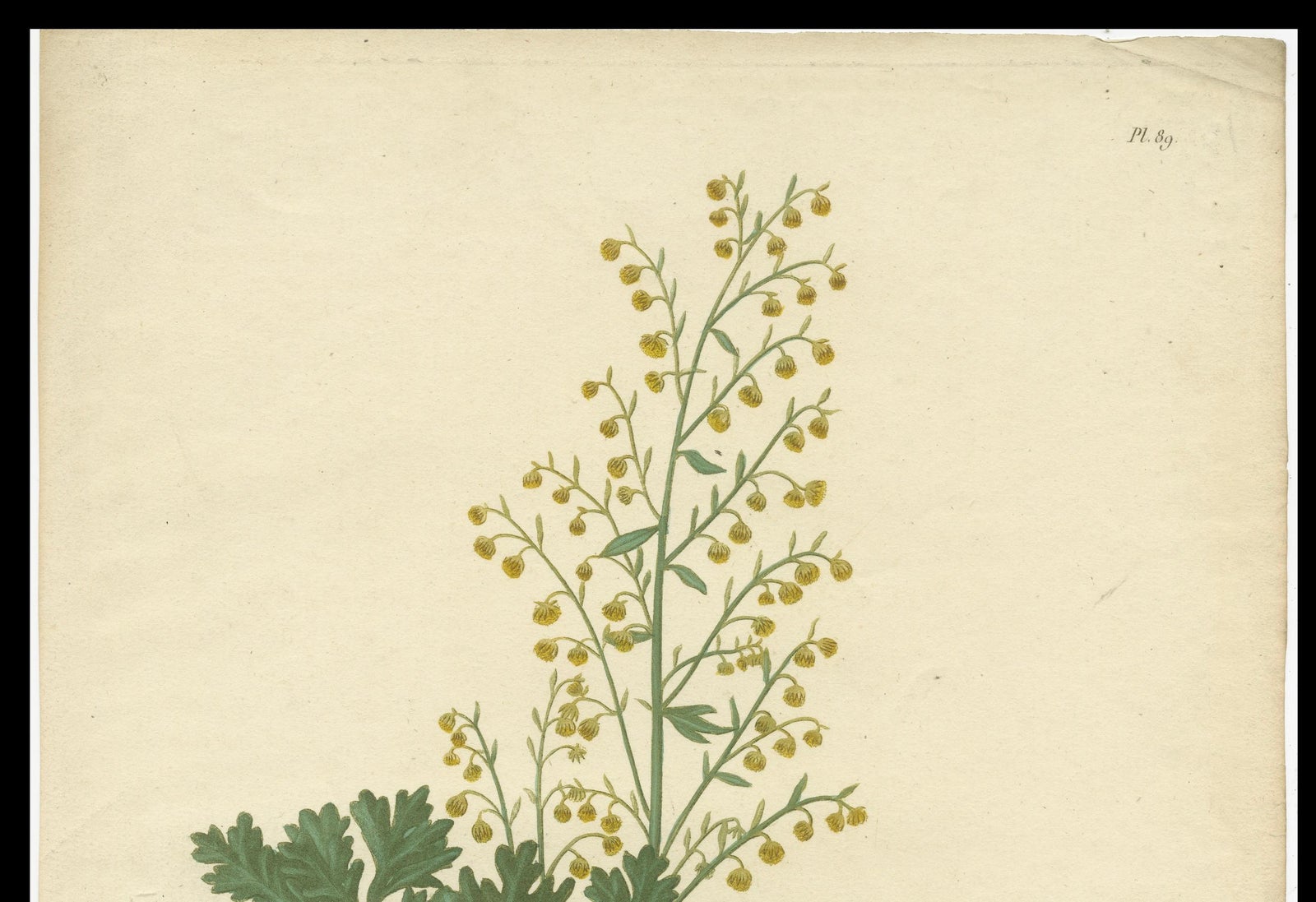
Antique Botanical Print of Artemisia Absinthium or Wormwood, ca.1821
$190 (£145, €170)
Period original, not a reproduction.
Shipped from the Netherlands, flat, insured and tracked, worldwide. Returns accepted within 14 days.
- Date
- 1821
- Size
- 11.9 × 8.8 in (30.3 × 22.3 cm)
- Condition
- Fair. Age-related toning. Shows some staining and creasing in margins. Minor wear, blank verso. Please study image carefully.
- Period
- Early 19th century
- Section
- Botanical
- Reference
- f_38353522
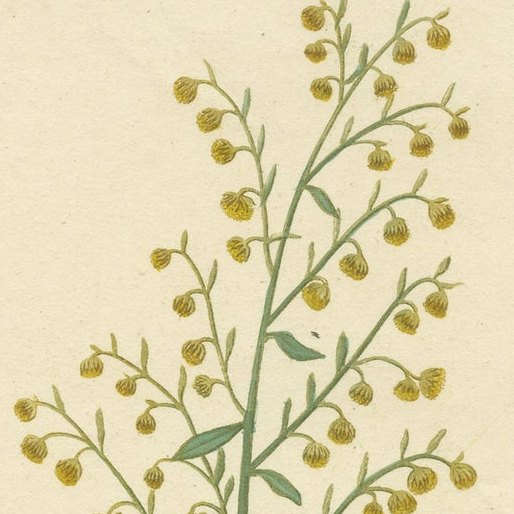
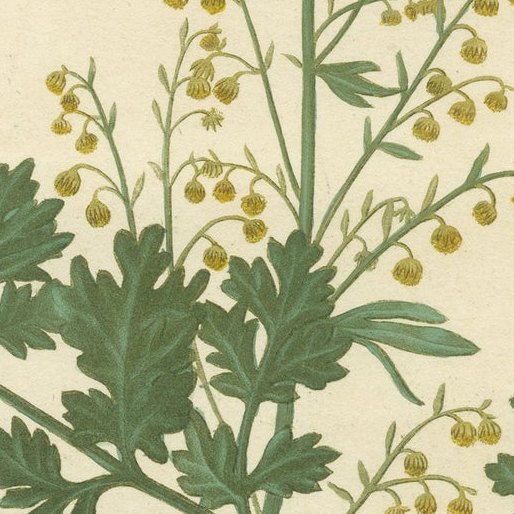
Antique botanical print titled 'Armoise Absinthe'. This print shows the Artemisia Absinthium, also known as wormwood. It is an upright woody-based perennial with finely divided, highly aromatic silver-gray foliage. Tiny, insignificant yellowish flowers appear in dense, leafy, drooping panicles at the stem tips in summer. This print originates from 'Phytographie Medicale' by Joseph Roques. Engraved by Édouard Auguste Patrice Hocquart. Published circa 1821.
Édouard Auguste Patrice Hocquart (1789–1870), frequently cited as L. F. J. Hoquart, was a French publisher, writer, artist and engraver, noted for his colour plates illustrating Joseph R. Roques's (1772–1850) materia medica publication Phytographie médicale of 1821–1824.
More details:
The Artemisia Absinthium, or wormwood, is special for several reasons, both botanical and cultural:
1. **Aromatic Foliage**: Wormwood is highly valued for its finely divided, silver-gray foliage that is not only visually striking but also highly aromatic. This makes it a favored plant in gardens for both its aesthetic appeal and its ability to add a unique fragrance.
2. **Medicinal Uses**: Historically, wormwood has been used for its medicinal properties. It is perhaps most famous for being a key ingredient in absinthe, a potent alcoholic beverage that became synonymous with bohemian culture in the 19th and early 20th centuries. Beyond absinthe, wormwood has been used in traditional medicine for various purposes, including as a digestive tonic and to treat worm infestations.
3. **Cultural Significance**: Wormwood's association with absinthe gives it a special place in cultural history, particularly within the realms of art and literature. It was believed to stimulate creativity and was favored by many artists and writers, contributing to its mystique and allure.
4. **Botanical Interest**: The plant's growth habit, with its upright, woody base and the display of tiny, yellowish flowers in dense, leafy panicles, adds a subtle beauty and texture to gardens. Its resilience and the ease with which it can be cultivated in a variety of soils and conditions make it an interesting subject for botanical study and cultivation.
5. **Conservation and Natural Remedies**: Despite its toxic properties, wormwood continues to be explored for its potential in natural pest control and herbal remedies, demonstrating the ongoing interest in sustainable and eco-friendly gardening and farming practices.
These aspects combine to make the Artemisia Absinthium a plant of significant interest across different fields, from botany and gardening to history, medicine, and culture.