Framed and on the wall
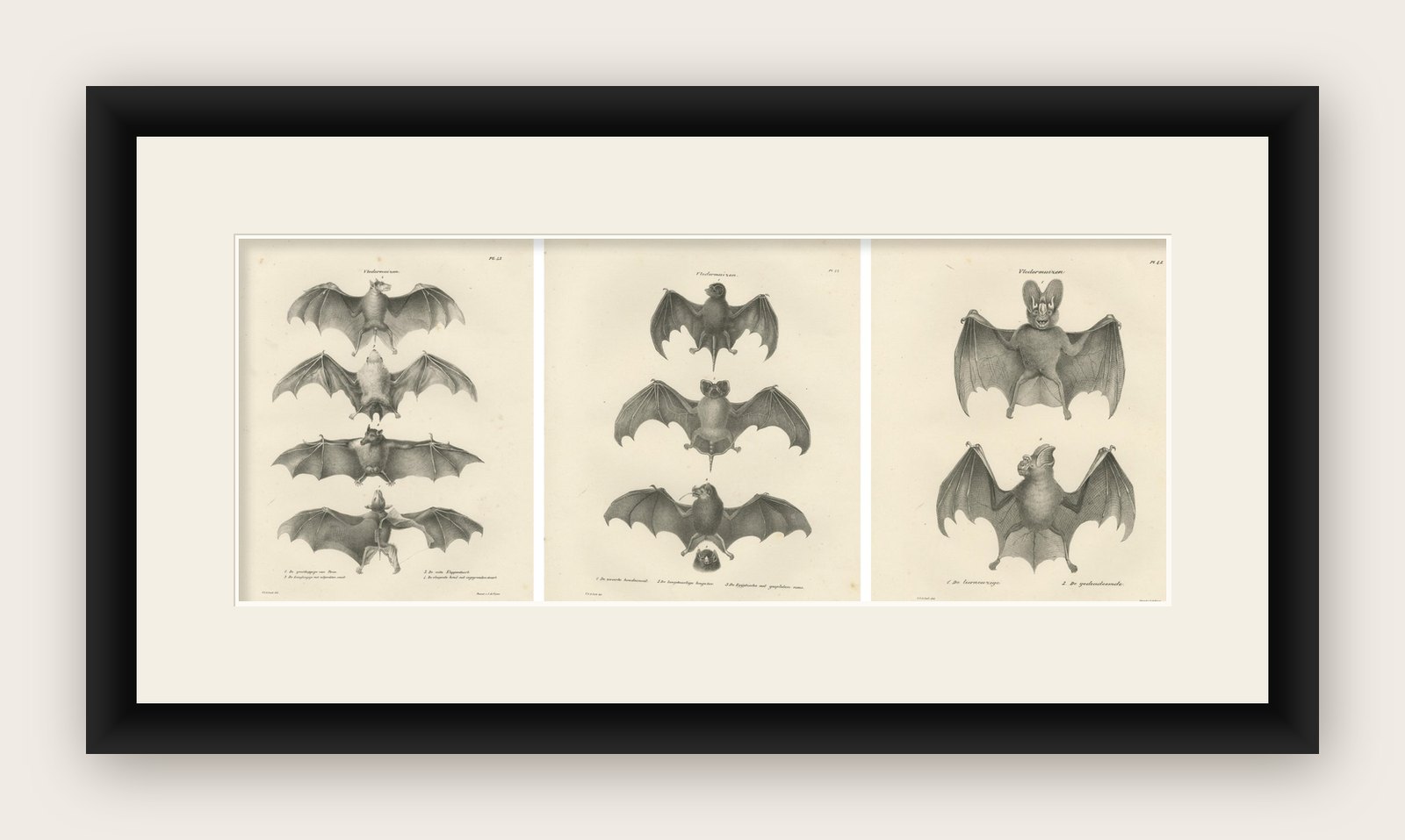


Frame and rooms are illustrations of how the print could look; the description says what is included.
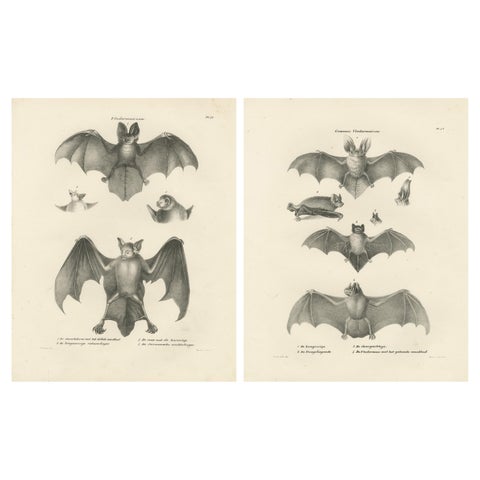
Anatomical Studies of Bats from 'The Mammals' Natural History Publication, 1836
£505 ($670, €599)
Period original, not a reproduction.
Shipped from the Netherlands, flat, insured and tracked, worldwide. Returns accepted within 14 days.
- Date
- 1836
- Size
- 12.7 × 10.2 in (32.2 × 26 cm)
- Condition
- Good, given age. Light foxing / soiling. General age-related toning and/or occasional minor defects from handling. Please study scan carefully.
- Period
- Early 19th century
- Section
- Mammals
- Reference
- f_41763212
What the condition grades mean
- Excellent
- Bright and clean, with no faults worth mentioning.
- Very good
- Only light signs of age, such as faint toning.
- Good
- Normal signs of age for a sheet of this period: toning, some foxing, small marks or neat old repairs.
- Fair
- Clear faults such as staining, tears or repairs, priced to match.
Every fault we see is written in the condition note, and the whole sheet is shown uncropped in the photos.
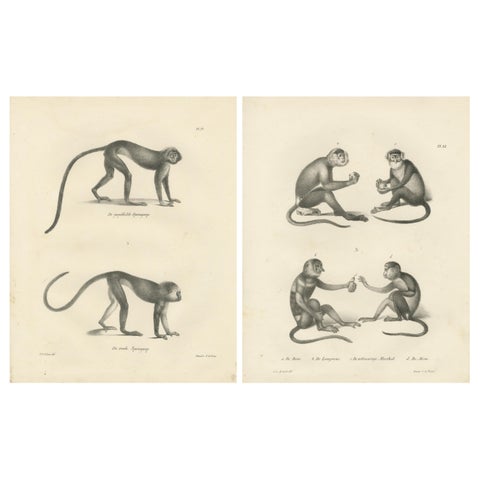
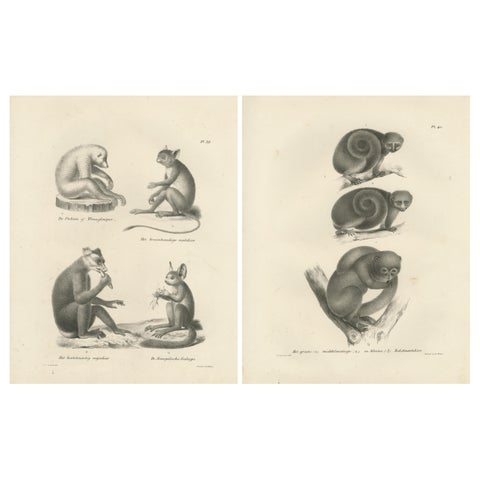
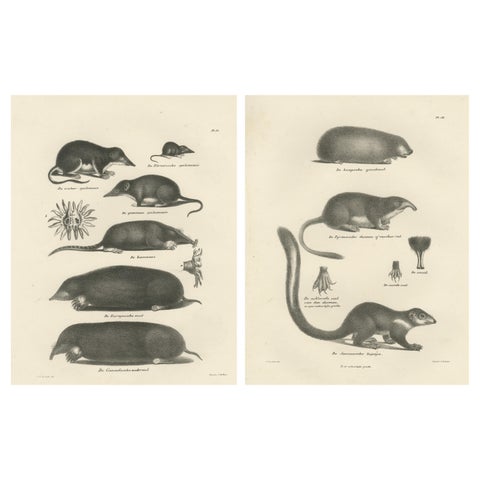
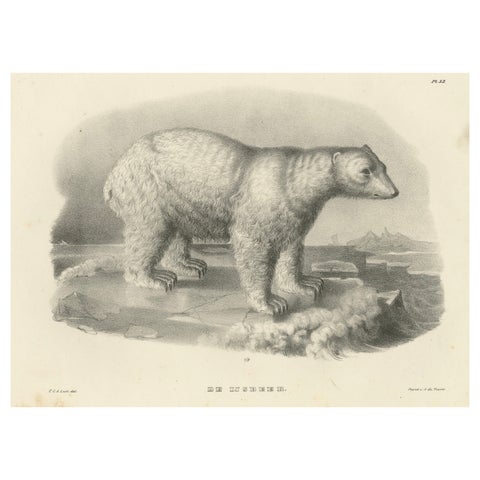
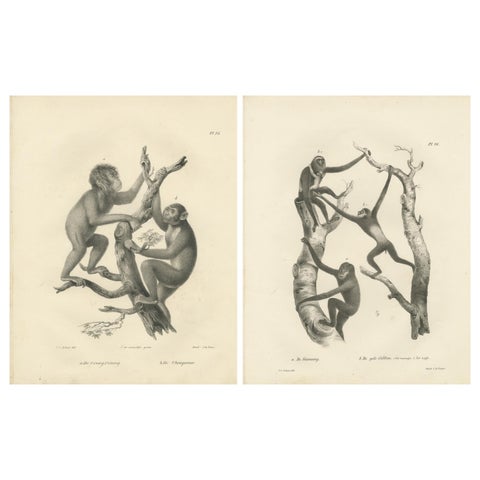
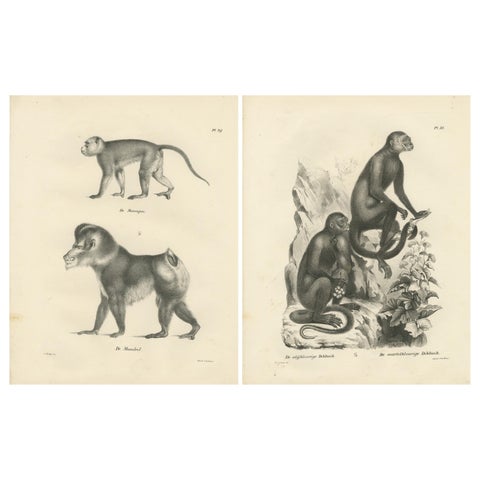
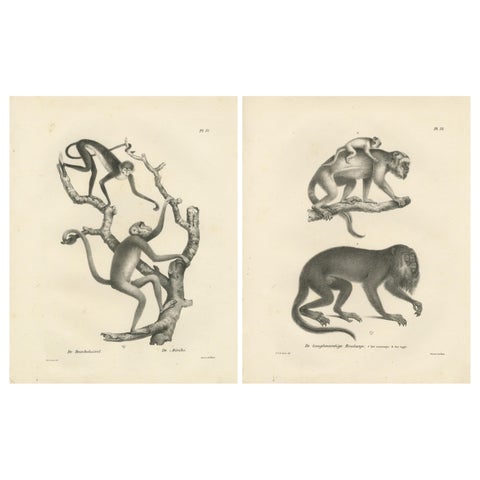
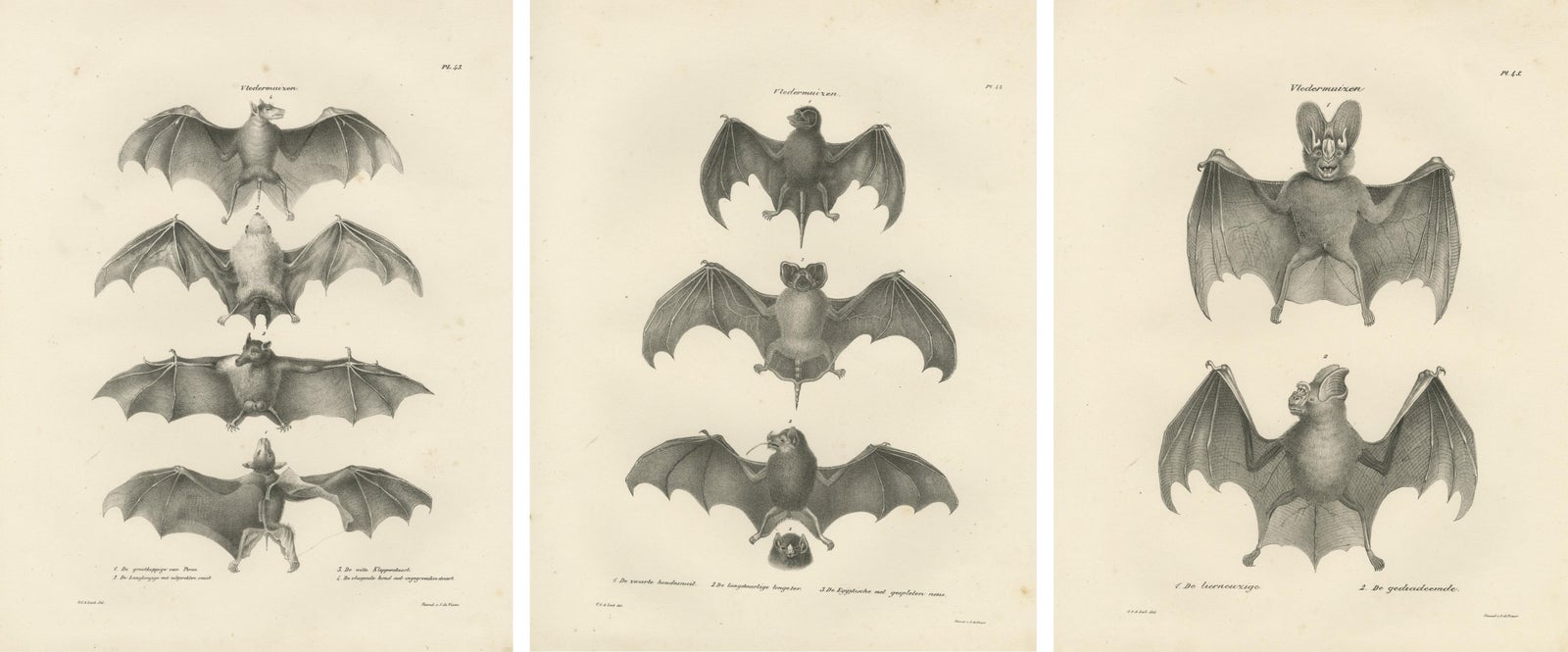
The series of lithographs depicting bats ("Vledermuizen") by Cornelis Christiaan Antonie Last were published as part of a larger zoological work titled "De Zoogdieren: afgebeeld en in hunne levenswijze geschetst" (Mammals: Illustrated and Described in Their Habits), published by S. de Visser in the mid-19th century.
This work aimed to provide an illustrated account of mammals, combining detailed lithographic plates with descriptions of the animals' behaviors and habitats. The publication reflects the 19th-century drive to document natural history comprehensively, making scientific knowledge more accessible through art. Last's precise lithographs complemented the textual content, giving readers both a visual and scholarly understanding of each species.
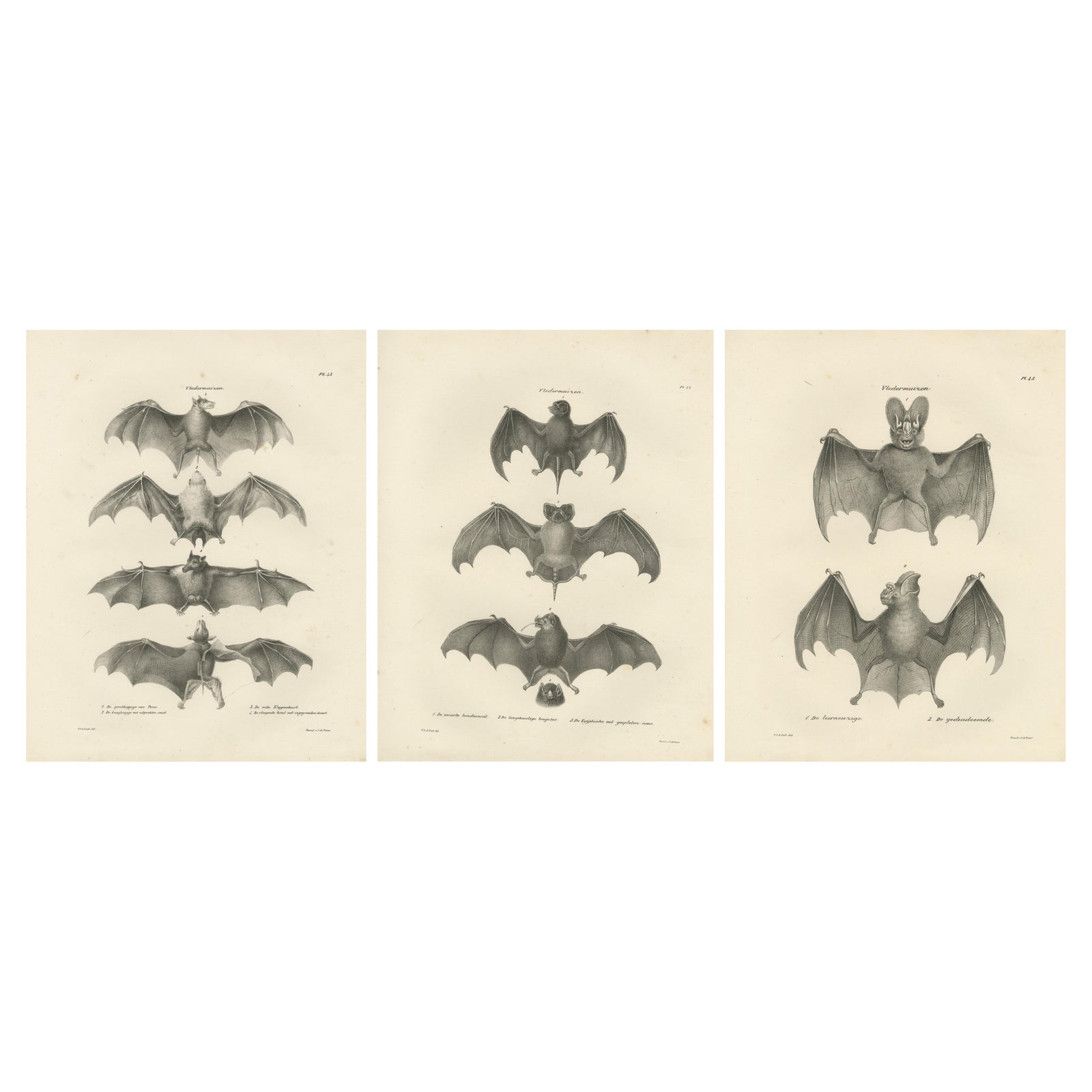
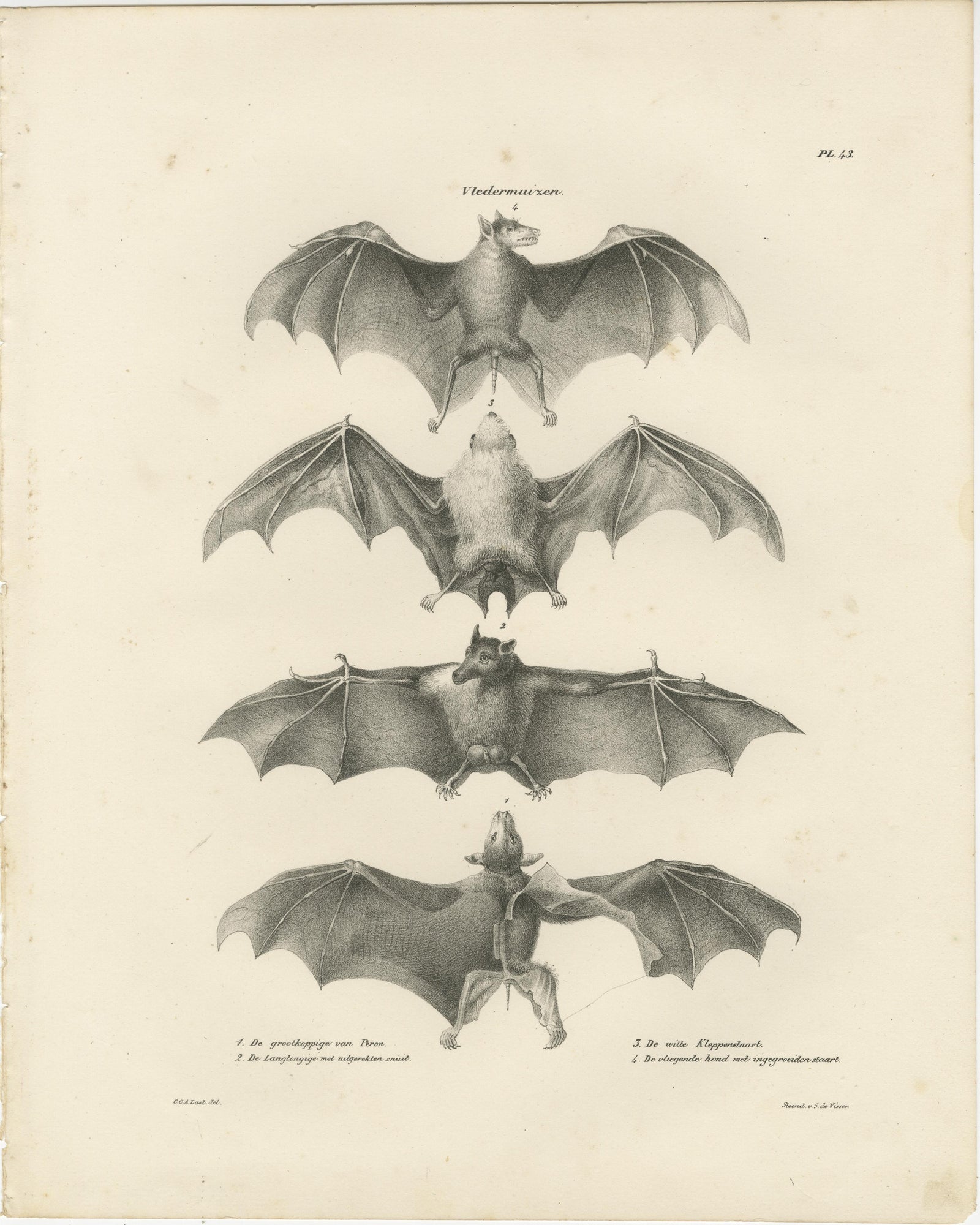
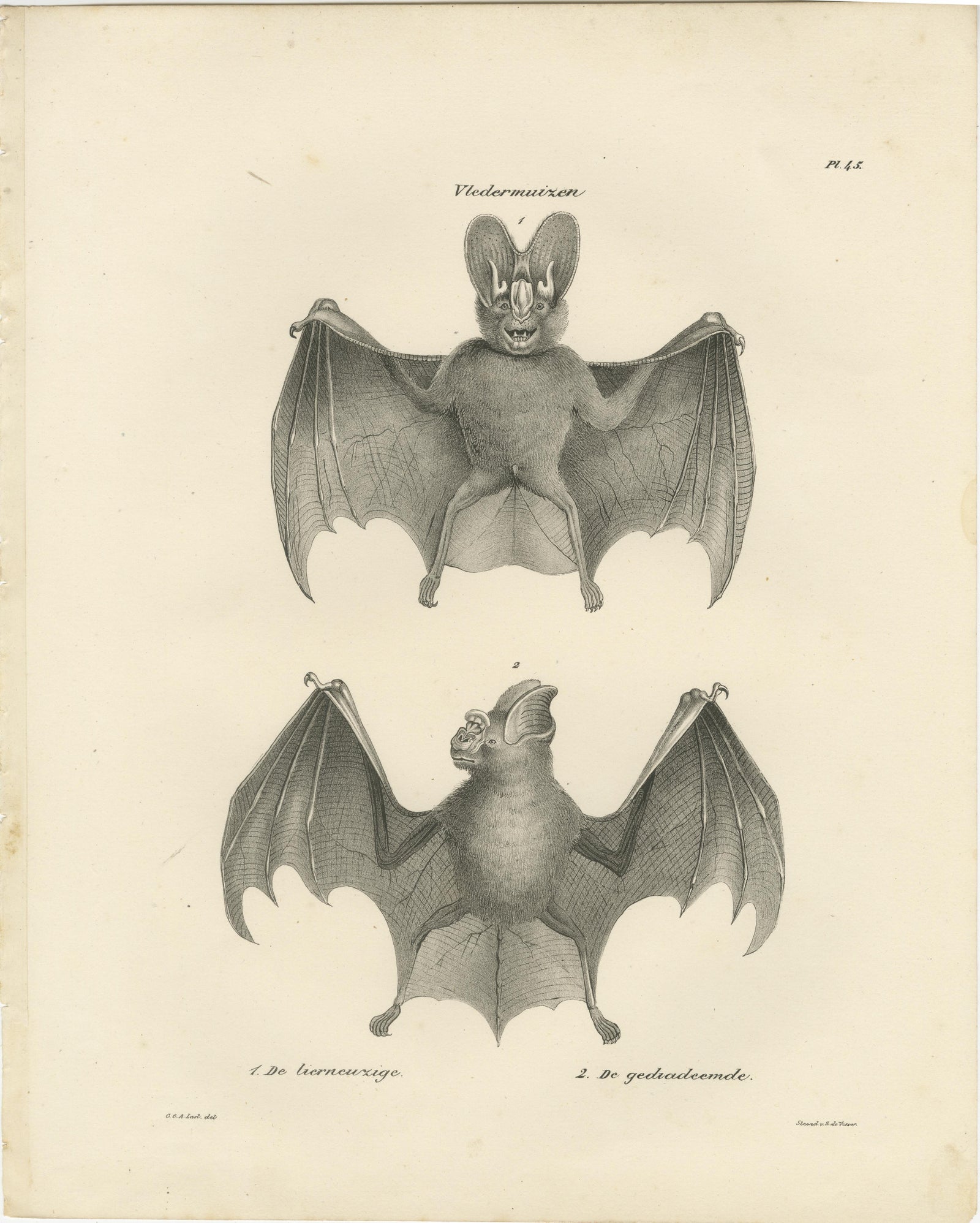
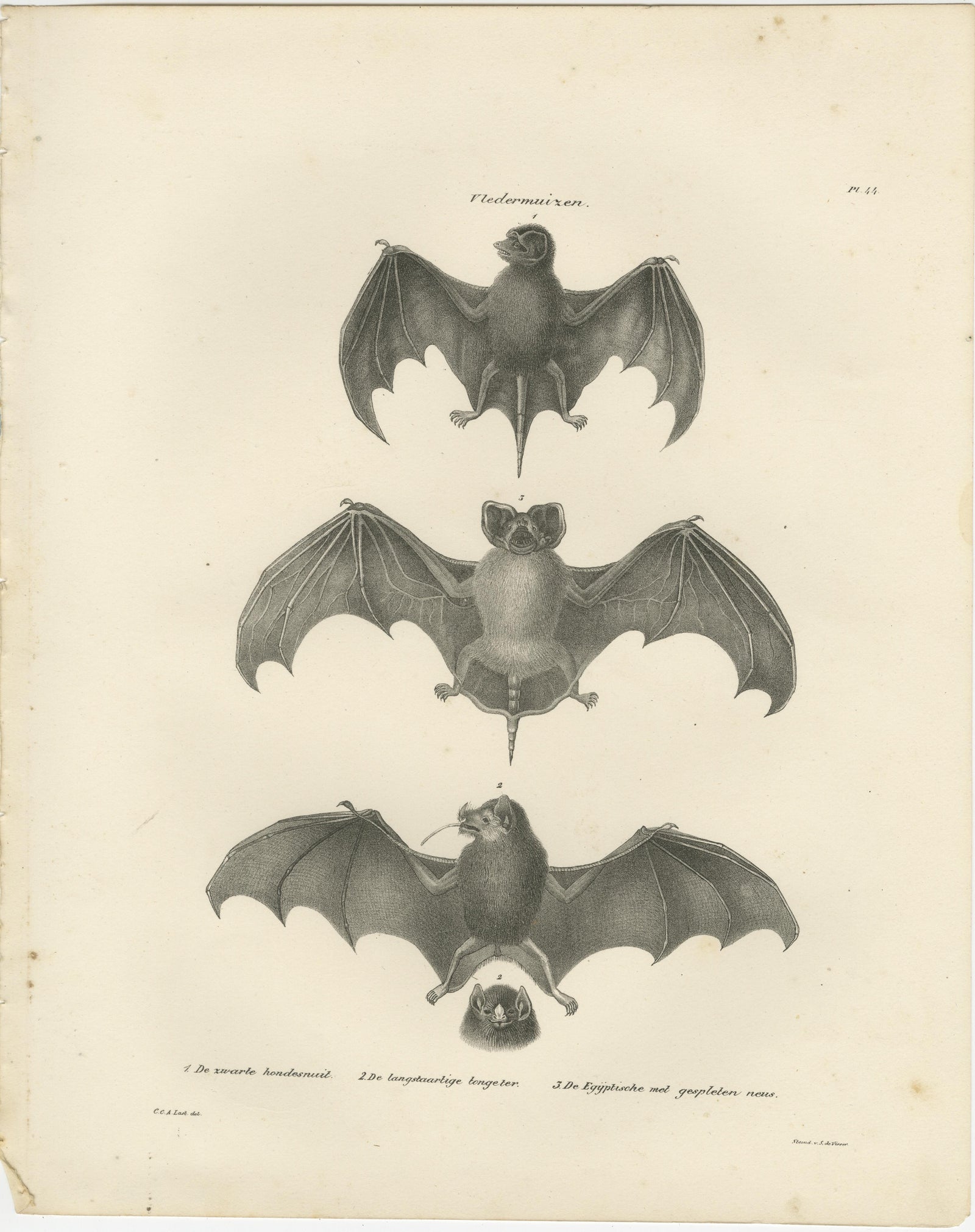
The three prints you provided depict detailed lithographs of various bat species, labeled "Vledermuizen" (bats) in Dutch. These prints were created by the Dutch artist Cornelis Christiaan Antonie Last (1808–1876), a highly skilled draughtsman and lithographer known for his precise and scientifically valuable works. Each of the bats is rendered with remarkable attention to anatomical detail, showcasing the artist's ability to capture both the form and texture of these creatures with accuracy.
The lithographs are examples of "steendruk," or lithography, a printing technique that was gaining popularity in the 19th century. Lithography allowed for highly detailed images to be reproduced more efficiently than previous methods like engraving. The publication of these prints by S. de Visser, a prominent publisher based in the Netherlands, signifies their importance within natural history publications of the time.
Here are the animals depicted in the prints and their corresponding English names:
1. De grootkoppige vos (Pteropus)
English: Large-headed Flying Fox (Fruit Bat)
2. De langooreige met afgeronde snuit
English: Long-eared Bat with Rounded Snout
3. De zwarte klapneusbaard
English: Black Bearded Bat
4. De langsnuitige bengelaar
English: Long-snouted False Vampire Bat
5. De Egyptische met gegroefde neus
English: Egyptian Fruit Bat (Rousettus aegyptiacus)
6. De leeuwenzeige
English: Lion-faced Bat (likely referring to the Hammer-headed Bat)
7. De gedradeemde
English: Lined Bat (refers to bats with distinctive fur markings or ridges on the snout)
Cornelis C.A. Last, who studied at the Royal Academy of Fine Arts in Amsterdam, was well-known for his contributions to zoological illustrations, providing accurate depictions of various species that were used for educational purposes. His works often accompanied scholarly texts, bridging art and science.
S. de Visser, the publisher, played a significant role in disseminating scientific knowledge through print. By using lithography, they were able to produce detailed and accessible images for educational use, contributing to the broader 19th-century effort to document and share natural history in a more comprehensive way. This collaboration between Last and de Visser is emblematic of the intersection between art and scientific discovery during the period, making these prints not only beautiful representations of wildlife but also important historical documents.
These plates likely formed part of a broader zoological work, aimed at cataloging and educating the public or scholars about various animal species, reflecting the growing interest in natural sciences during this time.