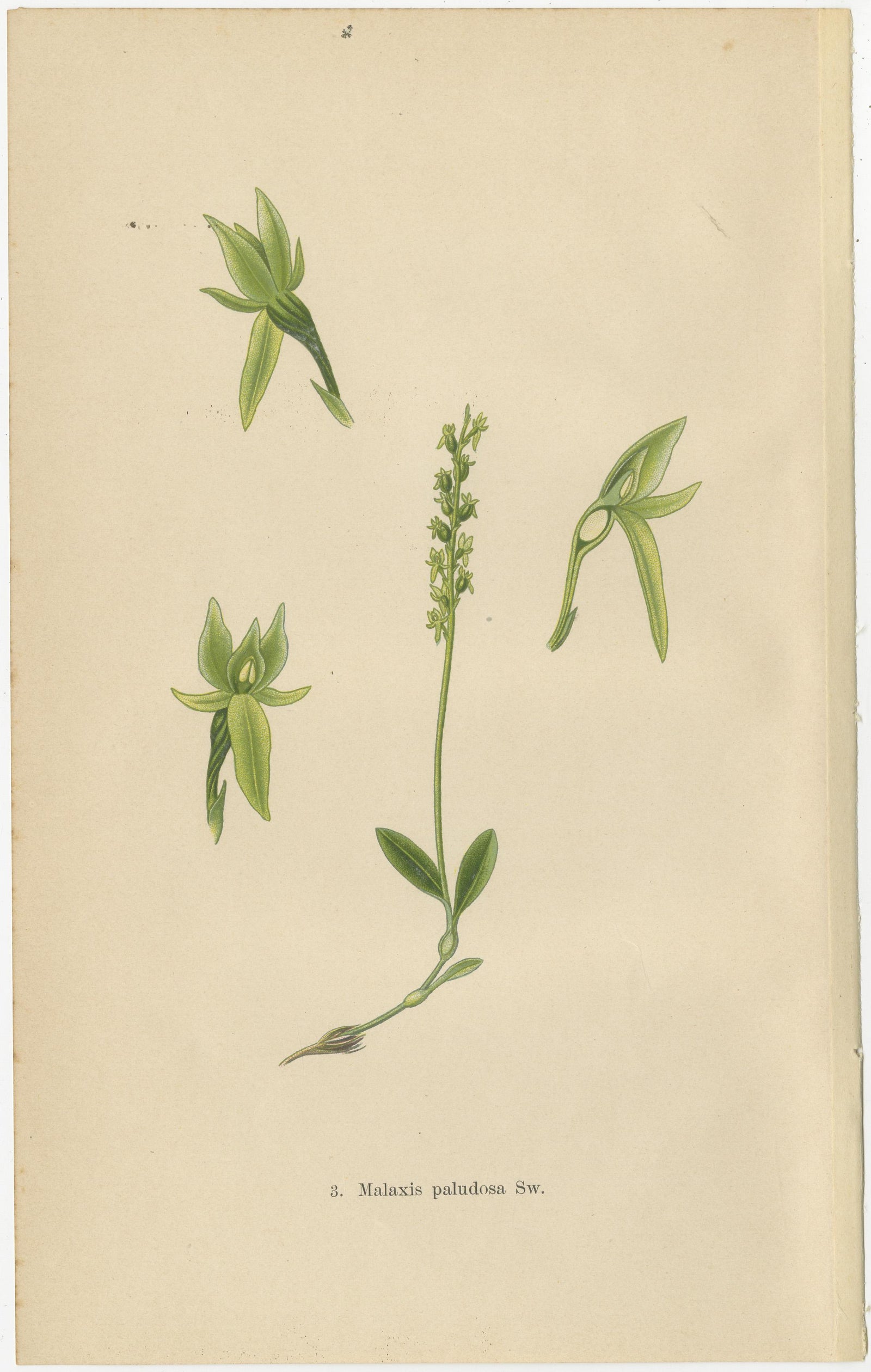
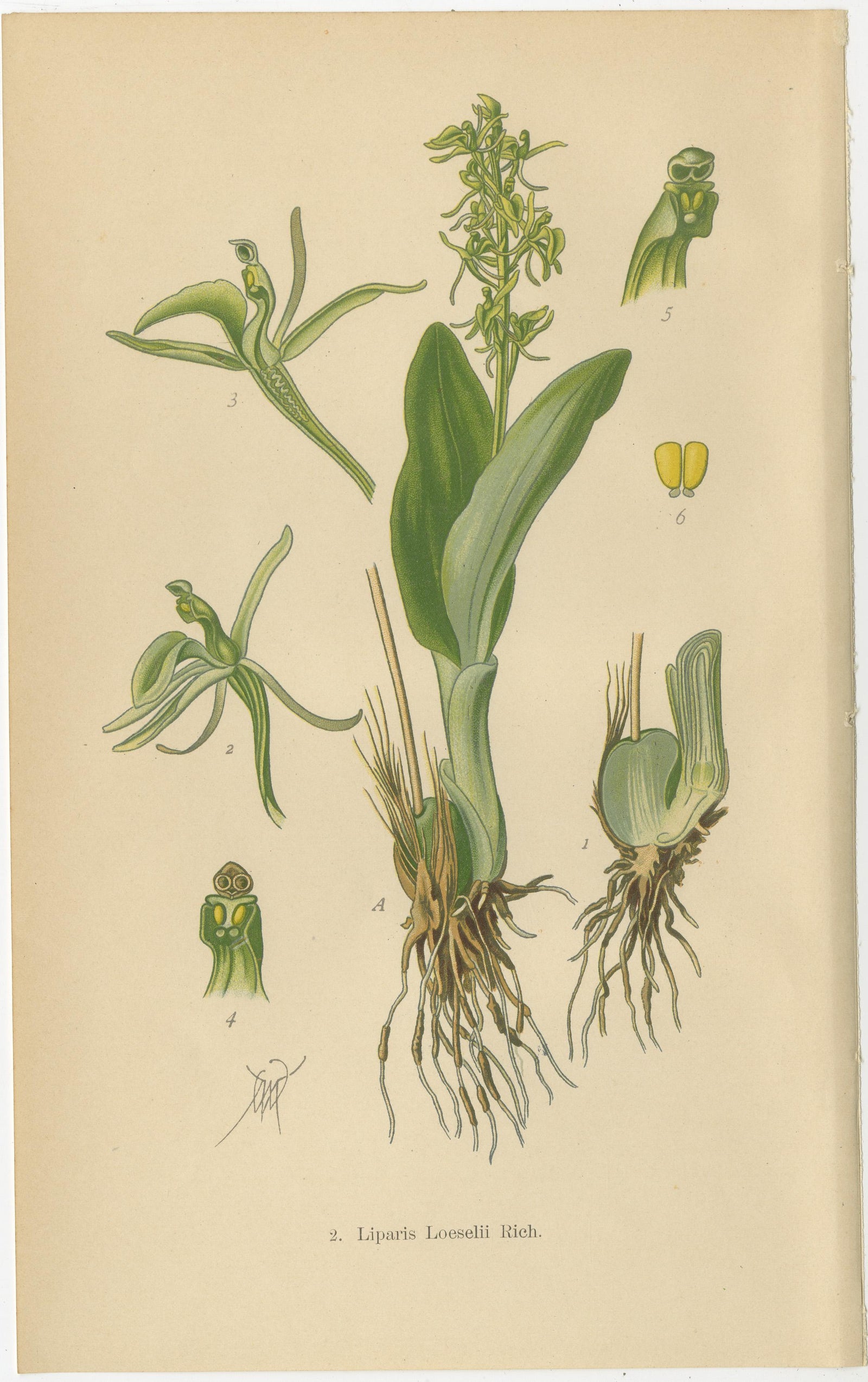
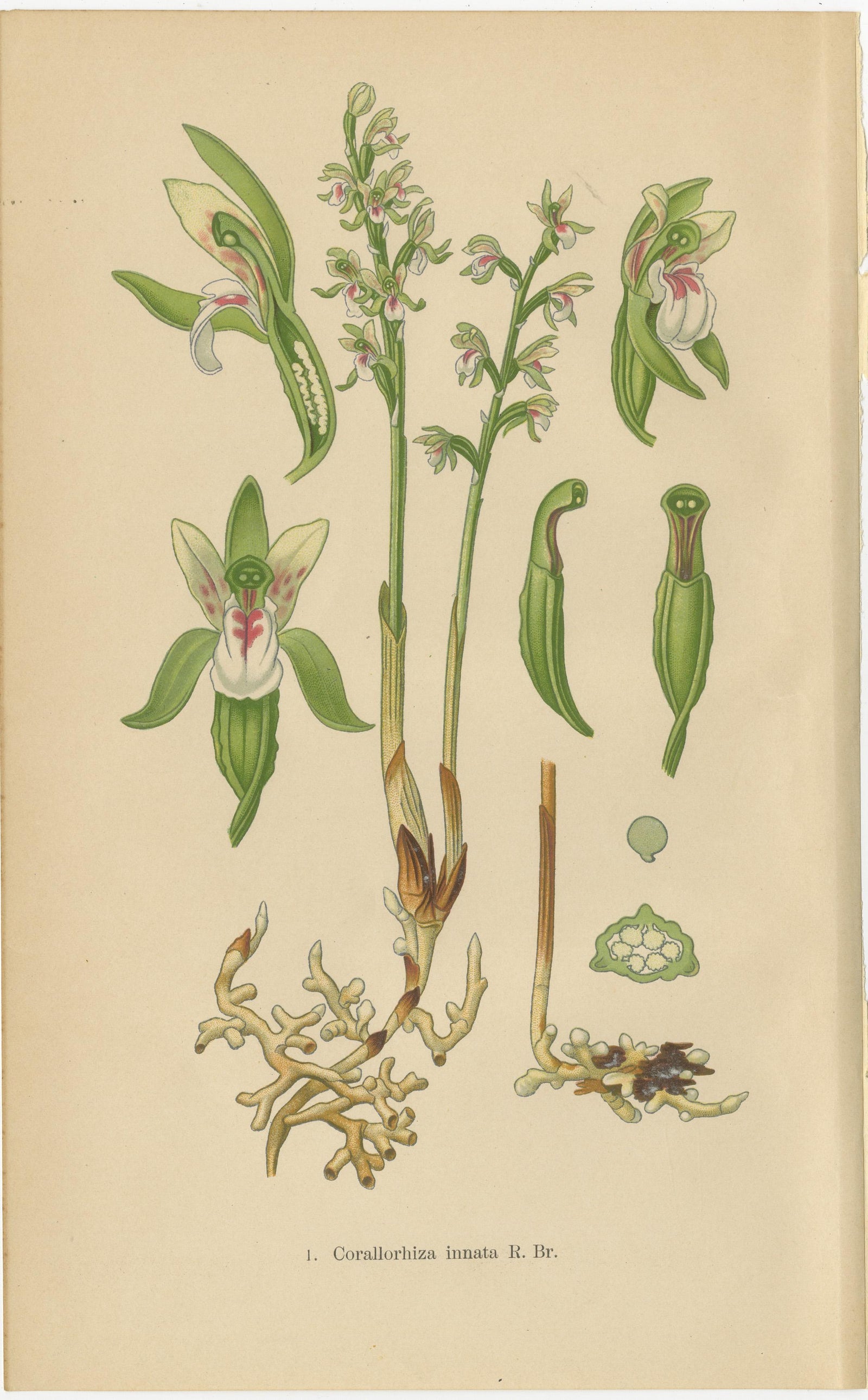
Close-ups
Framed and on the wall


Frame and rooms are illustrations of how the print could look; the description says what is included.
Alpine to Woodland: The Orchid Spectrum of 1904 in Antique Prints
£295 ($390, €350)
Period original, not a reproduction.
Shipped from the Netherlands, flat, insured and tracked, worldwide. Returns accepted within 14 days.
- Date
- 1904
- Size
- 9.4 × 5.9 in (24 × 15 cm)
- Condition
- Good. Good. One edge rough, but leaving enough space for matting or framing. Study the images carefully.
- Period
- 20th century
- Section
- Botanical
- Reference
- f_38175982
What the condition grades mean
- Excellent
- Bright and clean, with no faults worth mentioning.
- Very good
- Only light signs of age, such as faint toning.
- Good
- Normal signs of age for a sheet of this period: toning, some foxing, small marks or neat old repairs.
- Fair
- Clear faults such as staining, tears or repairs, priced to match.
Every fault we see is written in the condition note, and the whole sheet is shown uncropped in the photos.
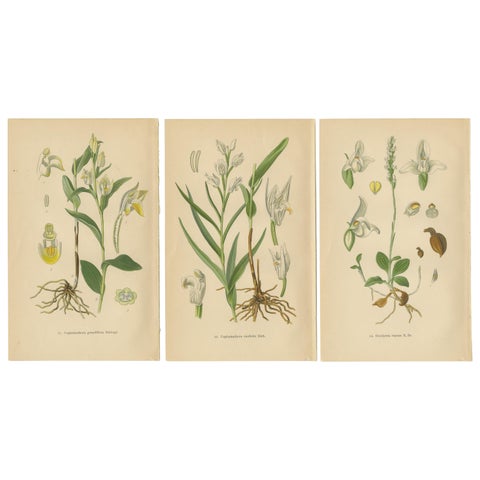
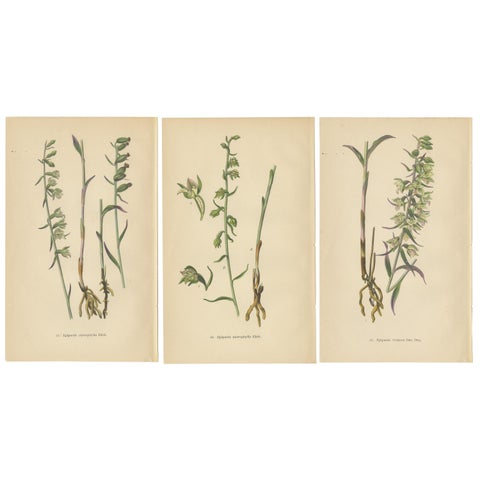
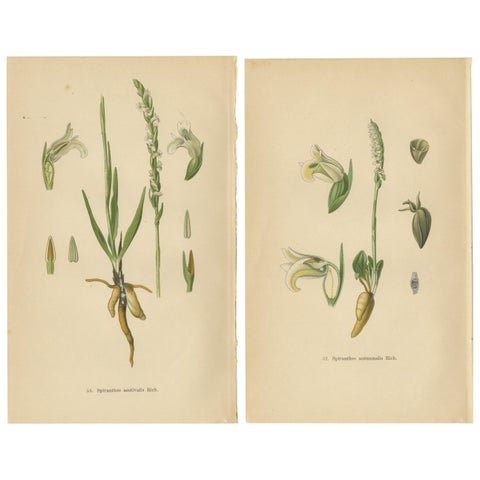
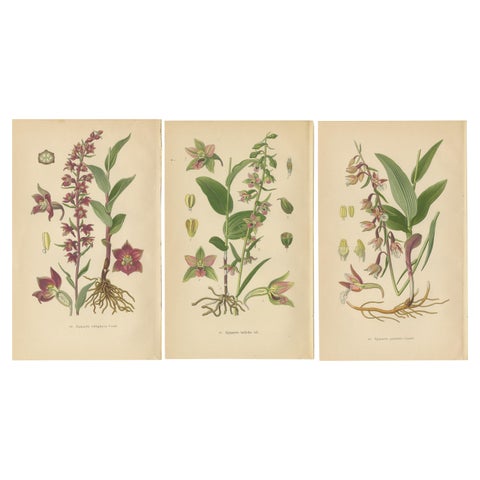
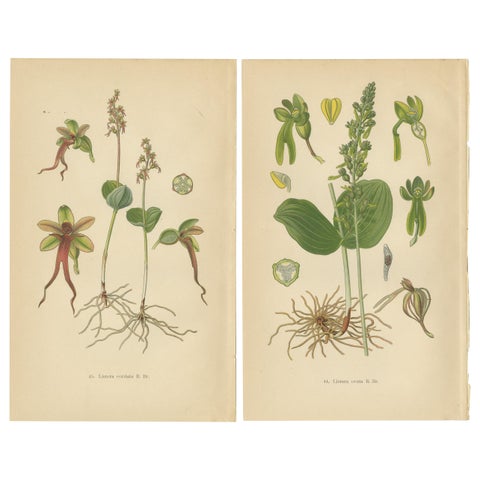
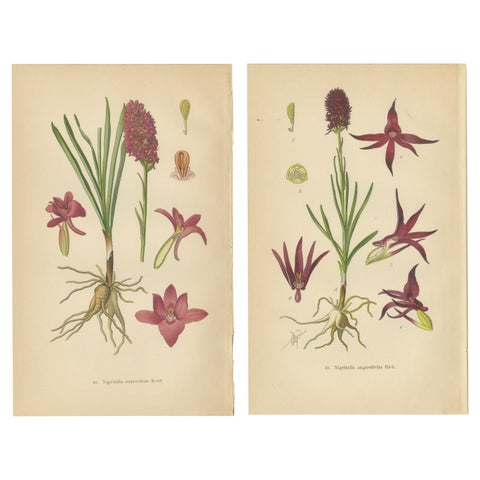
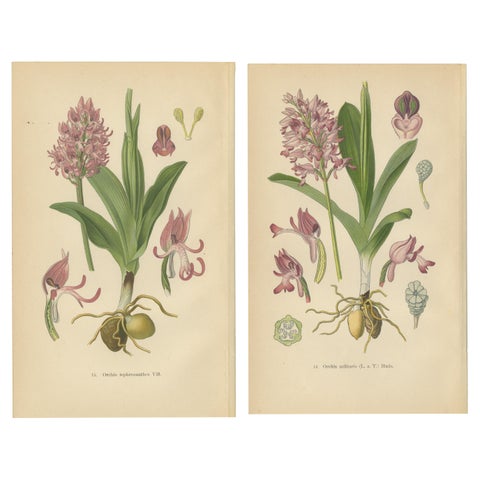
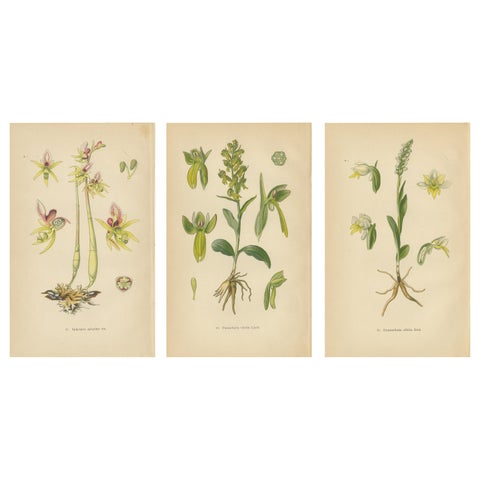
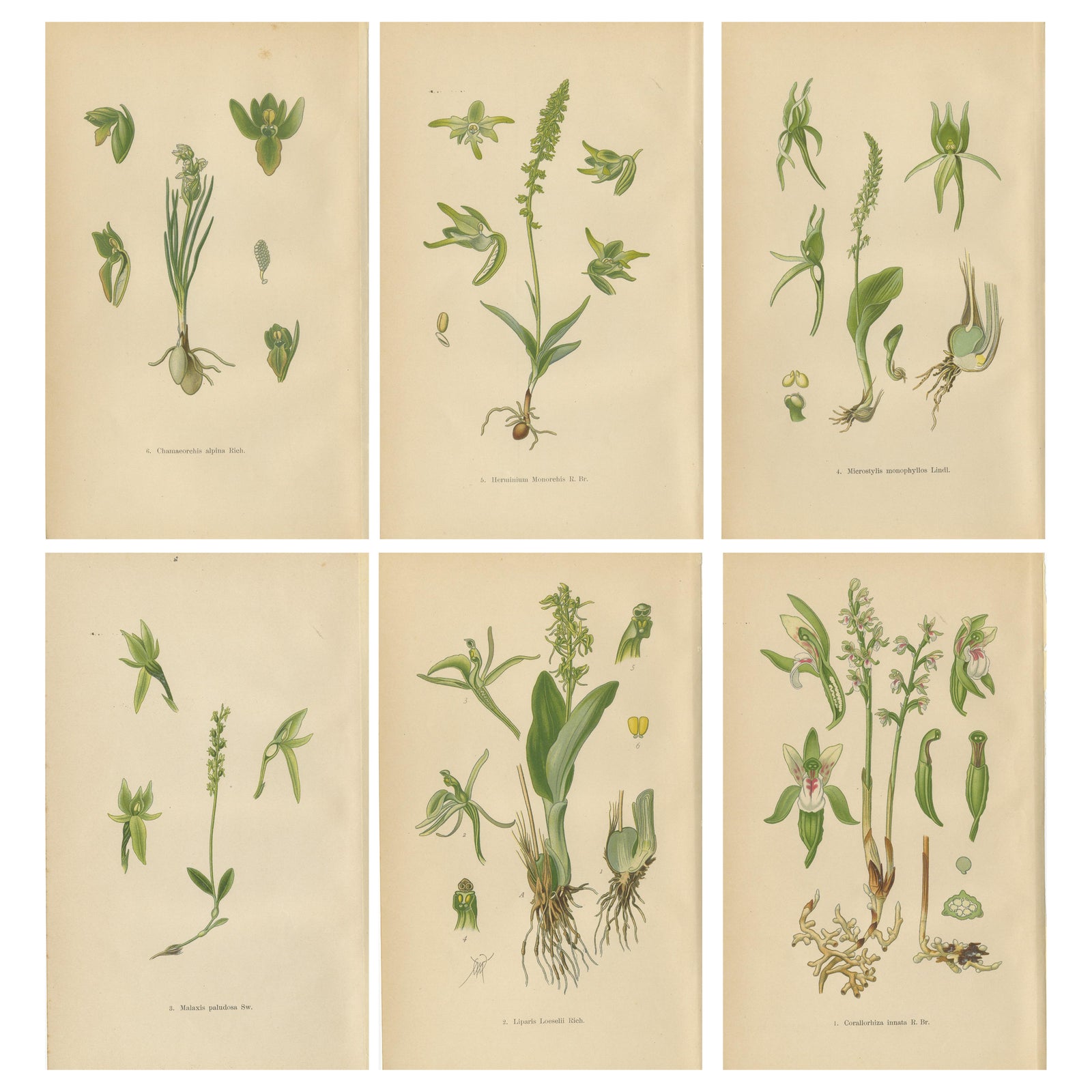
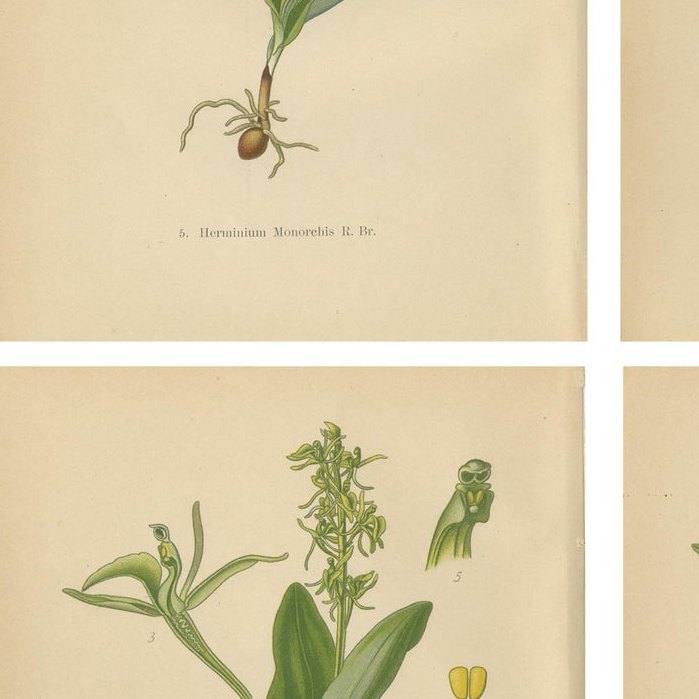
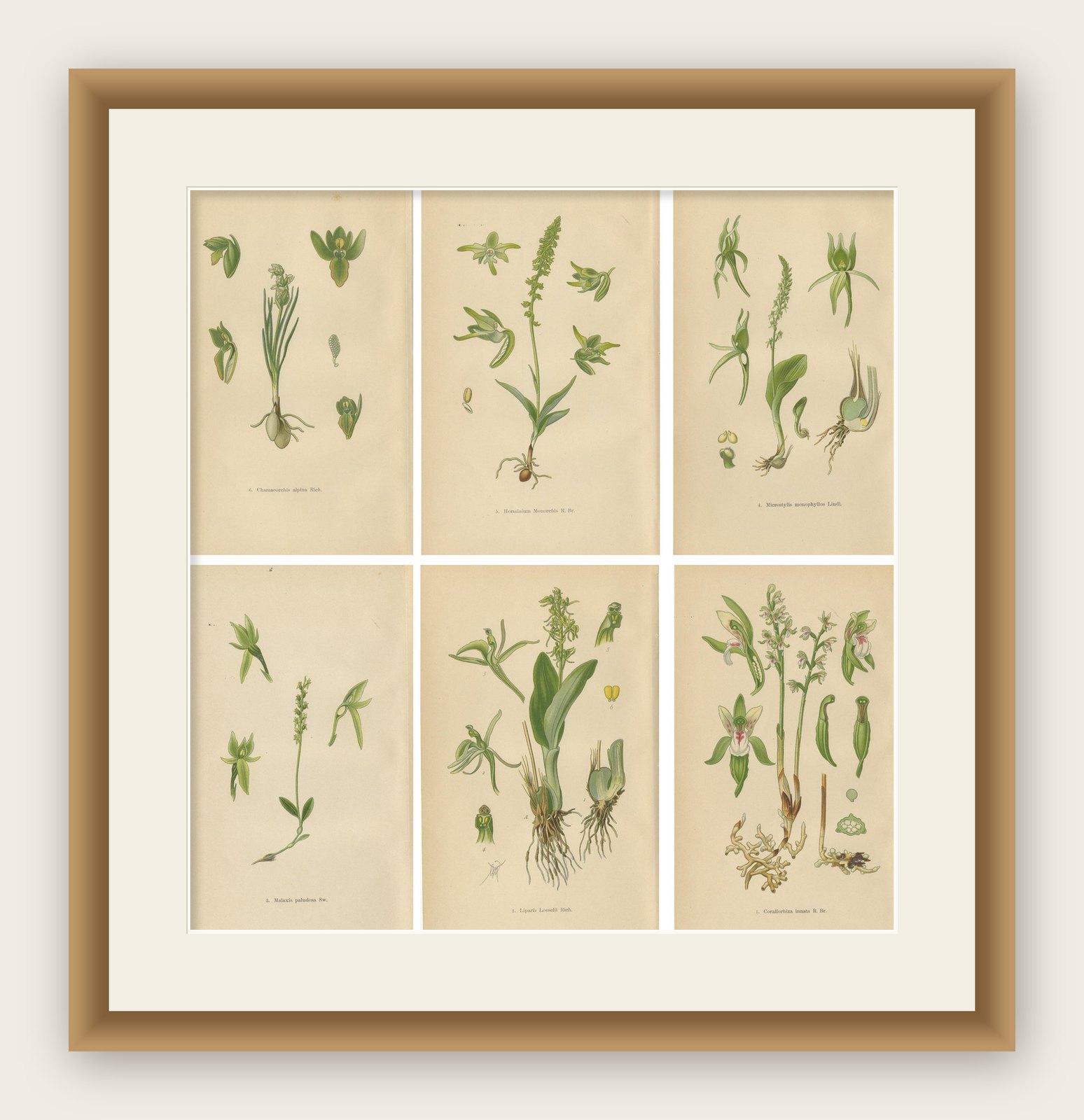
The two-row collage assembles a diverse array of orchid illustrations from the early 20th century, detailing species that range from alpine specialists to woodland dwellers.
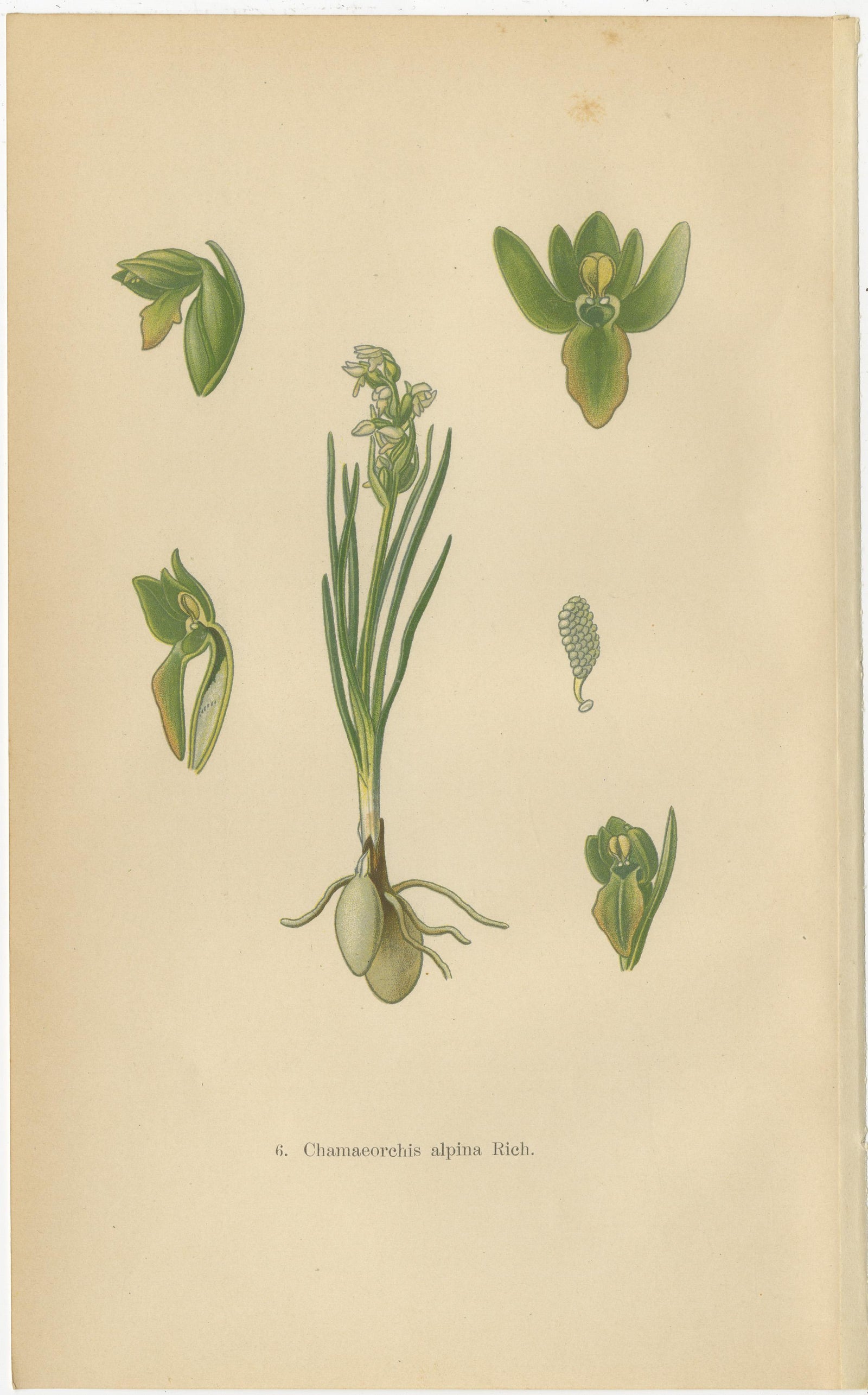
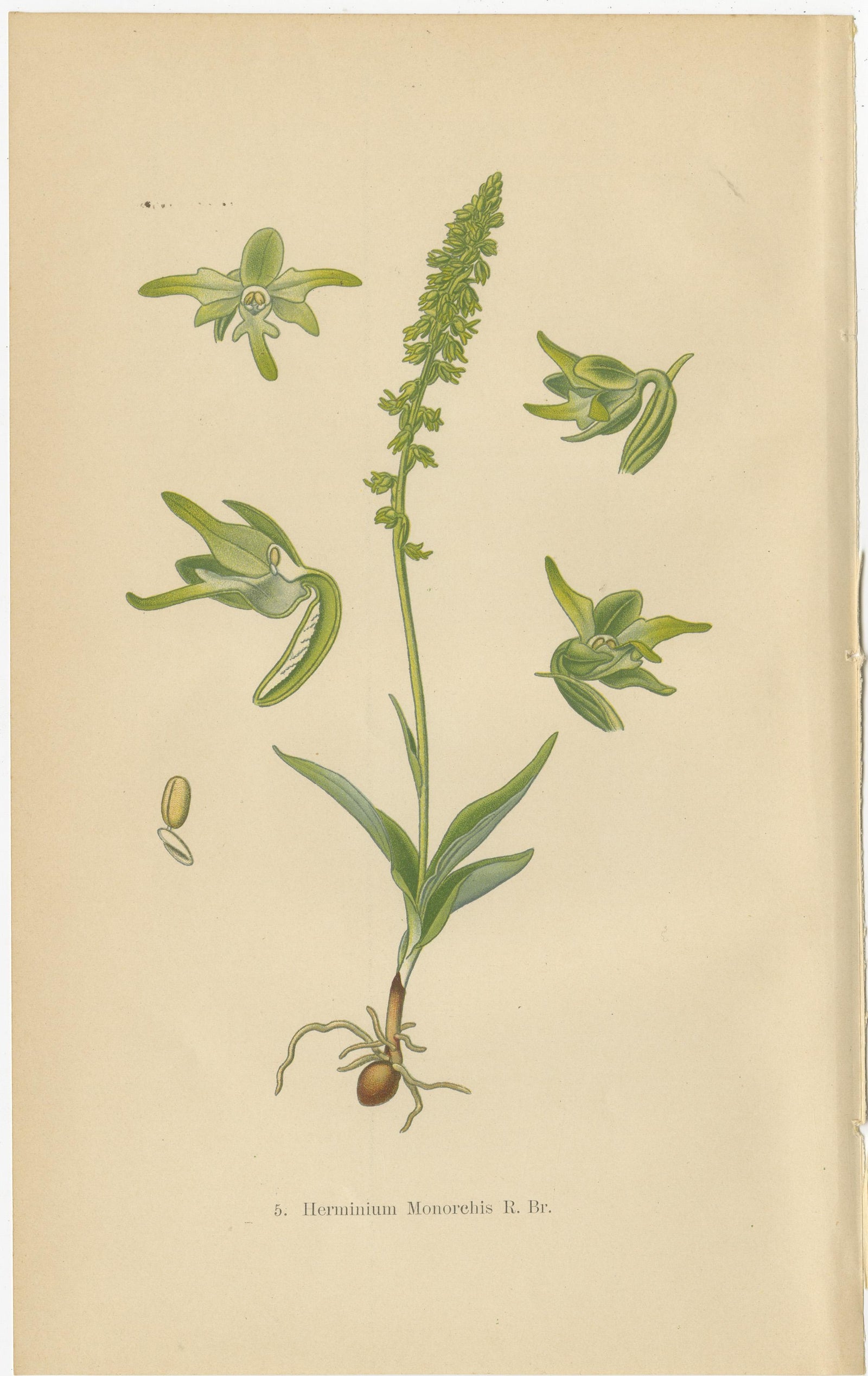
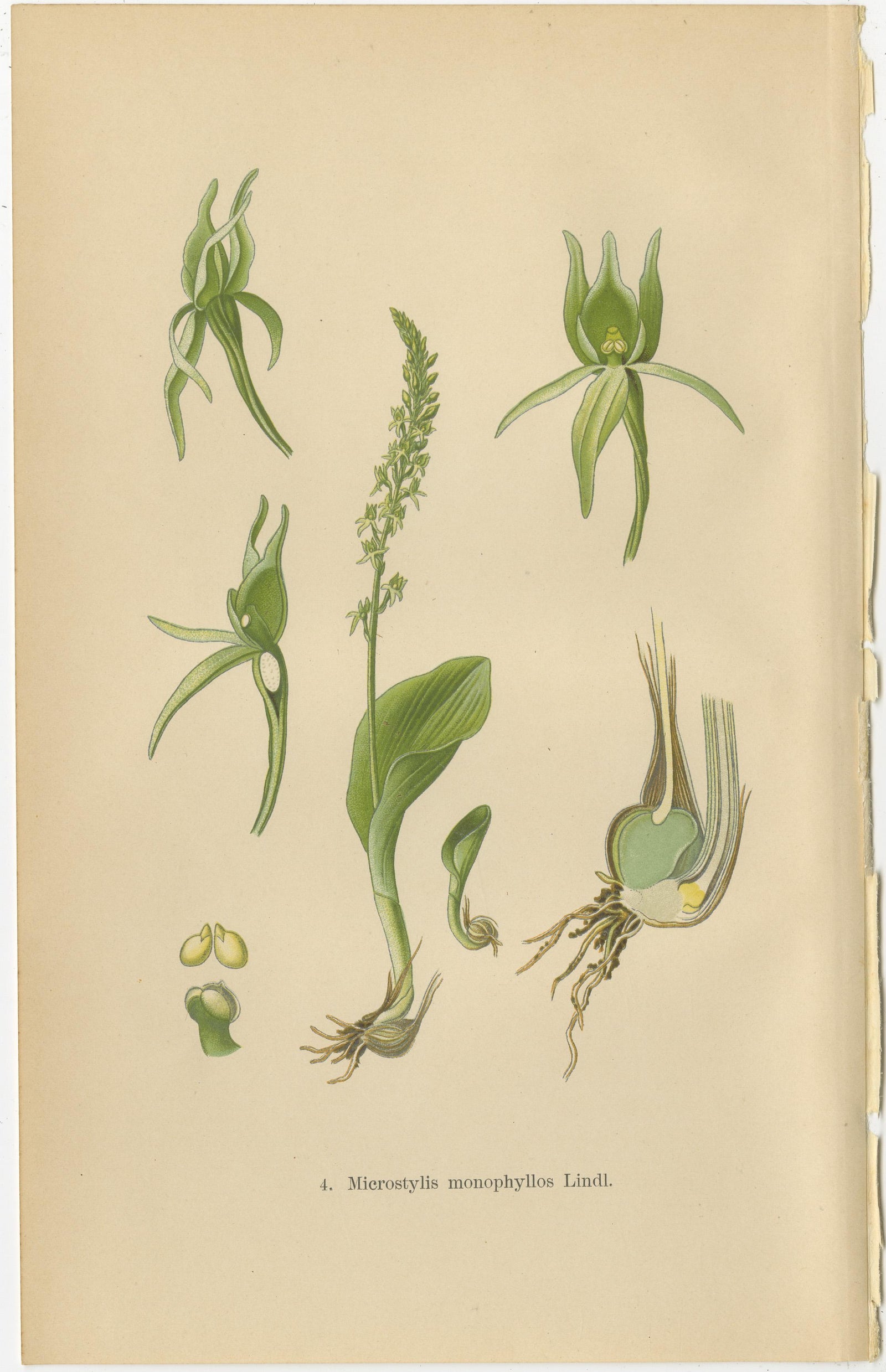
The first row introduces us to "Chamaeorchis alpina Rich.," displaying the delicate structure of alpine orchids, followed by "Herminium Monorchis R. Br.," with its small yet intricate green flowers, and "Microstylis monophyllos Lindl.," notable for its singular leaf and unassuming floral spike.
In the second row, "Malaxis paludosa Sw." brings to light the subtle beauty of marsh orchids, "Liparis Loeselii Rich." captures the translucent elegance of the twayblade orchid, and "Corallorhiza innata R. Br." concludes the set with its coral-like roots and unusual, leafless appearance.
This collage offers a window into the past, portraying the intricate details and adaptations of these orchids, each rendered with scientific accuracy and artistic grace by Walter Müller. It stands as a historical record of Europe's botanical diversity, encapsulating the natural splendor of these species as they were observed over a century ago.