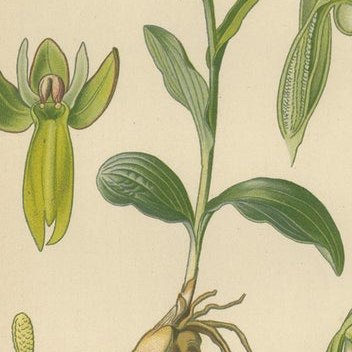
Close-ups
Framed and on the wall
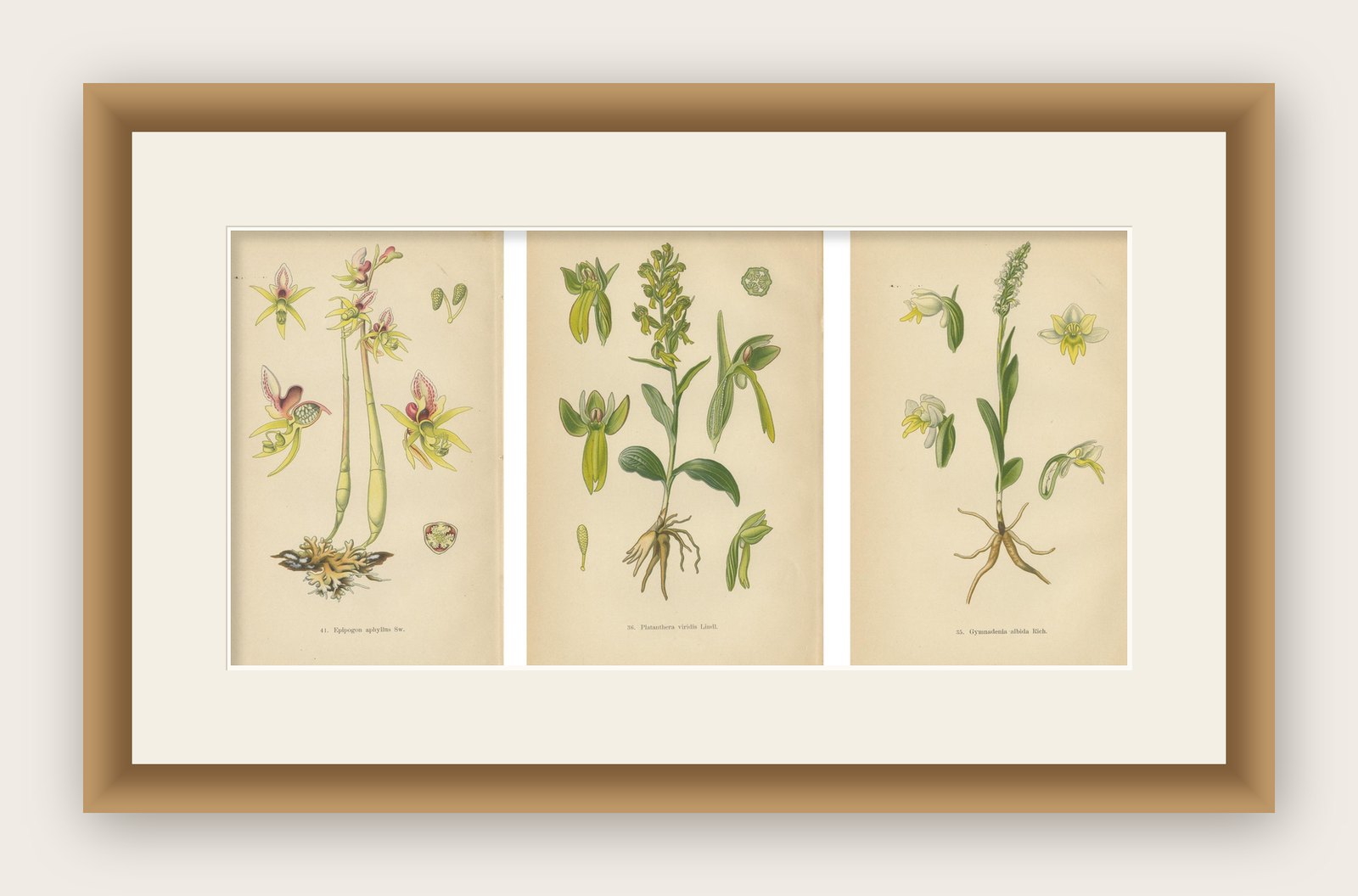


Frame and rooms are illustrations of how the print could look; the description says what is included.
Floral Symphony: Müller's 1904 Botanical Illustrations
$295 (£220, €260)
Period original, not a reproduction.
Shipped from the Netherlands, flat, insured and tracked, worldwide. Returns accepted within 14 days.
- Date
- 1904
- Size
- 9.4 × 5.9 in (24 × 15 cm)
- Condition
- Good. Good. One edge rough, but leaving enough space for matting or framing. Study the images carefully.
- Period
- 20th century
- Section
- Botanical
- Reference
- f_38174562
Floral Symphony: Müller's 1904 Botanical Illustrations
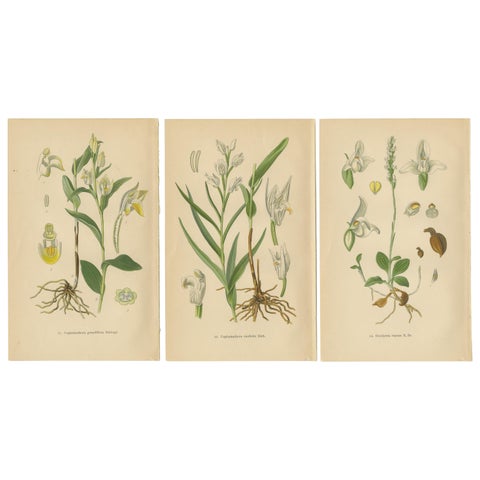
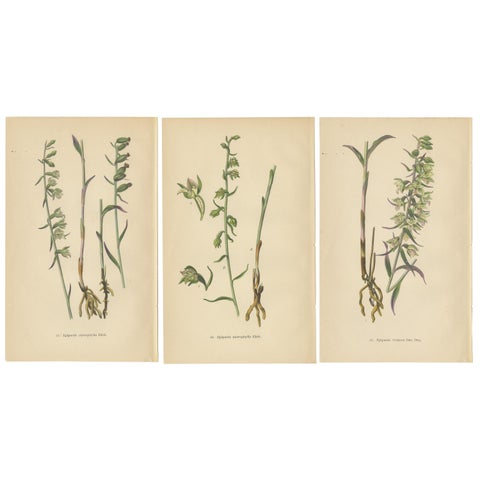
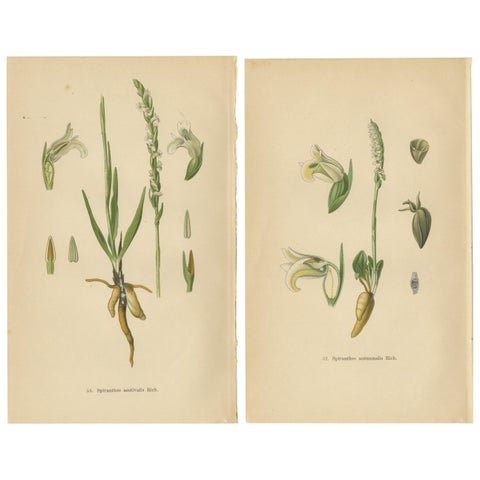
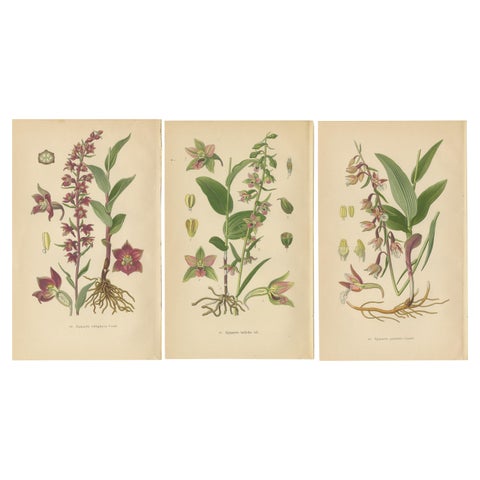
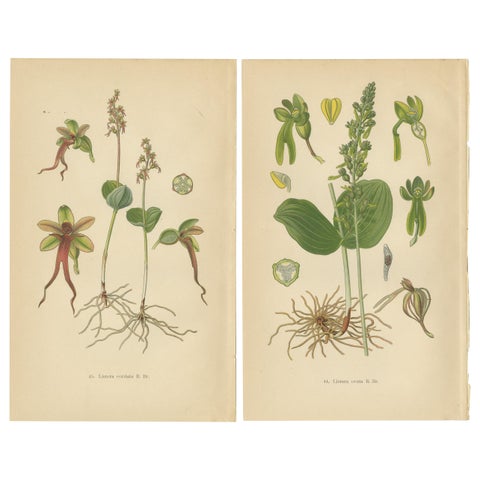
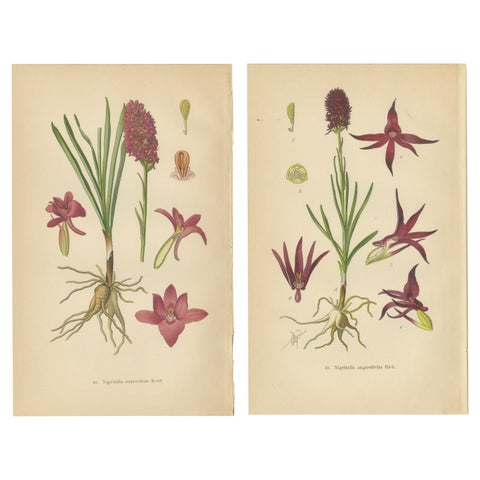
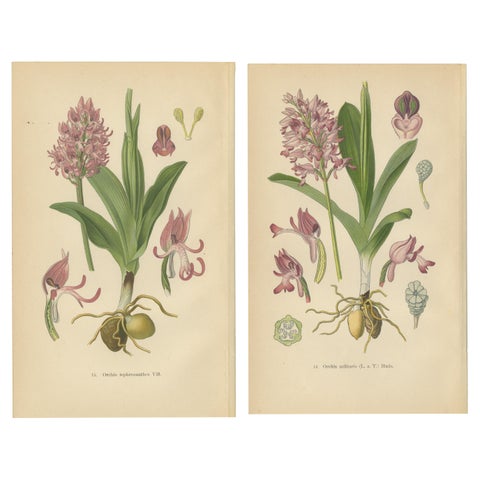
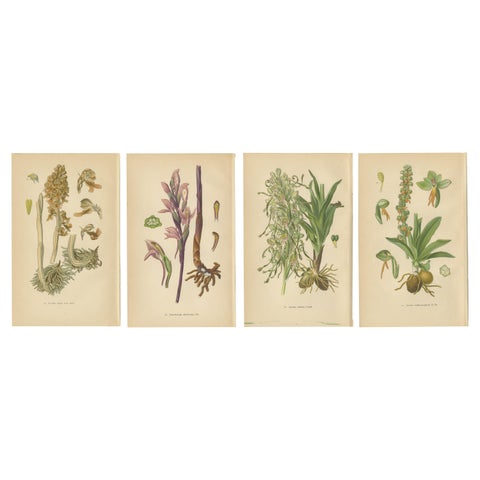
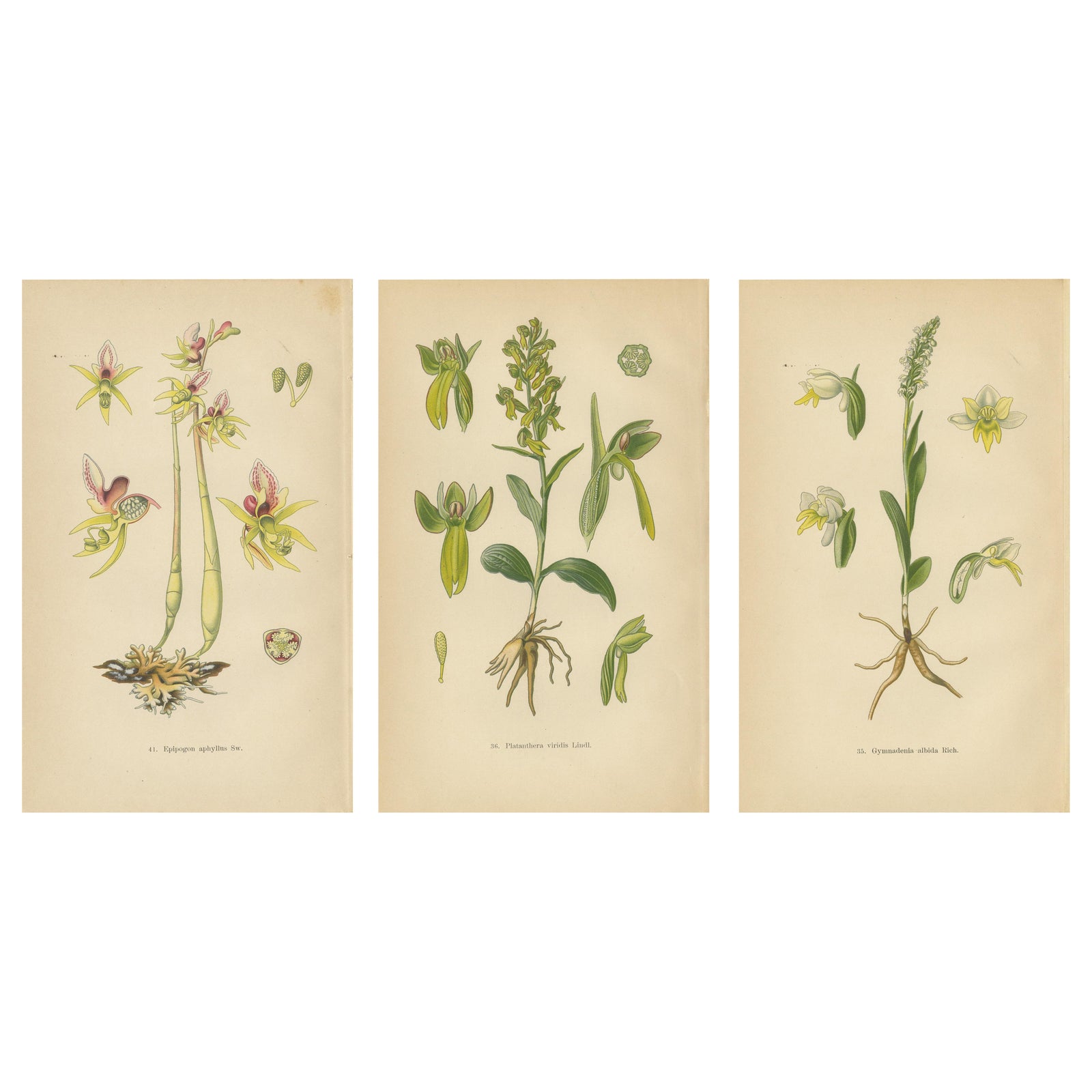
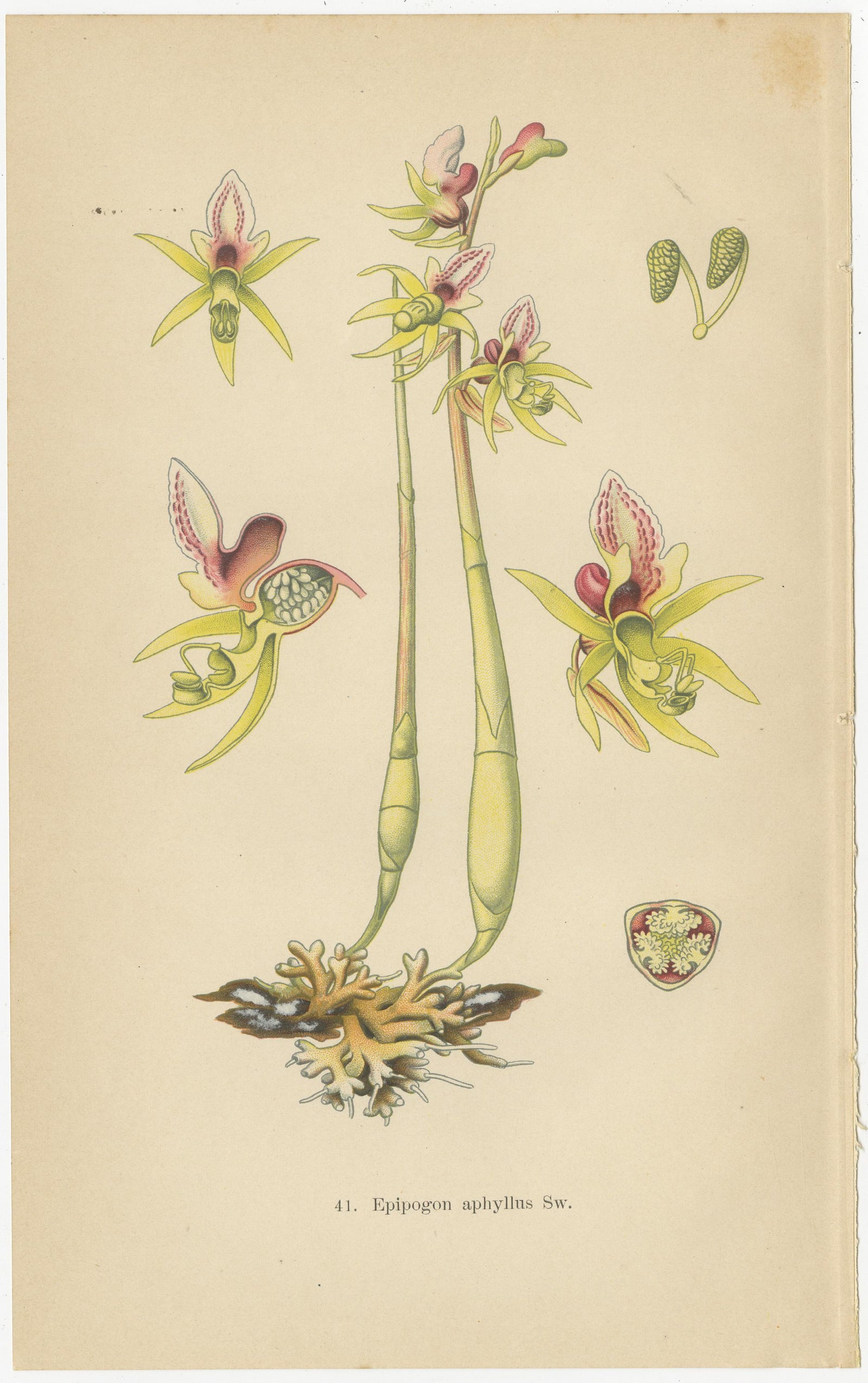
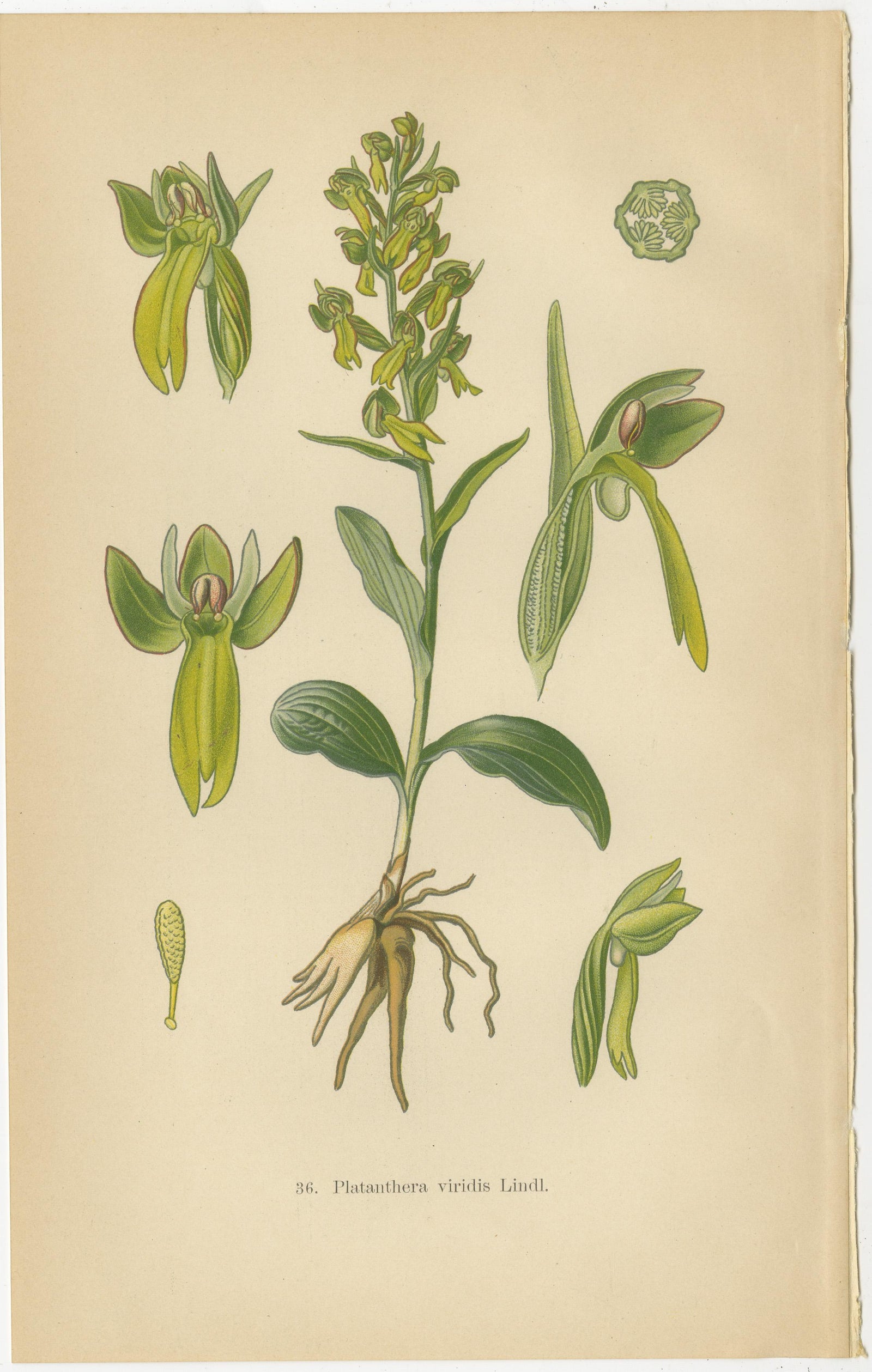
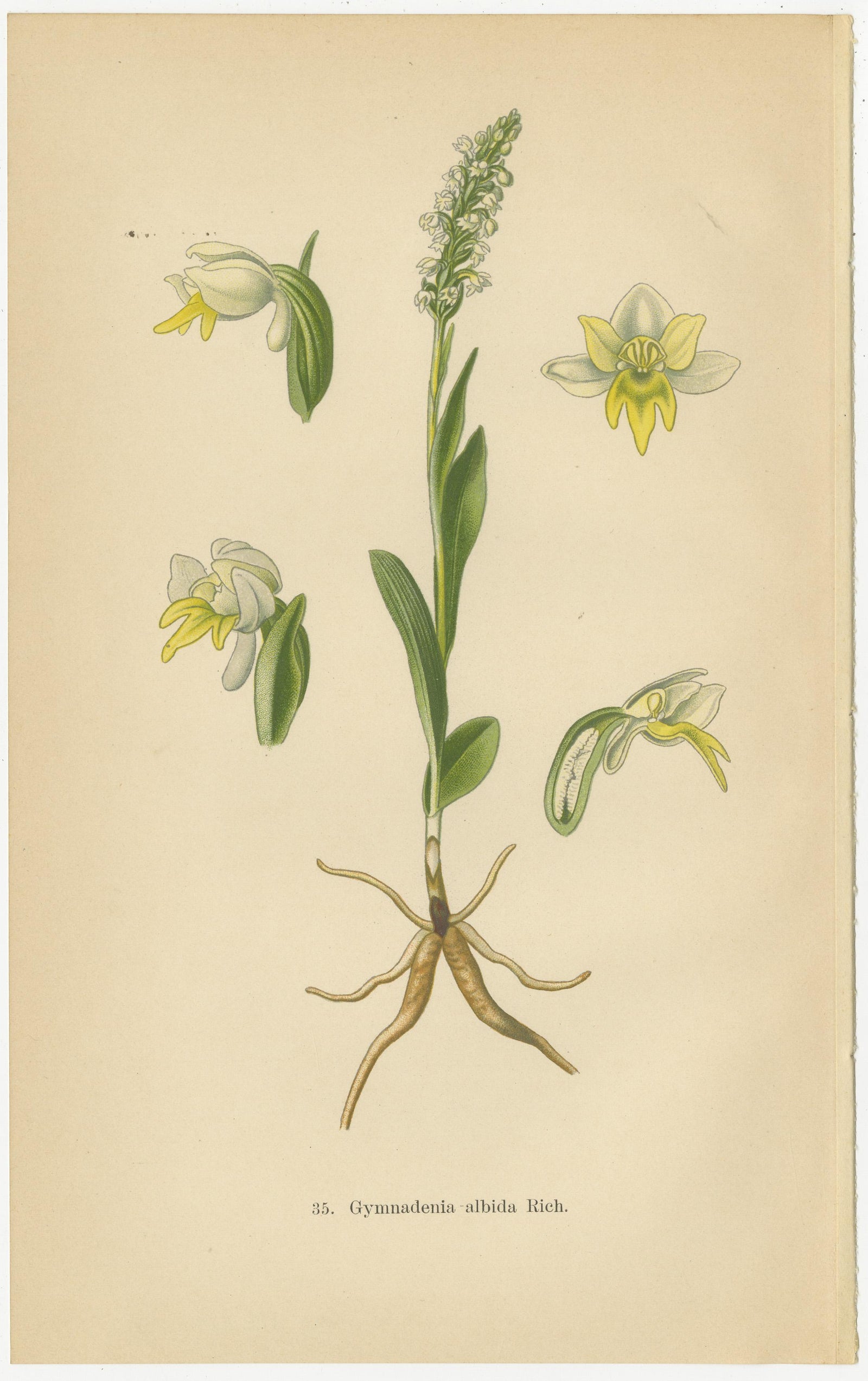
This collage comprises three botanical prints from Walter Müller's 1904 tome, which meticulously recorded the primary forms of orchid species found in Germany and its neighboring areas.
The first image presents "Epipogon aphyllus Sw.", displaying a stalk with delicate flowers, each one exhibiting a unique structure and pattern.
The second print features "Platanthera viridis Lindl.", with its vivid green flowers arranged in a dense, orderly spike.
The third illustration portrays "Gymnadenia albida Rich.", a specimen with a slender spike of pale, almost translucent flowers.
All illustrations include detailed dissections of the floral parts, emphasizing the morphological features of these orchids. These images, with their scientific accuracy and aesthetic appeal, serve as an enduring legacy of Müller's work, which bridges the gap between botanical science and art.