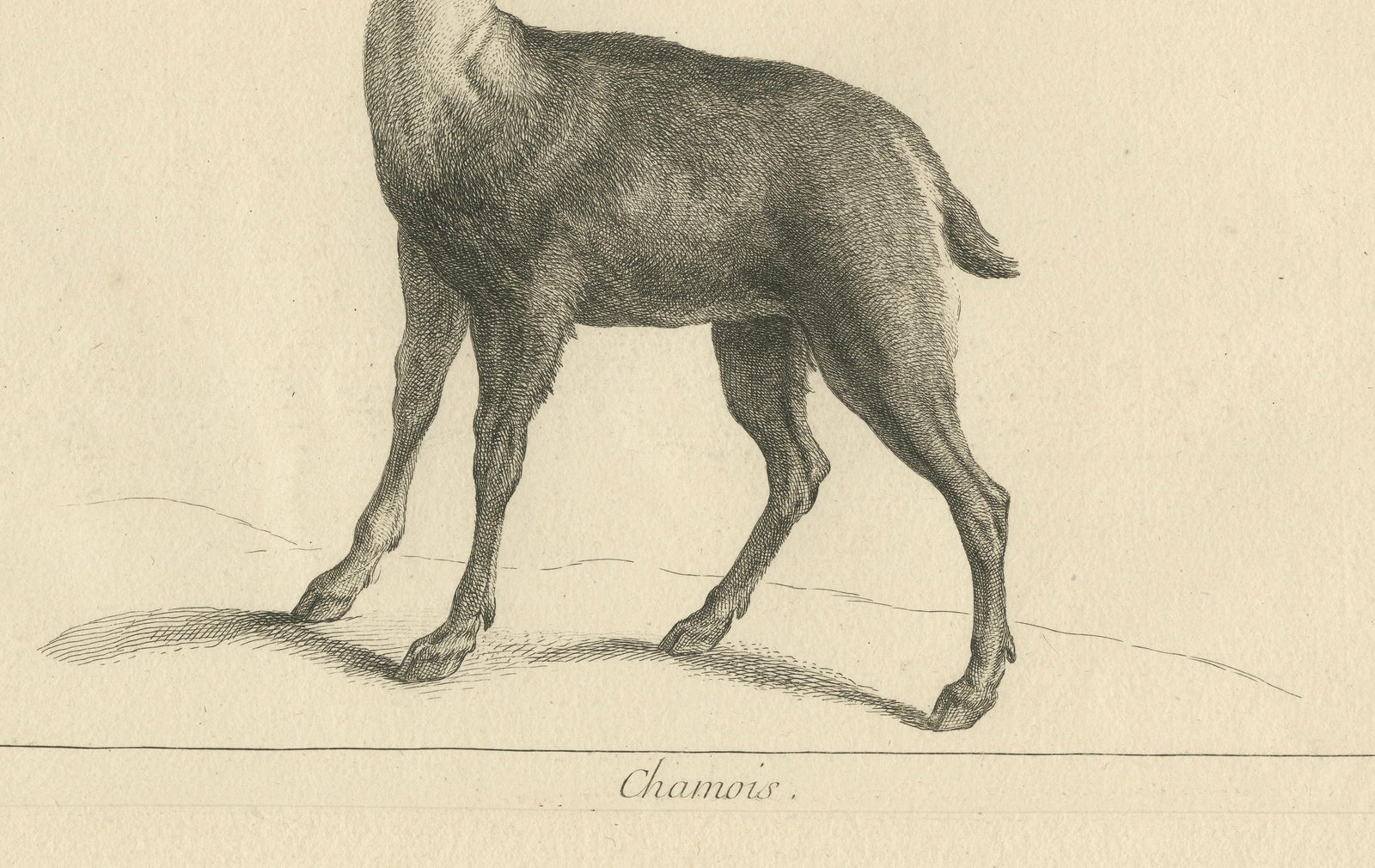
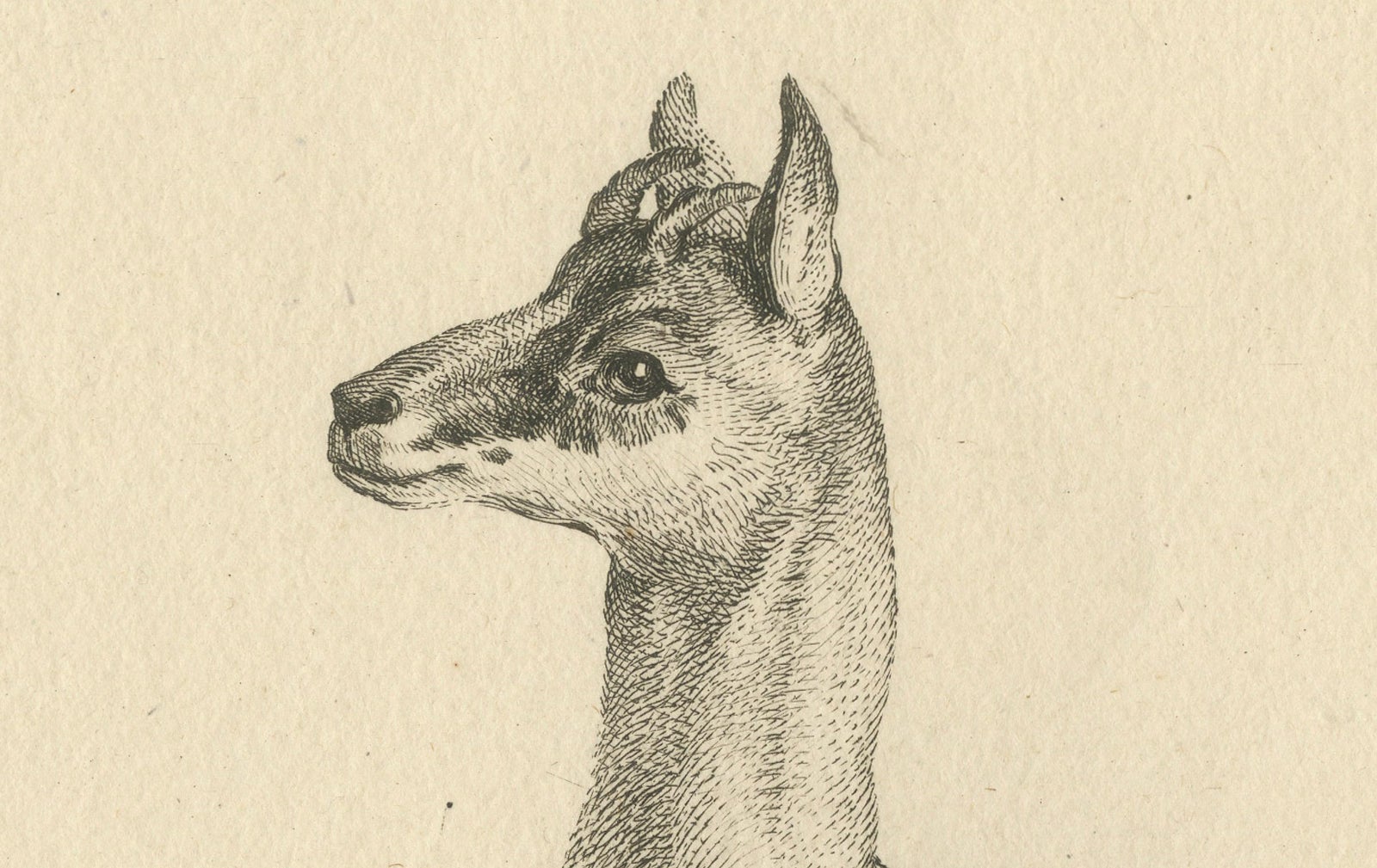
Close-ups
Framed and on the wall
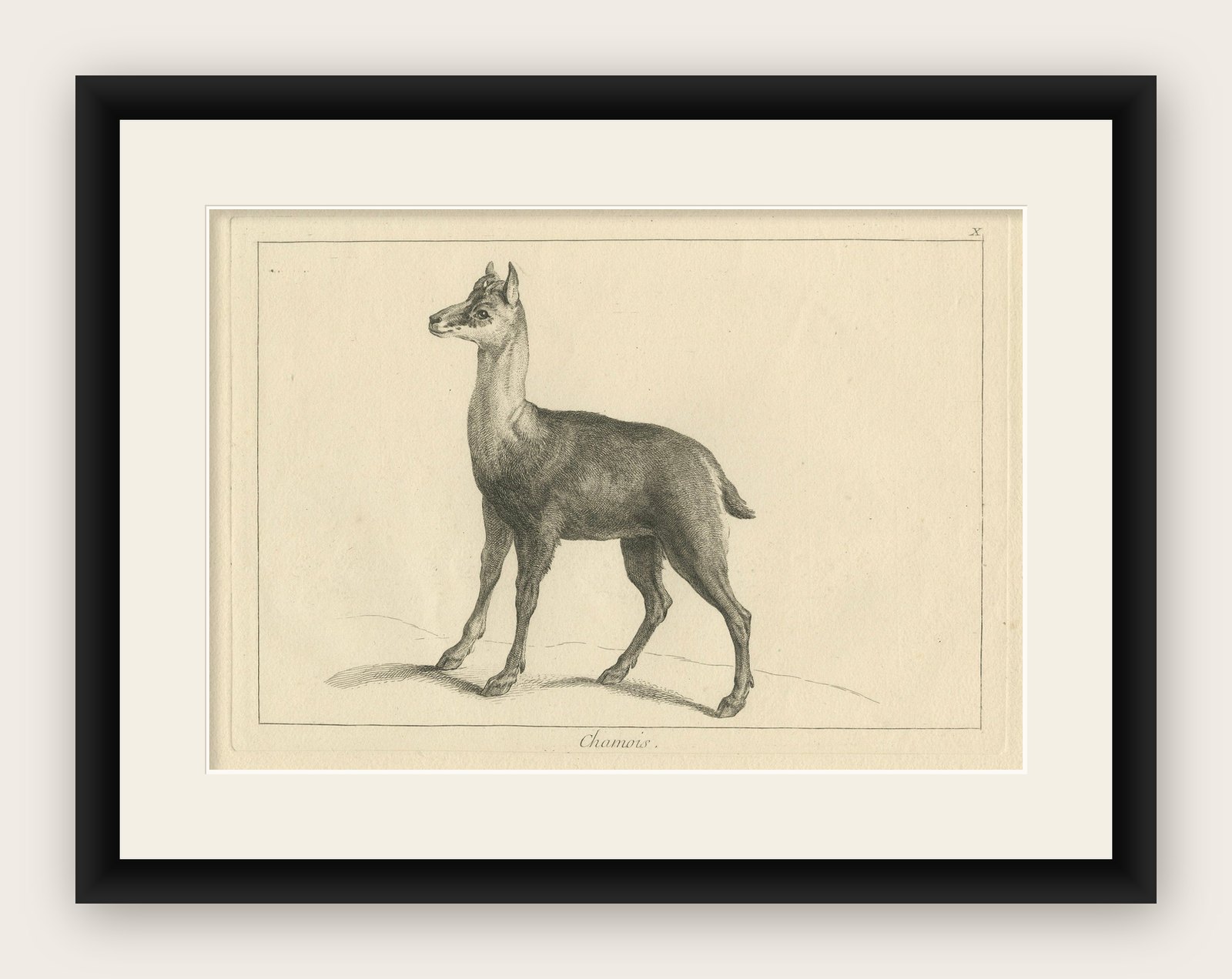
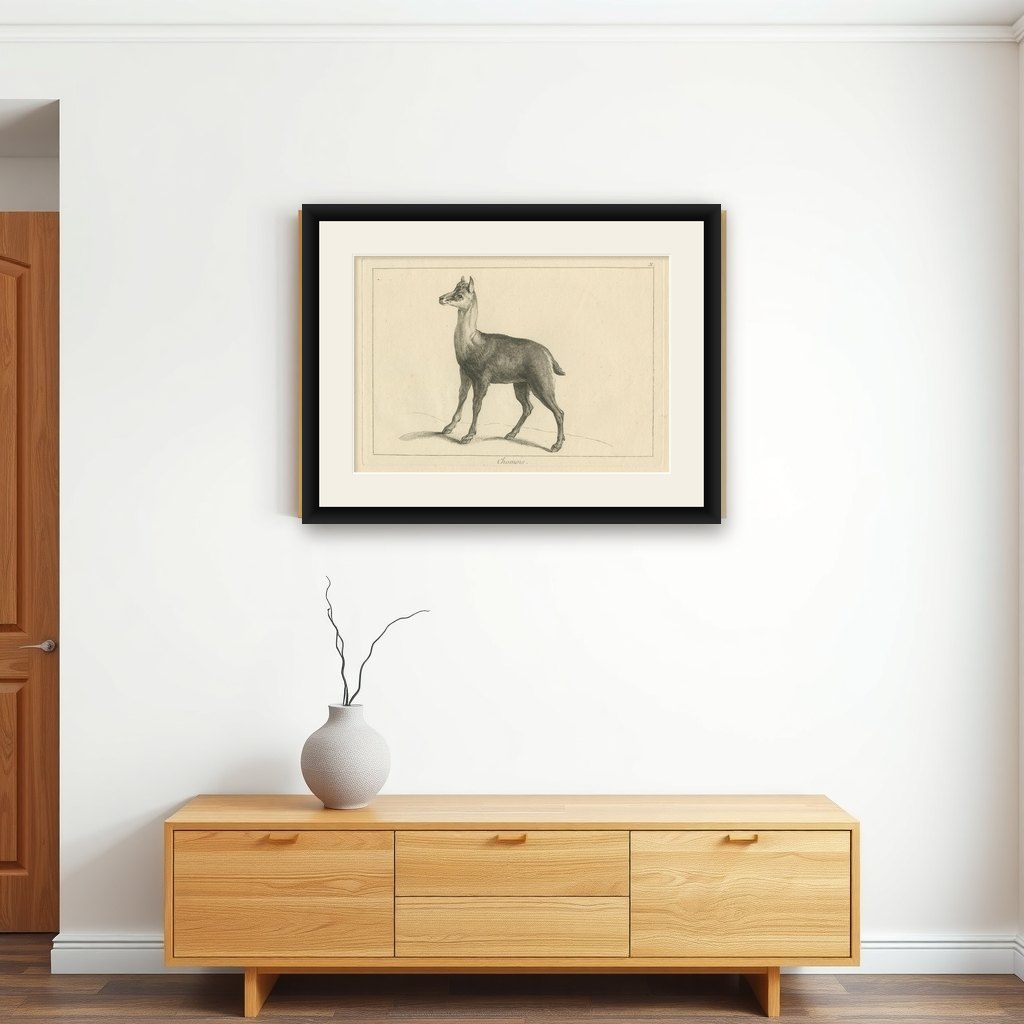
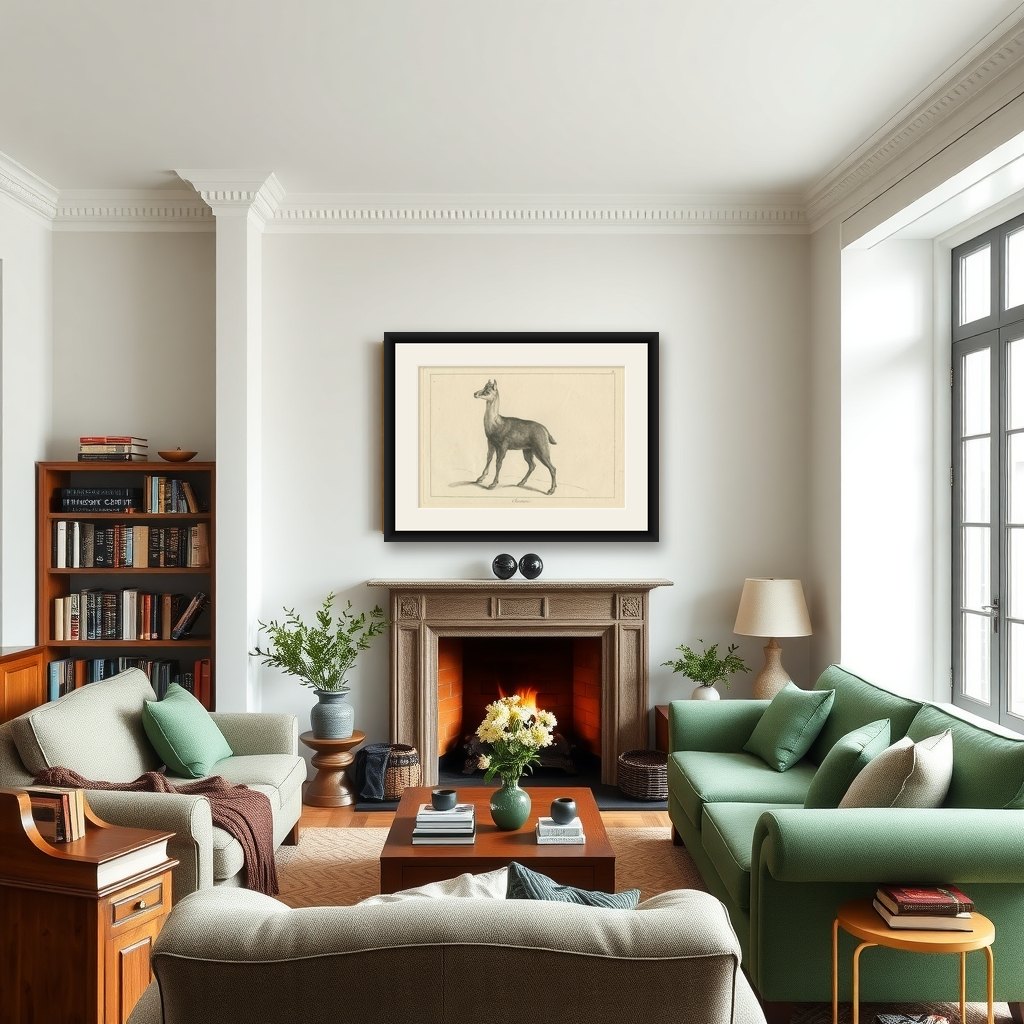
Frame and rooms are illustrations of how the print could look; the description says what is included.
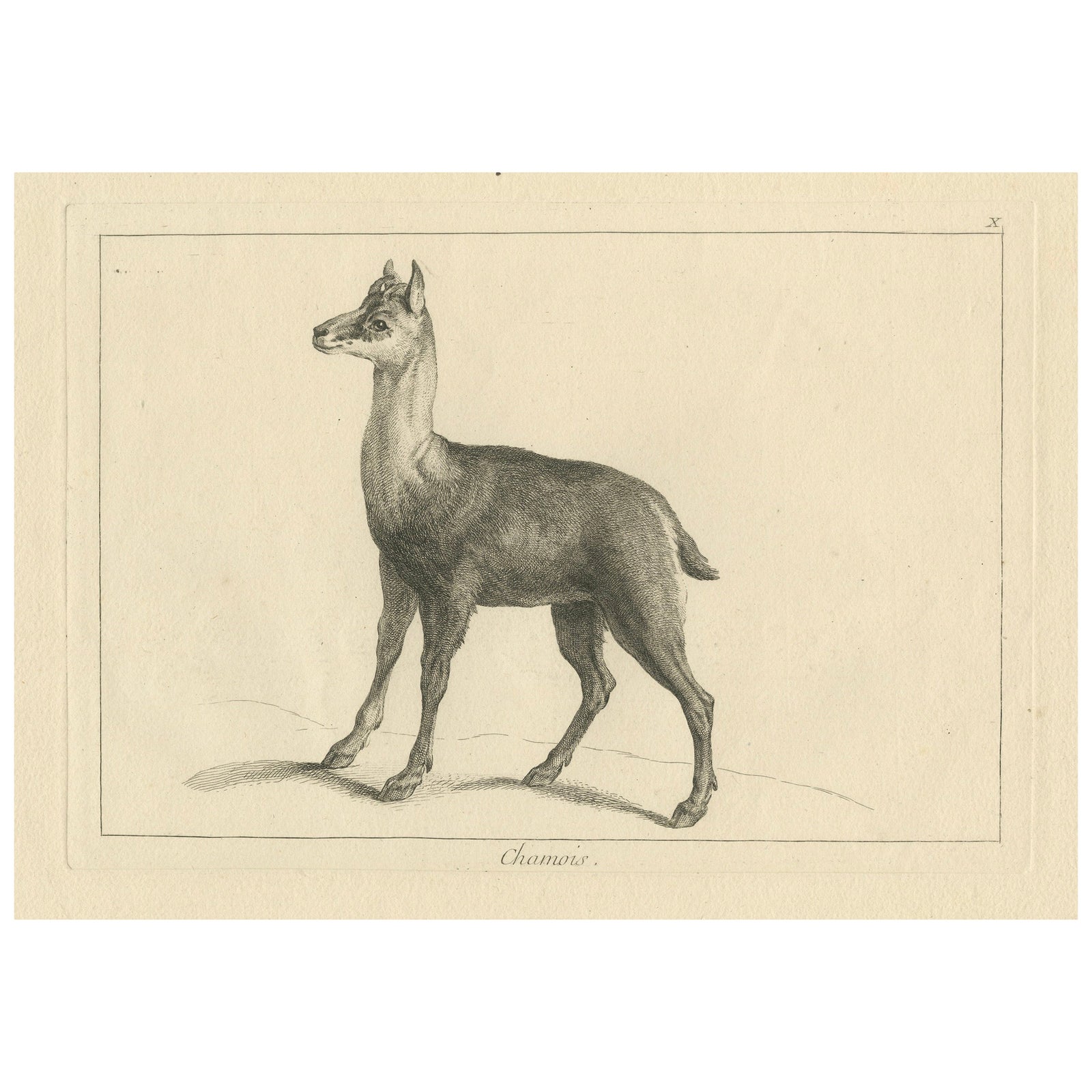
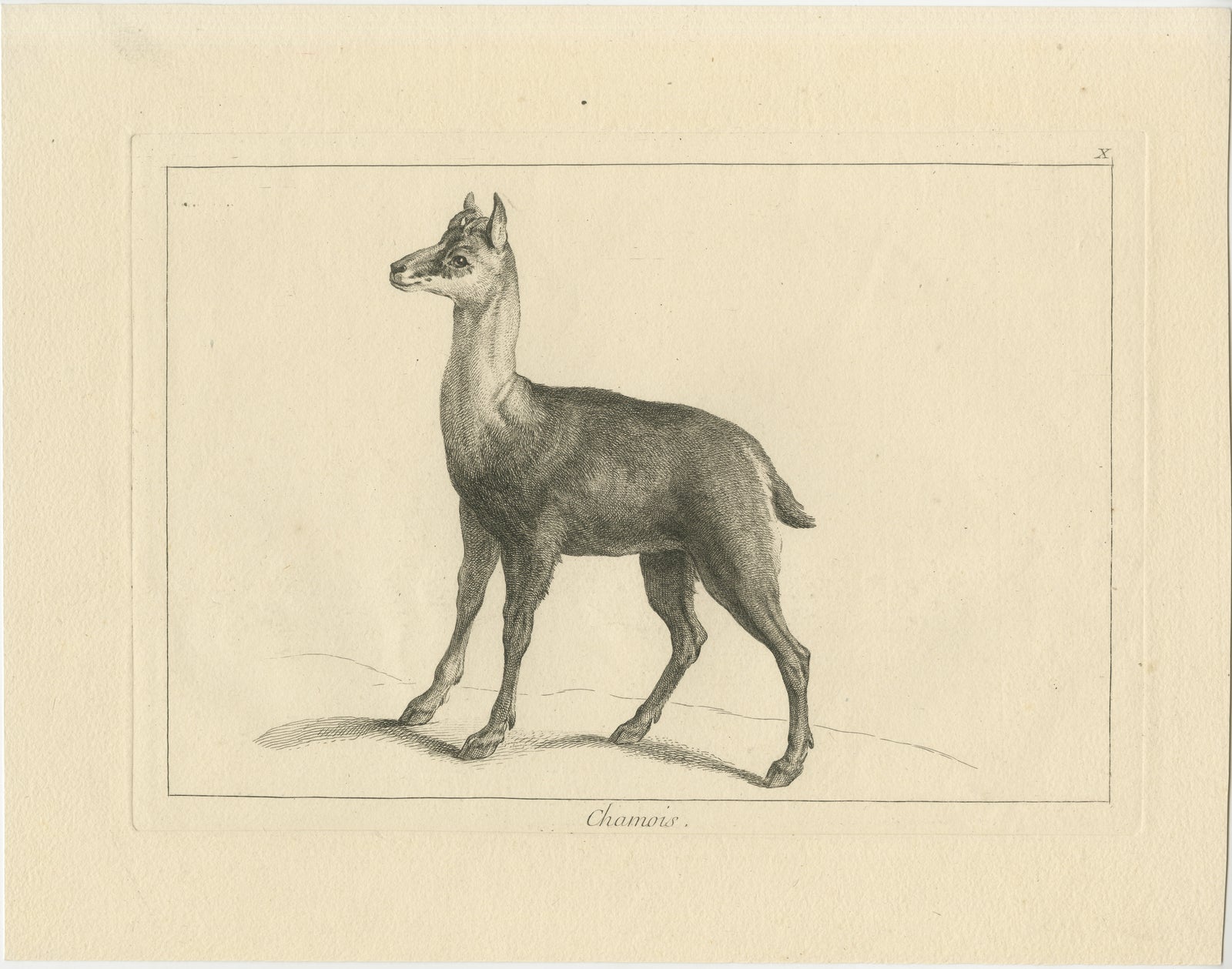
Agile Chamois or Mountain Goat Antilope: A Detailed Etching - circa 1740
€440 ($495, £375, €440)
Period original, not a reproduction.
Shipped from the Netherlands, flat, insured and tracked, worldwide. Returns accepted within 14 days.
- Date
- 1740
- Size
- 12 × 15.4 in (30.5 × 39 cm)
- Condition
- Exceptionel good given age. Strong paper. Study the image carefully.
- Period
- 18th century
- Section
- Mammals
- Reference
- f_40613852
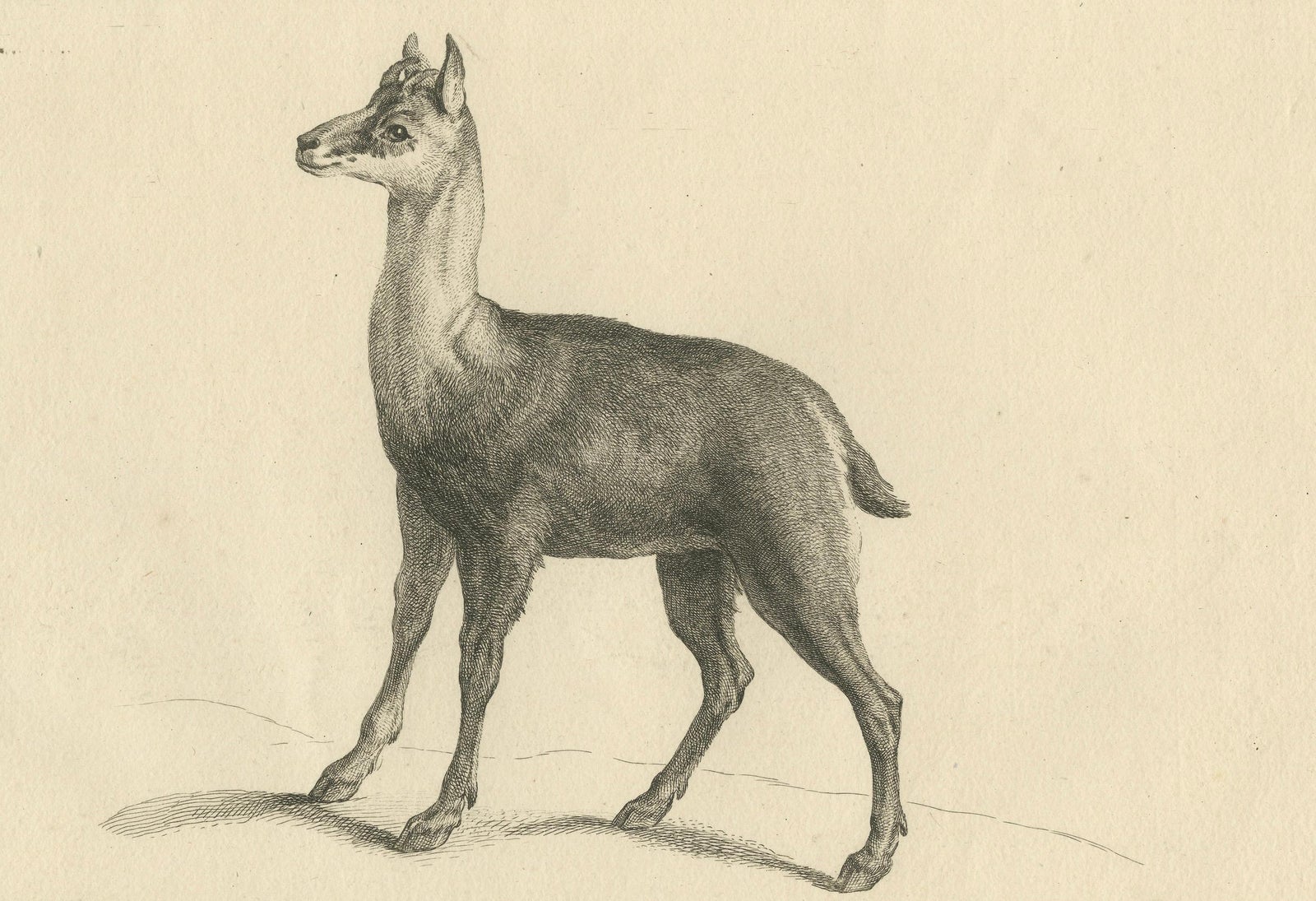
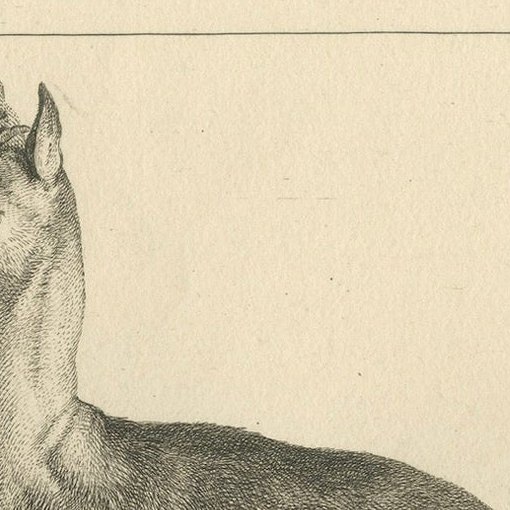
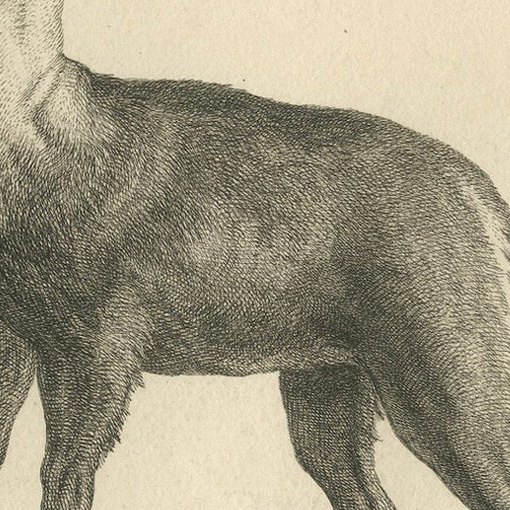
This etching and engraving, titled "Chamois," depicts a chamois standing with a poised and alert demeanor. The artist has intricately captured the animal’s slender frame, short curved horns, and the texture of its fur. The chamois is shown in a natural stance, highlighting its agile and graceful characteristics. The background is minimal, allowing the viewer to focus on the detailed representation of the chamois. The print is executed with precision, reflecting the high level of skill of the artists involved.
The makers of the etching titled "Chamois" are Jacques-Philippe Le Bas and Jean Eric Rehn, based on the work of Jean-Baptiste Oudry. These artists collaborated to create detailed and elegant engravings of various animals, including the chamois depicted in this print.
Chamois are native to the mountainous regions of Europe, including the Alps, the Pyrenees, the Carpathians, and the Balkan Mountains. They are also found in parts of Turkey and the Caucasus Mountains. Chamois prefer rocky, rugged terrains at high altitudes, typically between 800 to 2,800 meters (2,600 to 9,200 feet) above sea level. They are well-adapted to steep, cliffy environments where they can navigate and find safety from predators.