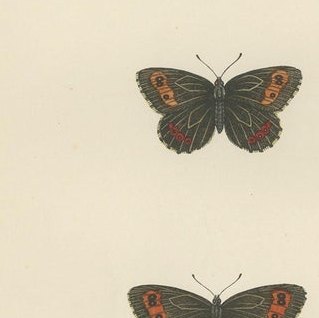
Close-ups
Framed and on the wall
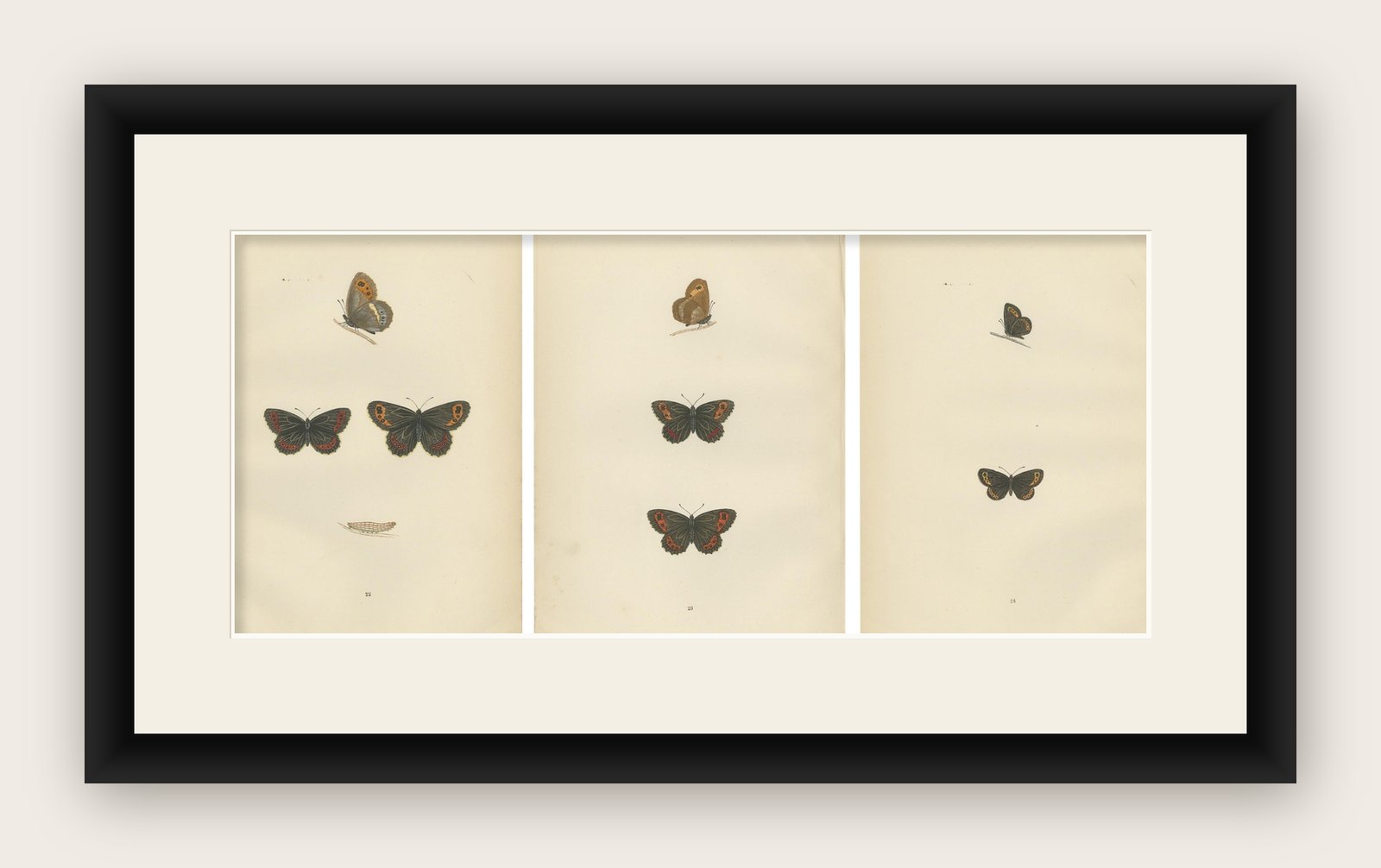


Frame and rooms are illustrations of how the print could look; the description says what is included.
Victorian Era British Lepidoptera: A Hand-Colored Legacy, 1890
£205 ($270, €240)
Period original, not a reproduction.
Shipped from the Netherlands, flat, insured and tracked, worldwide. Returns accepted within 14 days.
- Date
- 1890
- Size
- 10 × 6.8 in (25.4 × 17.3 cm)
- Condition
- Good. Given age, general age-related toning. Some small spots.. Please study scan carefully.
- Period
- Late 19th century
- Section
- Insects and butterflies
- Reference
- f_38946932
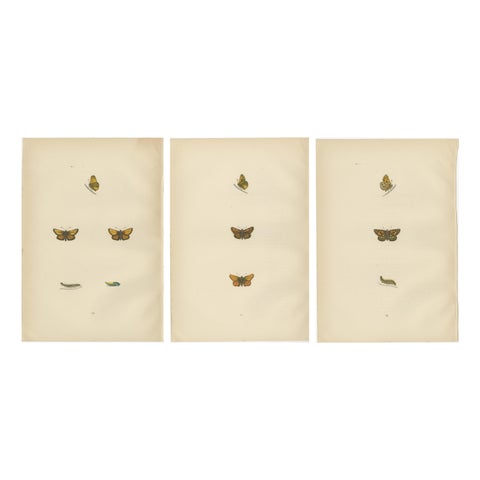
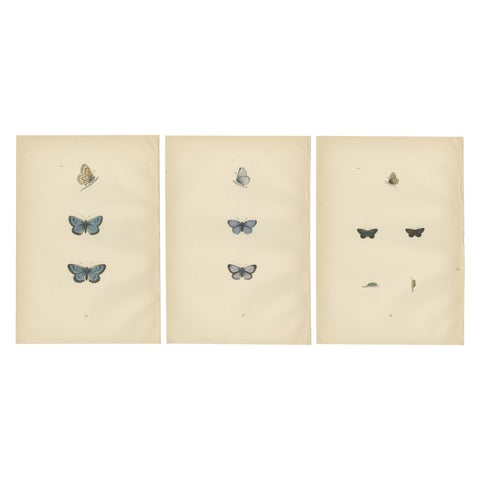
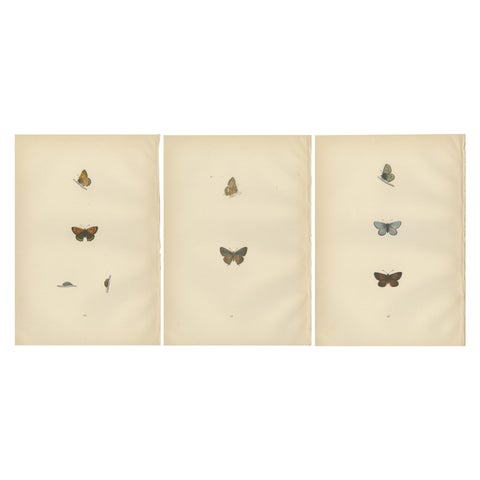
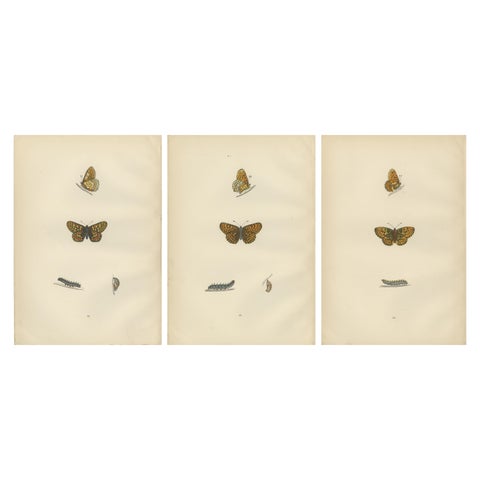
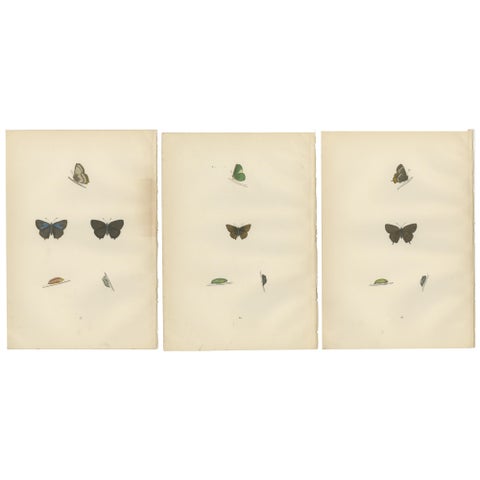
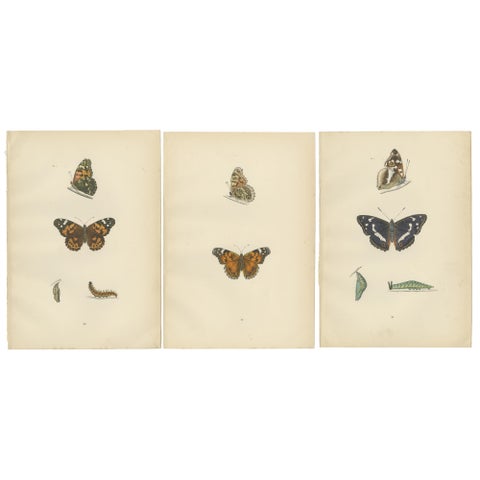
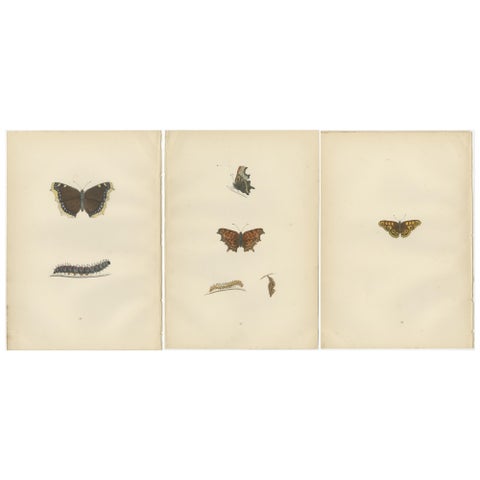
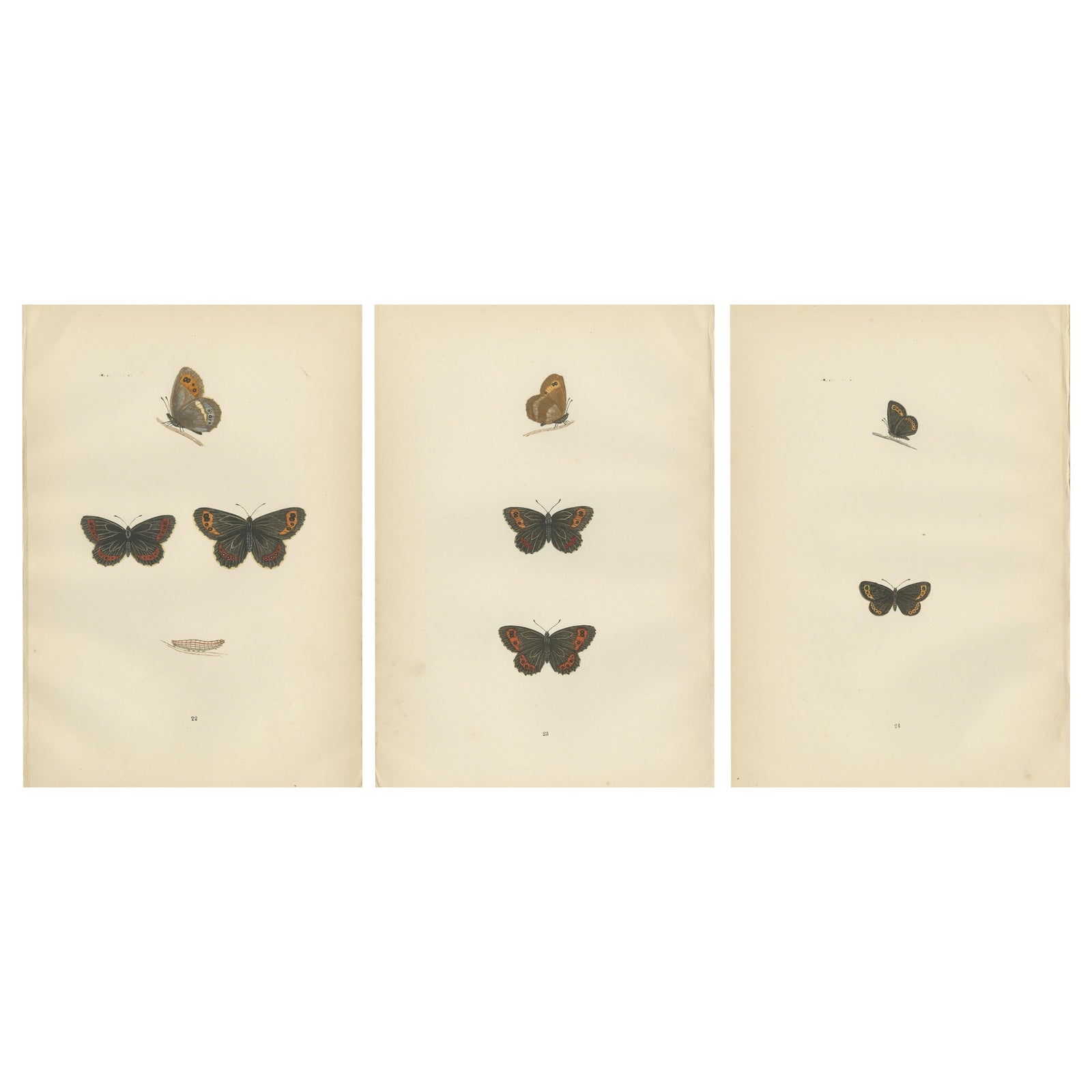
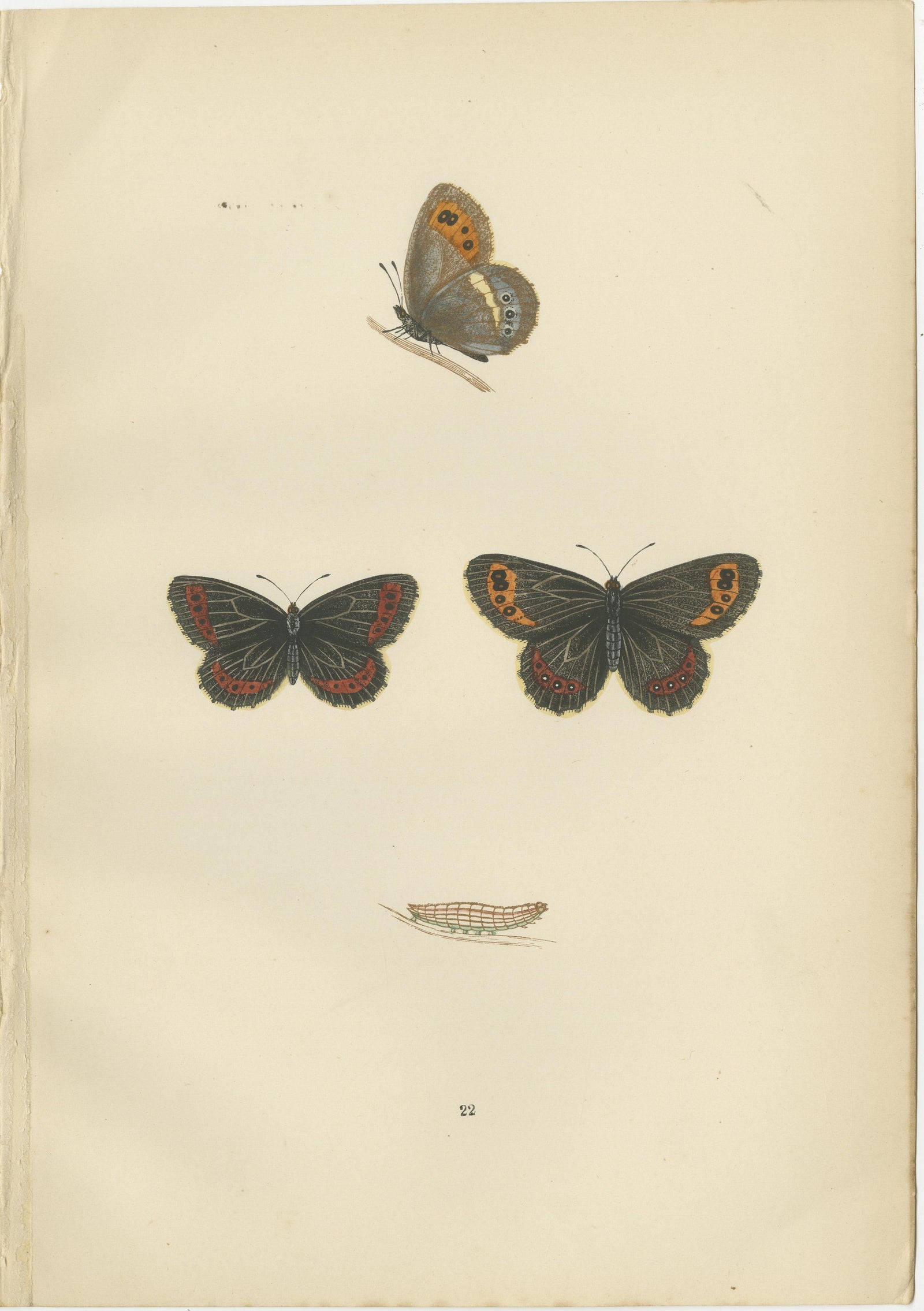
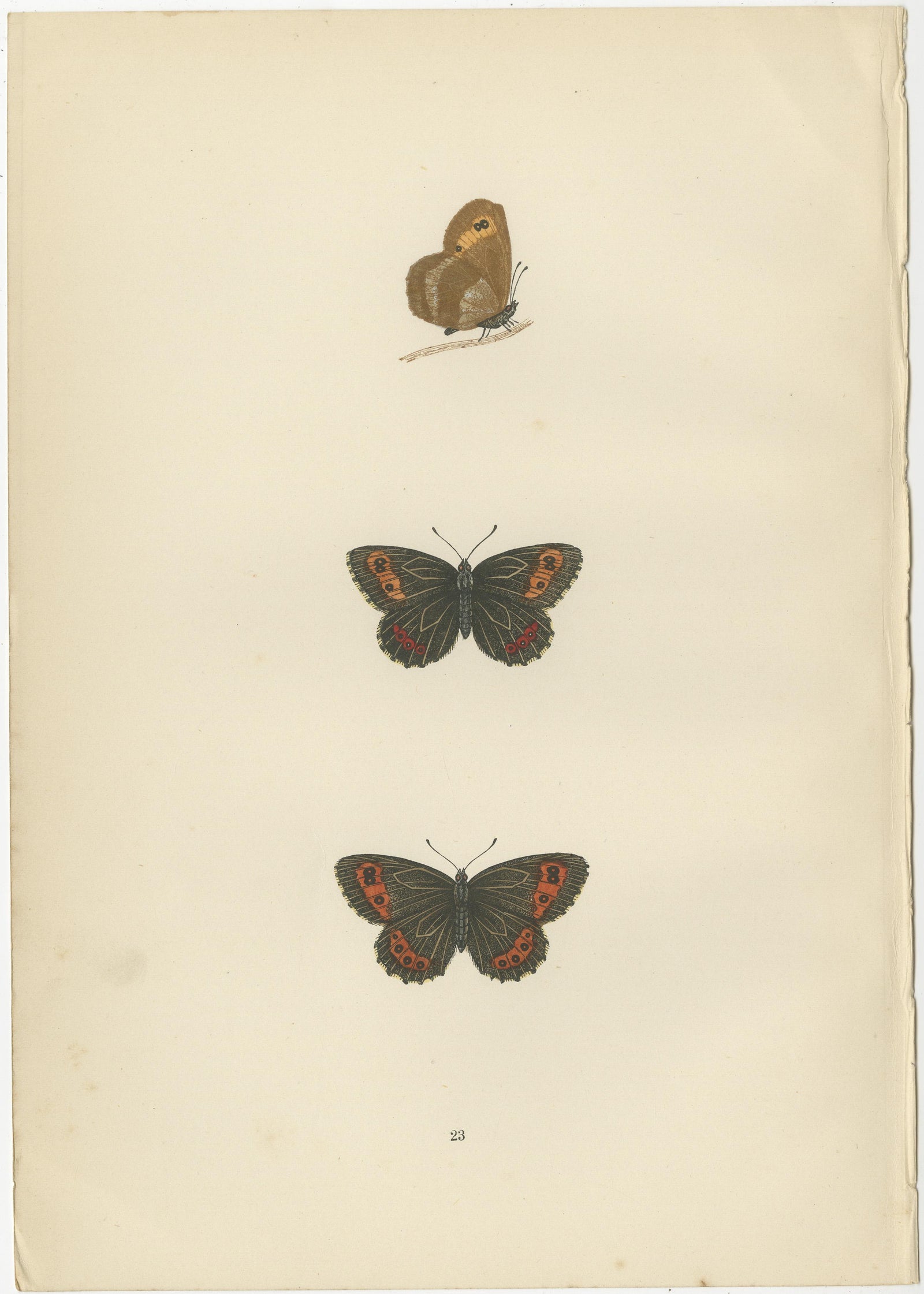
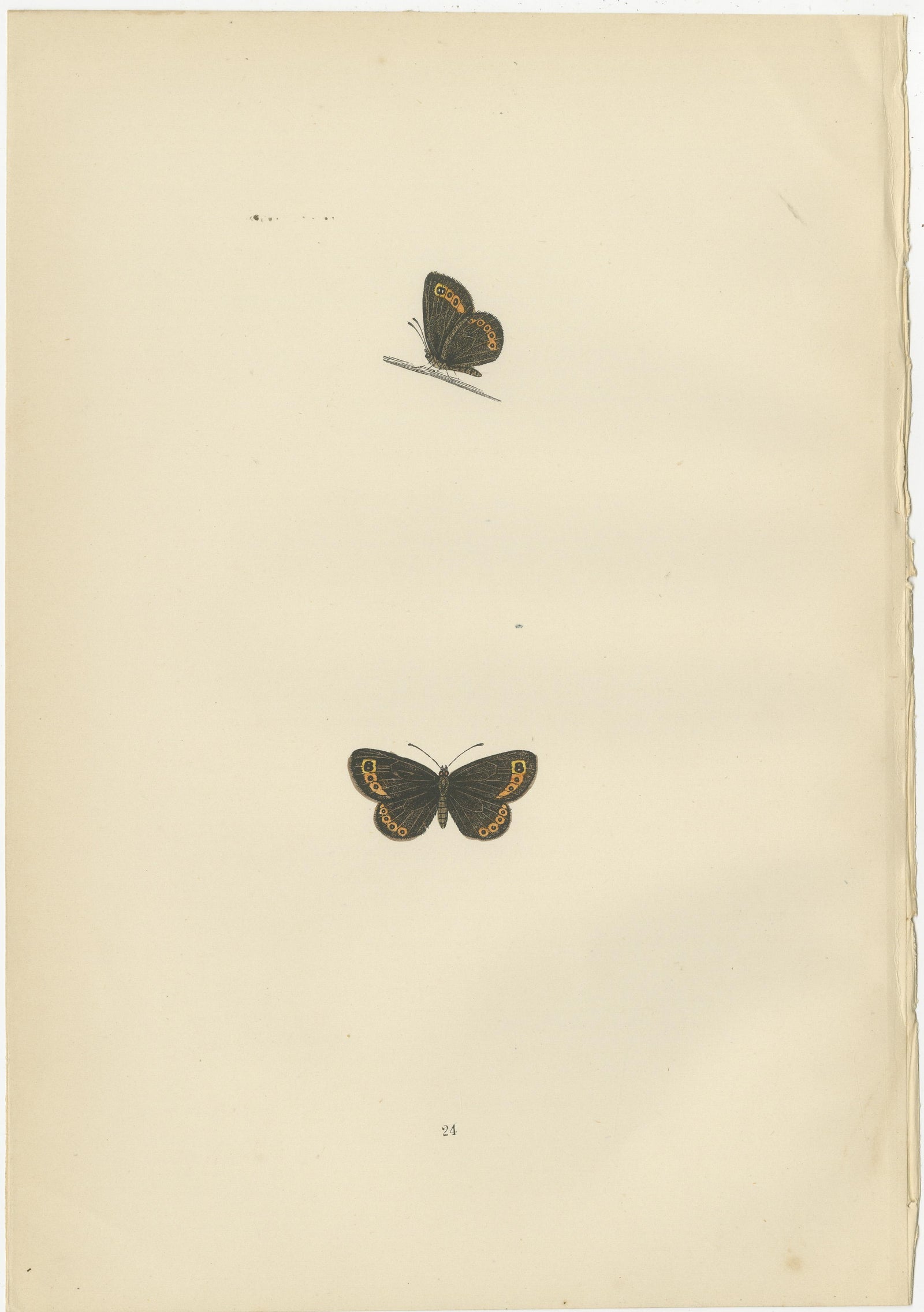
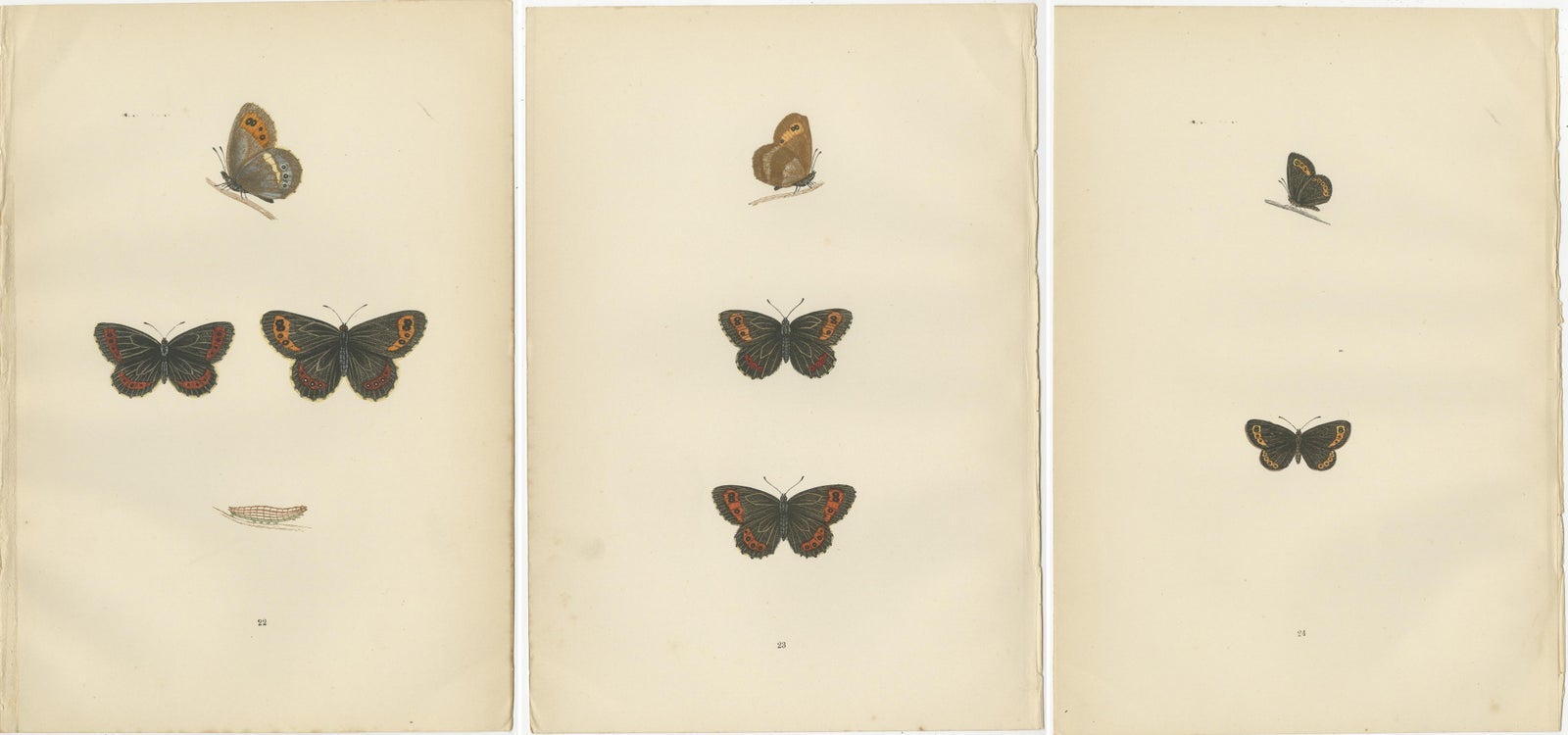
The butterflies depicted in the plates are special, both historically in the context of British lepidopterology and scientifically in terms of their morphology and behavior.
1. Arran Brown (Erebia ligea) - The image labeled "22" likely depicts what is commonly known as the Arran Brown, previously known as Arran Argus. It's a species that prefers grassy habitats and flies low to the ground. These butterflies have brown wings with eye-like spots on the upper side, which can confuse predators into attacking the wrong part of the body.
2. Scotch Argus (Erebia aethiops) - The image labeled "23" seems to represent the Scotch Argus. This butterfly has dark brown wings with orange bands containing black spots, each centered with a tiny white dot. It is commonly found in damp grassy areas and is especially interesting due to its limited distribution, being primarily found in Scotland and parts of Northern England.
3. Small Ringlet (Erebia cothurnatus) - The image labeled "24" probably shows the Small Ringlet, which in some texts may be referred to as Small Mountain Ringlet or Small Heath. This butterfly tends to be smaller and prefers cooler climates, often found at higher altitudes. It is characterized by its brown wings with a series of eye spots circled in yellow-orange.
What makes these butterflies particularly interesting is their adaptation to their respective environments, the specificity of their habitats, and their distinctive wing patterns, which serve various functions from camouflage to predator deterrence. These characteristics are often the focus of entomologists and conservationists who monitor their populations as indicators of environmental health and biodiversity.