Close-ups
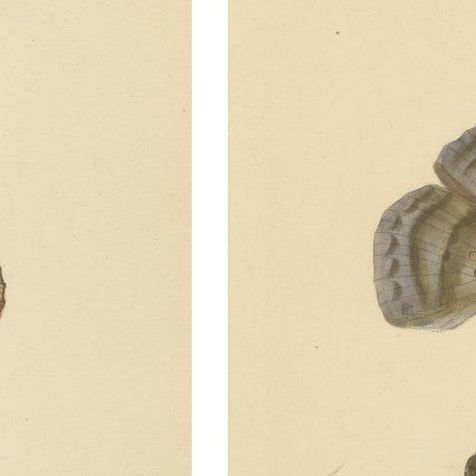
Framed and on the wall
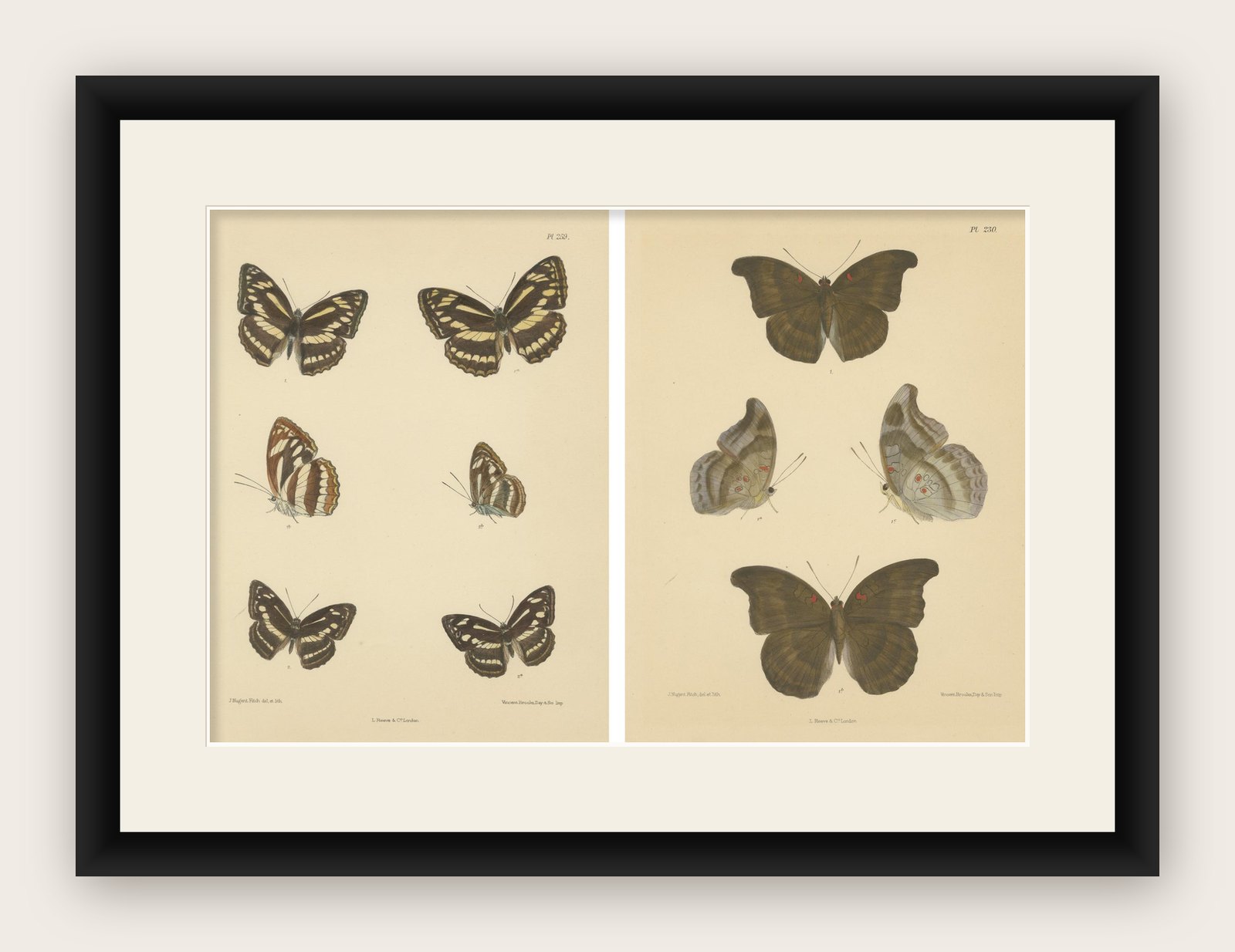

Frame and rooms are illustrations of how the print could look; the description says what is included.
Victorian Butterfly Wonders: Stunning Hand-Colored Lithographs, 1878
€260 ($290, £220, €260)
Period original, not a reproduction.
Shipped from the Netherlands, flat, insured and tracked, worldwide. Returns accepted within 14 days.
- Date
- 1878
- Size
- 10.8 × 8.3 in (27.5 × 21 cm)
- Condition
- Good. Good condition. Rich, vibrant colors. There is minor age-related toning along the edges and some occasional light foxing, that does not affect the central image. One print has small remains of top in the top, not affecting the image once framed.
- Period
- Late 19th century
- Section
- Insects and butterflies
- Reference
- f_42446052
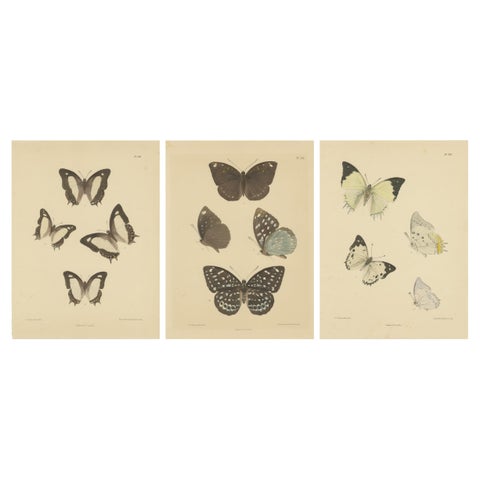
Victorian Butterfly Wonders: Stunning Hand-Colored Lithographs by Frederic C. Moore and J. Nugent Fitch
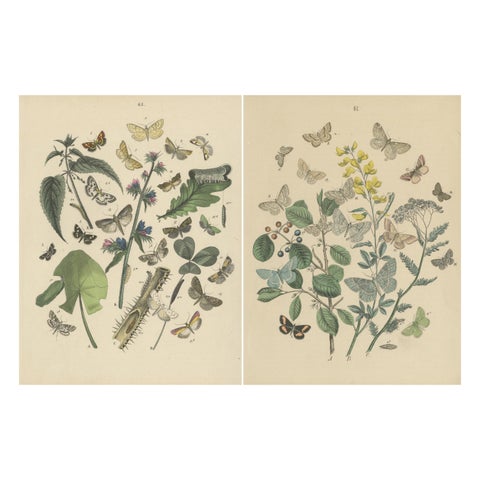
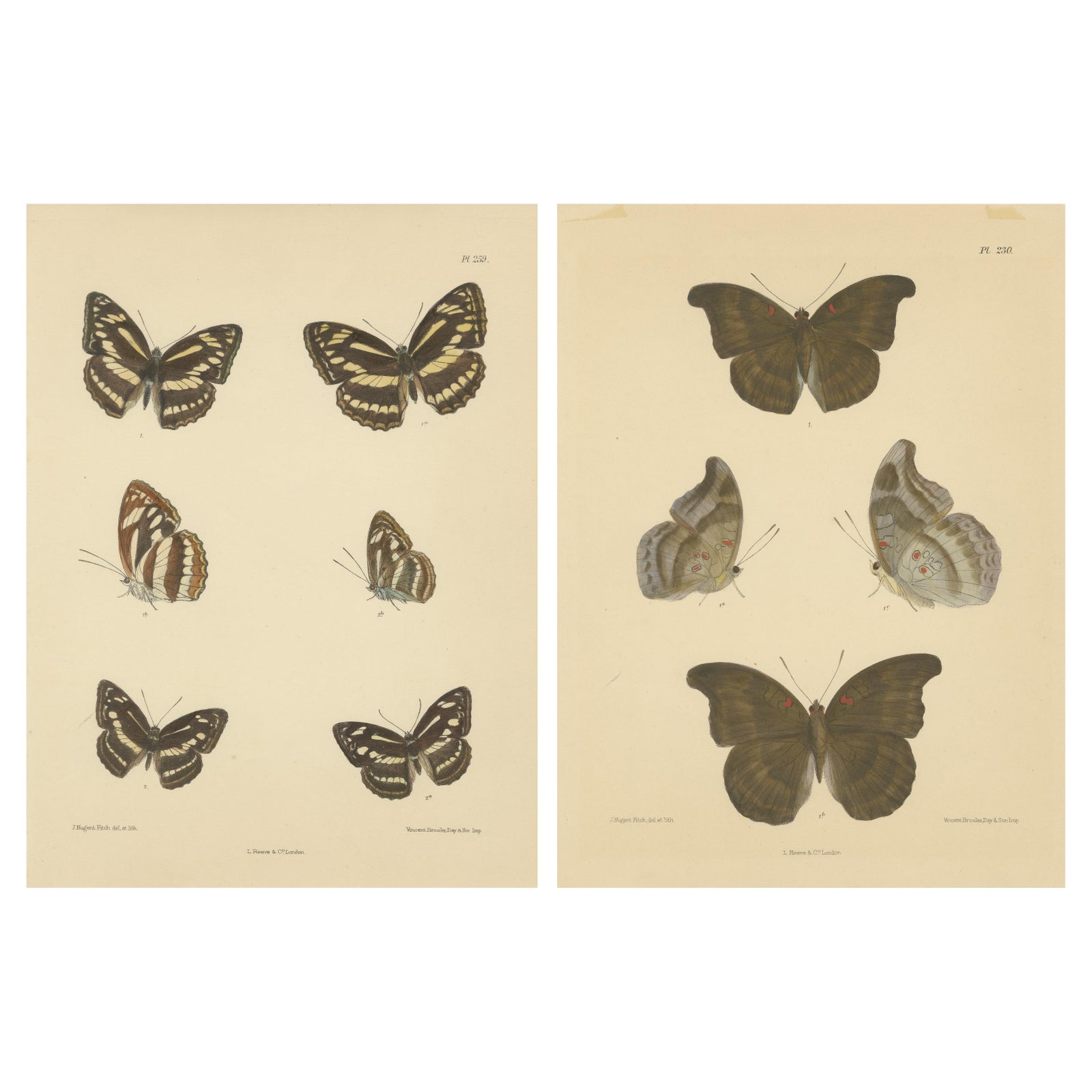
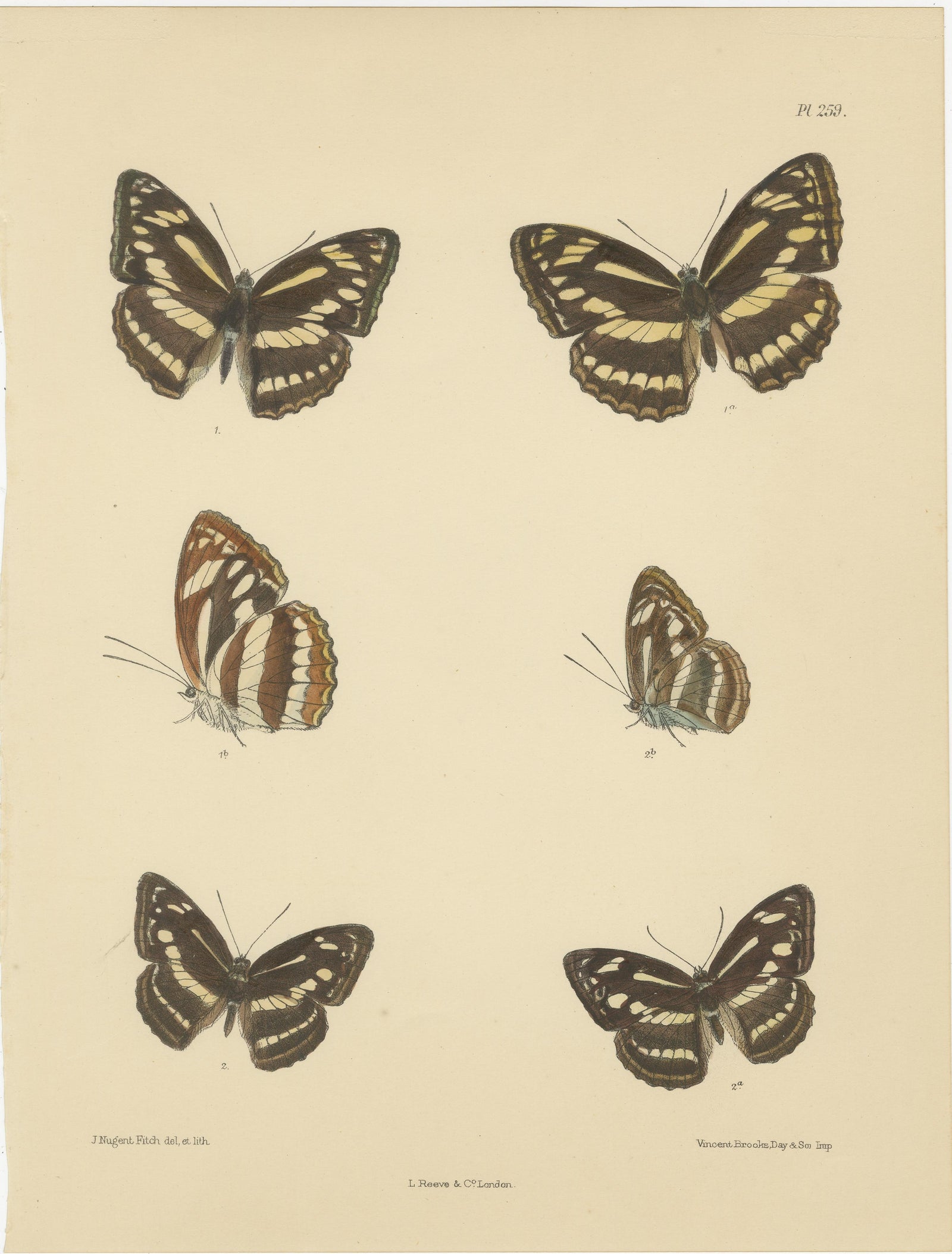
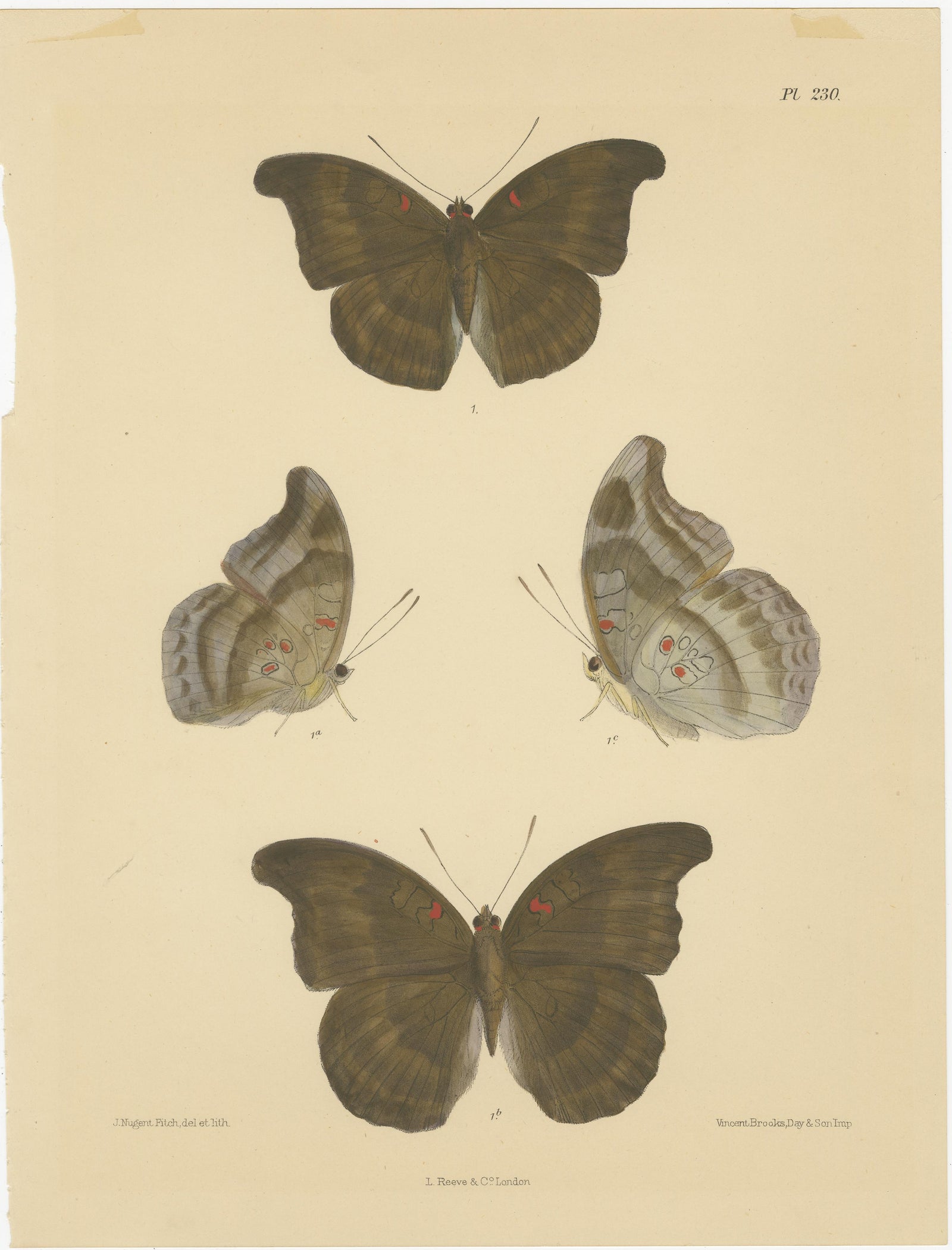
Description: This exquisite collection of lithographs from 1878 features the work of Frederic C. Moore and J. Nugent Fitch, presenting a vibrant array of butterfly species with remarkable attention to detail. The plates, Pl. 229 and Pl. 230, display several butterfly species, including the **Neptis hylas** (Common Sailer), known for its elegant black and white striped wings, and the 'Charaxes bernardus' (Tawny Rajah), recognizable for its striking red spots on brown wings. Each butterfly is depicted with extraordinary precision, capturing the subtle beauty and complex patterns that make these species so unique. The detailed coloration and lifelike rendering reflect the Victorian era's passion for the natural sciences, combining scientific accuracy with artistic grace. These lithographs are perfect for collectors of natural history art, offering a glimpse into the beauty of 19th-century entomology.
Condition Report: The lithographs are in good condition, maintaining rich colors with minor age-related toning. There is light foxing, mainly around the edges, which is typical for lithographs of this age and does not detract from the overall quality and appeal of the illustrations. One print has small remains of top in the top, not affecting the image once framed.