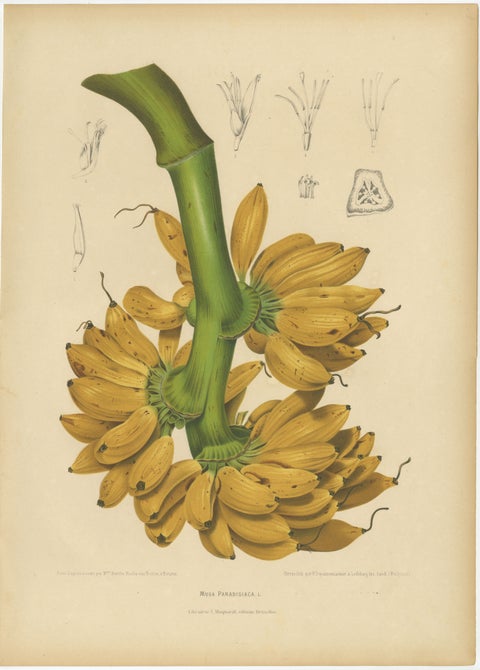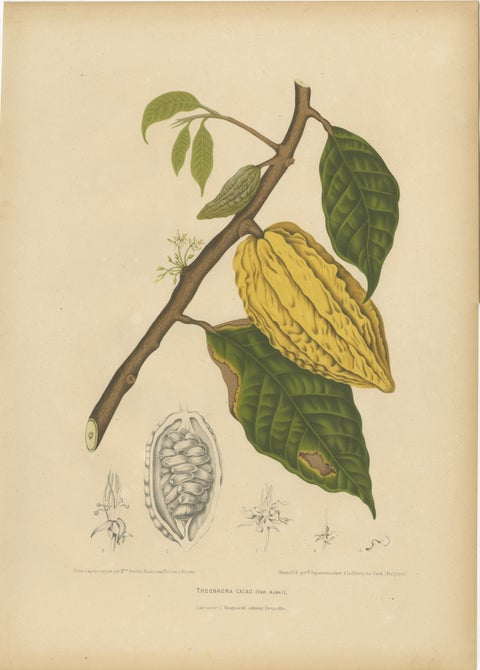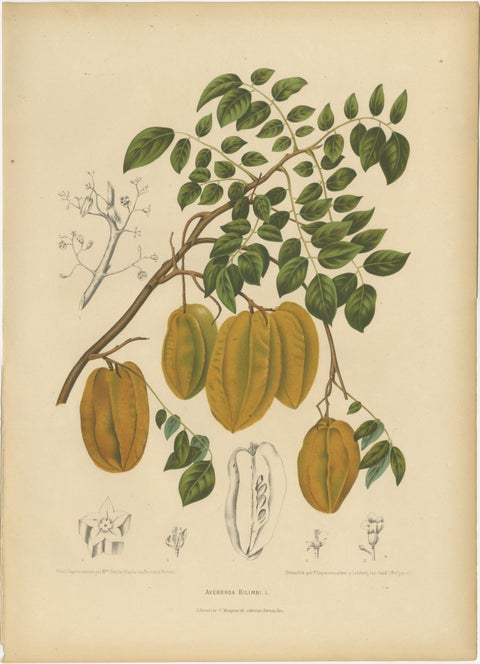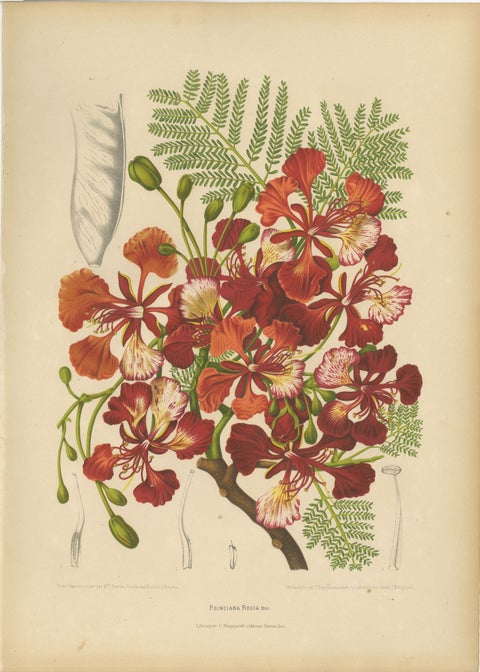
Framed and on the wall
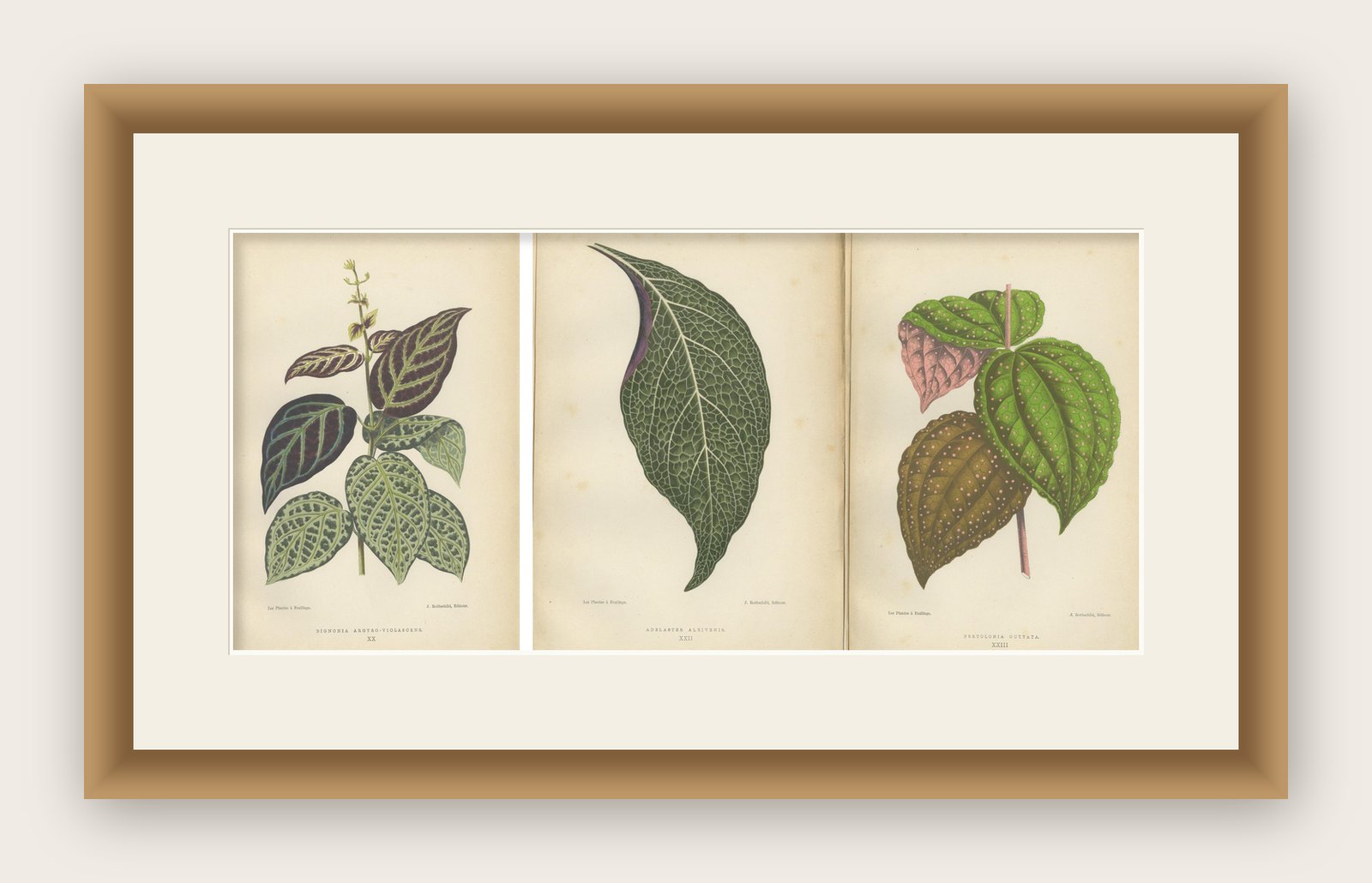


Frame and rooms are illustrations of how the print could look; the description says what is included.
Verdant Variations: A Triptych of 19th Century Botanical Elegance, 1880
€240 ($270, £205, €240)
Period original, not a reproduction.
Shipped from the Netherlands, flat, insured and tracked, worldwide. Returns accepted within 14 days.
- Date
- 1880
- Size
- 10.6 × 7.1 in (27 × 18 cm)
- Condition
- Good. Given age. General age-related toning and/or occasional minor defects from handling. Please study scan carefully. Comes with protective sheet and text sheet in French.
- Period
- Late 19th century
- Section
- Botanical
- Reference
- f_38831052
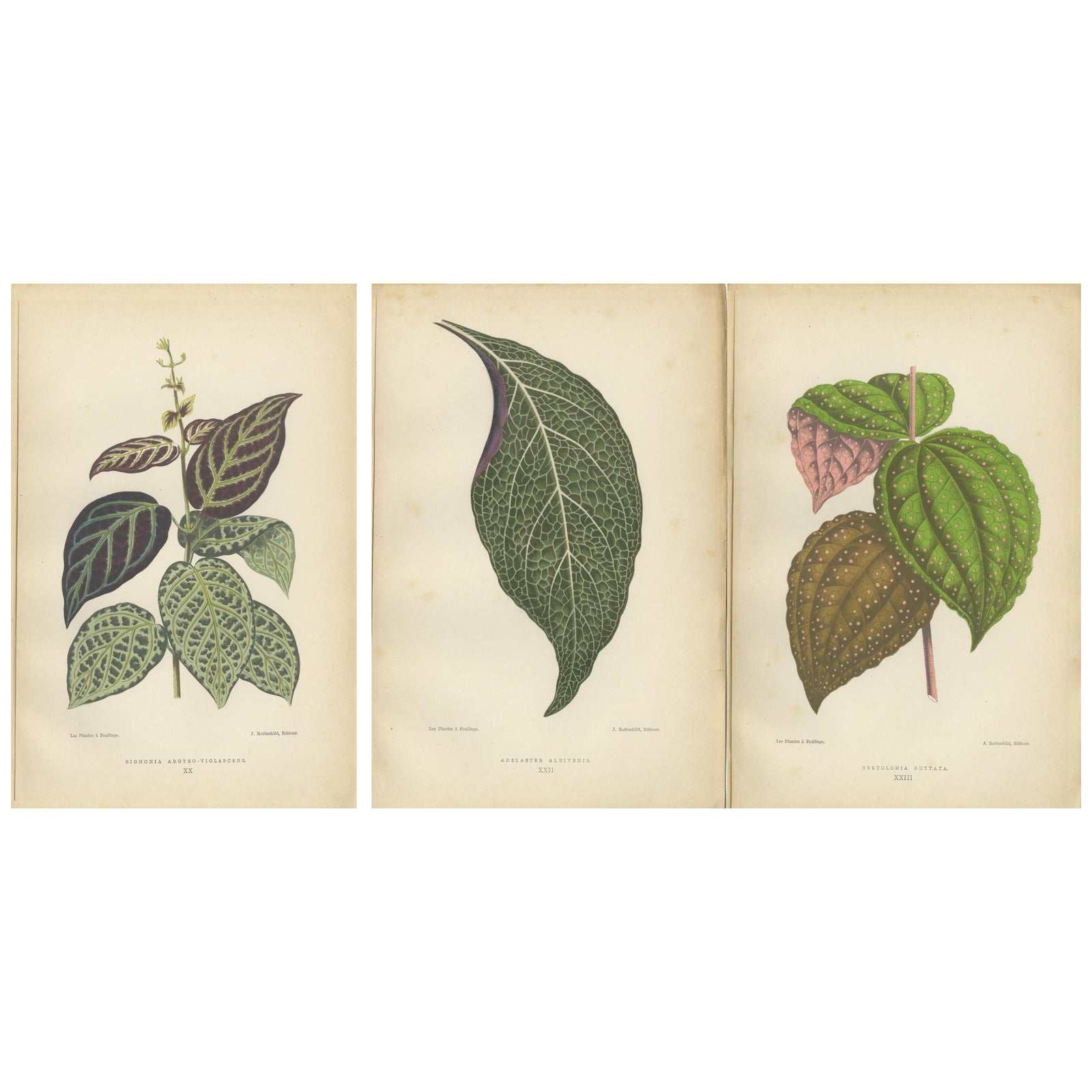
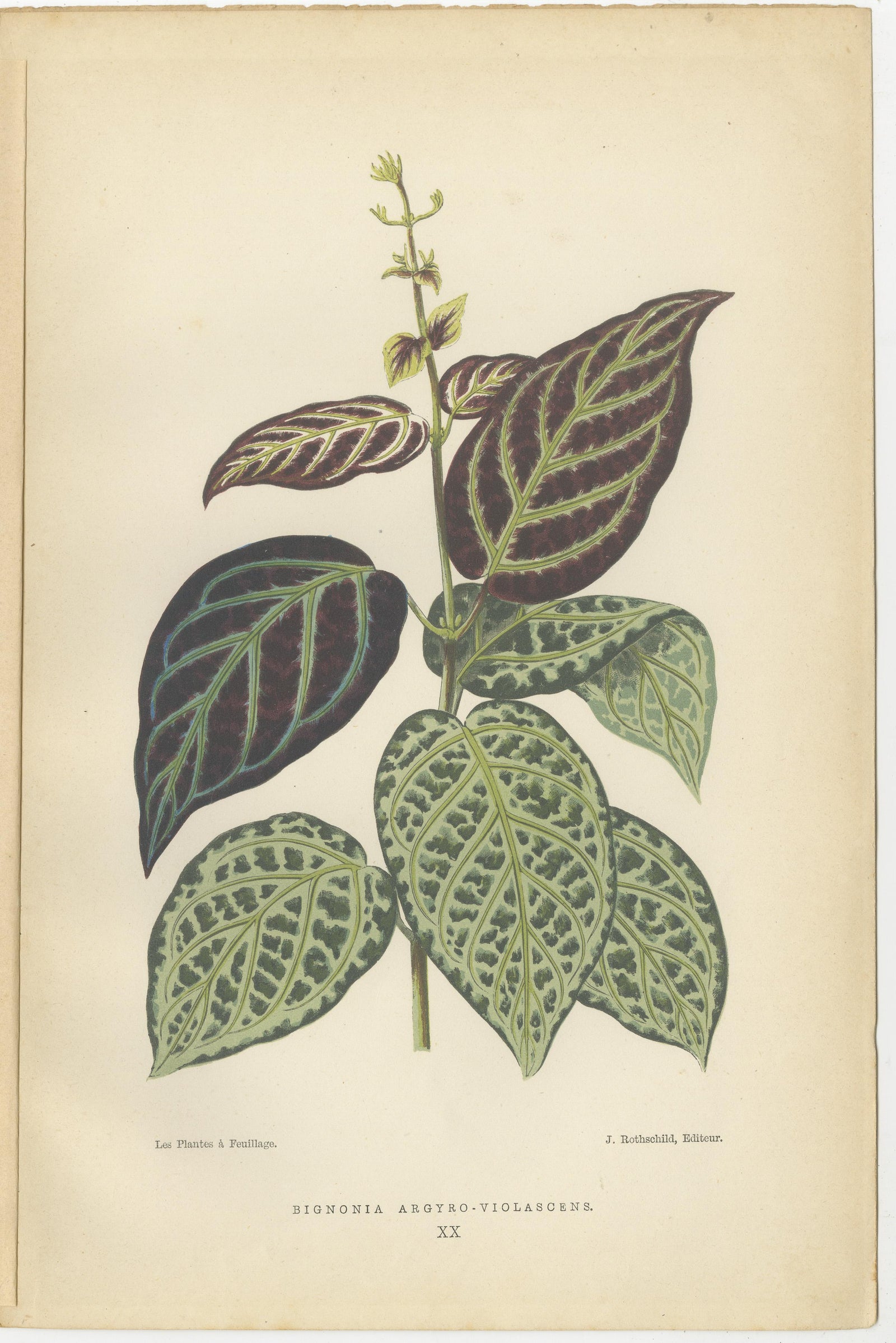
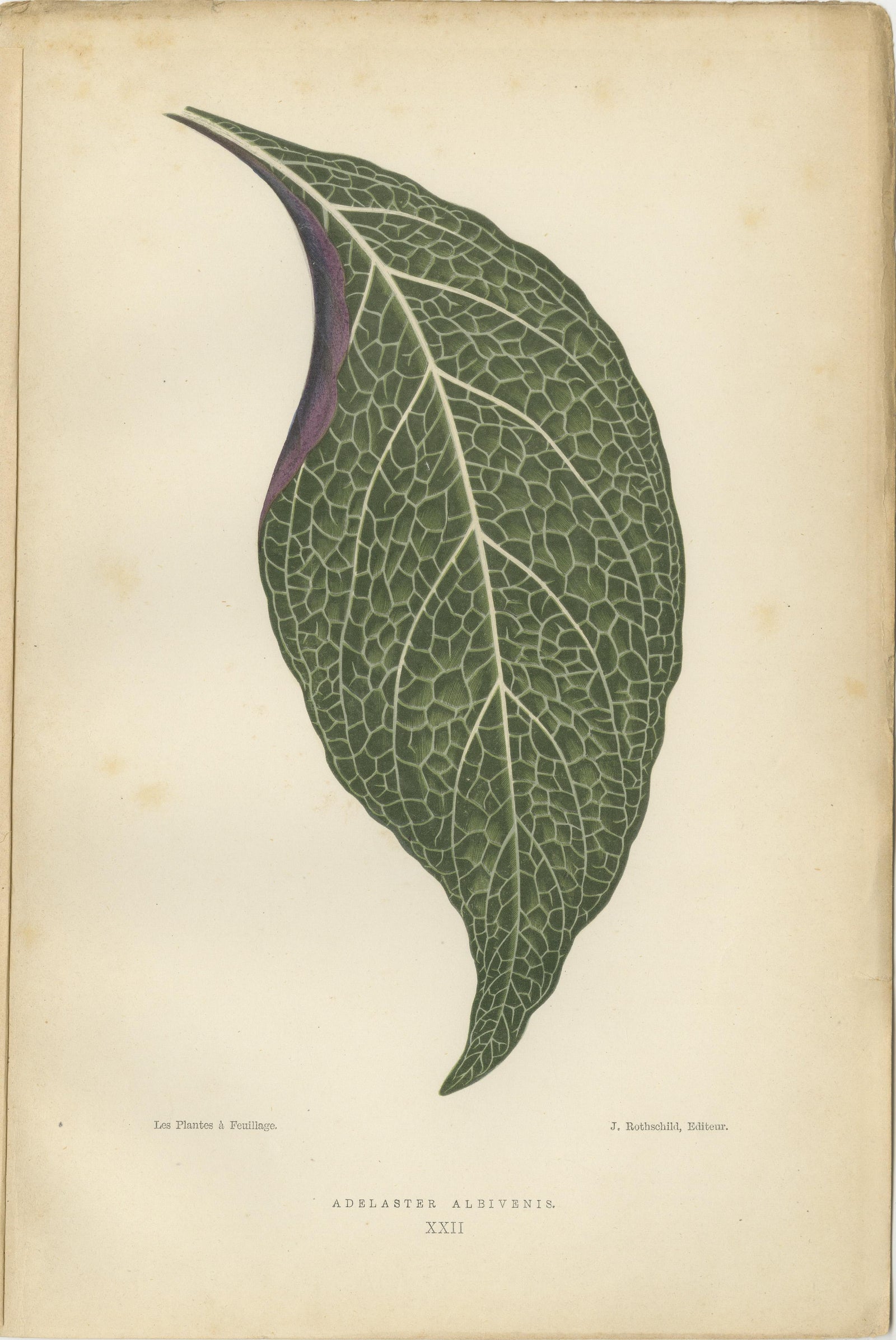
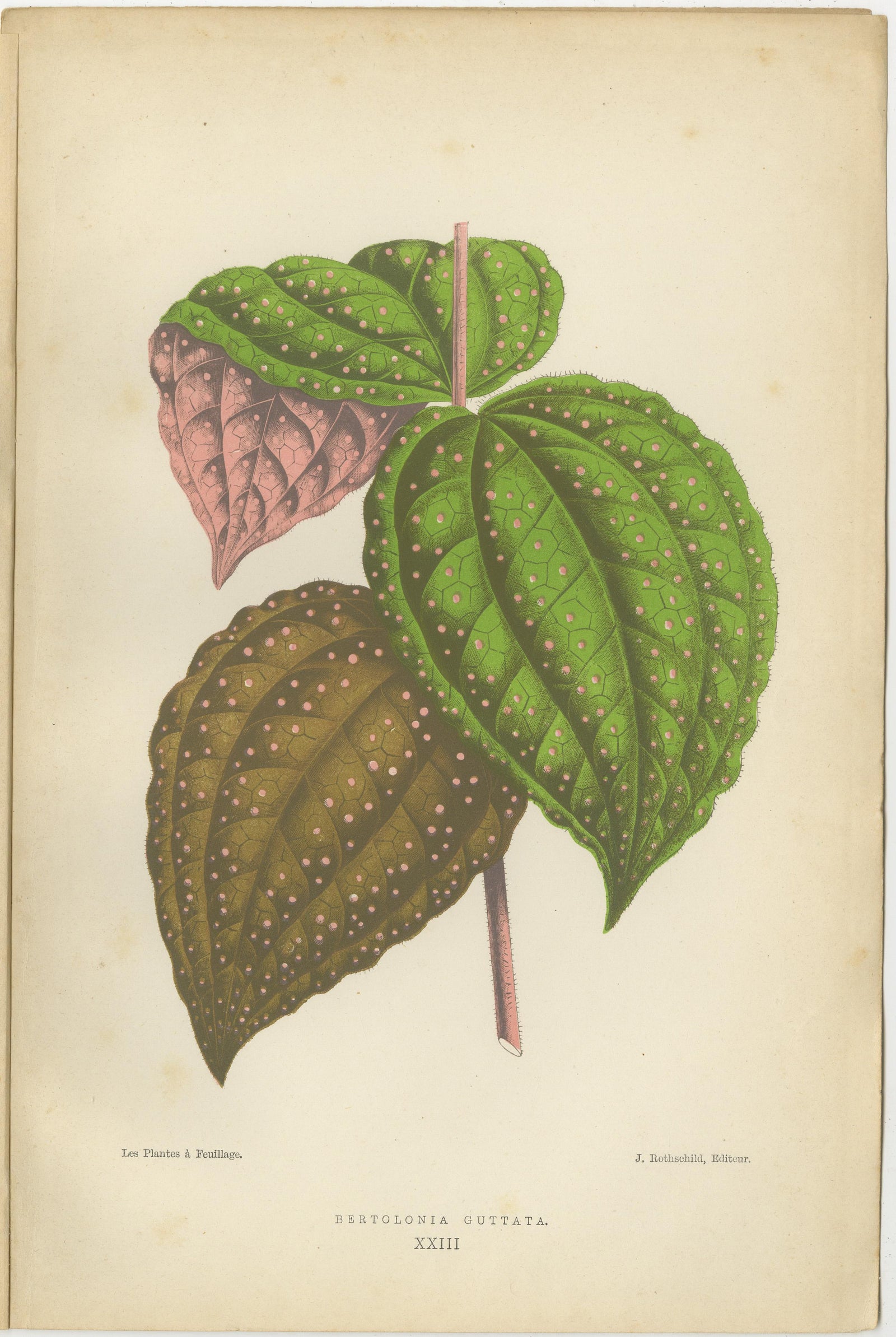
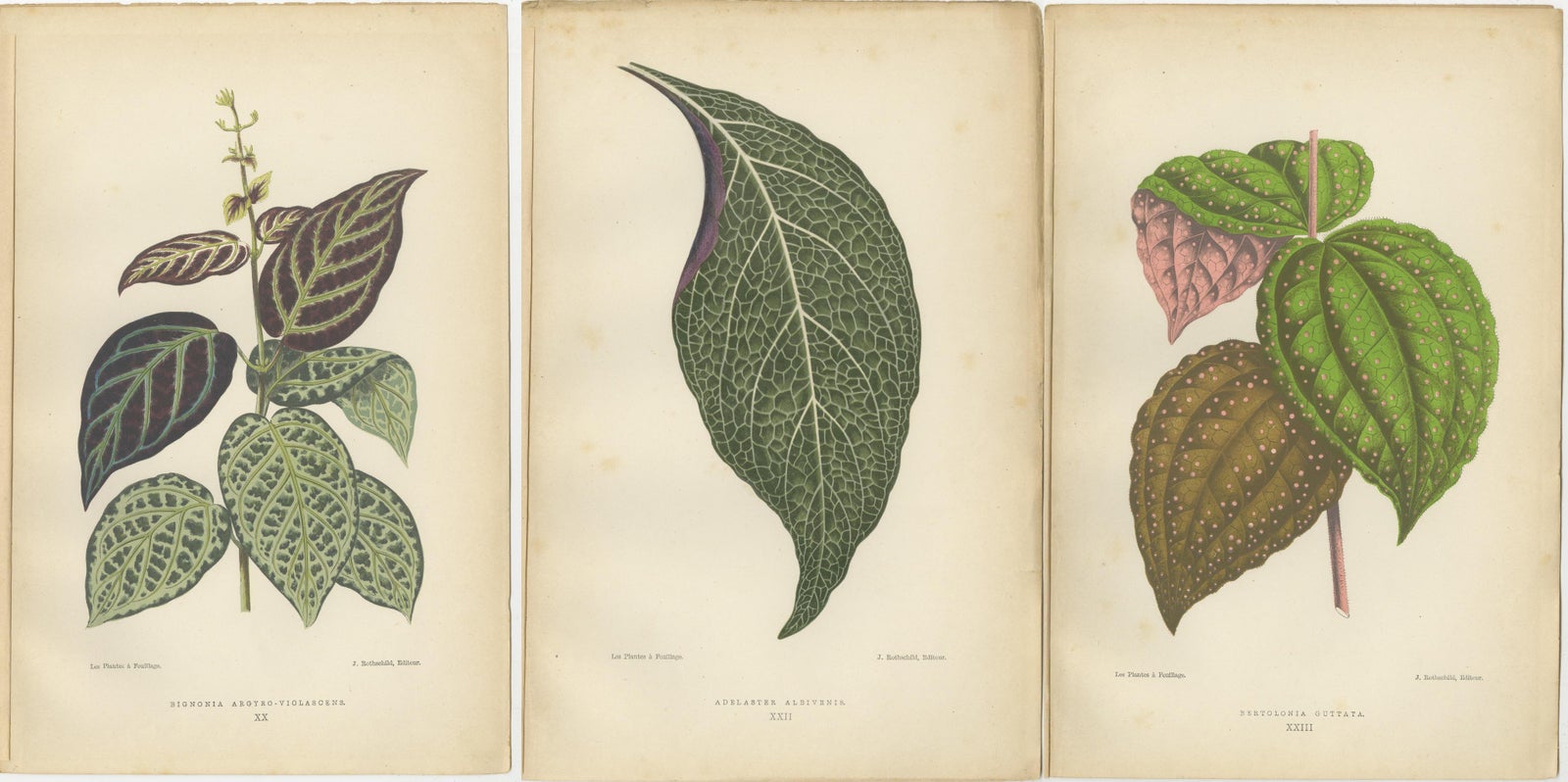
These images are botanical prints from "Les Plantes à Feuillage Coloré, Tome Second," a book that was published in Paris in 1880 with J. Rothschild as the editor. This type of work is known for its detailed and accurate representation of plants, often used as a reference for botanists, horticulturists, and plant enthusiasts. They are also appreciated for their artistic quality and are collected for their beauty.
1. The first image features a plant labeled as "BIGNONIA ARGYRO-VIOLASCENS XX." This plant has leaves with a striking appearance, showcasing dark green to almost black foliage with bright silvery-green patterns and veining, and a purple tint to the undersides. It also has a spire of unopened buds indicative of future flowers.
2. The second print shows "ADELASTER ALBIVENSIS XXII." This print depicts a single leaf with a deep green, almost web-like veining pattern against a lighter green background. The leaf margins have a gentle wave, and there is a subtle hint of purple coloring along the main vein and at the tip of the leaf.
3. The last print is of "BERTOLONIA GUTTATA XXIII." It illustrates a plant with two leaves that are rich green with a somewhat puckered surface. The leaves are decorated with numerous tiny, light-colored spots and have reddish-pink undersides, giving the plant a distinctive look.
All three prints are of high quality, with excellent color preservation, suggesting they were well cared for over the years. They provide a glimpse into the past, showing how plants were documented and presented in scientific works of the time. The attention to detail in these prints helps not only in the scientific identification and study of these species but also serves as historical artwork that reflects the botanical interests and printing capabilities of the era.