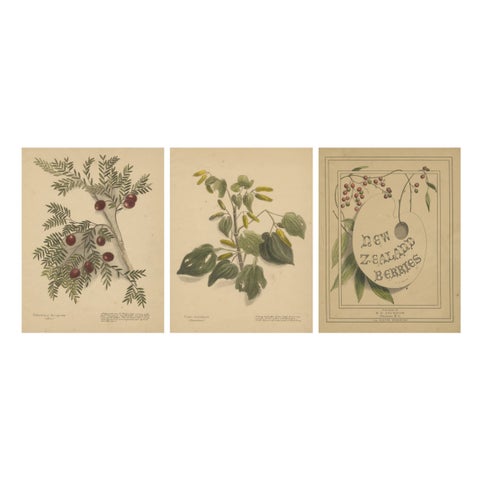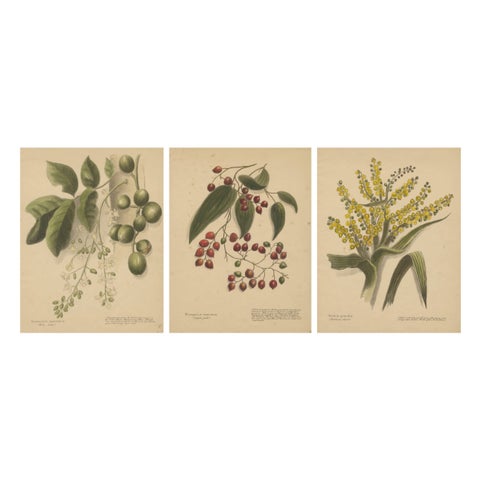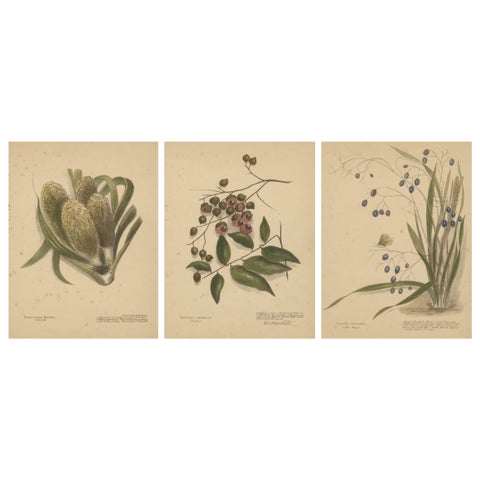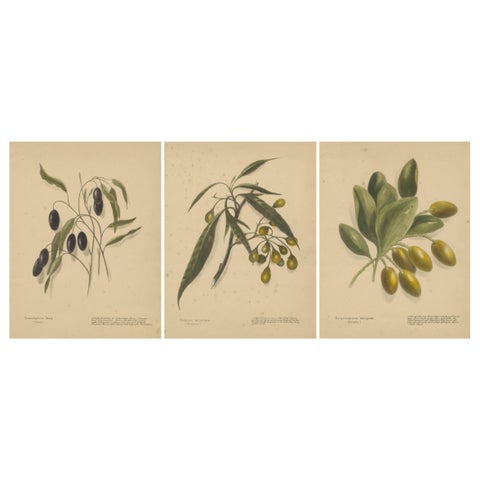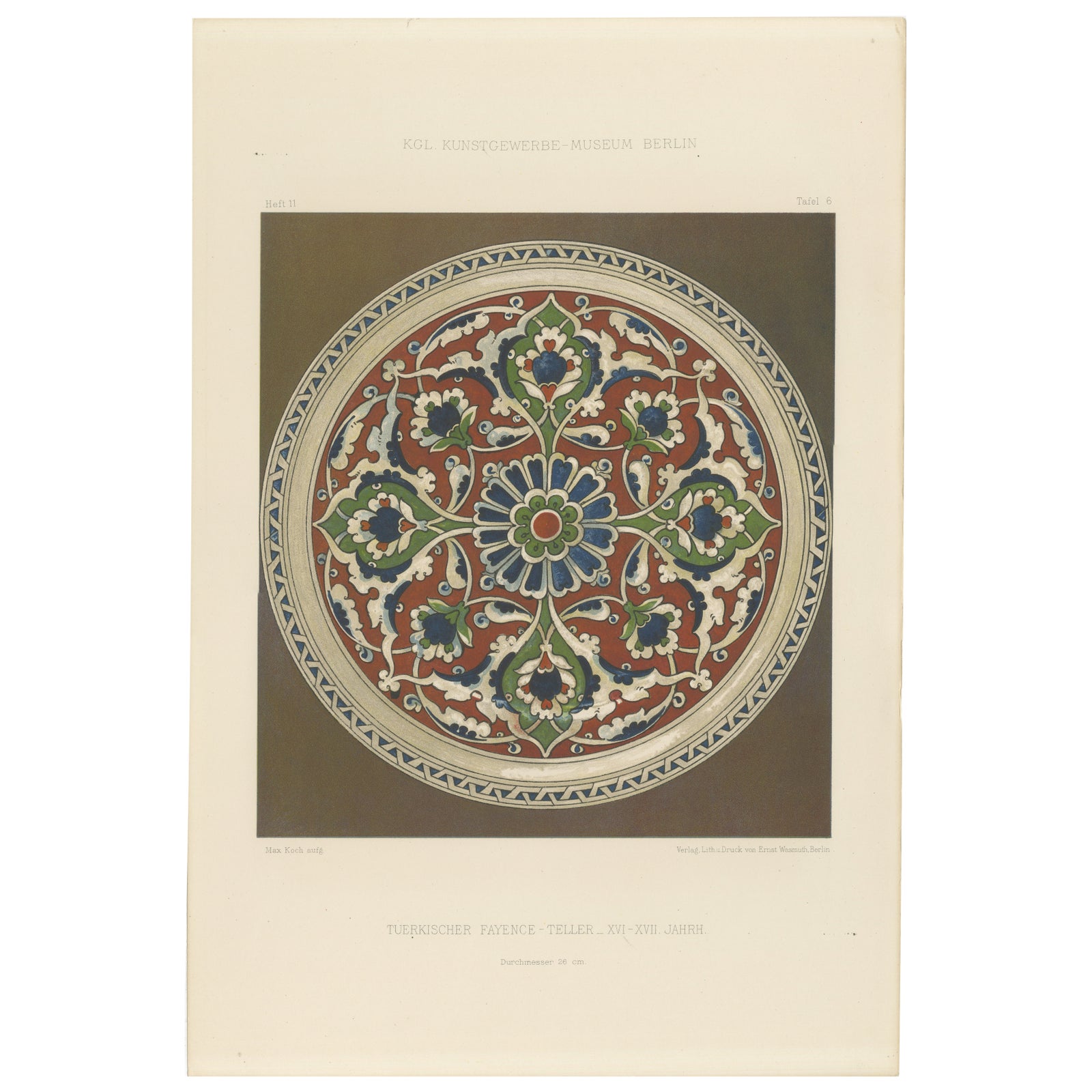
Close-ups
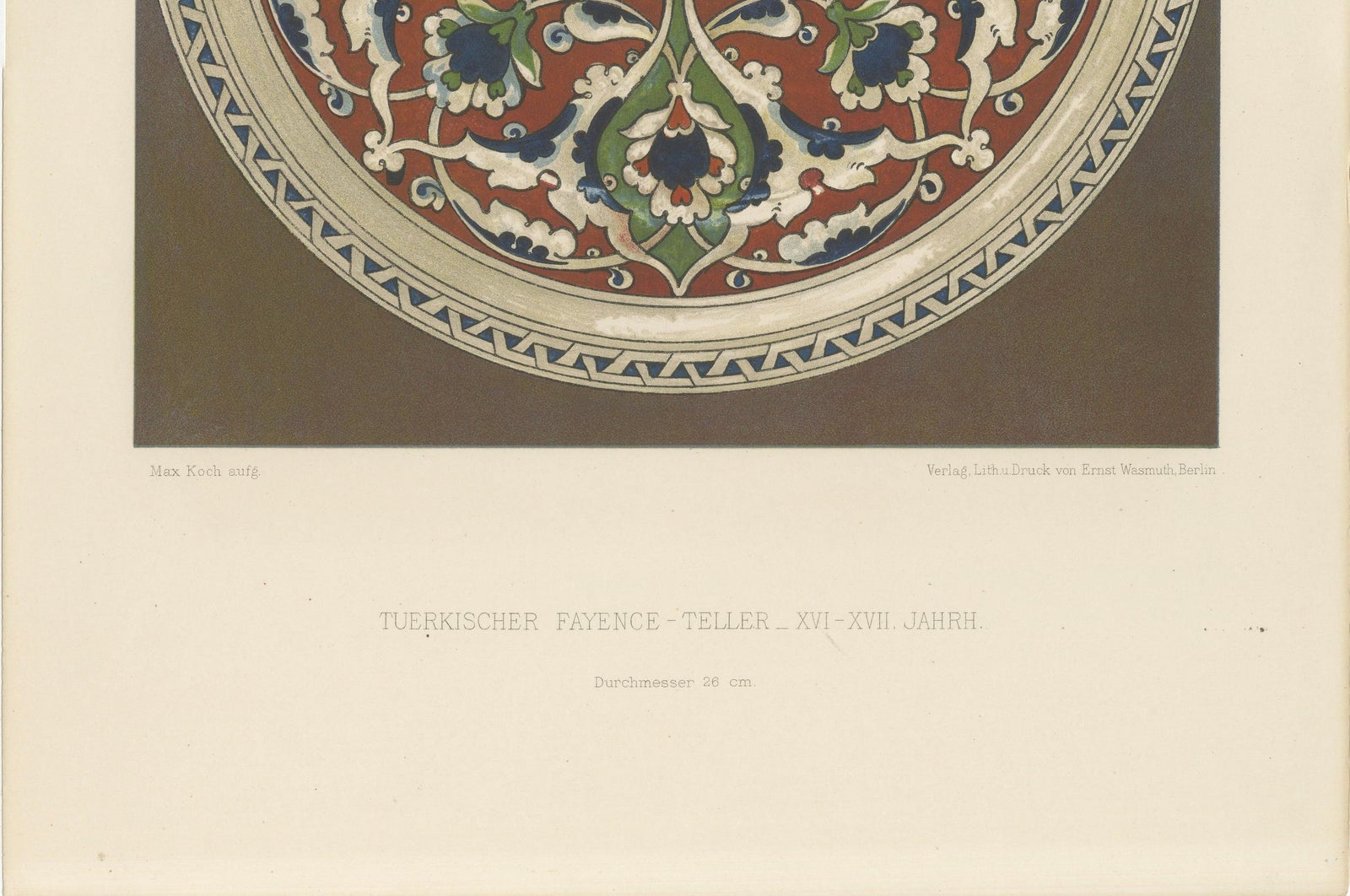
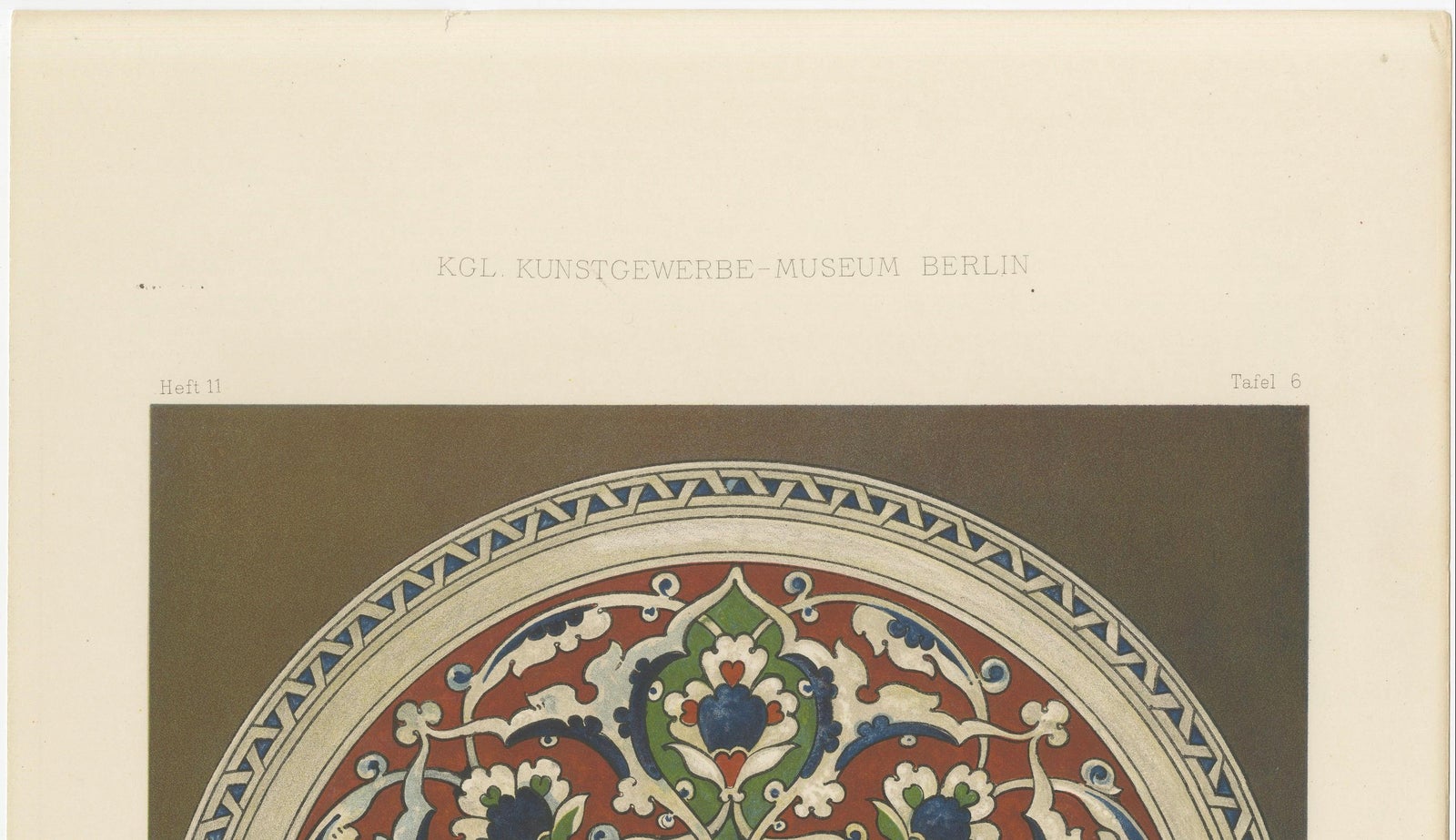
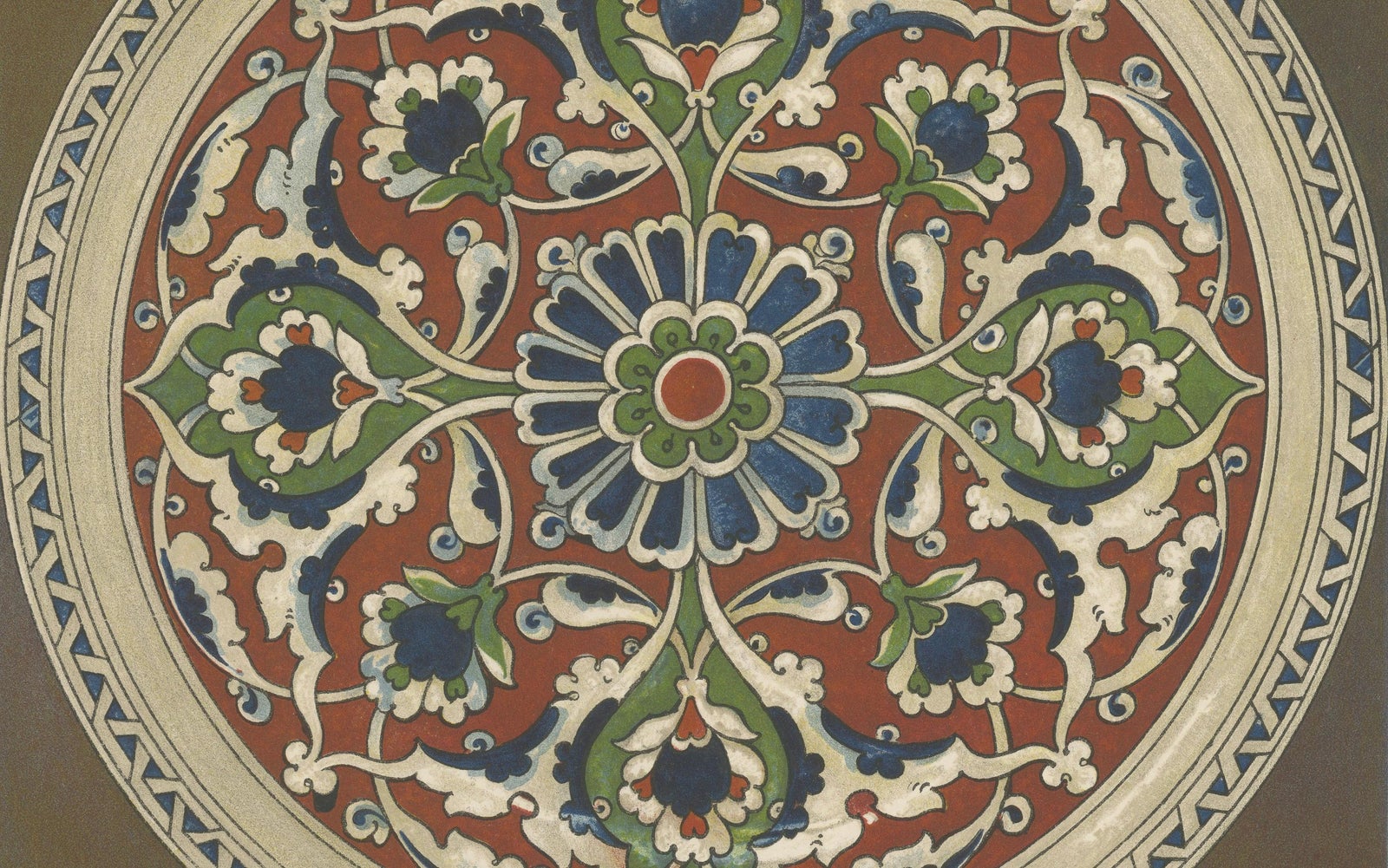
Framed and on the wall
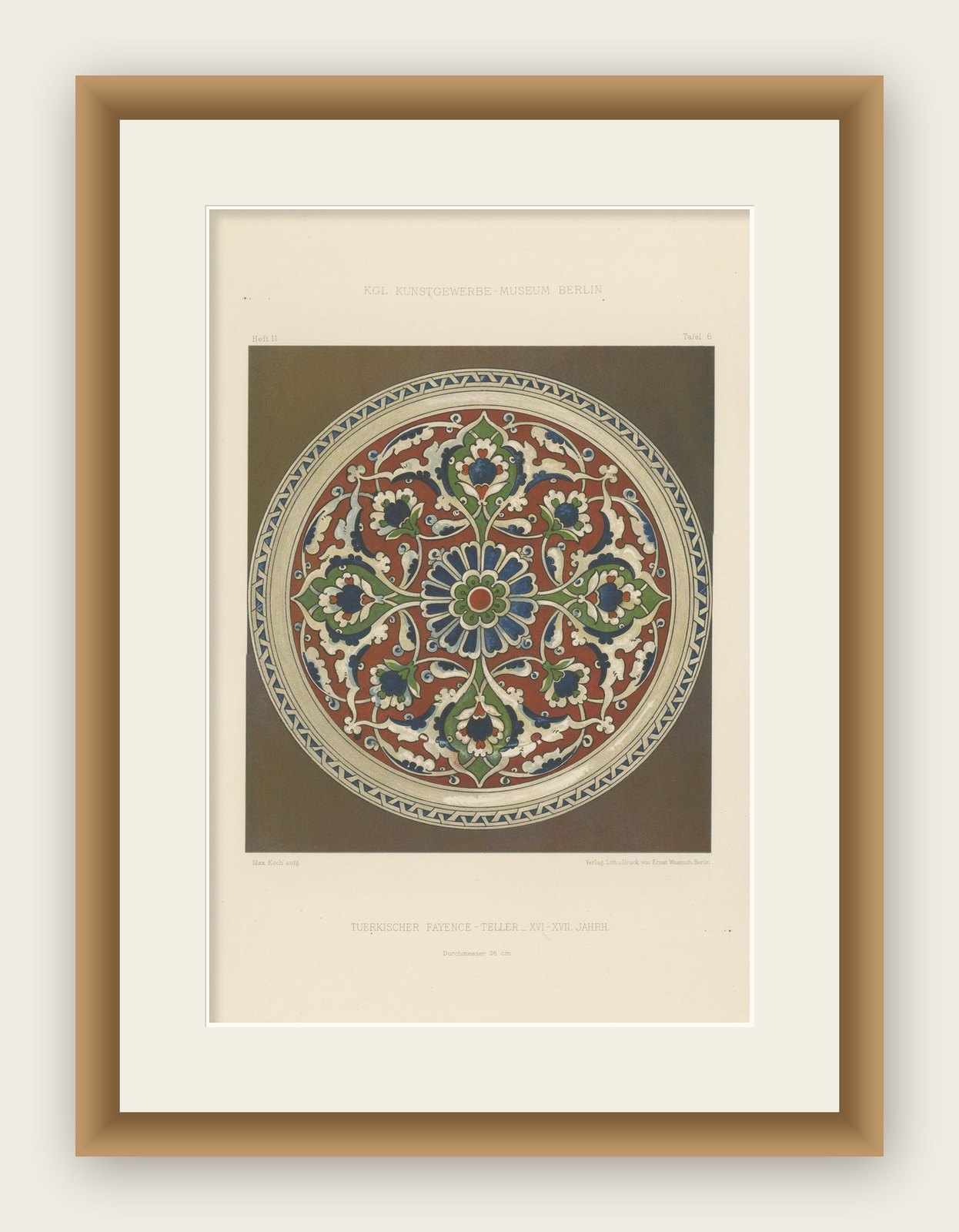
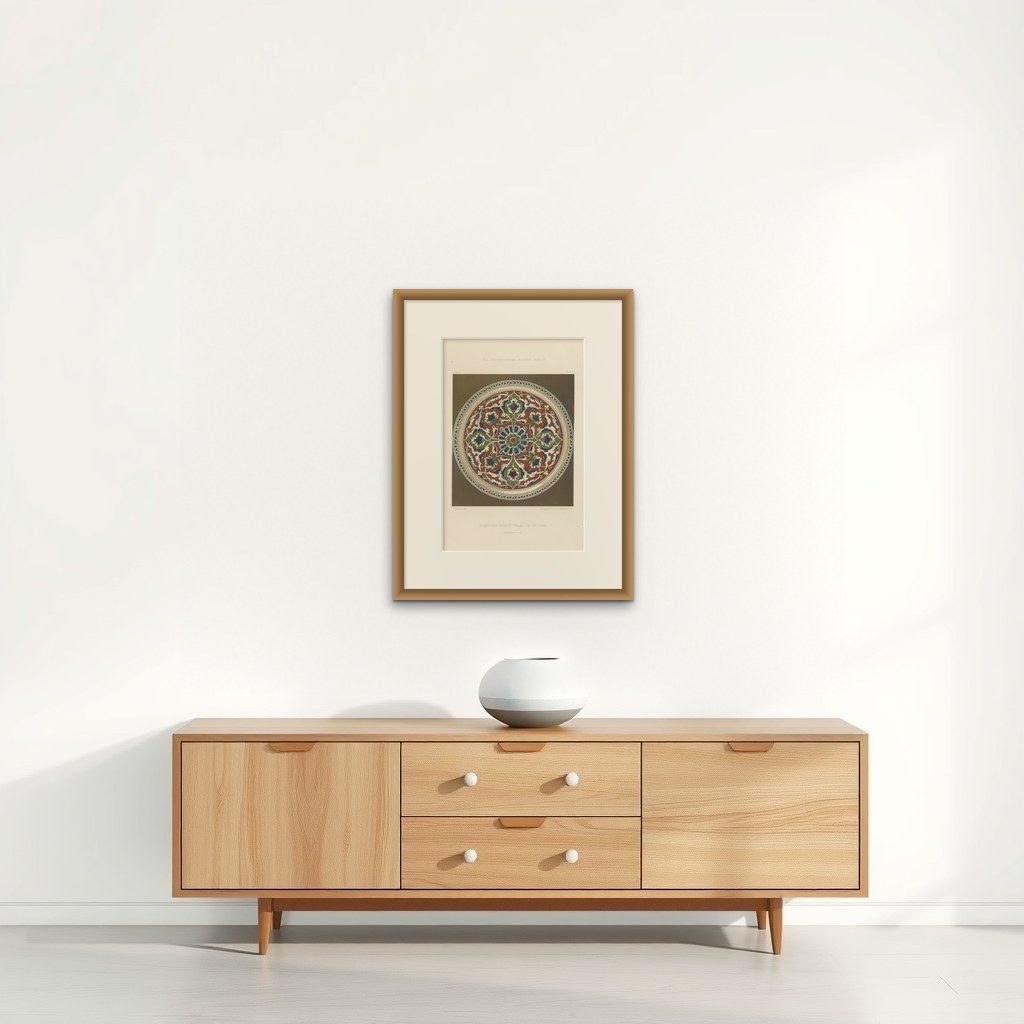
Frame and rooms are illustrations of how the print could look; the description says what is included.
Turkish Faience Plate with Stylized Floral Medallion, J. Lessing, Berlin 1890
$380 (£290, €340)
Period original, not a reproduction.
Shipped from the Netherlands, flat, insured and tracked, worldwide. Returns accepted within 14 days.
- Date
- 1890
- Size
- 19.3 × 13 in (49 × 33 cm)
- Condition
- Good. Very fine condition with fresh, well-preserved colors and full margins. Minimal age-related toning, minor handling traces near edges. Overall crisp and clean impression with strong color fidelity.
- Period
- Late 19th century
- Section
- Botanical
- Reference
- f_47346072
Turkish Faience Plate with Stylized Floral Medallion, Julius Lessing, Berlin 1890
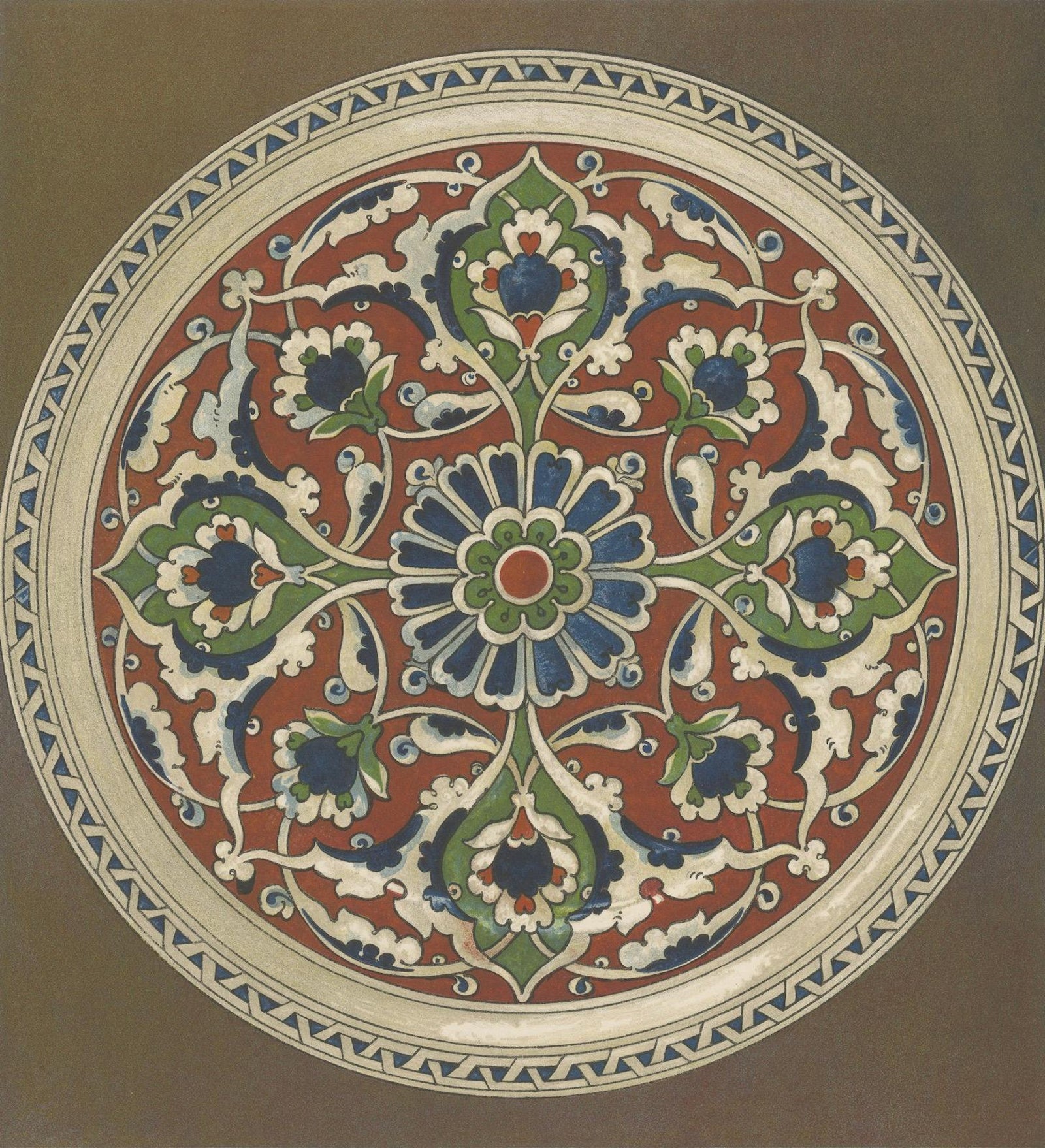
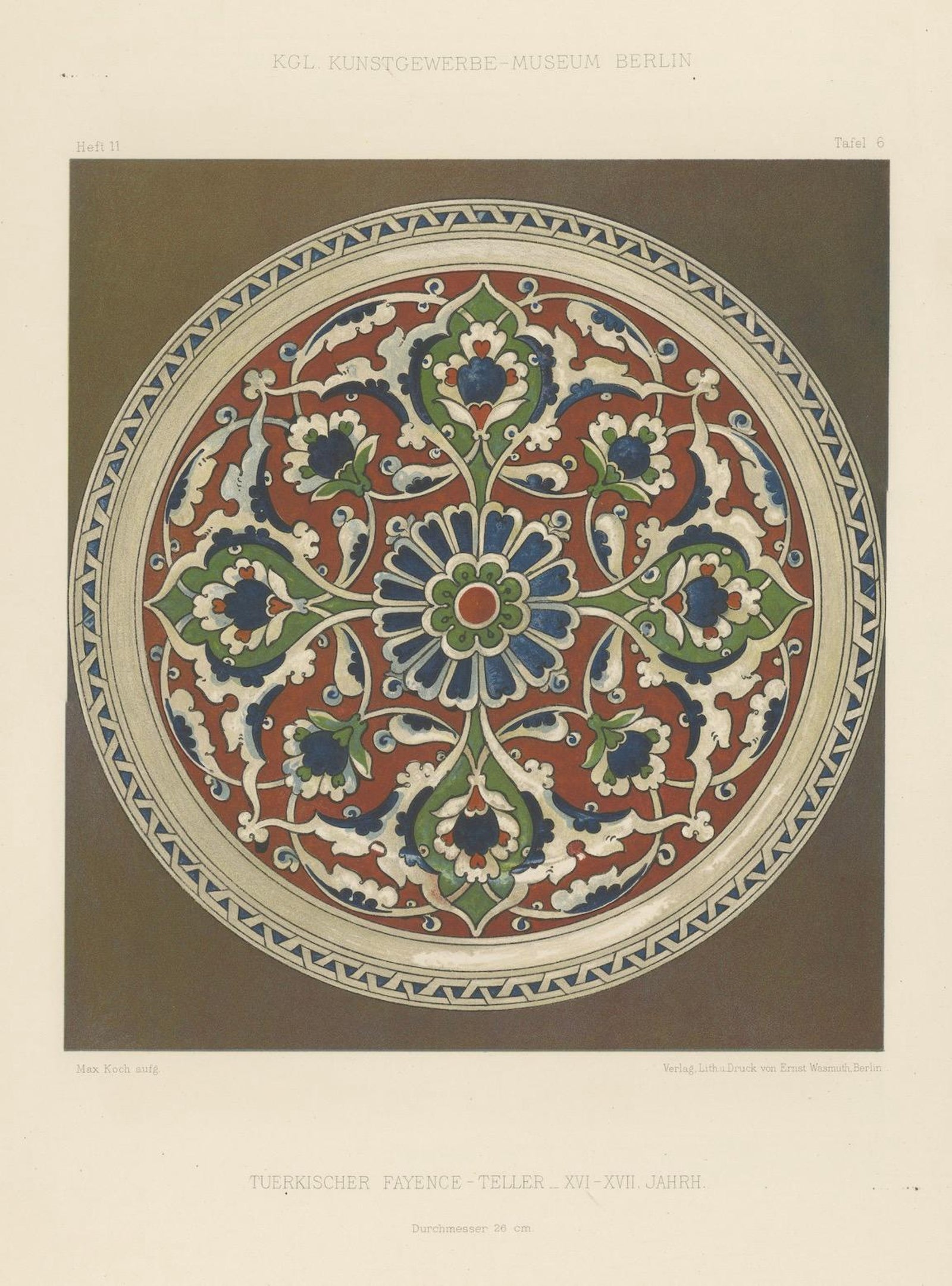
A beautifully detailed chromolithograph from Julius Lessing’s Persisch-Türkische Fayencen (Persian-Turkish Faience), published in Berlin by Ernst Wasmuth in 1890 as part of Vorbilder-Hefte aus dem Königlichen Kunstgewerbe-Museum, Heft 11. This plate (Tafel 6) reproduces a 16th–17th-century Turkish faience dish from the collection of the Royal Museum of Decorative Arts in Berlin.
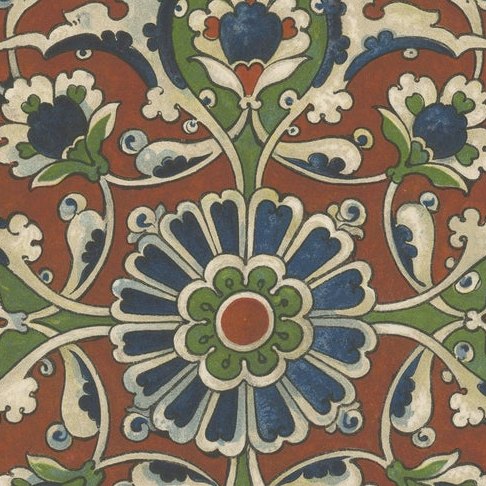
The design presents a striking circular medallion composed of interwoven arabesques and stylized floral motifs, radiating symmetrically from a central blue and green rosette. The intricate pattern, executed in bold shades of coral red, deep blue, green, and ivory, embodies the elegance of Ottoman Iznik pottery at its height. The dynamic interplay between the curving white tendrils and the red background conveys a rhythmic balance typical of Islamic ornamentation, symbolizing unity and infinite harmony.
This composition reflects the influence of the classical Iznik workshops of the 16th century, where Persian decorative ideas merged with Ottoman design refinement. The use of pure mineral colors, the crisp delineation of pattern, and the harmonious repetition of floral elements show the technical mastery and aesthetic sophistication of these artisans.
The lithograph was drawn by Max Koch under the direction of Julius Lessing (1843–1908), first director of the Königliches Kunstgewerbemuseum in Berlin. Lessing’s Vorbilder-Hefte series was among the most important 19th-century projects for the study and dissemination of world decorative arts, designed to inspire designers, craftsmen, and architects with authentic historical examples. Printed by the renowned Wasmuth lithographic studio, this edition remains a masterpiece of 19th-century color printing.
Condition report:
Very fine condition with fresh, well-preserved colors and full margins. Minimal age-related toning, minor handling traces near edges. Overall crisp and clean impression with strong color fidelity.
Framing tips:
A dark wood or bronze-toned frame with a neutral ivory mat enhances the vivid coral red and deep blue palette. This work pairs elegantly with other plates from the *Persisch-Türkische Fayencen* series for a refined and balanced display.
Technique: Chromolithograph
Maker: Julius Lessing, Berlin, 1890