Close-ups
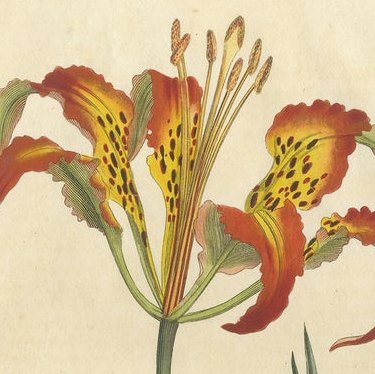
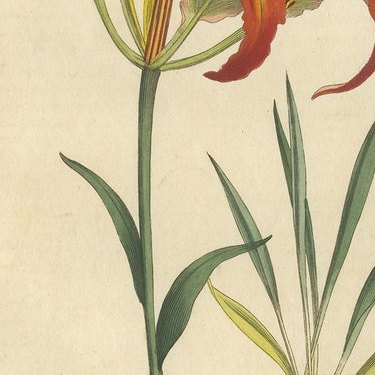
Framed and on the wall
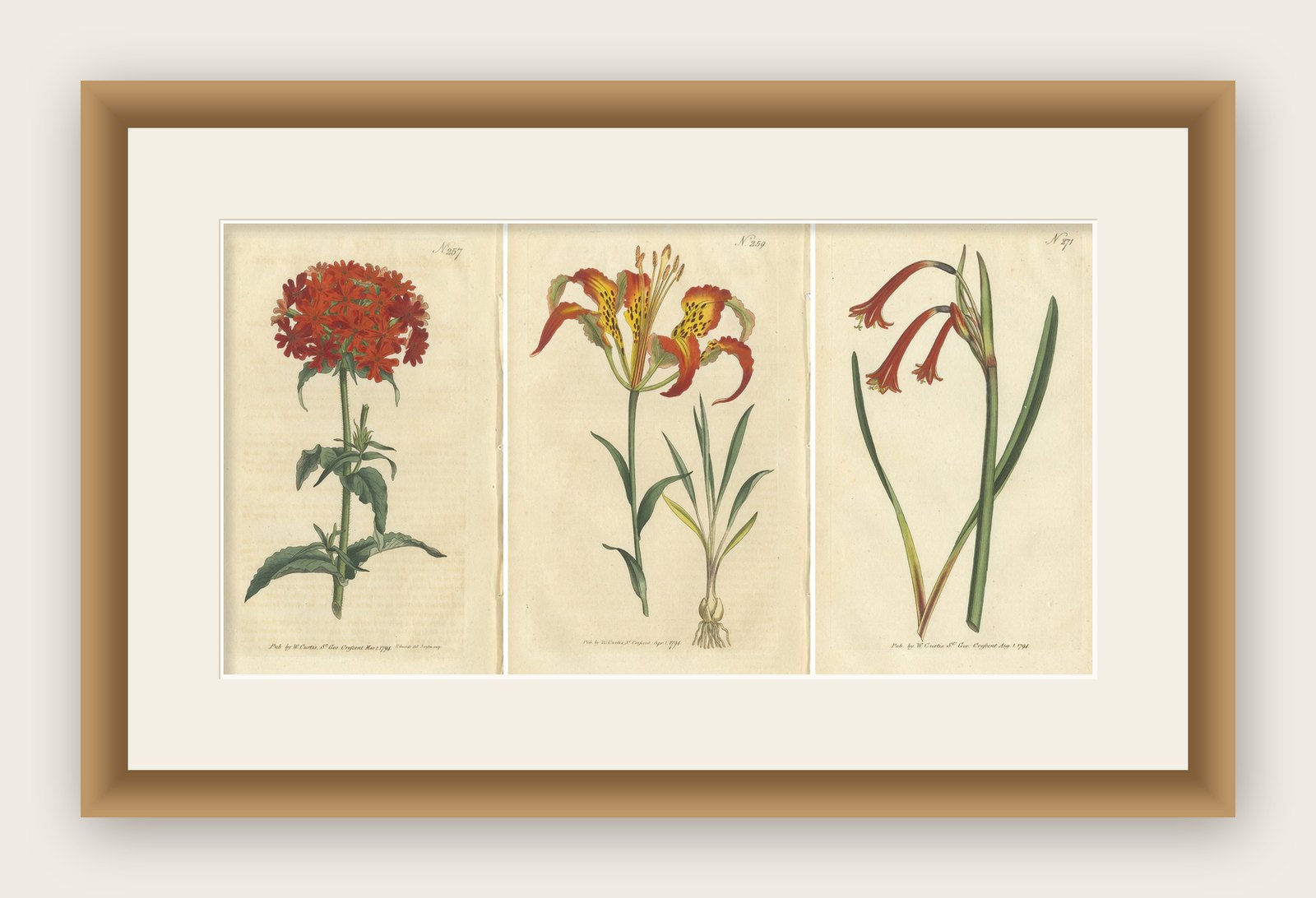
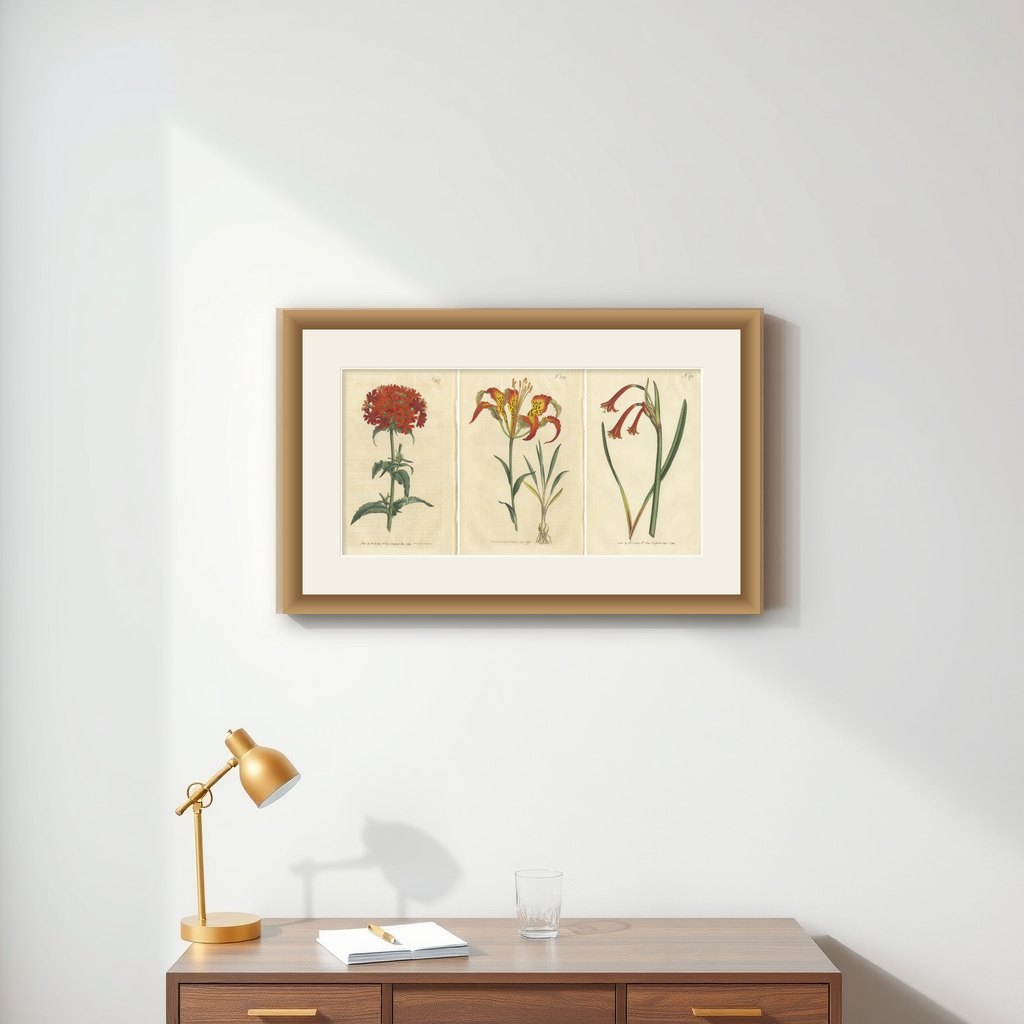

Frame and rooms are illustrations of how the print could look; the description says what is included.
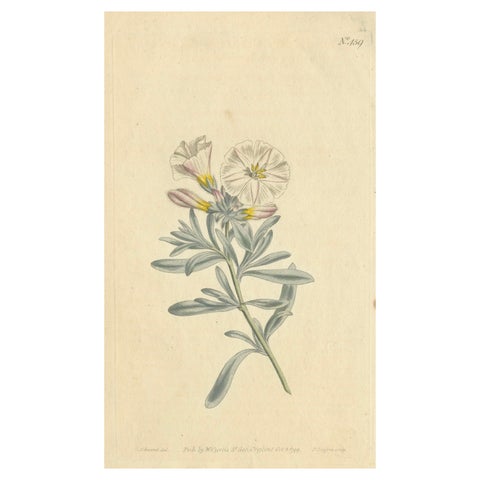
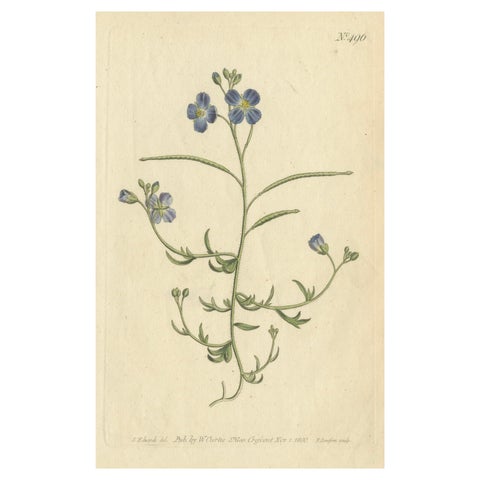
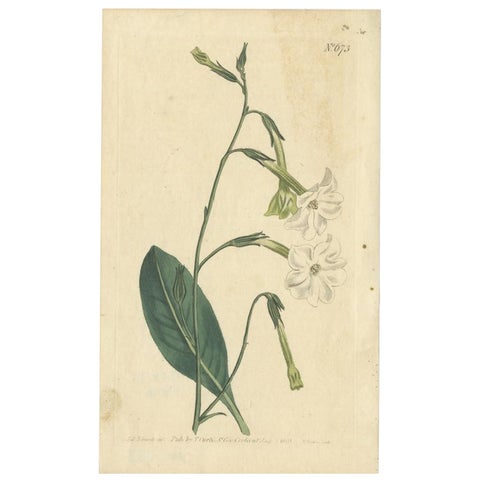
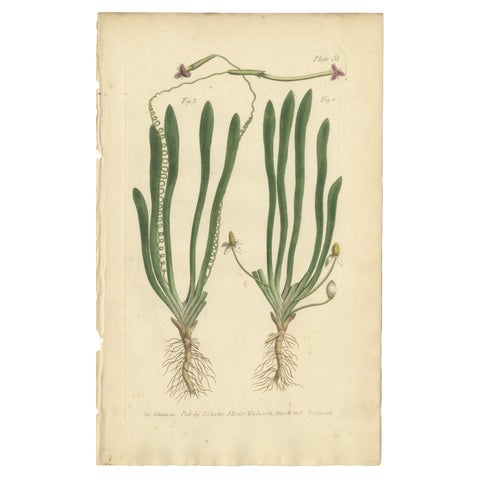
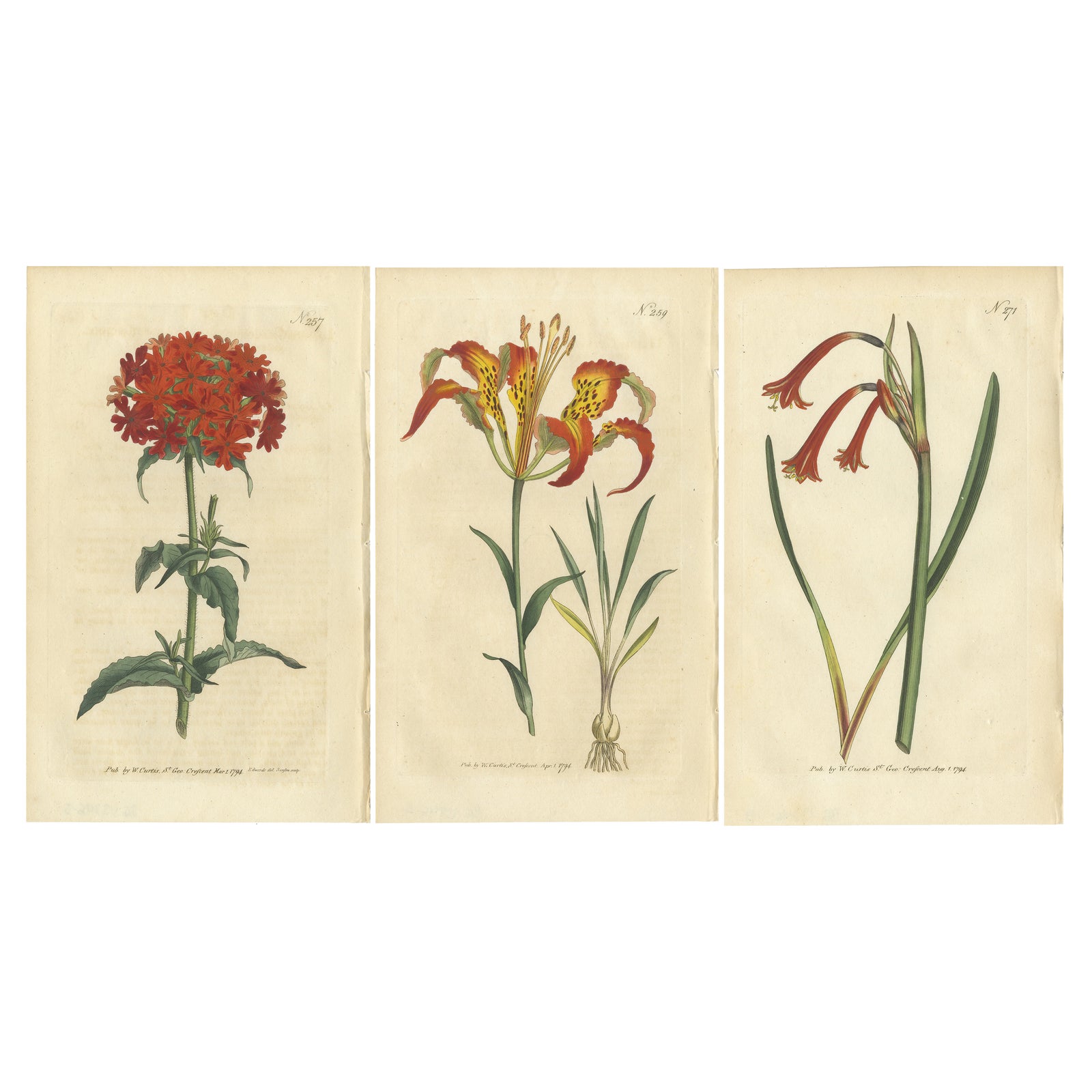
Three Botany Prints Full Color Original Engravings, 1794
£455 ($605, €540)
Period original, not a reproduction.
Shipped from the Netherlands, flat, insured and tracked, worldwide. Returns accepted within 14 days.
- Date
- 1794
- Size
- 9.1 × 5.5 in (23 × 14 cm)
- Condition
- Good. Wear consistent with age and use. Age-related toning, some wear and soiling. Blank verso. Please study image carefully.
- Period
- 18th century
- Artist or book
- Curtis's Botanical Magazine
- Section
- Botanical
- Reference
- f_31530442
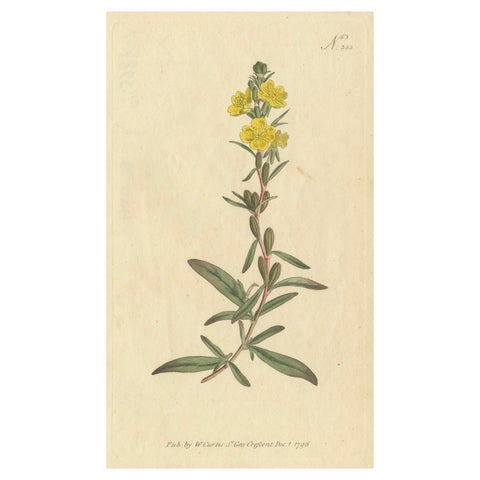
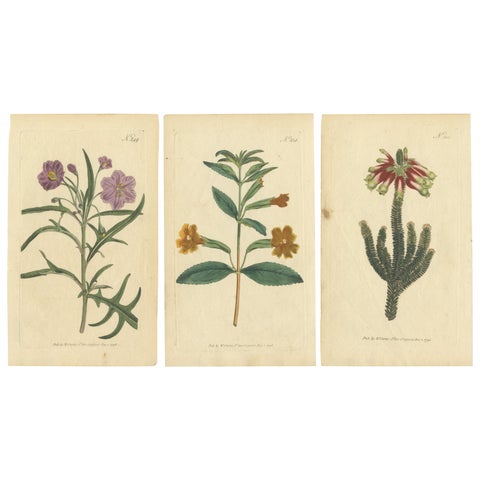
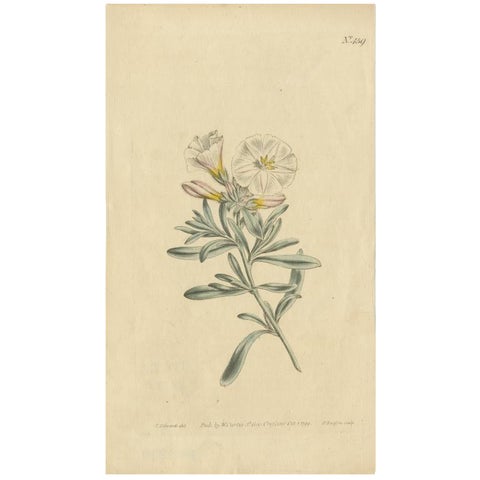
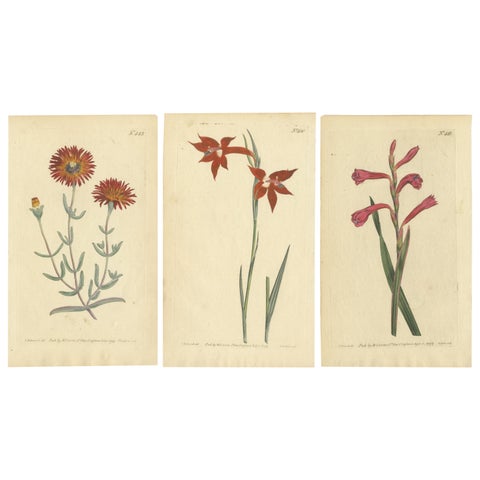
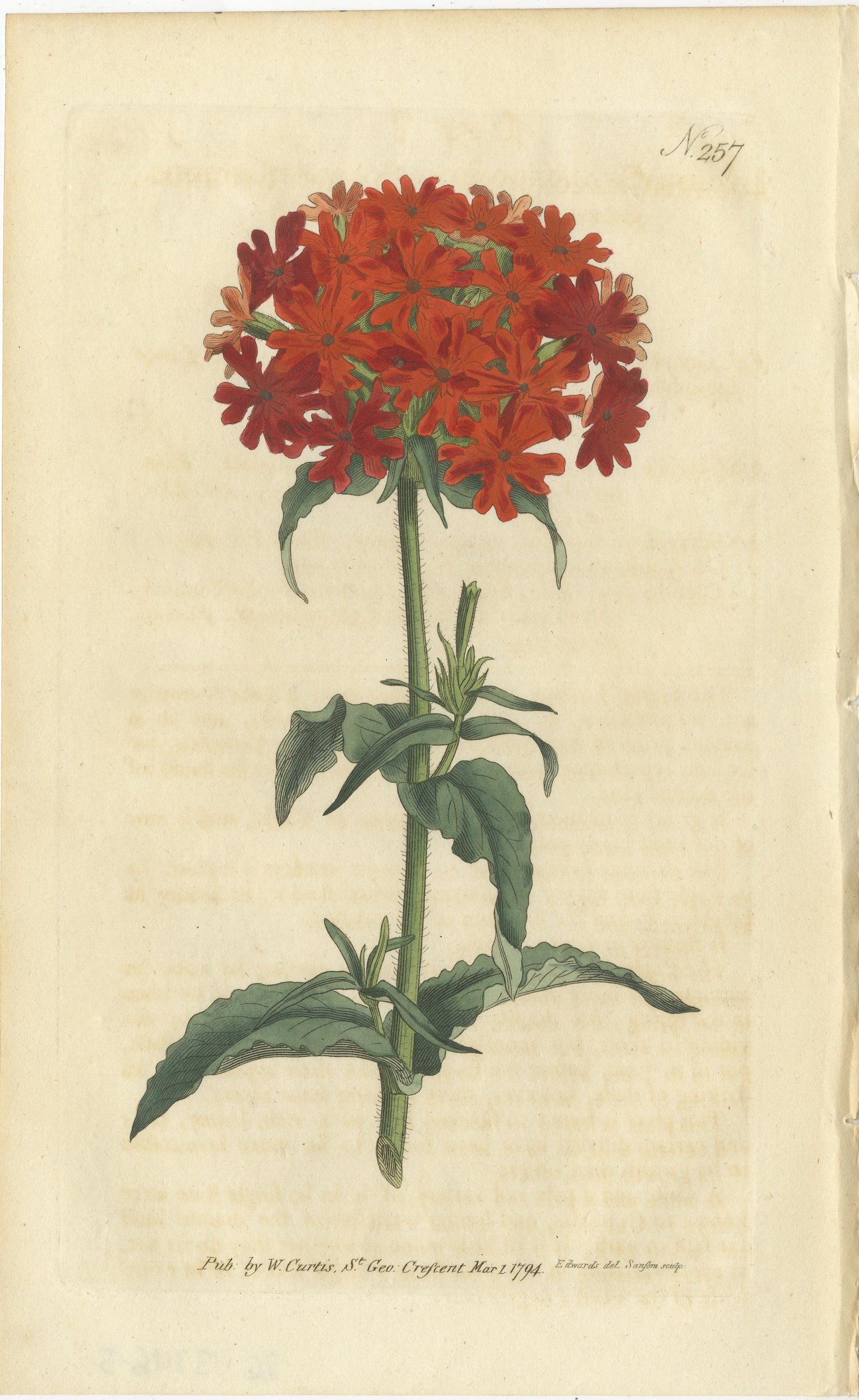
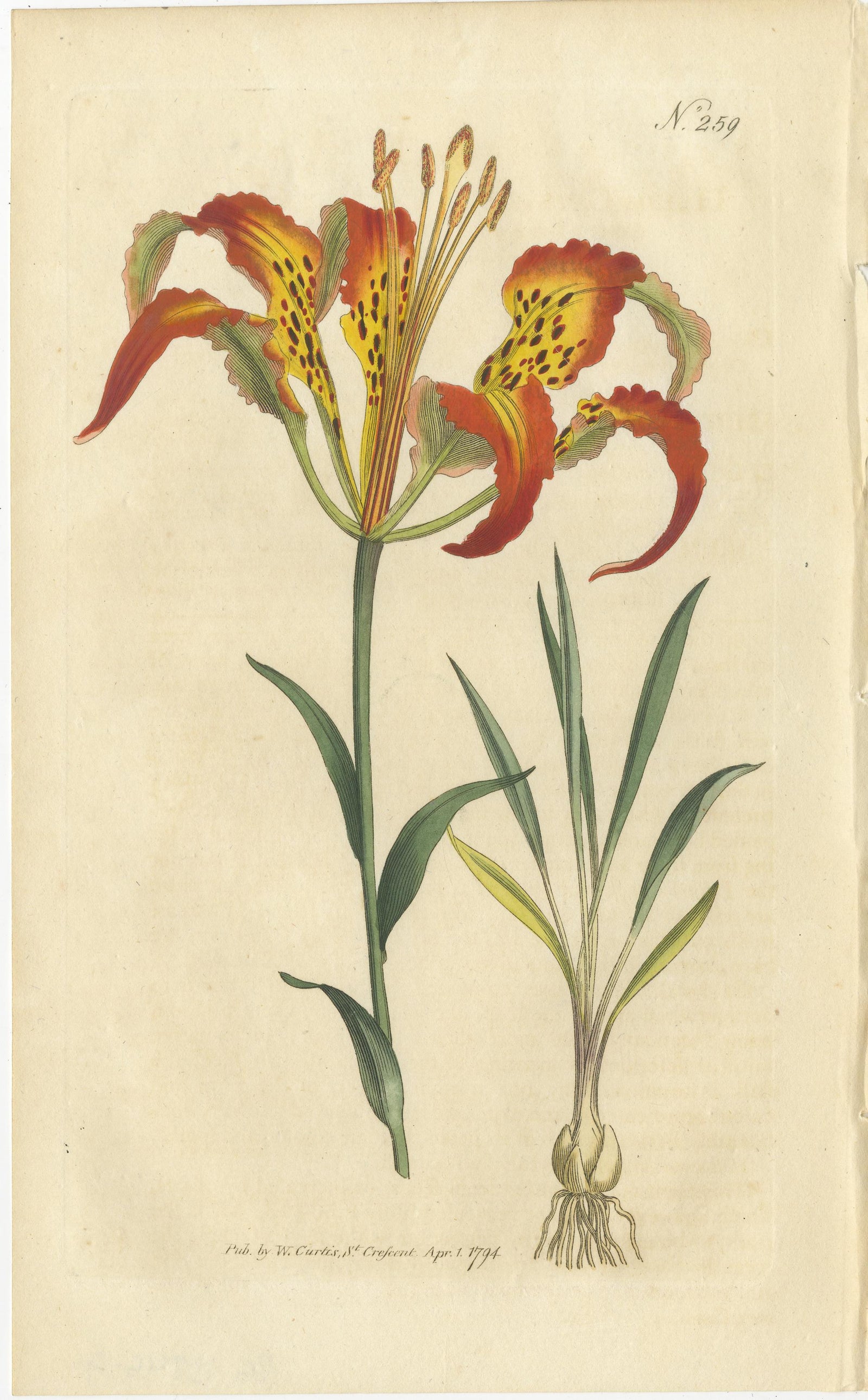
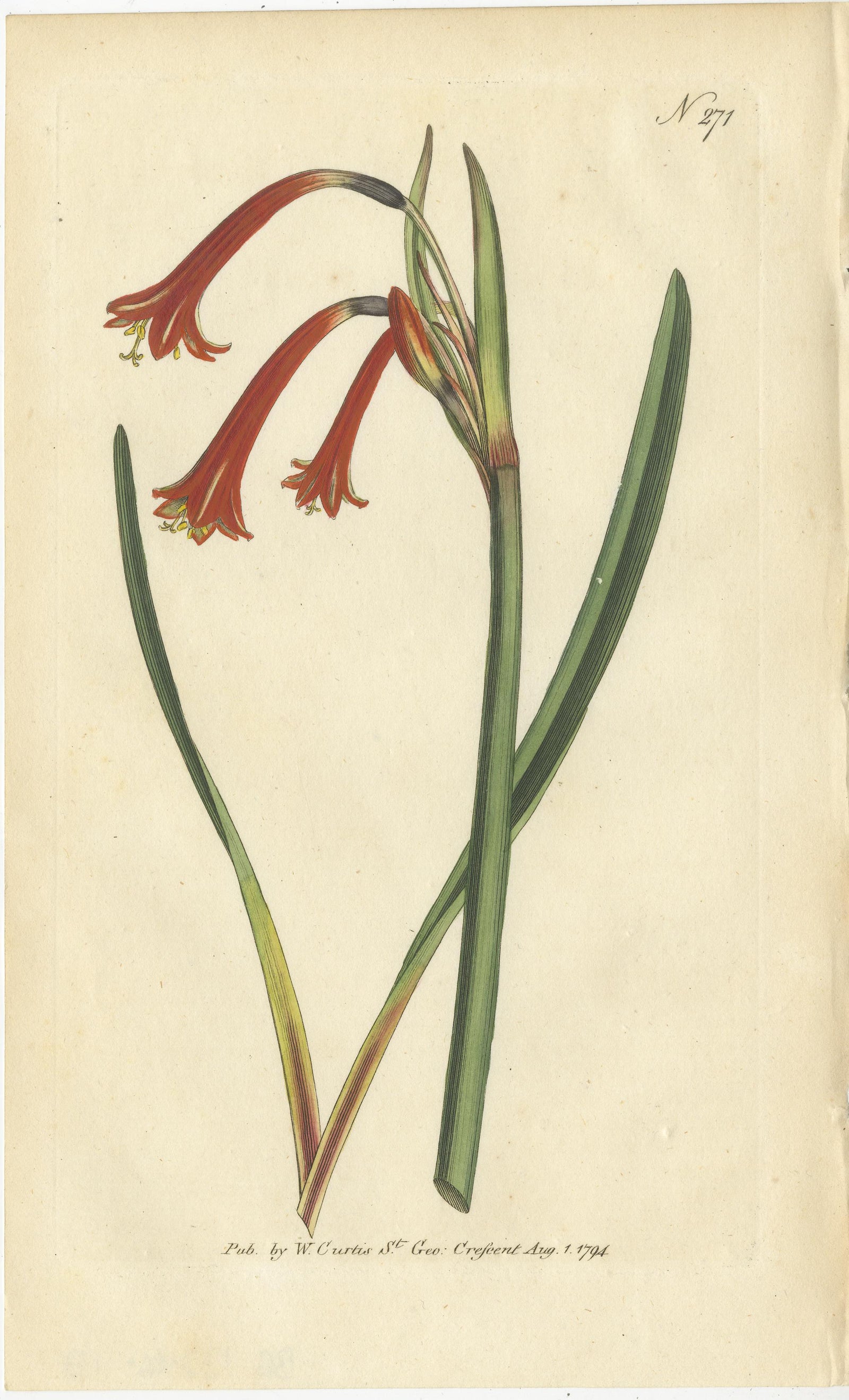
Set of 3 antique botany prints. It shows the Scarlet Lychnis, Catesby's Lily and Narrow-Leaved Cyrtanthus. These prints originate from 'The Botanical Magazine; or Flower-Garden Displayed (..)' by William Curtis. Published 1794.
The Botanical Magazine; or Flower-Garden Displayed, is an illustrated publication which began in 1787. The longest running botanical magazine, it is widely referred to by the subsequent name Curtis's Botanical Magazine. Each of the issues contains a description, in formal yet accessible language, and is renowned for featuring the work of two centuries of botanical illustrators. Many plants received their first publication on the pages, and the description given was enhanced by the keenly detailed illustrations.
The illustrations were initially hand-coloured prints, taken from copper engravings and intended to complement the text. Identification by a general reader was given in exploded details, some of which were given as a section. This was accompanied by a page or two of text describing the plants properties, history, growth characteristics, and some common names for the species.