Close-ups
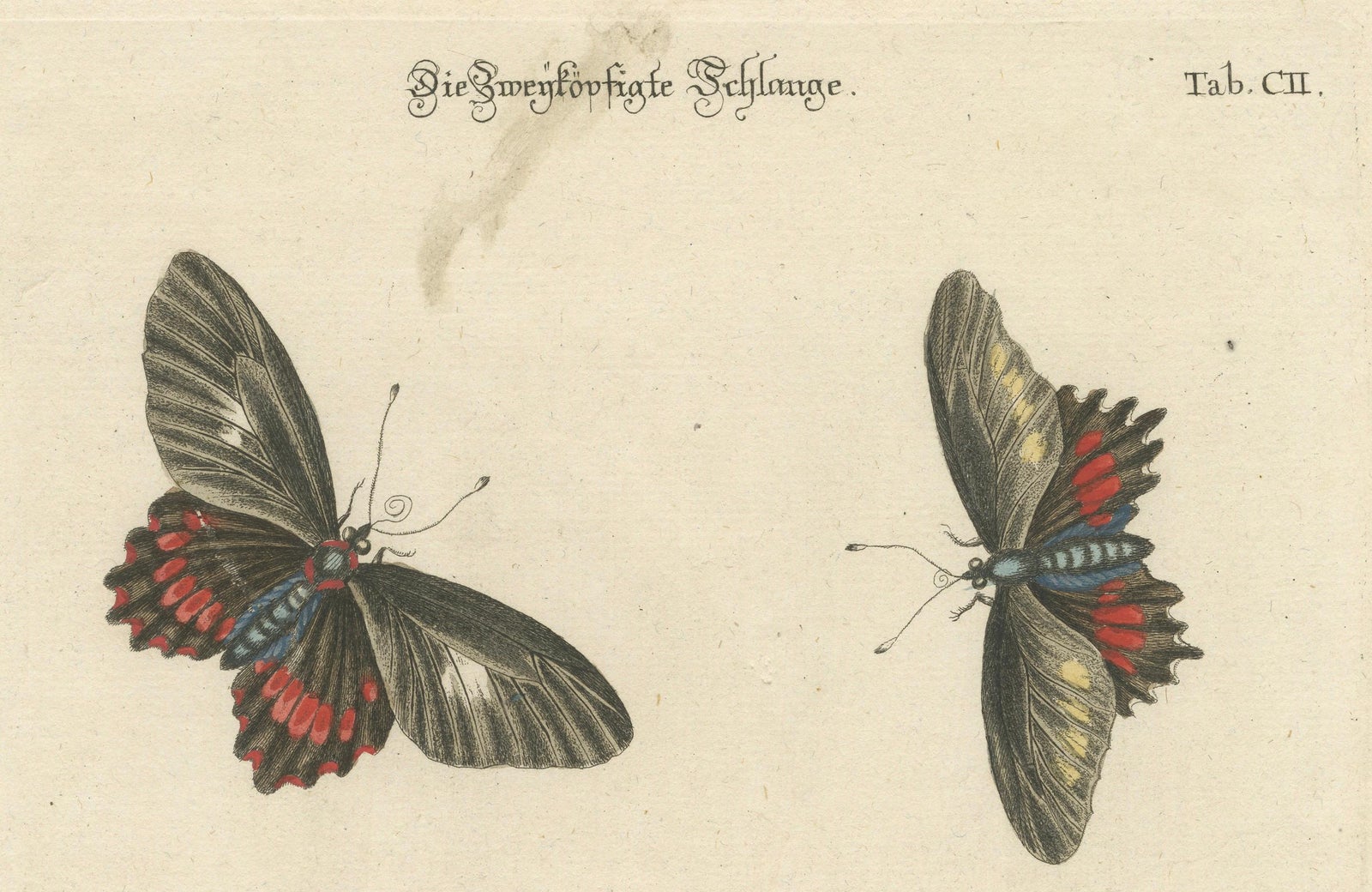
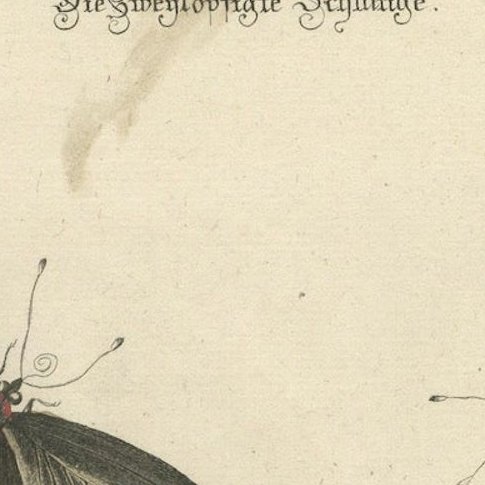
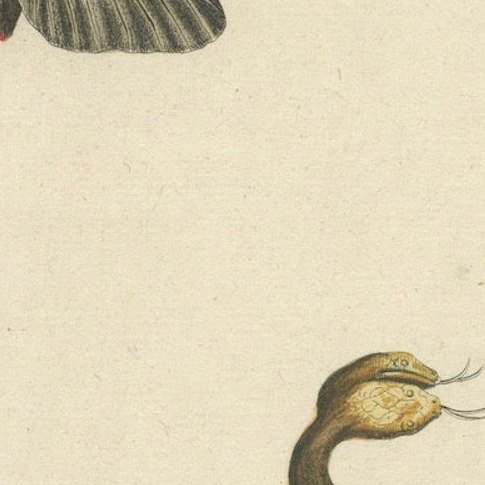
Framed and on the wall
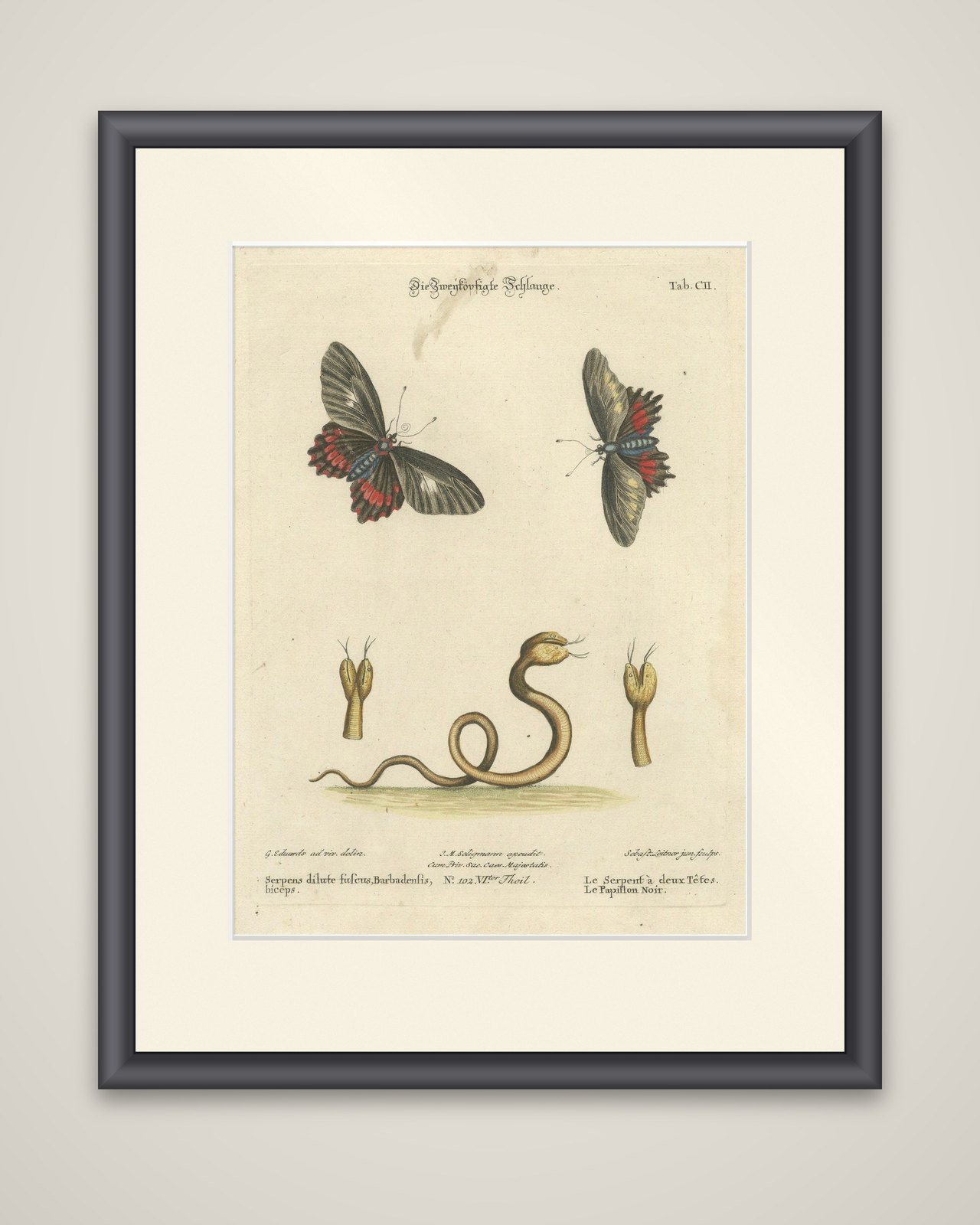
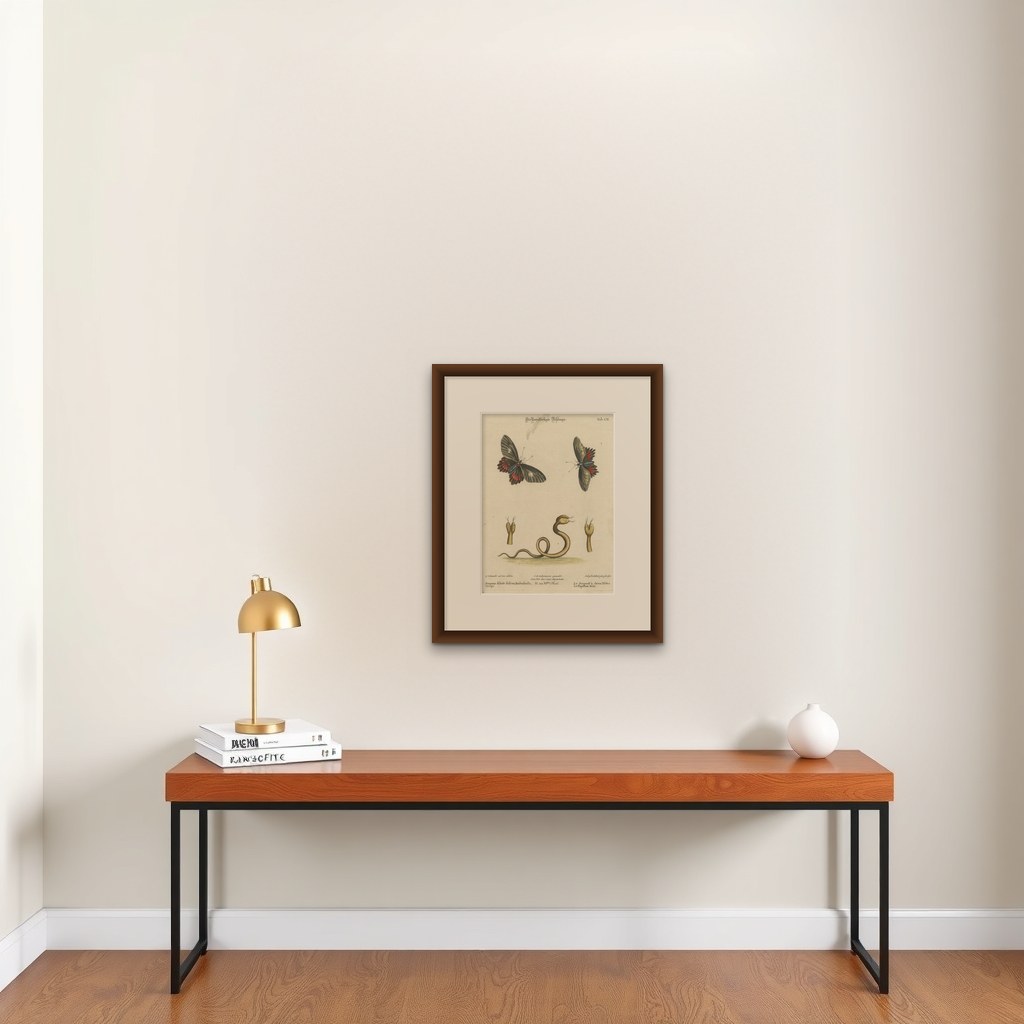
Frame and rooms are illustrations of how the print could look; the description says what is included.
The Two-Headed Serpent and the Black Butterfly, 1749
$430$30030% off (£230, €273)
Period original, not a reproduction.
Shipped from the Netherlands, flat or rolled, insured and tracked, worldwide. Returns accepted within 14 days.
- Date
- 1749
- Size
- 14.6 × 9.8 in (37 × 25 cm)
- Technique
- Engraving
- Condition
- Good. Good condition with the original hand coloring still very vivid and vibrant. The paper is chain-lined with strong plate marks and watermark. General age related toning and minor foxing. A dirt spot in the title. Left border rough.
- Period
- 18th century
- Section
- Reptiles and amphibians
- Reference
- f_38314792
- Color
- Hand colored
What the condition grades mean
- Excellent
- Bright and clean, with no faults worth mentioning.
- Very good
- Only light signs of age, such as faint toning.
- Good
- Normal signs of age for a sheet of this period: toning, some foxing, small marks or neat old repairs.
- Fair
- Clear faults such as staining, tears or repairs, priced to match.
Every fault we see is written in the condition note, and the whole sheet is shown uncropped in the photos.
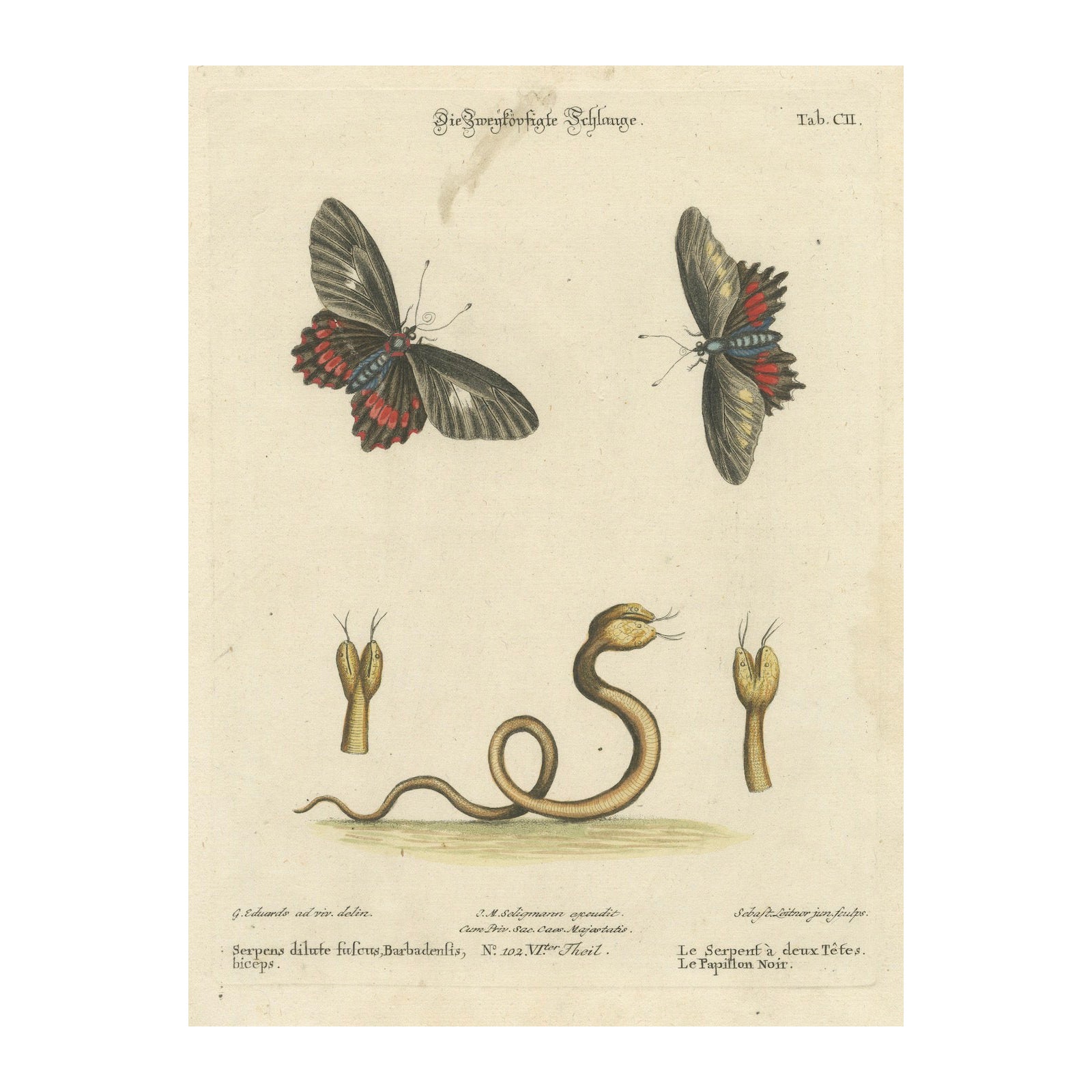
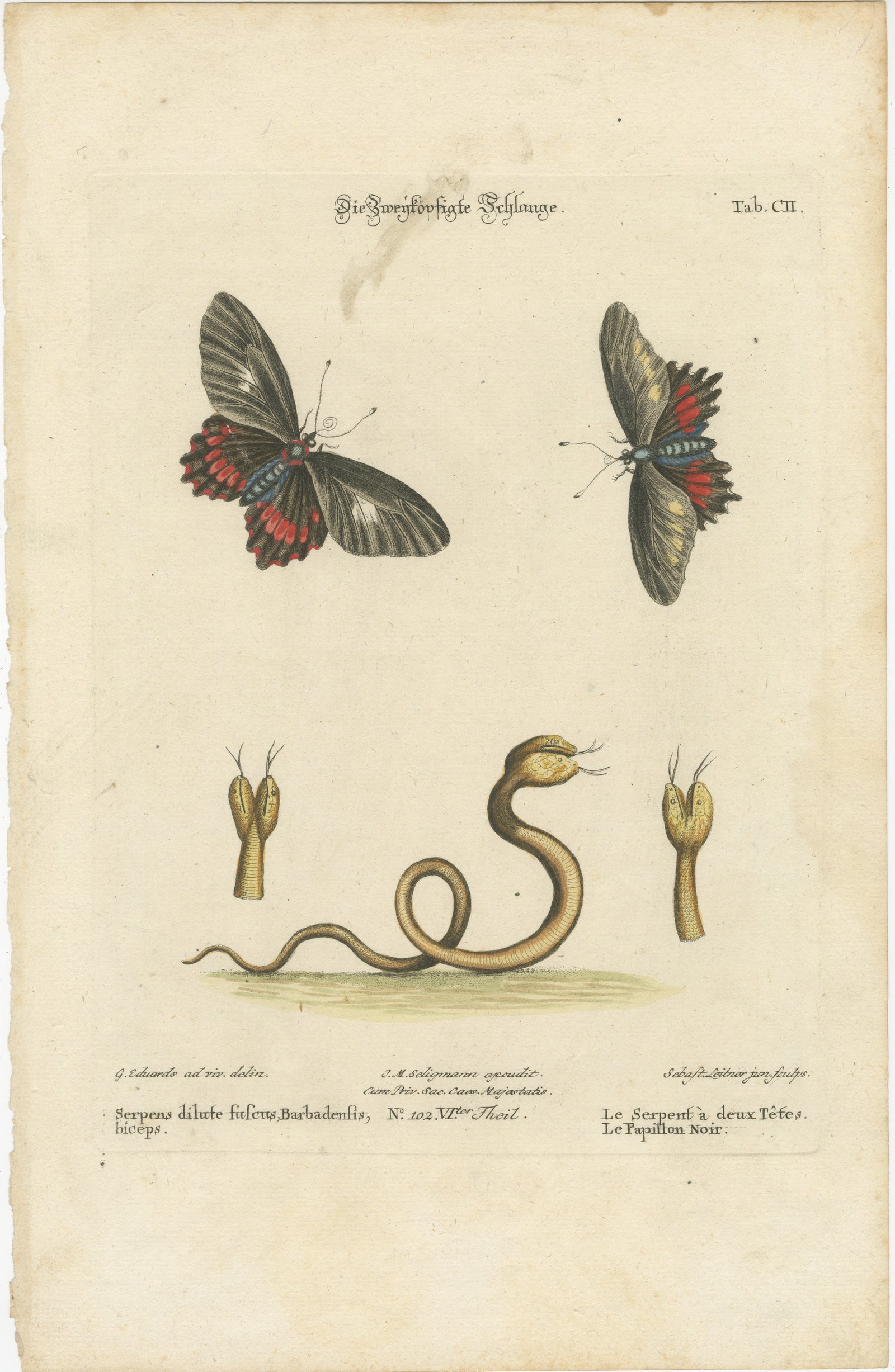
The two-headed snake and the black butterfly, an original hand-colored copper engraving from Johann Michael Seligmann's natural history series, published in Nuremberg in 1749. The plate is lettered "Die Zweyköpfige Schlange." at the top with "Tab. CII." at the upper right, and below the image "Serpens dilute fuscus, Barbadensis, biceps." together with the French "Le Serpent à deux Têtes. Le Papillon Noir."
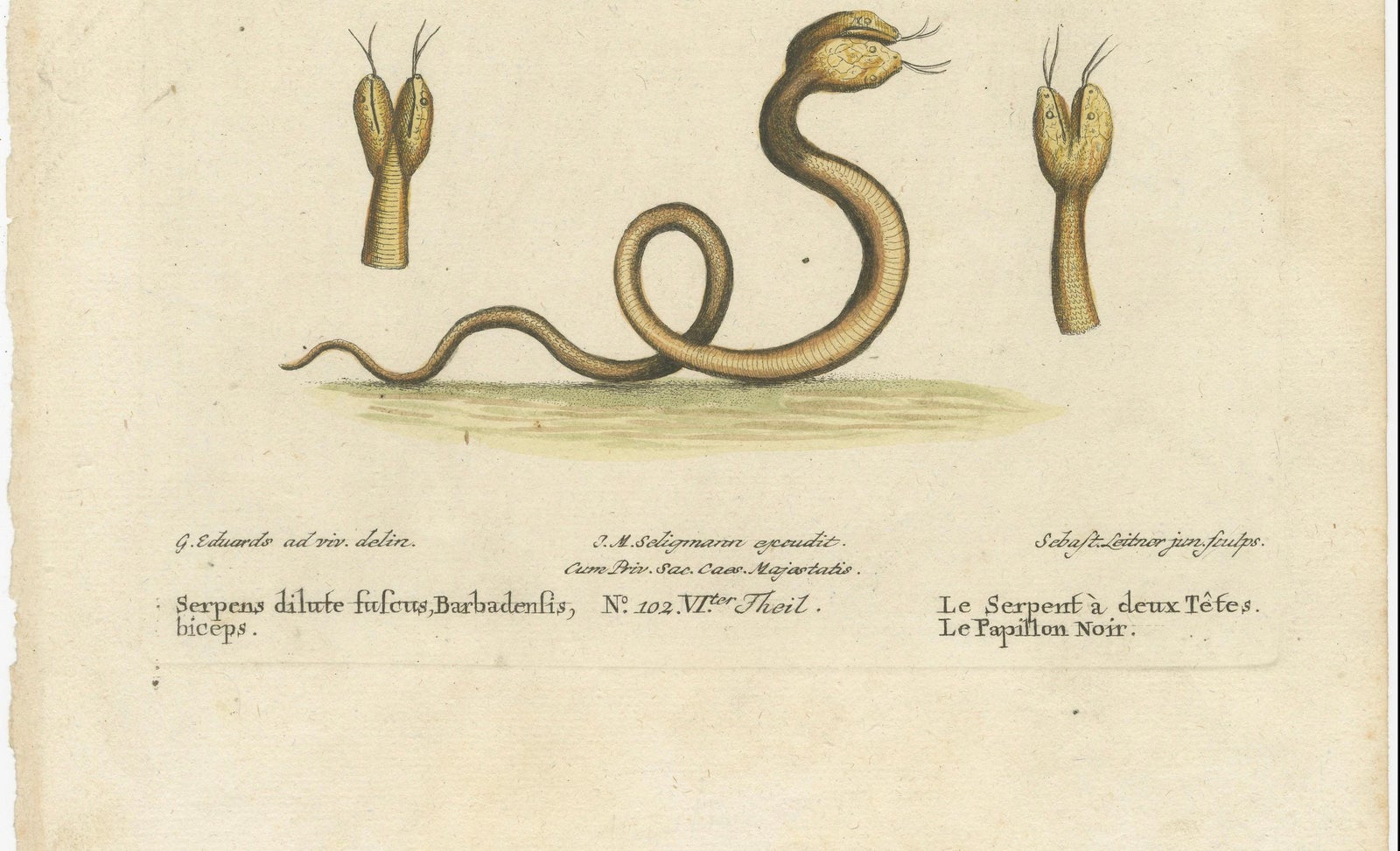
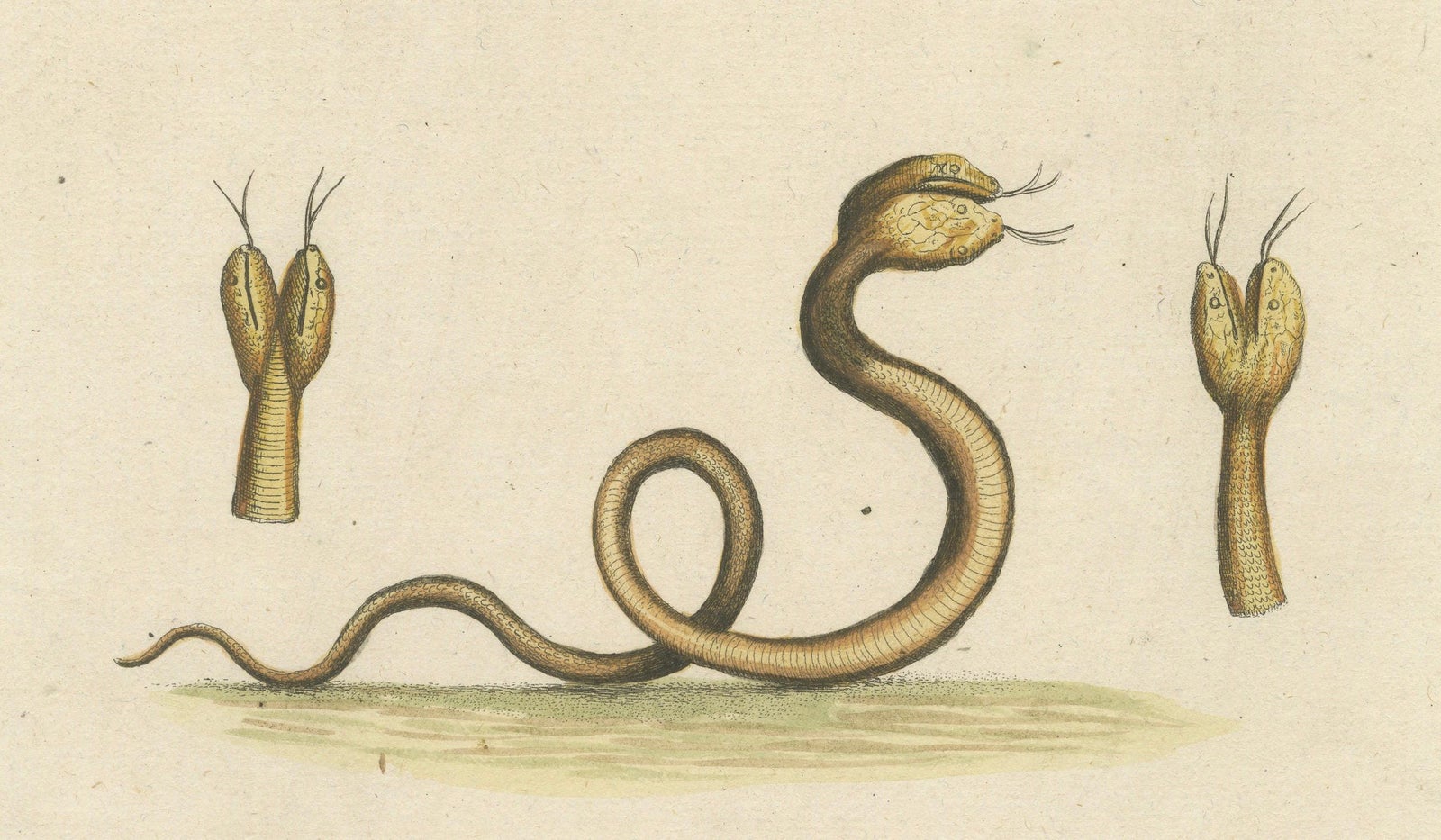
Two butterflies fill the upper part of the sheet, one seen from above and one in profile, with dark gray-black wings marked with red and blue near the body. Below them a pale brown snake lies coiled in a loop on a patch of turf, with a head at each end of its body, and two enlarged views of the paired heads stand at either side. The Latin line names the snake as a pale brown, two-headed one from Barbados.
The credit line "G. Edwards ad viv. delin." shows that the drawing is after George Edwards, with Seligmann as publisher and Sebastian Leitner the younger as engraver.