Close-ups
Framed and on the wall
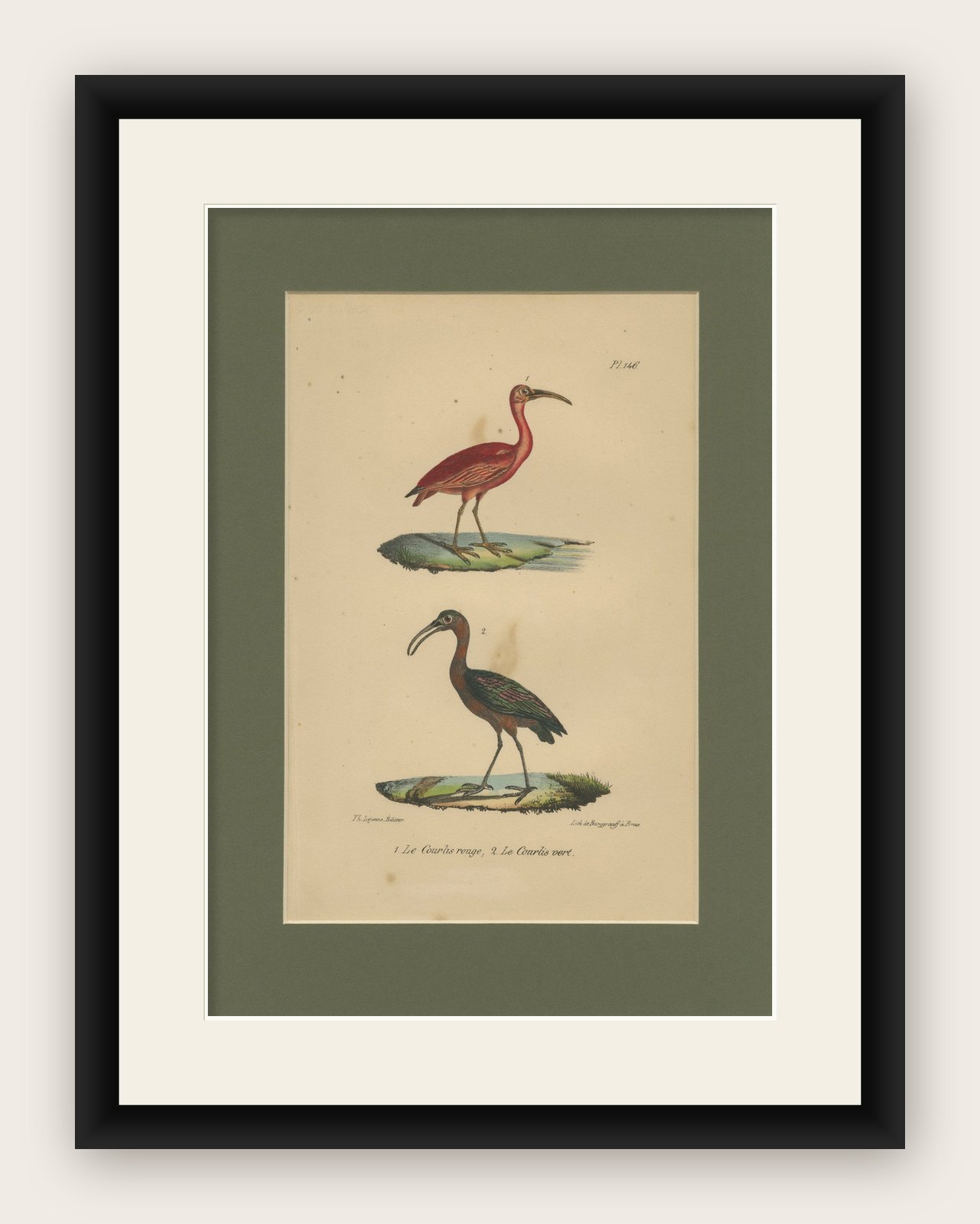


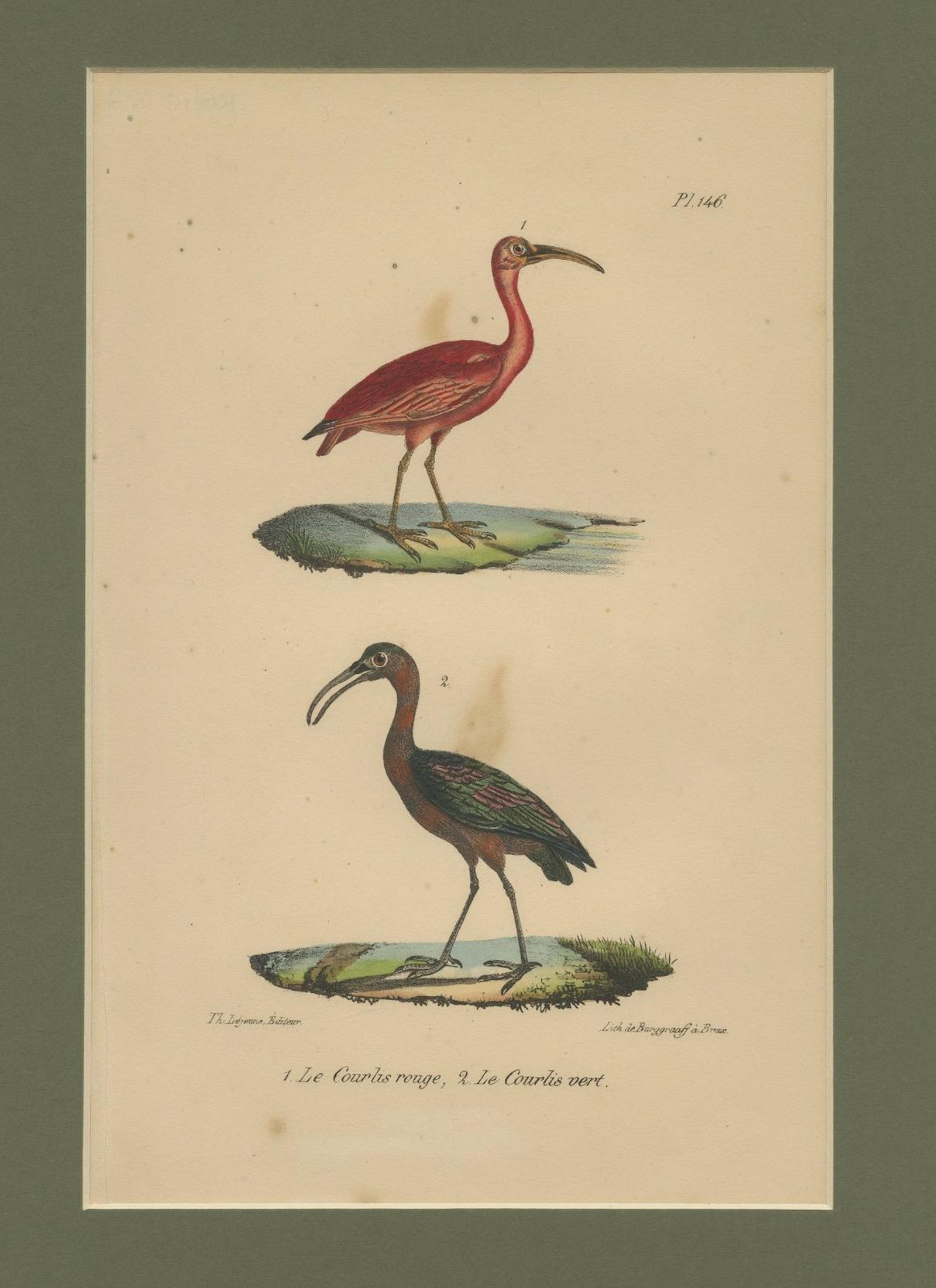
Frame and rooms are illustrations of how the print could look; the description says what is included.
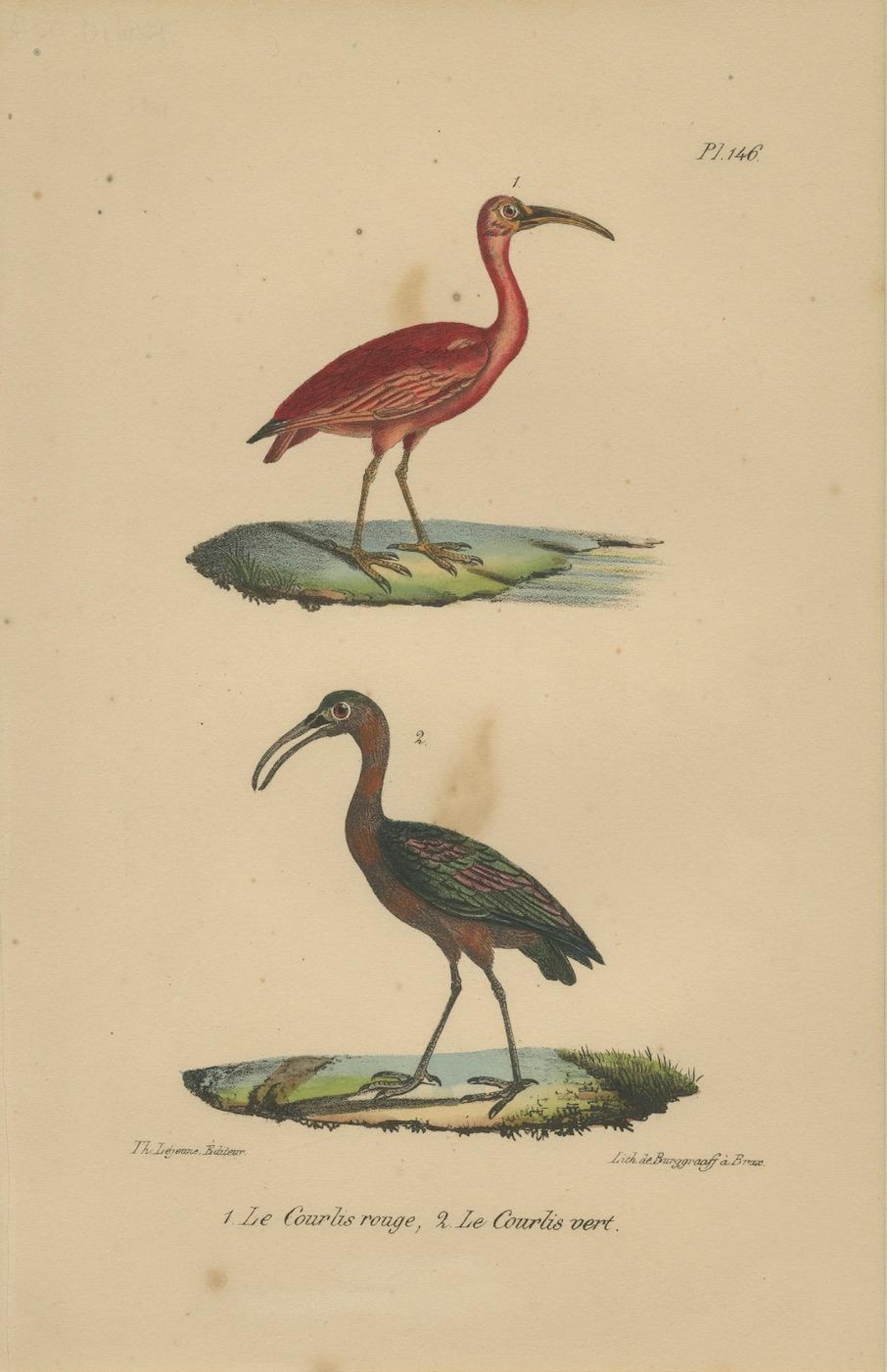
Scarlet Ibis & Glossy Ibis, Antique hand-coloured lithograph, c.1828
€140 ($155, £120, €140)
Period original, not a reproduction.
Shipped from the Netherlands, flat, insured and tracked, worldwide. Returns accepted within 14 days.
- Date
- 1828
- Size
- 11.6 × 8.5 in (29.5 × 21.6 cm)
- Condition
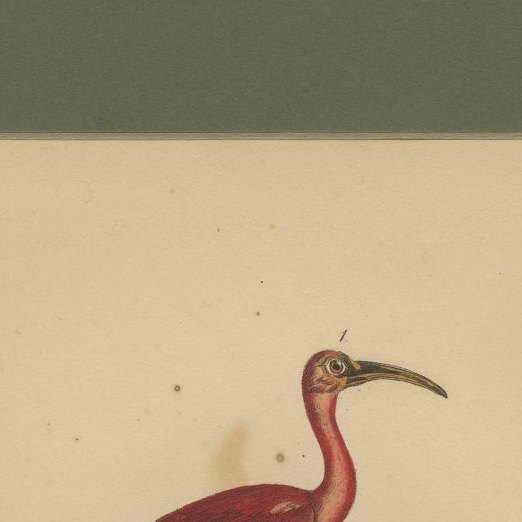
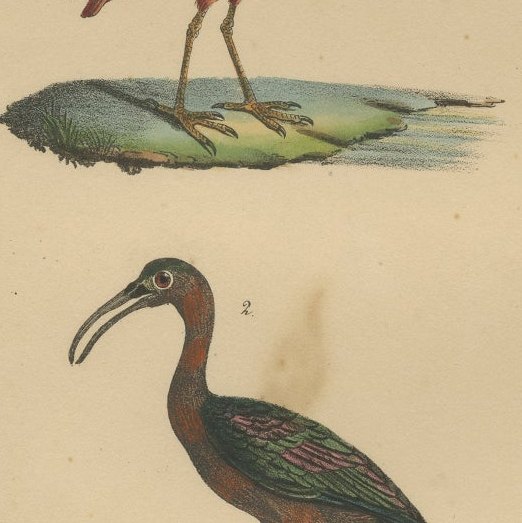
- Good. Good antique condition. Light overall toning with small scattered foxing spots, a faint central spot between the birds, and mild handling marks in the margins. Colours remain strong and well-preserved. Comes with matting board.
- Period
- Early 19th century
- Section
- Birds
- Reference
- f_46265022
- Colour
- Hand coloured
What the condition grades mean
- Excellent
- Bright and clean, with no faults worth mentioning.
- Very good
- Only light signs of age, such as faint toning.
- Good
- Normal signs of age for a sheet of this period: toning, some foxing, small marks or neat old repairs.
- Fair
- Clear faults such as staining, tears or repairs, priced to match.
Every fault we see is written in the condition note, and the whole sheet is shown uncropped in the photos.
Scarlet Ibis & Glossy Ibis, Antique hand-coloured lithograph, c.1828
Description:
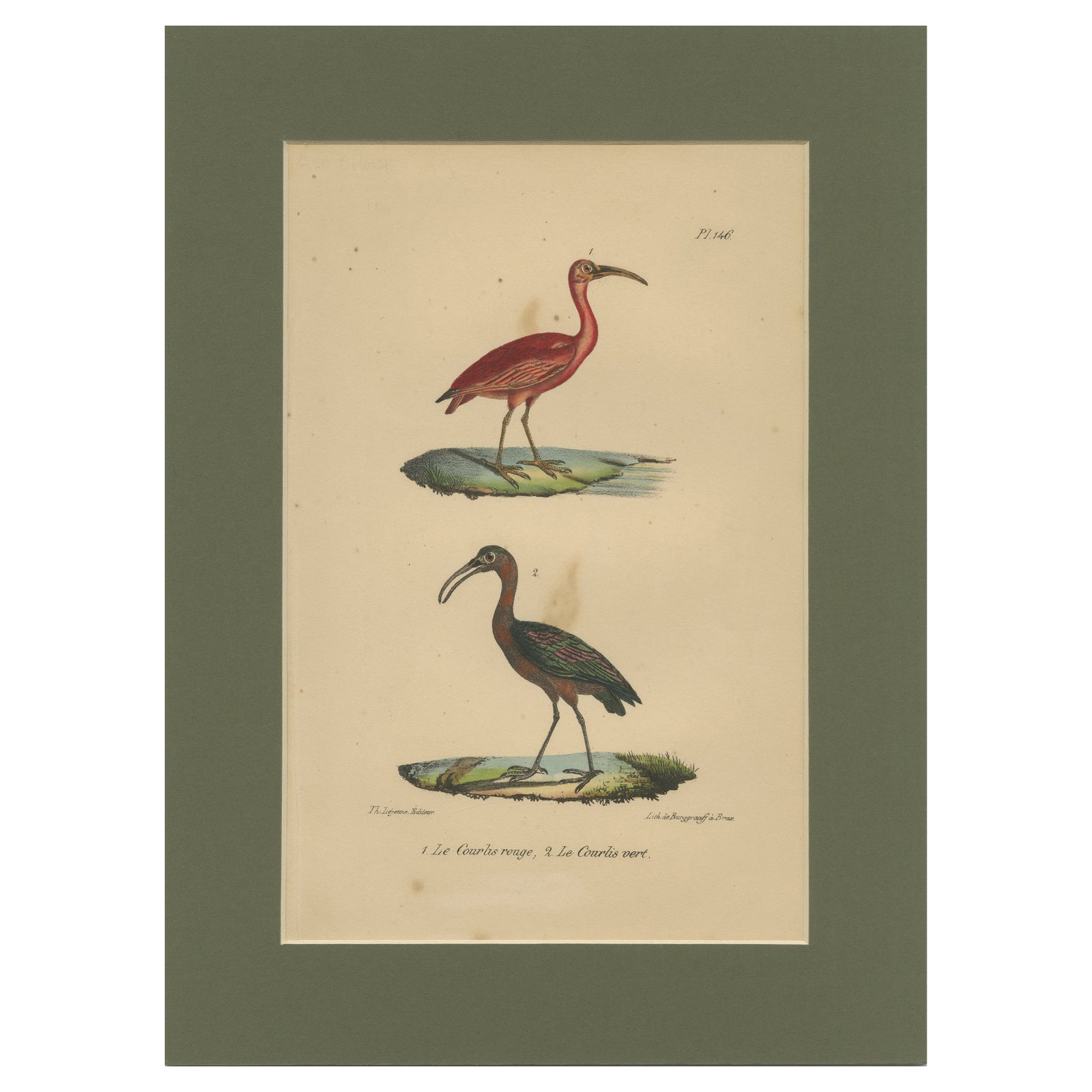
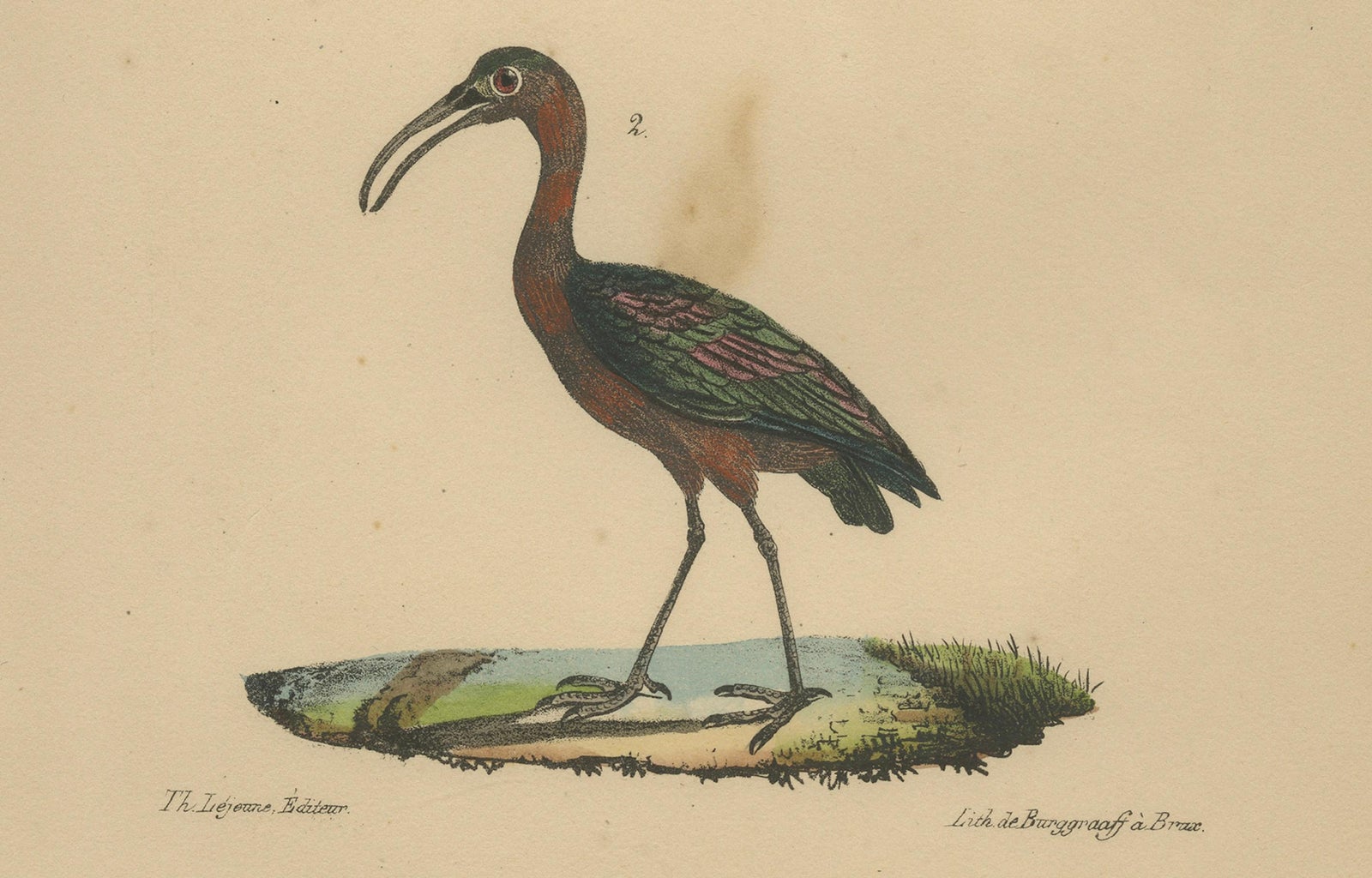
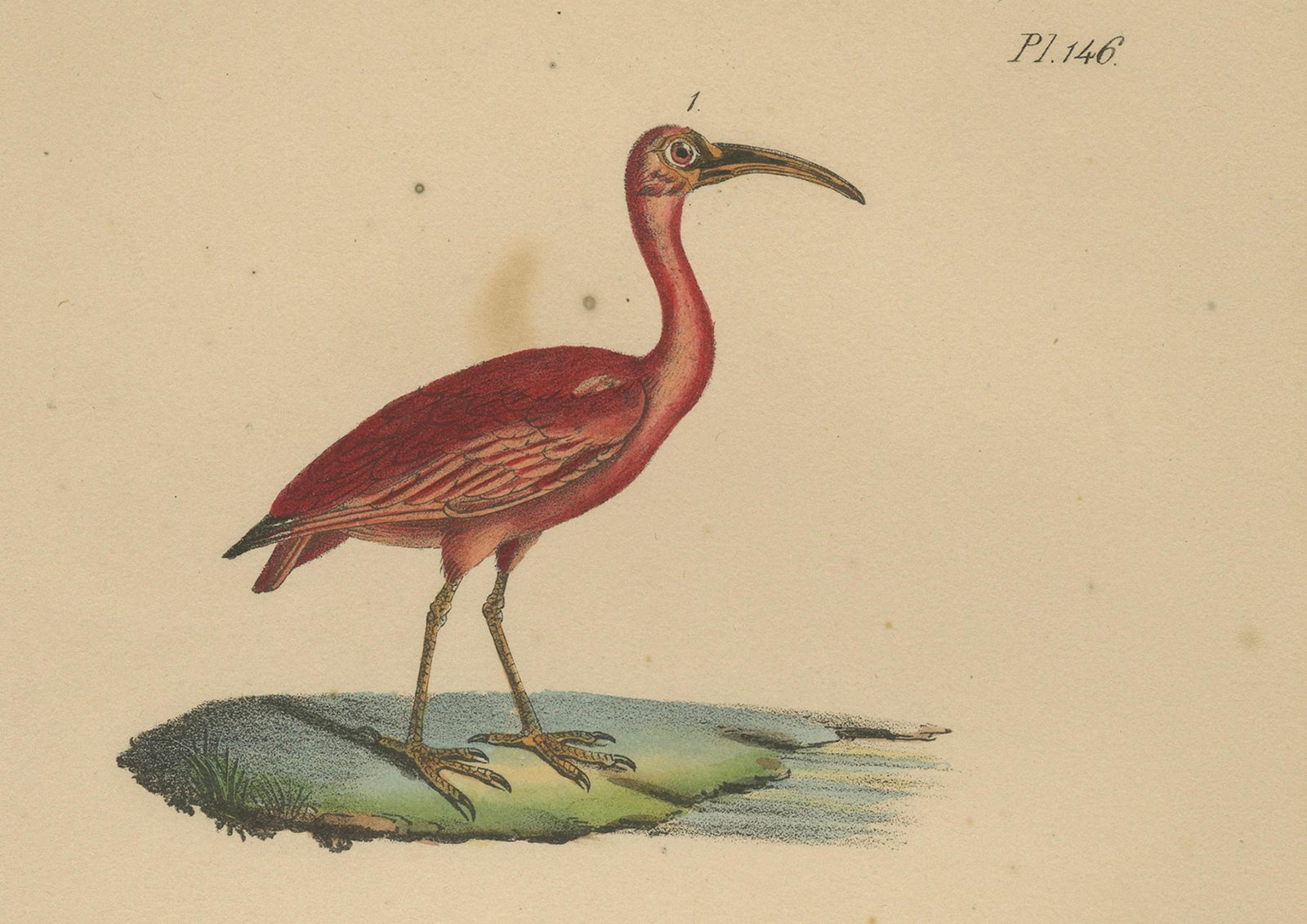
This vibrant early 19th-century ornithological print depicts two striking wading birds: the Scarlet Ibis (Le Courlis rouge) above and the Glossy Ibis (Le Courlis vert) below. Both are shown in profile on small patches of grassy terrain, the Scarlet Ibis with its vivid crimson plumage and the Glossy Ibis with deep chestnut tones and shimmering green-tinged wings. Each bird is numbered to correspond with the French title beneath, and the plate is marked “Pl. 146” at the upper right. The imprints “Th. Lejeune, éditeur” and “Lith. de Burggraaff à Brux.” are printed along the lower edge.
Issued between 1828 and 1833 in Brussels by Th. Lejeune, this plate forms part of the richly illustrated continuation of Georges-Louis Leclerc, Comte de Buffon’s monumental Oeuvres complètes. Buffon’s original Histoire naturelle was one of the most influential natural history works of the Enlightenment, and this Brussels edition updated it for a new generation of readers with high-quality lithographs coloured by hand. The lithographer Burggraaff has carefully rendered the distinctive curved bills and long legs of the ibis, with fine detailing of plumage texture and coloration, features that retain scientific accuracy while also appealing to decorative tastes.
The Scarlet Ibis, native to tropical South America and the Caribbean, is celebrated for its brilliant red feathers caused by a diet rich in crustaceans. The Glossy Ibis, found across warm regions worldwide, is known for its iridescent green and bronze tones, which shift in the light. Together they form a vivid pairing that exemplifies the fascination with exotic avian species in early 19th-century Europe.
Condition report:
Good antique condition. Light overall toning with small scattered foxing spots, a faint central spot between the birds, and mild handling marks in the margins. Colours remain strong and well-preserved. Comes with matting board.
Framing tips:
A deep green or moss-coloured mat will enhance the birds’ red and green tones, while a slim black or dark wood frame will lend elegance. Use archival mounting materials and UV-protective glazing to maintain the vibrancy of the hand colouring.
Technique: Hand-coloured lithograph on wove paper
Maker: Burggraaff (lithographer); published by Th. Lejeune, Brussels, 1828–1833; after Buffon’s Oeuvres complètes (Plate 146)