Close-ups
Framed and on the wall
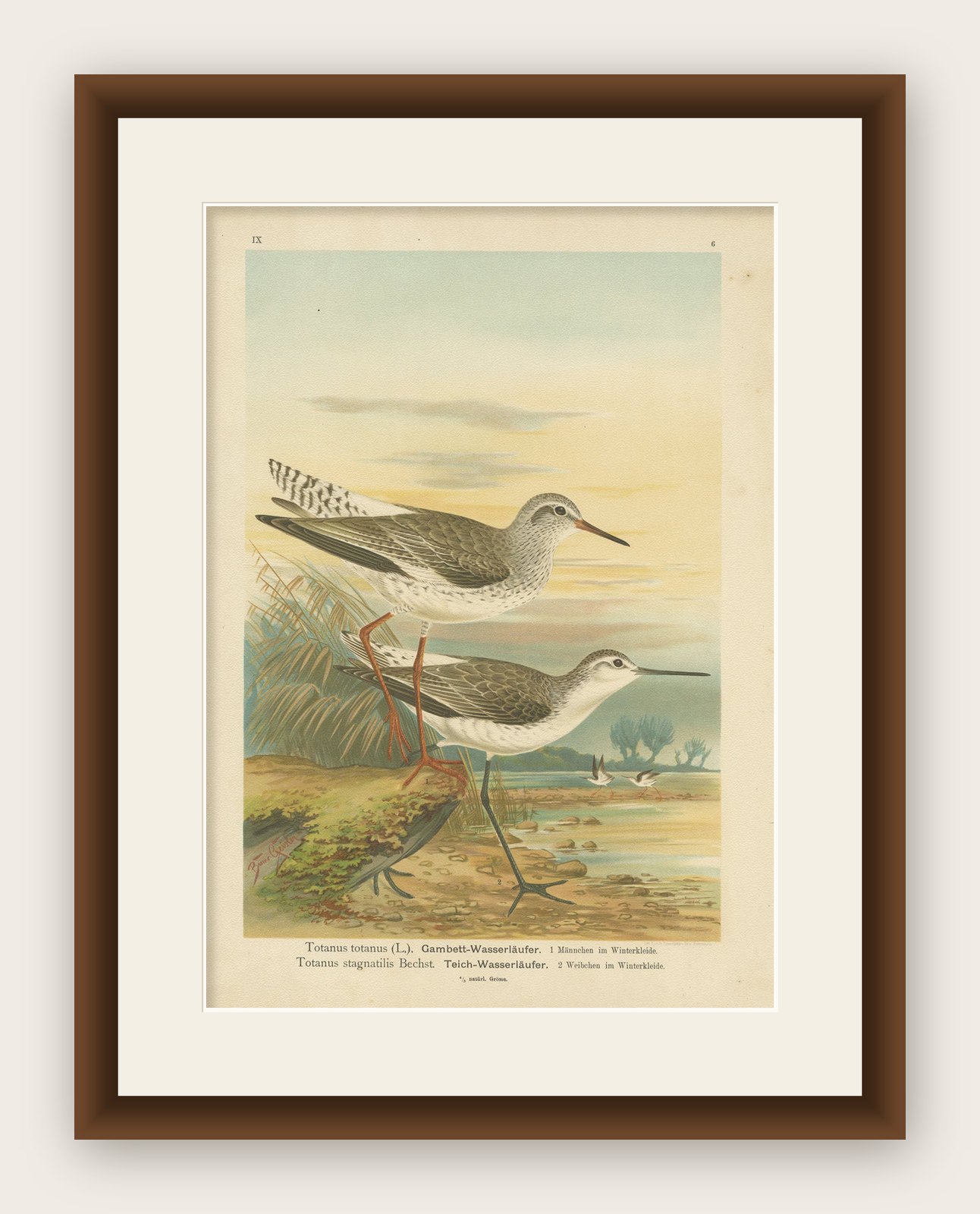
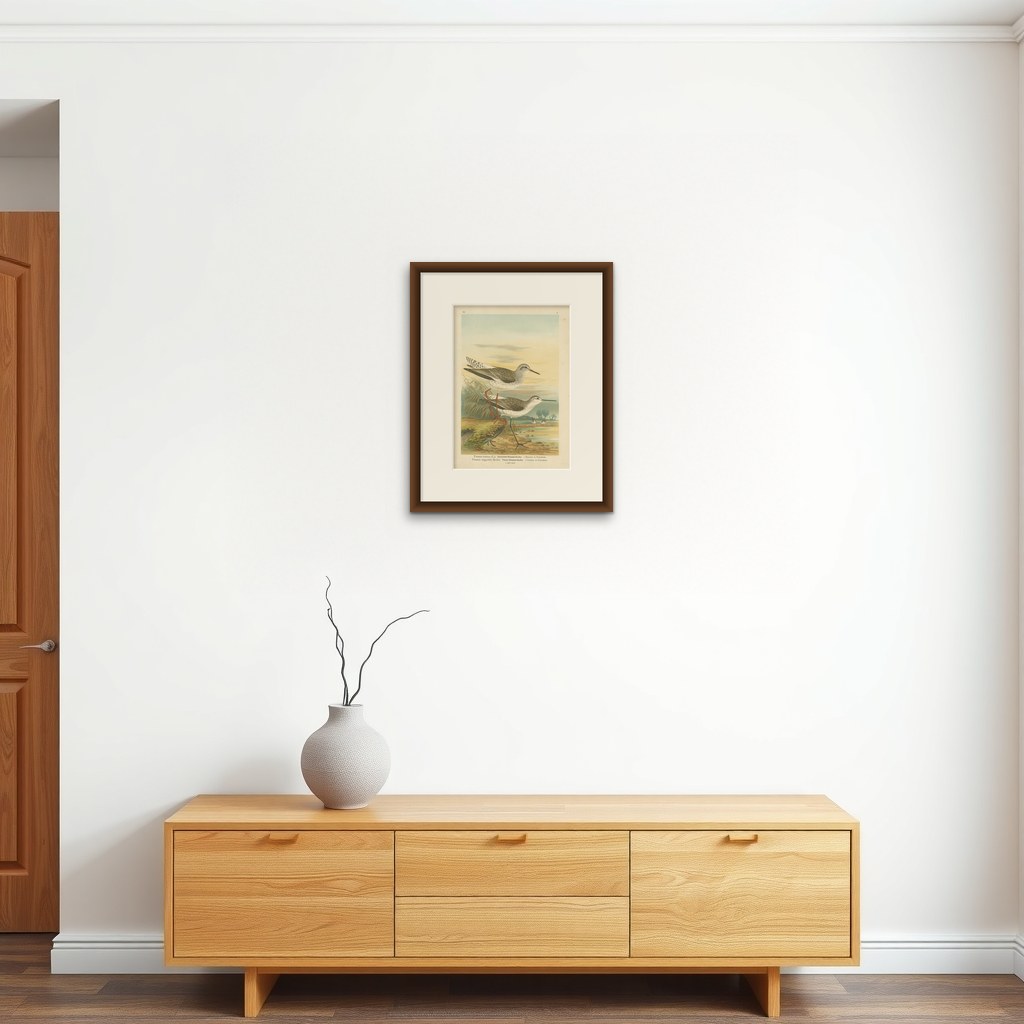
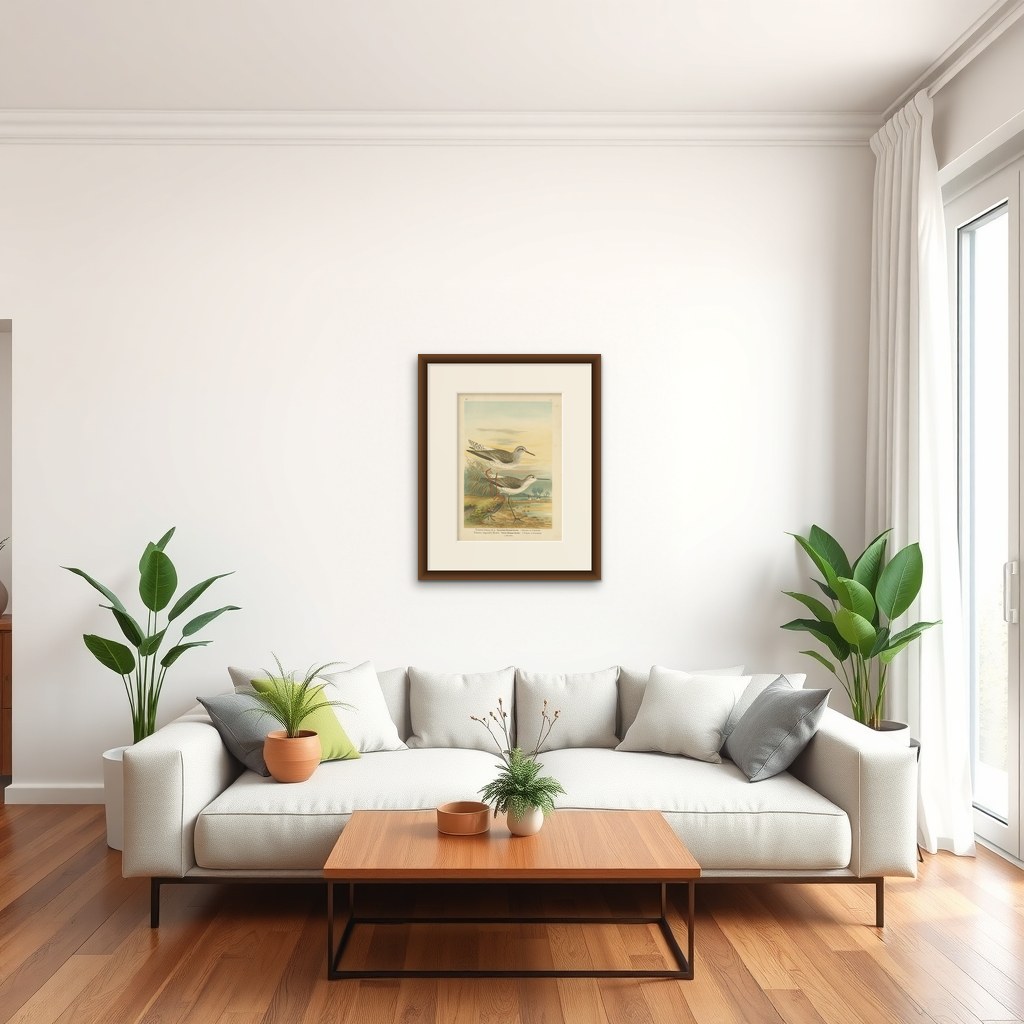
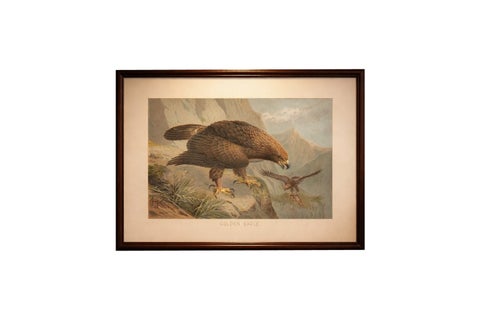
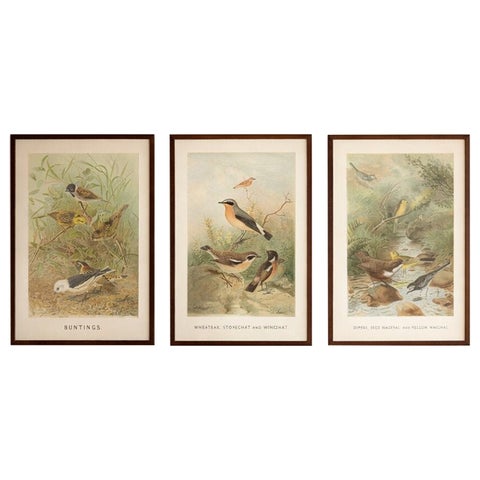
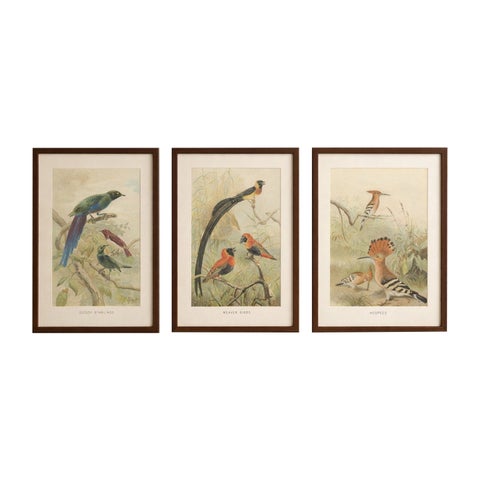
Frame and rooms are illustrations of how the print could look; the description says what is included.
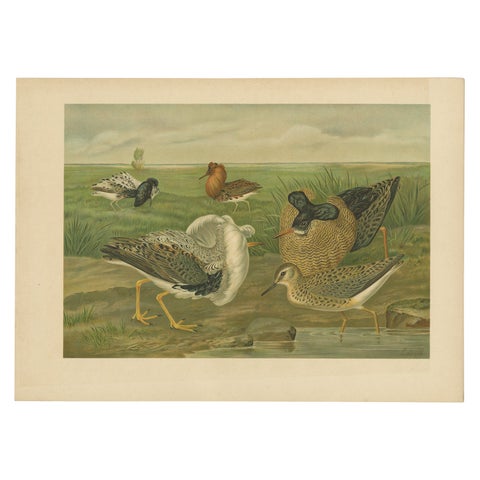
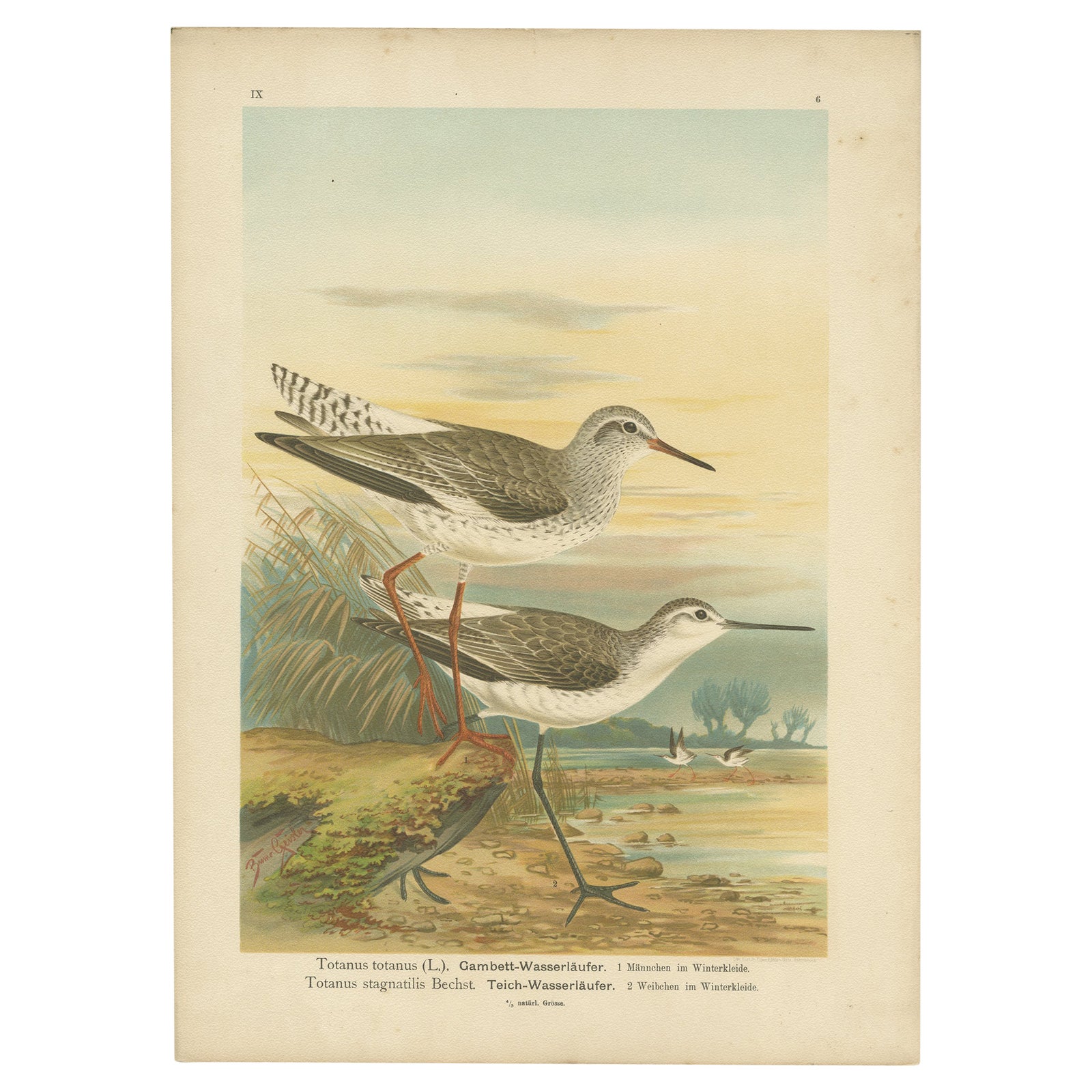
Redshank and Marsh Sandpiper, Antique Shorebird Lithograph c.1895
$145 (£110, €130)
Period original, not a reproduction.
Shipped from the Netherlands, flat, insured and tracked, worldwide. Returns accepted within 14 days.
- Date
- 1895
- Size
- 15.7 × 11.4 in (40 × 29 cm)
- Condition
- Good. General age-related toning. Minor wear and foxing, blank verso. Good condition with age spotting in the margins. Please study image carefully.
- Period
- Late 19th century
- Section
- Birds
- Reference
- f_45367782
Redshank and Marsh Sandpiper, Antique Shorebird Lithograph c.1895
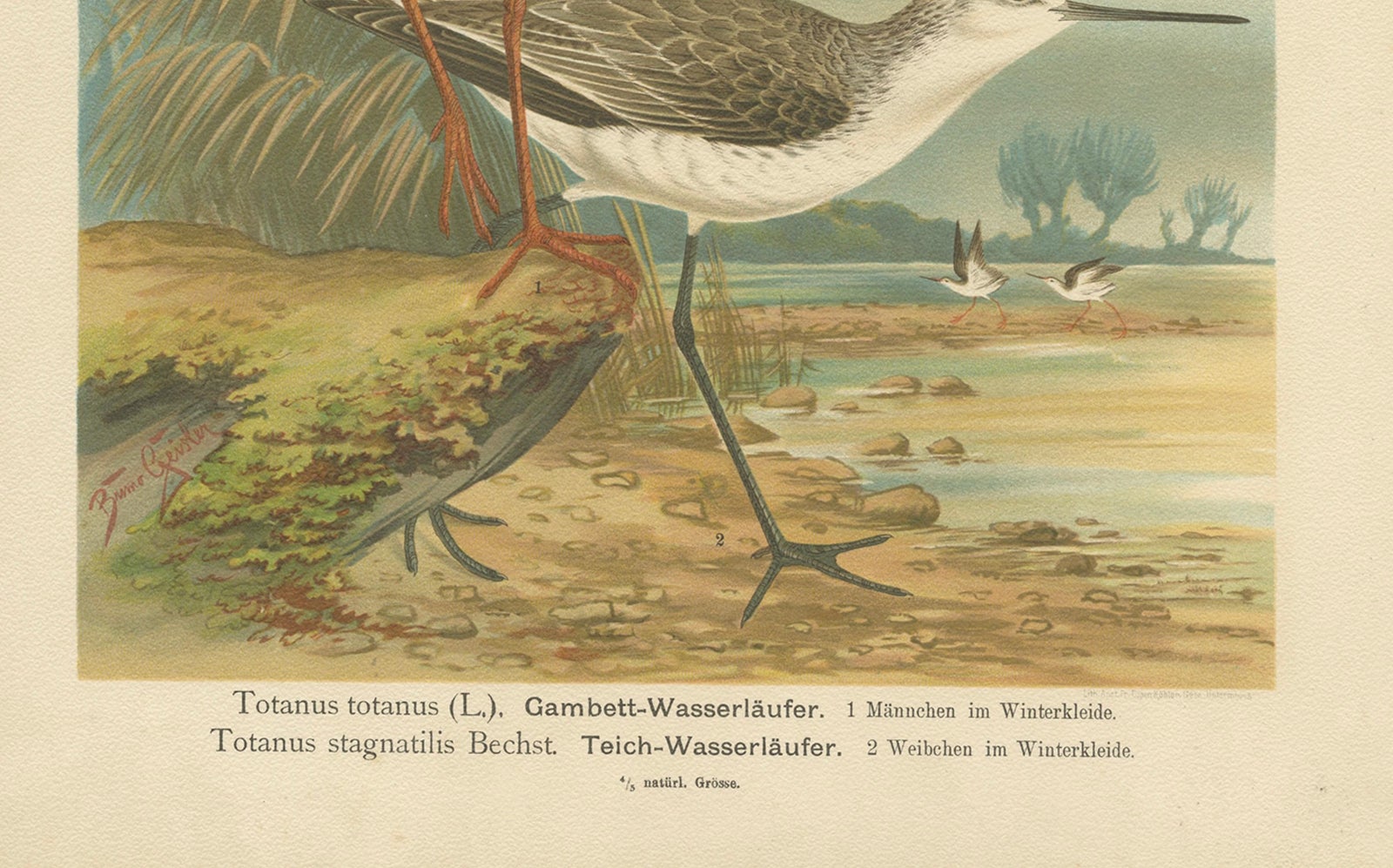
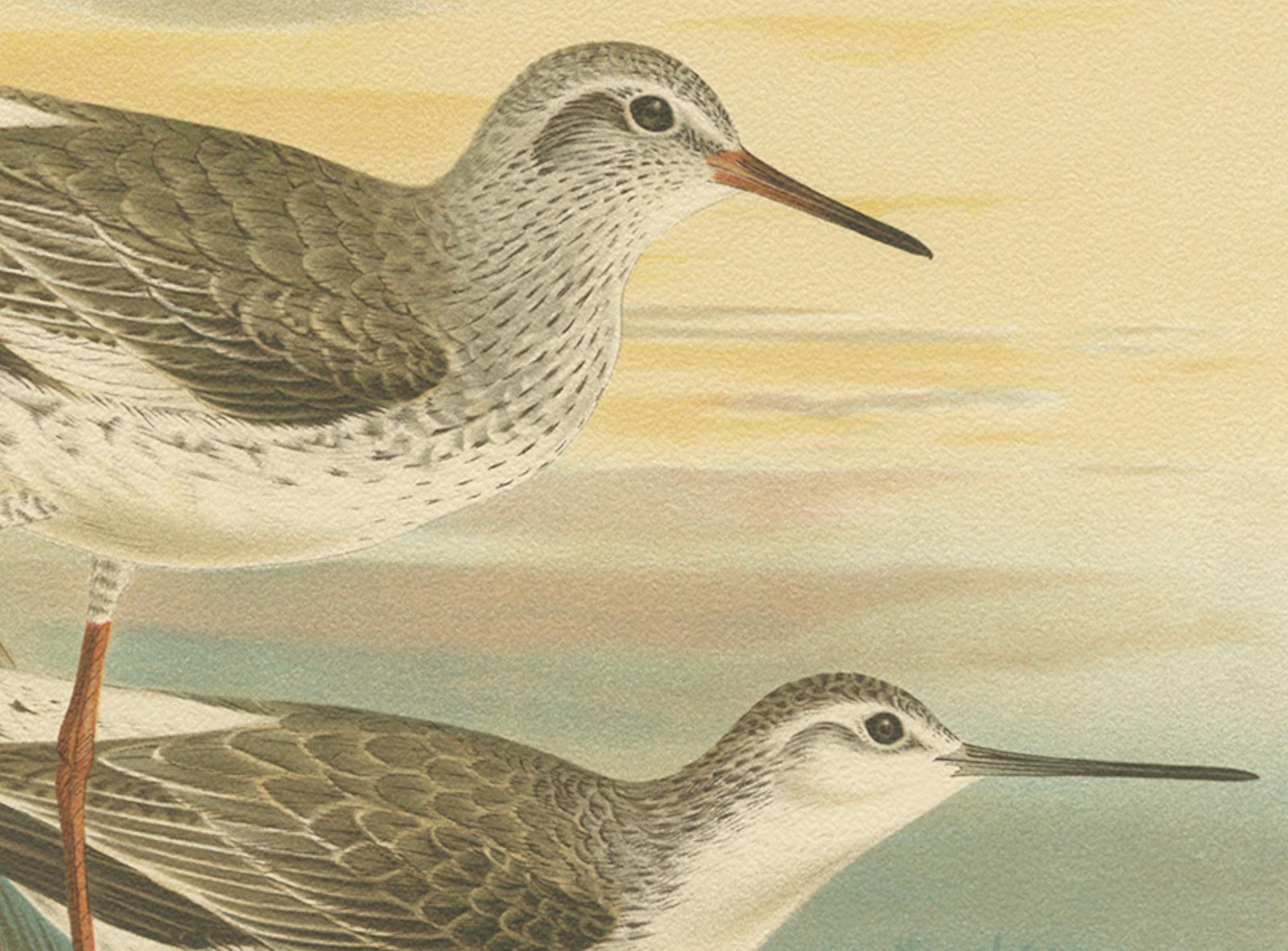
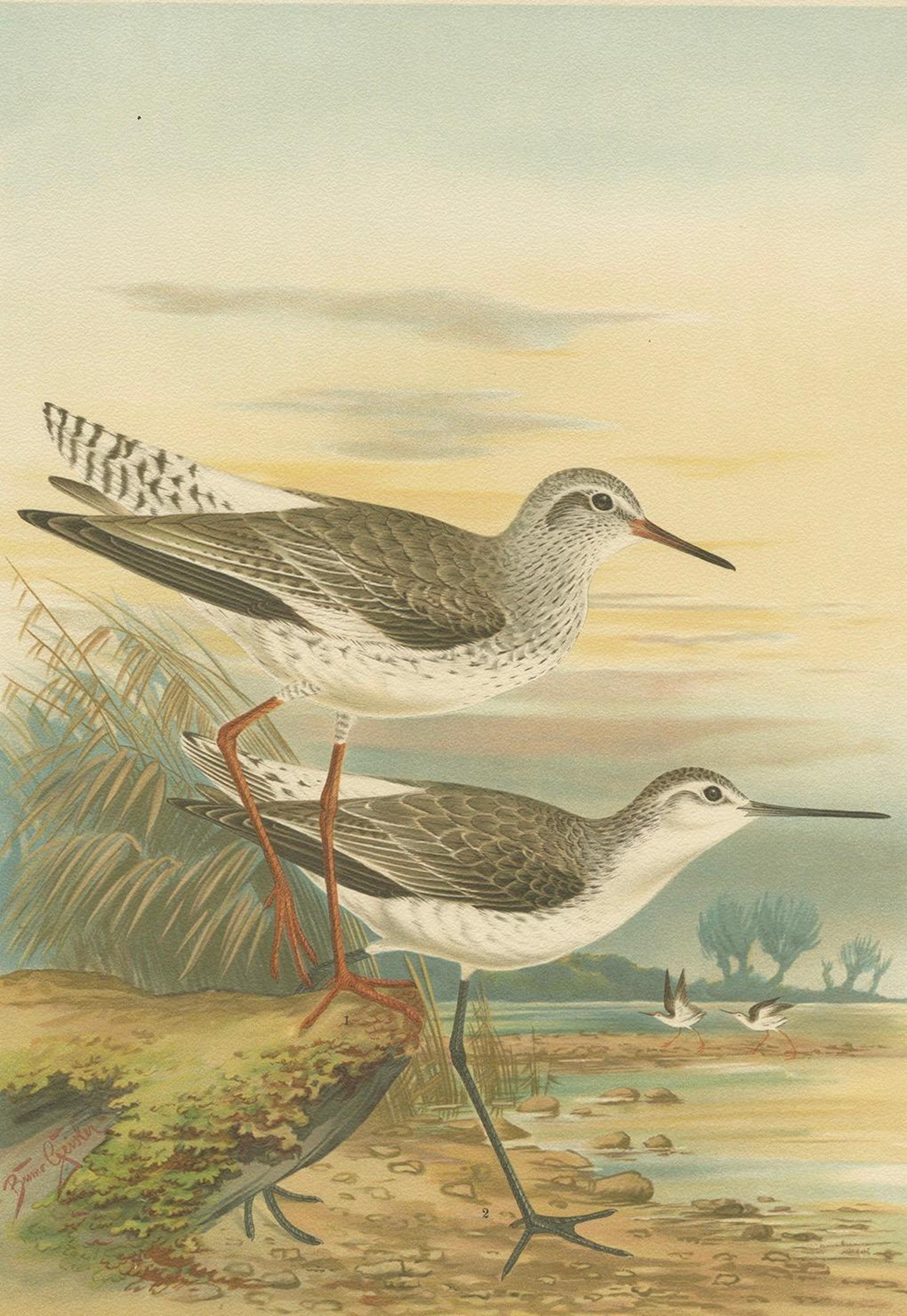
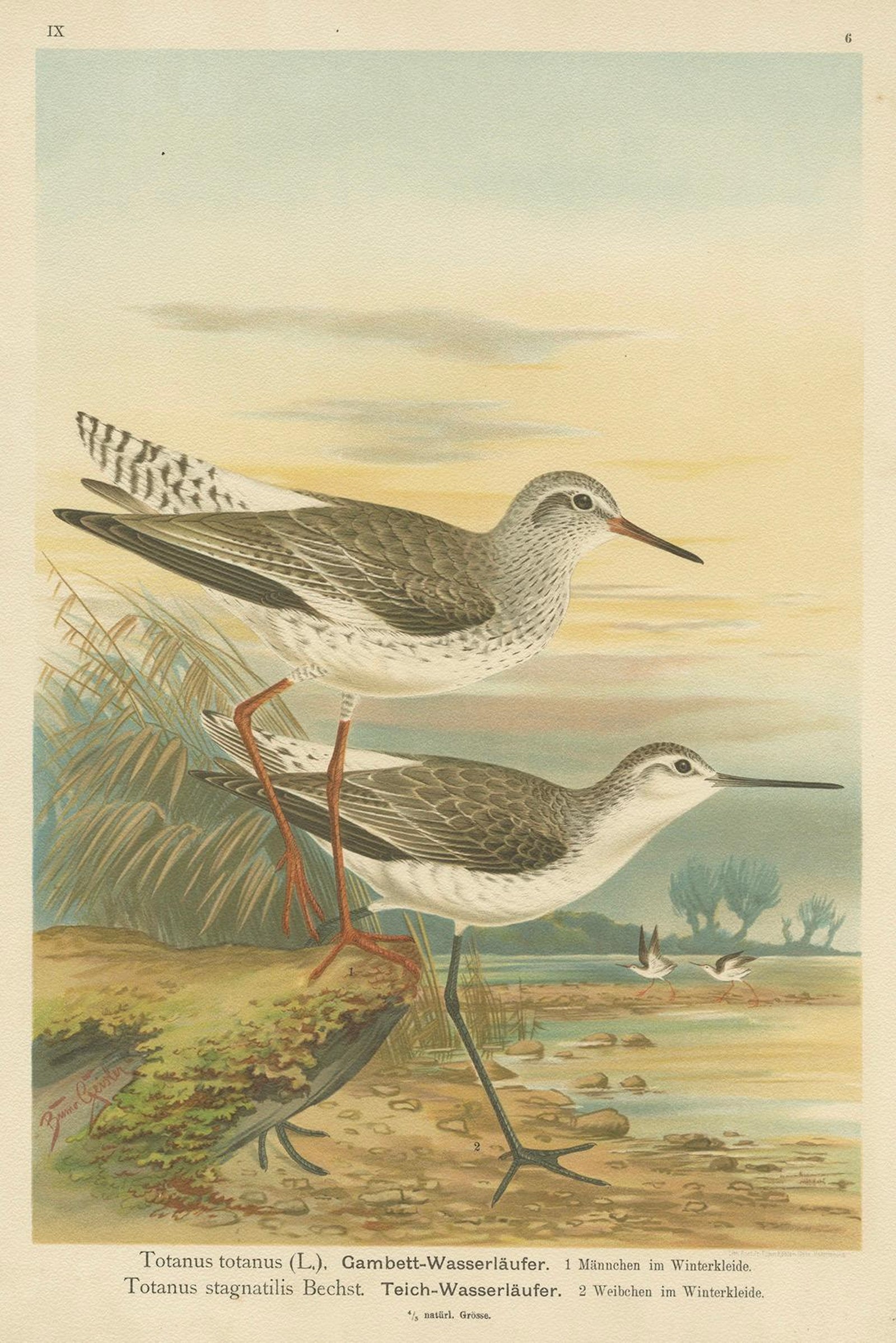
This antique chromolithograph, printed around 1900, features two elegant wading birds common to European wetlands: the Common Redshank (*Totanus totanus*) and the Marsh Sandpiper (*Totanus stagnatilis*), identified in German as “Gambett-Wasserläufer” and “Teich-Wasserläufer” respectively.
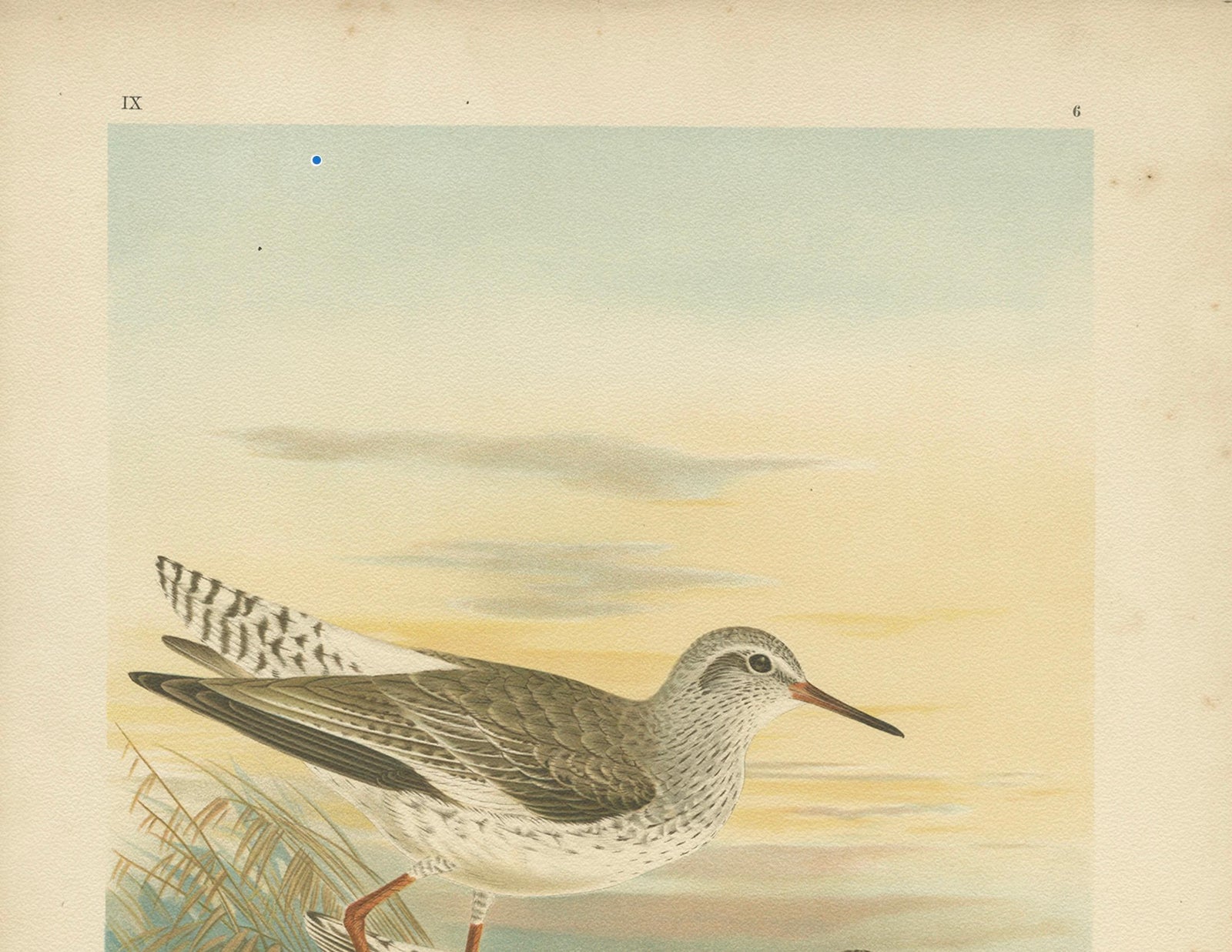
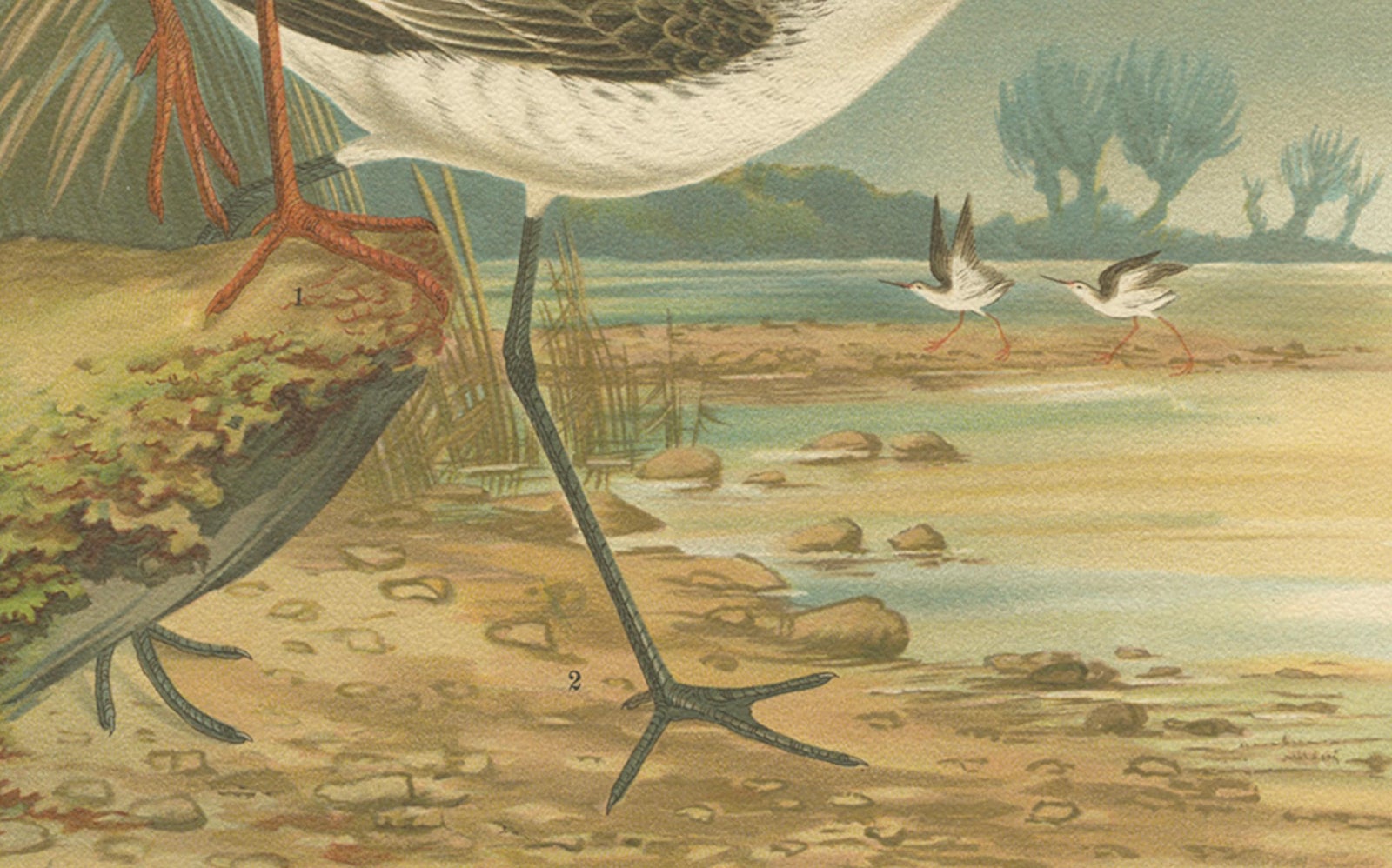
The illustration shows a male Redshank in winter plumage standing on a sandy bank, its distinctive reddish legs and mottled brown plumage carefully rendered in naturalistic tones. Beside it, the more slender Marsh Sandpiper is shown with its characteristic needle-thin bill and fine grey markings. Both birds are shown in a calm marshland setting at dawn or dusk, with a gently colored sky and reed beds in the background. Two smaller birds forage near the waterline, adding a sense of depth and movement to the composition.
The use of chromolithography, an advanced color printing technique popular in the late 19th and early 20th centuries, gives the print its rich, layered color and fine detail. This print likely comes from a German ornithological series or bird atlas aimed at scientific and educational audiences, but its artistic quality elevates it well beyond simple documentation. The image is signed in the plate by Bruno Geisler, a noted German illustrator and ornithologist known for his precision and decorative flair.
Such prints are prized today by collectors for their dual value: both as beautiful decorative artworks and as finely executed scientific records of bird species in their natural environments.
Condition:
Good condition with only light marginal toning.
Framing Tips:
Frame with a natural oak or soft gold frame and a cream or pale sky-blue mat to draw out the warmth of the birds' plumage and complement the subtle tones of the marshland setting.