Close-ups
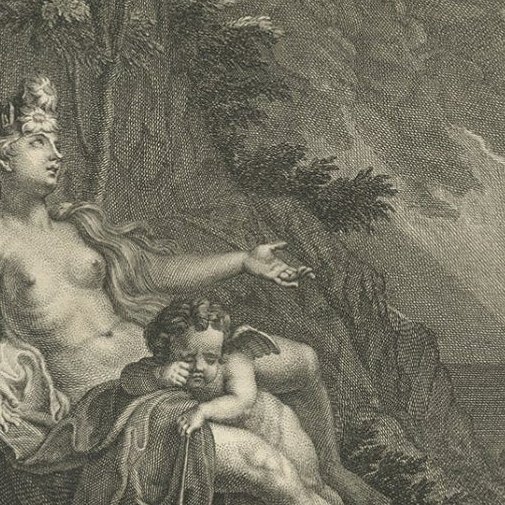
Framed and on the wall
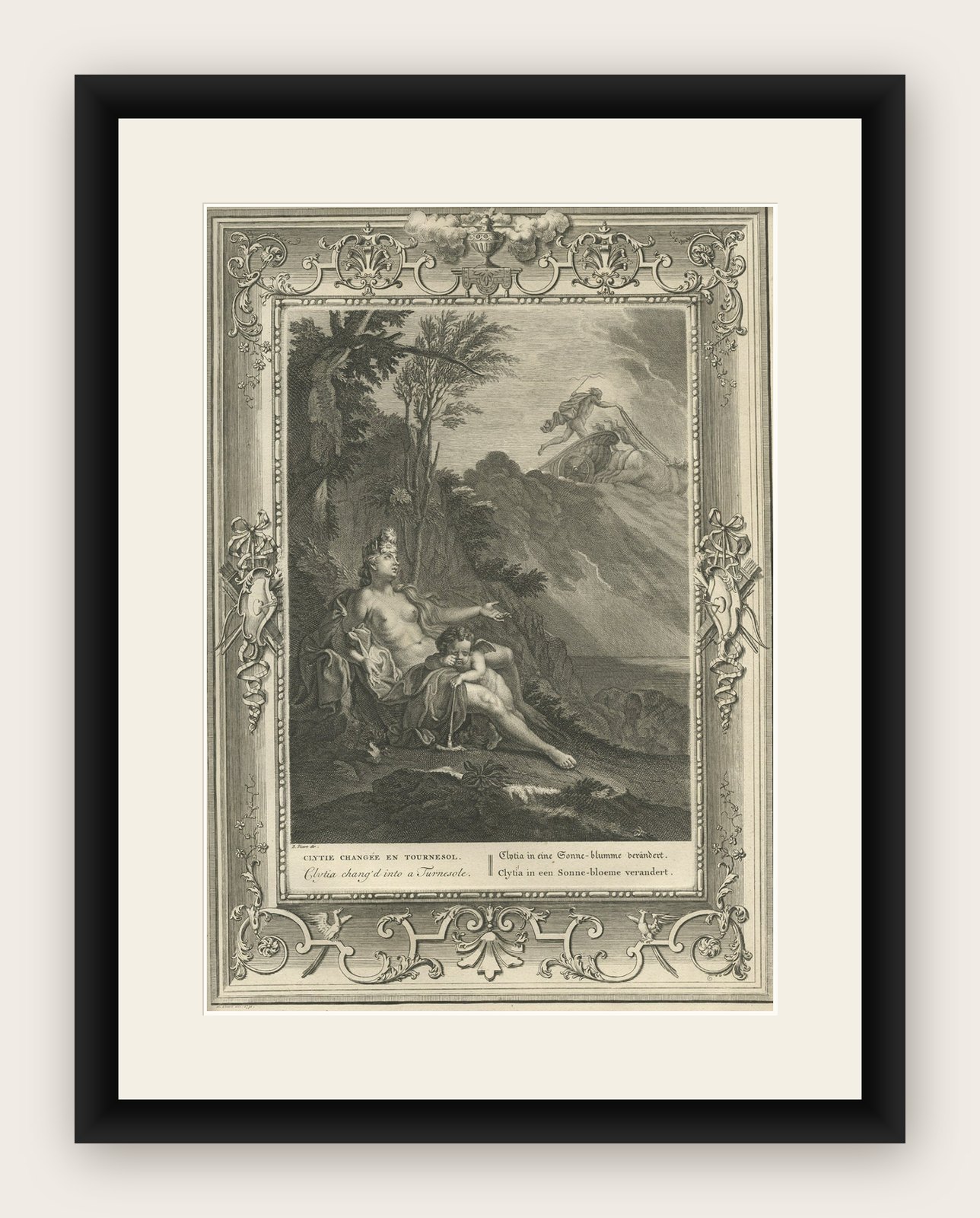
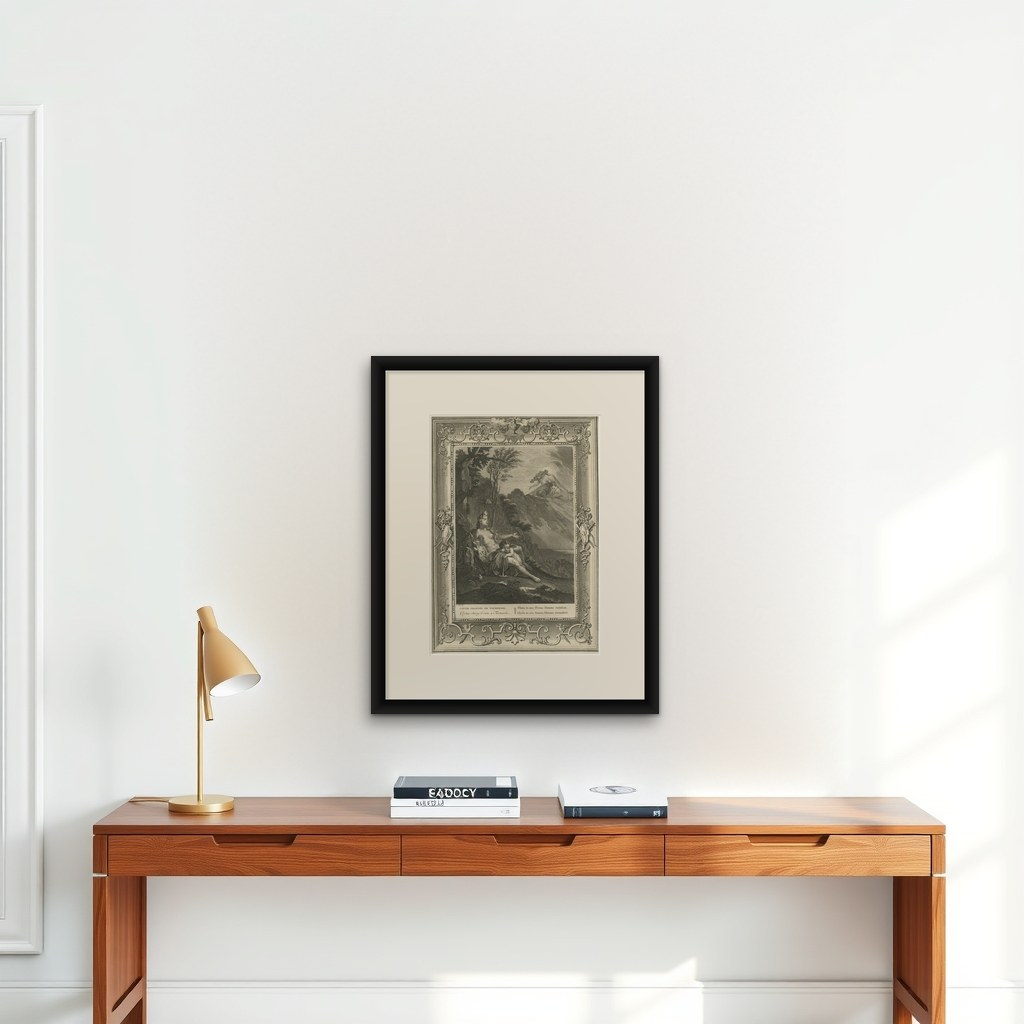

Frame and rooms are illustrations of how the print could look; the description says what is included.
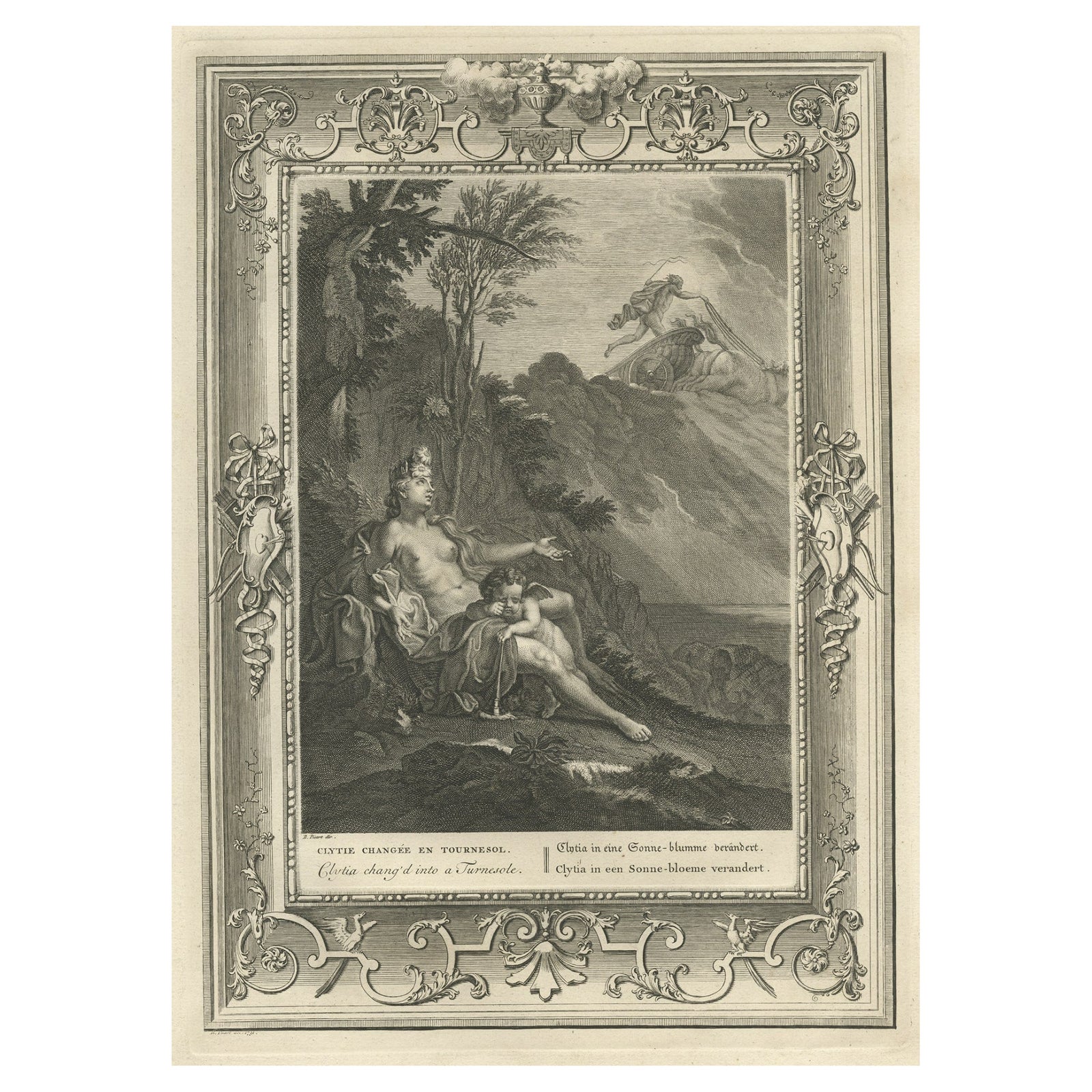
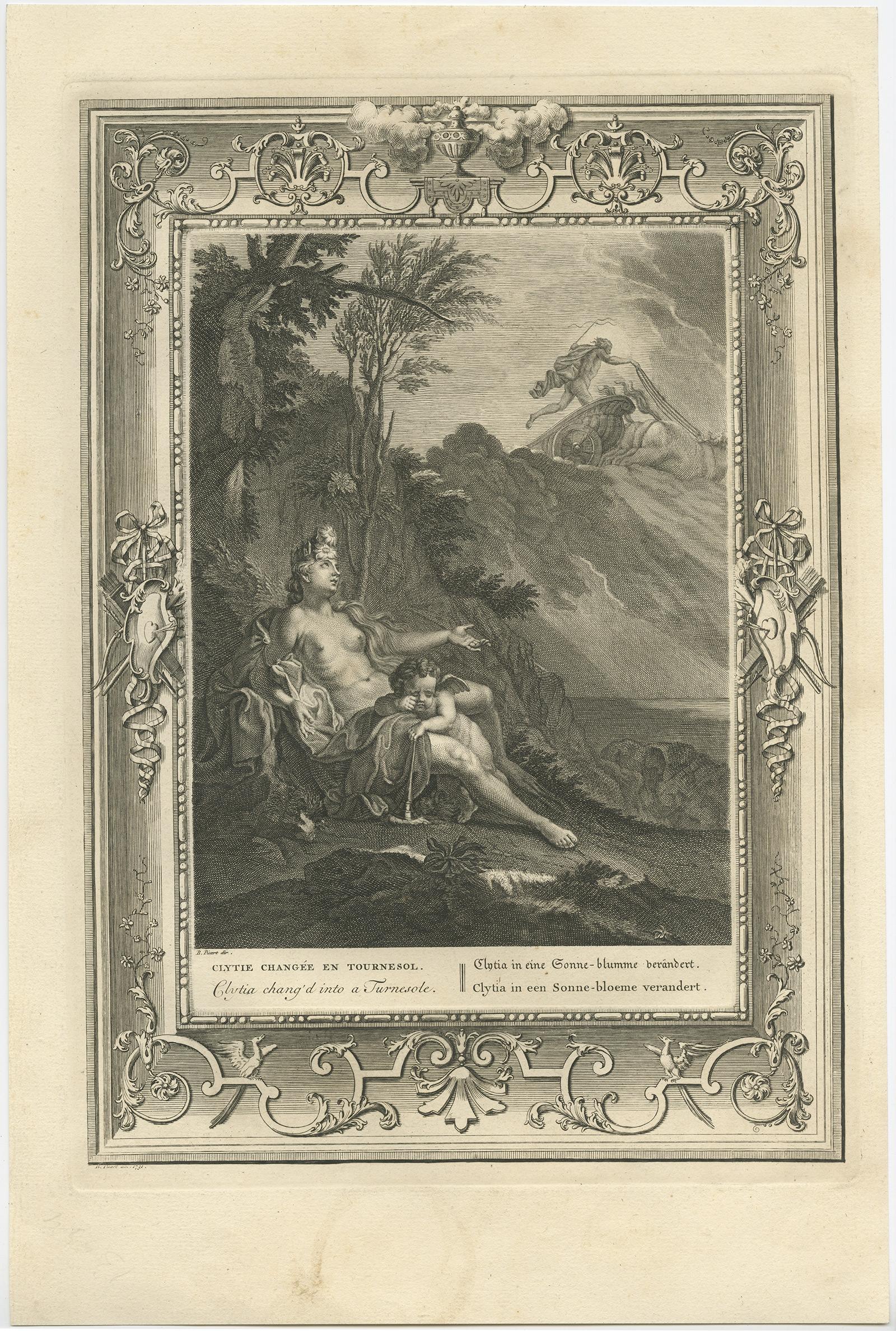
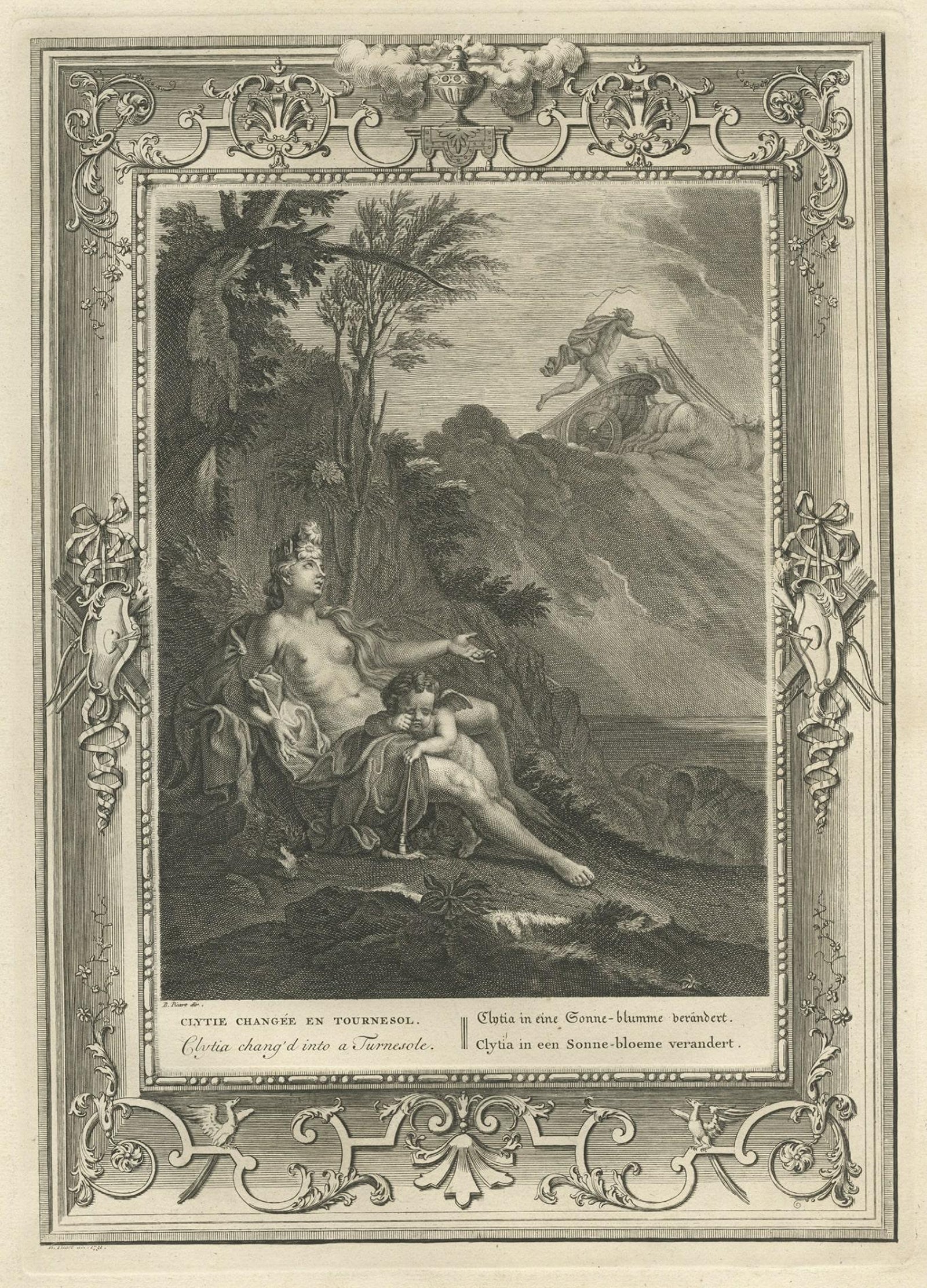
Print of Water Nymph Clytia, Daughter of Oceanus, Turning into a Sunflower, 1733
$385 (£290, €340)
Period original, not a reproduction.
Shipped from the Netherlands, flat, insured and tracked, worldwide. Returns accepted within 14 days.
- Date
- 1733
- Size
- 16.5 × 11 in (42 × 28 cm)
- Technique
- Engraved
- Condition
- Very good, please study image carefully.
- Period
- 18th century
- Section
- Botanical
- Reference
- f_27483242
Antique print titled 'Clytie changée en Tournesol (..)'.
This print depicts Clytia turning into a sunflower. Clytia (or Clytie) was a water nymph, daughter of Oceanus and Tethys in Greek mythology. She was loved by Apollo / Helios. After losing his love she tries to win him backstripped herself and sat naked, with neither food nor drink, for nine days on the rocks, staring at the sun, Helios, and mourning his departure. After nine days she was transformed into the heliotrope (sunflower). This print originates from 'Tafereel, of Beschryving van den prachtigen Tempel der Zang-Godinnen' by B. Picart.
Artists and Engravers: Published by H. Chatelain, Amsterdam.