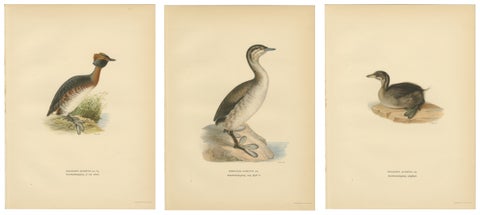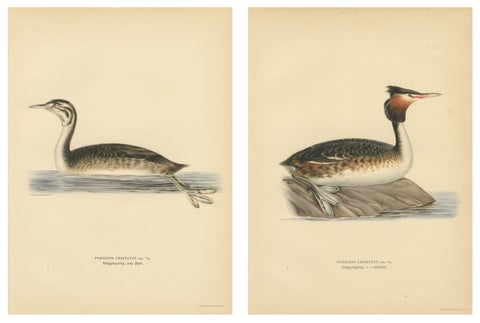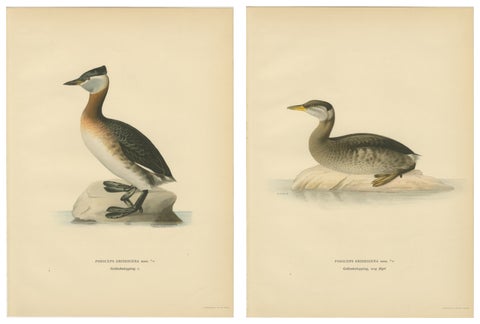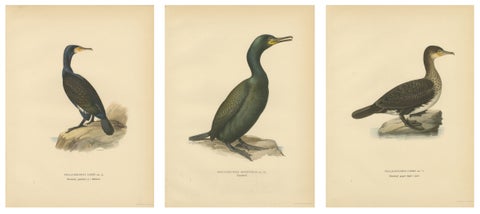
Close-ups
Framed and on the wall
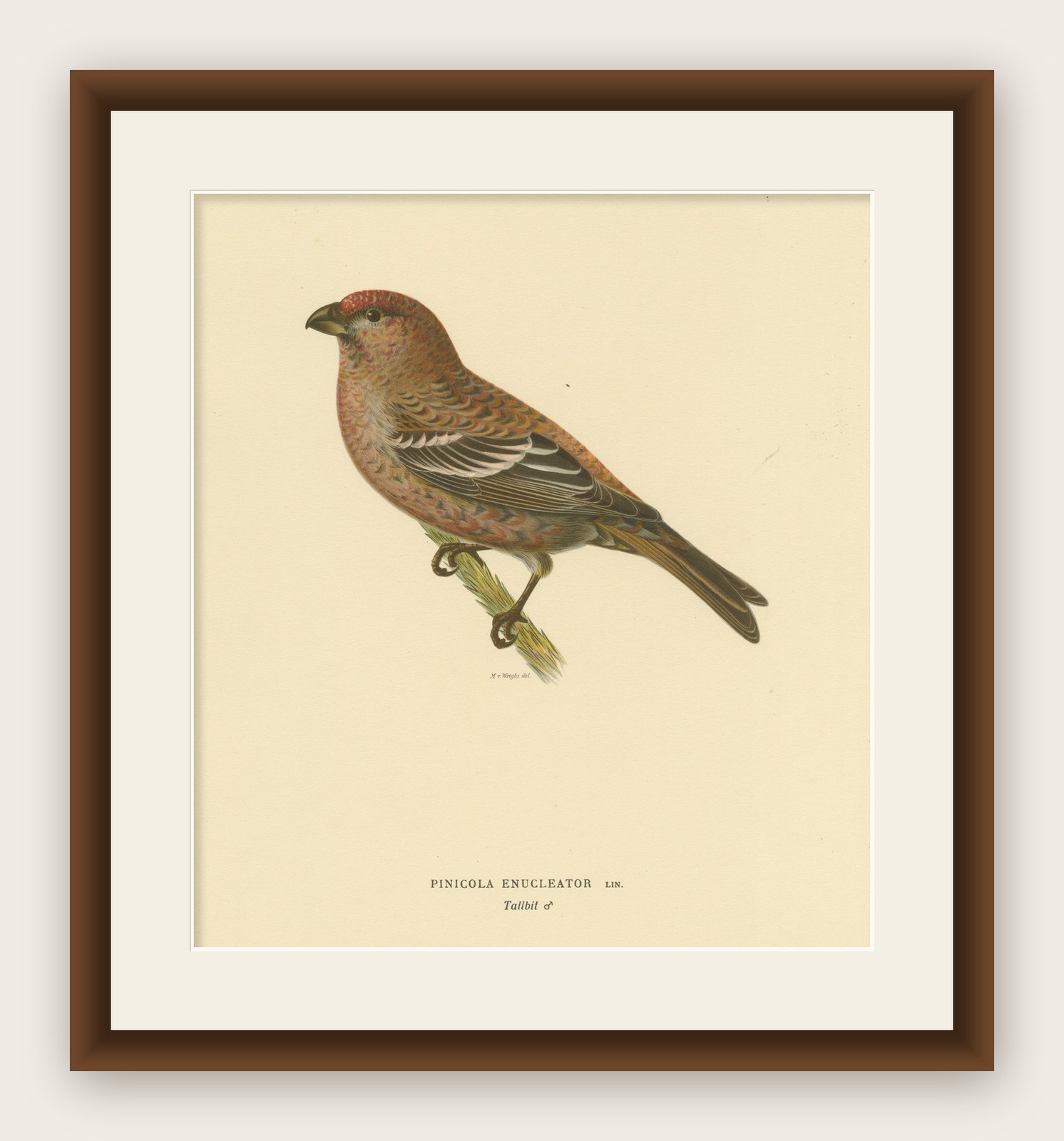
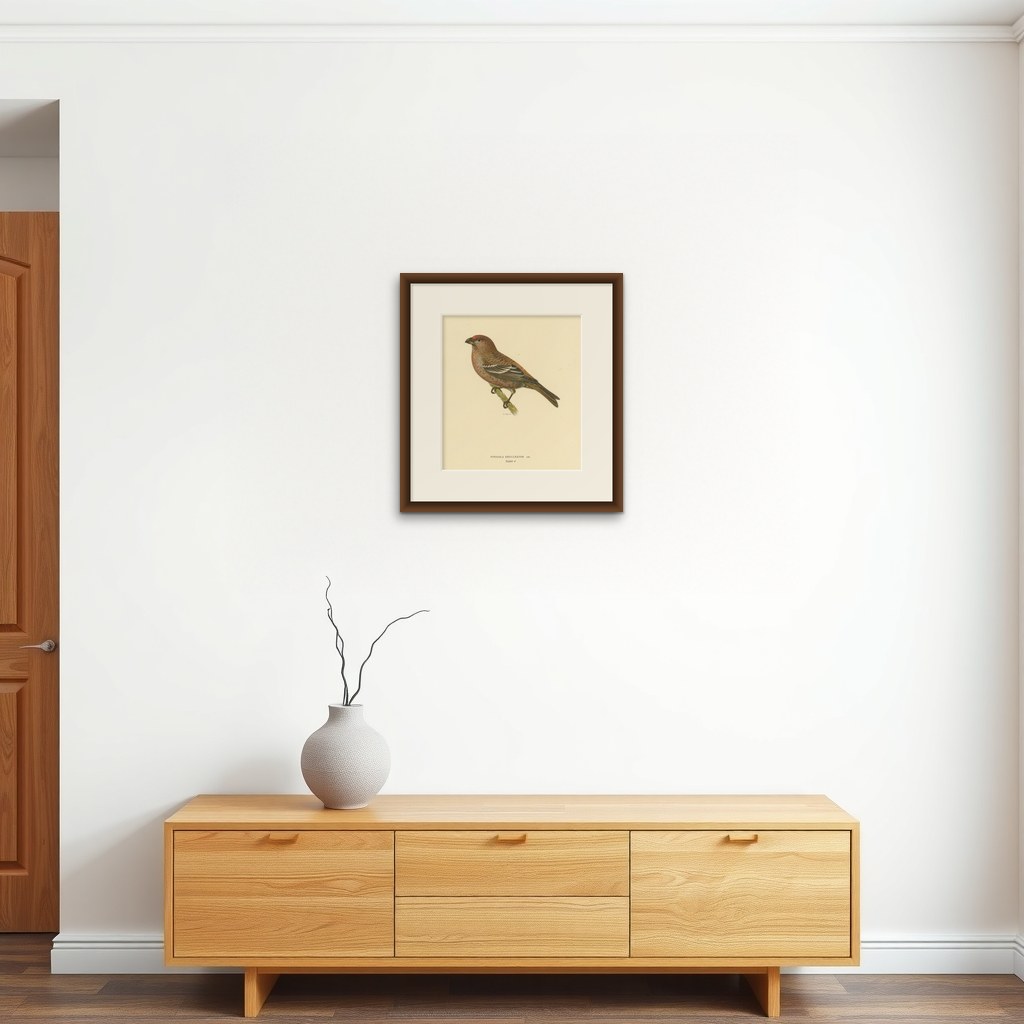

Frame and rooms are illustrations of how the print could look; the description says what is included.
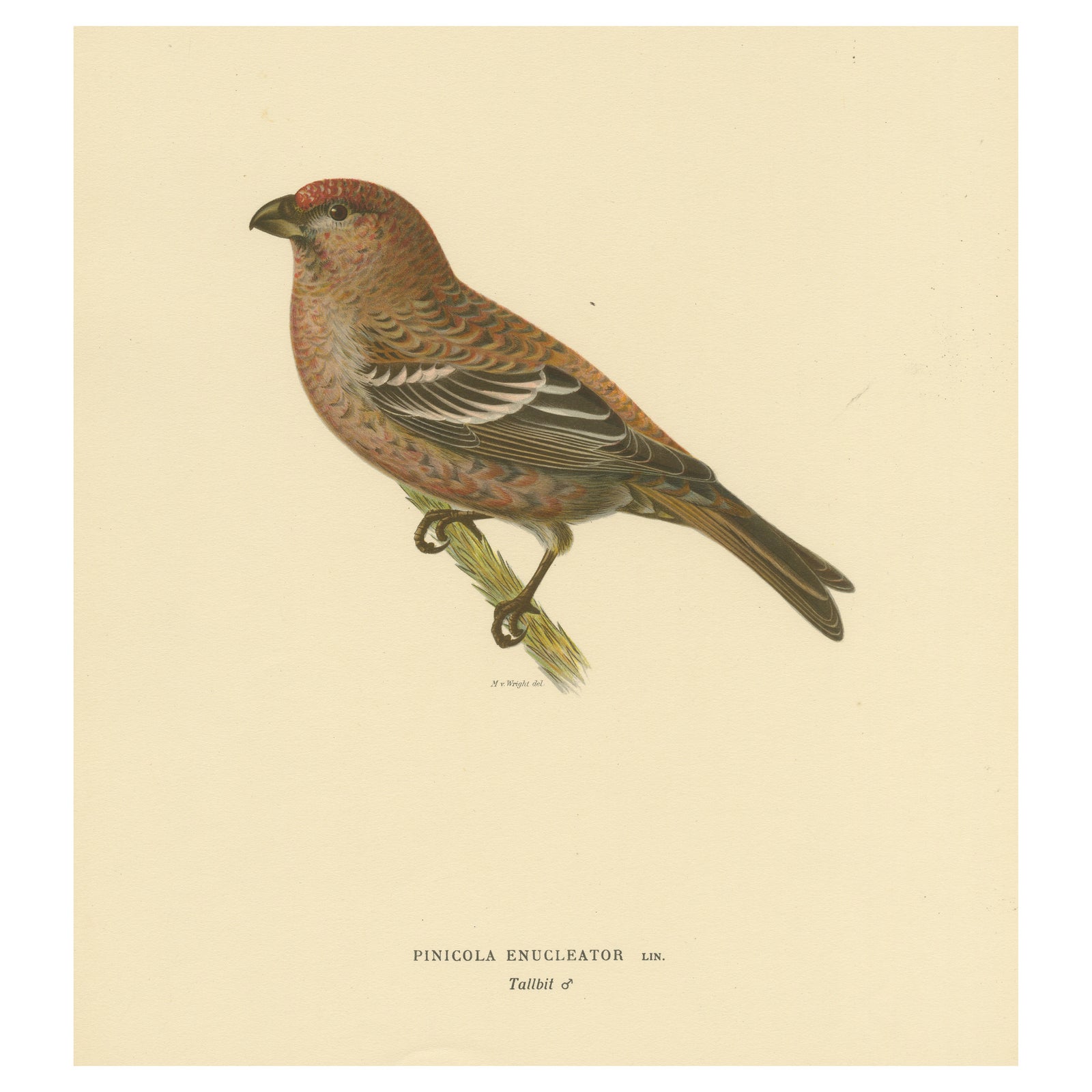
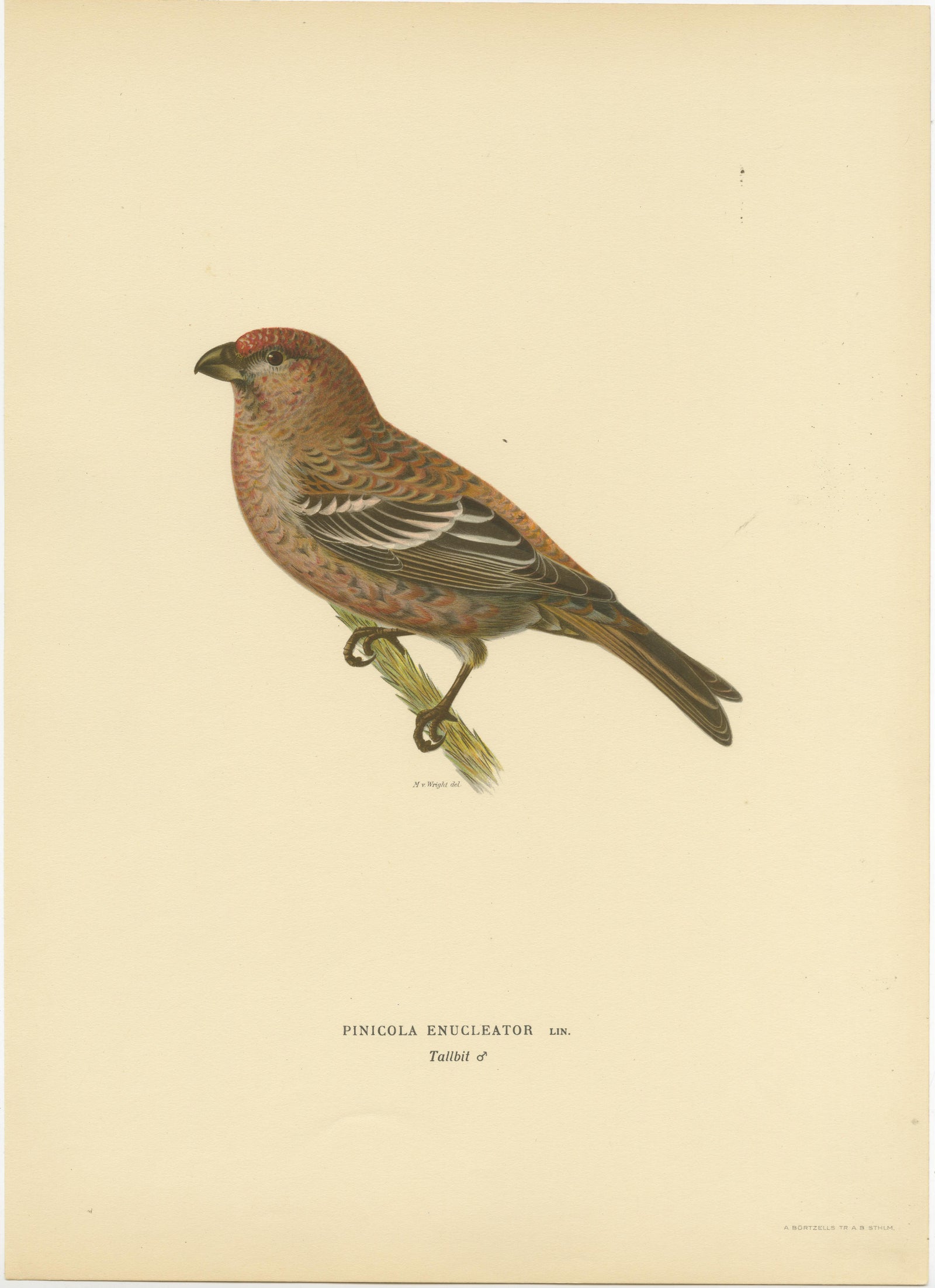
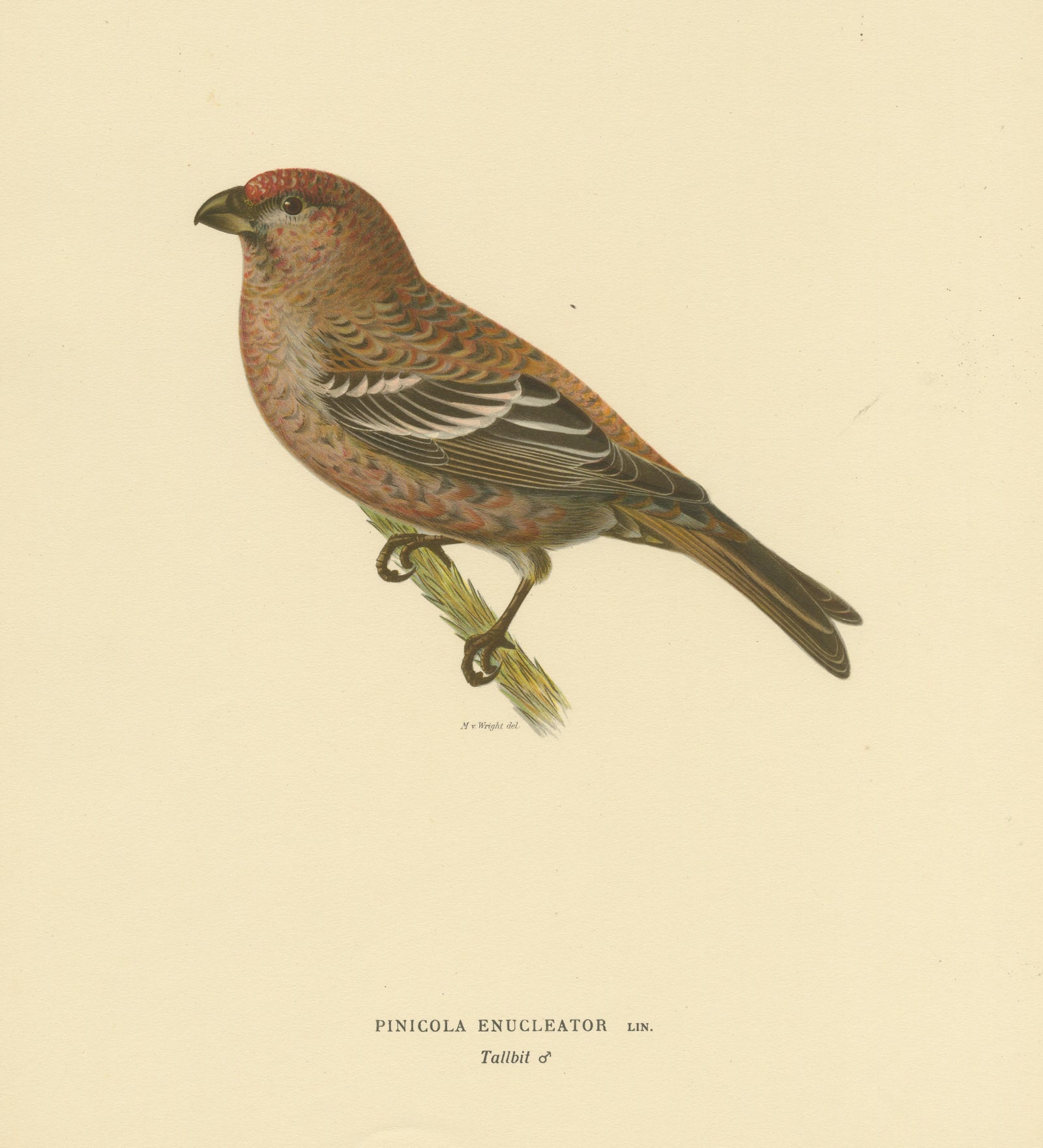
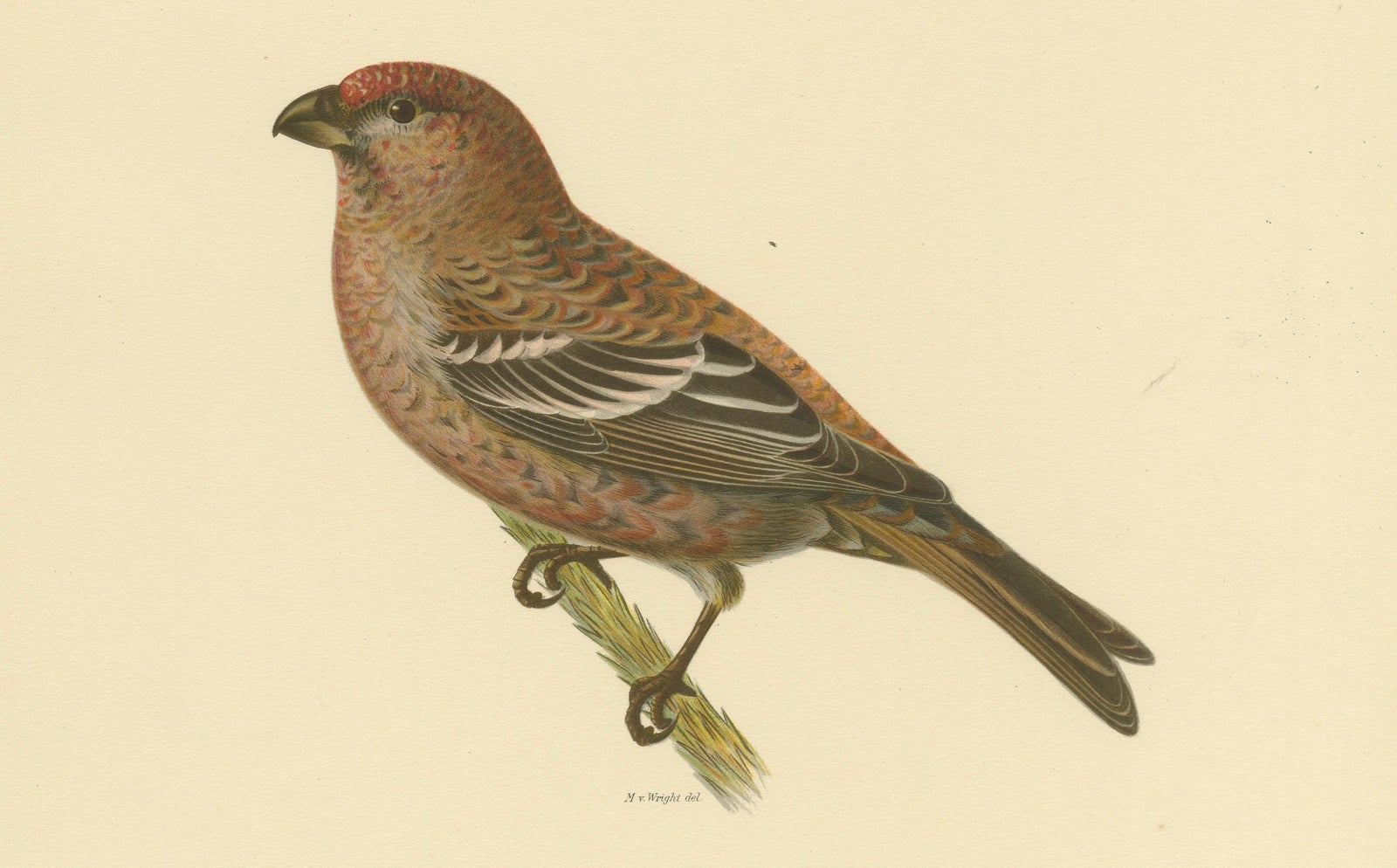
Perched Elegance: A 19th Century Lithograph of the Pine Grosbeak Bird, 1929
€220 ($245, £185, €220)
Period original, not a reproduction.
Shipped from the Netherlands, flat, insured and tracked, worldwide. Returns accepted within 14 days.
- Date
- 1929
- Size
- 14.8 × 10.7 in (37.6 × 27.3 cm)
- Condition
- Good. General age-related toning. Blank verso. Please study image carefully.
- Period
- 20th century
- Section
- Birds
- Reference
- f_39124252
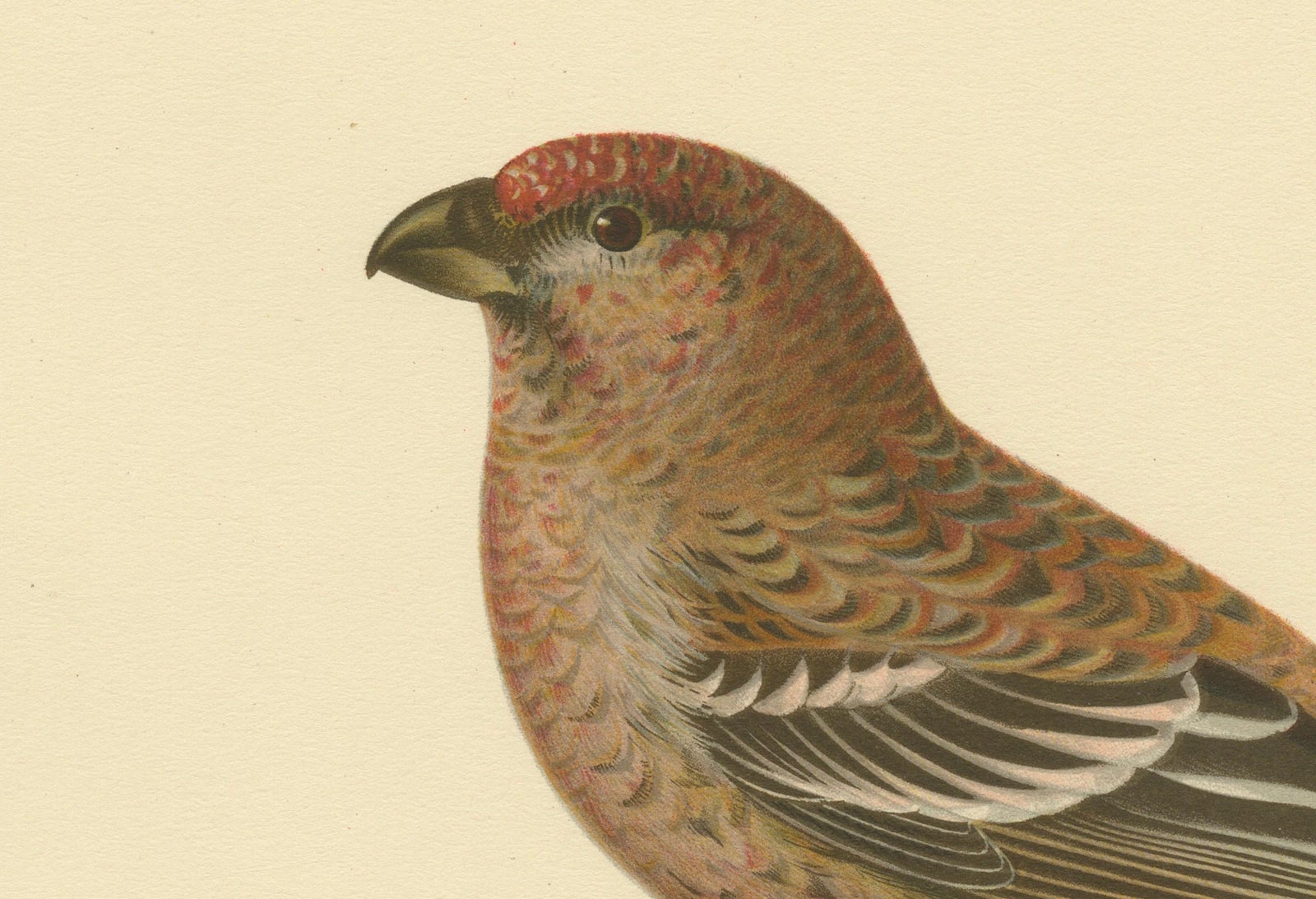
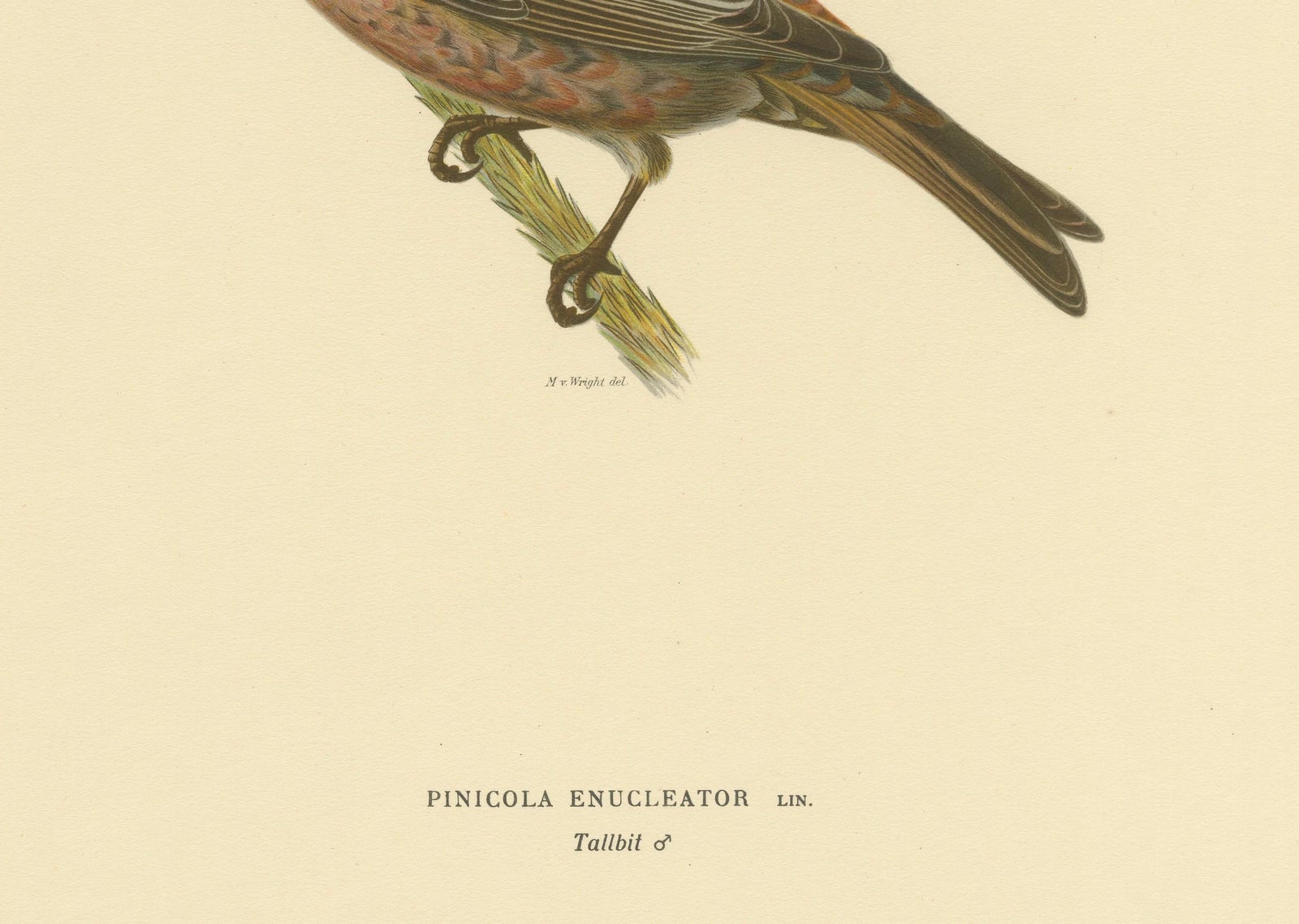
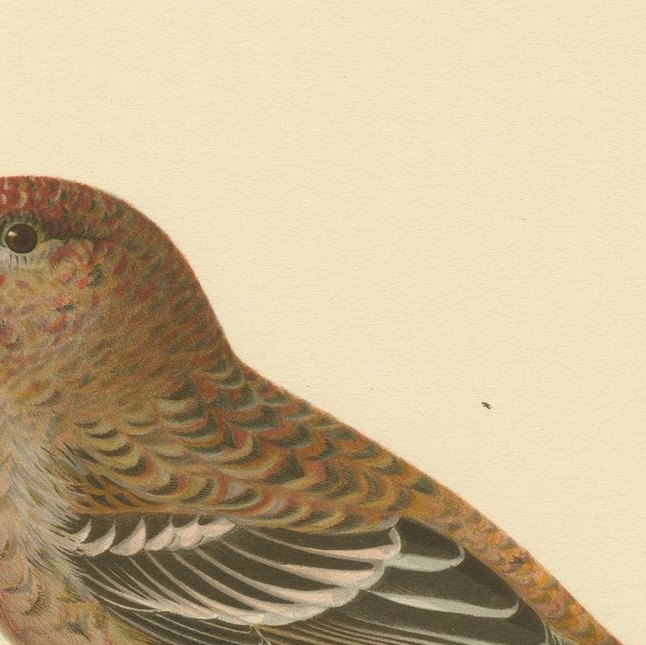
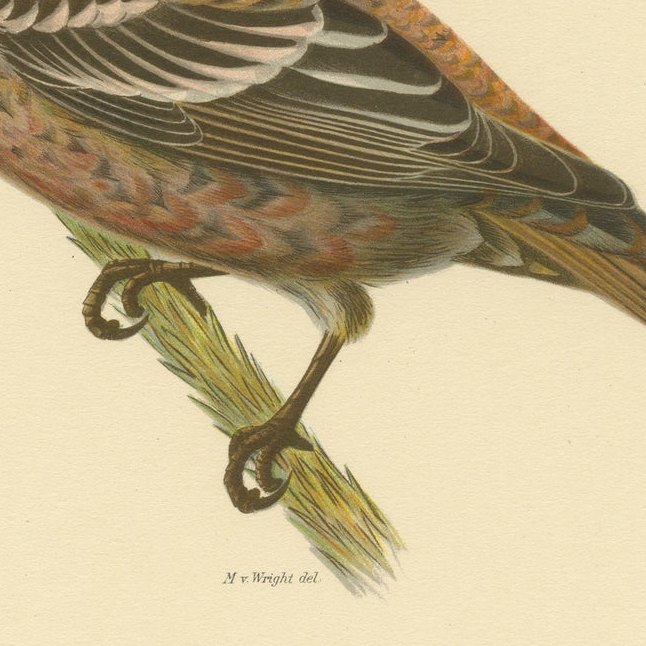
This is an antique print of the Pine Grosbeak, known scientifically as "Pinicola enucleator". The bird is depicted with great attention to detail, showing its distinct plumage with various shades of red and hints of yellow and black. The illustration is notably realistic, capturing the texture of the feathers, the subtle variations in color, and the bird’s calm demeanor as it perches.
The title at the bottom identifies both the common name and the Latin binomial, which is a standard convention in scientific illustrations. The name "Talbit ♂" likely refers to the male Pine Grosbeak, as suggested by the masculine symbol, and reflects the nomenclature or local name used by Magnus von Wright or in his region.
Magnus von Wright, as mentioned in your description, was a notable Swedish-Finnish artist who specialized not only in bird illustrations but also in landscapes. His work on "Svenska Foglar Efter Naturen Och Pa Stenritade" which translates to "Swedish Birds After Nature and On Lithographs," showcases his skill in lithography, a printing method used for fine art prints during the 19th century, which allowed for high-quality reproductions of artwork.
The print would have been part of a larger collection intended to depict Swedish birds realistically and to serve both educational and artistic purposes. Von Wright's illustrations are valuable for both their scientific accuracy and their aesthetic appeal, reflecting the biodiversity of the region during his time. The accuracy and detail found in this print would have been particularly valuable to ornithologists and nature enthusiasts of the era, contributing to the study and appreciation of bird species in their natural habitats.