Close-ups
Framed and on the wall
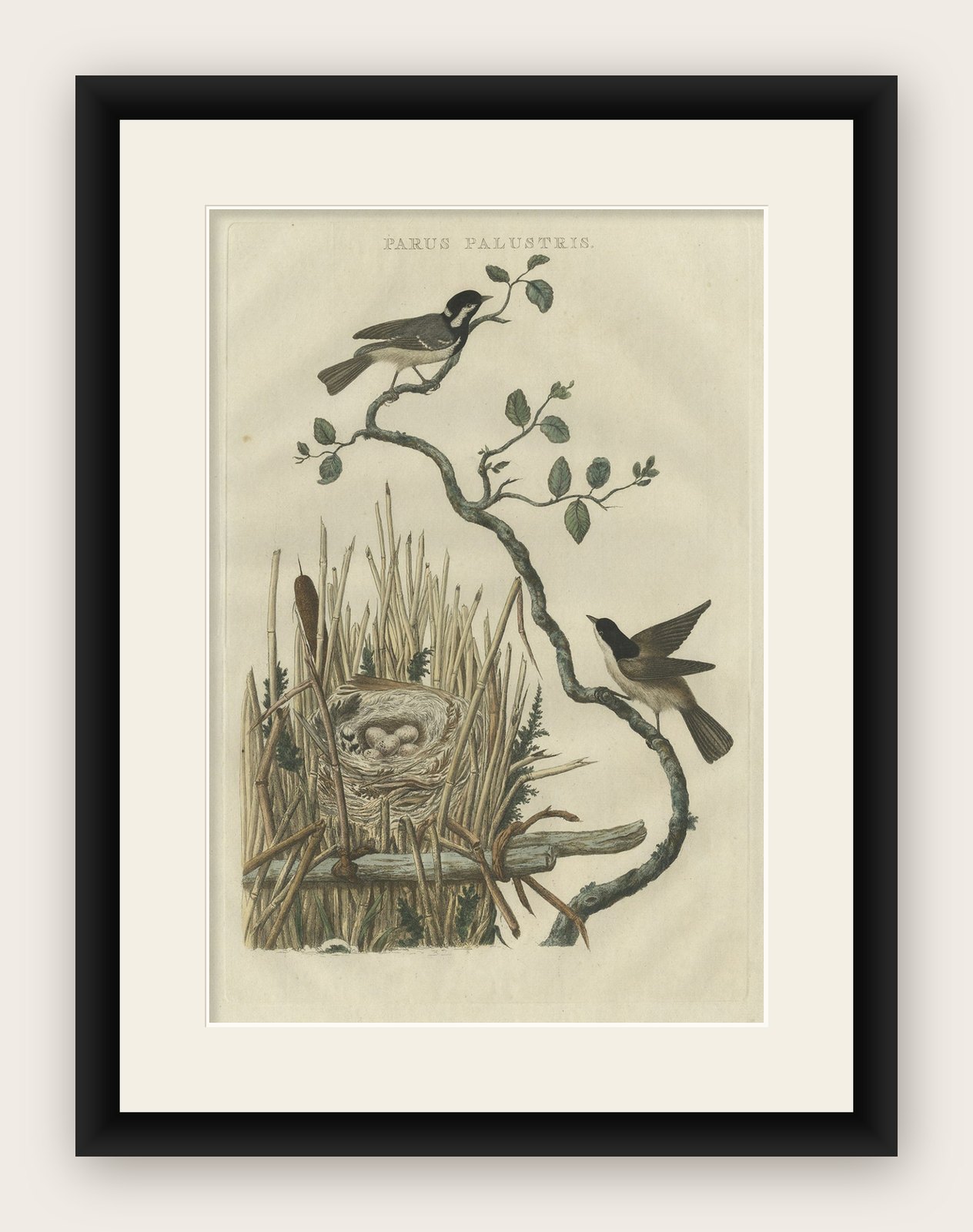
Frame and rooms are illustrations of how the print could look; the description says what is included.
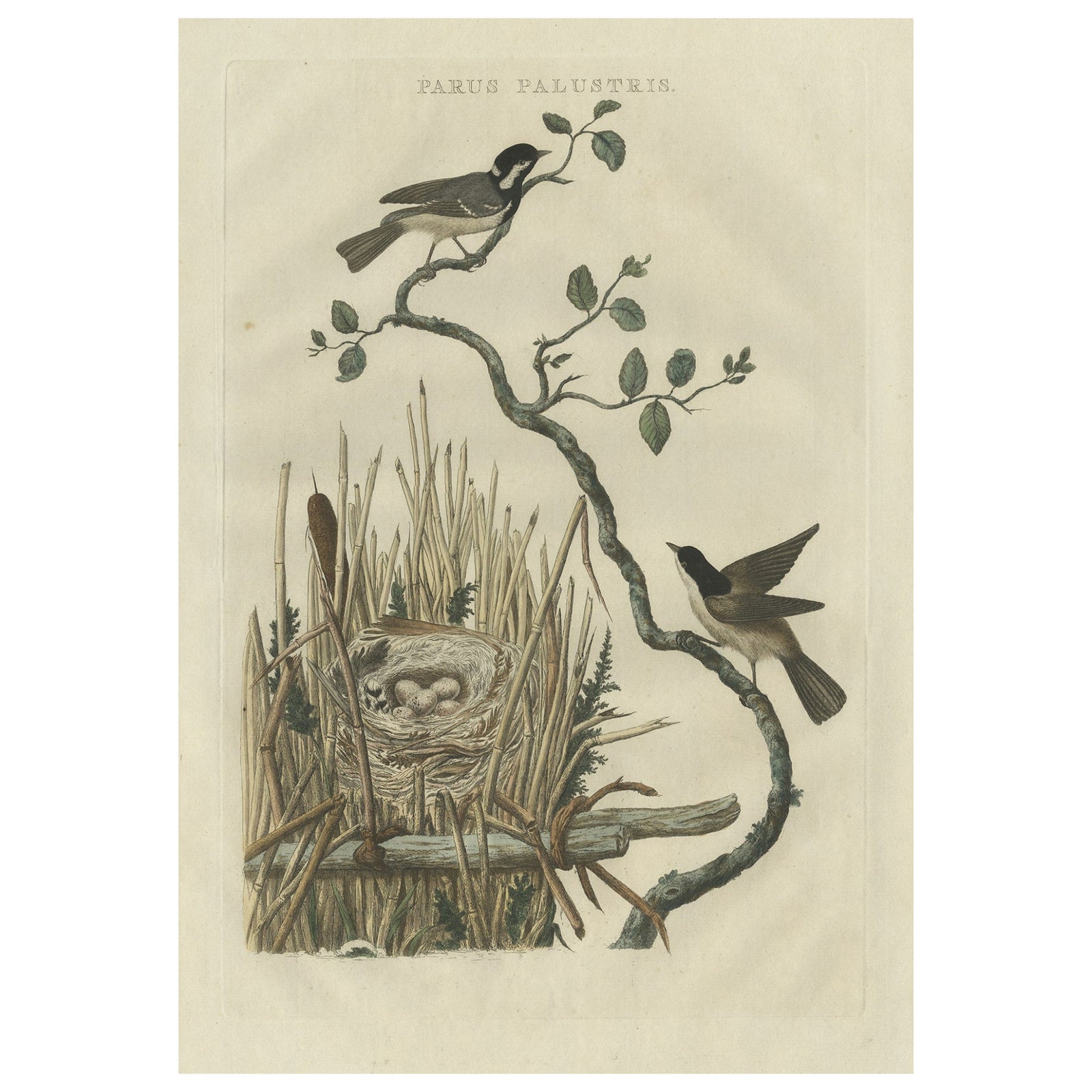
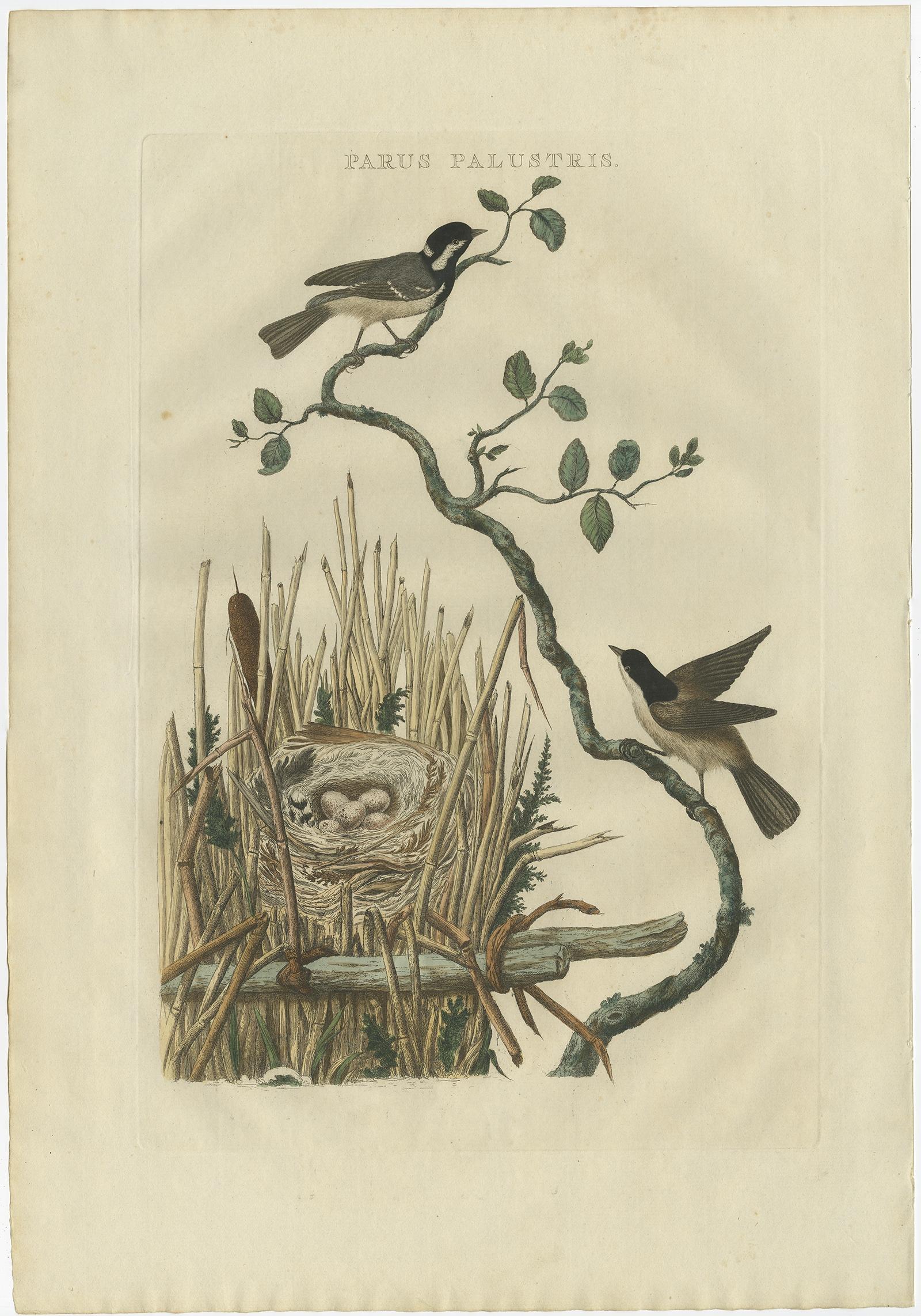
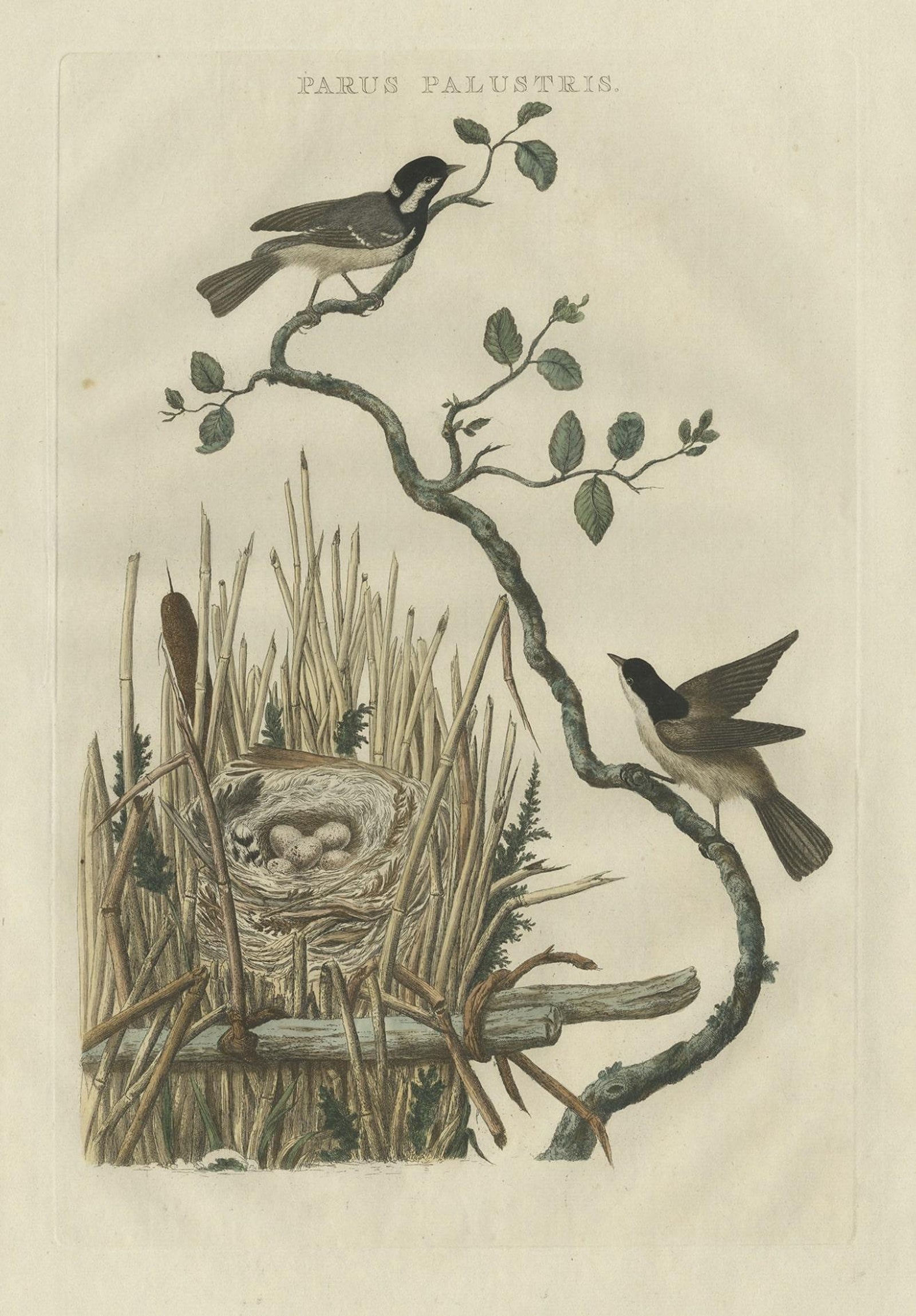
Original Hand-Colored Bird Print of the Marsh Tit with Nest and Eggs, 1770
$1,065 (£805, €950)
Period original, not a reproduction.
Shipped from the Netherlands, flat, insured and tracked, worldwide. Returns accepted within 14 days.
- Date
- 1770
- Size
- 20.9 × 14.6 in (53 × 37 cm)
- Condition
- Good
- Period
- 18th century
- Section
- Birds
- Reference
- f_26790832
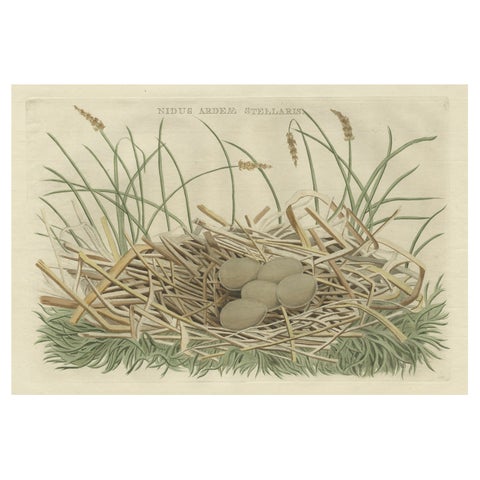
Antique print titled ‘Parus Palustris'. This print depicts the marsh tit with nest and eggs (Dutch: rietmees). The marsh tit (Poecile palustris) is a passerine bird in the tit family Paridae and genus Poecile, closely related to the willow, Père David's and Songar tits. It is small (around 12 cm long and weighing 12 g) with a black crown and nape, pale cheeks, brown back and greyish-brown wings and tail. Between 8 and 11 subspecies are recognised. This bird's close resemblance to the willow tit can cause identification problems, especially in the United Kingdom where the local subspecies of the two are very similar (there, they were not recognised as separate species until 1897).
This print originates from 'Nederlandsche Vogelen; volgens hunne huisdouding, aert, en eigenschappen beschreeven", Amsterdam, 1770-1829 by C. Nozeman, M. Houttuyn and J.C. Sepp. This is the most important and first study in the Netherlands of ornithology at that time. The birds are depicted as they are in life, said to be depicted close to life sized and in their environment.
Original text page included.
Artists and engravers: This monumental work is associated with Christiaan Andreas Sepp, Jan Christiaan Sepp, Jan Sepp, Cornelis Nozeman, Martinus Houttuyn and Coenraad Jacob Temminck.
Condition: Very good. General age-related toning. Please study image carefully.