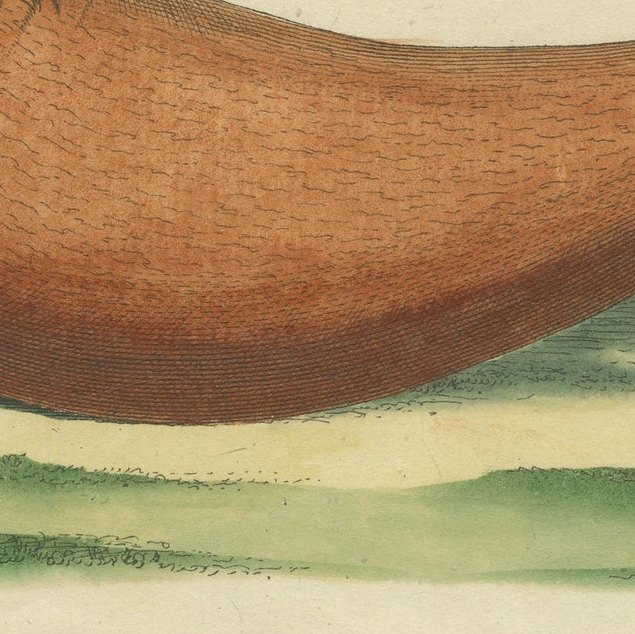
Close-ups
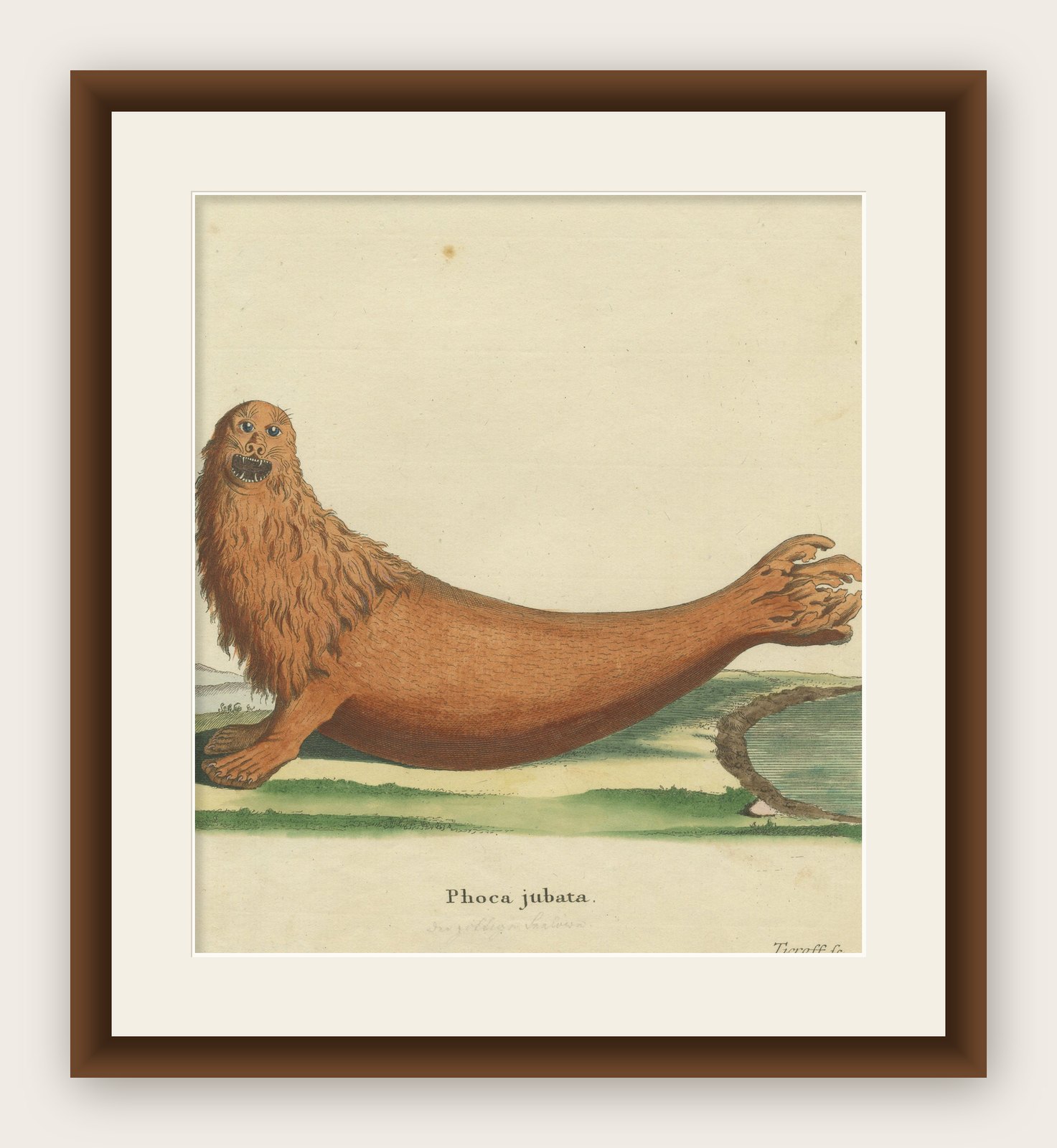
Framed and on the wall

Frame and rooms are illustrations of how the print could look; the description says what is included.
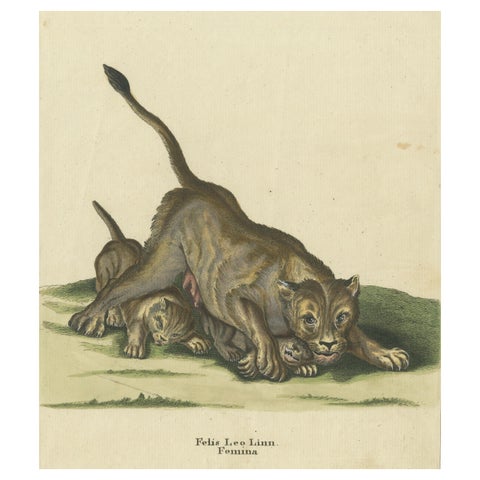
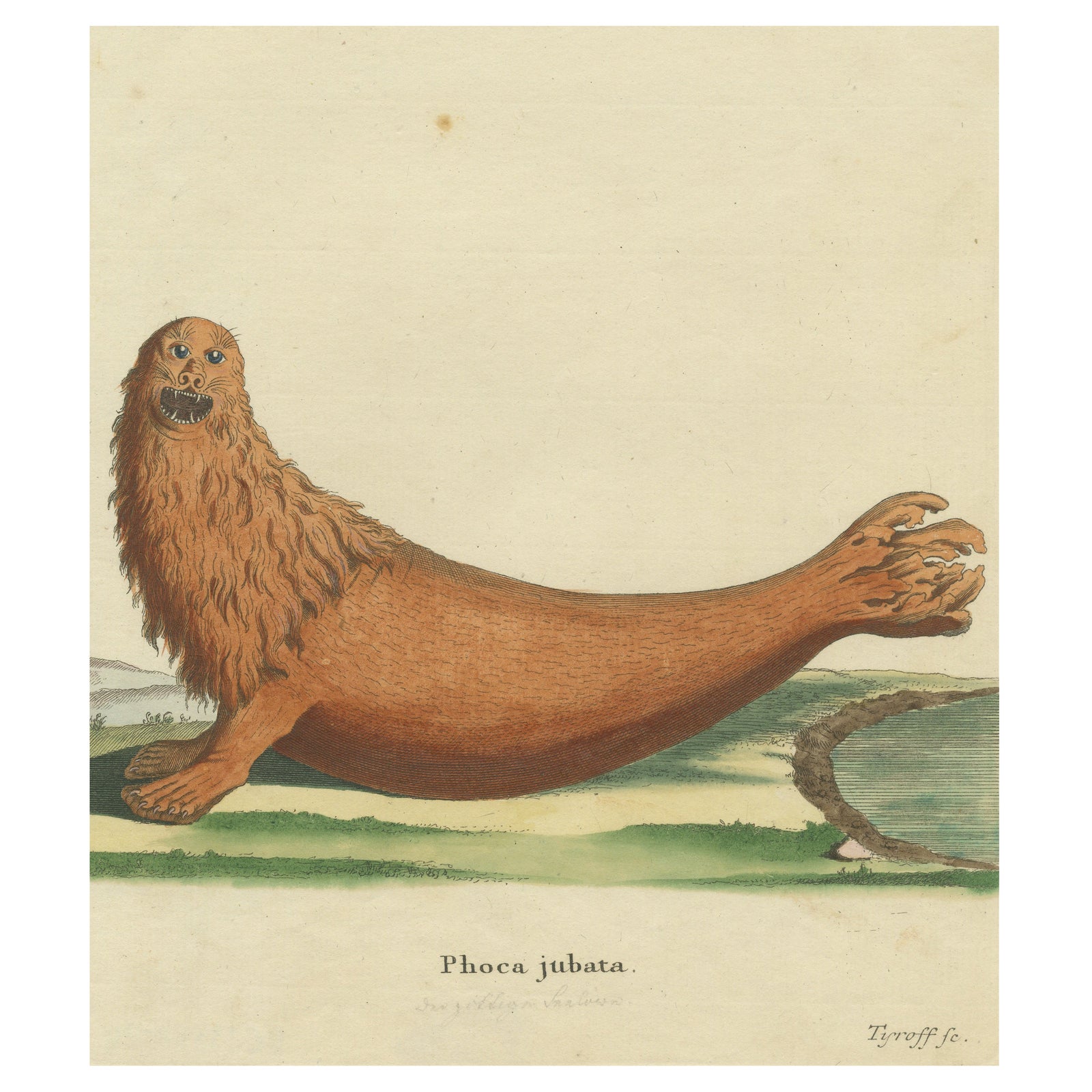
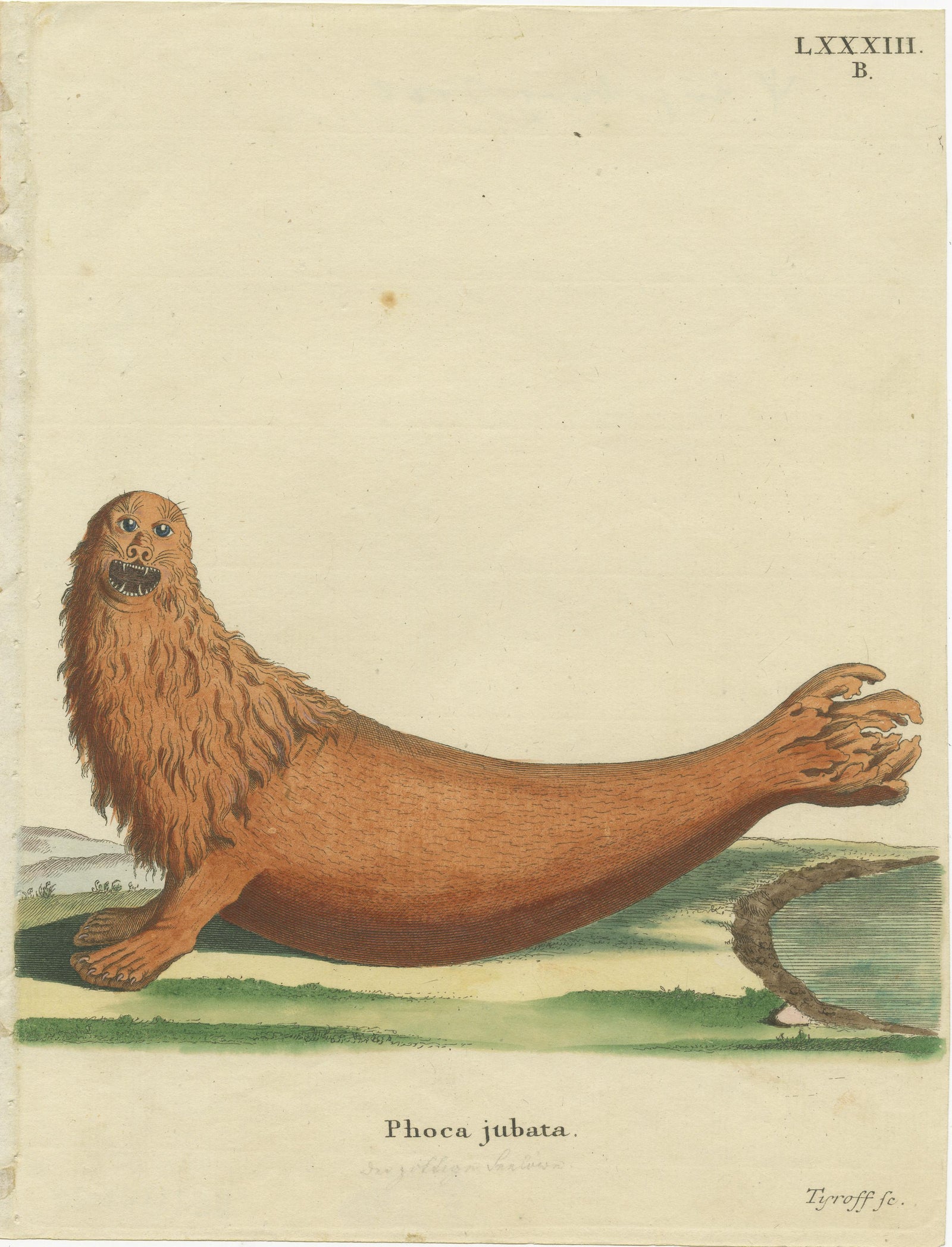
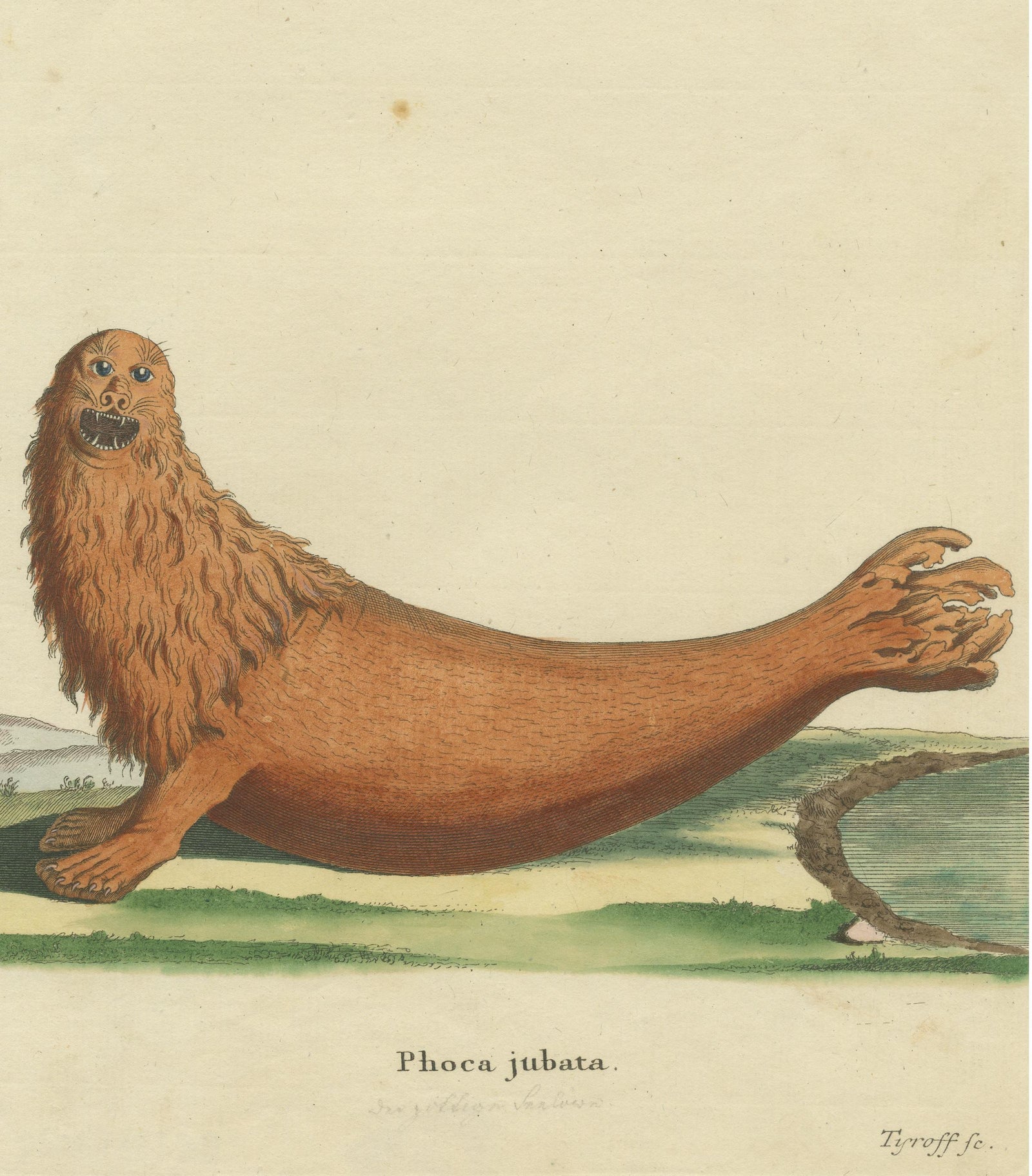
Original Antique Print of a Steller Sea Lion
$325 (£245, €290)
Period original, not a reproduction.
Shipped from the Netherlands, flat, insured and tracked, worldwide. Returns accepted within 14 days.
- Date
- Not stated
- Size
- 9.2 × 7.2 in (23.3 × 18.2 cm)
- Condition
- Good. Wear consistent with age and use. General age-related toning. Some wear and soiling. Small punch holes in left margin. Blank verso. Please study image carefully.
- Artist or book
- Johann Elias Ridinger
- Section
- Mammals
- Reference
- f_31843072
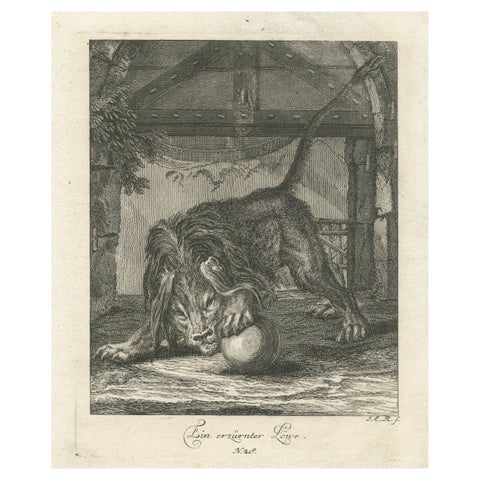
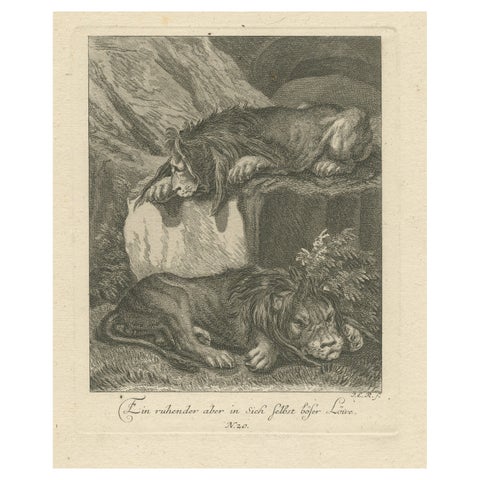
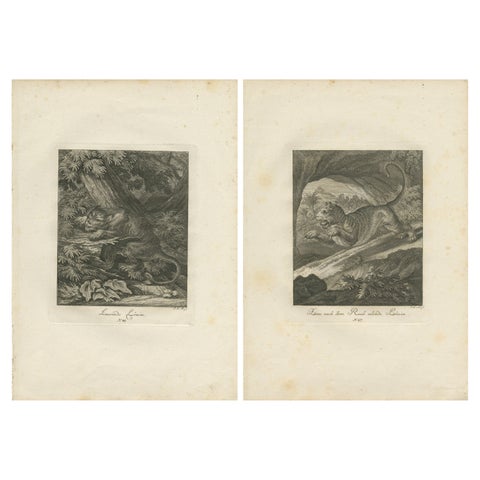
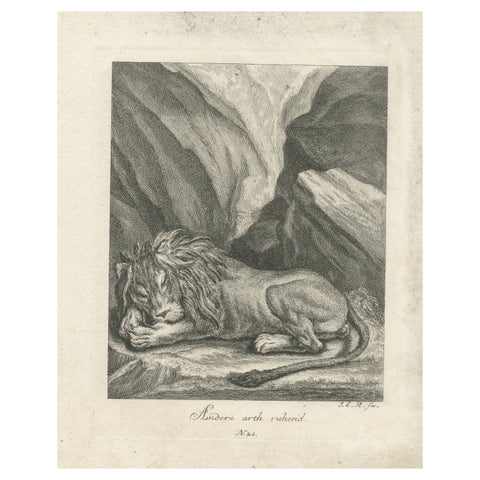
Beautiful original old print of a steller sea lion. The Steller sea lion (Eumetopias jubatus), also known as the Steller's sea lion and northern sea lion, is a near-threatened species of sea lion in the northern Pacific. It is the sole member of the genus Eumetopias and the largest of the eared seals (Otariidae). Among pinnipeds, only the walrus and the two species of elephant seals are bigger. This print originates from Dr. Johann Schreber's 'Die Saugthiere in Abbildungen nach der Natur'(Mammals in Pictures after Nature). Drawn by Johann Elias Ridinger (1698–1767).
Johann Christian Daniel von Schreber (1739–1810) was appointed professor of materia medica at the University of Erlangen in 1769. In 1774, he began writing a multivolume set of books entitled Die Säugethiere in Abbildungen nach der Natur mit Beschreibungen, which focused on the mammals of the world. Many of the animals included were given a scientific name for the first time, following the binomial system of Carl Linnaeus. From 1791 until his death in 1810, he was the president of the German Academy of Sciences Leopoldina. He was elected a member of the Royal Swedish Academy of Sciences in 1787 and he was elected a Fellow of the Royal Society in 1775. Schreber also wrote on entomology, notably Schreberi Novae Species Insectorvm. His herbarium collection has been preserved in the Botanische Staatssammlung München since 1813.