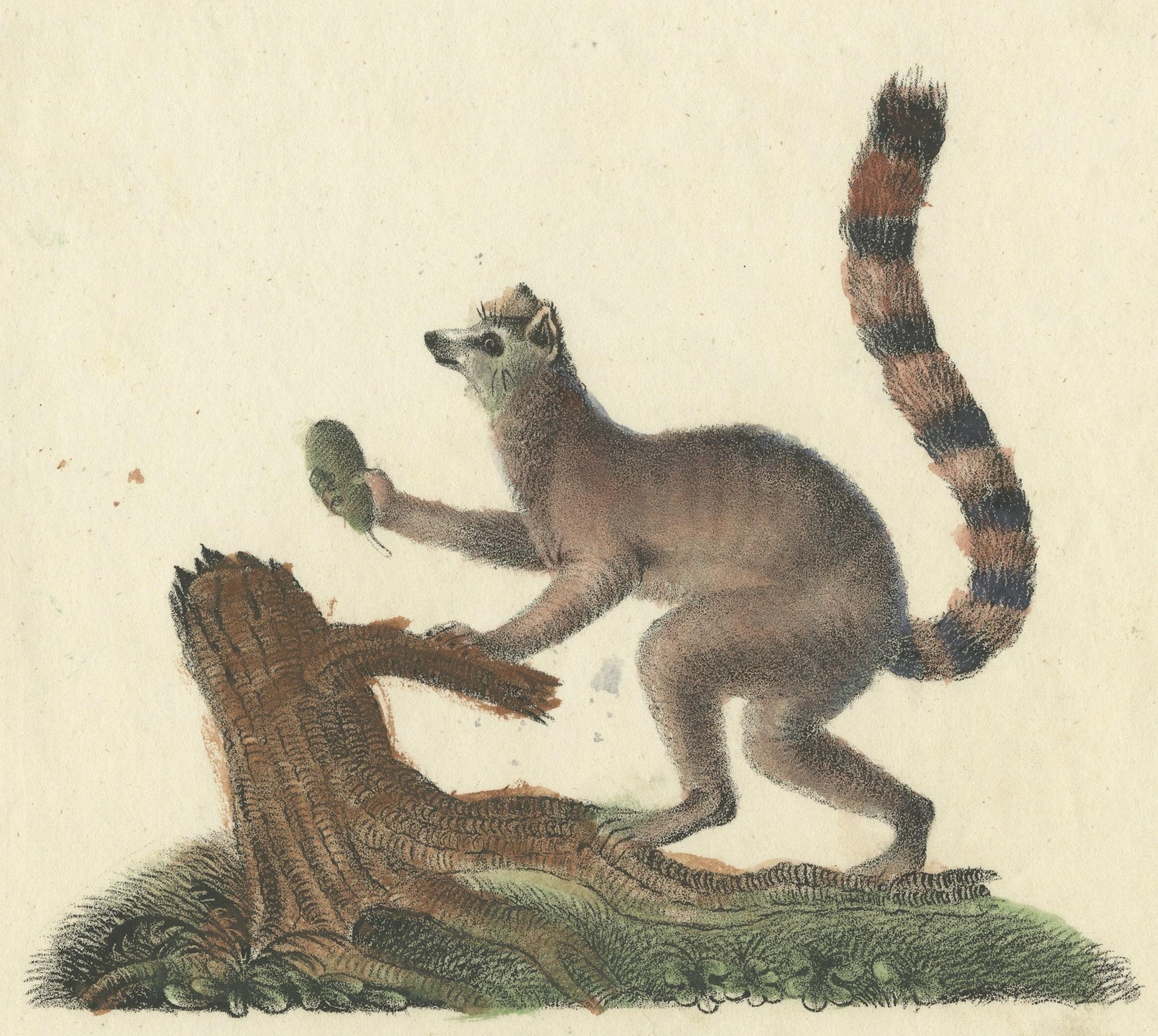
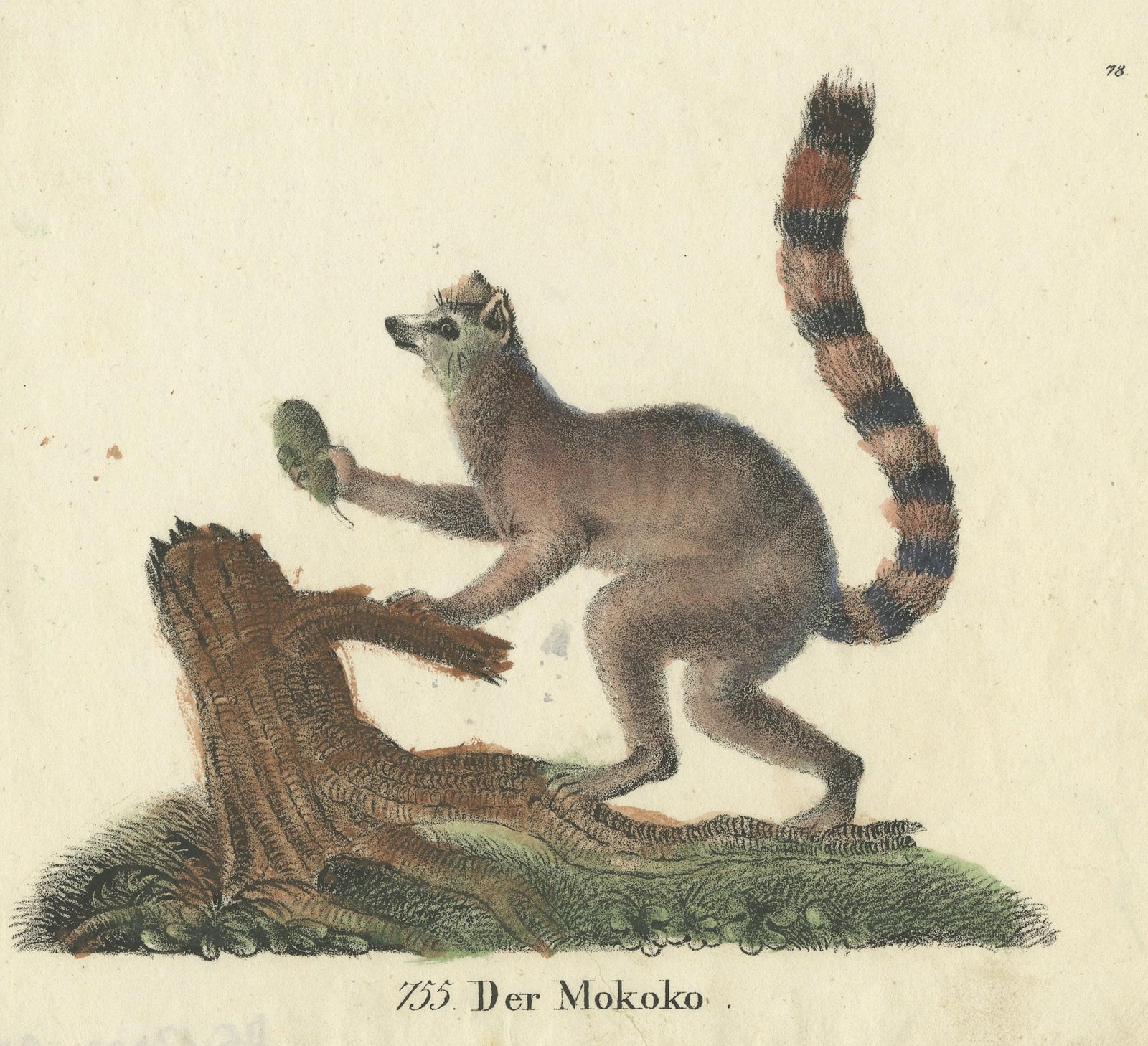
Close-ups
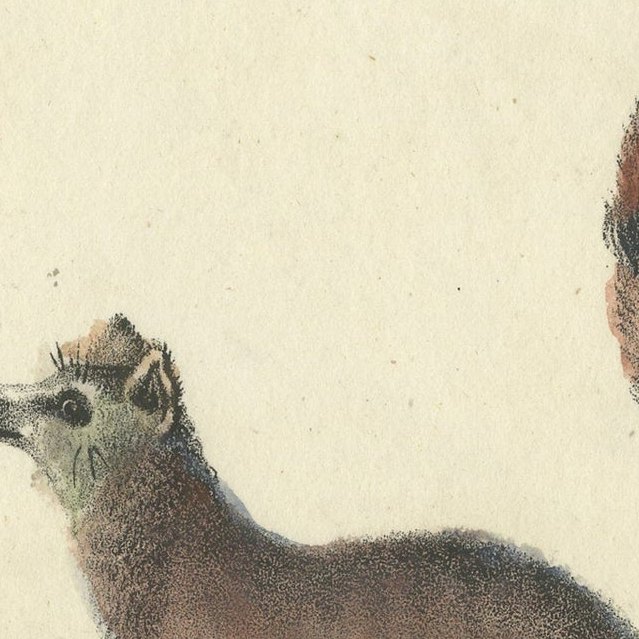
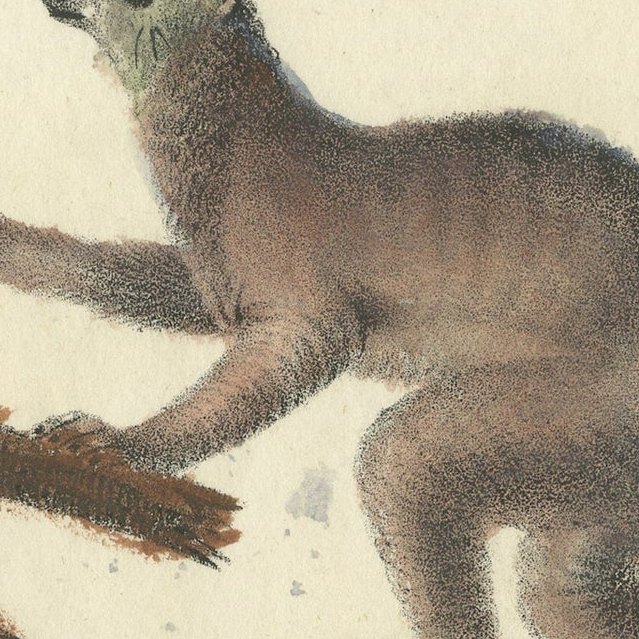
Framed and on the wall
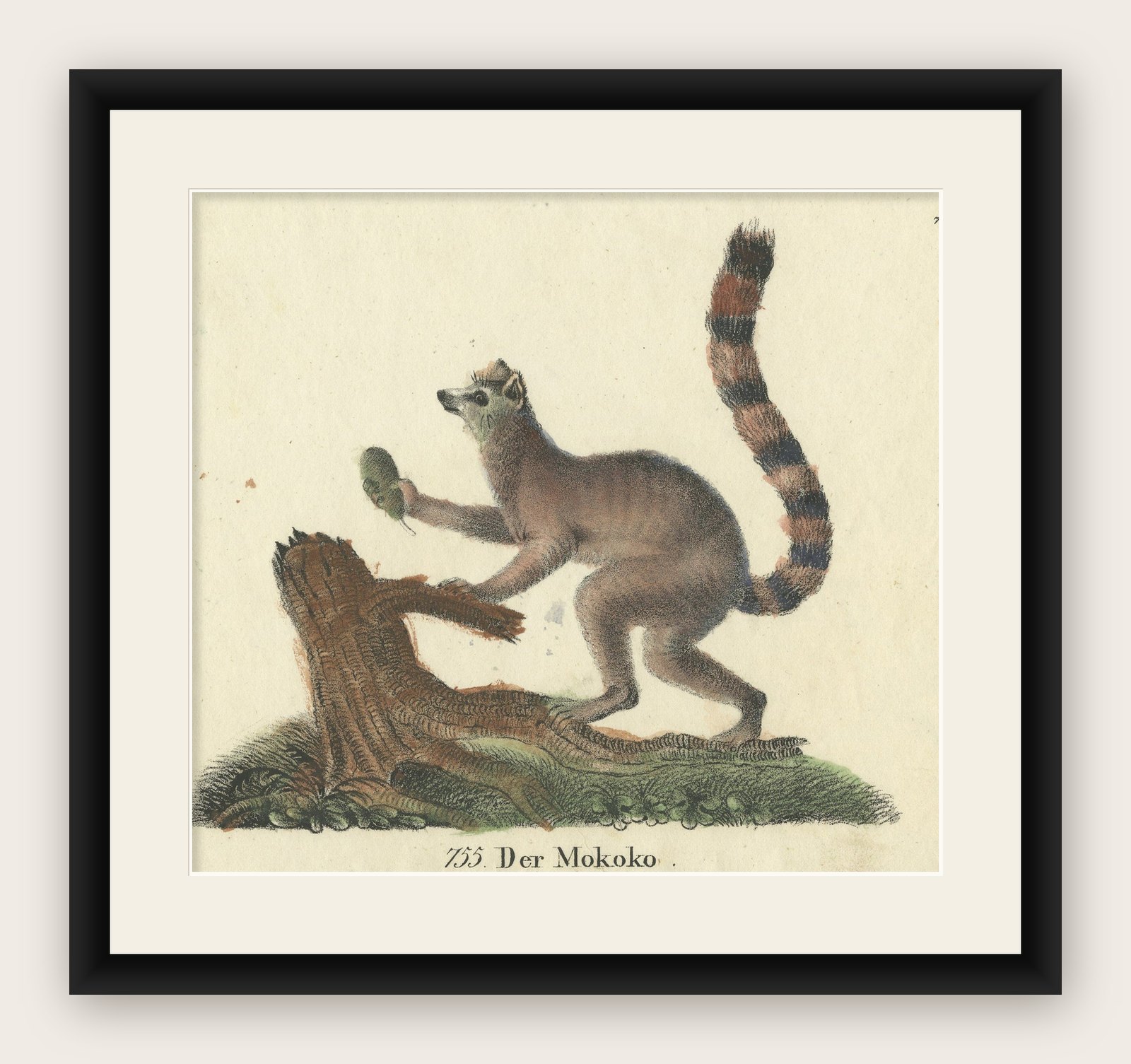

Frame and rooms are illustrations of how the print could look; the description says what is included.
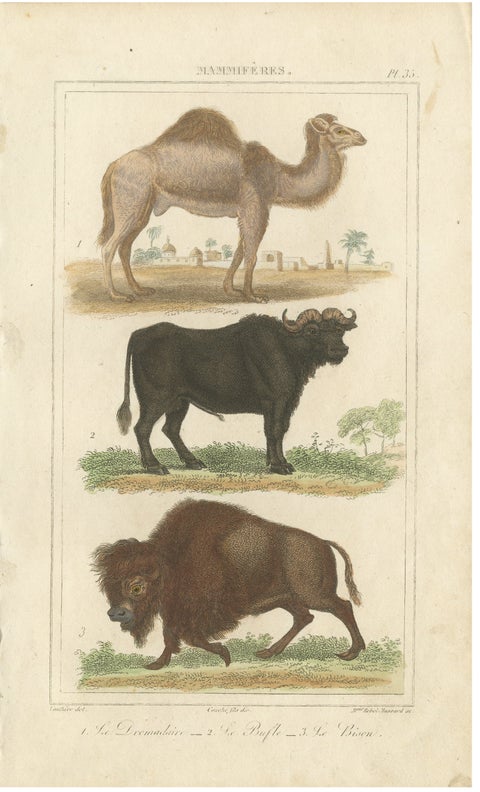
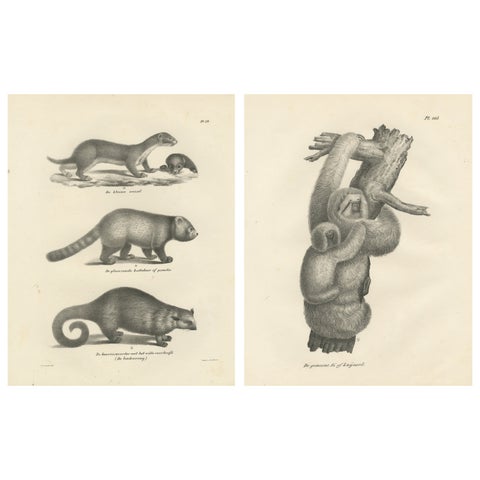
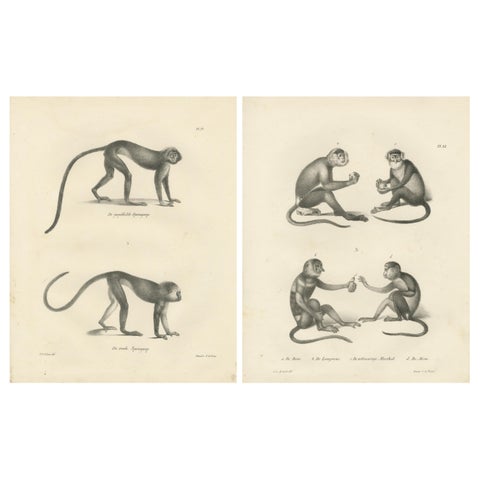
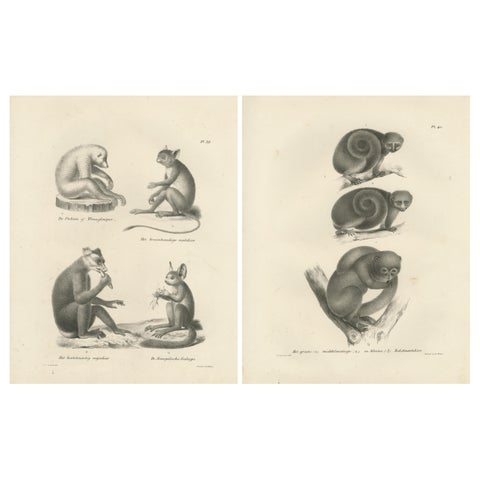
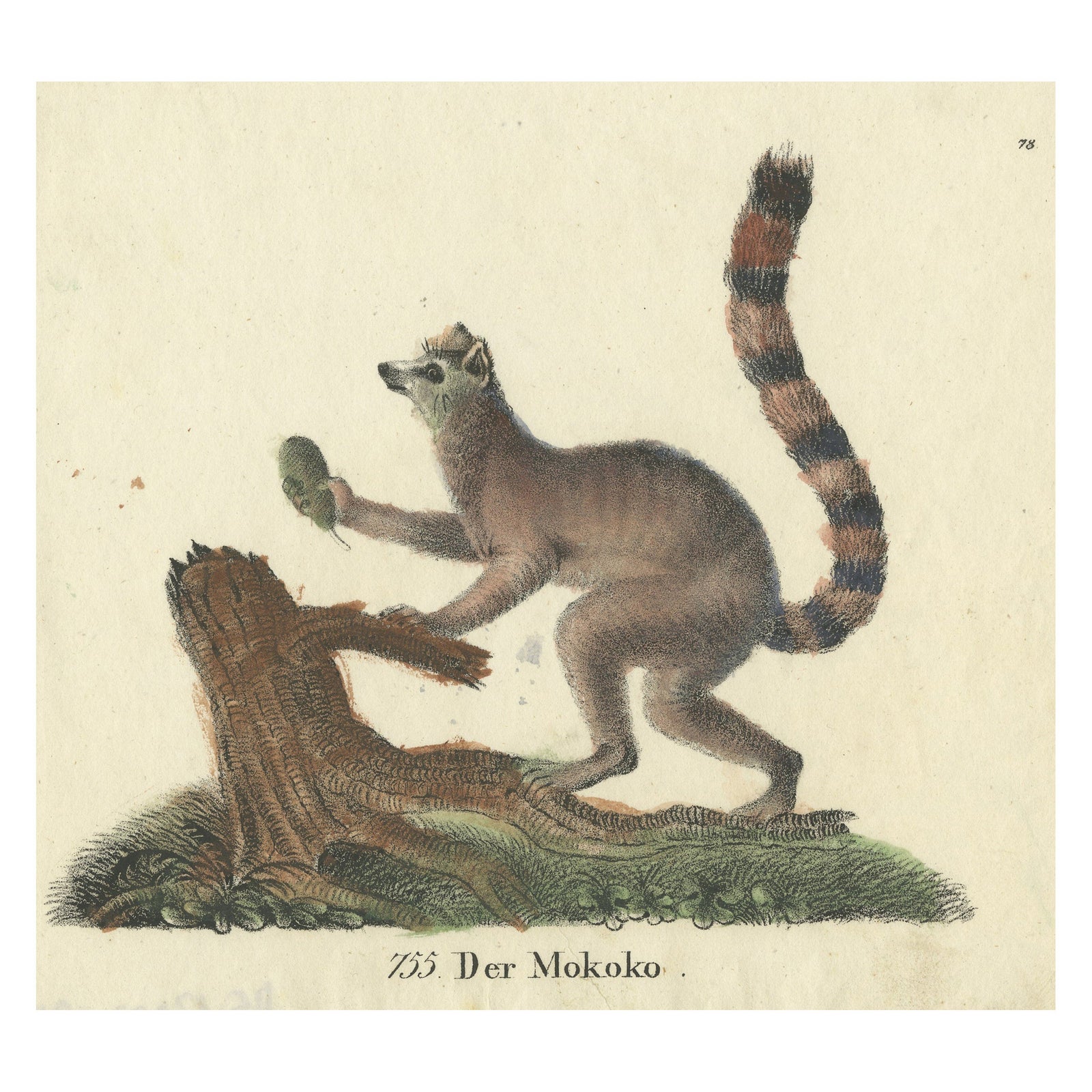
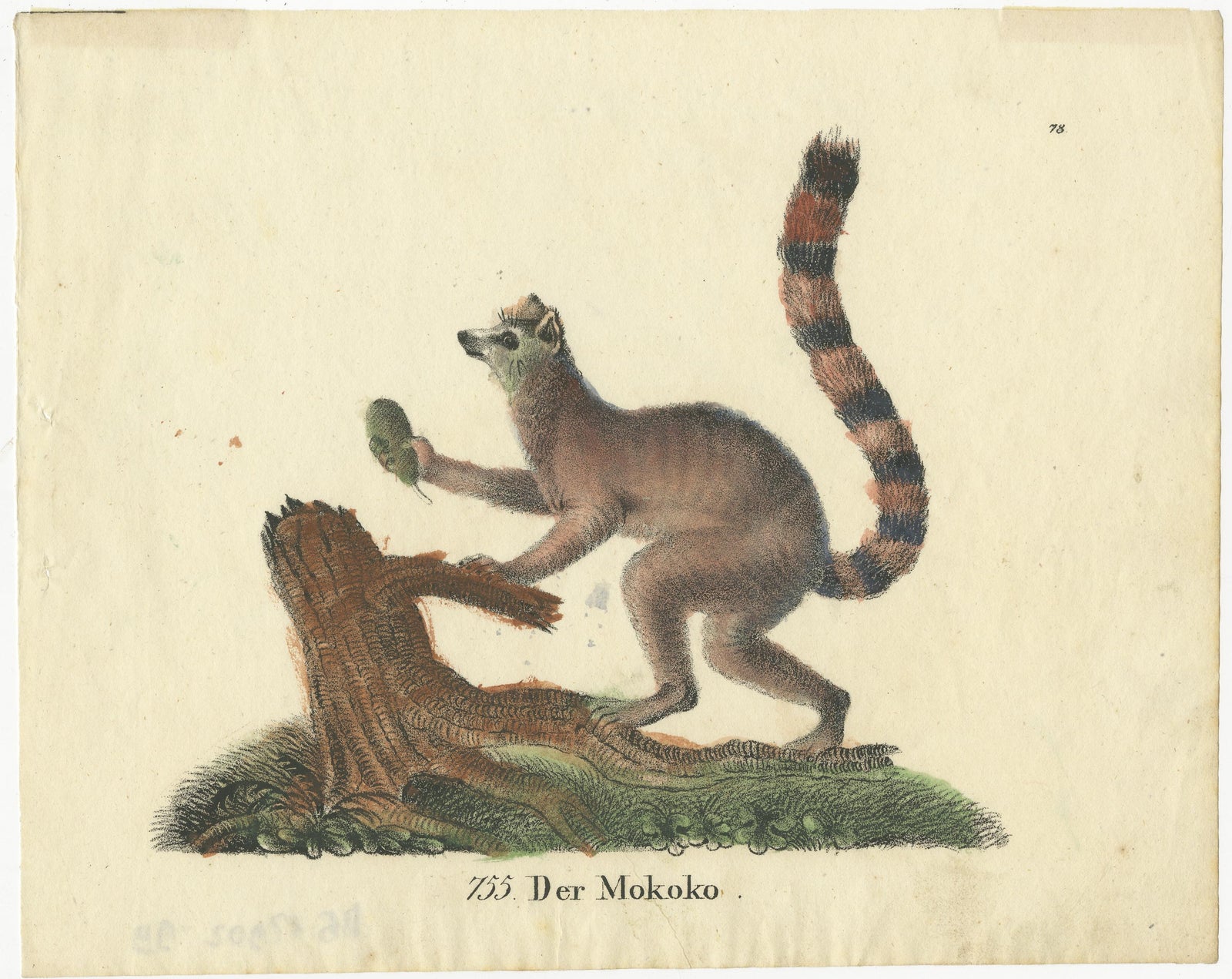
Original Antique Animal Print of a Ring-Tailed Lemur 'Lemur Catta' Monkey, 1833
$270 (£205, €240)
Period original, not a reproduction.
Shipped from the Netherlands, flat, insured and tracked, worldwide. Returns accepted within 14 days.
- Date
- 1833
- Size
- 6.7 × 8.1 in (17 × 20.5 cm)
- Condition
- Fair. General age-related toning. Shows some wear and soiling. Two small holes in left margin and small pieces of tape on top of verso, no text on verso. Please study image carefully.
- Period
- Early 19th century
- Section
- Mammals
- Reference
- f_31089382
Original antique print titled 'Der Mokoko'. Antique print of a mokoko or Ring-tailed lemur (Lemur catta).
The ring-tailed lemur (Lemur catta) is a large strepsirrhine primate and the most recognized lemur due to its long, black and white ringed tail. It belongs to Lemuridae, one of five lemur families, and is the only member of the Lemur genus. Like all lemurs it is endemic to the island of Madagascar and endangered. Known locally in Malagasy as maky (spelled maki in French) or hira, it inhabits gallery forests to spiny scrub in the southern regions of the island. It is omnivorous and the most terrestrial of extant lemurs. The animal is diurnal, being active exclusively in daylight hours. (source: Wikipedia).