Close-ups

Framed and on the wall
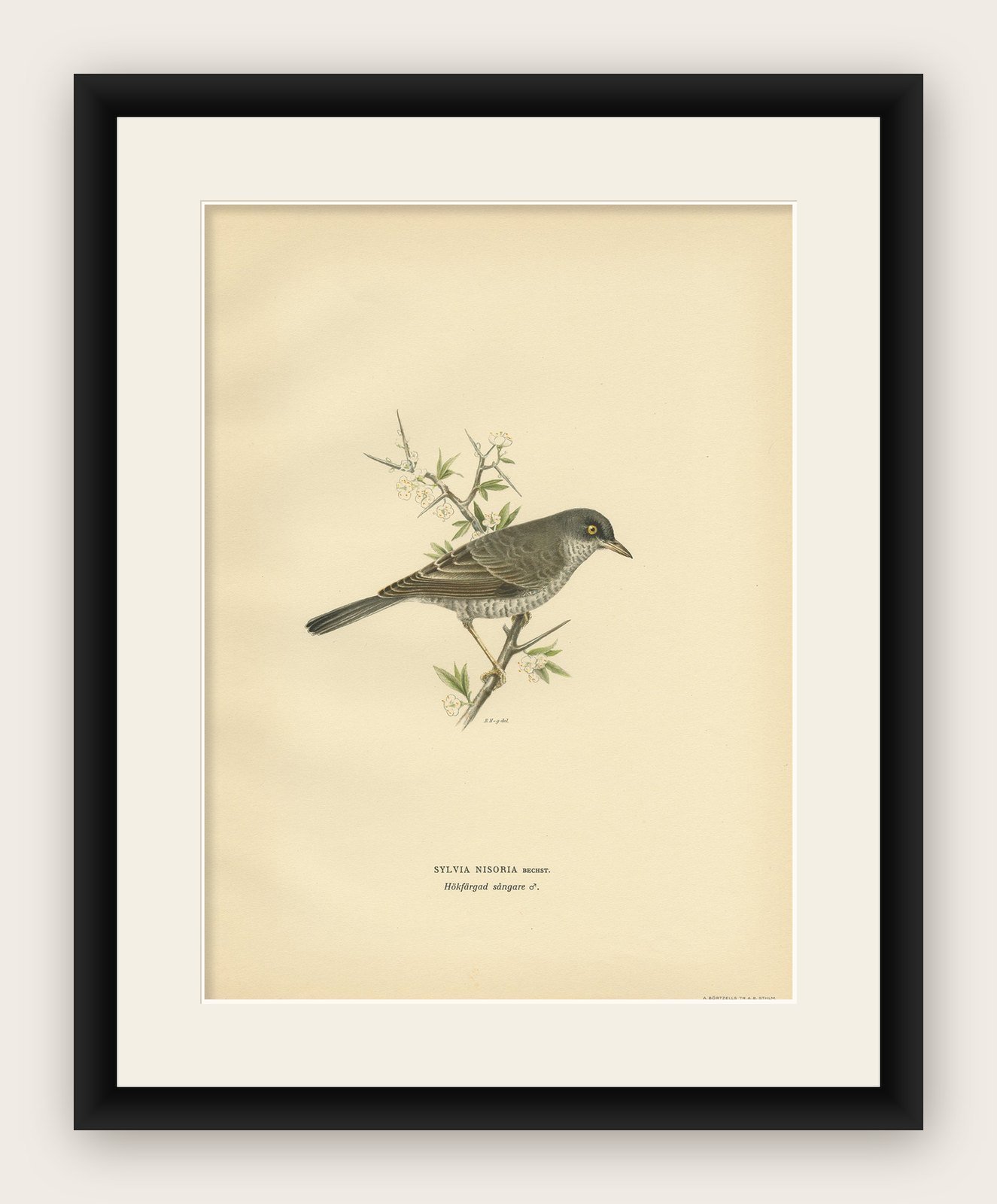
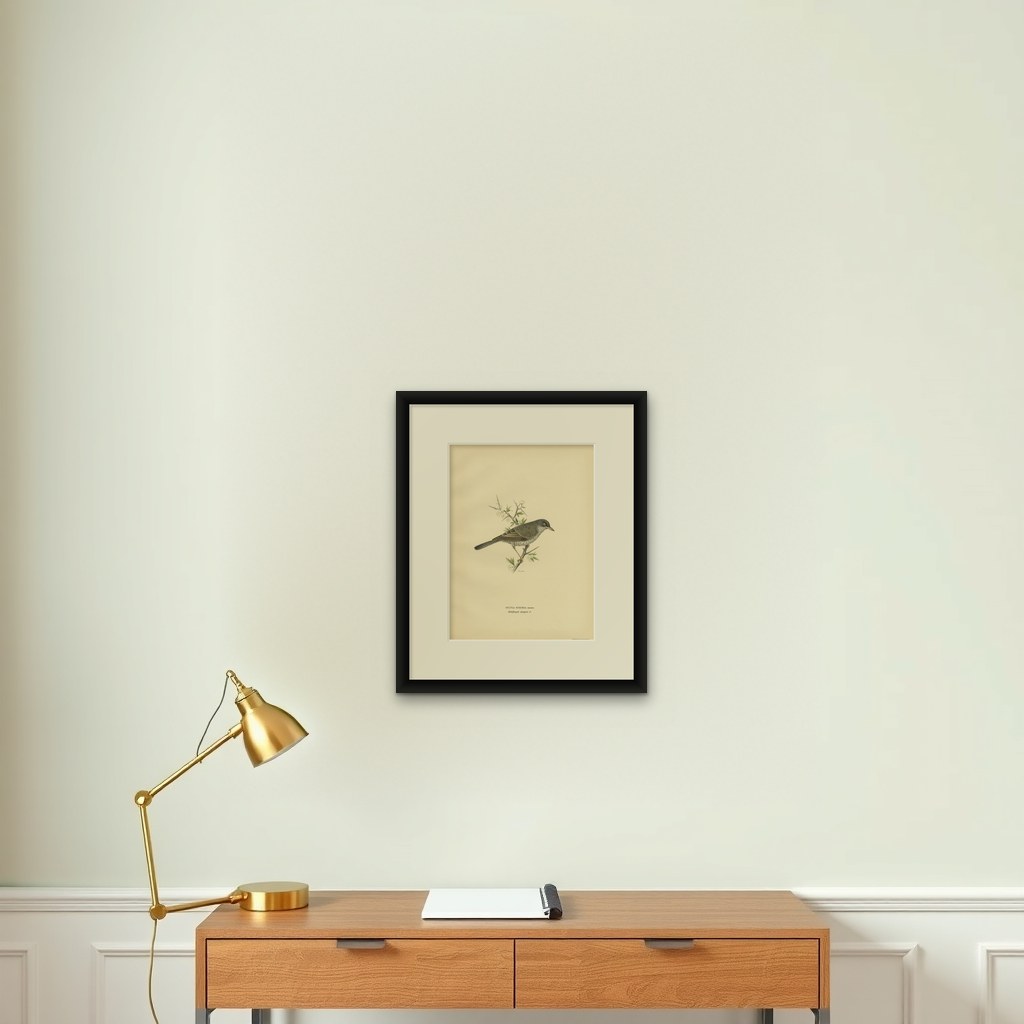

Frame and rooms are illustrations of how the print could look; the description says what is included.
Old Bird Print Named the Barred Warbler, 1927
€120 ($135, £100, €120)
Period original, not a reproduction.
Shipped from the Netherlands, flat, insured and tracked, worldwide. Returns accepted within 14 days.
- Date
- 1927
- Size
- 14.8 × 11 in (37.5 × 28 cm)
- Condition
- Very good, general age-related toning. Please study image carefully.
- Period
- 20th century
- Artist or book
- The von Wright brothers
- Section
- Birds
- Reference
- f_26270952
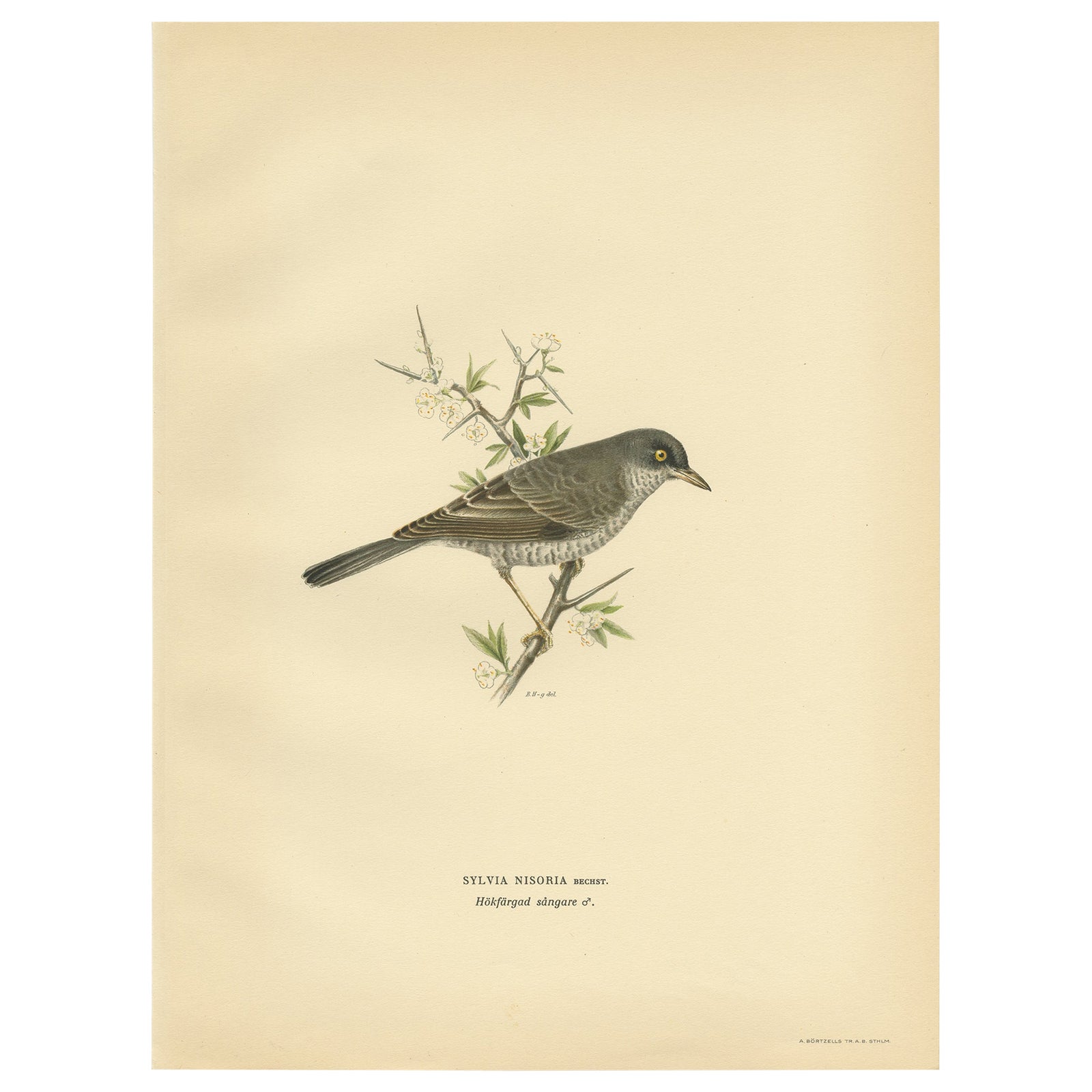
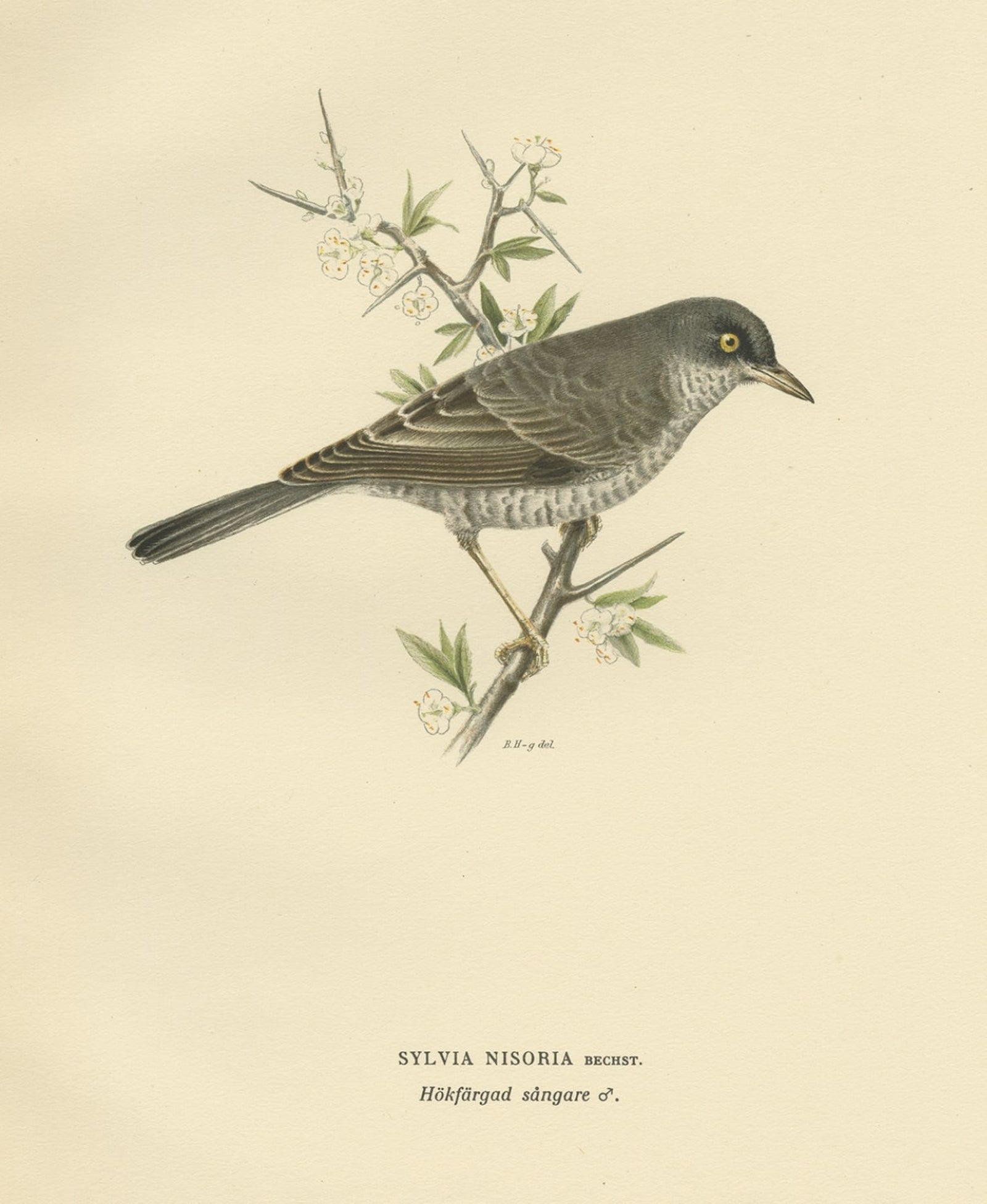
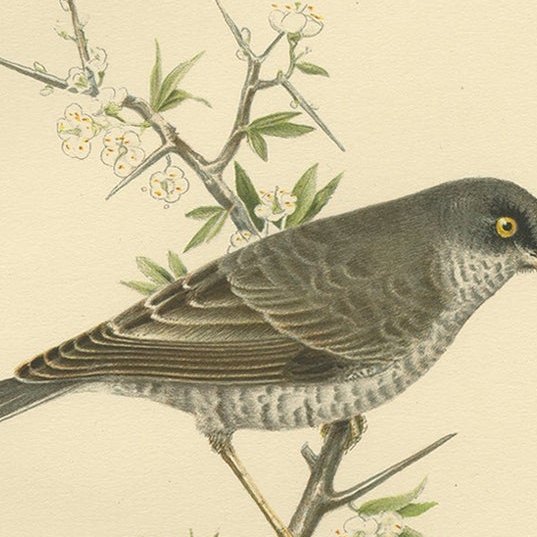
Antique bird print titled 'Sylvia Nisoria'. Old bird print depicting the barred warbler.
This print orginates from 'Svenska Foglar Efter Naturen Och Pa Stenritade' by Magnus von Wright.
The barred warbler (Curruca nisoria) is a typical warbler which breeds across temperate regions of central and eastern Europe and western and central Asia. This passerine bird is strongly migratory, and winters in tropical eastern Africa. It is the largest Curruca warbler, 15.5–17 cm in length and weighing 22–36 g, mainly grey above and whitish below. Adult males are dark grey above with white tips on the wing coverts and tail feathers, and heavily barred below. The female is similar but slightly paler and has only light barring. Young birds buffy grey-brown above, pale buff below, and have very little barring, with few obvious distinctive features; they can easily be confused with garden warblers, differing in the slight barring on the tail coverts and the pale fringes on the wing feathers, and their slightly larger size. The eye has a yellow iris in adults, dark in immatures; the bill is blackish with a paler base, and the legs stout, grey-brown.
Artists and Engravers: Printed in Stockholm. Magnus von Wright (1805 - 68) was the first taxidermist working with the vertebrate collections of Helsinki University. Starting out as a taxidermist in the 1820's, he stuffed birds for Societas pro Flora et Fauna Fennica, the oldest scientific society in Finland, and in 1845, became taxidermist at the university's zoological museum. Von Wright made several study journeys to Stockholm and St. Petersburg, and even wrote a short manual on how mount birds. Though a skilful taxidermist, his reputation, like that of his two brothers, Wilhelm and Ferdinand, rests on his skill as a zoological illustrator. In 1859 he published the first handbook on Finnish birds.
We also offer thousands of antique prints covering fields of interest as diverse as architecture, natural history, religion, ethnology and many more. Antique prints have long been appreciated for both their aesthetic and investment value. They were the product of engraved, etched or lithographed plates. These plates were handmade out of wood or metal, which required an incredible level of skill, patience and craftsmanship. Whether you have a house with Victorian furniture or more contemporary decor an old engraving can enhance your living space.