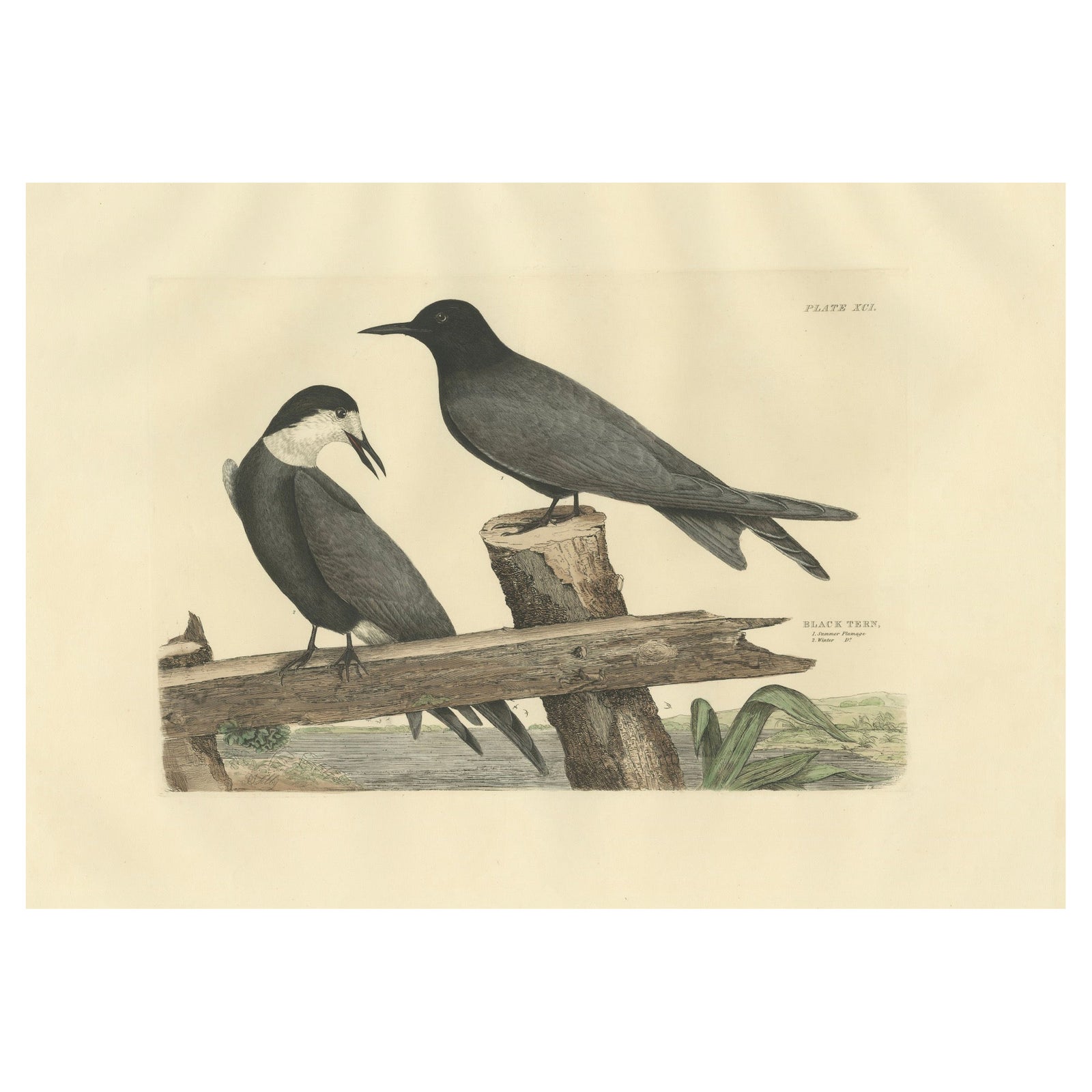
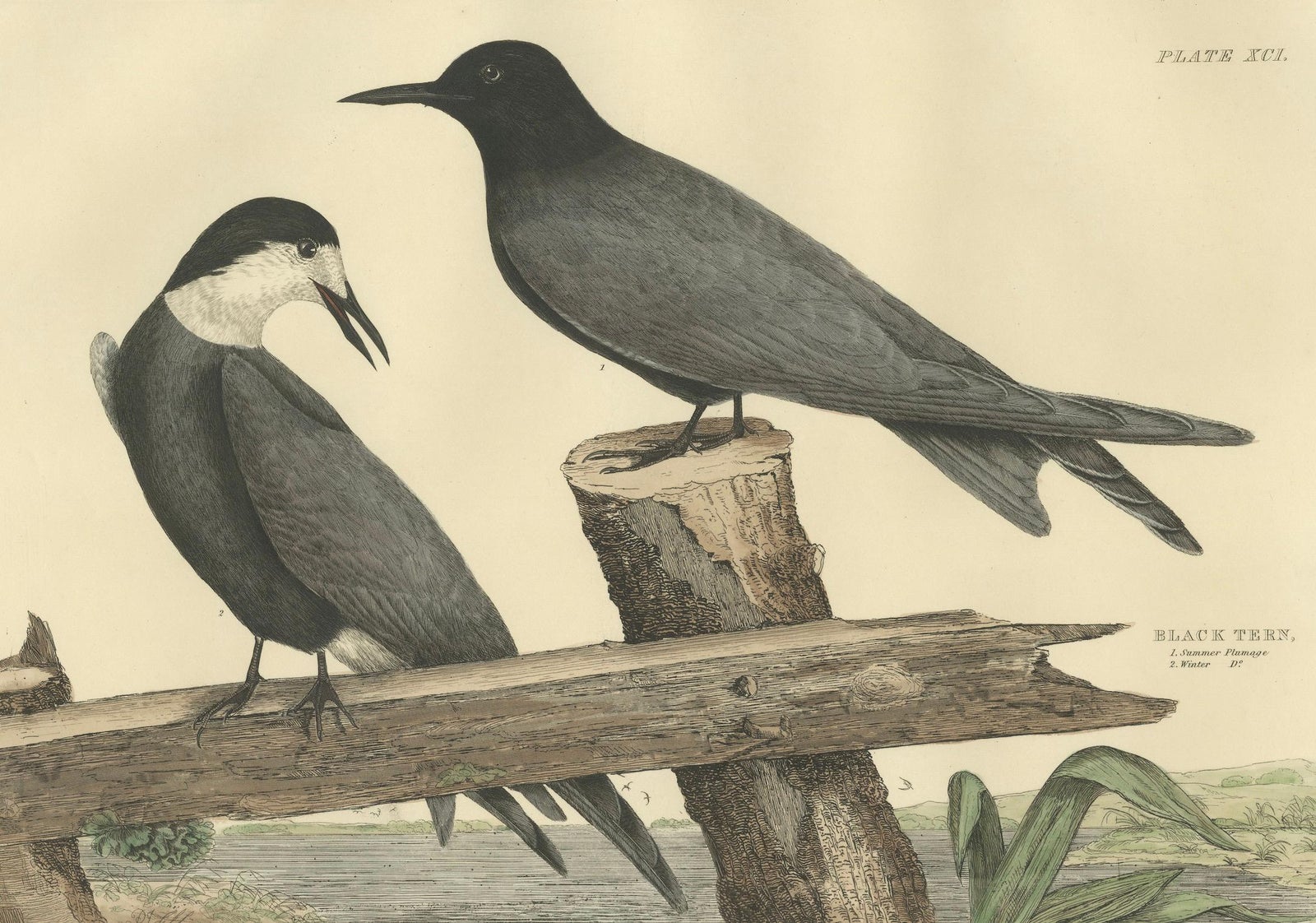
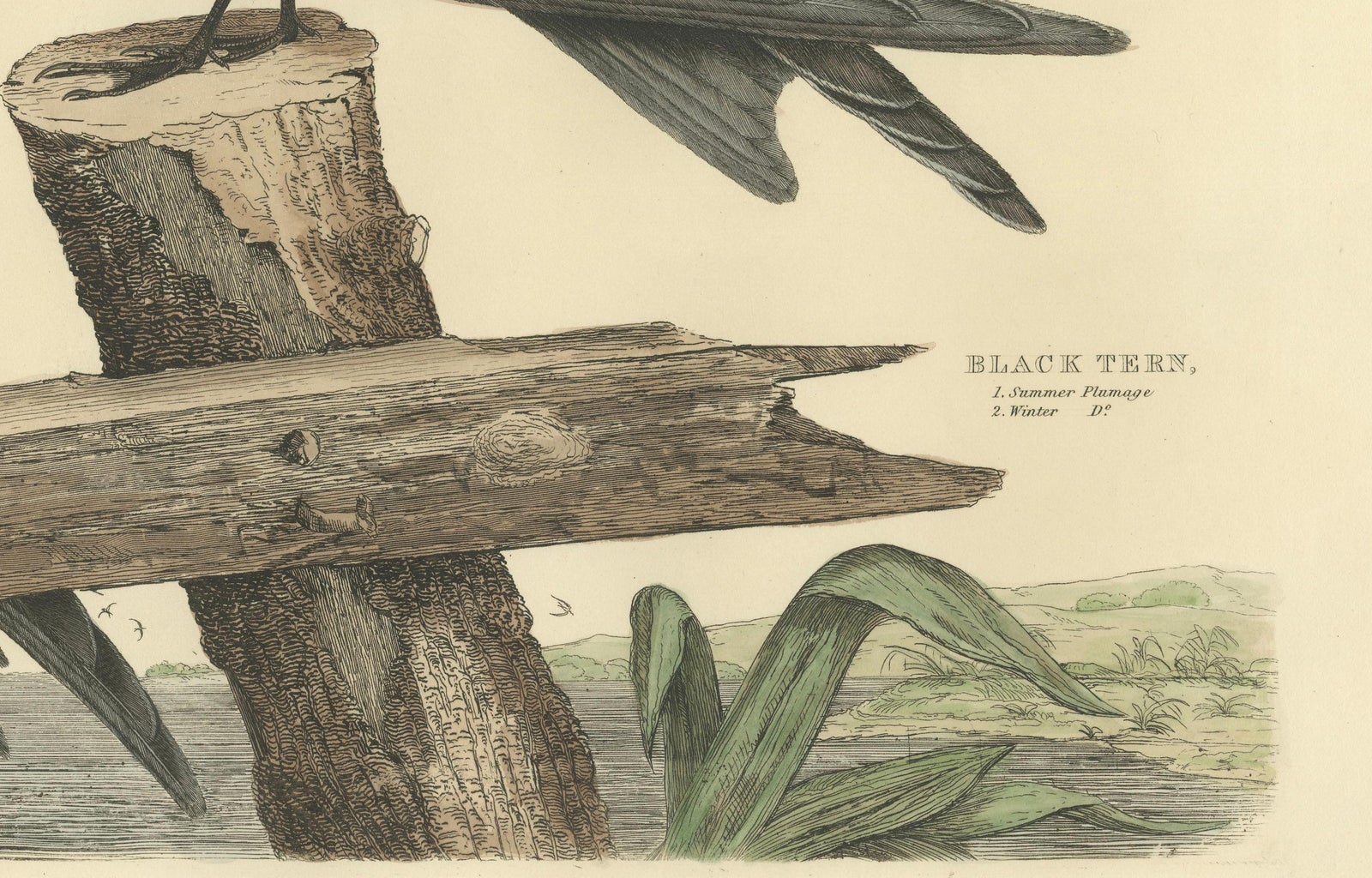
Close-ups
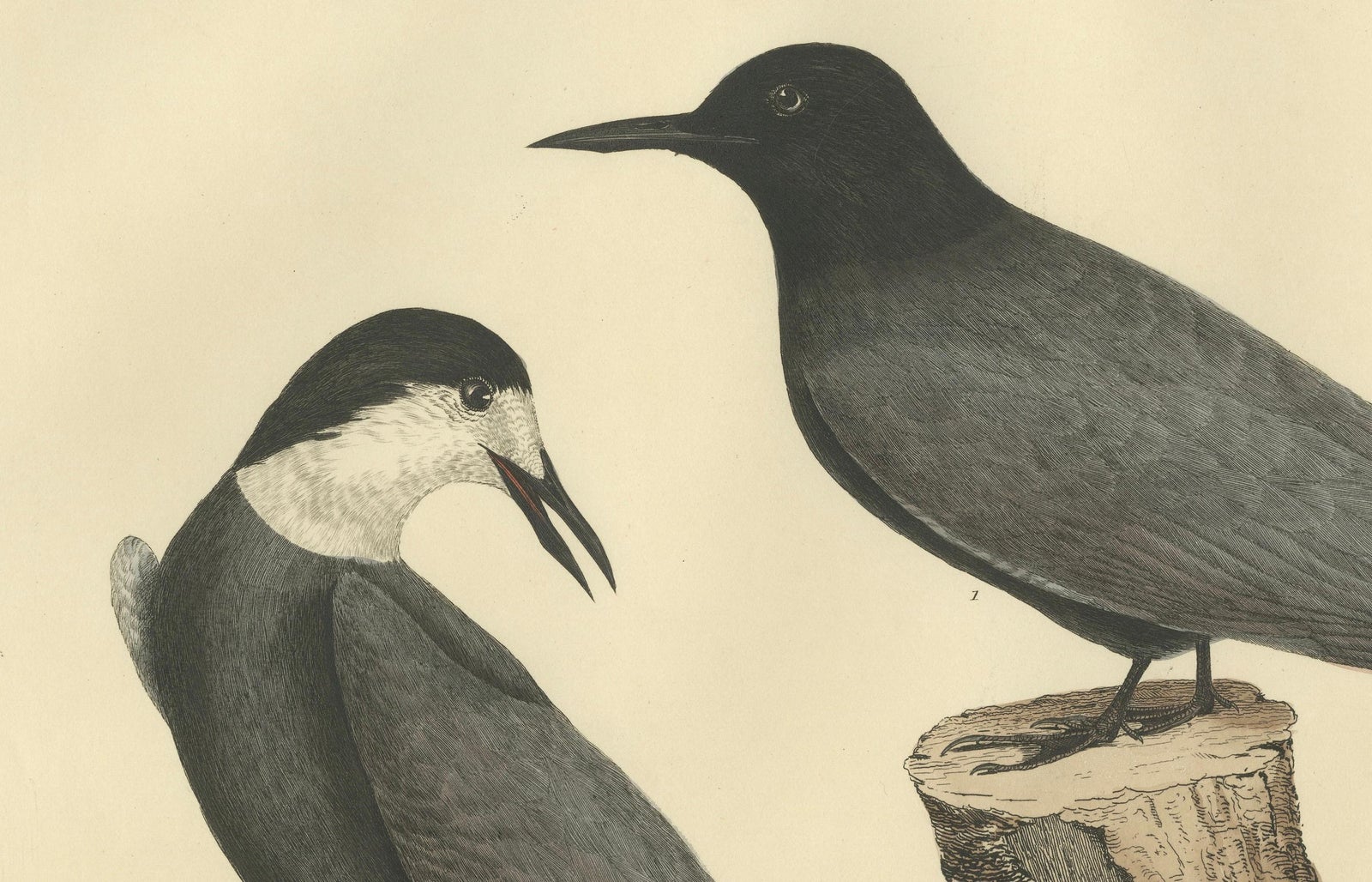
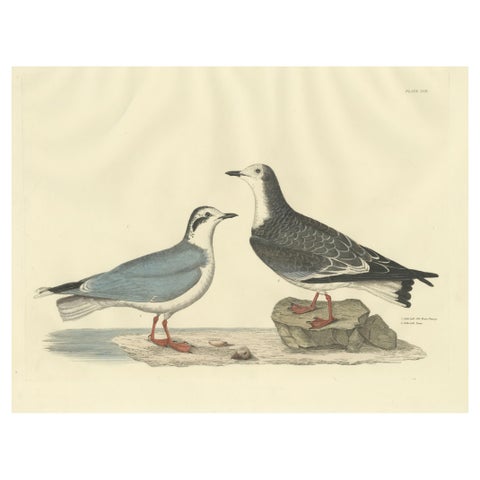
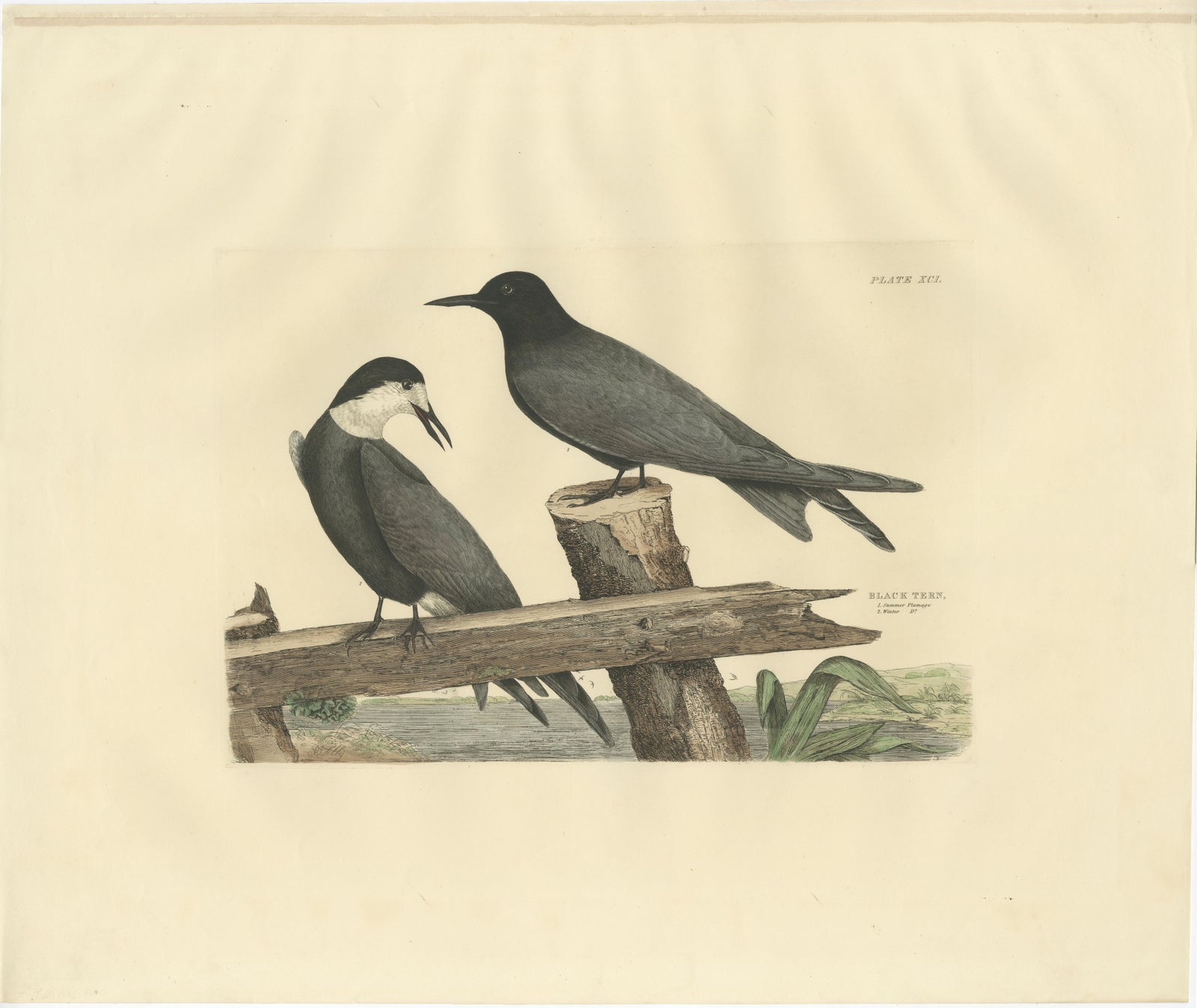
Large Engraving by Selby of The Black Tern in Seasonal Transformation, 1826
$1,345 (£1,015, €1,200)
Period original, not a reproduction.
Shipped from the Netherlands, flat, insured and tracked, worldwide. Returns accepted within 14 days.
- Date
- 1826
- Size
- 21.3 × 26 in (54 × 66 cm)
- Condition
- Excellent. Excellent, especially considering age. Study the images carefully.
- Period
- Early 19th century
- Section
- Birds
- Reference
- f_38183102
- Color
- Hand colored
What the condition grades mean
- Excellent
- Bright and clean, with no faults worth mentioning.
- Very good
- Only light signs of age, such as faint toning.
- Good
- Normal signs of age for a sheet of this period: toning, some foxing, small marks or neat old repairs.
- Fair
- Clear faults such as staining, tears or repairs, priced to match.
Every fault we see is written in the condition note, and the whole sheet is shown uncropped in the photos.
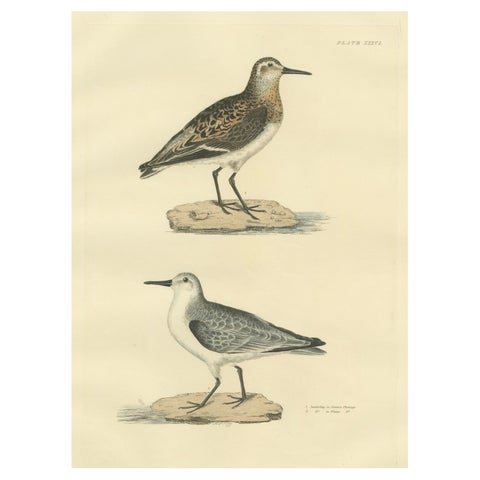
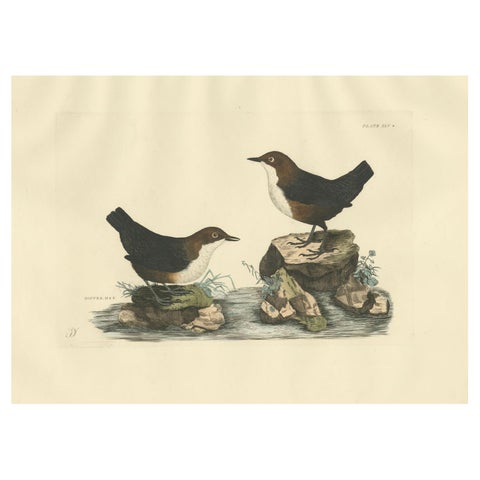
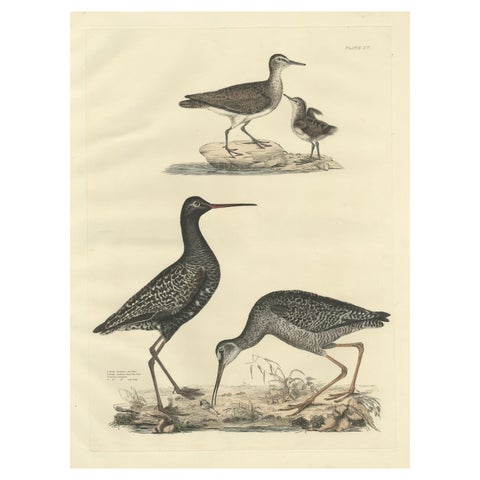
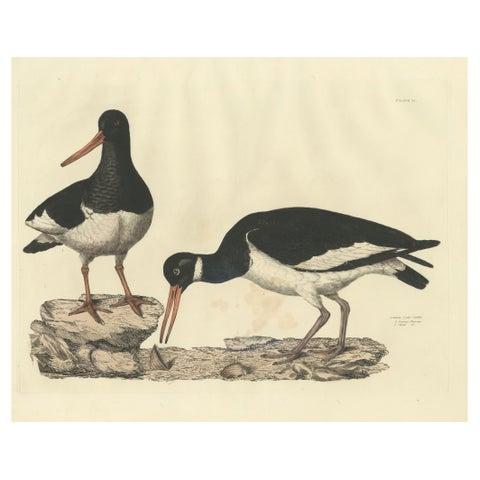
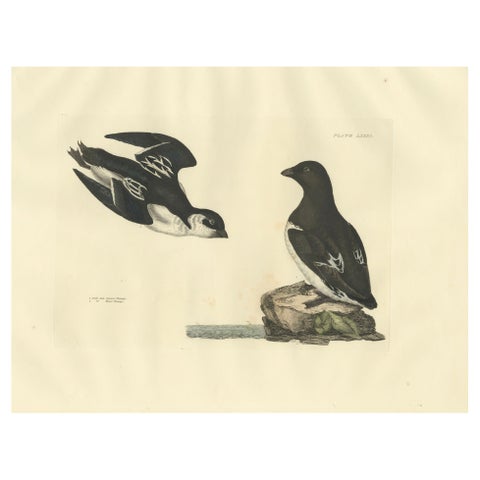
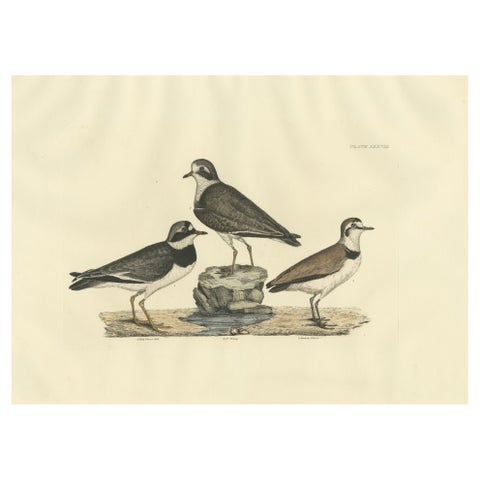
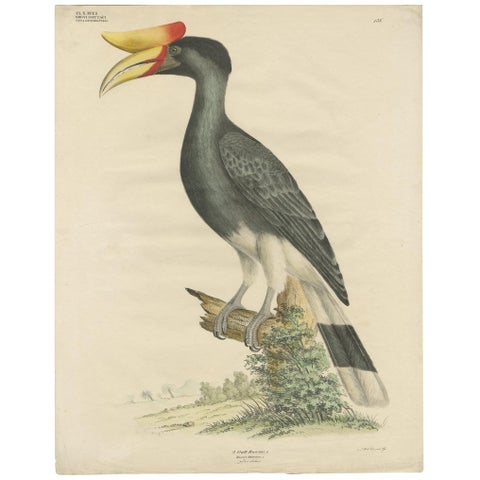
Large original hand-colored antique ornithological print made by Selby and published around 1826.
The print from Prideaux John Selby's "Illustrations of British Ornithology" features the Black Tern, captured in the varied plumage of different seasons.
Plate XCI presents two distinct representations: the first, a bird in its striking summer plumage with a sharp contrast of black body and white cheeks; the second, a portrayal of the more subdued winter plumage, where the darker tones give way to a paler, greyish coloration.
The birds are positioned on a rustic wooden structure, which adds to the naturalistic setting of the illustration. This meticulous attention to detail not only showcases Selby's artistic skill but also his commitment to ornithological accuracy, providing a valuable resource for the study of avian species. Each figure is rendered with precision, emphasizing the sleekness of the terns' profiles and the elegance of their form, making the print both scientifically valuable and aesthetically pleasing.
The detailed etching work and careful coloring suggest that these illustrations are aimed at both ornithologists for study purposes and art enthusiasts for collection.
The artist, Prideaux John Selby (1788–1867), was an English ornithologist, botanist, and artist renowned for his detailed and realistic illustrations of birds. His work "Illustrations of British Ornithology" was a significant contribution to scientific knowledge of British birds in the 19th century and is known for its accuracy and the beauty of its illustrations. Selby's works are an important part of the history of ornithological art and study.
Prideaux John Selby is often ranked among the greatest avian illustrators, sharing the distinction with peers such as John James Audubon and John Gould. His illustrations were characterized by both ornithological precision and a sense of aesthetic grace, rendering each bird in its natural habitat with a focus on both scientific detail and visual charm. Mirroring Audubon's approach, Selby's renditions were notable for their life-sized portrayals.
Selby's personal involvement in the etching process of his grand folio series set him apart, as he took on the intricate task of engraving many of the plates himself, a skill he learned from his brother-in-law, Admiral Robert Mitford. Mitford not only taught Selby the etching technique but also actively participated in creating the etchings for "Illustrations of British Ornithology."
Christine E. Jackson, a scholar, highlighted the unique aspects of Selby's artistry, praising the refined and understated elegance of his plates, a stark contrast to the ornate Victorian style of John Gould. Jackson commended Selby for producing what were at the time the most life-like and dynamic representations of British birds, marking a significant departure from previous depictions that often appeared rigid and diminutive. This leap in the portrayal of birds, with its combination of life-sized, animated illustrations, represented a monumental step forward in the art of bird illustration.
The paper's watermark, J. Whatman, indicates the paper manufacturer, which was a renowned English papermaking company known for high-quality drawing and writing papers. The dates 1822-28 suggest the period during which the paper was produced but the watermark show the year 1826.
We have more bird prints of Selby online.