Close-ups
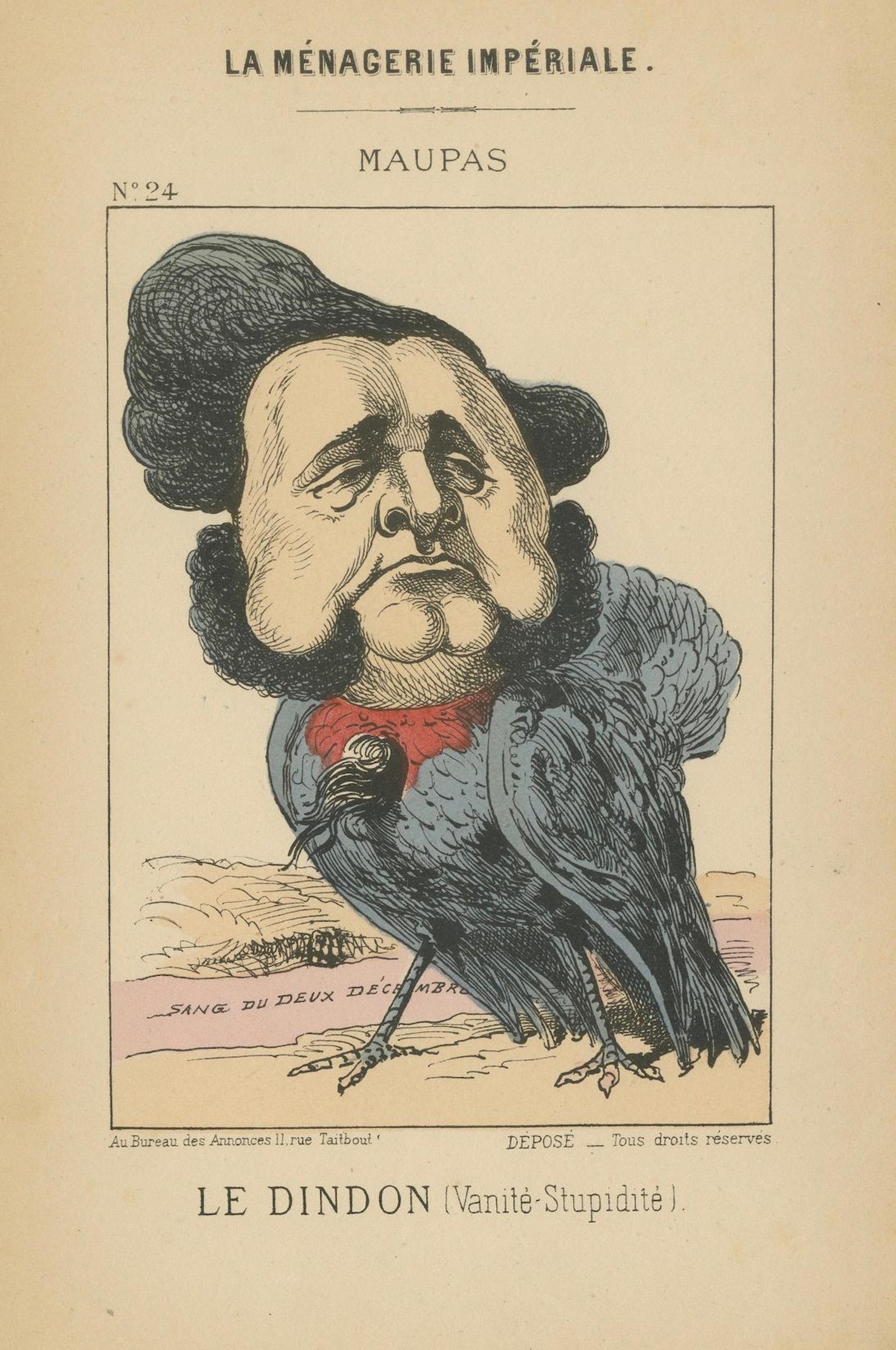
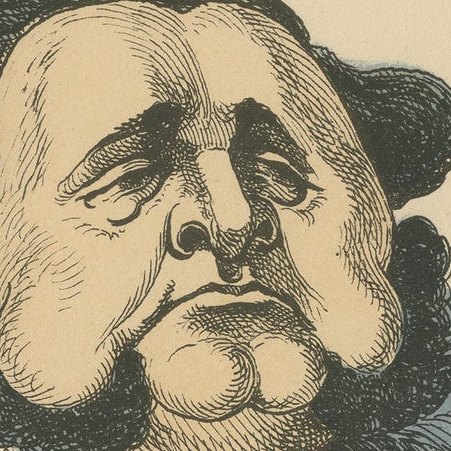
Framed and on the wall
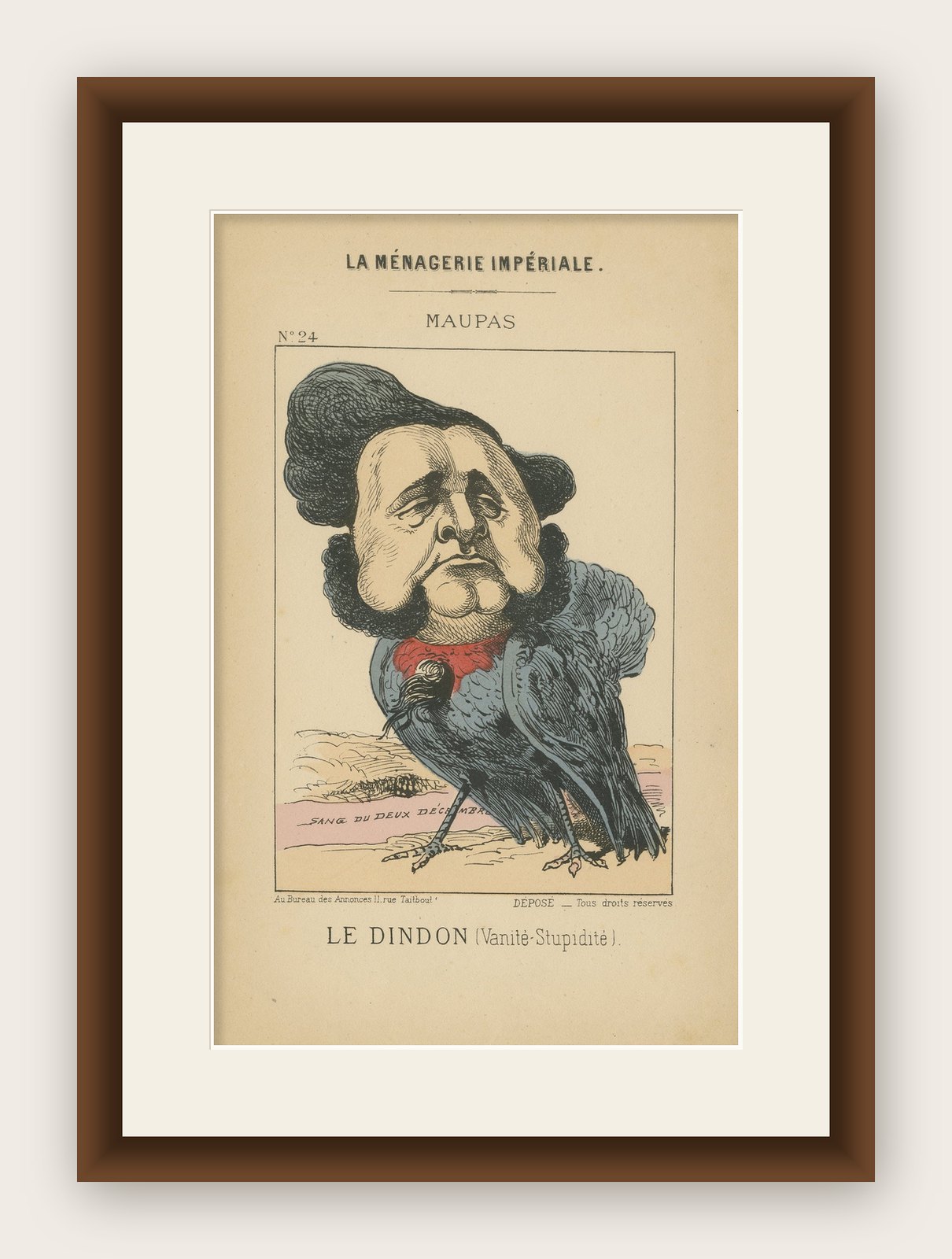
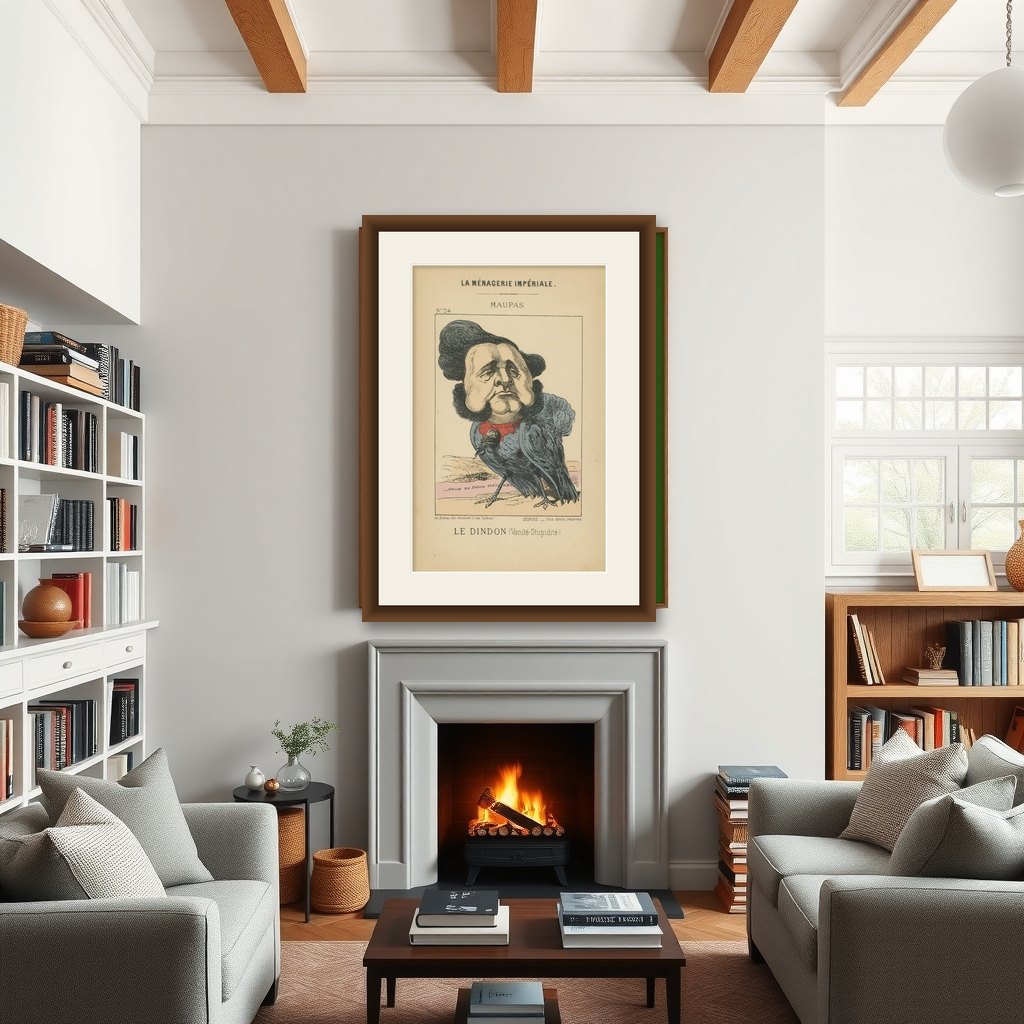
Frame and rooms are illustrations of how the print could look; the description says what is included.
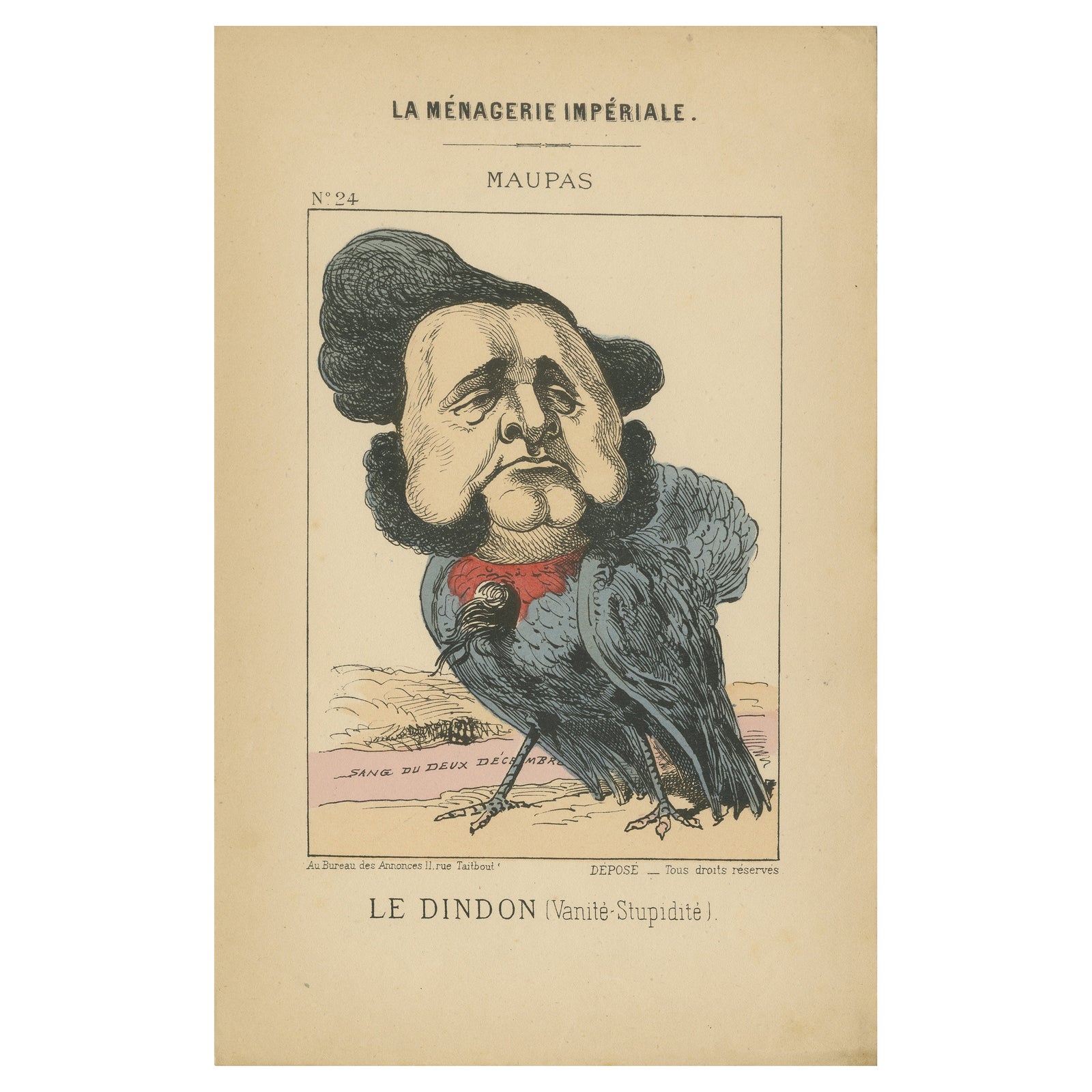
Imperial Menagerie: Maupas - The Turkey (Vanity - Stupidity), 1870
£120 ($155, €140)
Period original, not a reproduction.
Shipped from the Netherlands, flat, insured and tracked, worldwide. Returns accepted within 14 days.
- Date
- 1870
- Size
- 12 × 9.5 in (30.5 × 24.1 cm)
- Condition
- Good, given age. General age-related toning and/or occasional minor defects from handling. Please study scan carefully.
- Period
- Late 19th century
- Section
- Birds
- Reference
- f_40627592
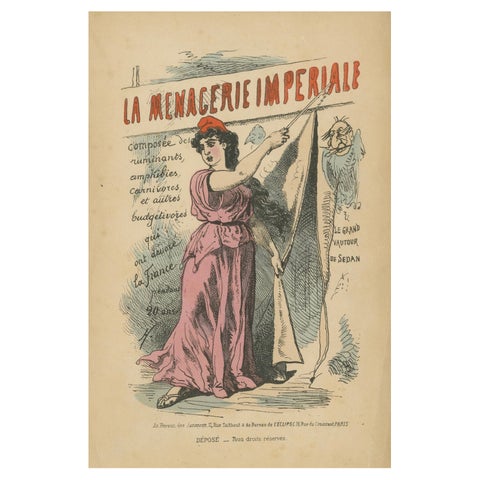
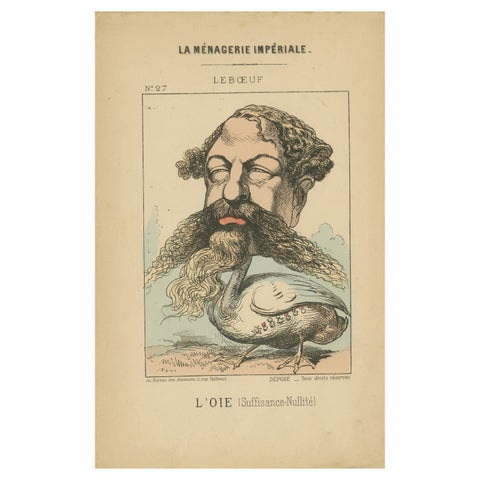
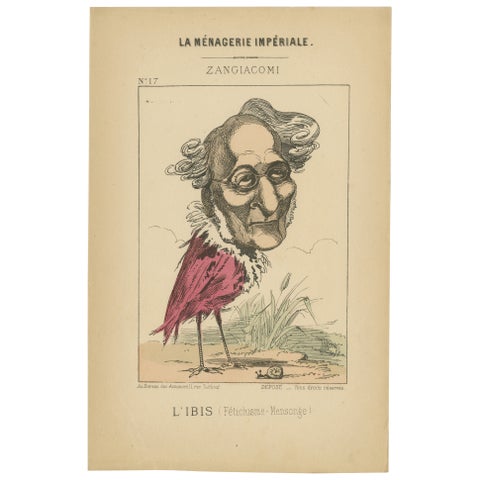
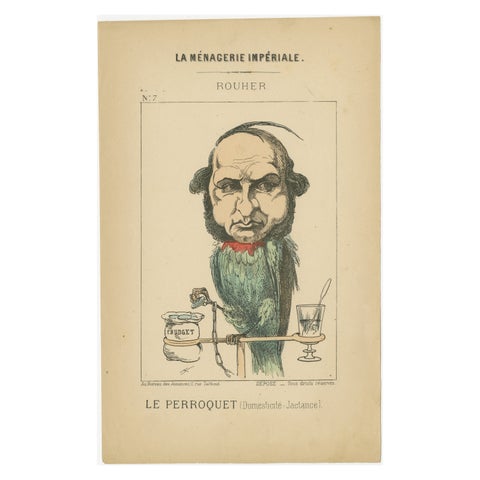
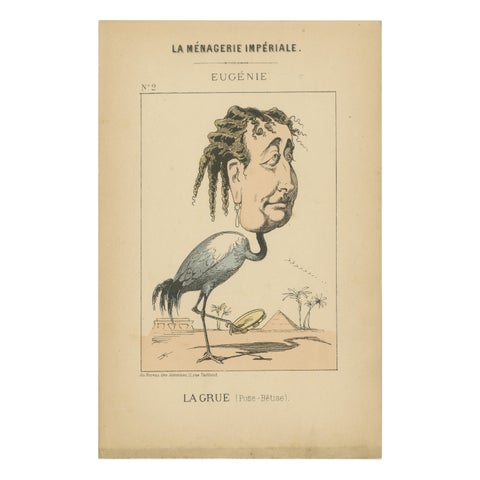
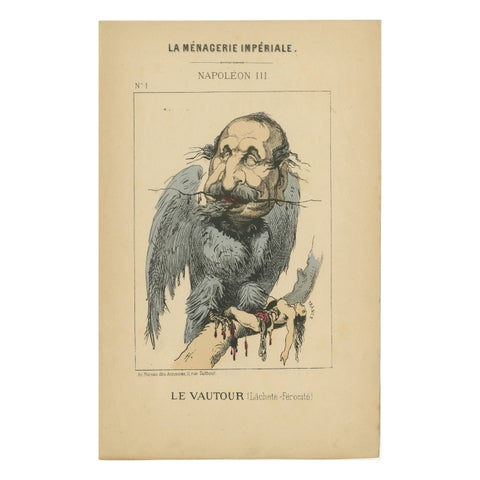
The print titled "La Ménagerie Impériale" is a satirical caricature featuring Maupas. It is part of a series composed of 31 hand-colored lithograph plates by the artist Hadol, published in Paris by Au Bureau des Annonces around 1870. The album, "LA MENAGERIE IMPÉRIALE," depicts various figures as animals, metaphorically representing those who have "devoured" France over the past 20 years, including during the Franco-Prussian War (1870-1871).
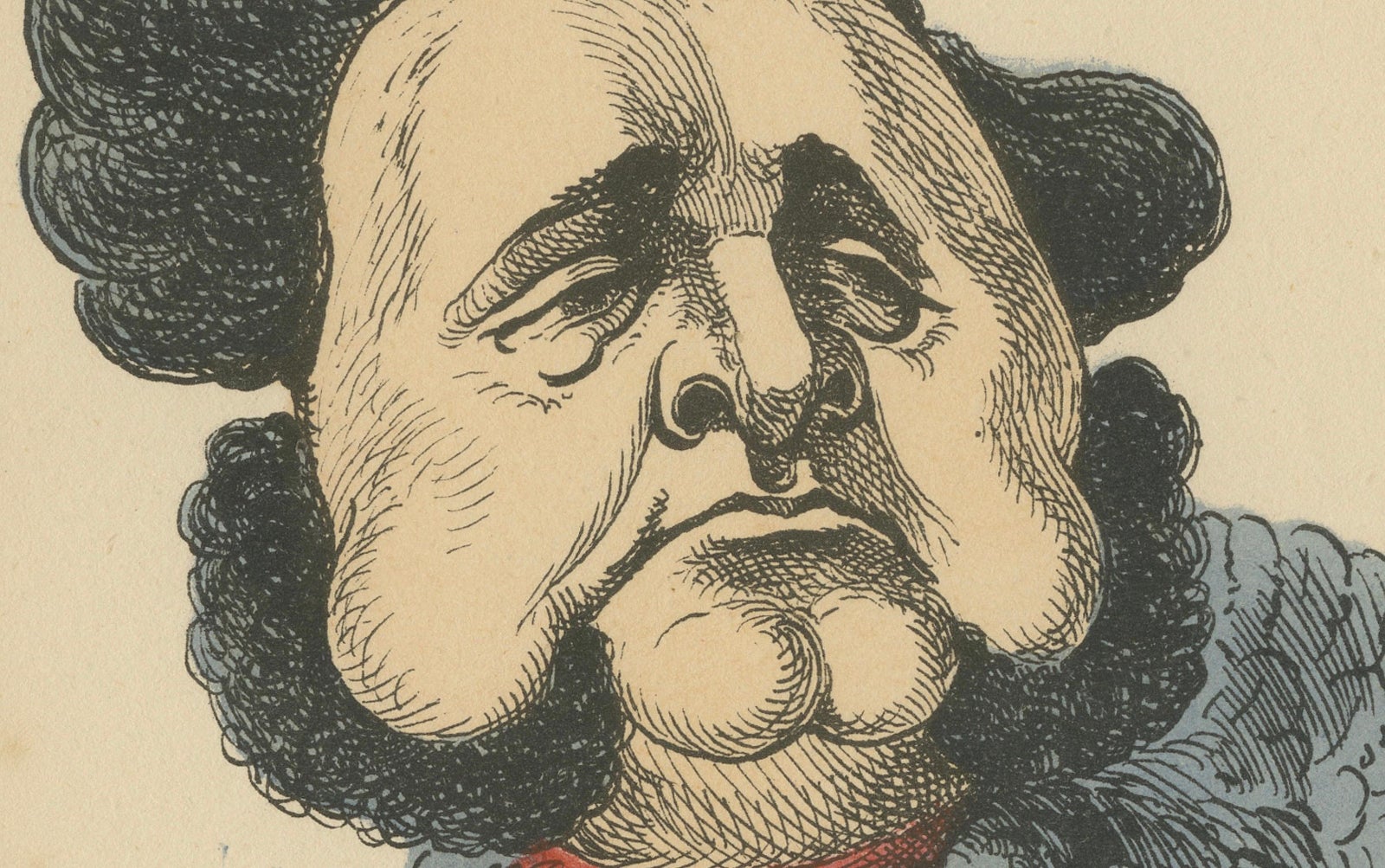
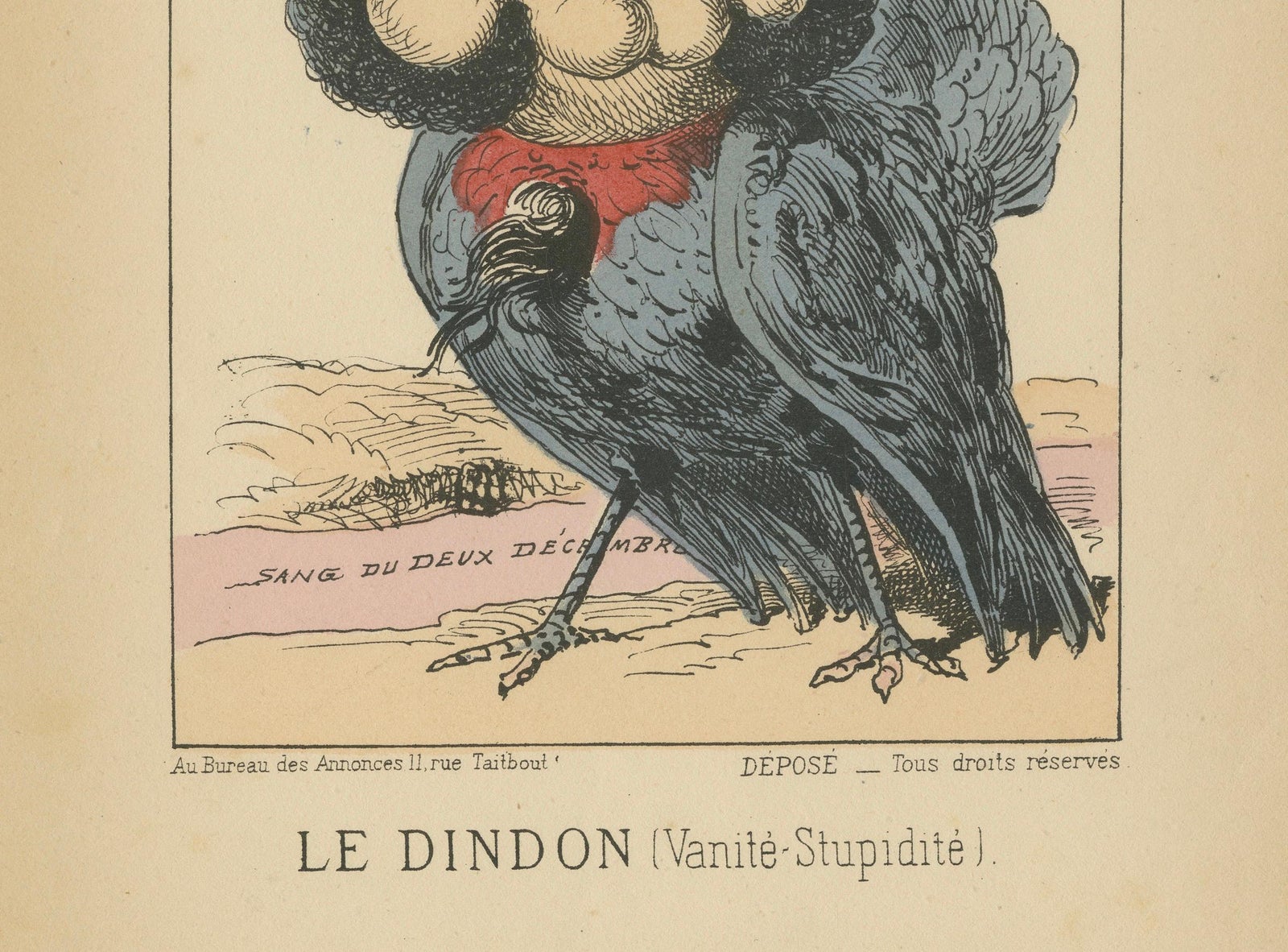
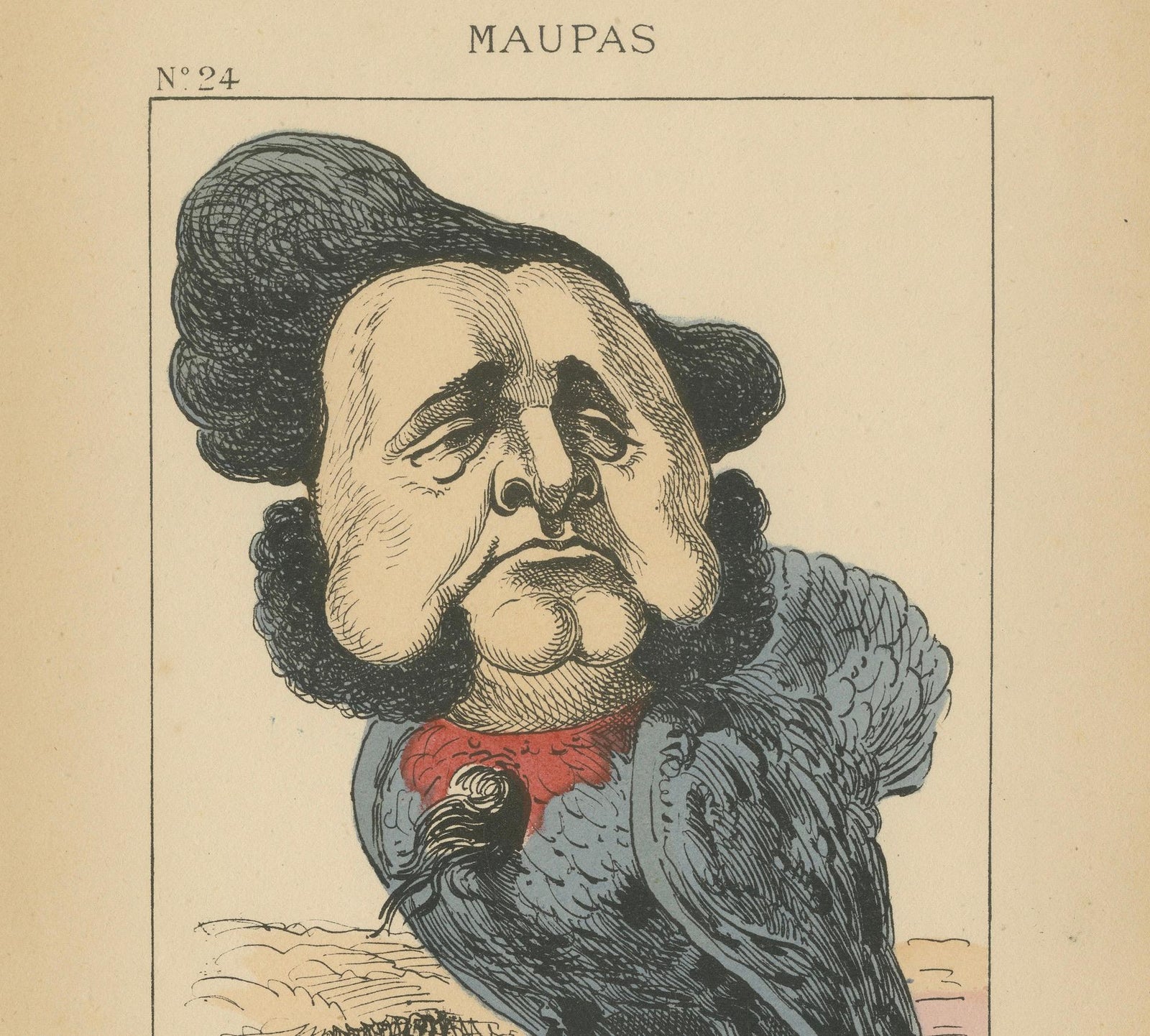
In this specific print, Maupas is depicted with his head attached to the body of a turkey. The turkey is shown with its feathers puffed out, symbolizing vanity and stupidity. The text at the top reads "MAUPAS" and "N° 24," indicating this is the twenty-fourth in the series. Below the image, the caption "LE DINDON" (The Turkey) is followed by "Vanité - Stupidité" (Vanity - Stupidity), emphasizing Maupas's perceived self-importance and foolishness.
The album as a whole, titled "LA MENAGERIE IMPÉRIALE," is a caricatural representation of the royal family and significant politicians of the time, using animal imagery to critique their roles and actions. The plates were originally issued loose in contemporary boards with a mounted hand-colored lithographed title. The format is small quarto (Sm. 4to), and the edges are slightly worn and browned, typical for works of this age.
This print, along with the rest of the album, serves as a historical and political commentary, utilizing humor and satire to criticize the leadership during a turbulent period in France’s history.