Close-ups
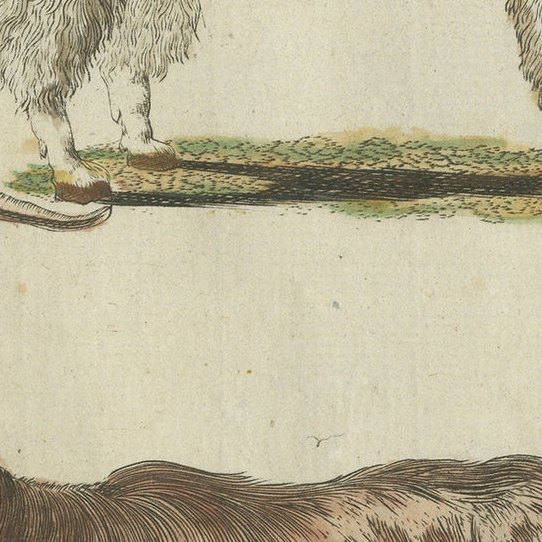
Framed and on the wall

Frame and rooms are illustrations of how the print could look; the description says what is included.
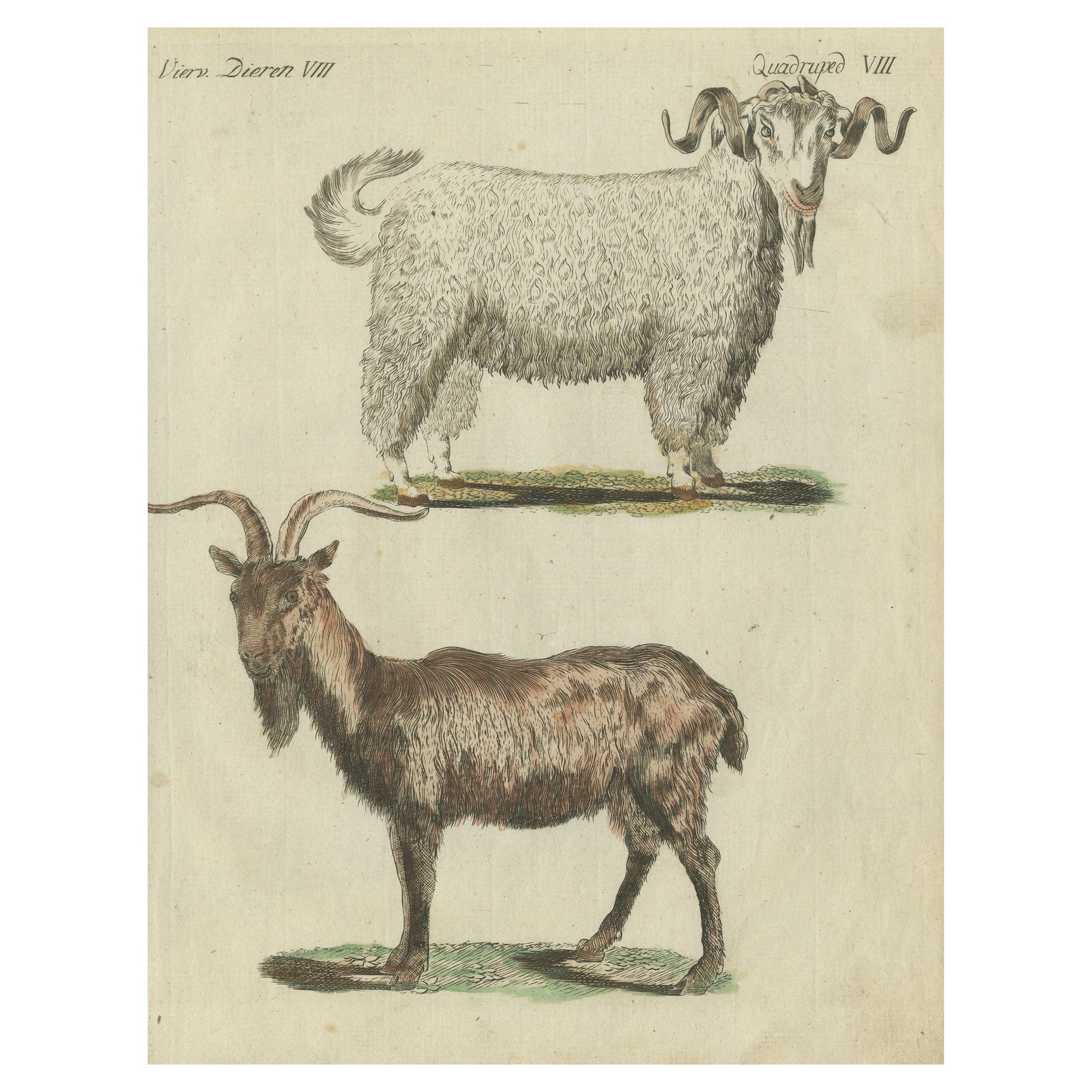
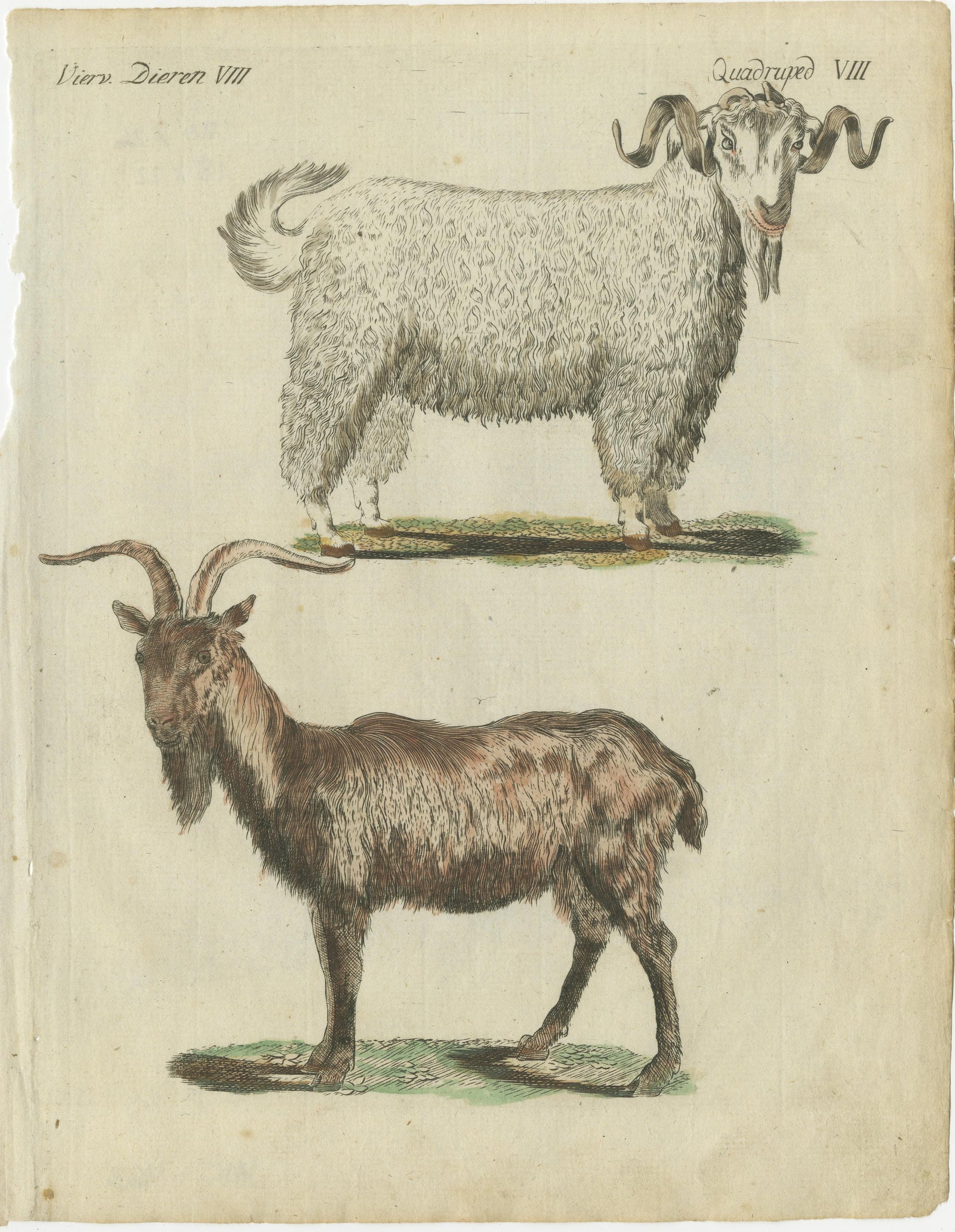
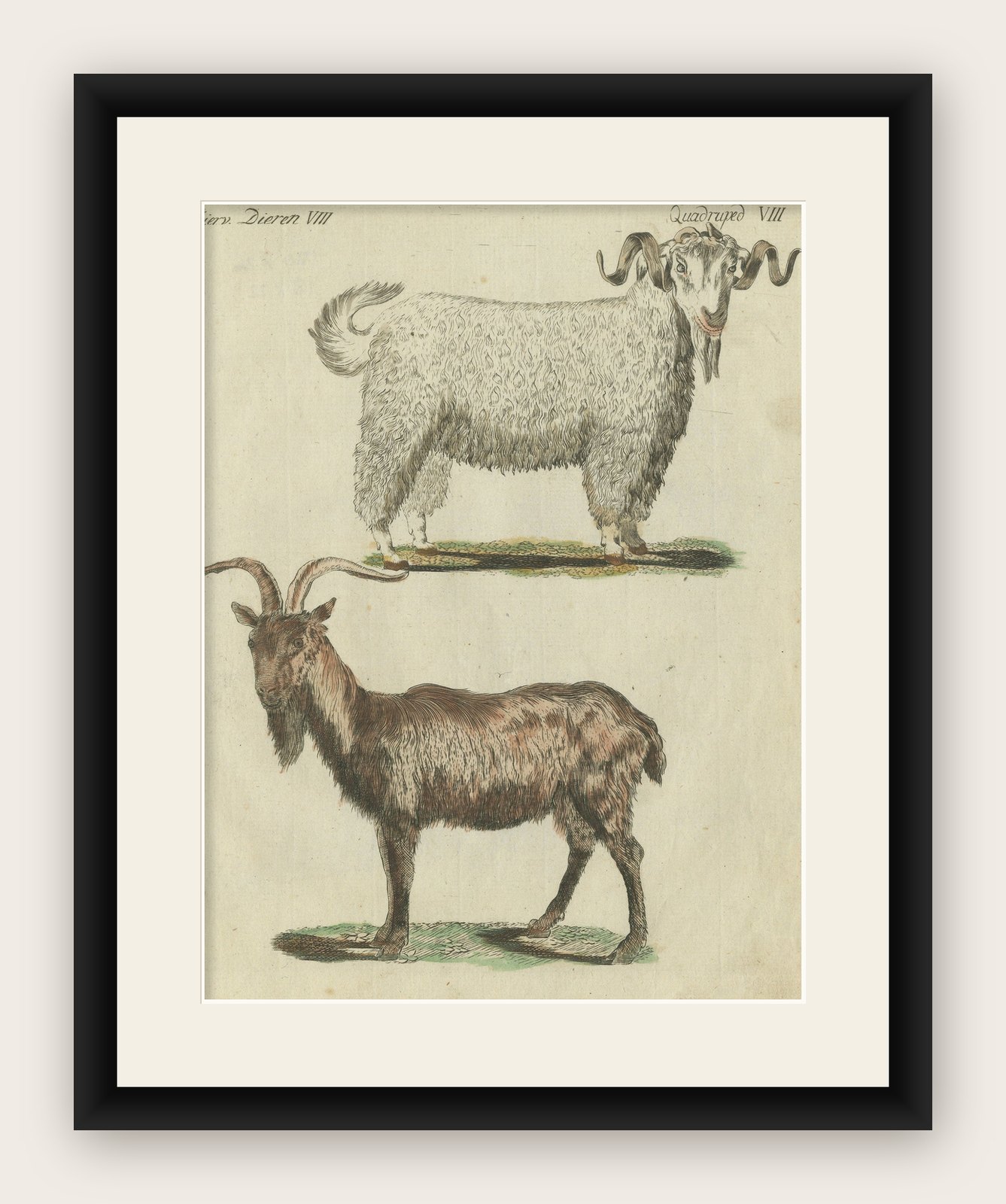
Hand Colored Antique Print of a Goat and Angora Goat
£135 ($180, €160)
Period original, not a reproduction.
Shipped from the Netherlands, flat, insured and tracked, worldwide. Returns accepted within 14 days.
- Date
- Not stated
- Size
- 10.1 × 7.8 in (25.6 × 19.7 cm)
- Condition
- Good. General age-related toning. Small punch holes in right margin. Some wear and soiling. Blank verso. Please study image carefully.
- Artist or book
- Bertuch
- Section
- Mammals
- Reference
- f_38510222
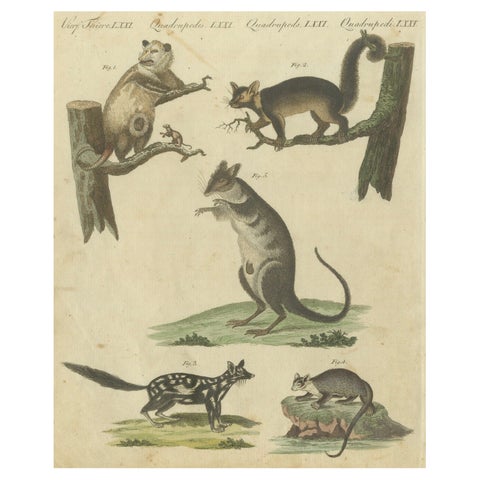
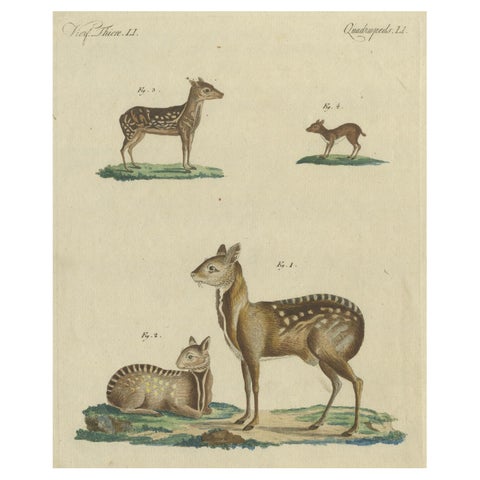
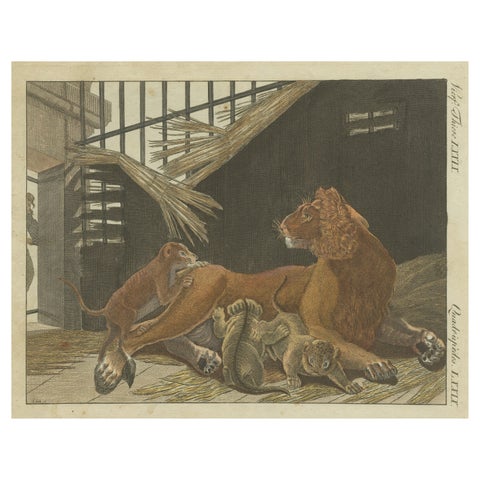
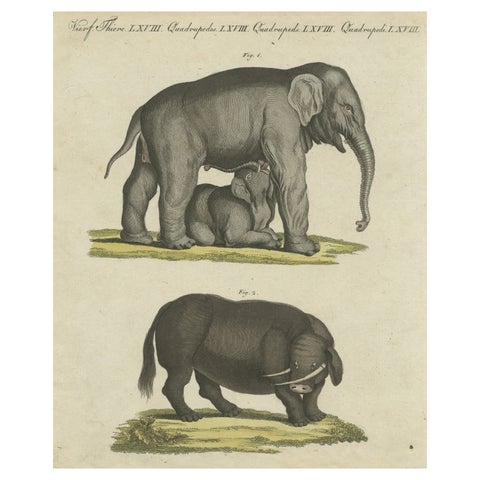
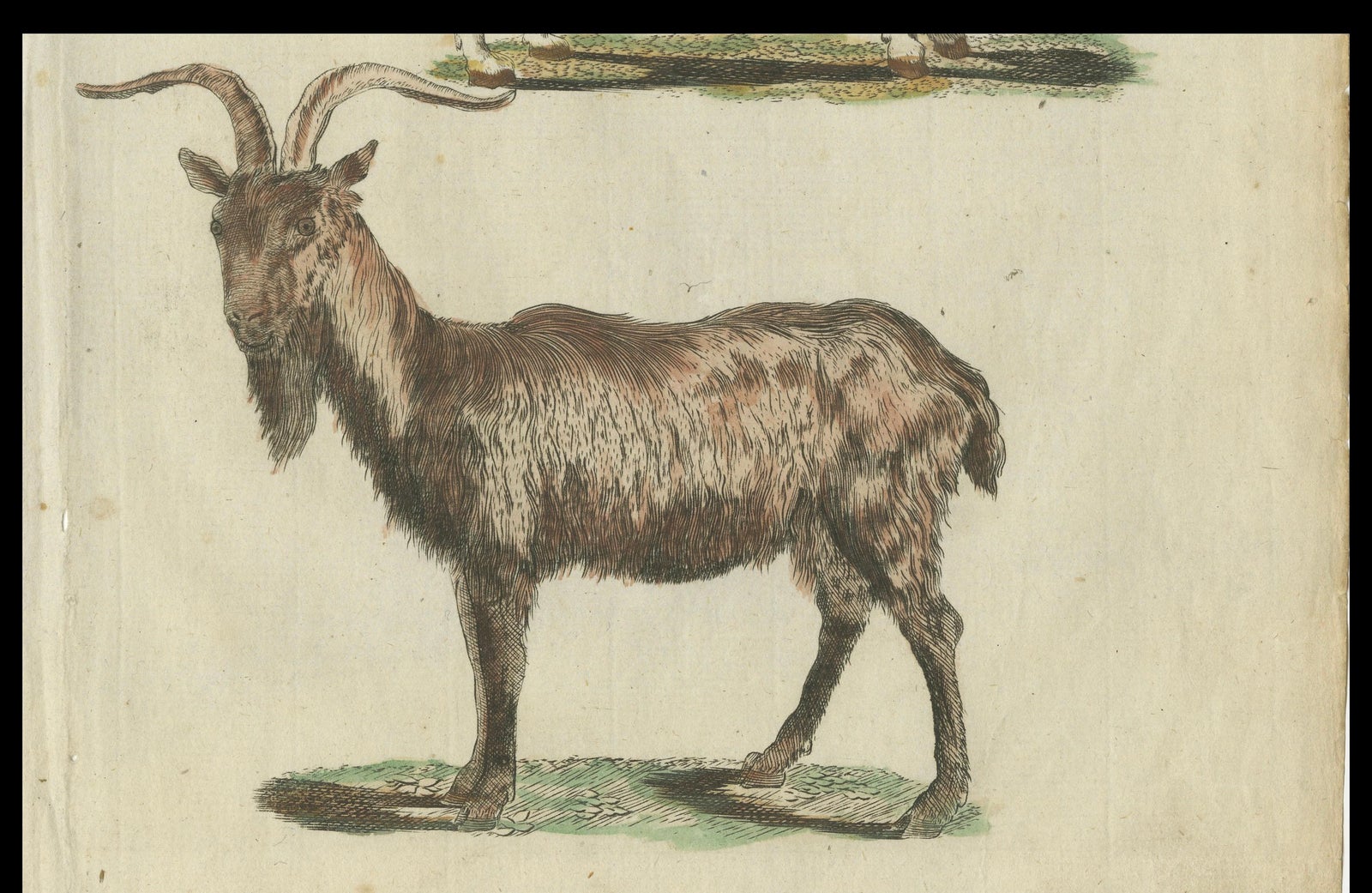
Original antique print of a goat and Angora goat (or Ankara). This engraved print originates from a very rare unknown Dutch work. The plates are similar to the plates in the famous German work: ‘Bilderbuch fur Kinder' by F.J. Bertuch, published 1790-1830 in Weimar. This could be Dutch edition of this work (no references found), or a work that used the Bertuch plates. Published circa 1820.
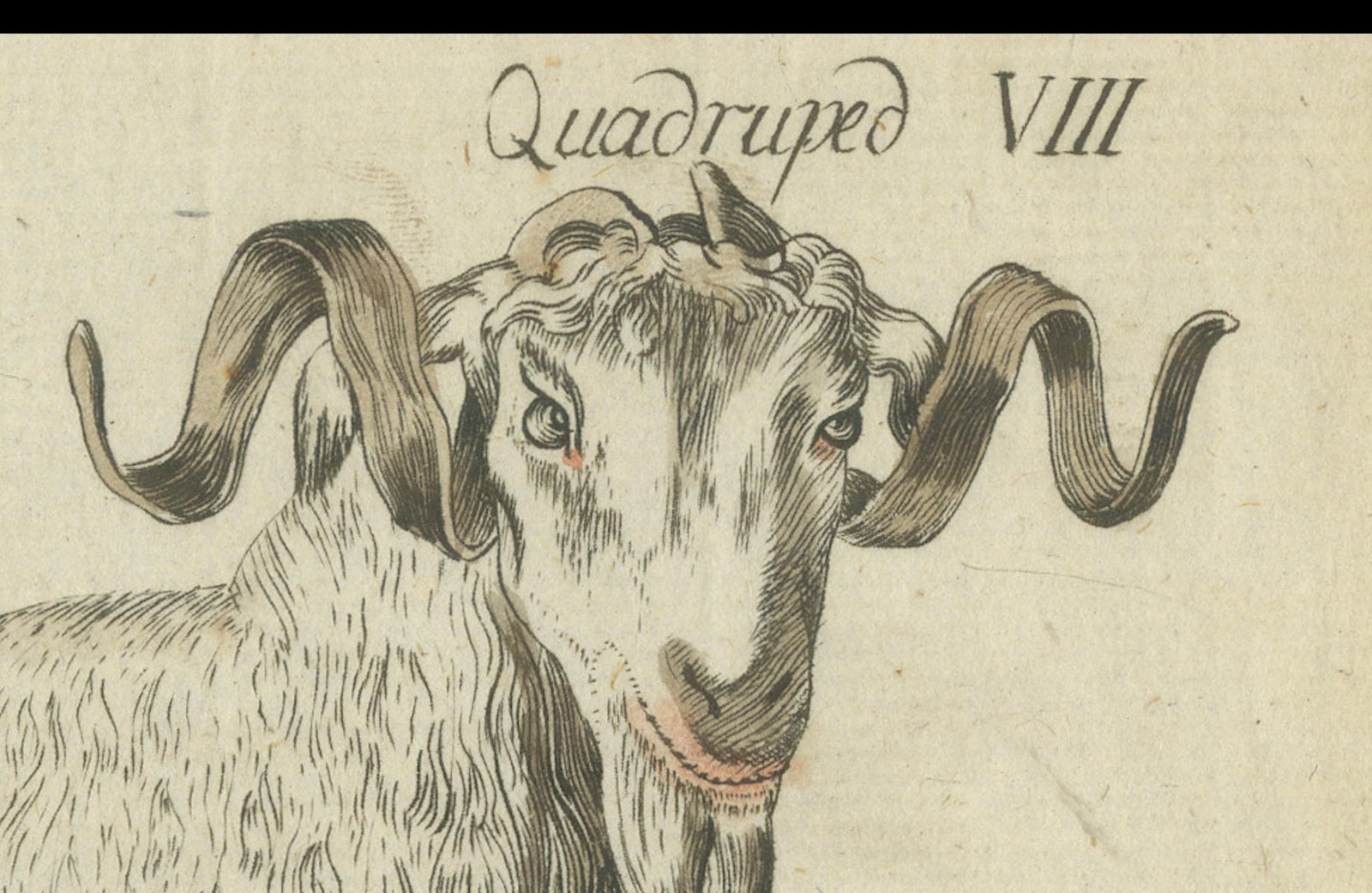
The engraving shows two caprine animals, commonly known as members of the goat family. They are labeled "Viverr. Dieren VIII" (Dutch 'viervoetige dieren, meaning quadrupeds) and "Quadrup. VIII", which suggests they are part of the eighth set in a series on quadrupeds.
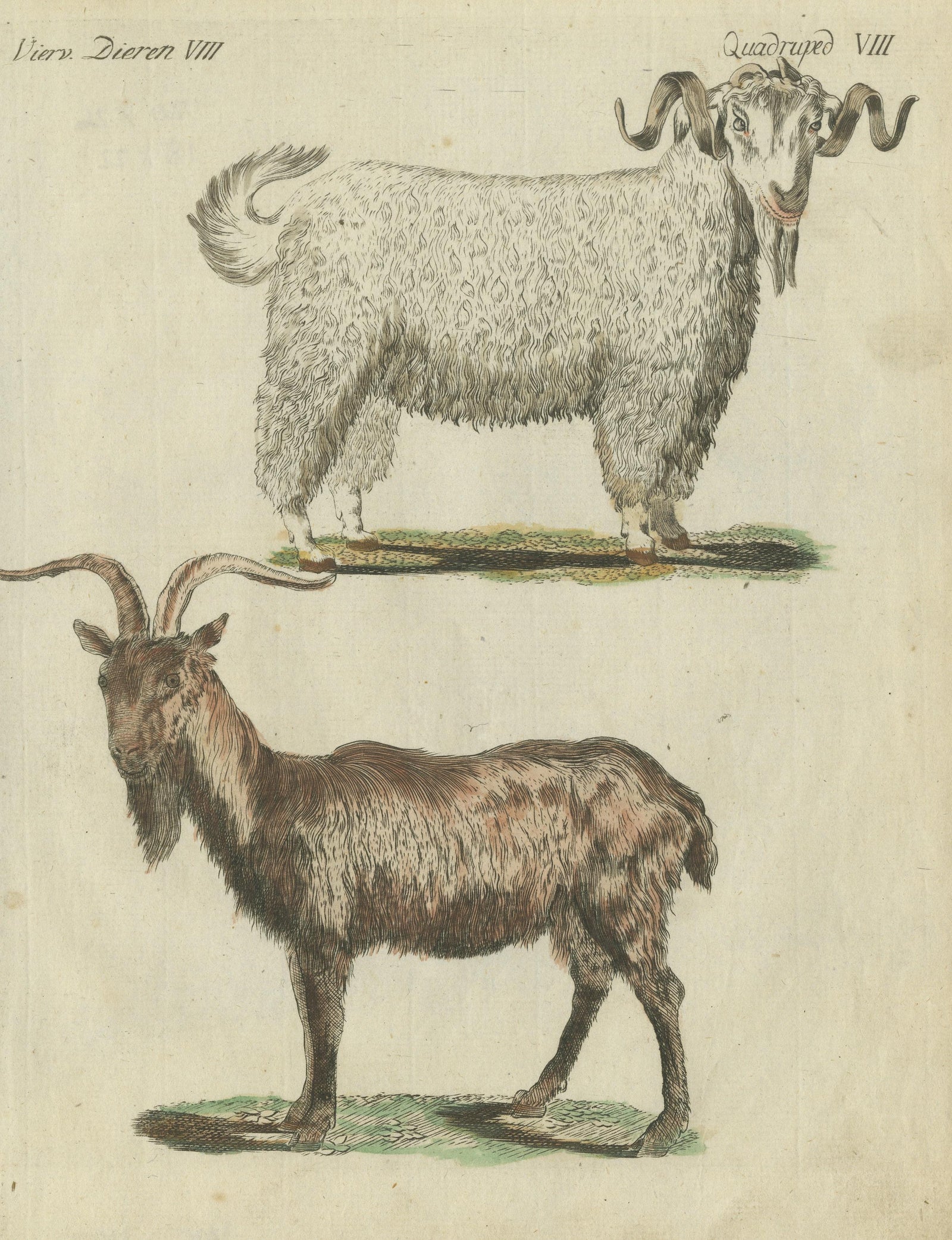
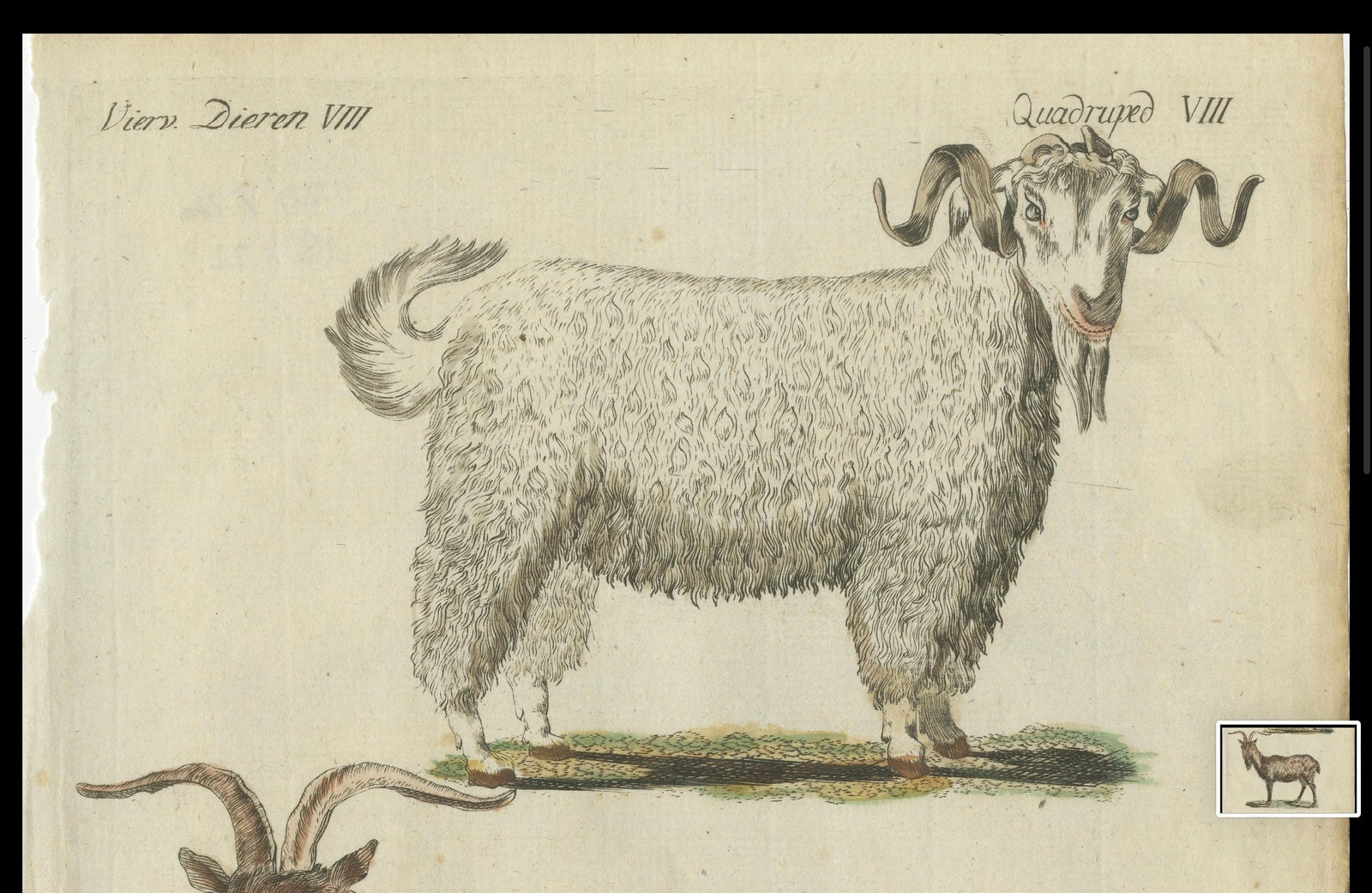
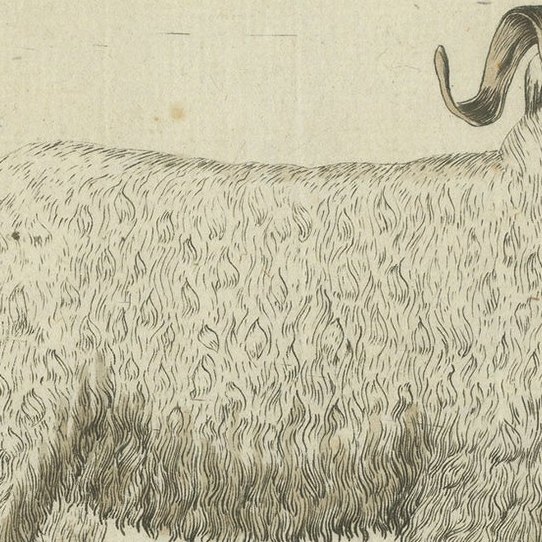
1. **Top Illustration**: This image shows an animal with the distinctive thick, shaggy coat of an Angora goat or a similar breed valued for its wool. The goat is depicted with large, curved horns, and a serene expression, facing forward. Its fleece is shown in great detail, indicating the texture and volume of the wool.
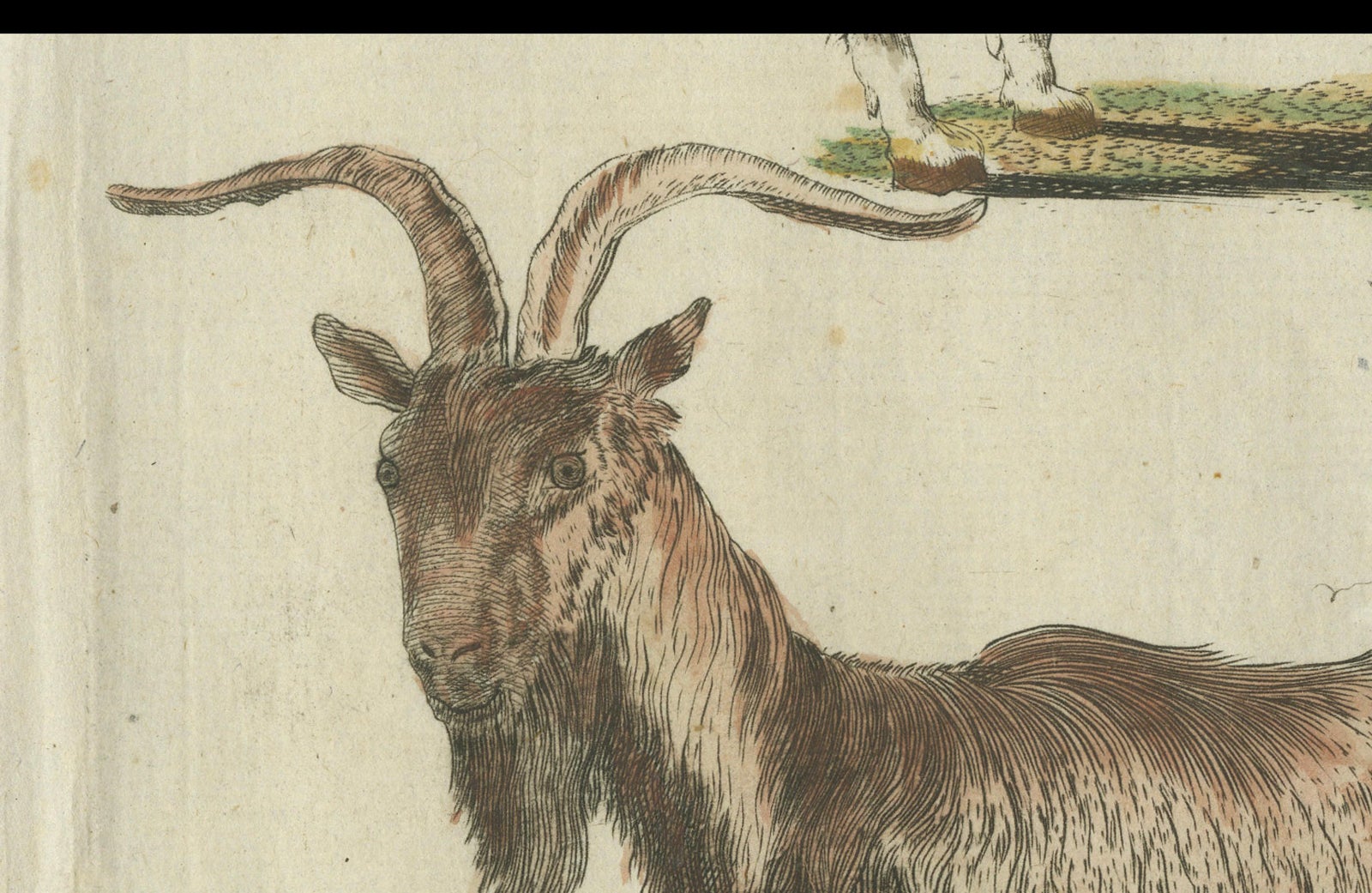
2. **Bottom Illustration**: Below is another goat, this one with a less shaggy and more streamlined coat, suggesting a breed that is not raised primarily for wool, but possibly for milk or meat. This goat also has long, sweeping horns, but they differ in shape from the first, showing the diversity within goat breeds. Its coat is colored with shades of brown, and the musculature is well-defined, indicating a robust build.
Both goats are standing on patches of grass, with a minimalistic background that does not detract from the animals themselves. The attention to detail in the illustration, from the texture of the wool and hair to the anatomy and posture of the goats, is characteristic of natural history illustrations, which were used to document and study animal species. These images were likely part of an educational collection, designed to provide detailed visual references for the variety within the animal kingdom.