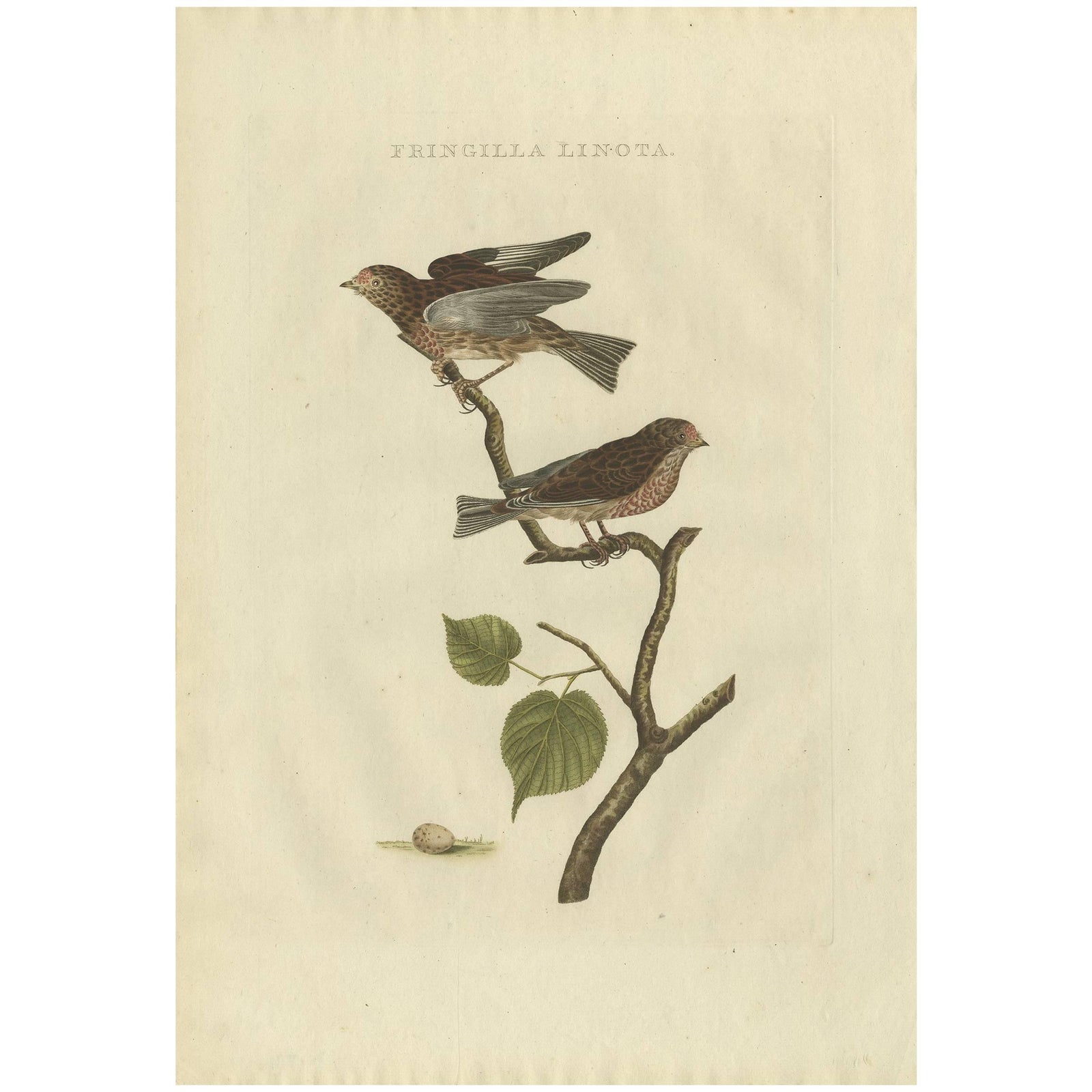
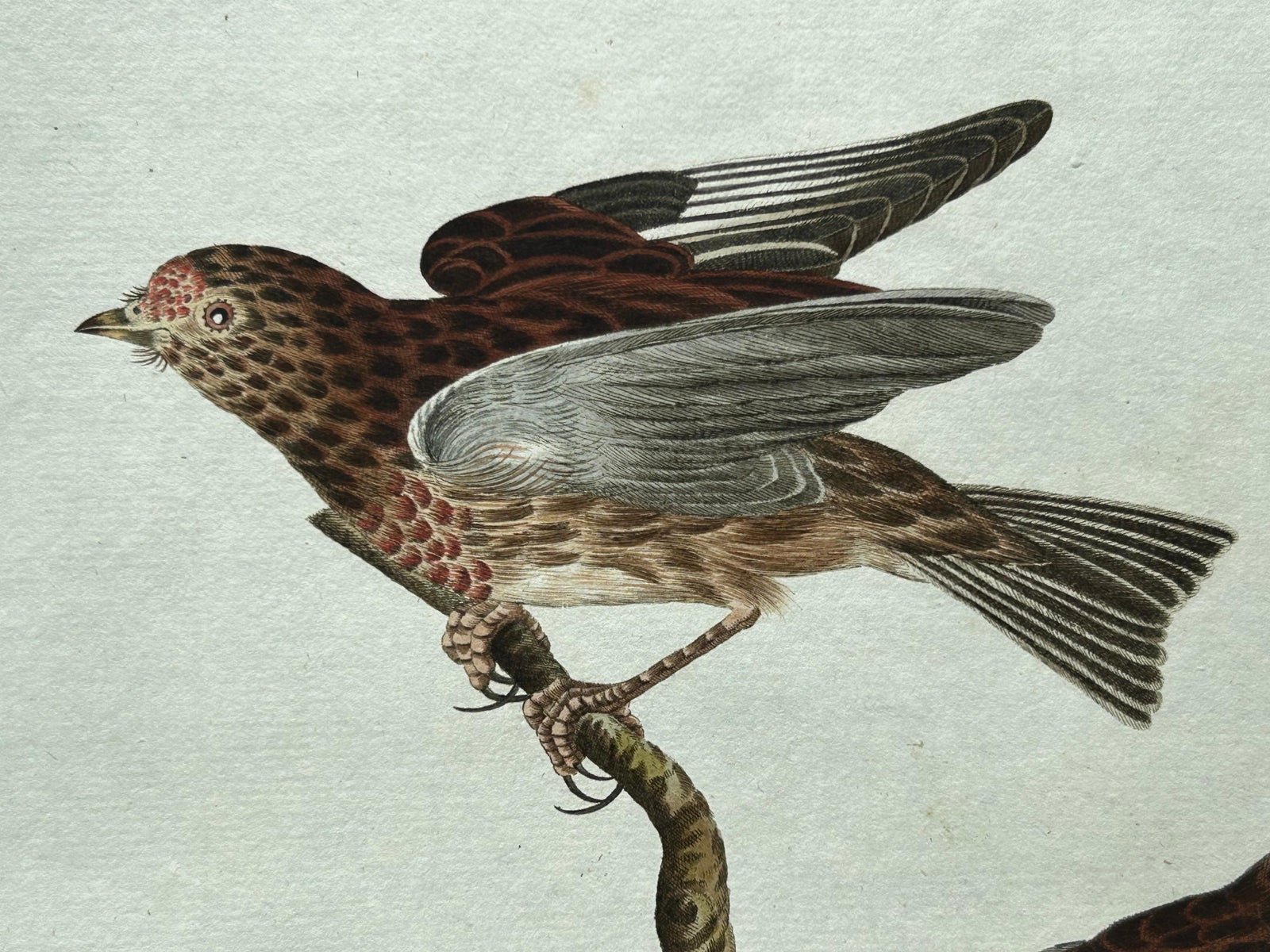
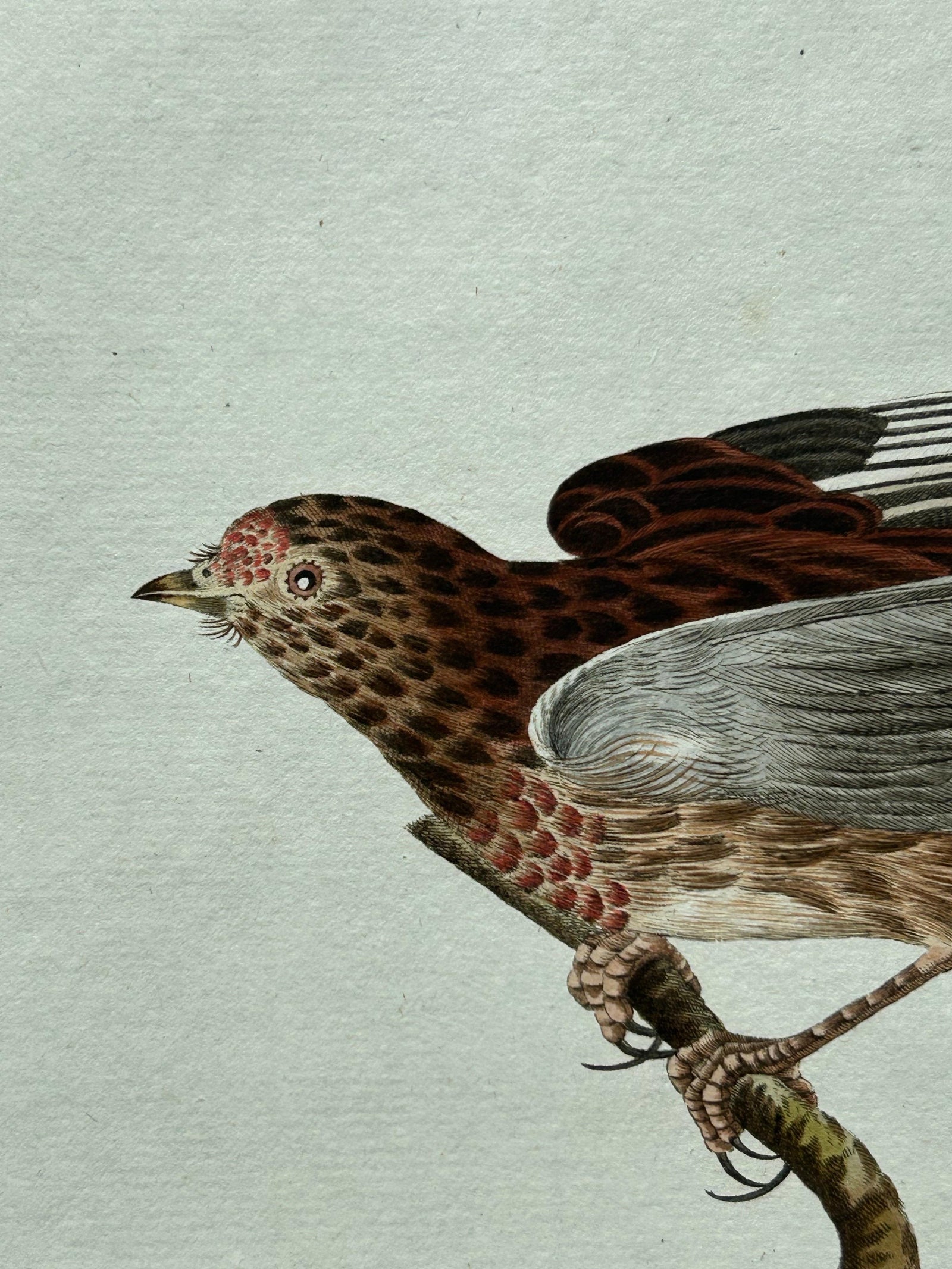
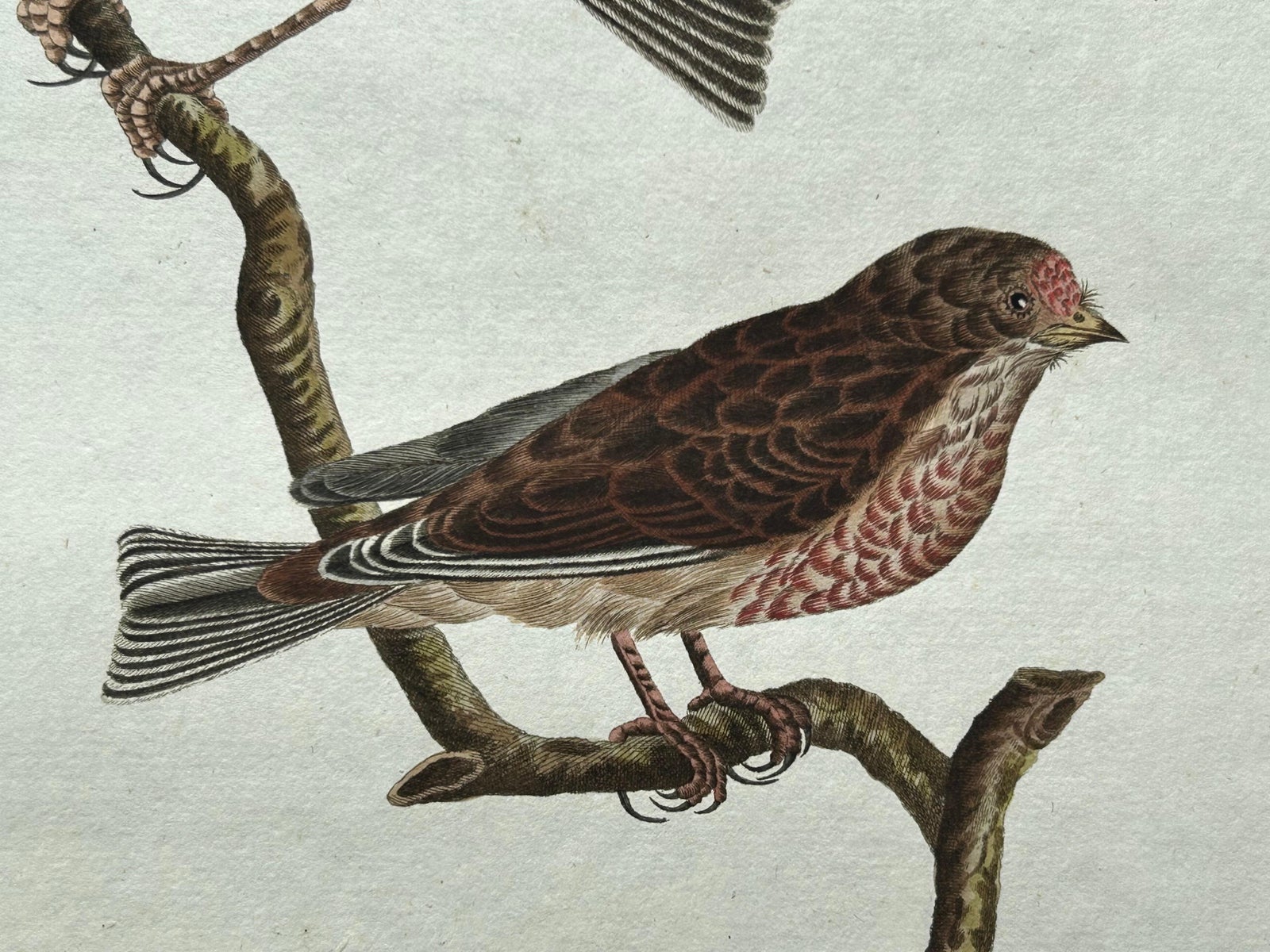
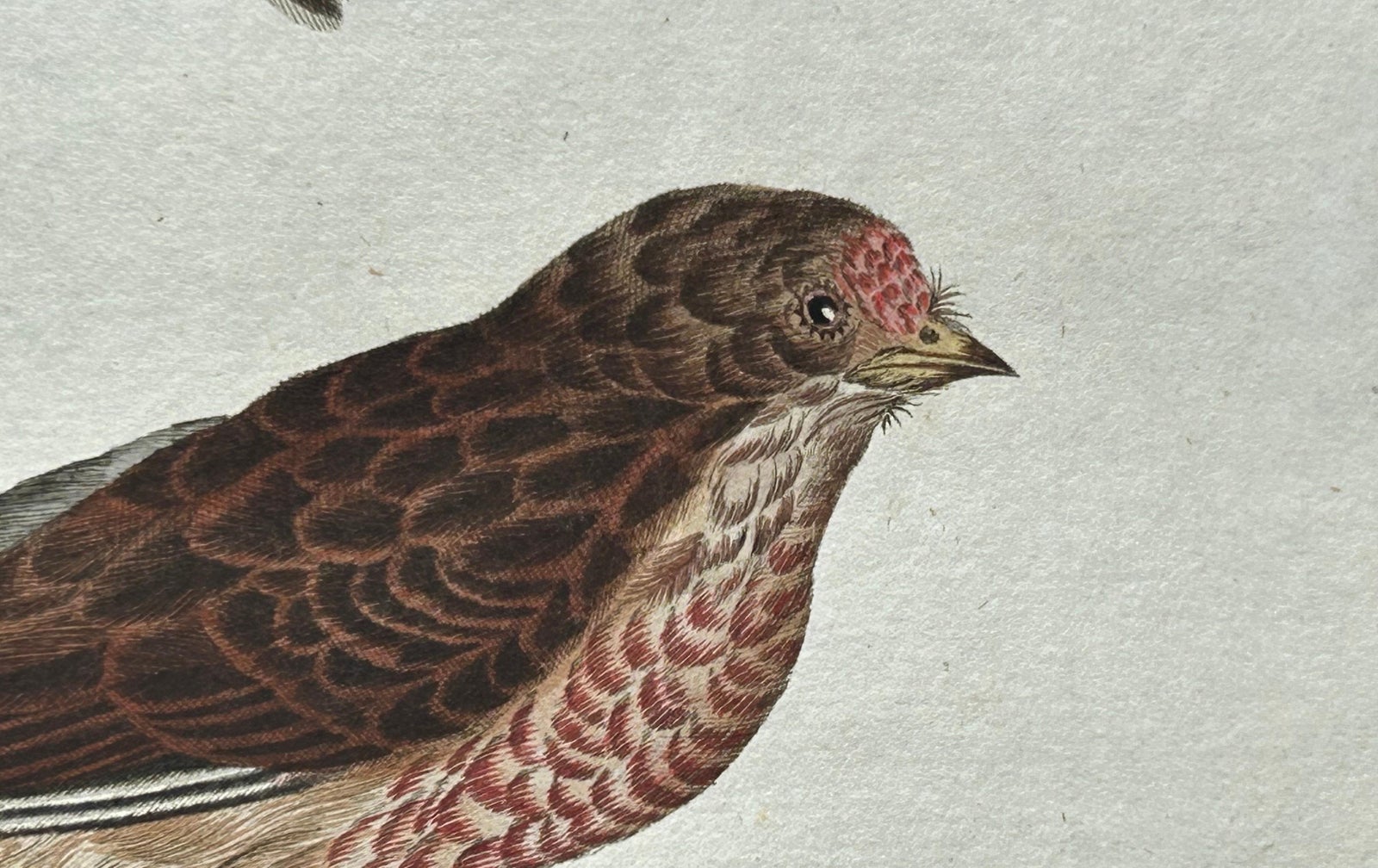
Fringilla Linota, Common Linnet, Hand-Colored Engraving by Nozeman, 1770–1829
€600 ($670, £510, €600)
Period original, not a reproduction.
Shipped from the Netherlands, flat, insured and tracked, worldwide. Returns accepted within 14 days.
- Date
- 1770
- Size
- 21.1 × 14.6 in (53.5 × 37 cm)
- Technique
- Engraved
- Condition
- Good. Very good for its age, with light toning and occasional minor spotting (in the margins) not affecting the image. Original hand coloring remains vivid. Plate mark visible.
- Period
- 18th century
- Artist or book
- Nozeman and Sepp
- Section
- Birds
- Reference
- f_10926763
- Color
- Hand colored
What the condition grades mean
- Excellent
- Bright and clean, with no faults worth mentioning.
- Very good
- Only light signs of age, such as faint toning.
- Good
- Normal signs of age for a sheet of this period: toning, some foxing, small marks or neat old repairs.
- Fair
- Clear faults such as staining, tears or repairs, priced to match.
Every fault we see is written in the condition note, and the whole sheet is shown uncropped in the photos.
Fringilla Linota, Common Linnet, Antique Hand-Colored Engraving, Nozeman, 1770–1829
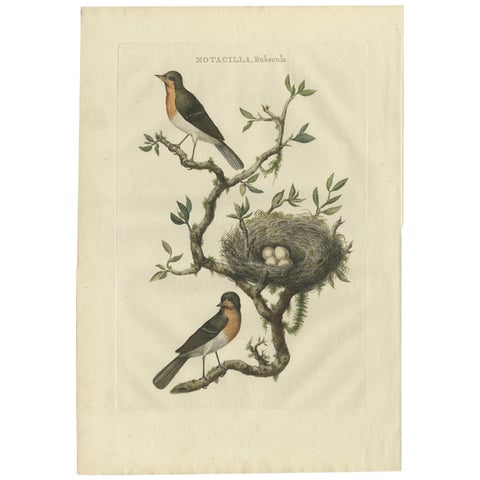
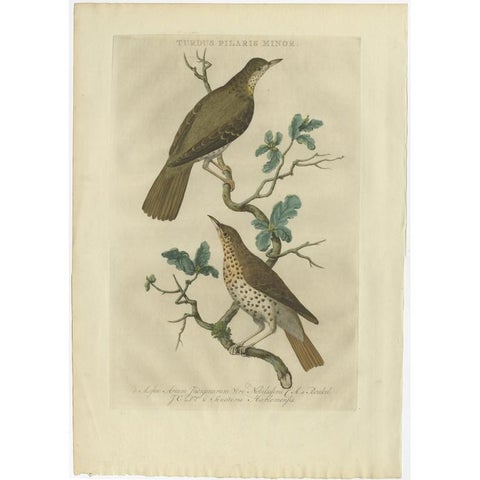
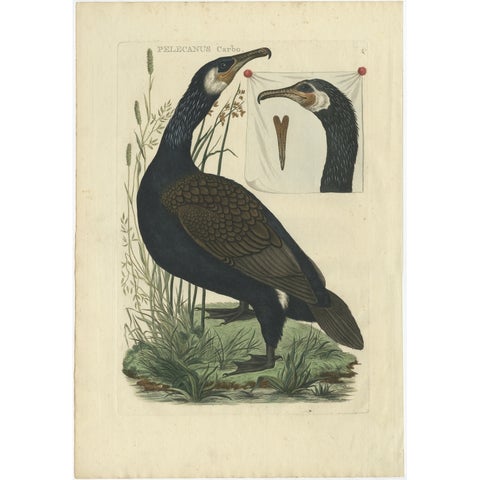
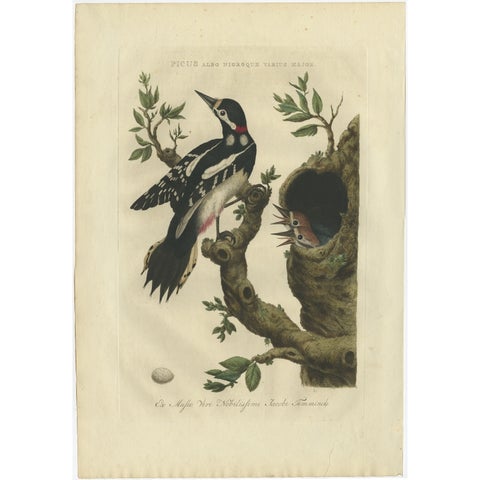
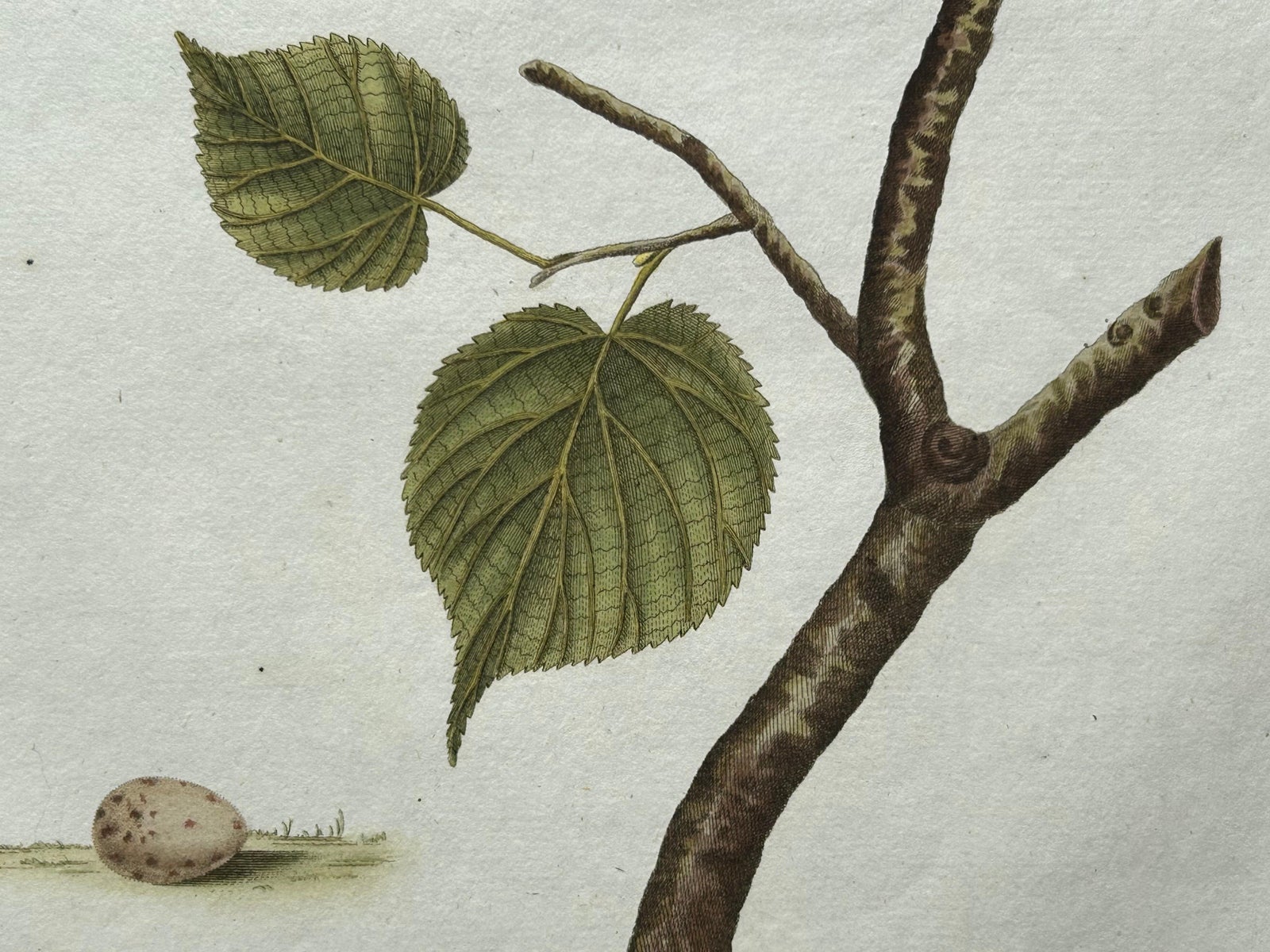
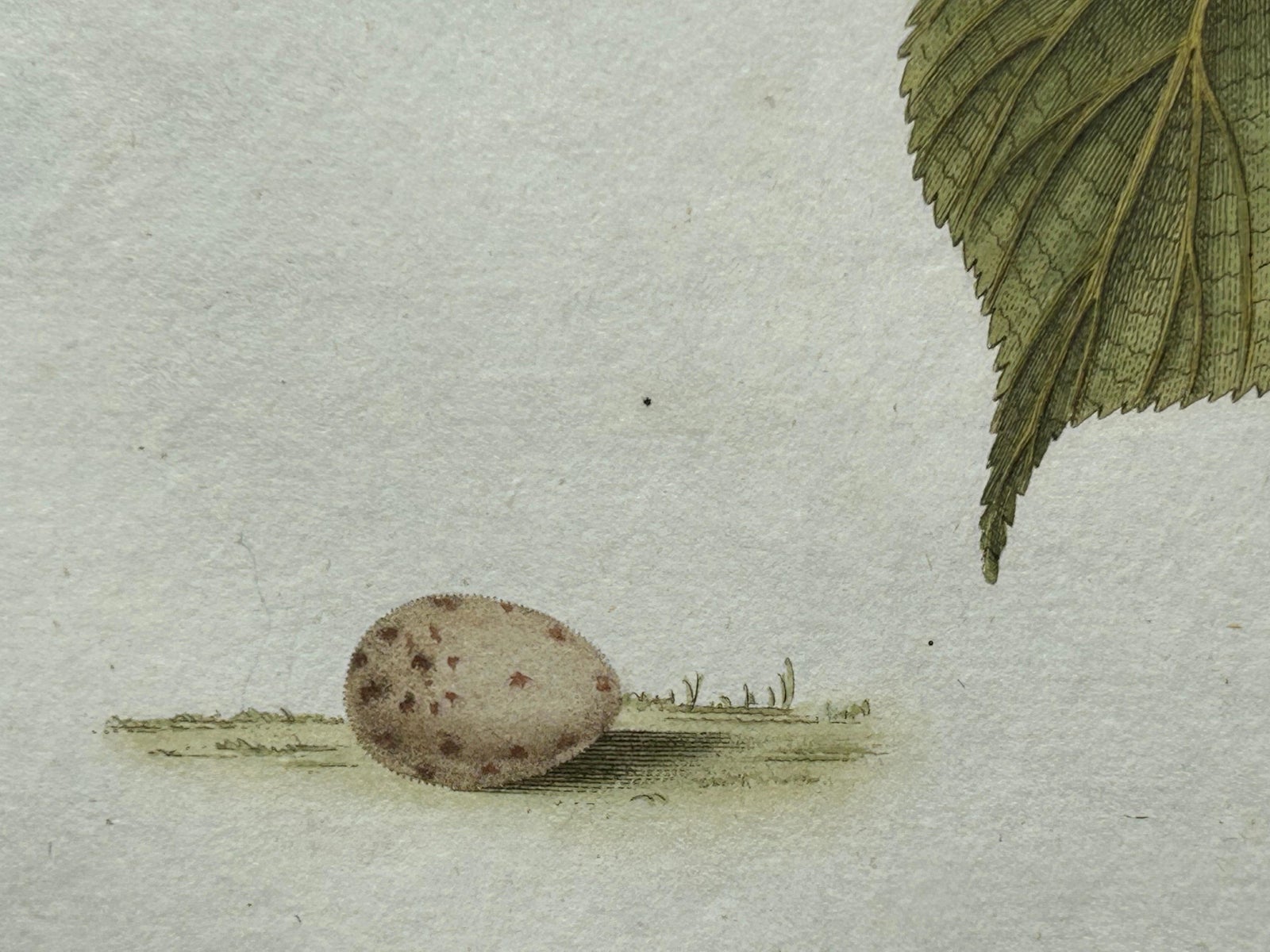
This finely detailed antique hand-colored engraving, titled “Fringilla Linota,” portrays the common linnet (Linaria cannabina), a small, graceful member of the finch family (Fringillidae). Shown perched delicately on a branch beside a sprig of leaves and an egg, the illustration captures both the male and female of the species with remarkable accuracy. The male displays its subtle brown and gray plumage with hints of rosy tones during the breeding season, while the female is depicted in more muted shades, both rendered with exquisite shading and delicate feather detailing.
The common linnet’s scientific name reflects its preference for hemp seeds (“cannabina”), while its English name derives from its fondness for flax seeds, from which linen is made. Known for its melodic song, this species is widespread throughout Europe, western Asia, and northern Africa. In the Netherlands, where this engraving was first published, the linnet was a familiar sight in hedgerows, fields, and gardens, often forming flocks outside the breeding season.
This plate originates from the monumental ornithological work “Nederlandsche Vogelen; volgens hunne huisdouding, aert, en eigenschappen beschreeven,” published in Amsterdam between 1770 and 1829 by Cornelius Nozeman, Martinus Houttuyn, and Christiaan Sepp. It was the first comprehensive study of the birds of the Netherlands and remains one of the most important ornithological publications of its time. Each species was illustrated life-sized where possible and in its natural environment, accompanied by extensive descriptive text in Dutch.
The accompanying original Dutch text pages provide rich historical and scientific observations on the species, its behavior, nesting habits, and physical characteristics, as understood in the late 18th and early 19th centuries. The text details the bird’s seasonal plumage changes, feeding on flax seeds, and its nesting habits, with descriptions of its five-egg clutch.
Condition: Very good for its age, with light toning and occasional minor spotting (in the margins) not affecting the image. Original hand coloring remains vivid. Plate mark visible.
Framing tips: This print will look striking in a classic dark wooden frame with a cream or off-white mount, which will enhance the subtle hand coloring. For a more contemporary look, a slim black frame with archival matting will contrast beautifully with the warm tones of the bird’s plumage.