Close-ups
Framed and on the wall
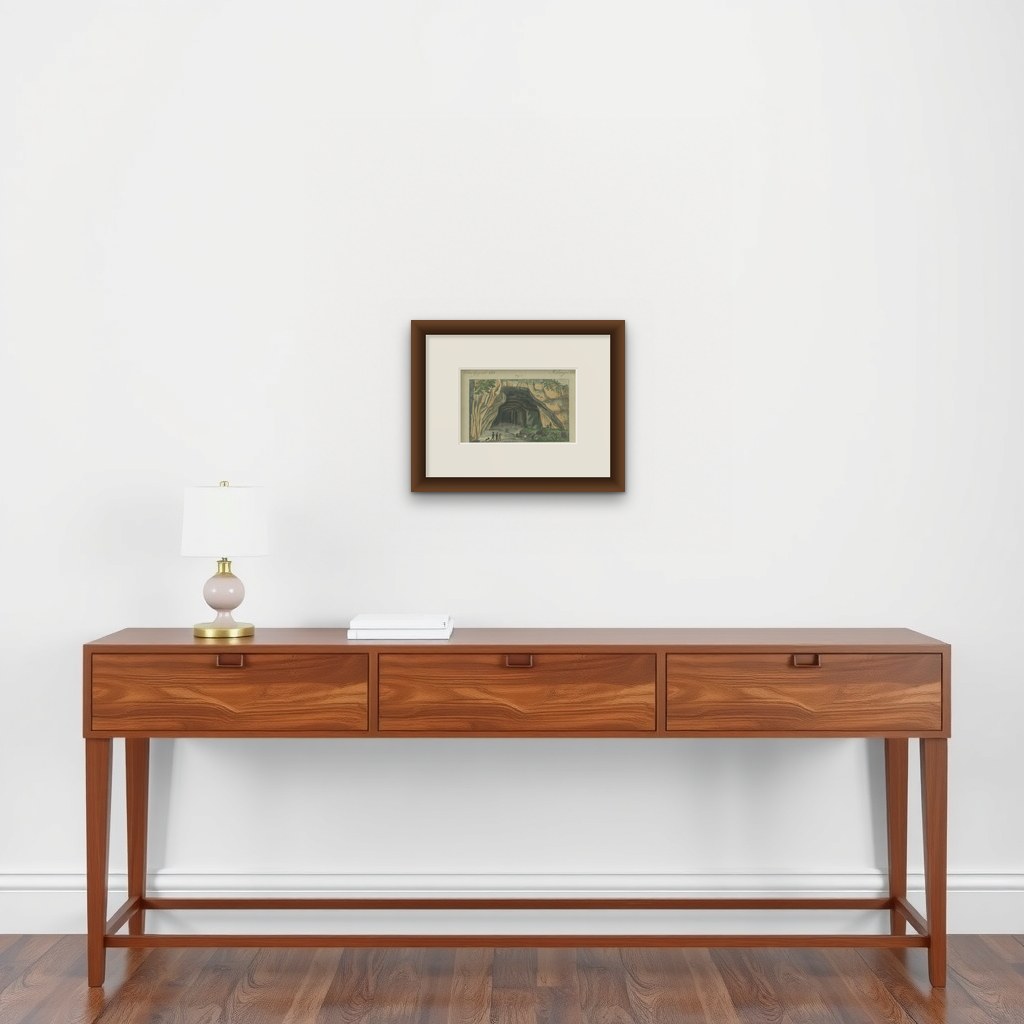

Frame and rooms are illustrations of how the print could look; the description says what is included.
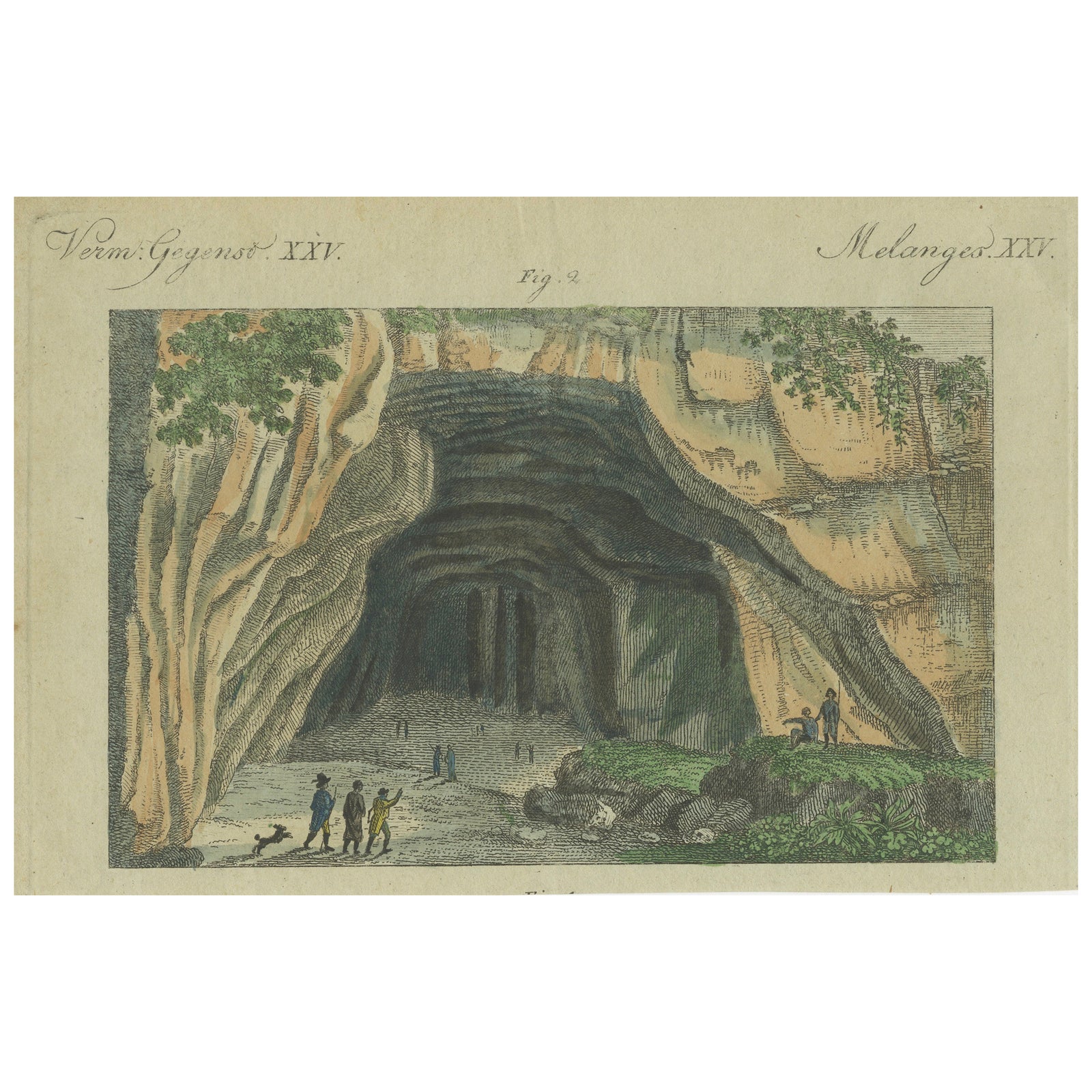
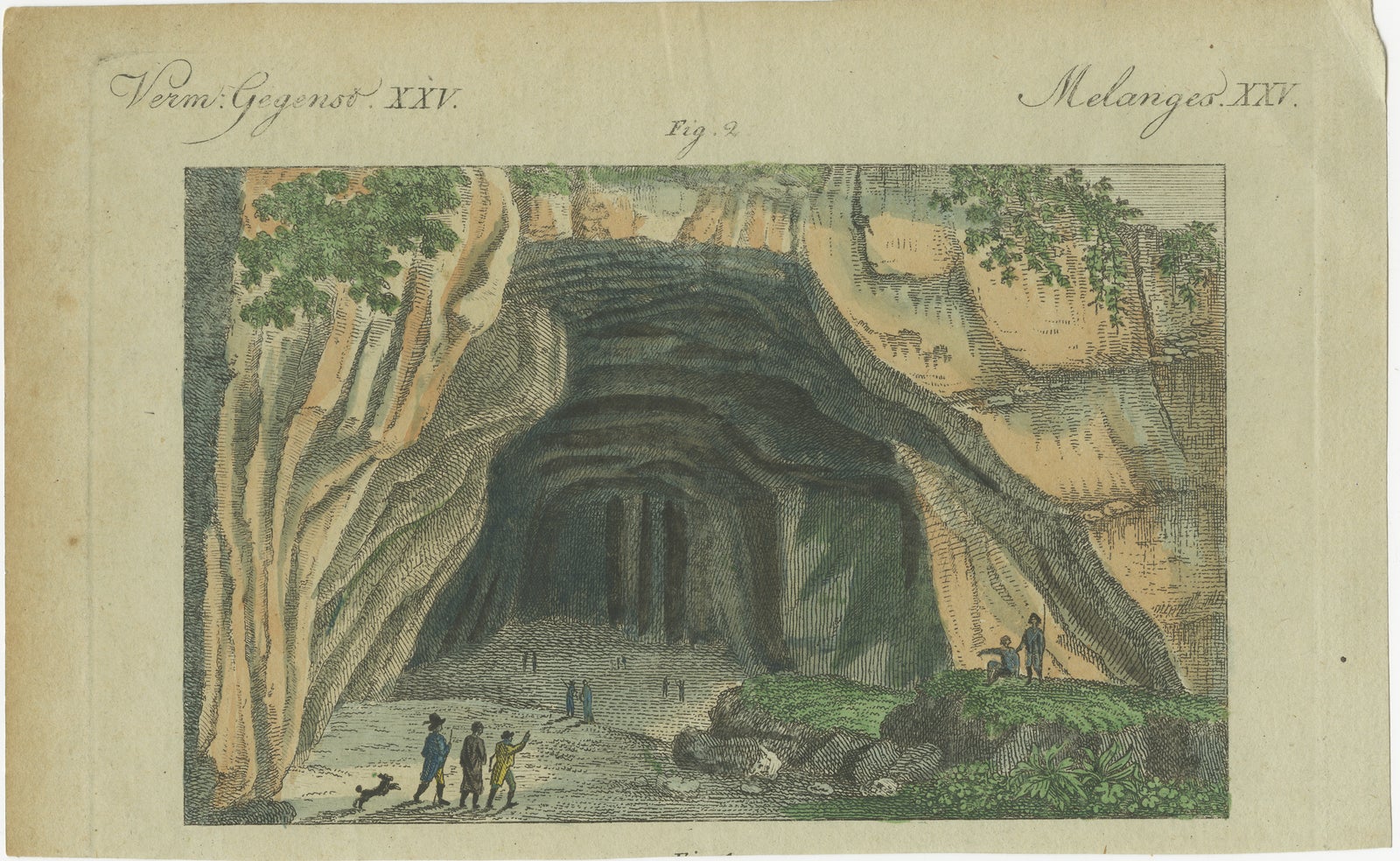
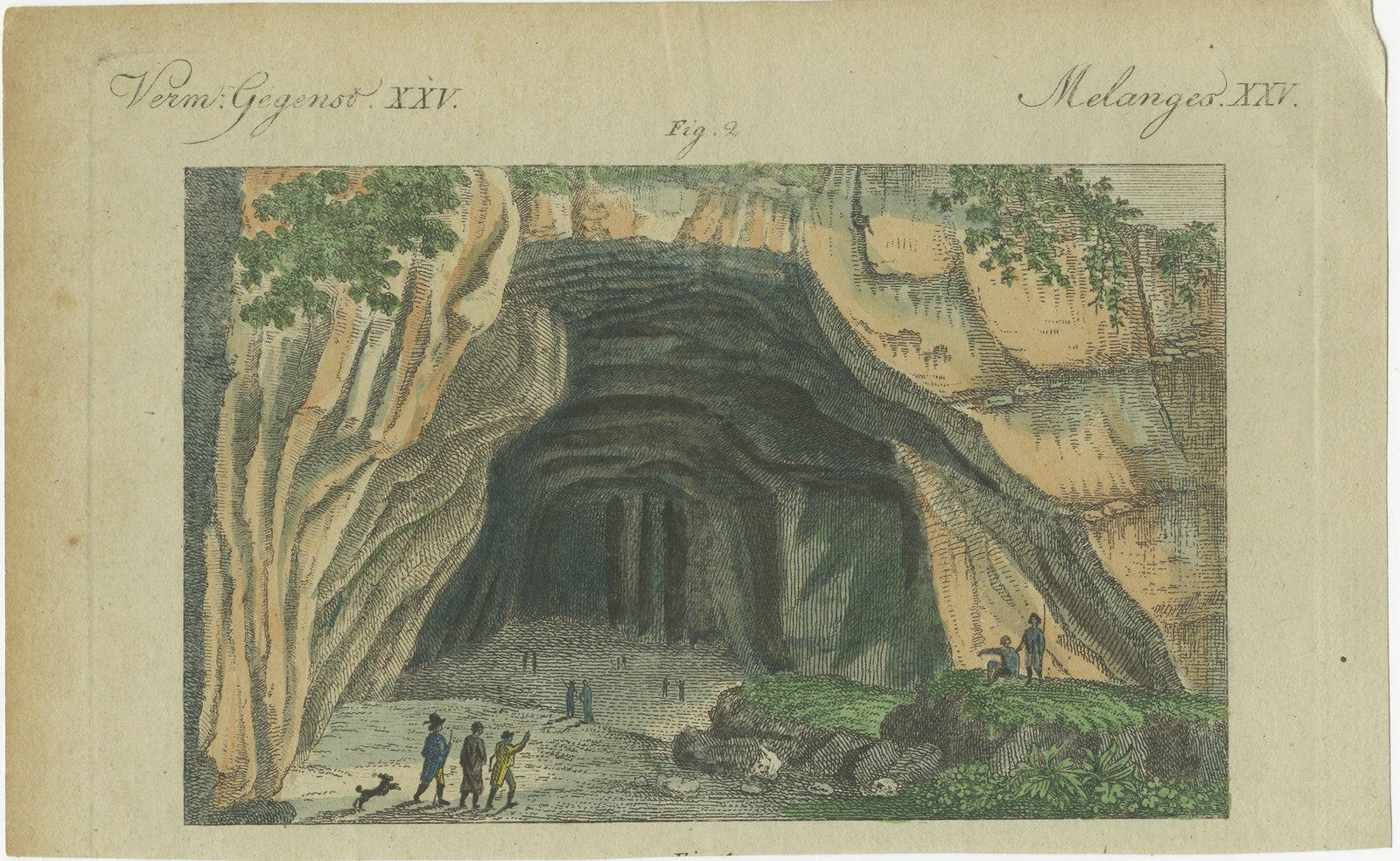
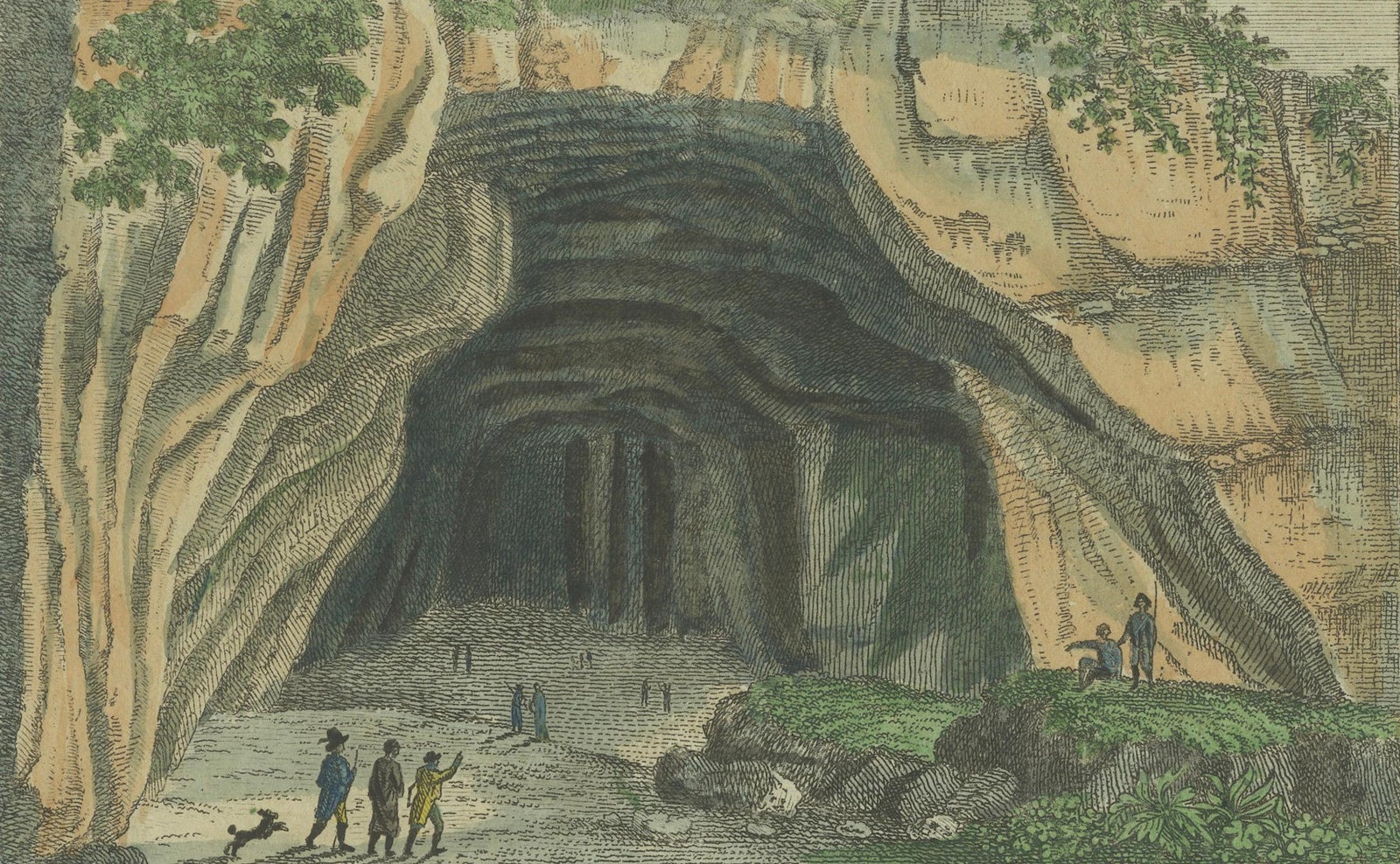
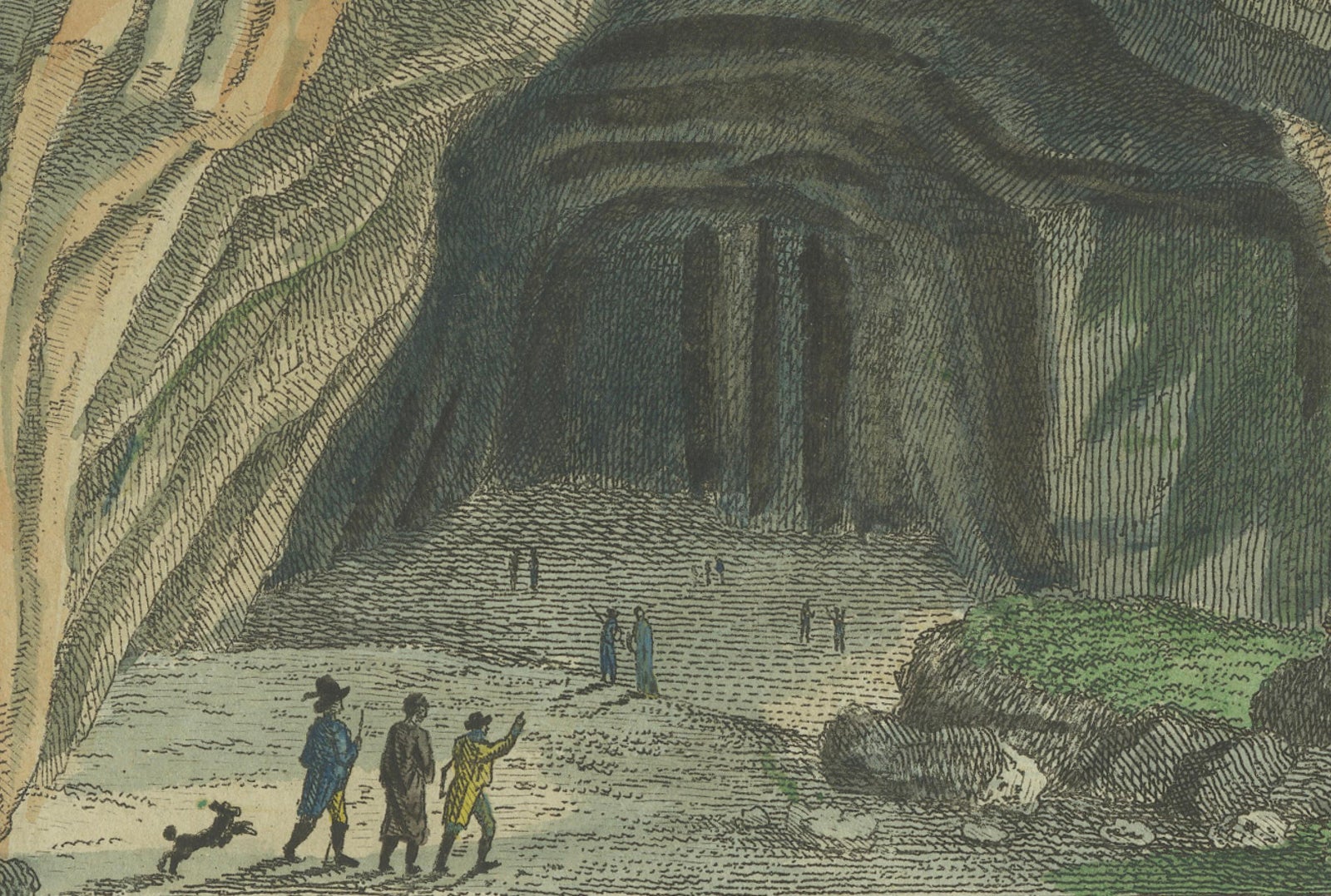
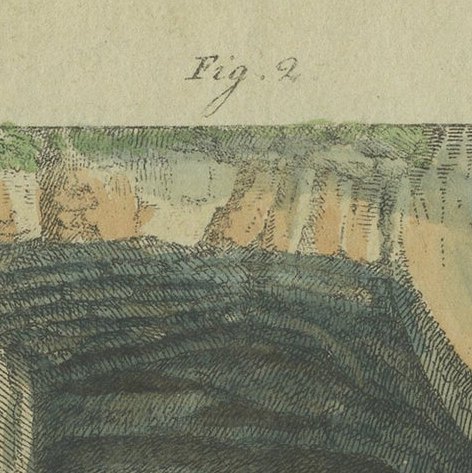
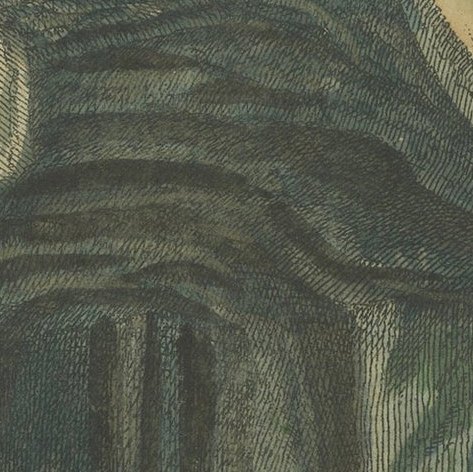
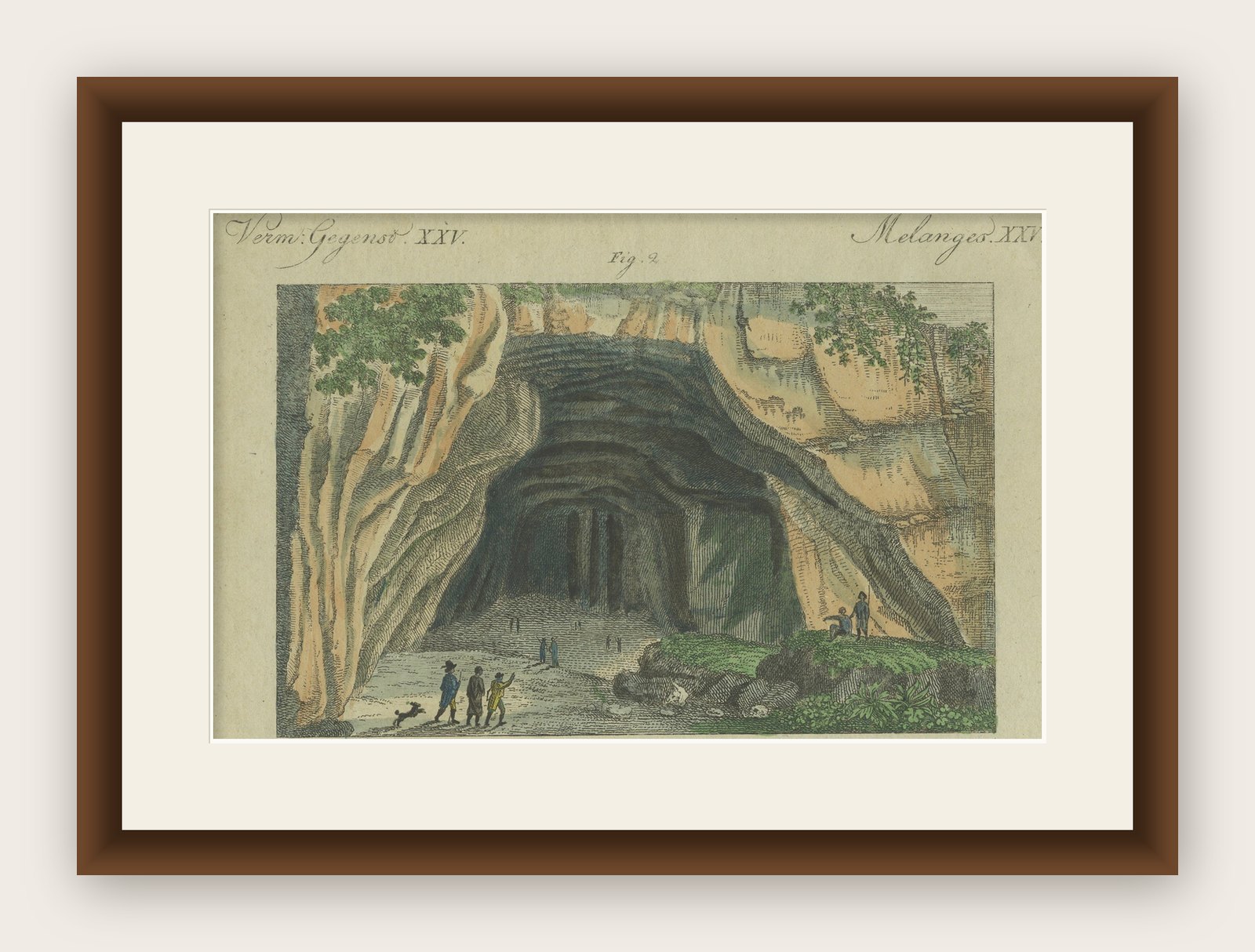
Engraving of the Cave Where the First Giant Prehistoric Reptile was found, 1798
£80 ($105, €95)
Period original, not a reproduction.
Shipped from the Netherlands, flat, insured and tracked, worldwide. Returns accepted within 14 days.
- Date
- 1798
- Size
- 4.9 × 7.9 in (12.5 × 20 cm)
- Condition
- Good. Condition report: Good. Margins lightly toned, minor foxing spots present, original hand-coloring preserved.
- Period
- 18th century
- Artist or book
- Bertuch
- Section
- Reptiles and amphibians
- Reference
- f_42493352
Title: 1798 Engraving of Cave Entrance Where Maastricht Mosasaur was Discovered
Description: This 1798 copperplate engraving with original hand-coloring is from Volume III of Johann Ludwig Bertuch's "Bilderbuch für Kinder." It features the entrance to the St. Peters Bergs cave system near Maastricht, where the fossil of Mosasaurus hoffmanii, the first giant prehistoric reptile, was discovered. This engraving captures the dramatic cave entrance, surrounded by lush foliage and with people shown in scale, providing a sense of the cave's grandeur and the scale of the discovery within.
The Mosasaur hoffmanii fossil became a crucial find in the study of paleontology and was one of the earliest examples that suggested an ancient world populated by now-extinct creatures. The fossil was brought to international attention by Johann Hoffman, a naturalist, and its importance grew as the specimen was seized by French Revolutionary forces and taken to Paris. Dutch naturalist Adriaan Camper later identified its similarities to lizards in 1799. In 1808, Georges Cuvier confirmed these findings in his paleontology milestone "Ossamens Fossiles," marking a significant leap in the study of prehistoric reptiles. The creature was officially named Mosasaurus ("Meuse reptile") in 1822, linking it to the nearby River Meuse.
Condition report: Margins lightly toned, minor foxing spots present, original hand-coloring preserved.