Close-ups
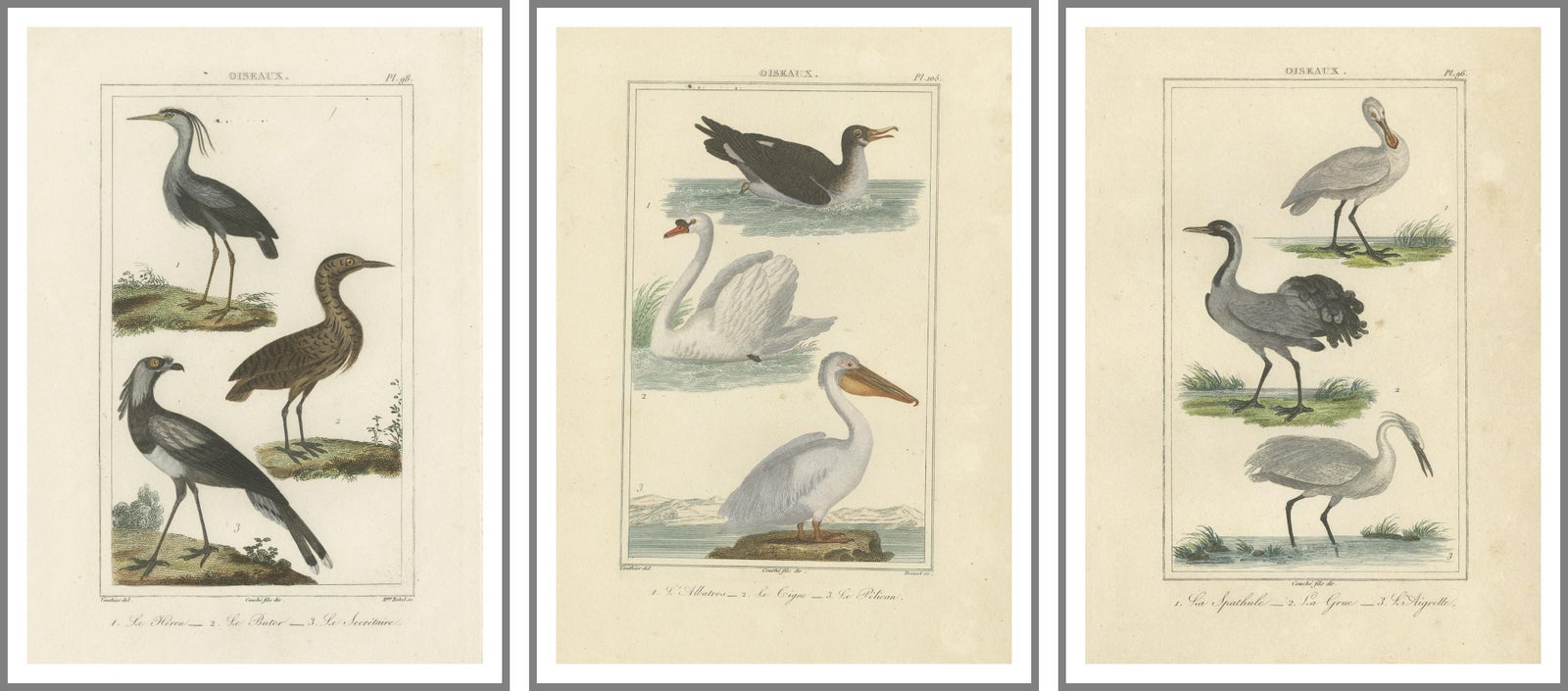
Framed and on the wall
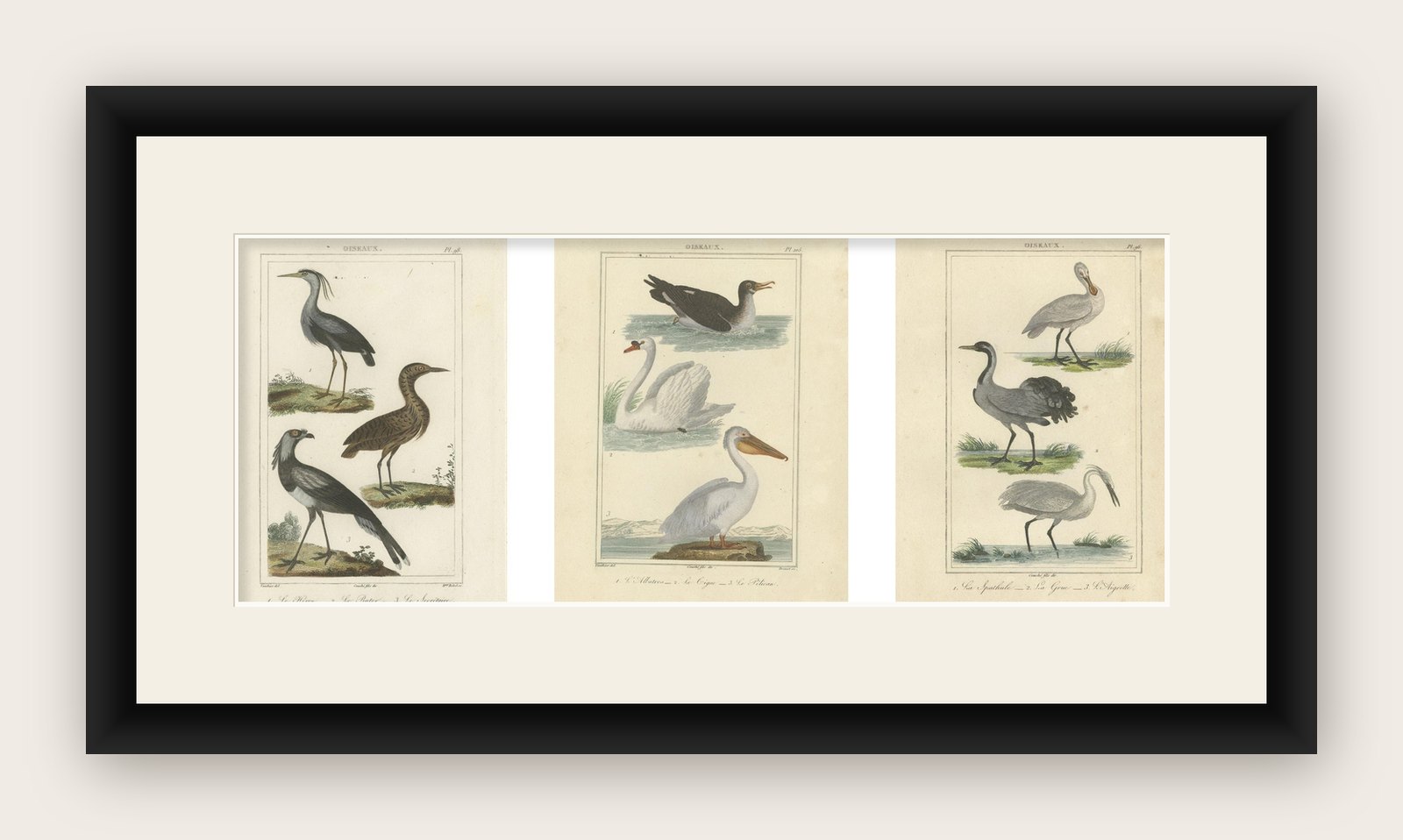


Frame and rooms are illustrations of how the print could look; the description says what is included.
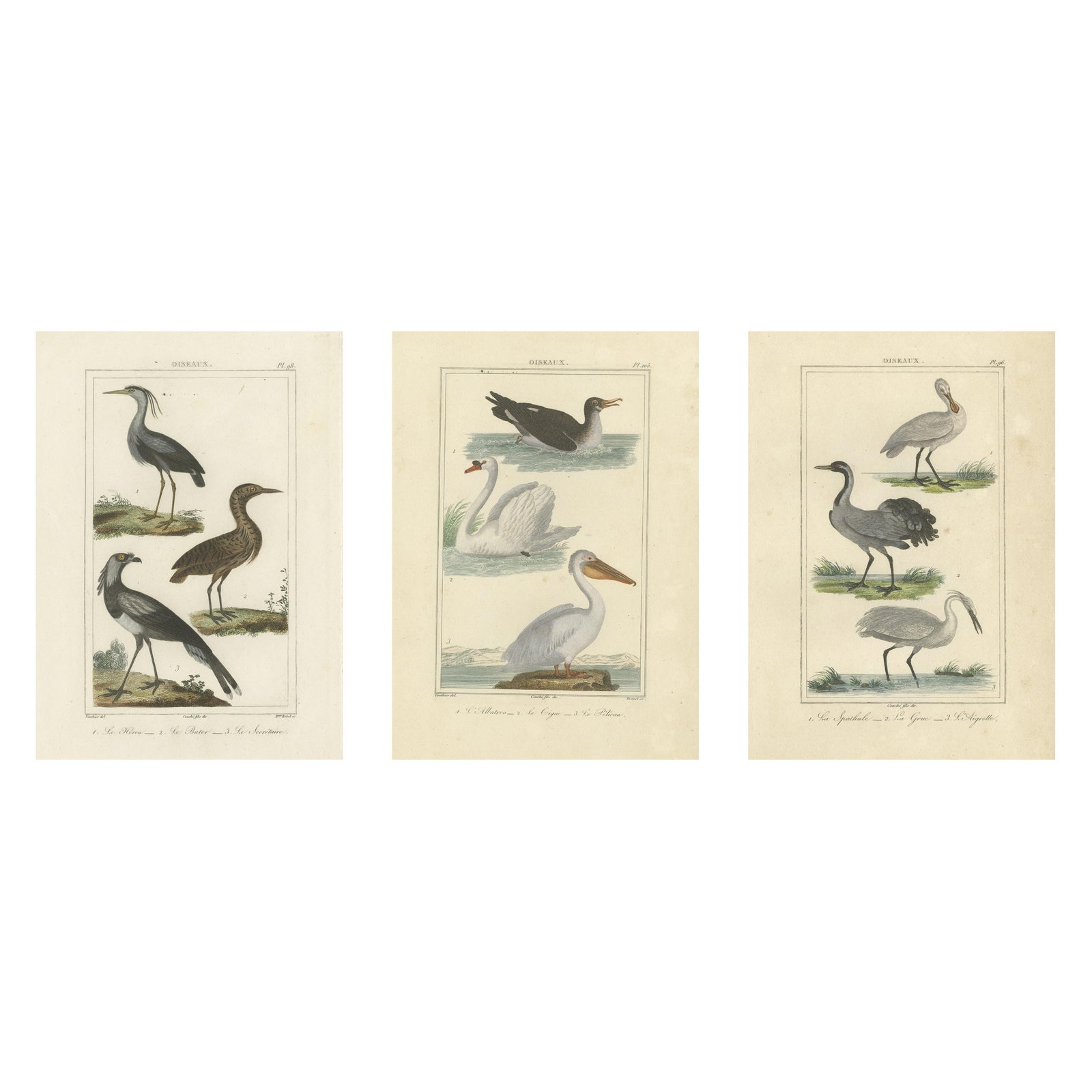
Elegant Avian Diversity: Illustrations from Buffon's Ornithology, c.1780
€630€50420% off ($555, £420, €504)
Period original, not a reproduction.
Shipped from the Netherlands, flat or rolled, insured and tracked, worldwide. Returns accepted within 14 days.
- Date
- 1780
- Size
- 9.8 × 6.7 in (25 × 17 cm)
- Condition
- good, given age. General age-related toning and/or occasional minor defects from handling. Please study scan carefully.
- Period
- 18th century
- Artist or book
- Buffon
- Section
- Birds
- Reference
- f_40270622
- Color
- Hand colored
What the condition grades mean
- Excellent
- Bright and clean, with no faults worth mentioning.
- Very good
- Only light signs of age, such as faint toning.
- Good
- Normal signs of age for a sheet of this period: toning, some foxing, small marks or neat old repairs.
- Fair
- Clear faults such as staining, tears or repairs, priced to match.
Every fault we see is written in the condition note, and the whole sheet is shown uncropped in the photos.
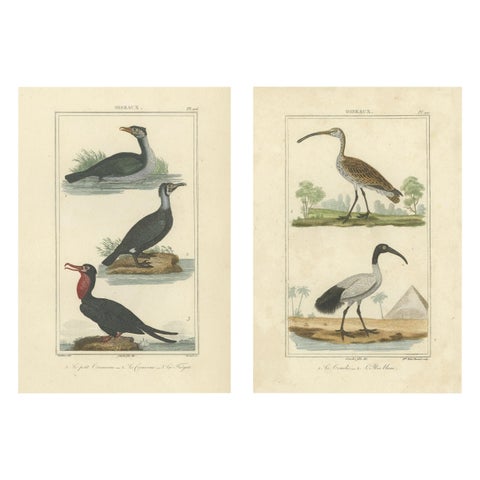
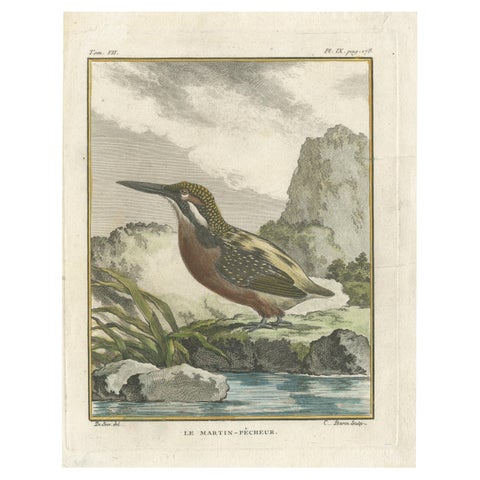
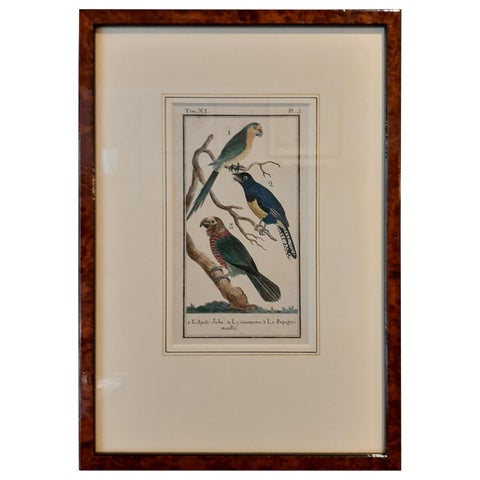
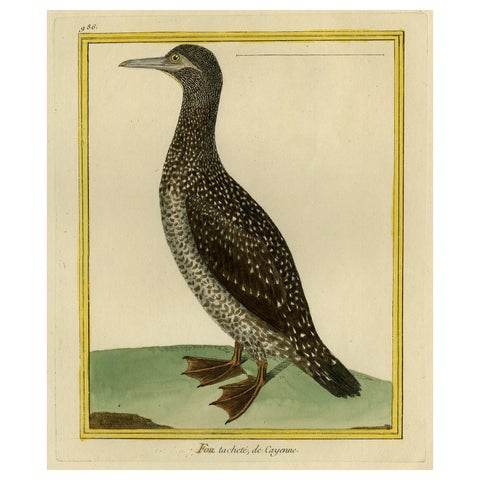
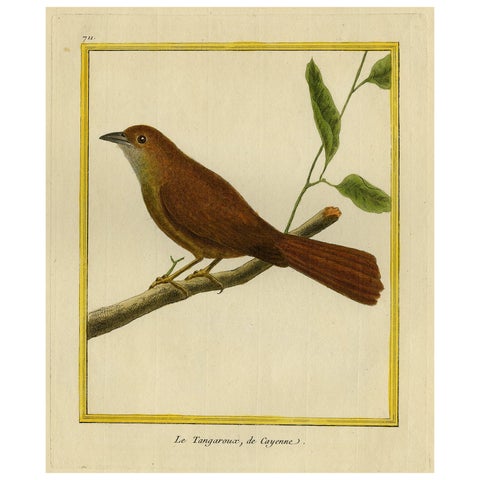
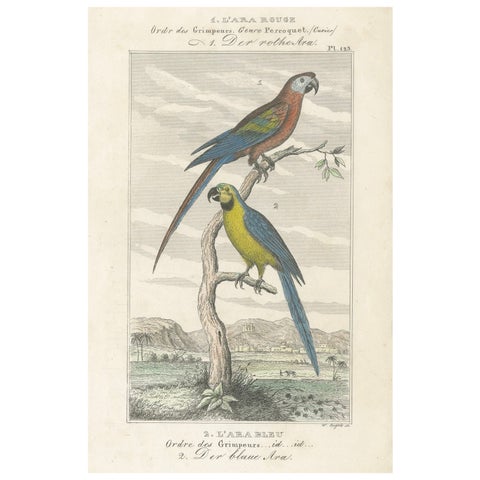
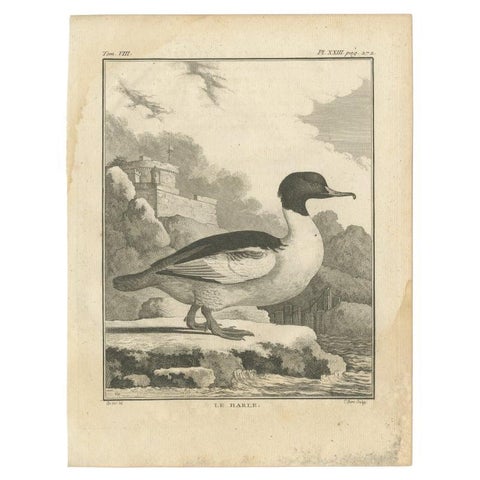
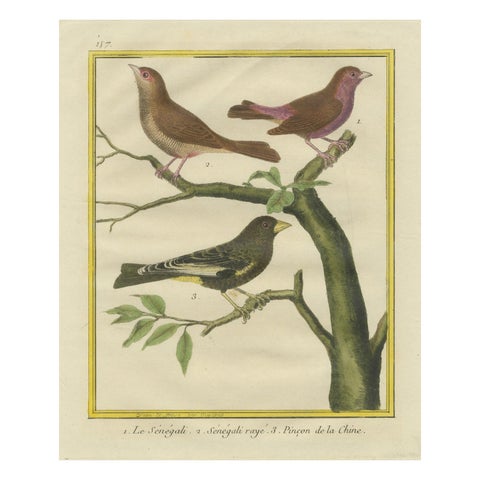
These hand-colored engravings depict various bird species from Georges-Louis Leclerc, Comte de Buffon’s monumental work Histoire Naturelle, Générale et Particulière (Natural History, General and Particular), published in the 18th century. The specific plates come from the ornithological section, Histoire Naturelle des Oiseaux, which appeared between 1770 and 1783. Buffon’s publications were among the most influential natural history works of their time, and the bird illustrations remain admired for their detail, accuracy, and elegance.
The engravings presented here are three separate plates, each showing multiple bird species in characteristic poses and naturalistic settings.
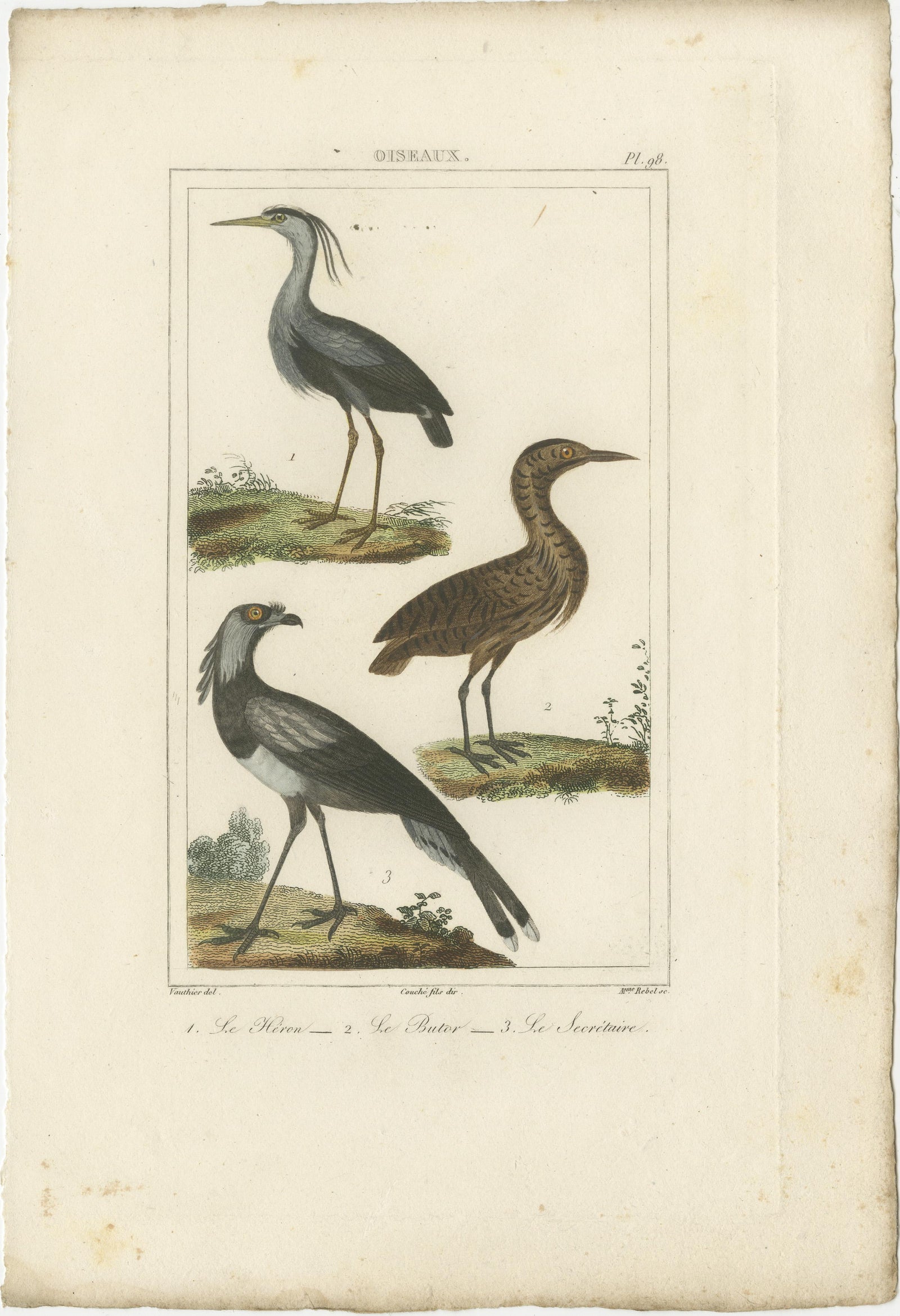
First Print (Pl. 88):
1. Le Héron (The Heron), A tall wading bird with gray plumage, long legs, and a pointed beak, shown standing near water.
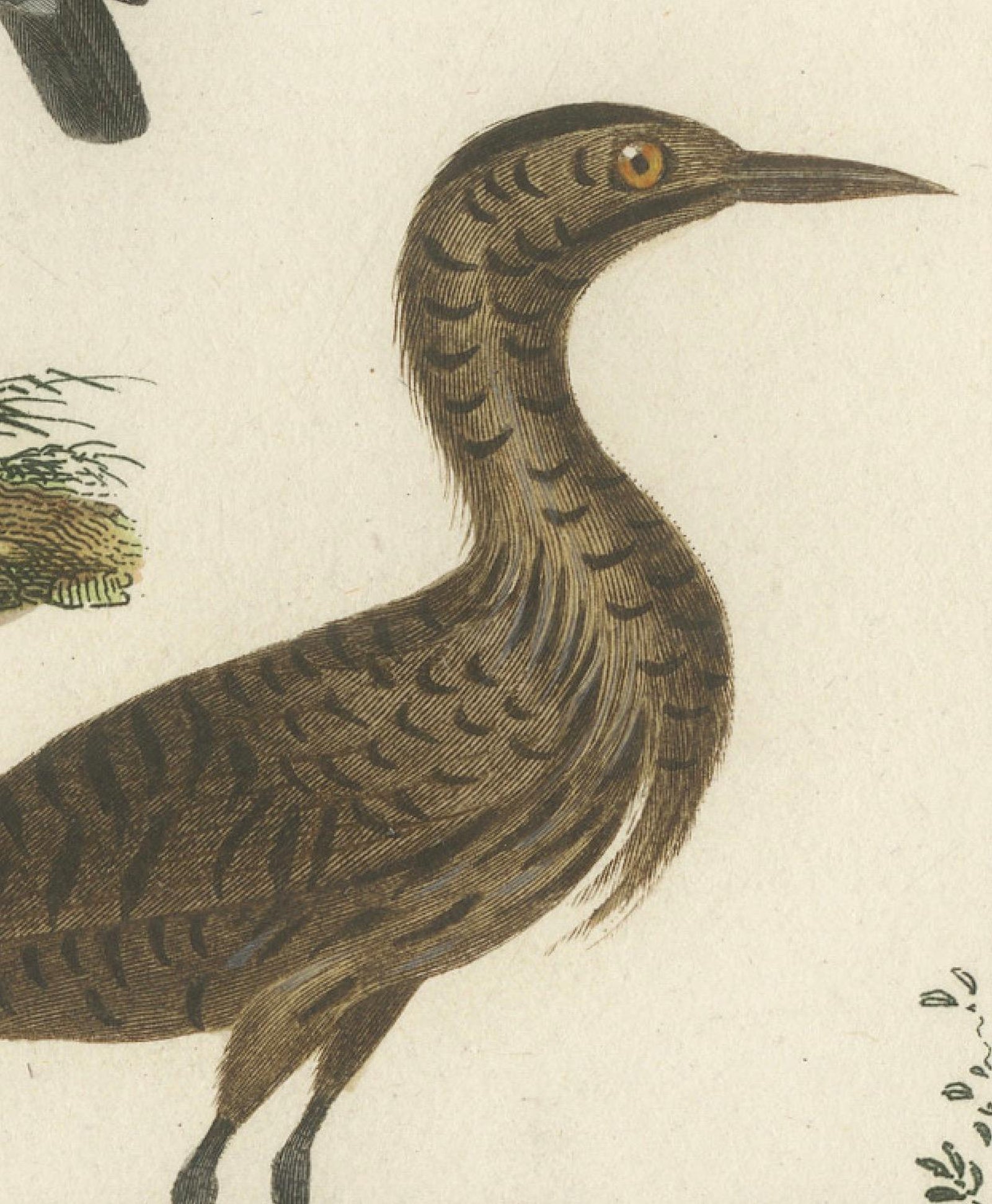
2. Le Butor (The Bittern), A stout marsh bird with brown streaked feathers, blending into reed habitats.
3. Le Secretaire (The Secretary Bird), A distinctive African raptor with crane-like legs, long tail feathers, and a head crest.
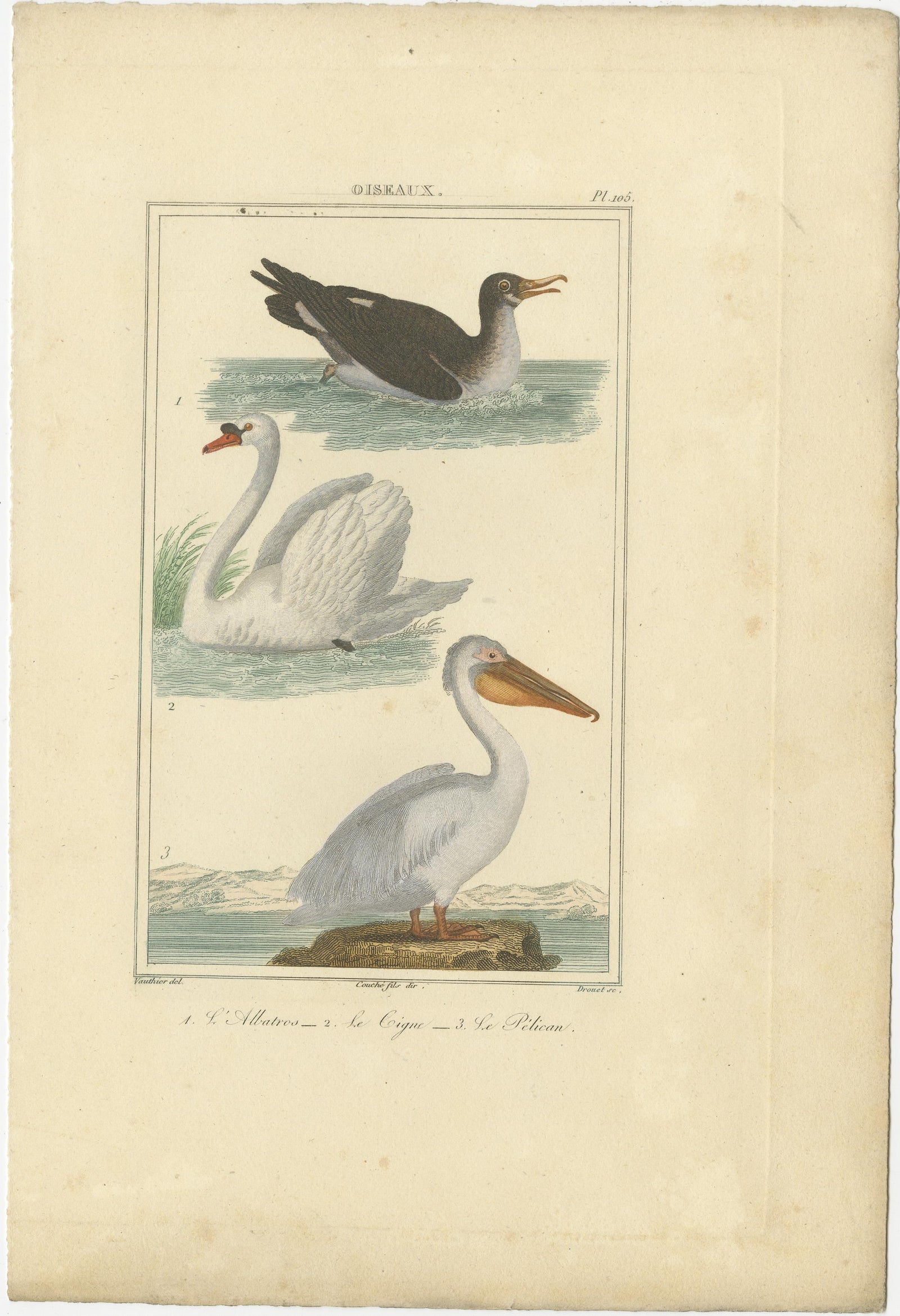
Second Print (Pl. 105):
1. L’Albatros (The Albatross), A great seabird with long wings, depicted floating at sea.
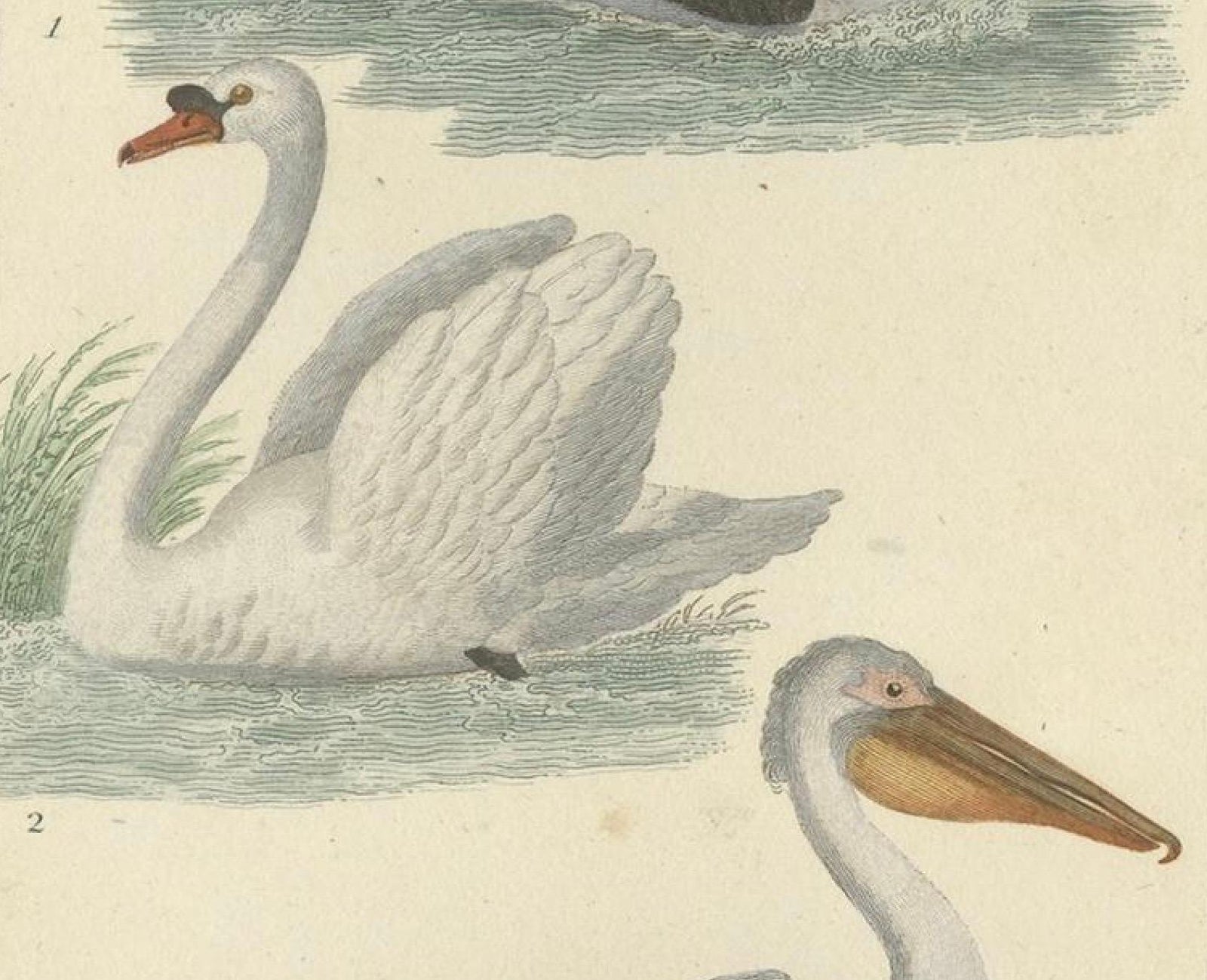
2. Le Cygne (The Swan), An elegant white swan with an orange beak, shown swimming gracefully.
3. Le Pélican (The Pelican), A large bird with its characteristic throat pouch, standing near the water’s edge.
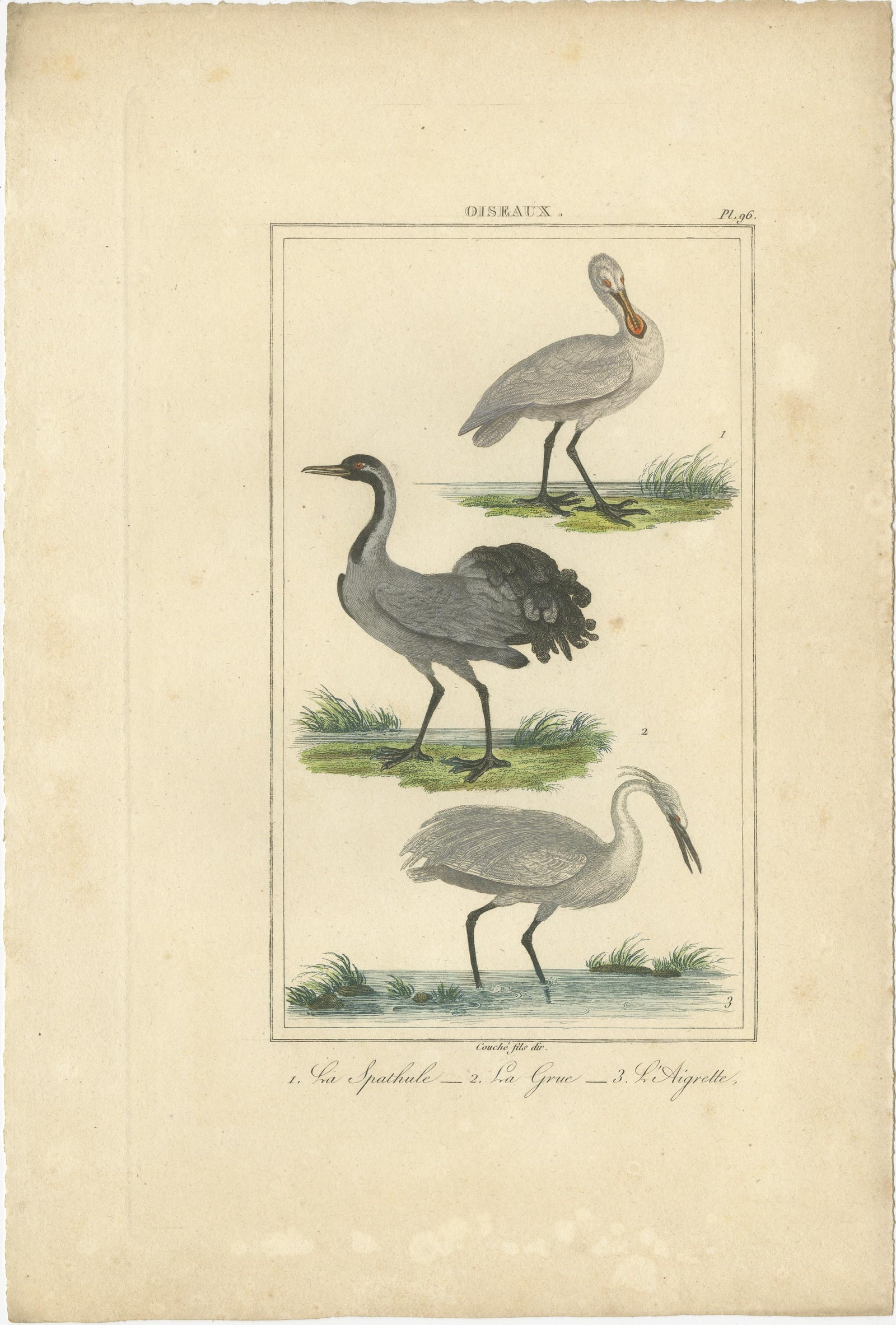
Third Print (Pl. 96):
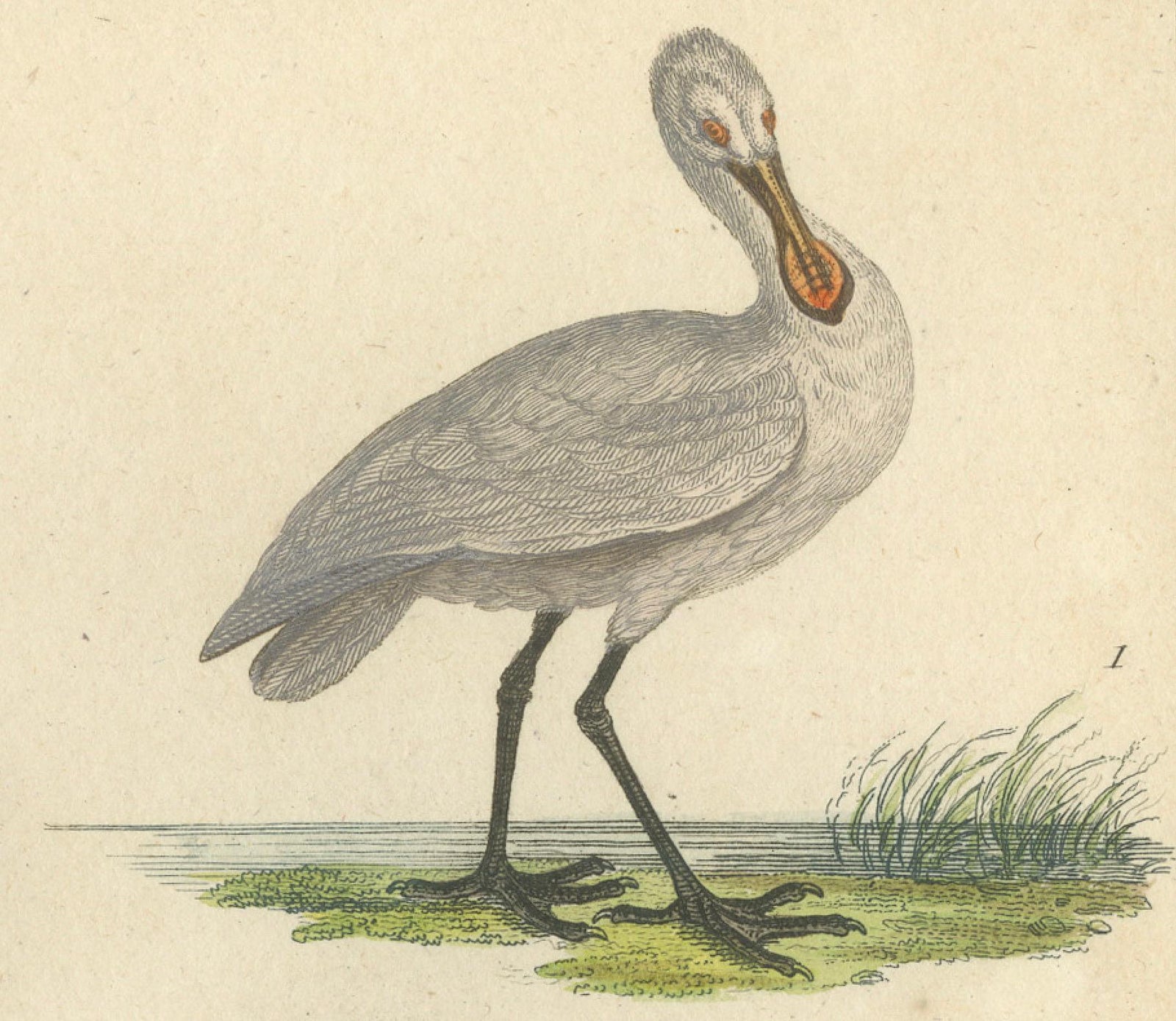
1. La Spatule (The Spoonbill), Recognizable by its flat, spoon-shaped bill, with pale plumage.
2. La Grue (The Crane), A tall gray bird with black wing tips and a red crown.
3. L’Aigrette (The Egret), A slender white bird with plumes, standing by the water.
Each species is carefully rendered to reflect both its anatomy and typical environment. Herons, bitterns, cranes, spoonbills, and egrets are marshland and wetland birds, while swans and pelicans inhabit freshwater lakes and coastal areas. The albatross is a truly oceanic bird, while the secretary bird is unique to African grasslands. Together, these engravings provide a wide overview of birdlife across continents, highlighting Buffon’s ambition to present a comprehensive survey of natural history.
The publication of Histoire Naturelle marked a turning point in scientific illustration, combining artistic skill with zoological study. These bird prints remain highly collectible for their beauty, their historical importance, and their role in the development of ornithology.
Framing tips: A double mat with a soft cream or light ivory tone will enhance the delicate hand coloring, while a classic gilt or dark wood frame provides a timeless finish. For a more natural look, a walnut or oak frame can bring out the earthy tones in the birds and landscapes.
Technique: Hand-colored engraving
Maker: Georges-Louis Leclerc, Comte de Buffon, France, 1770–1783