Close-ups
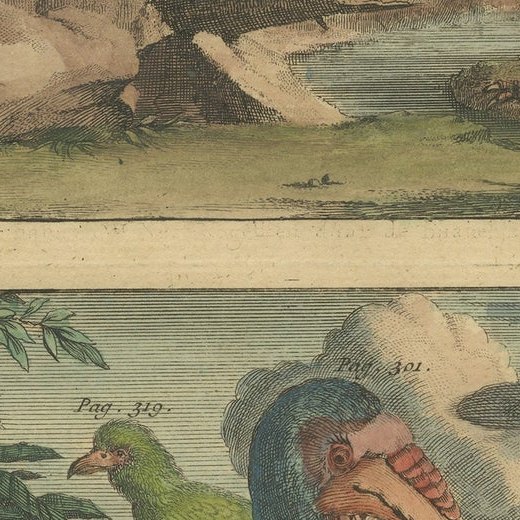
Framed and on the wall
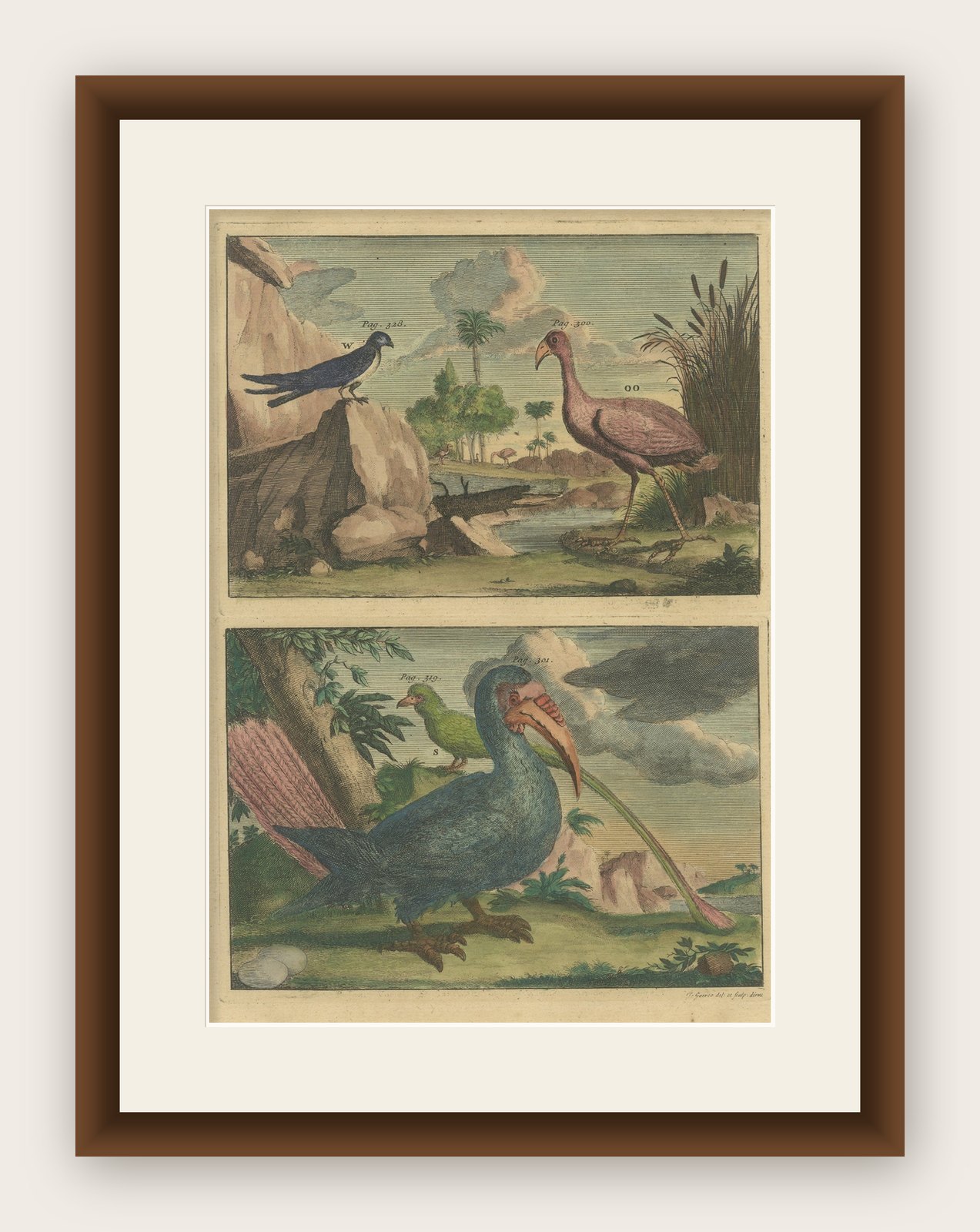

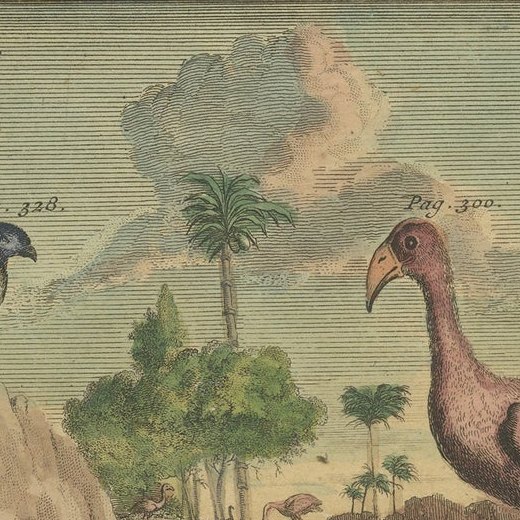
Frame and rooms are illustrations of how the print could look; the description says what is included.
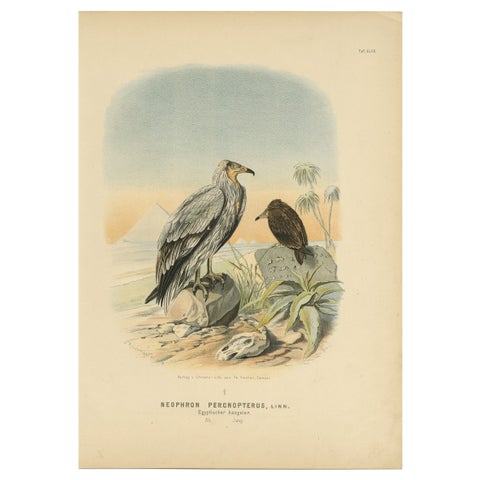
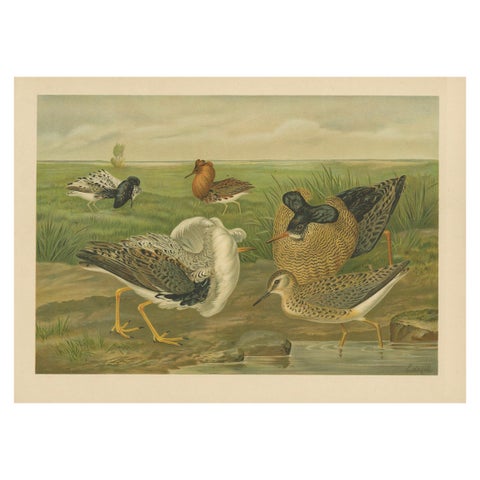
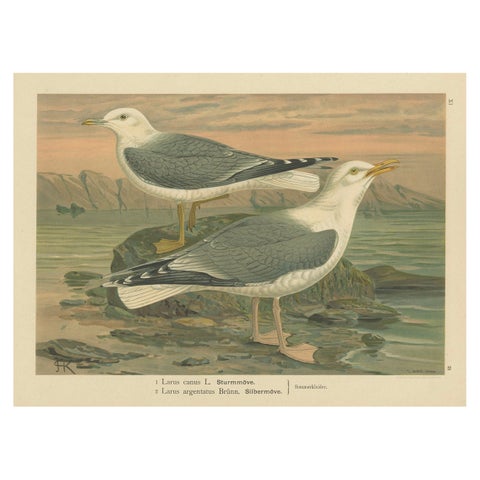
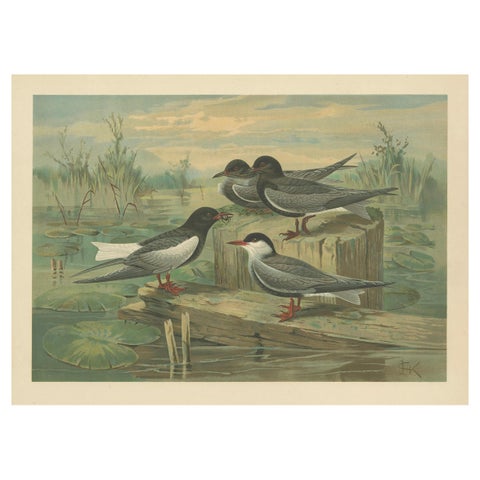
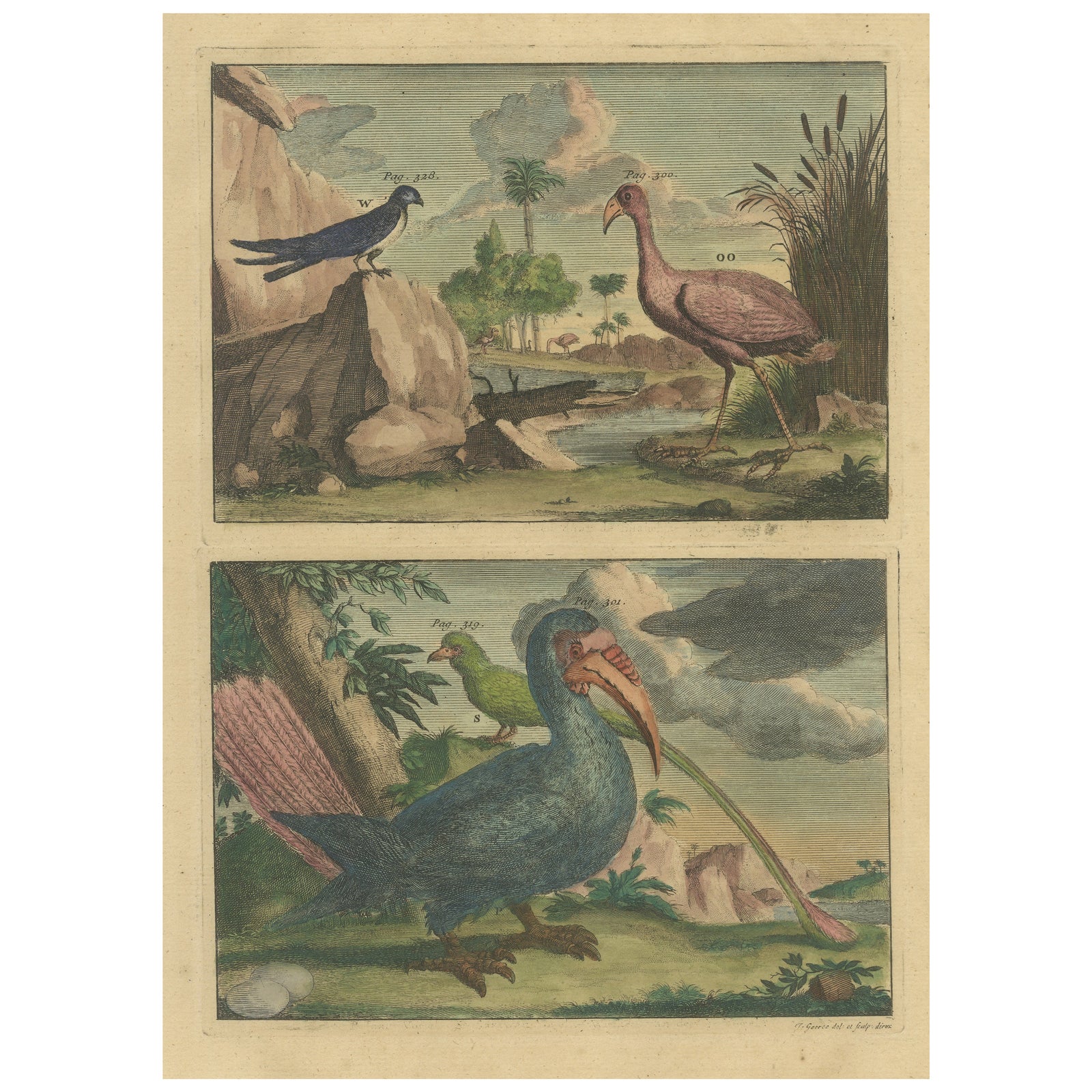
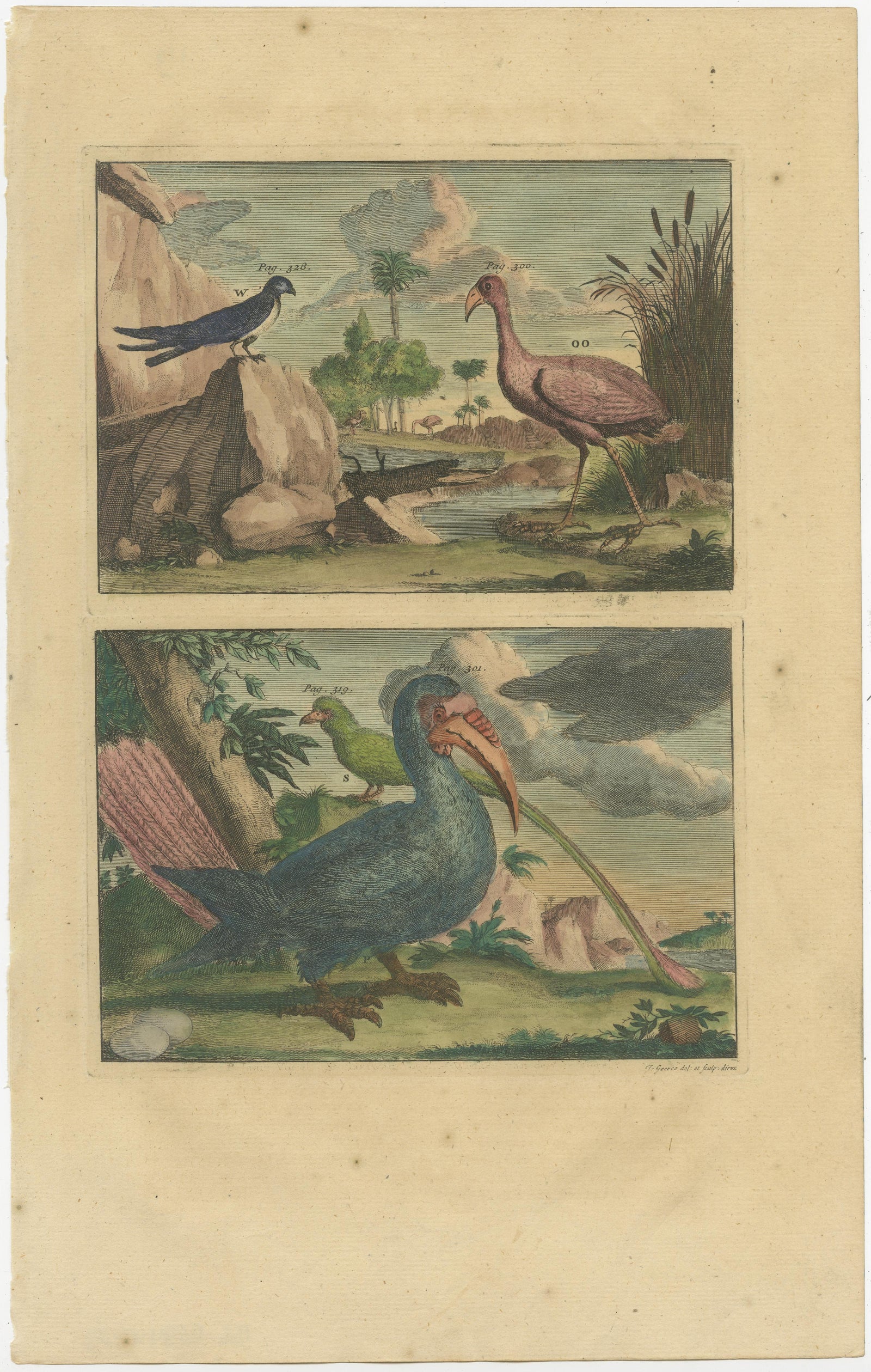
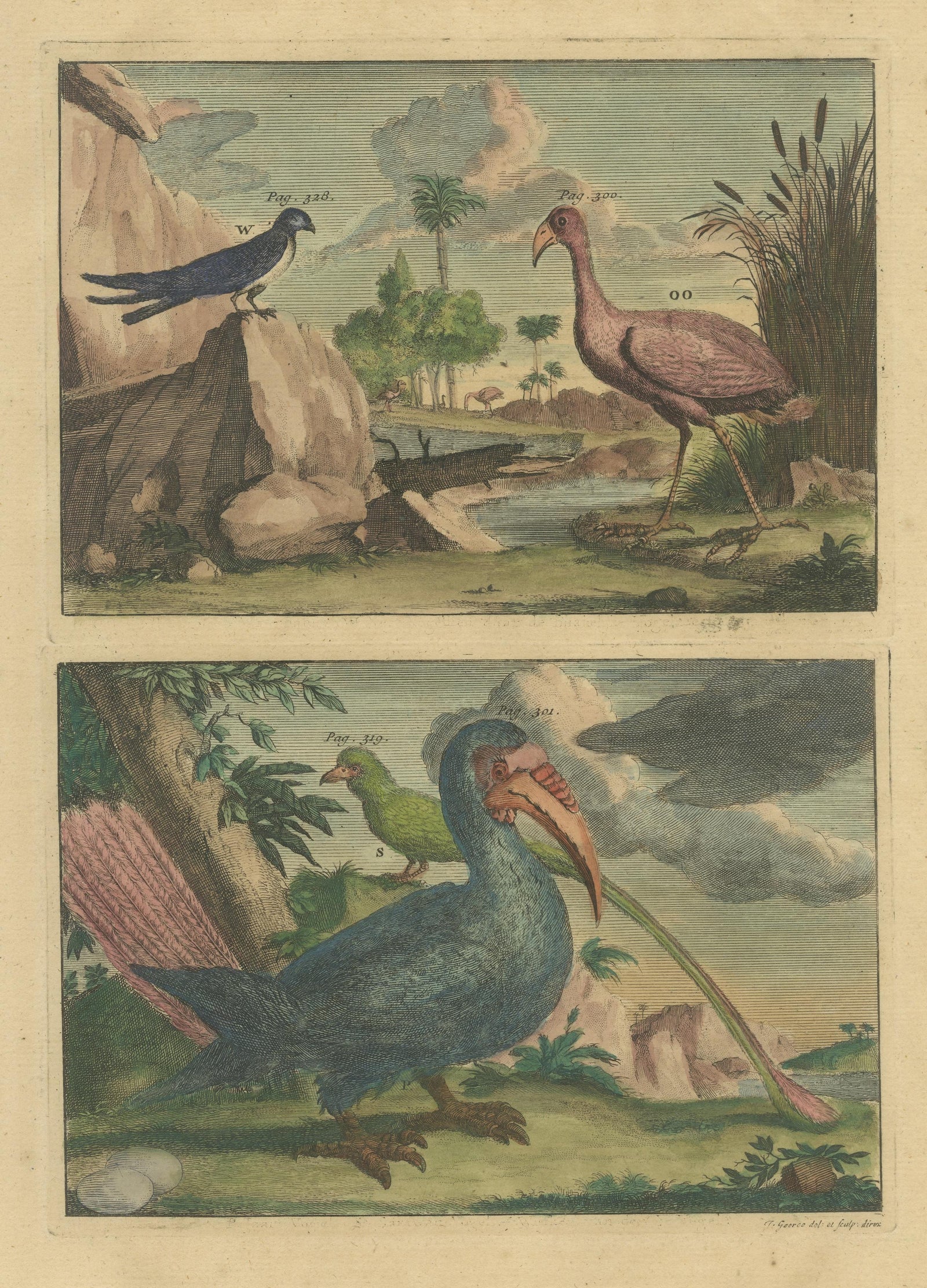
Colored Antique Print of a Swallow, Kingfisher and other Birds of Indonesia
$580 (£440, €520)
Period original, not a reproduction.
Shipped from the Netherlands, flat, insured and tracked, worldwide. Returns accepted within 14 days.
- Date
- Not stated
- Size
- 13.2 × 8.1 in (33.5 × 20.5 cm)
- Condition
- Good. Wear consistent with age and use. Later hand coloring. General age-related toning. Minor wear and soiling, blank verso. Please study image carefully.
- Section
- Birds
- Reference
- f_31336352
What the condition grades mean
- Excellent
- Bright and clean, with no faults worth mentioning.
- Very good
- Only light signs of age, such as faint toning.
- Good
- Normal signs of age for a sheet of this period: toning, some foxing, small marks or neat old repairs.
- Fair
- Clear faults such as staining, tears or repairs, priced to match.
Every fault we see is written in the condition note, and the whole sheet is shown uncropped in the photos.
This print depicts various birds, native to South East Asia/Indonesia; OO: Waterpaeuw / Bintapoe / black-backed swamphen (Porphyrio indicus), W: swallow, S: Hitoe Sariwan / female kingfisher, P: Kazuwaris etc. François Valentyn or Valentijn (17 April 1666, 6 August 1727) was a Dutch Calvinist minister, naturalist and author whose Oud en Nieuw Oost-Indiën ("Old and New East-India") describes the history of the Dutch East India Company while also making notes on geography, ethnography, and natural history; half is about the Moluccas.
In total, Valentyn lived in the East Indies 16 years. Valentyn was first employed by the V.O.C. (Vereenigde Oost-Indische Compagnie) at the age of 19 as minister to the East Indies, where he became a friend of the German naturalist Georg Eberhard Rumpf (Rumphius). He returned and lived in Holland for about ten years before returning to the Indies in 1705 where he was to serve as army chaplain on an expedition in eastern Java. He finally returned to Dordrecht where he found time to write his Oud en Nieuw Oost-Indiën (1724–26) a massive work of five parts published in eight volumes and containing 1,200 engraved illustrations and some of the most accurate maps of the Indies of the time.