Framed and on the wall
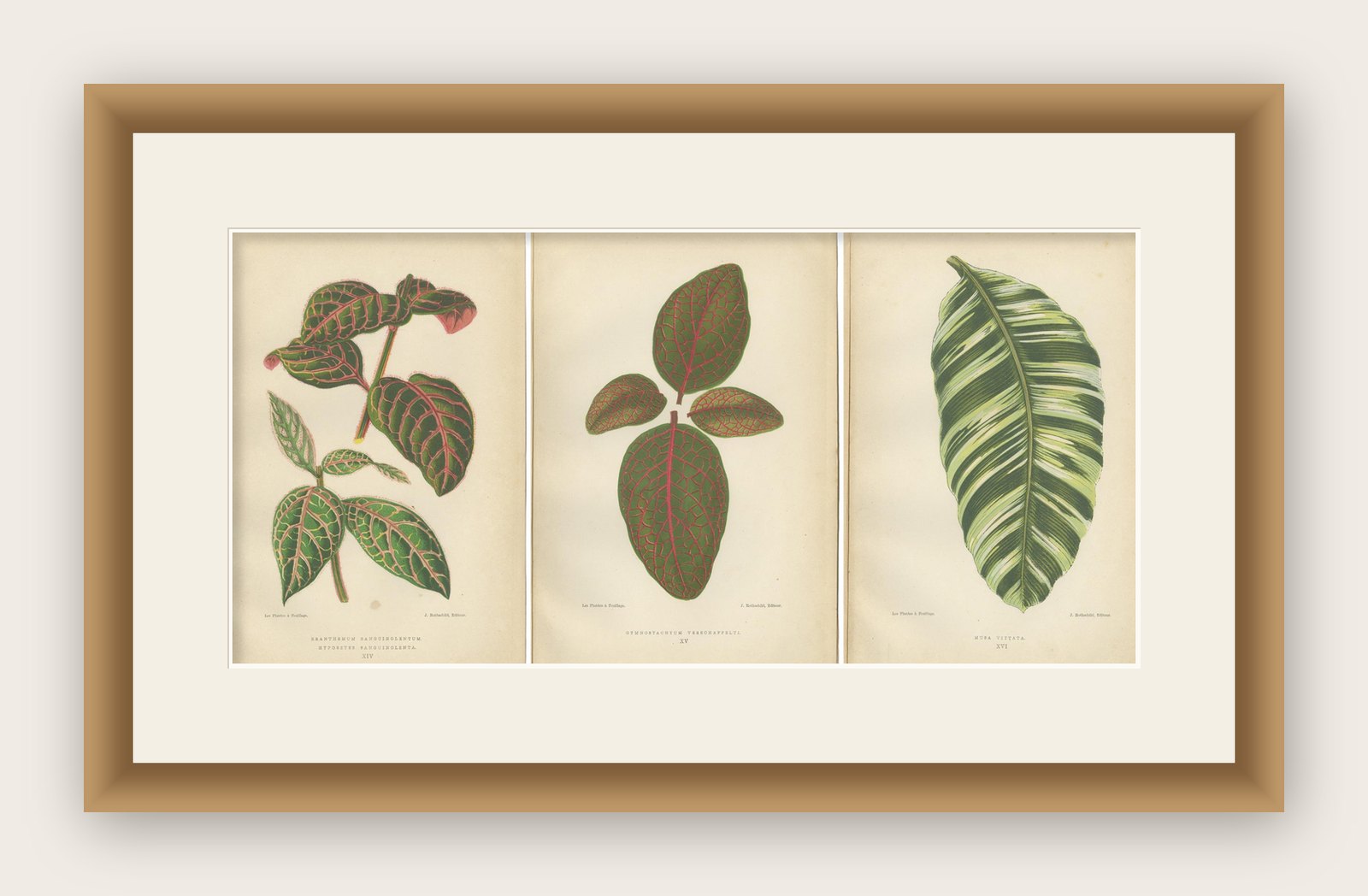

Frame and rooms are illustrations of how the print could look; the description says what is included.
Botanical Elegance: Masterpieces of Victorian Horticulture, Published in 1880
$270 (£205, €240)
Period original, not a reproduction.
Shipped from the Netherlands, flat, insured and tracked, worldwide. Returns accepted within 14 days.
- Date
- 1880
- Size
- 10.6 × 7.1 in (27 × 18 cm)
- Condition
- Good. Given age. General age-related toning and/or occasional minor defects from handling. Please study scan carefully. Comes with protective sheet and text sheet in French.
- Period
- Late 19th century
- Section
- Botanical
- Reference
- f_38830622
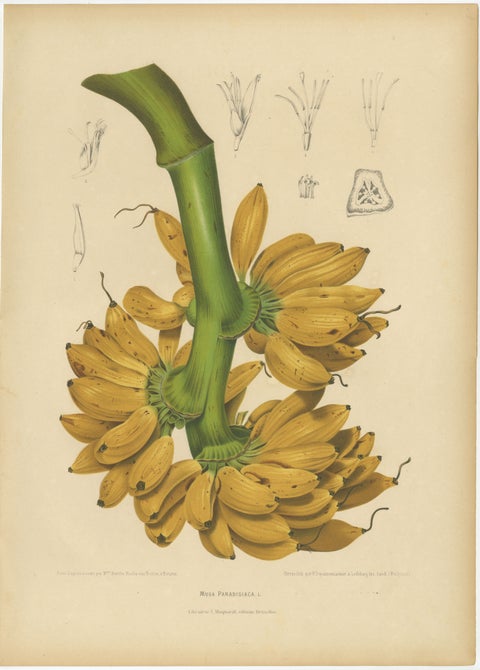
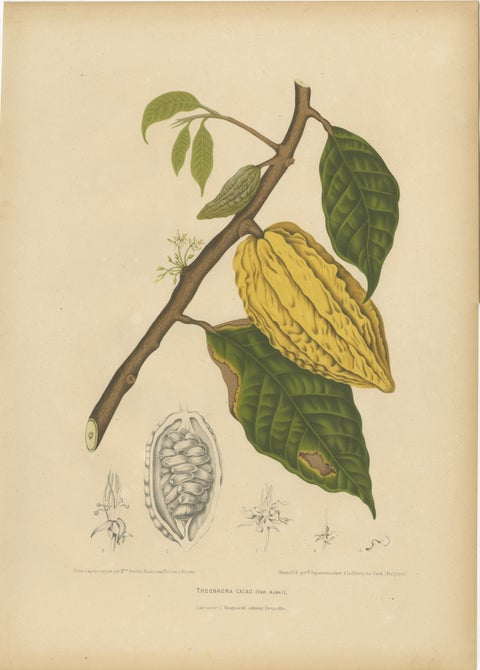
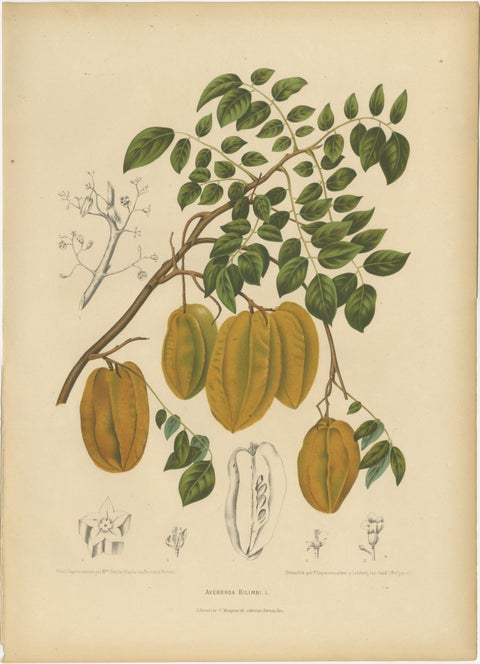
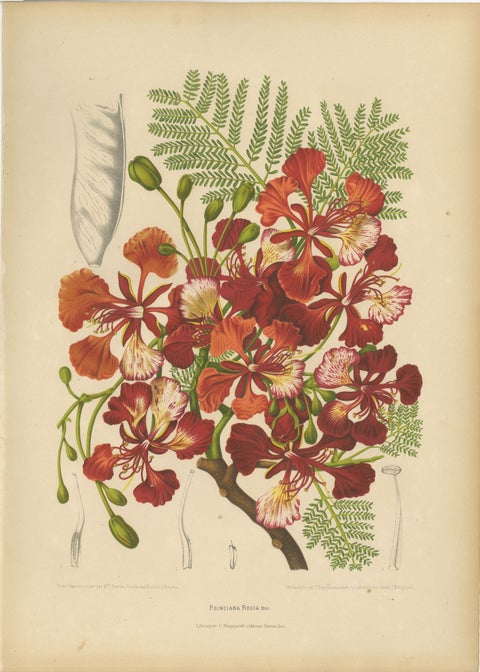
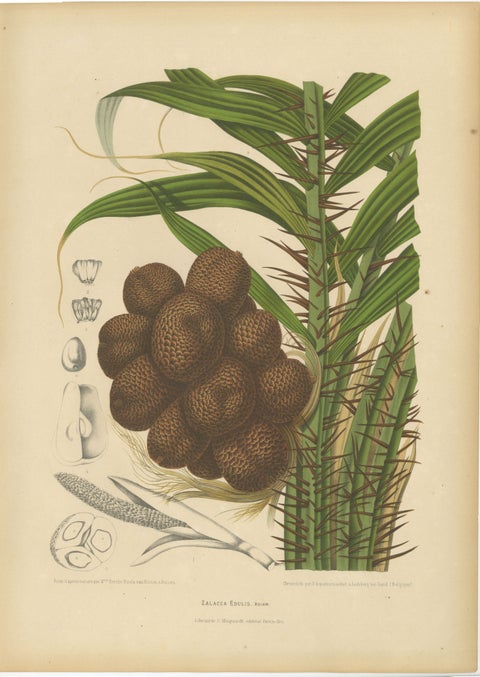
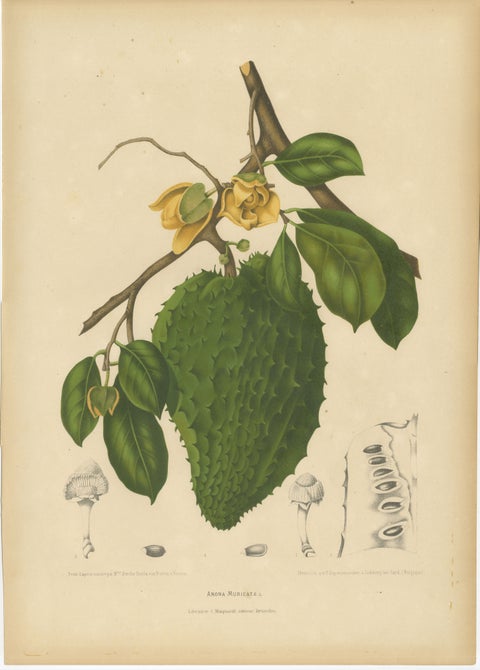
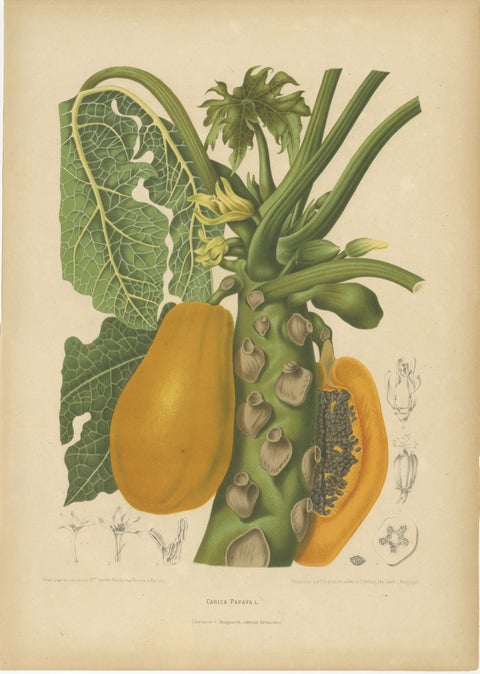
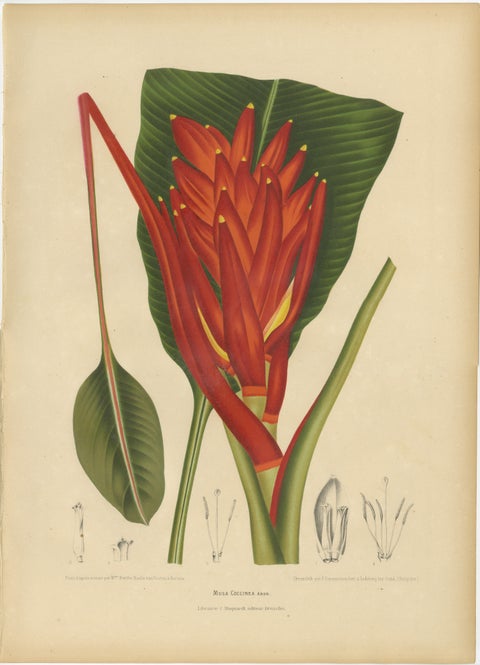
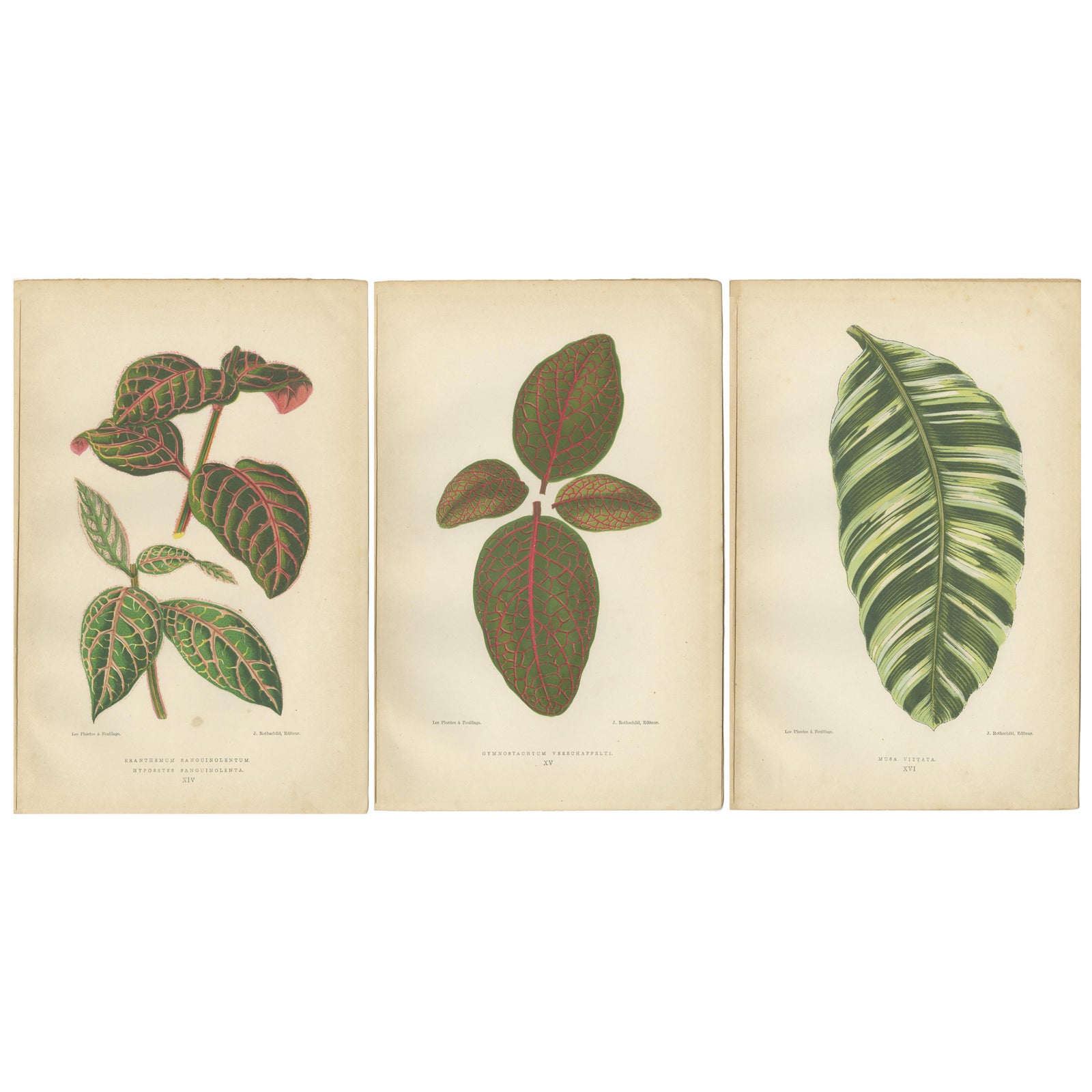
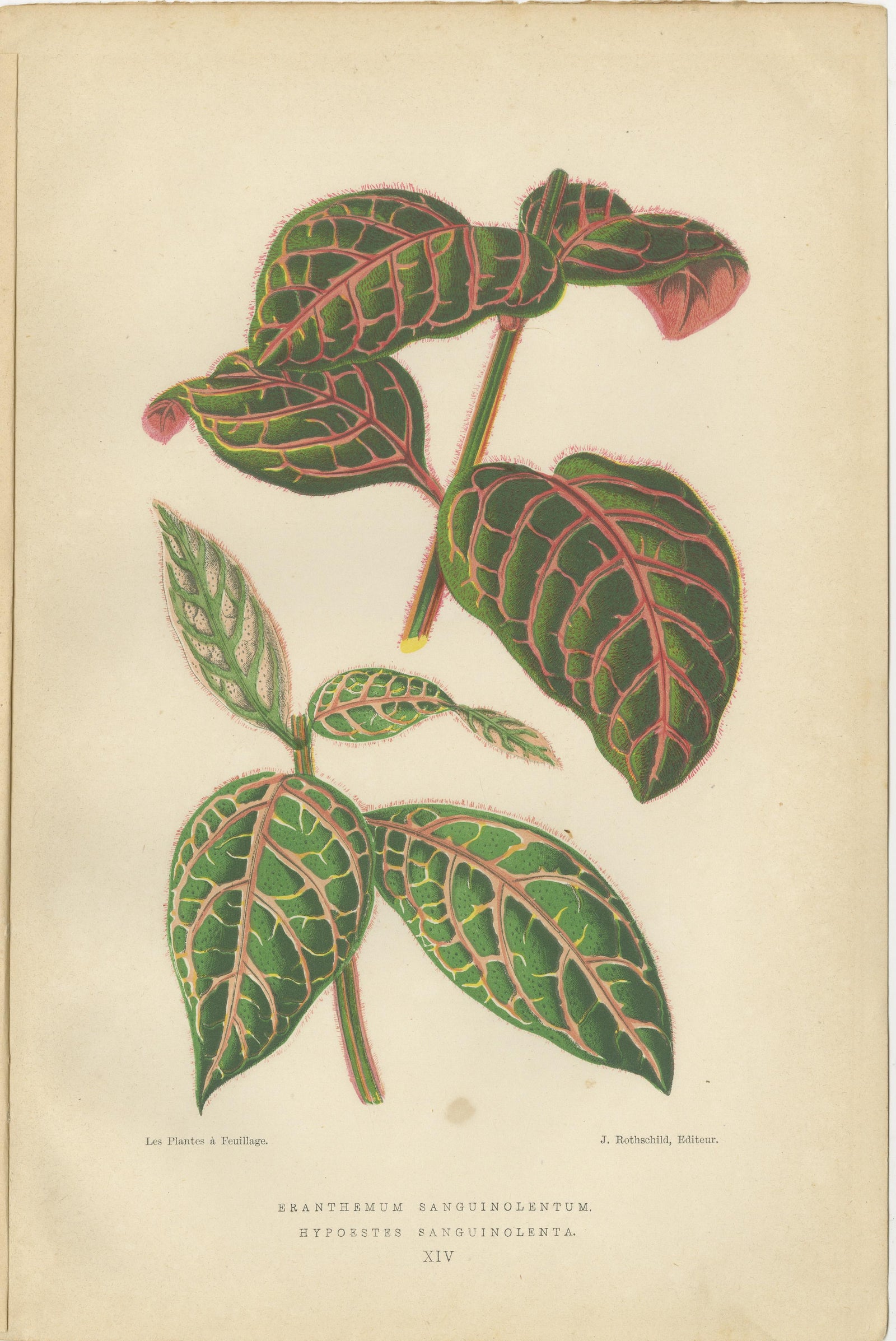
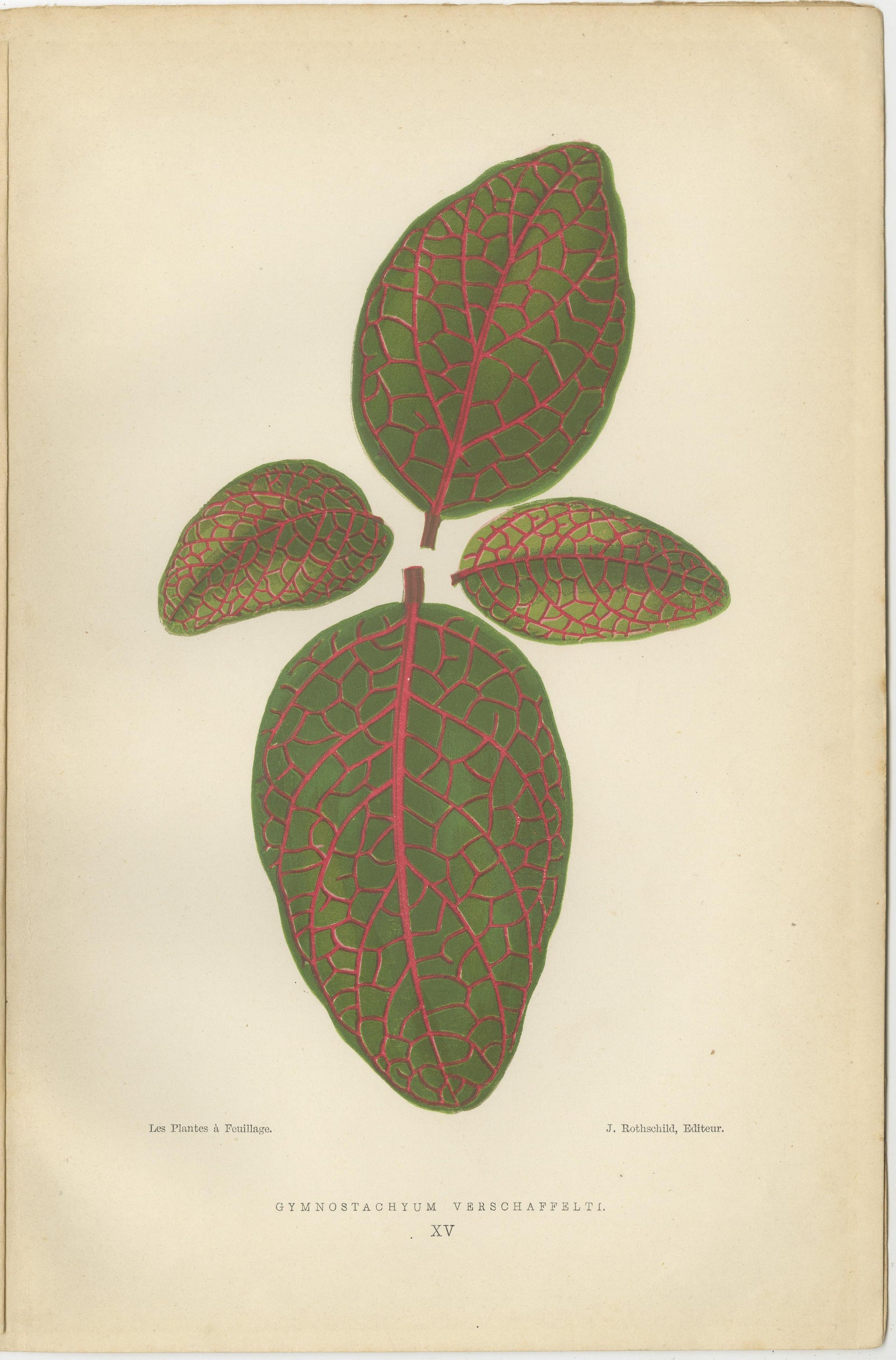
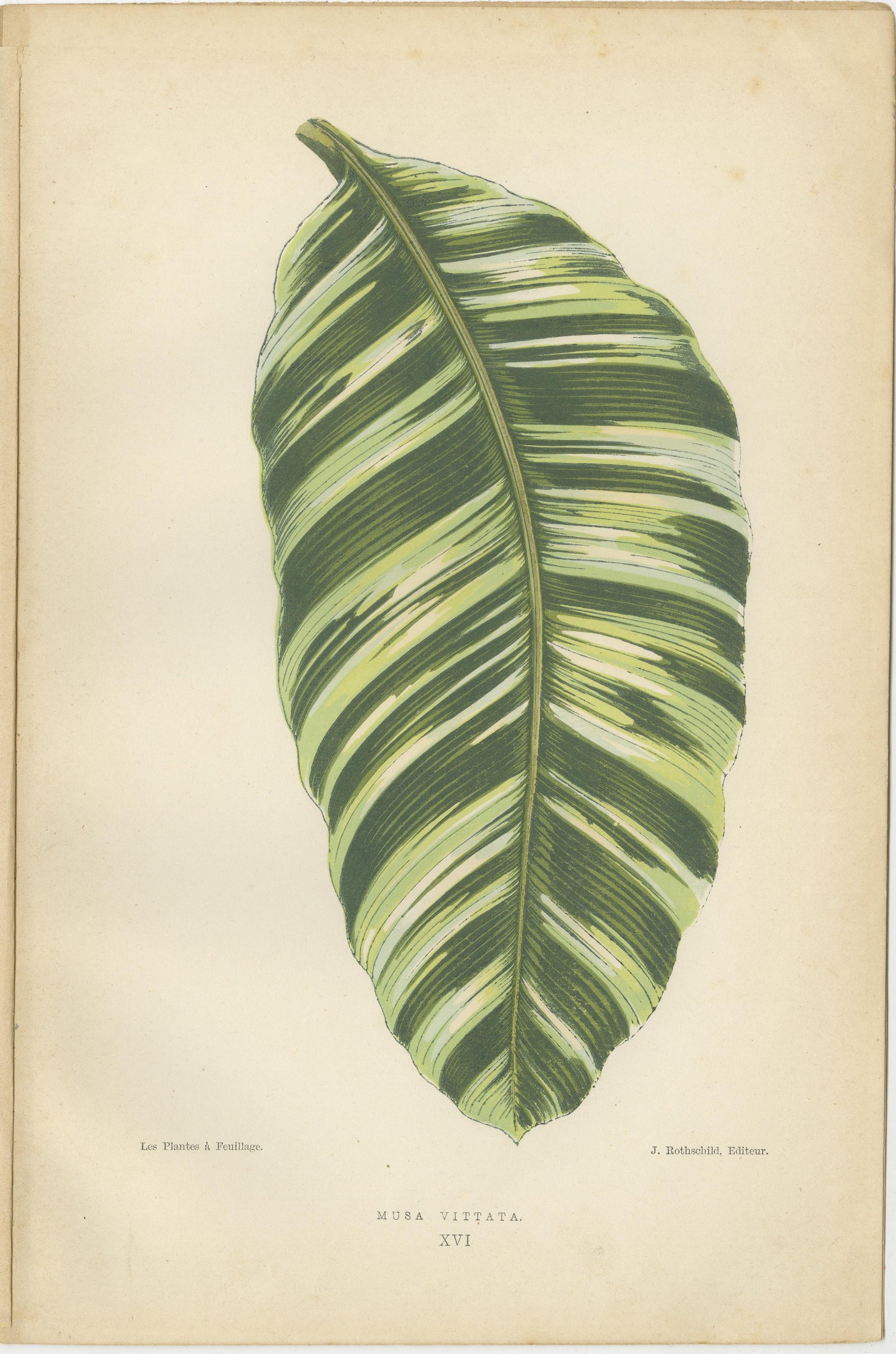
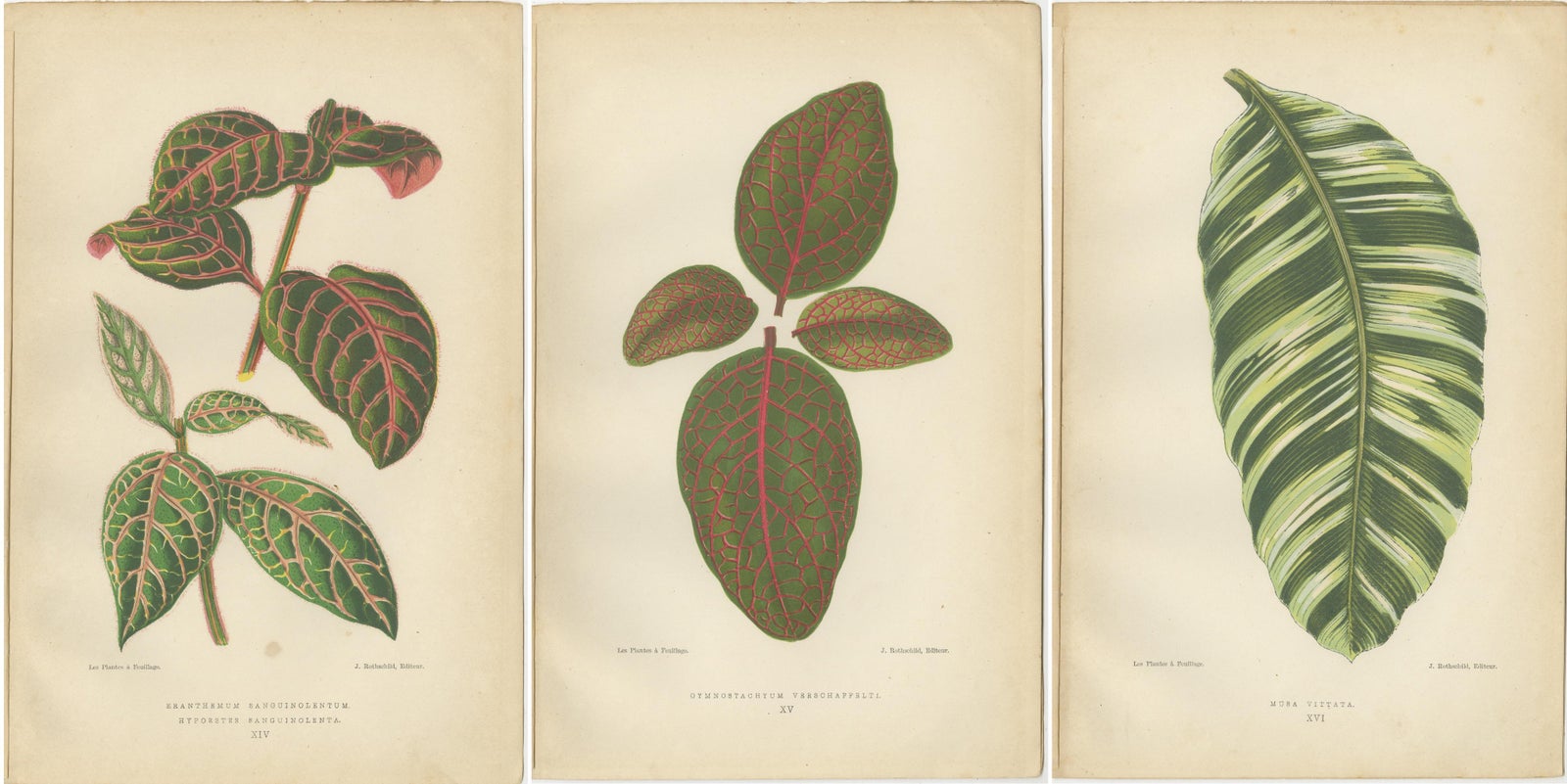
The decorative original antique prints are the second volume of "Les Plantes à Feuillage Coloré", published in Paris in 1880 by J. Rothschild, editor. These images are finely detailed botanical illustrations, likely lithographs, which were a common method for creating such prints at that time.
1. The first print depicts "Eranthemum Sanguinolentum" or "Hypoestes Sanguinolenta", now commonly known as the polka dot plant. It features a group of leaves with a rich green base color and vivid pink to red veining and spots, creating a striking contrast.
2. The second print showcases "Gymnostachyum Verschaffeltii", which is characterized by its elongated, oval leaves. These leaves have a deep green color with prominent red or pink veins, and like the polka dot plant, the contrast between the vein color and the leaf base is quite striking.
3. The third print is of "Musa Vittata", a variety of banana plant known for its ornamental foliage. The leaf depicted is large and elongated with a strong central vein. The green leaf surface is marked with broad, parallel, variegated stripes of a lighter color, possibly white or cream.
These prints exemplify the fascination with variegated and colorful foliage that was prevalent among horticulturists and plant enthusiasts of the Victorian era. They would have been used both for scientific study and as a means to showcase the beauty and diversity of plant life to those who might not have had the chance to see such specimens alive. The detailed rendering of each leaf's texture and pattern is also indicative of the high level of craftsmanship and artistic ability of the illustrators of that period.