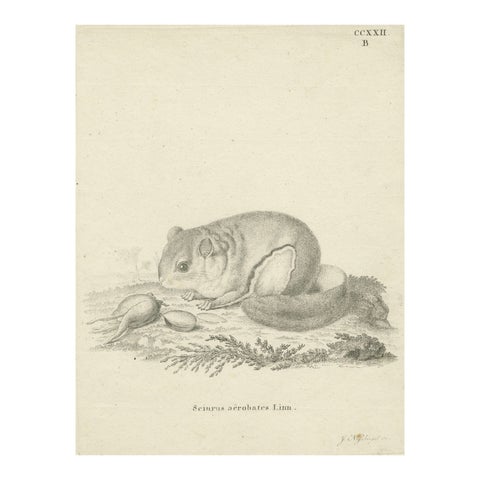
Close-ups
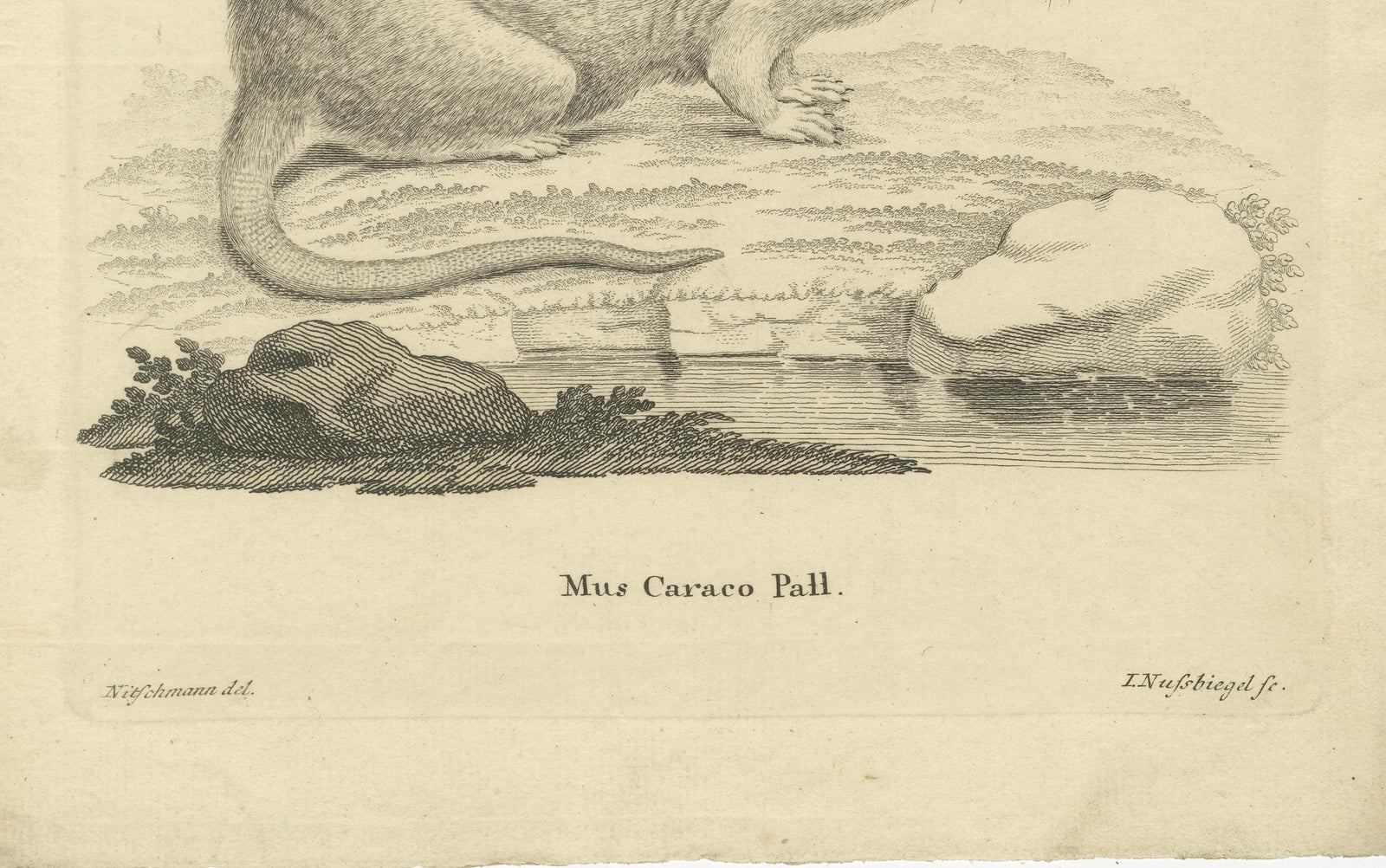
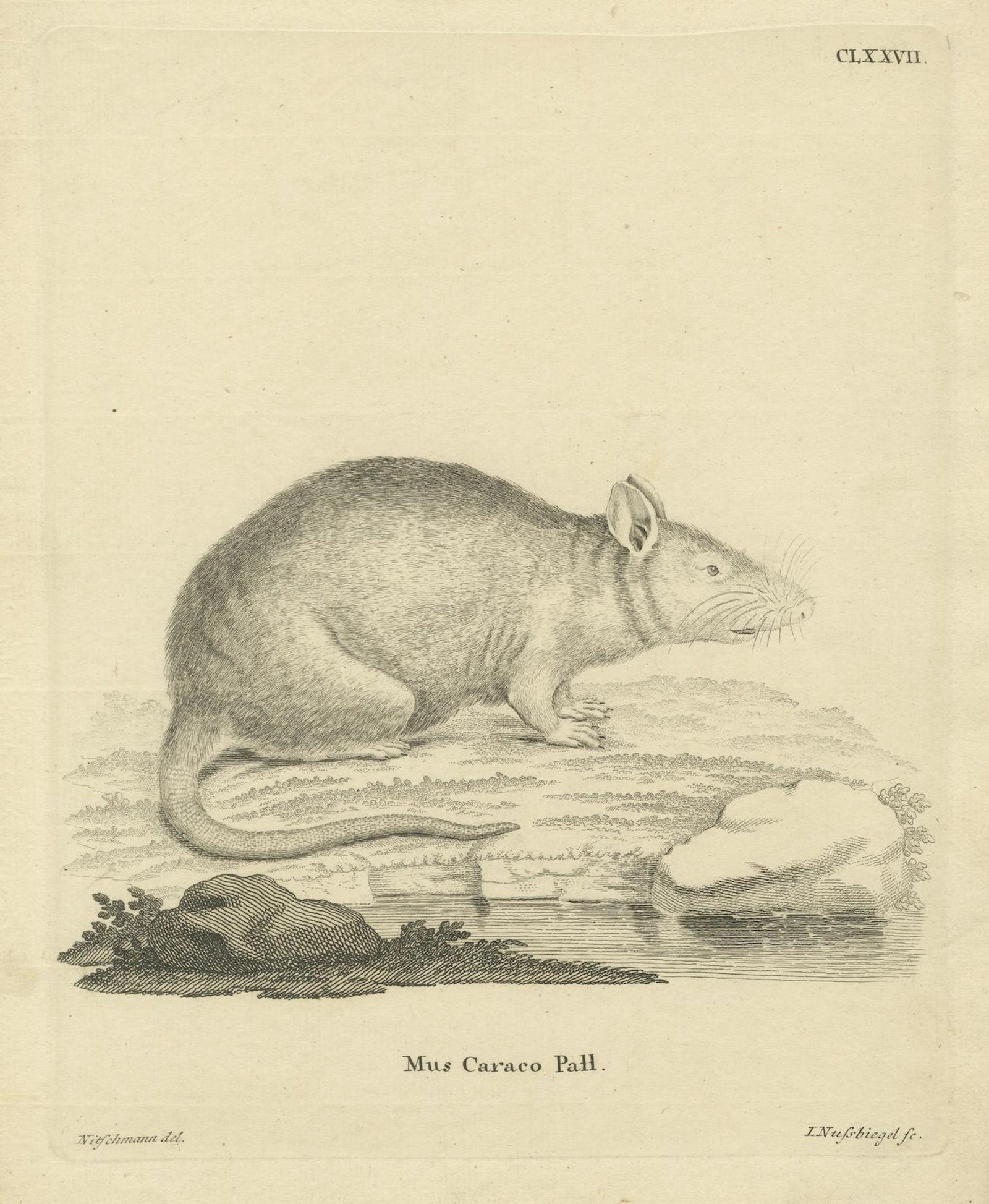

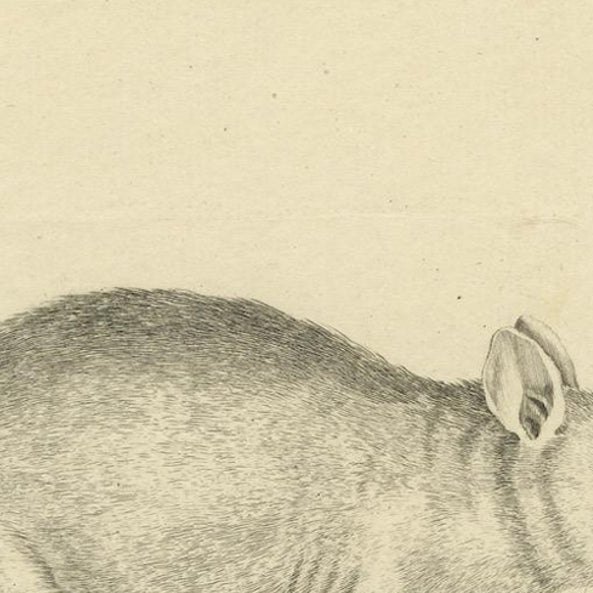
Framed and on the wall
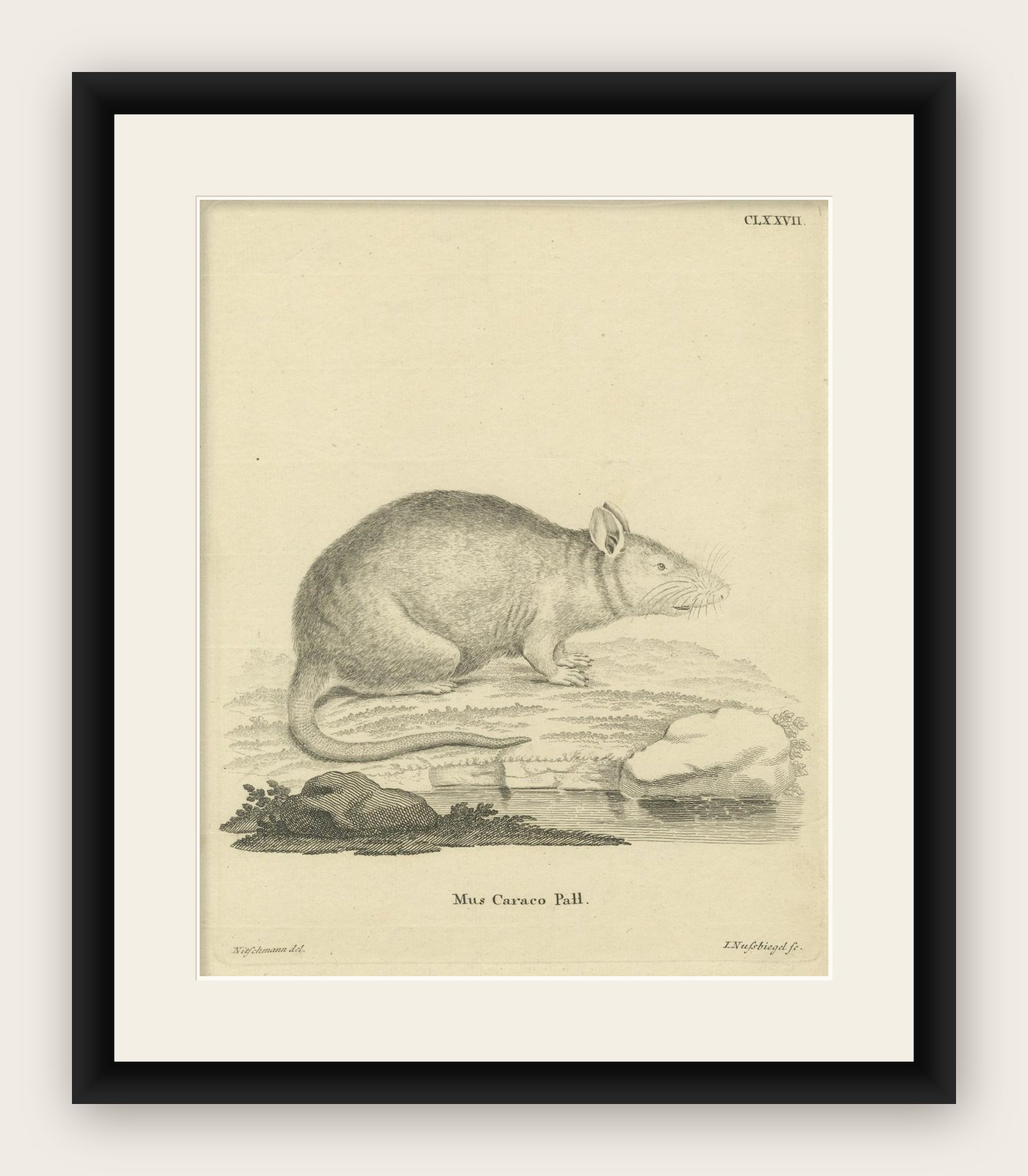
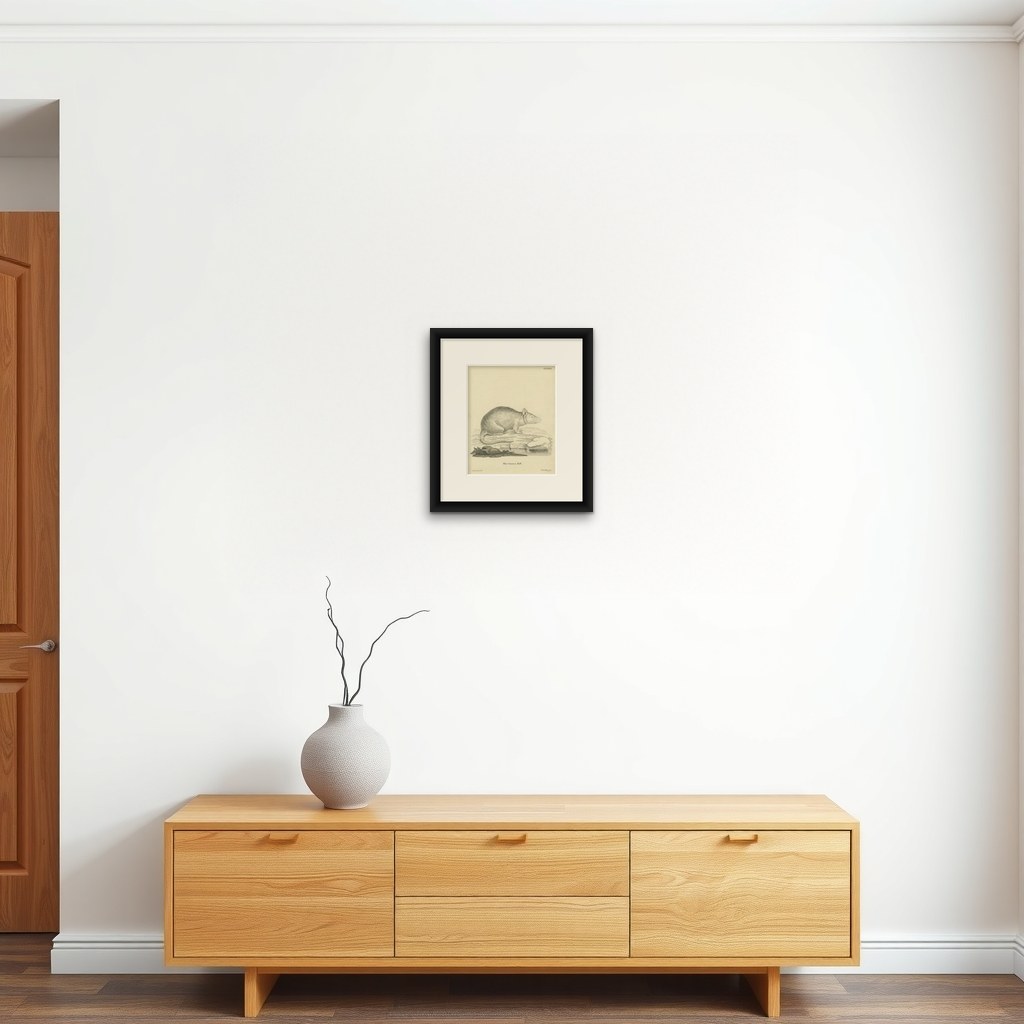

Frame and rooms are illustrations of how the print could look; the description says what is included.
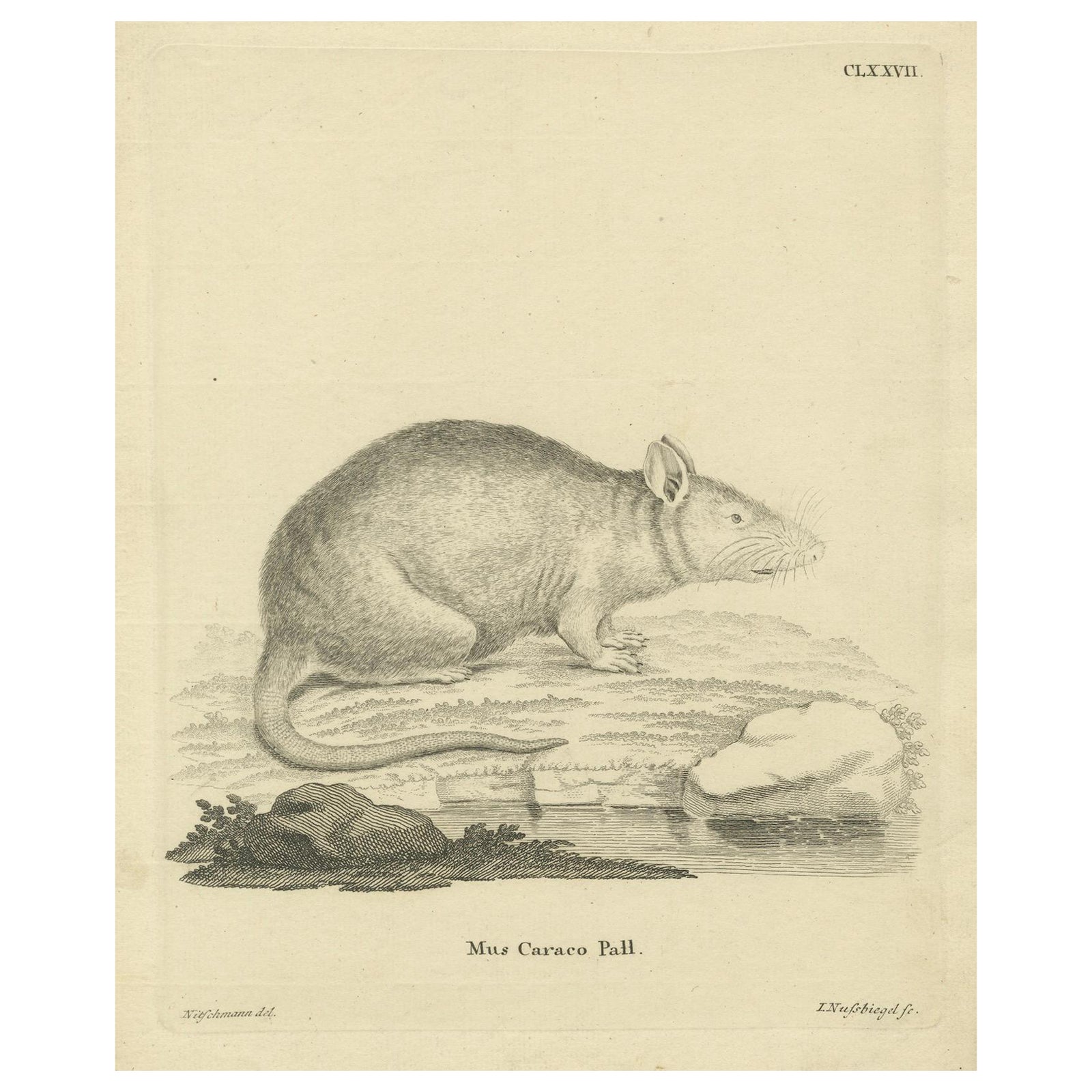
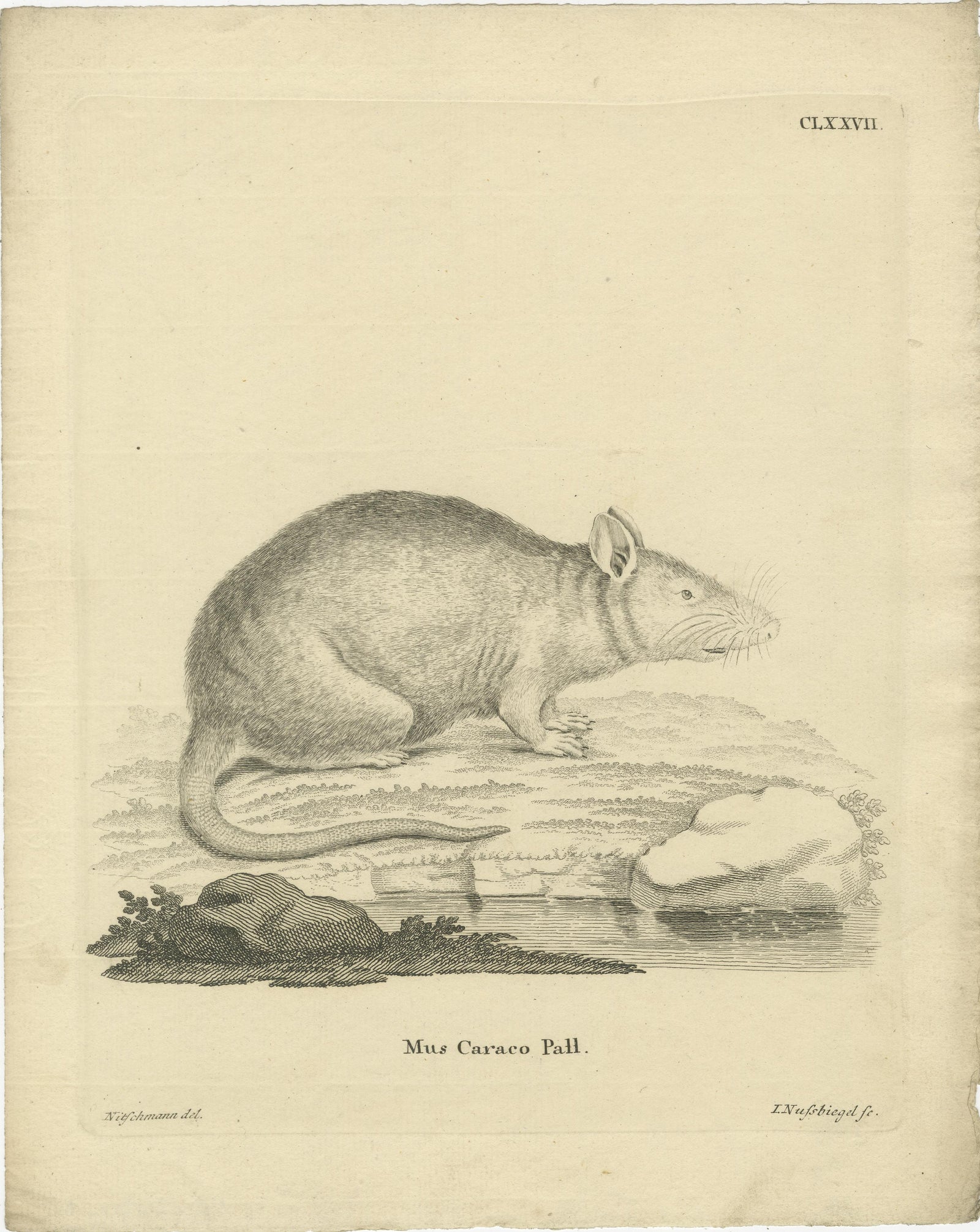
Antique Zoological Engraving of a Rodent, D.R. Nitschmann & J. Nußbiegel, c.1800
€230 ($255, £195, €230)
Period original, not a reproduction.
Shipped from the Netherlands, flat, insured and tracked, worldwide. Returns accepted within 14 days.
- Date
- 1800
- Size
- 10.4 × 8.7 in (26.5 × 22 cm)
- Condition
- Good. Good condition with mild age toning and minor handling marks consistent with age. Clean impression on laid paper with wide margins and a distinct plate mark. Slight binding traces along the left edge, otherwise well preserved.
- Period
- Early 19th century
- Section
- Mammals
- Reference
- f_46977842
What the condition grades mean
- Excellent
- Bright and clean, with no faults worth mentioning.
- Very good
- Only light signs of age, such as faint toning.
- Good
- Normal signs of age for a sheet of this period: toning, some foxing, small marks or neat old repairs.
- Fair
- Clear faults such as staining, tears or repairs, priced to match.
Every fault we see is written in the condition note, and the whole sheet is shown uncropped in the photos.
Antique Engraving of a Rodent (Mus Caraco Pall.), drawn by D.R. Nitschmann, engraved by J. Nußbiegel, circa 1800
This finely detailed natural history engraving depicts a species identified as Mus Caraco Pall., drawn by D.R. Nitschmann and engraved by Johann Nußbiegel around 1800. The work belongs to the celebrated school of late 18th- and early 19th-century German zoological illustration, where scientific accuracy and delicate artistry were combined to document the expanding knowledge of global fauna.
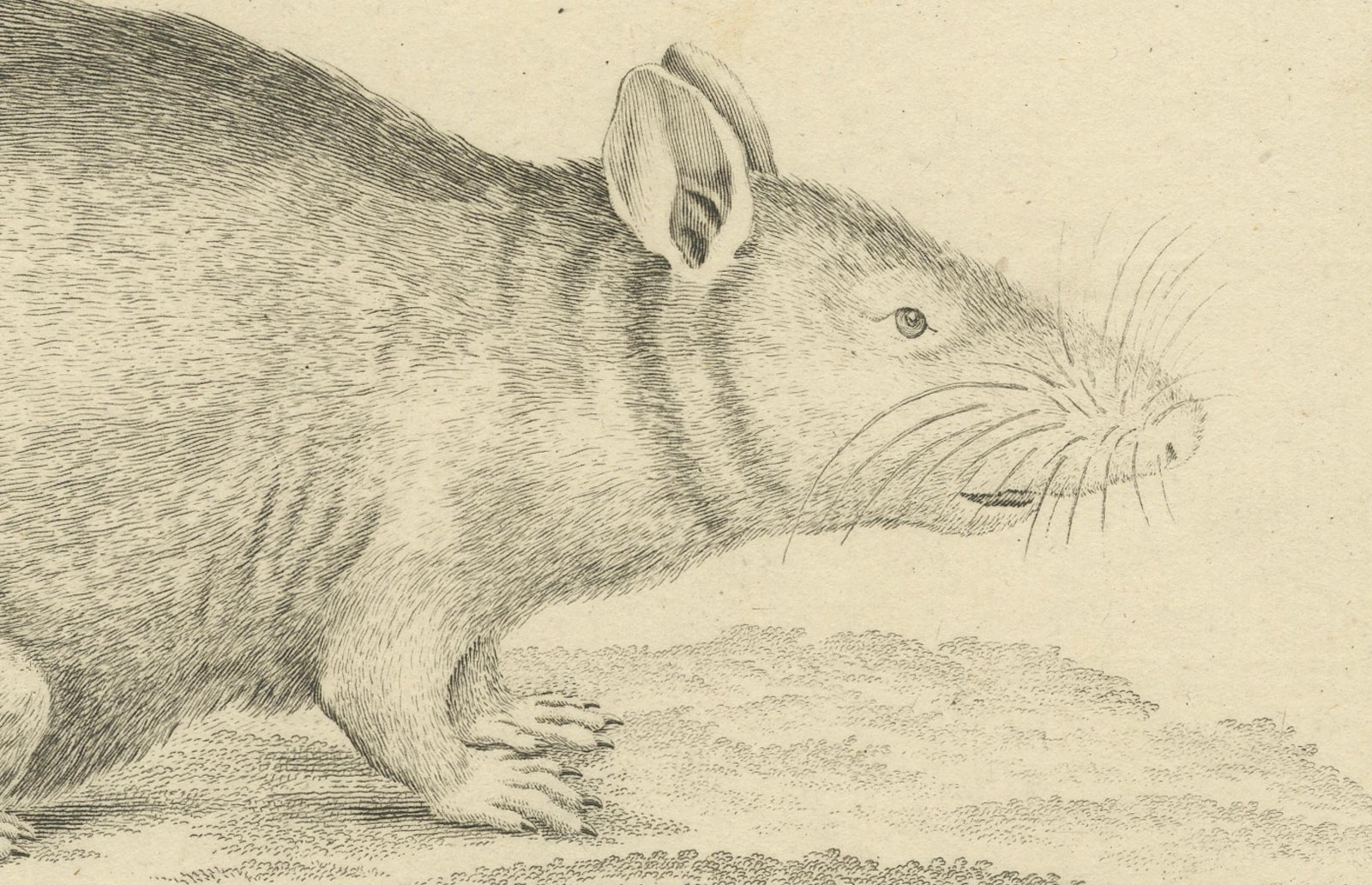
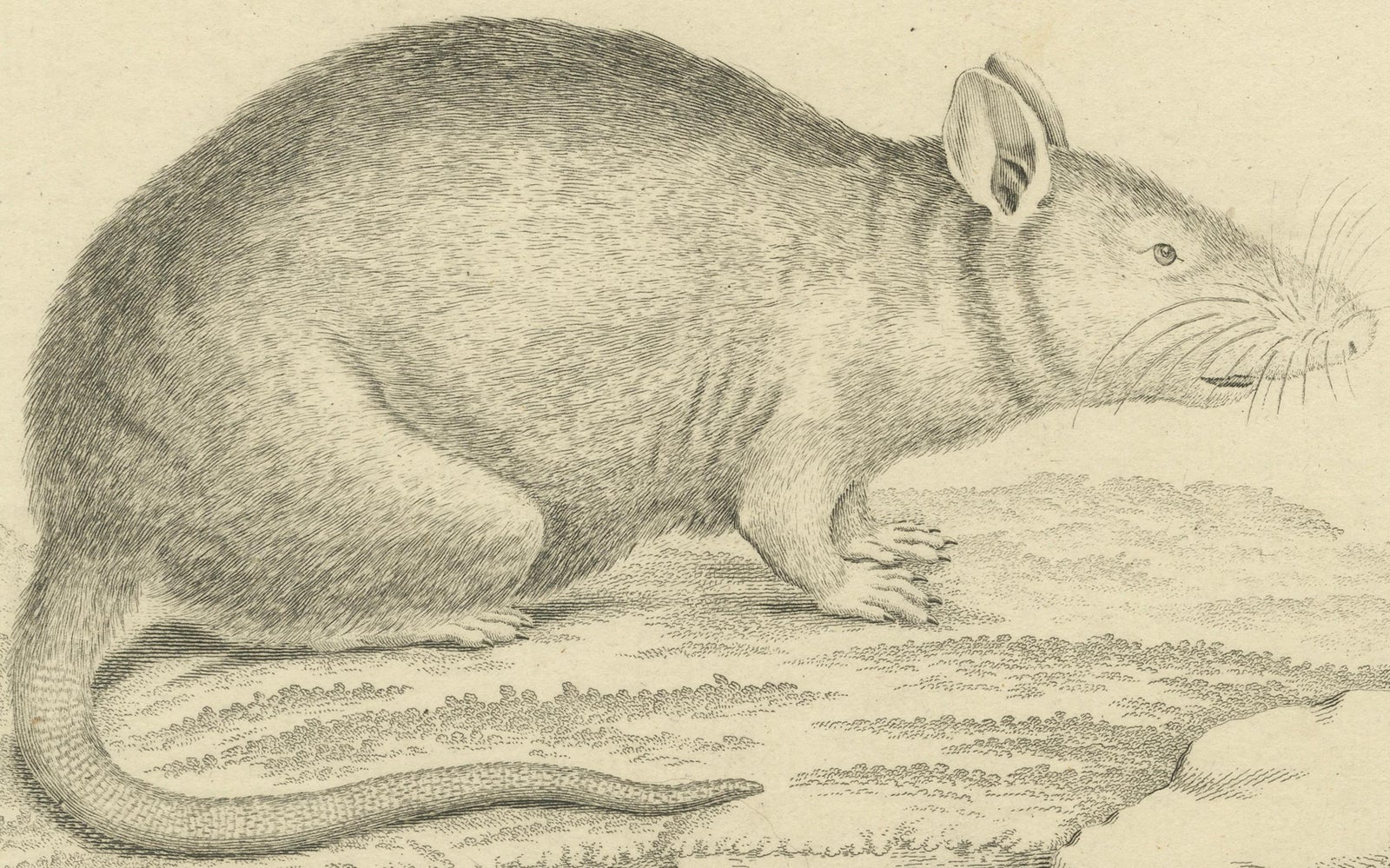
The composition shows the rodent in profile beside a small stream and rocky ground, rendered with meticulous attention to anatomical detail. Nitschmann’s precise drawing conveys the animal’s compact form, soft fur, and characteristic long tail, while Nußbiegel’s refined engraving technique enhances the texture and volume with subtle gradations of shading. The result is both scientifically instructive and aesthetically balanced, typical of the era’s best natural history plates.
The species Mus Caraco Pall. was described by the renowned naturalist Peter Simon Pallas, whose zoological observations in Russia and Asia contributed greatly to European understanding of exotic and little-known mammals. This plate reflects that spirit of exploration and classification, central to the Enlightenment’s drive to catalogue nature systematically.
Engravings of this kind were often produced for major zoological series such as Johann Christian Daniel von Schreber’s Die Säugthiere in Abbildungen nach der Natur mit Beschreibungen, a monumental work illustrating mammals “after nature” with exceptional fidelity.
Condition report:
Good condition with mild age toning and minor handling marks consistent with age. Clean impression on laid paper with wide margins and a distinct plate mark. Slight binding traces along the left edge, otherwise well preserved.
Framing tips:
A warm ivory or cream mat complements the natural paper tone. A walnut or light oak frame enhances the soft engraving detail, suitable for both classical and modern interiors focused on natural history art.
Technique: Engraving on laid paper
Delineator: D.R. Nitschmann
Engraver: Johann Nußbiegel
Maker: German, circa 1800