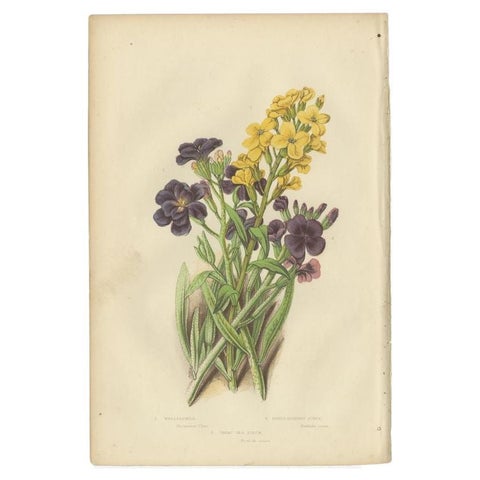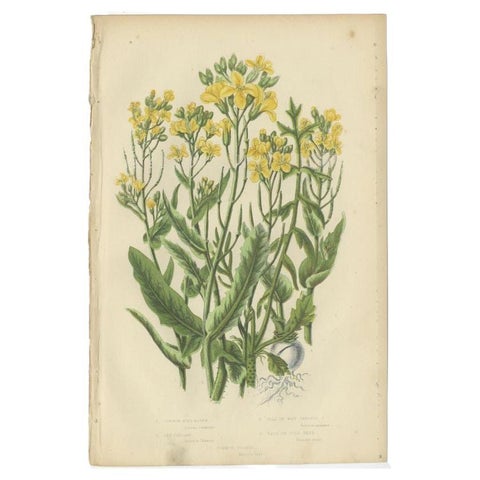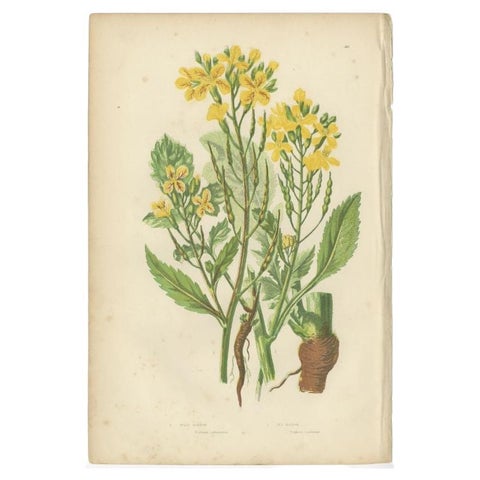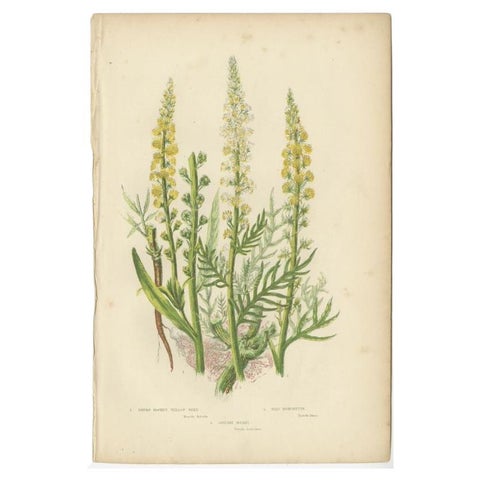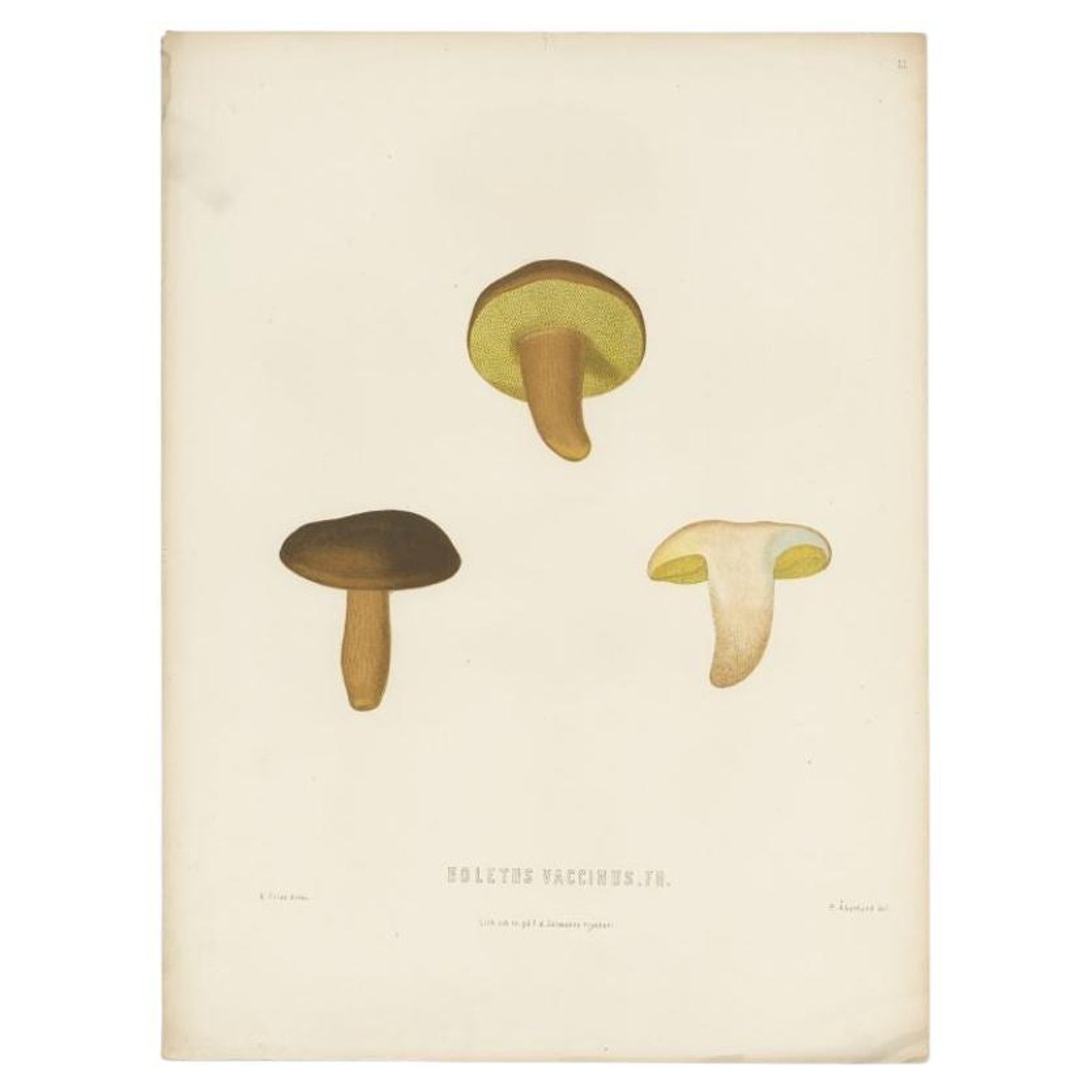
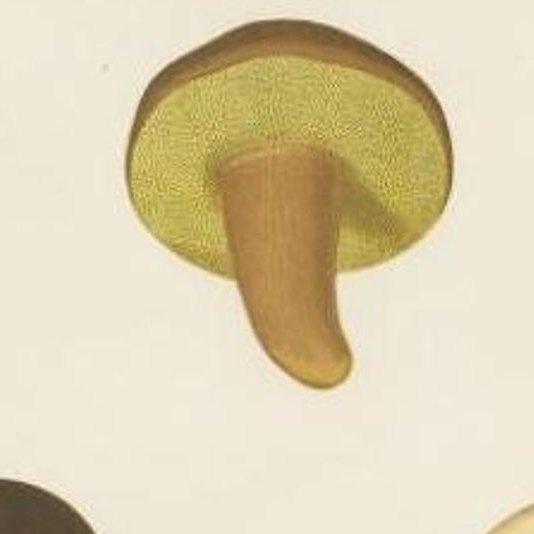
Close-ups
Framed and on the wall
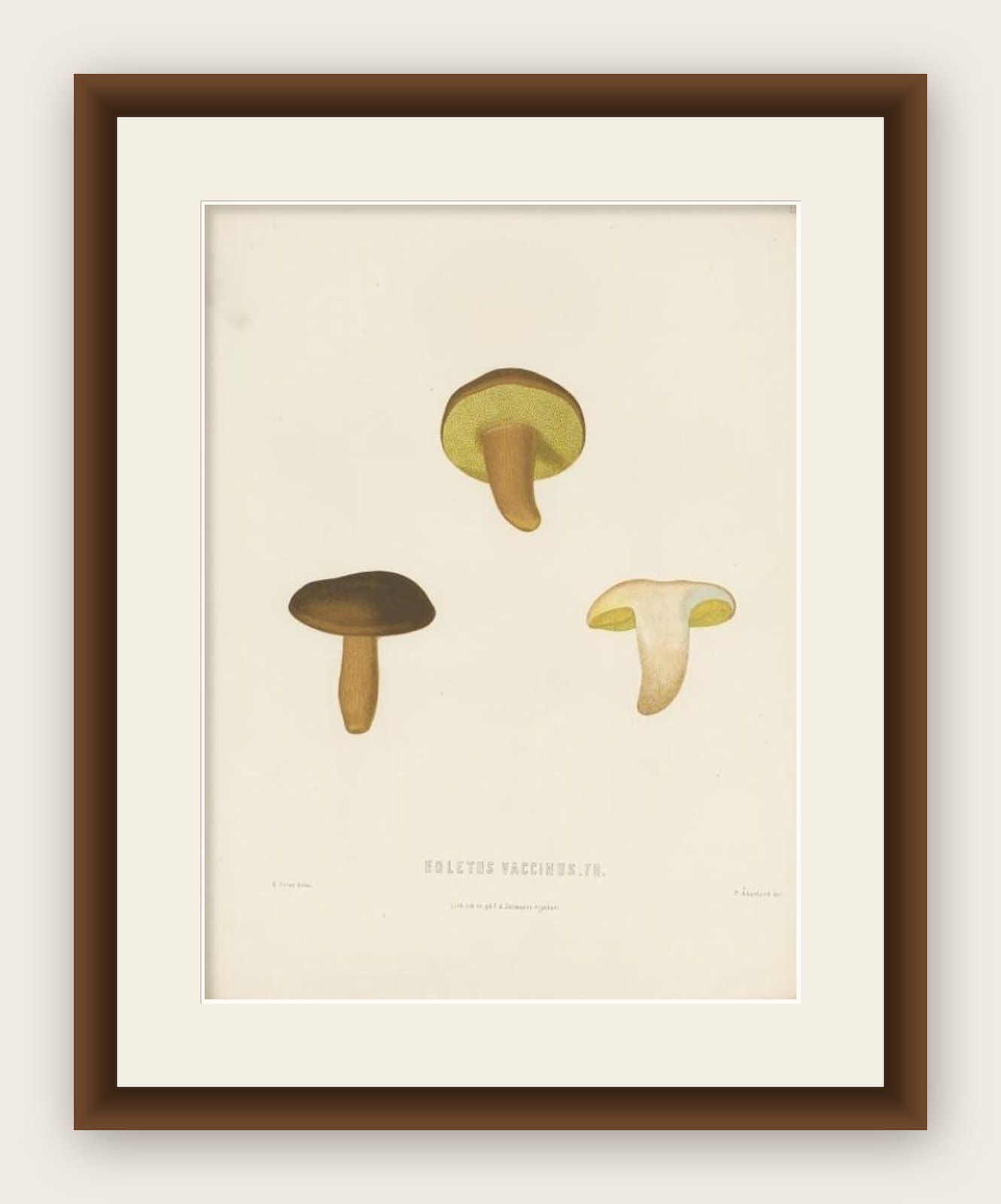
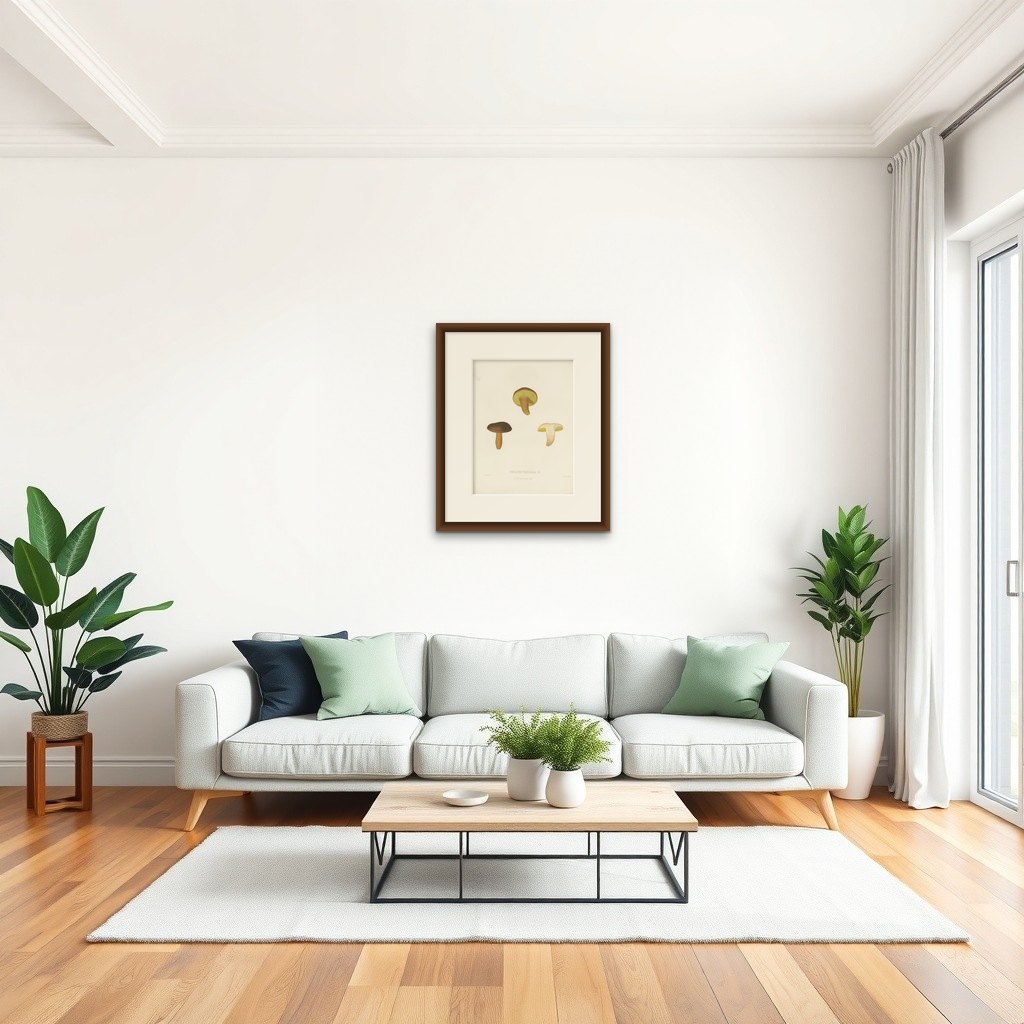
Frame and rooms are illustrations of how the print could look; the description says what is included.
Antique Mycology Print of the Boletus Aereus by Fries, c.1860
£120 ($160, €140)
Period original, not a reproduction.
Shipped from the Netherlands, flat, insured and tracked, worldwide. Returns accepted within 14 days.
- Date
- 1860
- Size
- 15 × 11 in (38 × 28 cm)
- Condition
- Good. General age-related toning. Minor defects, please study image carefully.
- Period
- Late 19th century
- Section
- Botanical
- Reference
- f_29260252
Antique mycology print titled 'Boletus Vaccinus'. Old print of the boletus aereus. Boletus aereus, the dark cep or bronze bolete, is a highly prized and much sought-after edible mushroom in the family Boletaceae. The bolete is widely consumed in Spain (Basque Country and Navarre), France, Italy, Greece, and generally throughout the Mediterranean. This print originates from 'Sveriges ätliga och giftiga svampar tecknade efter naturen'. Published in Stockholm, circa 1860.
Artists and Engravers: Elias Magnus Fries (15 August 1794, 8 February 1878) was a Swedish mycologist and botanist.
Condition: Good, general age-related toning. Minor defects, please study image carefully.
Date: c.1860
Overall size: 28 x 38 cm.
Image size: 21 x 25 cm.
We sell original antique maps to collectors, historians, educators and interior decorators all over the world. Our collection includes a wide range of authentic antique maps from the 16th to the 20th centuries. Buying and collecting antique maps is a tradition that goes back hundreds of years. Antique maps have proved a richly rewarding investment over the past decade, thanks to a growing appreciation of their unique historical appeal. Today the decorative qualities of antique maps are widely recognized by interior designers who appreciate their beauty and design flexibility. Depending on the individual map, presentation, and context, a rare or antique map can be modern, traditional, abstract, figurative, serious or whimsical.