Close-ups
Framed and on the wall
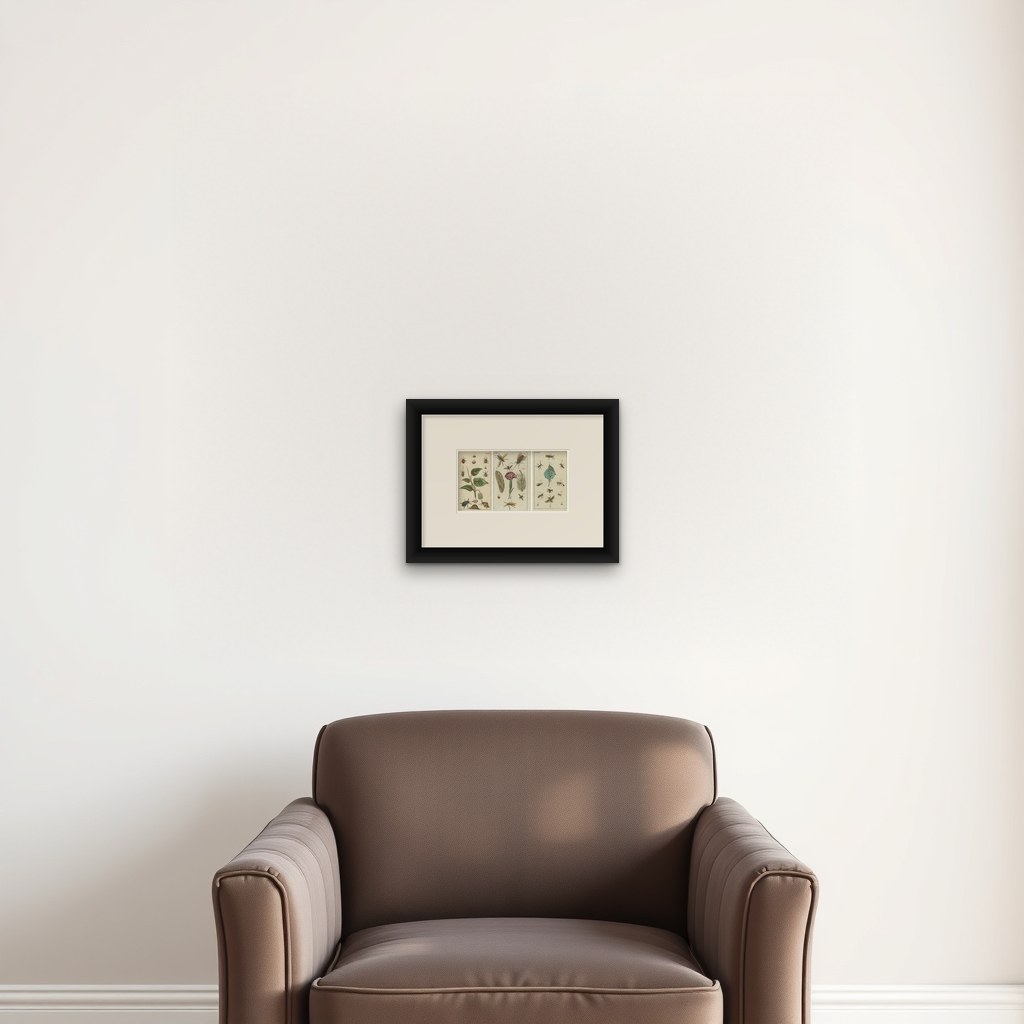

Frame and rooms are illustrations of how the print could look; the description says what is included.
Antique Insect Prints: Small Vibrant Engravings of Bugs, Leaves & Flowers, 1832
$275$19030% off (£145, €175)
Period original, not a reproduction.
Shipped from the Netherlands, flat or rolled, insured and tracked, worldwide. Returns accepted within 14 days.
- Date
- 1832
- Size
- 4.3 × 7.1 in (11 × 18 cm)
- Condition
- The prints are in very good condition with minor age-related toning, typical of their time, and sharp, clear impressions.
- Period
- Early 19th century
- Section
- Insects and butterflies
- Reference
- f_43556372
- Color
- Hand colored
What the condition grades mean
- Excellent
- Bright and clean, with no faults worth mentioning.
- Very good
- Only light signs of age, such as faint toning.
- Good
- Normal signs of age for a sheet of this period: toning, some foxing, small marks or neat old repairs.
- Fair
- Clear faults such as staining, tears or repairs, priced to match.
Every fault we see is written in the condition note, and the whole sheet is shown uncropped in the photos.
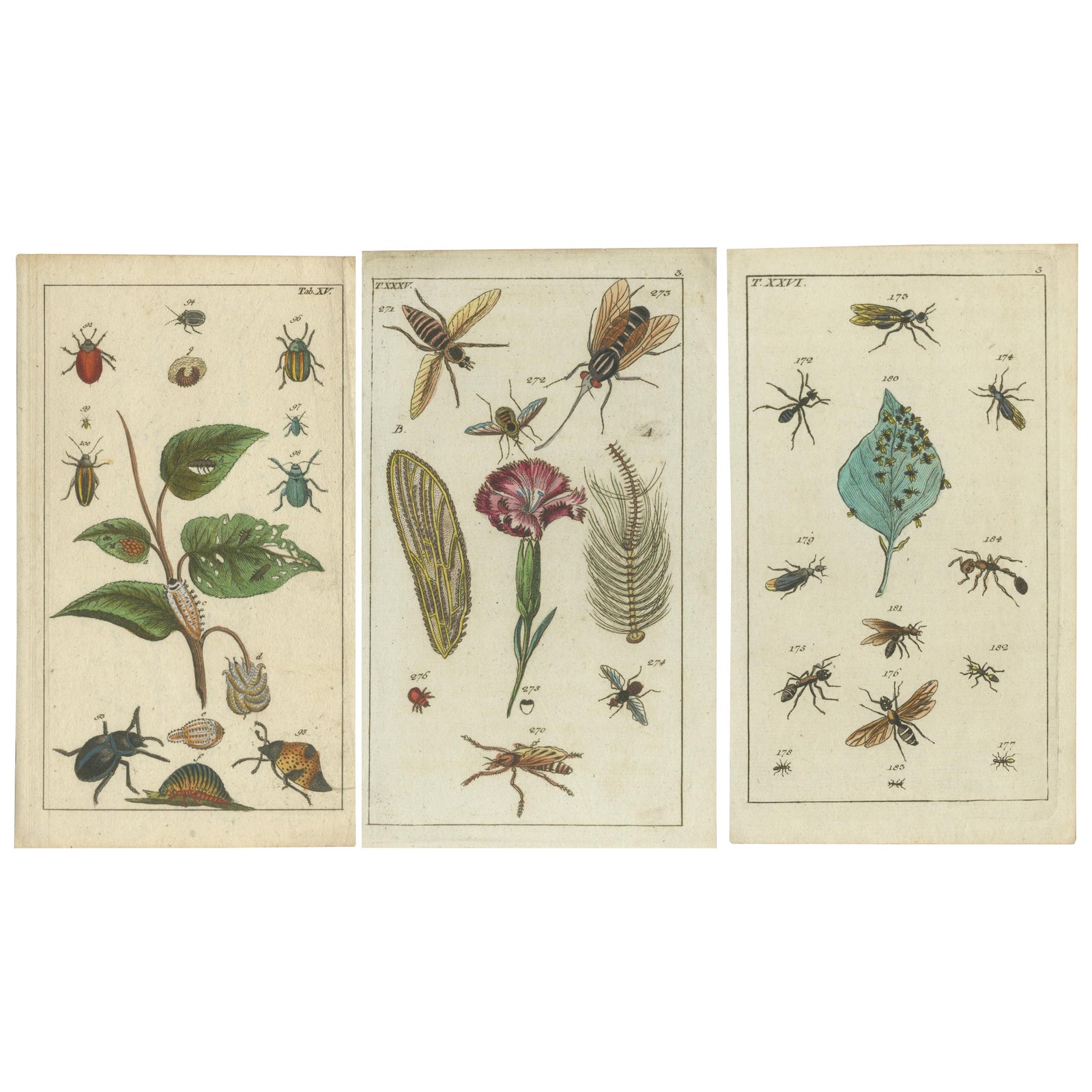
Rare Antique Insect Engravings: 19th-Century Natural History Trio with Vibrant Colors
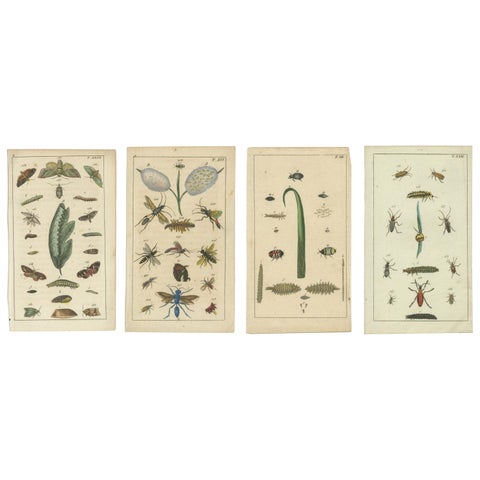
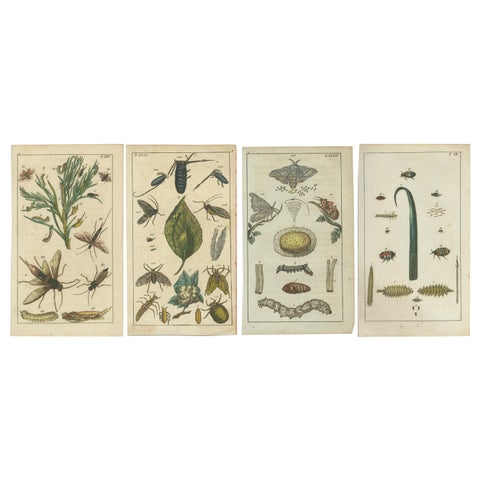
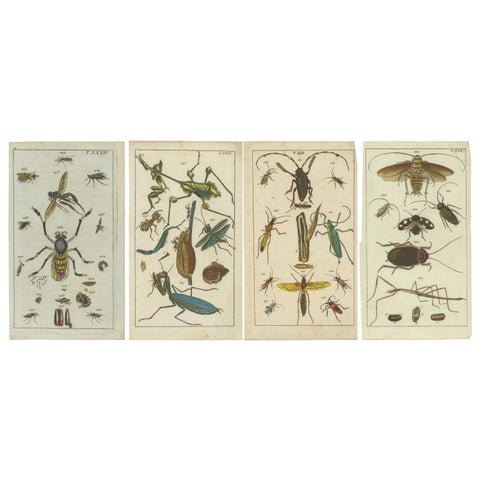
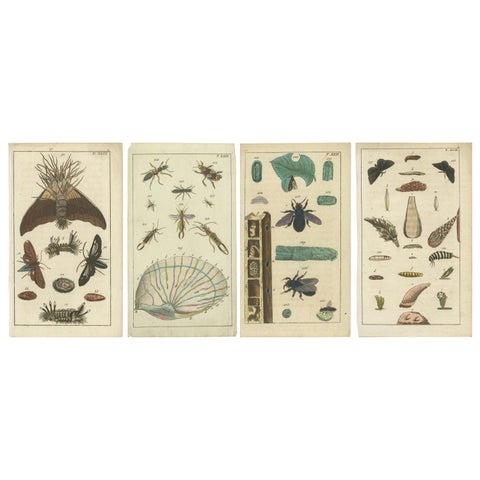
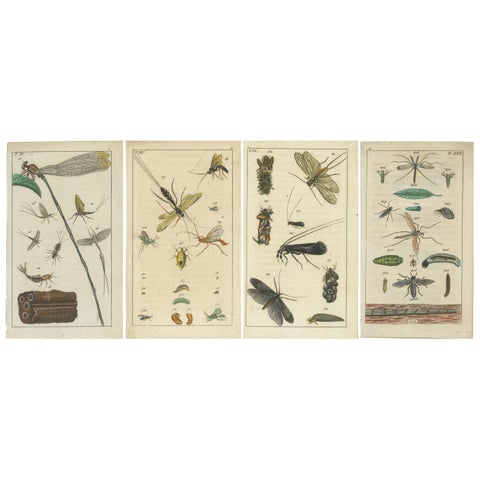
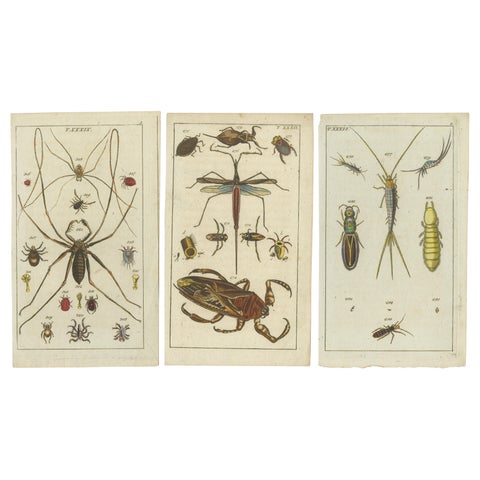
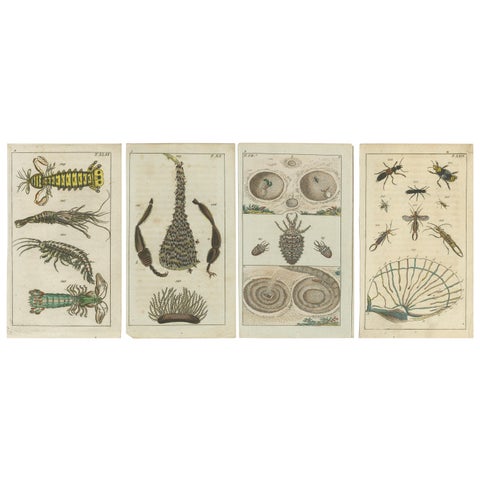
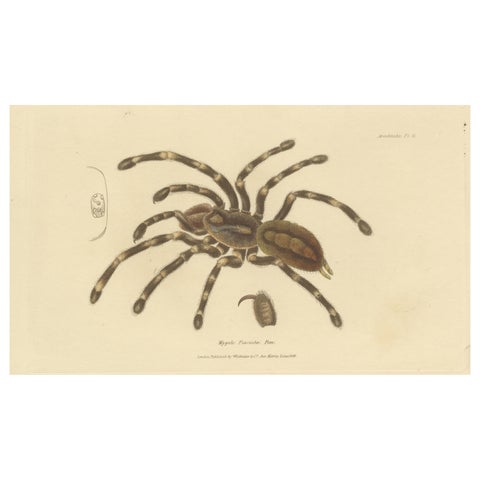
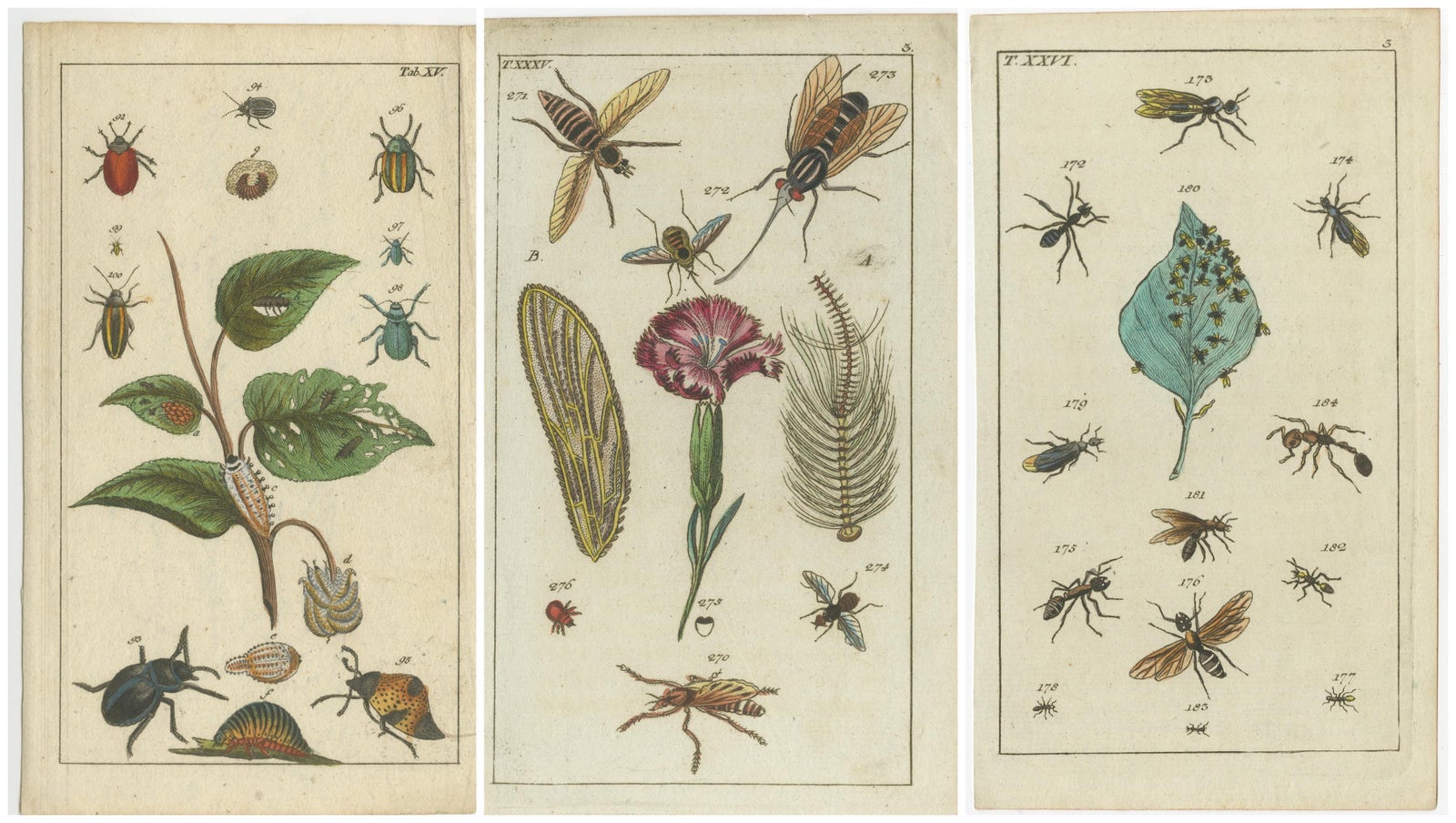
This set of three original antique engravings originates from Gottlieb Tobias Wilhelm’s celebrated Unterhaltungen aus der Naturgeschichte, published in 1832. These prints capture the fascinating world of insects and their intricate relationship with plants, showcasing both scientific accuracy and artistic beauty. Wilhelm’s monumental 25-volume natural history series, spanning from 1777 to the early 1800s, featured 1,469 detailed illustrations crafted by Augsburg’s renowned engravers, masters of the European Image Factory.
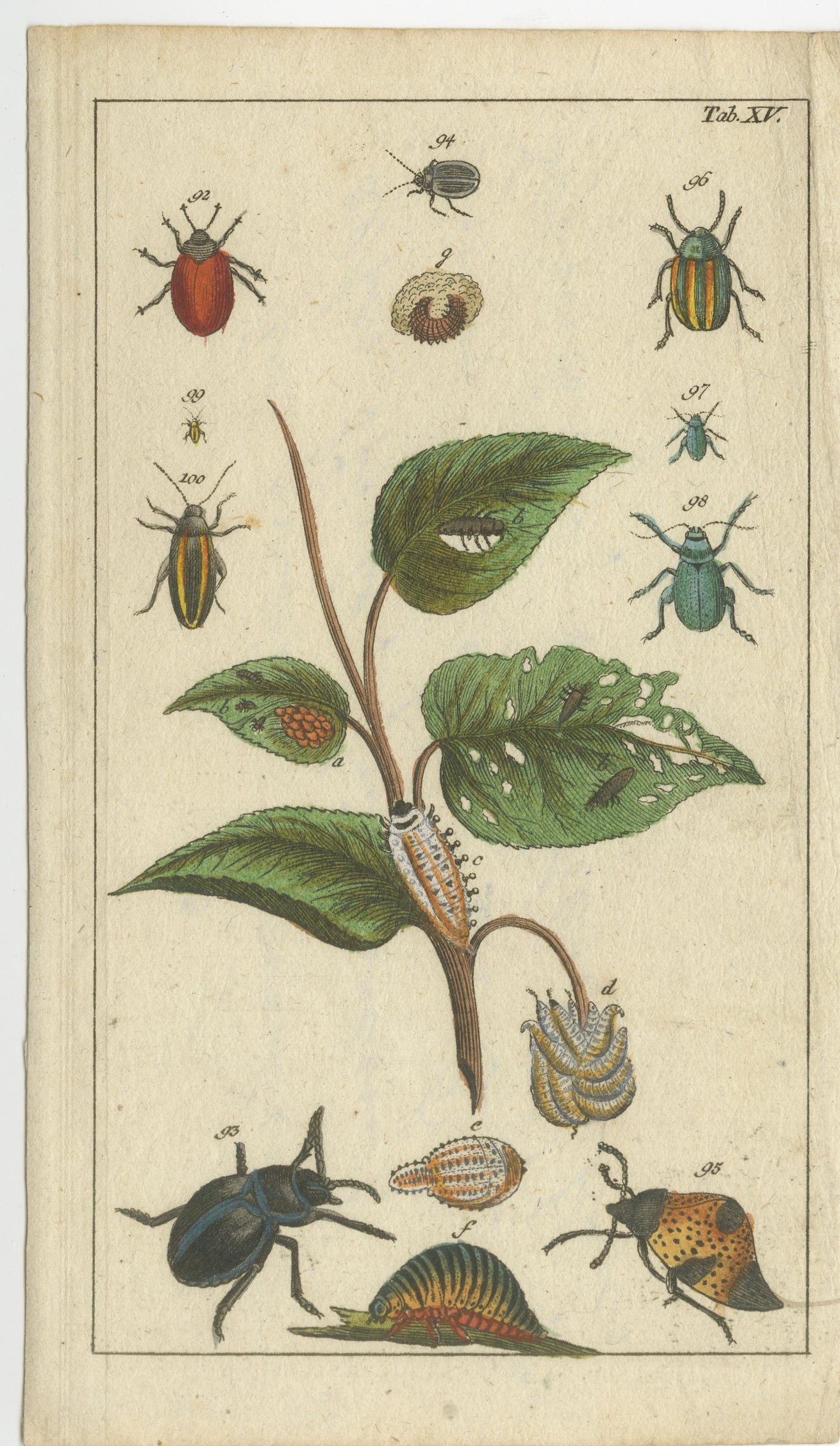
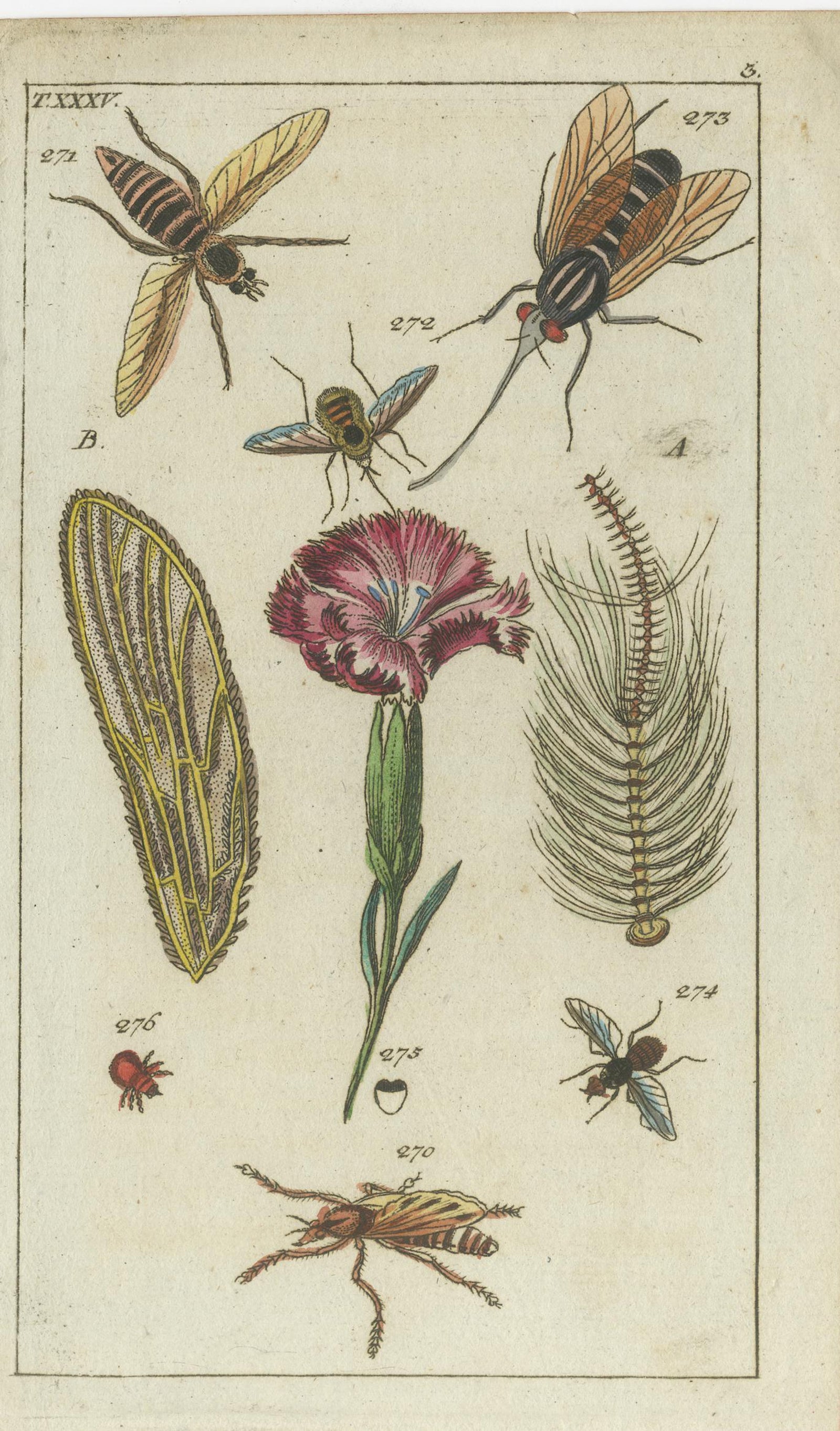
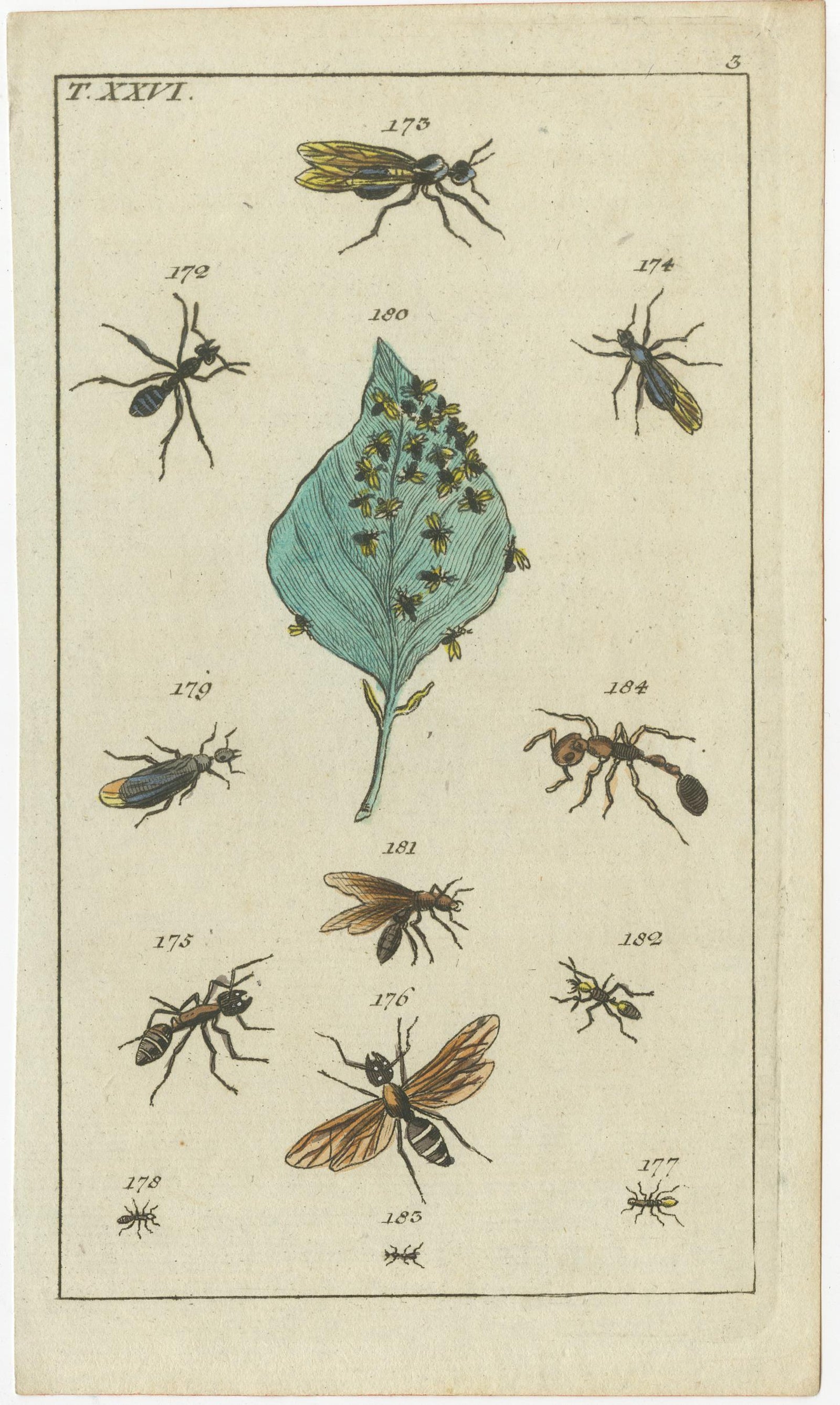
Based on the engravings, here are some potential identifications of the creatures and plants depicted:
1. The first print includes a variety of beetles, such as leaf beetles (Chrysomelidae) and weevils (Curculionidae), alongside larvae and pupae stages. The plant depicted appears to be a leafy plant, possibly a member of the nightshade family (Solanaceae), with damage characteristic of insect feeding.
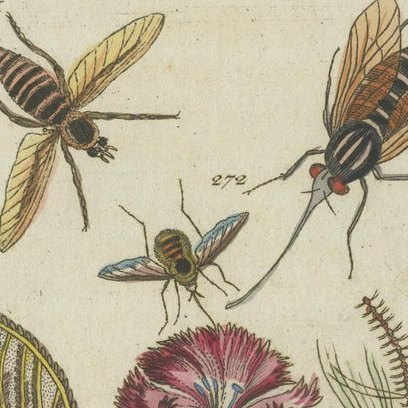
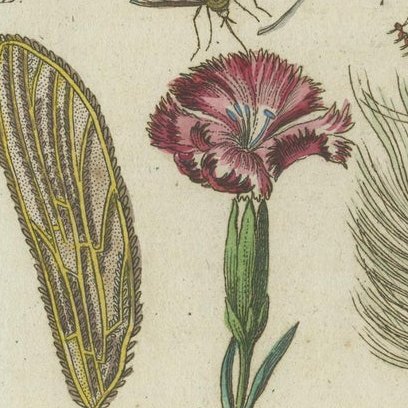
2. The second print features insects like a wasp (possibly Ichneumonidae), flies (Diptera), and a red mite (Acari). The flower resembles a pink carnation (Dianthus), an ornamental plant known for its intricate petals.
3. The third print shows various ants (Formicidae) and winged insects, likely wasps or parasitic insects, alongside a plant leaf infested with aphids (Aphididae). The detailed leaf with aphids suggests an ecological interaction between ants and aphids, a symbiotic relationship in nature.
These identifications showcase the intricate relationships between insects and their host plants, highlighting the engravings’ scientific and artistic value. The depictions provide an insight into 19th-century naturalists’ observations of ecosystems and species interactions.
Each engraving employs the traditional copperplate printing technique, painstakingly hand-colored to achieve vibrant hues and fine detail. This labor-intensive process required meticulous craftsmanship, resulting in illustrations that are not only scientifically significant but also visually captivating. These prints offer a rare glimpse into 19th-century entomological studies, blending art and science seamlessly.
What makes this trio especially intriguing is its harmonious composition: each print balances the detailed depiction of insects, plants, and natural elements, offering both aesthetic appeal and historical context. Whether as a collector’s item or a statement piece in a home or office, these prints tell a story of curiosity and discovery during a pivotal era of scientific exploration.
Framing Tips: To highlight their historical significance, choose neutral archival mats and gold or dark wood frames. Float-mounting can emphasize their antique charm, while UV-protective glass will help preserve their vibrant hand coloring. These prints work beautifully as a set or individually, bringing a timeless elegance to any interior.