Close-ups
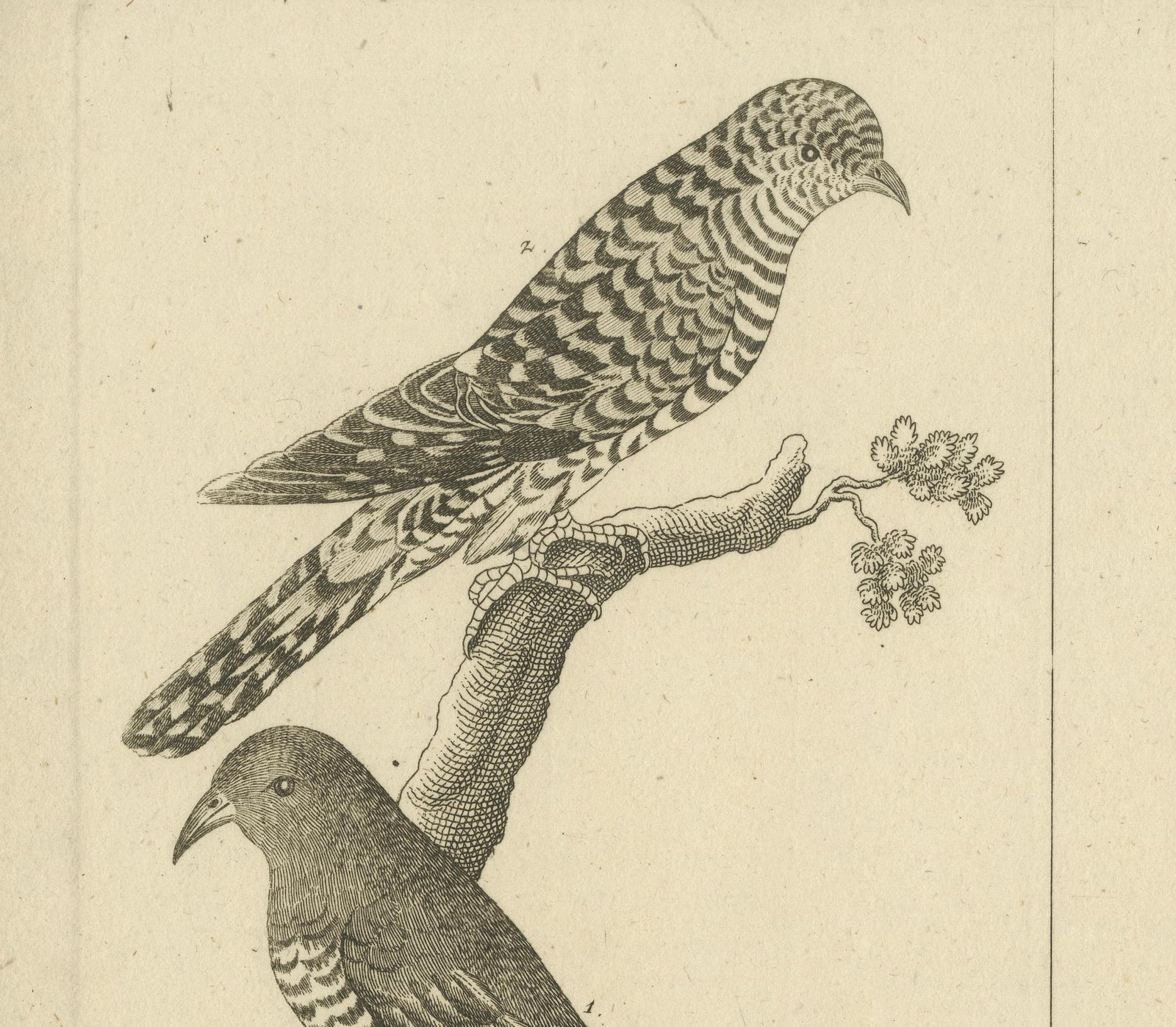
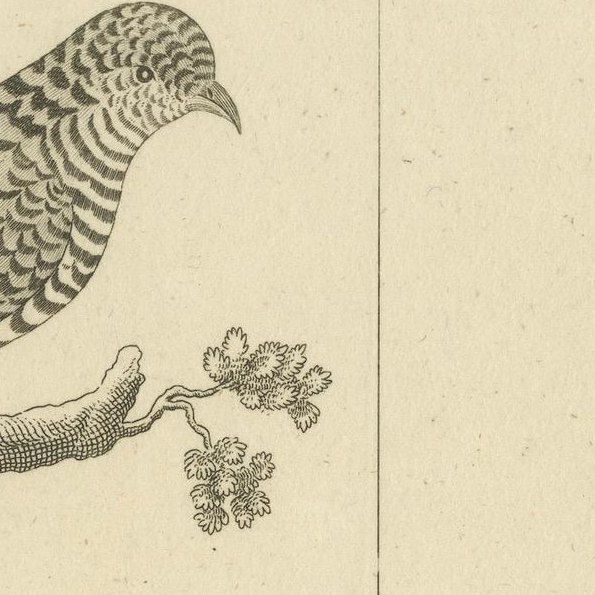
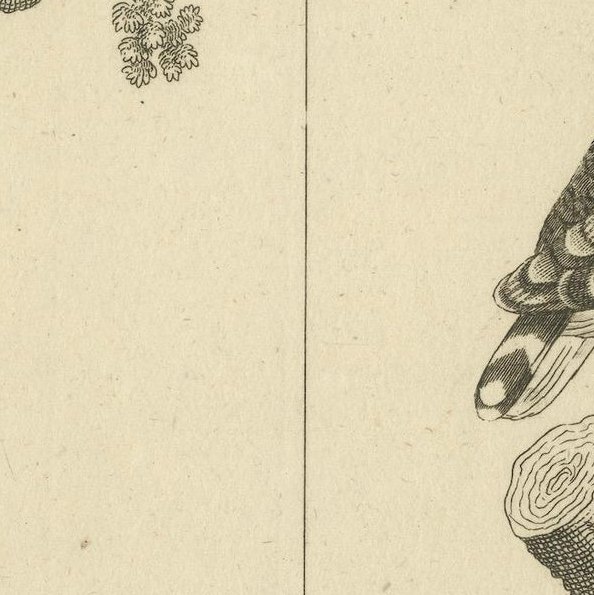
Framed and on the wall
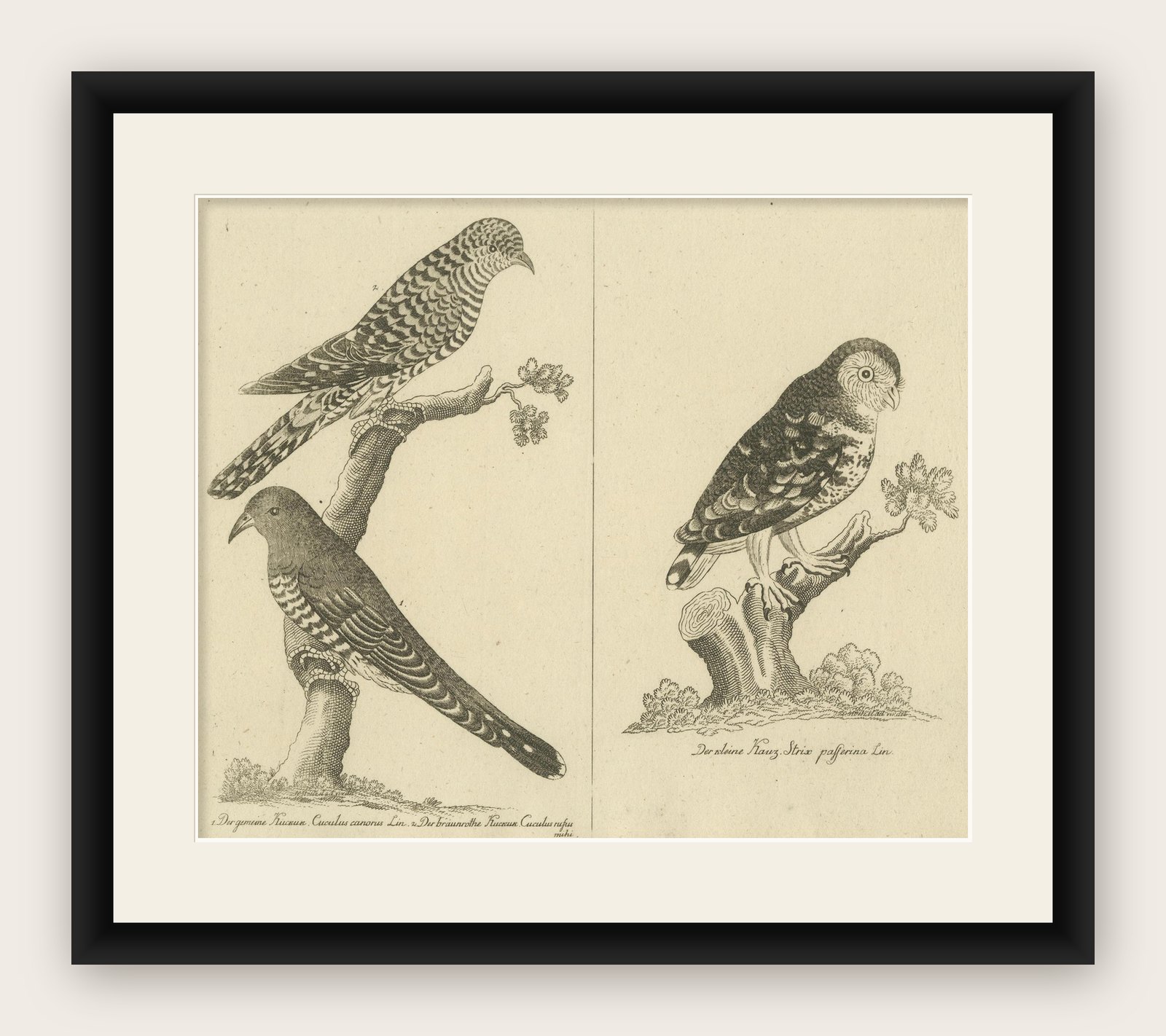
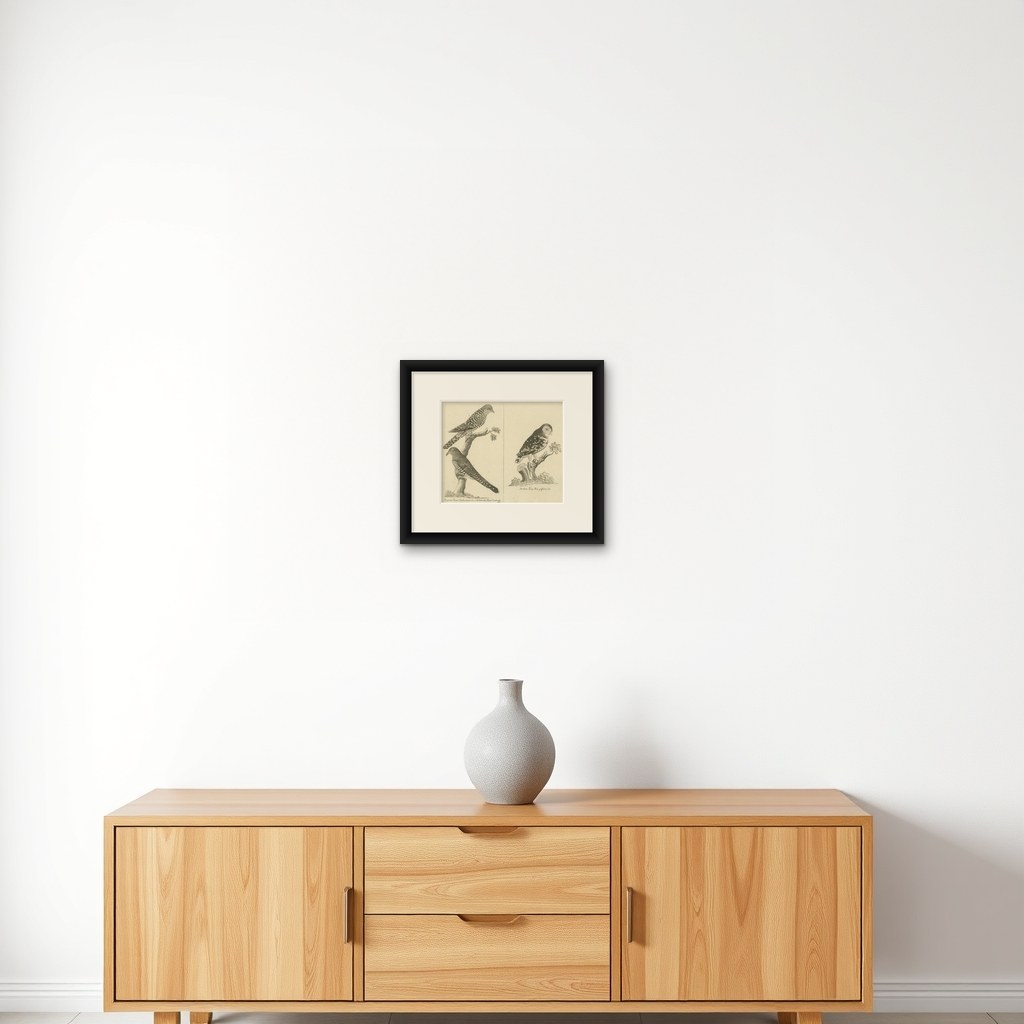

Frame and rooms are illustrations of how the print could look; the description says what is included.
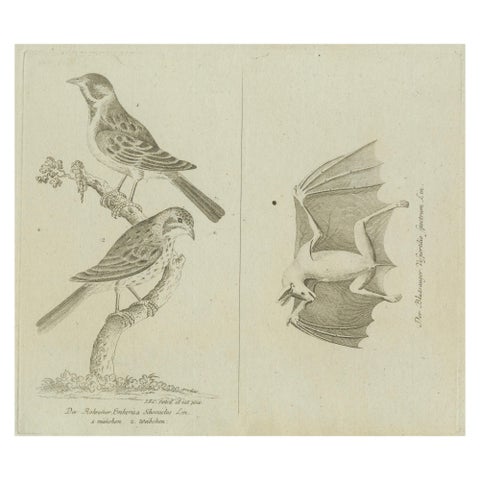
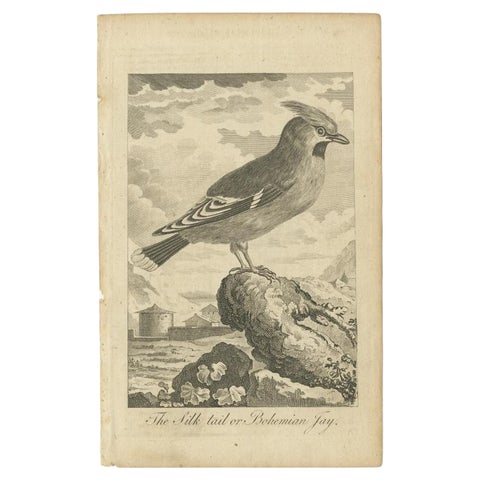
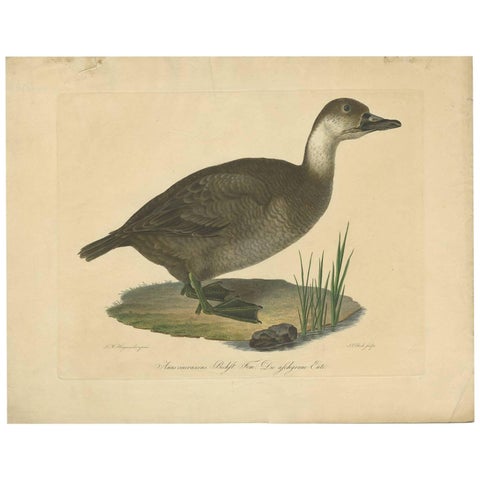
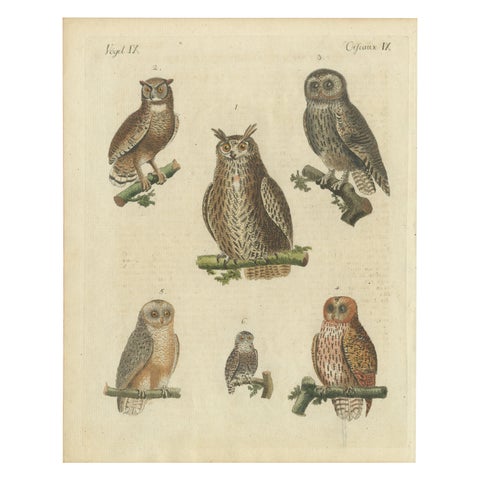
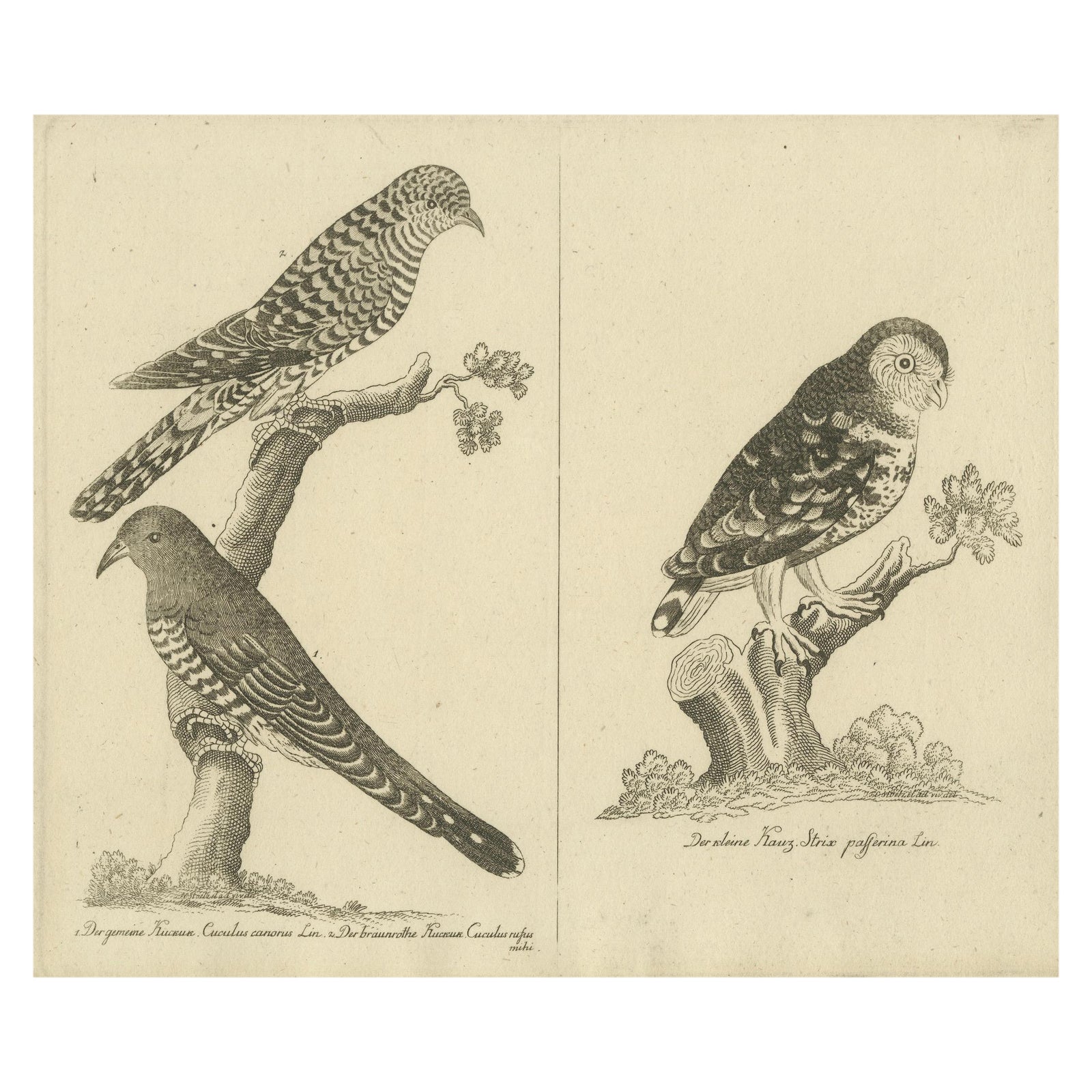
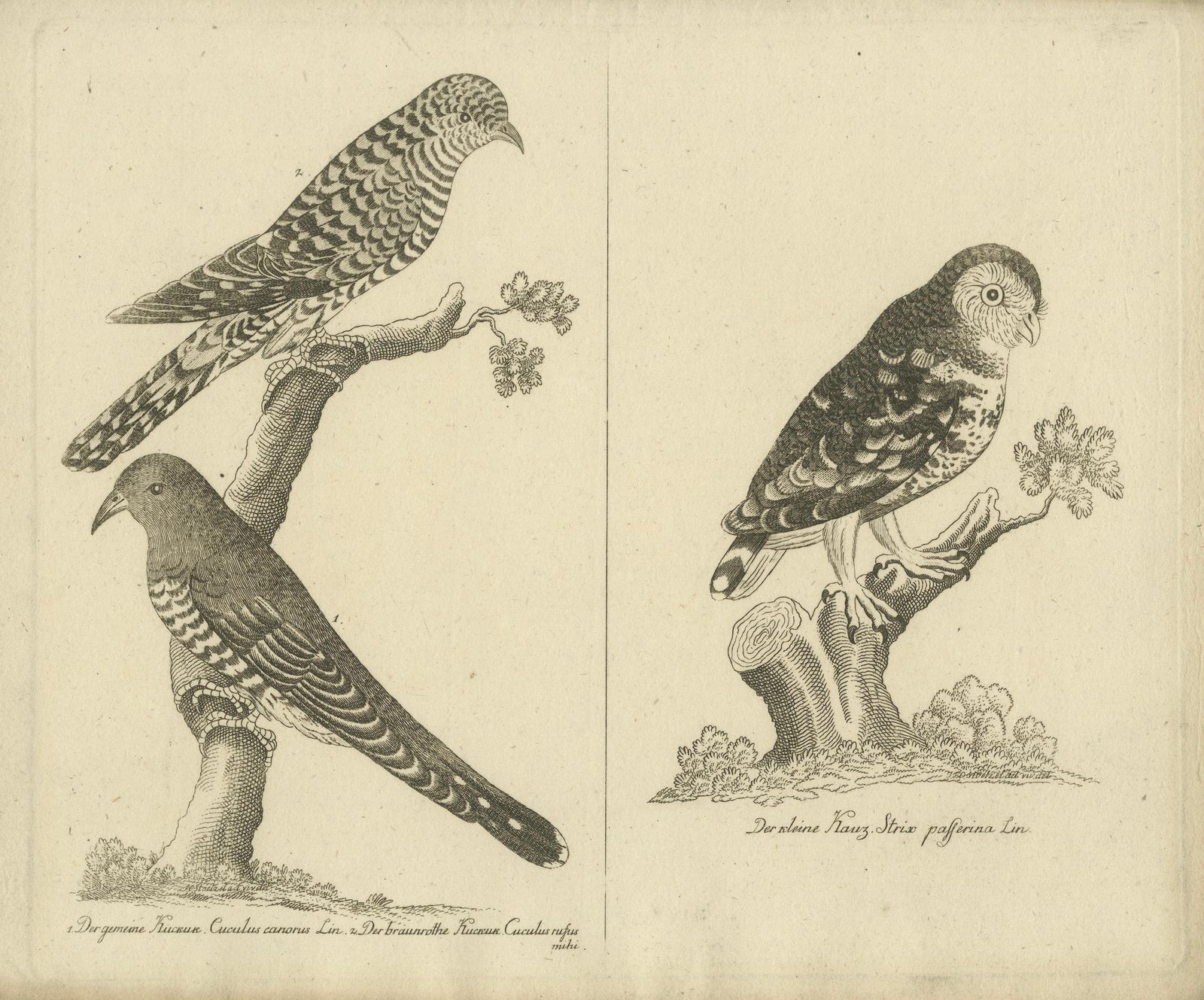
Antique Engraving of Cuckoo & Little Owl, Cuculus canorus & Strix passerina 1800
£220 ($290, €260)
Period original, not a reproduction.
Shipped from the Netherlands, flat, insured and tracked, worldwide. Returns accepted within 14 days.
- Date
- 1800
- Size
- 8.7 × 10.6 in (22.1 × 27 cm)
- Condition
- Good. Good condition with faint age toning and minor handling marks consistent with age. Sharp impression on laid paper with visible plate marks and wide margins. No tears or repairs.
- Period
- Early 19th century
- Section
- Birds
- Reference
- f_46975152
What the condition grades mean
- Excellent
- Bright and clean, with no faults worth mentioning.
- Very good
- Only light signs of age, such as faint toning.
- Good
- Normal signs of age for a sheet of this period: toning, some foxing, small marks or neat old repairs.
- Fair
- Clear faults such as staining, tears or repairs, priced to match.
Every fault we see is written in the condition note, and the whole sheet is shown uncropped in the photos.
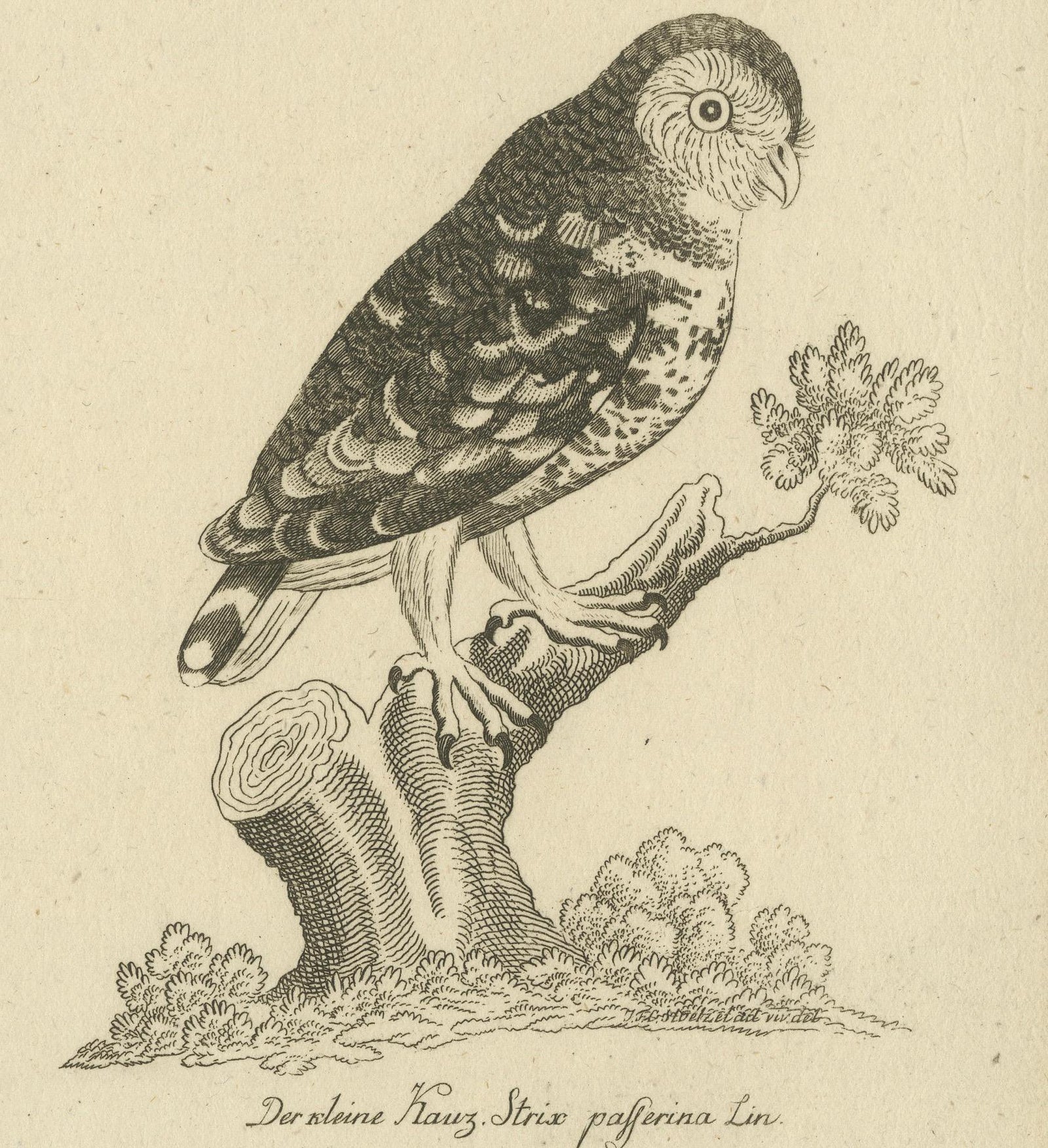
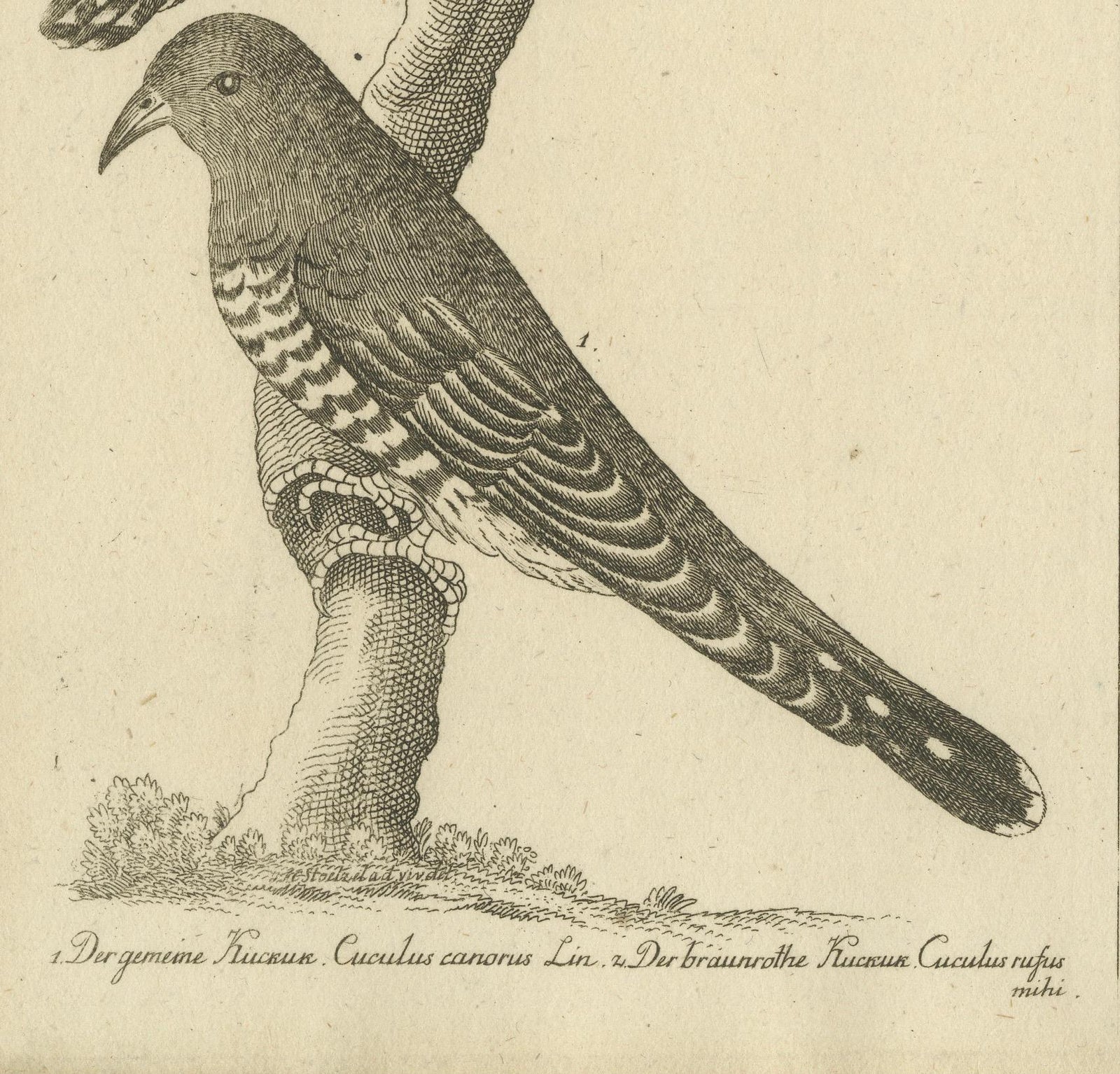
Antique Engraving of Cuckoo and Little Owl, Cuculus canorus & Strix passerina, c.1800
This beautifully engraved natural history plate from around 1800 presents two finely observed bird species, the Common Cuckoo (Cuculus canorus Lin.) and the Little Owl (Strix passerina Lin.), captured with elegance and scientific precision typical of late 18th- and early 19th-century zoological illustration.
On the left, the engraving depicts the male and female cuckoo perched gracefully on separate branches. The upper bird is identified as Der gemeine Kukuk (Common Cuckoo), while the lower is labeled Der braunrückte Kukuk (Brown-backed Cuckoo). The engraver’s delicate linework and careful texturing of plumage vividly convey the birds’ characteristic barring and sleek form, reflecting both aesthetic refinement and zoological accuracy. The cuckoo, long associated with spring and known for its unique nesting behavior, was a popular subject in Enlightenment-era natural history publications that aimed to classify and illustrate Europe’s avifauna systematically.
On the right, a Kauz or Little Owl (Strix passerina Lin.) perches alertly on a cut branch, rendered with expressive eyes and finely detailed feathers. Its pose conveys the intelligence and nocturnal vigilance emblematic of owls in art and symbolism. Together, these depictions of diurnal and nocturnal species embody the 18th-century fascination with the order and variety of nature, a central theme in the great encyclopedic projects of the period.
Such engravings were likely produced for a German natural history compendium, possibly associated with Gottlieb Tobias Wilhelm or Friedrich Justin Bertuch, whose works combined scientific accuracy with accessible artistry. The clarity of the linework and refined composition make this print a superb example of early ornithological illustration, suitable for collectors and admirers of natural history art.
Condition report:
Good condition with faint age toning and minor handling marks consistent with age. Sharp impression on laid paper with visible plate marks and wide margins. No tears or repairs.
Framing tips:
A soft ivory or pale cream mat will complement the natural tones of the paper. A simple walnut or dark oak frame enhances the contrast and classical feel. For a refined display, a double mat with a thin green or grey inner line will accentuate the delicate engraving details.
Technique: Engraving on laid paper
Maker: Anonymous German engraver, circa 1800