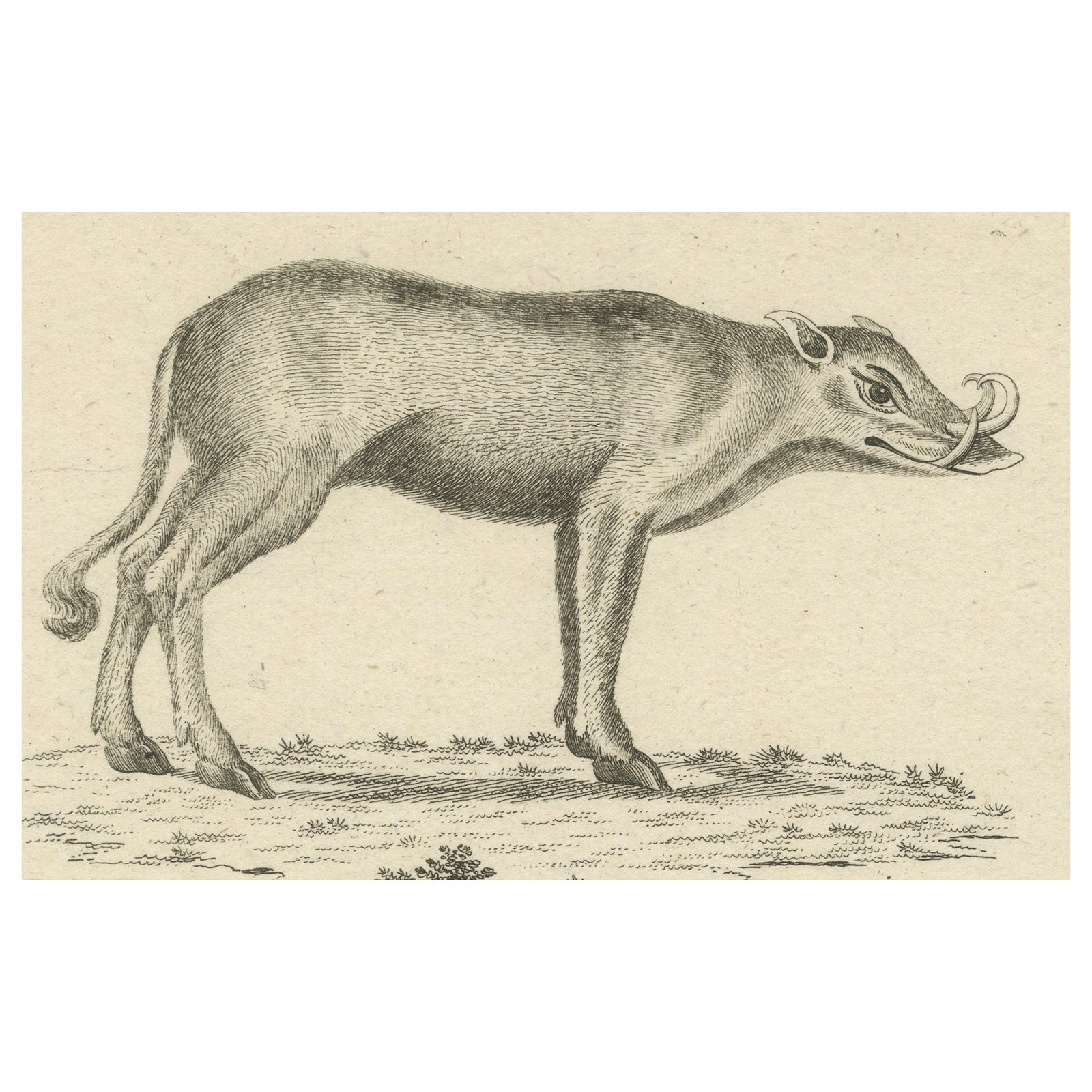
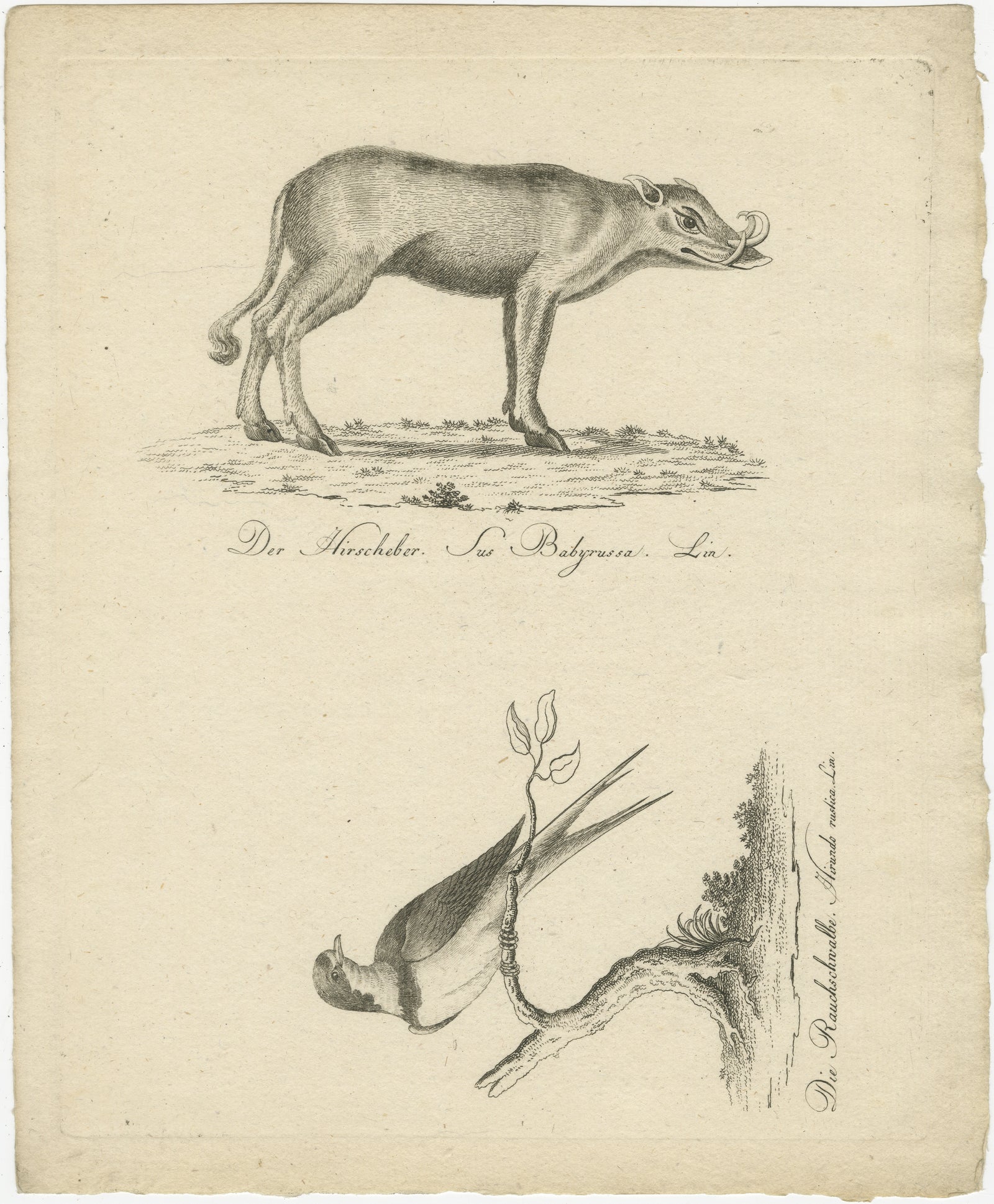
Close-ups
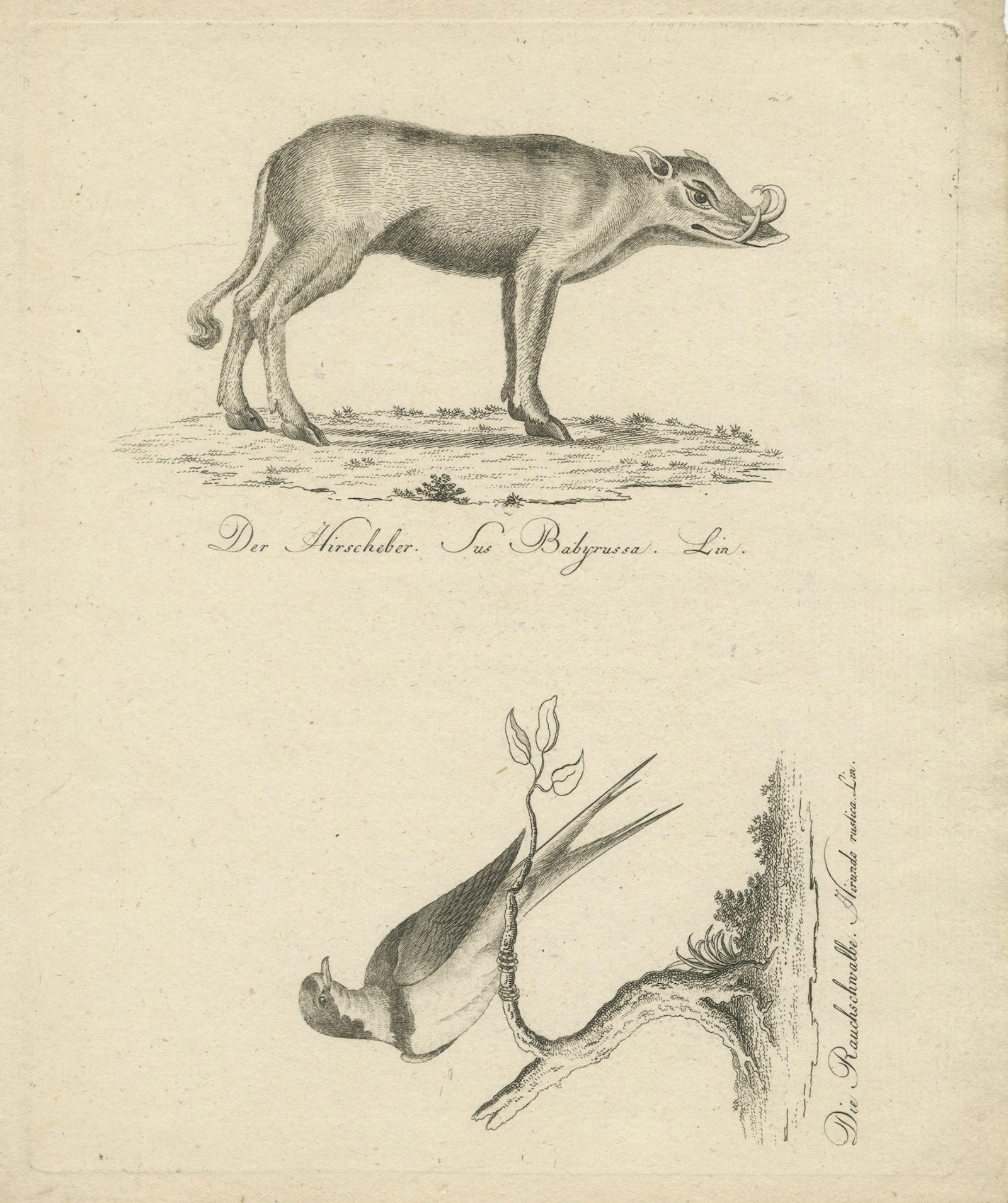
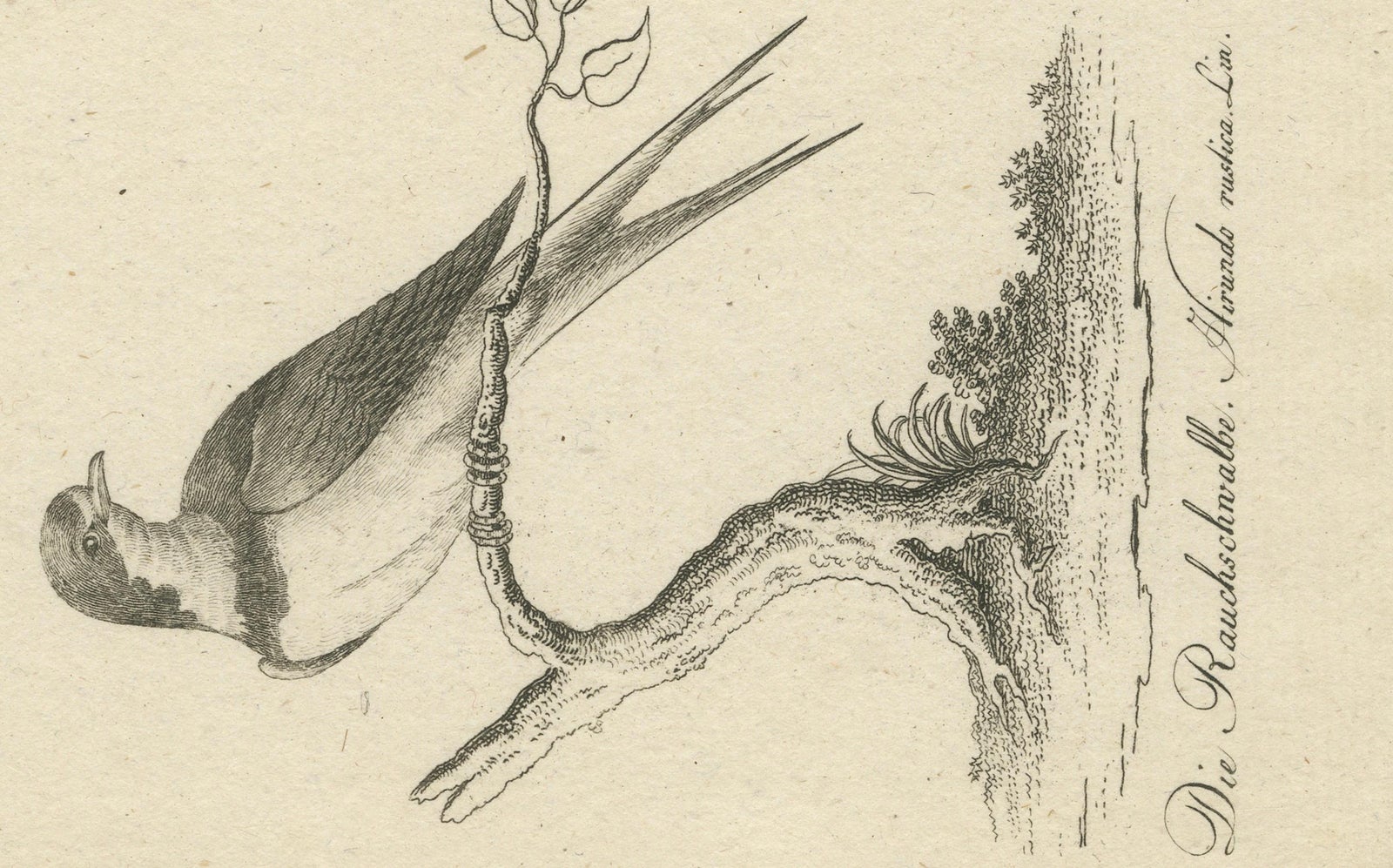
Framed and on the wall

Frame and rooms are illustrations of how the print could look; the description says what is included.
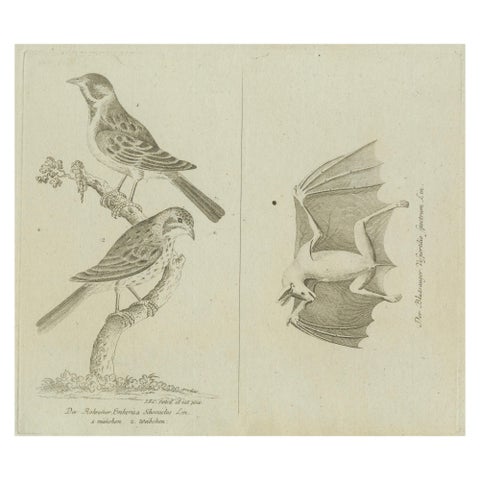
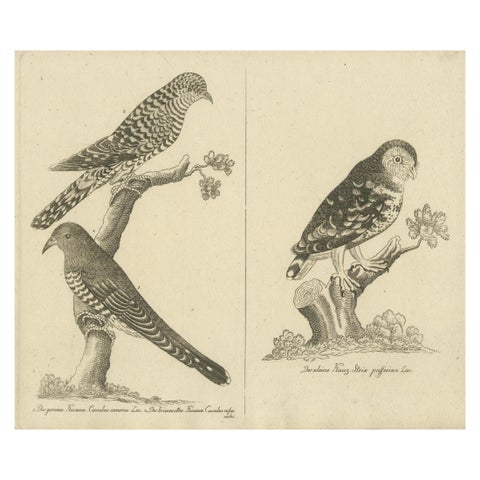
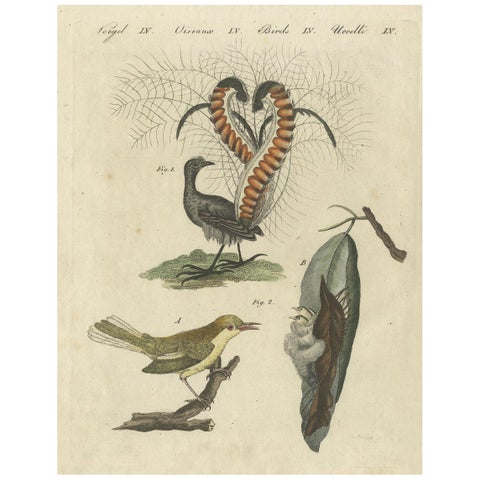
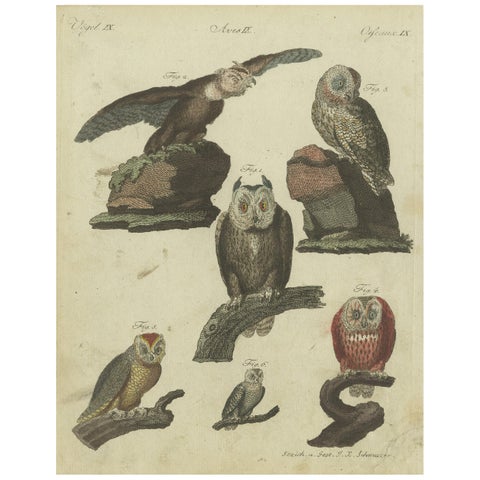
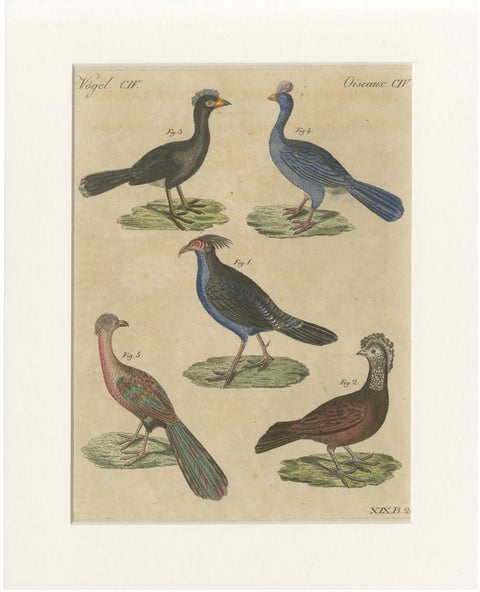
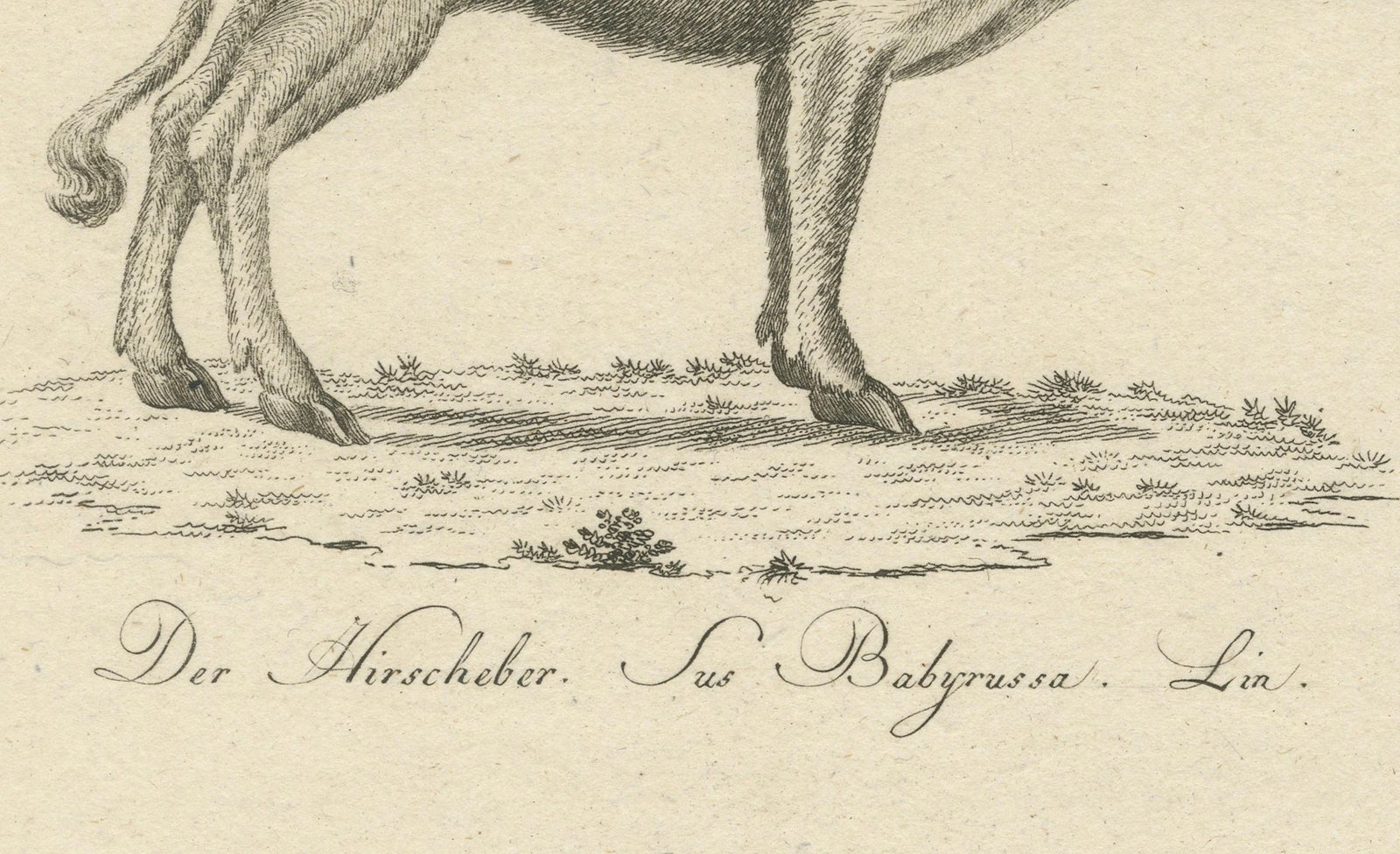
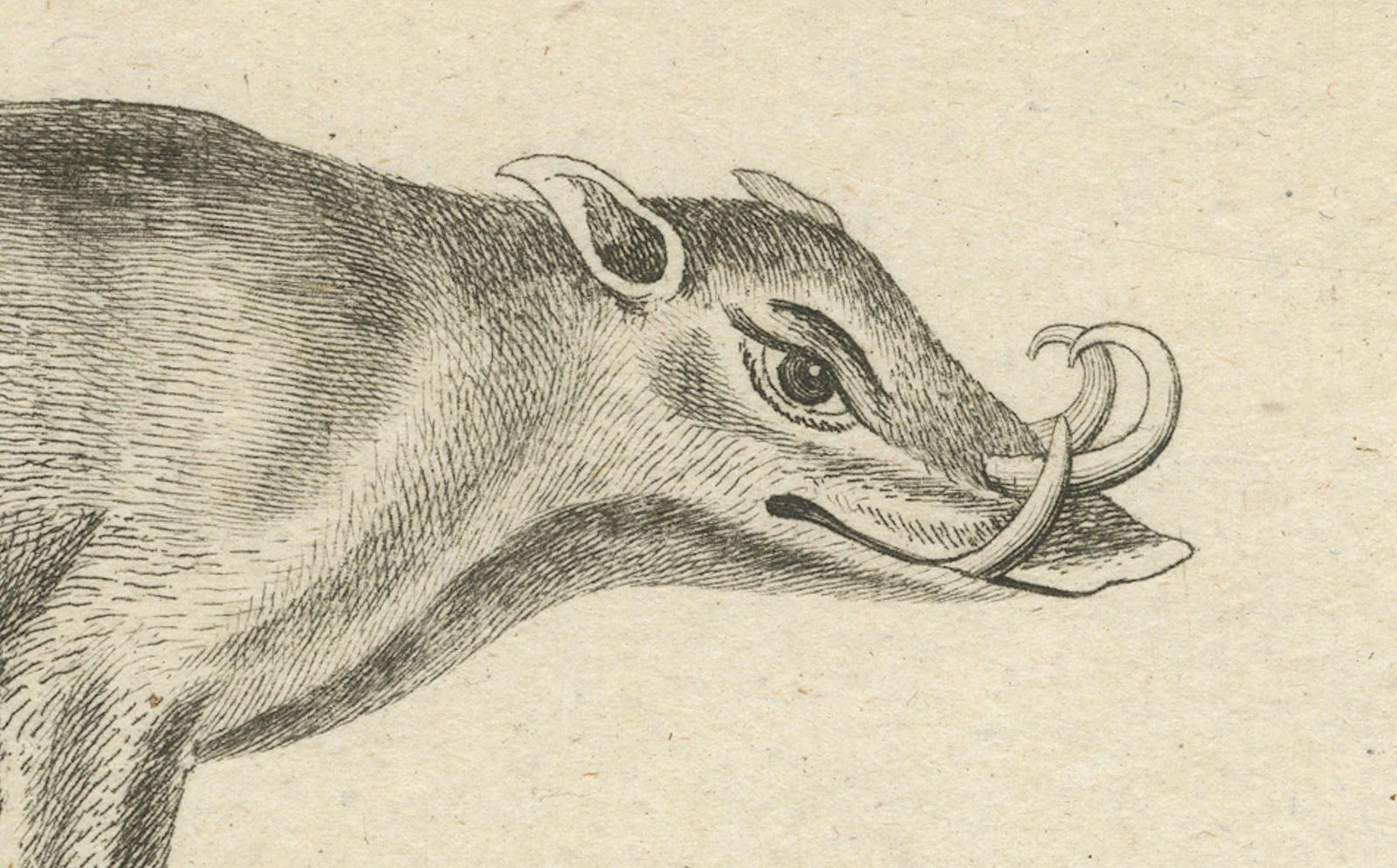
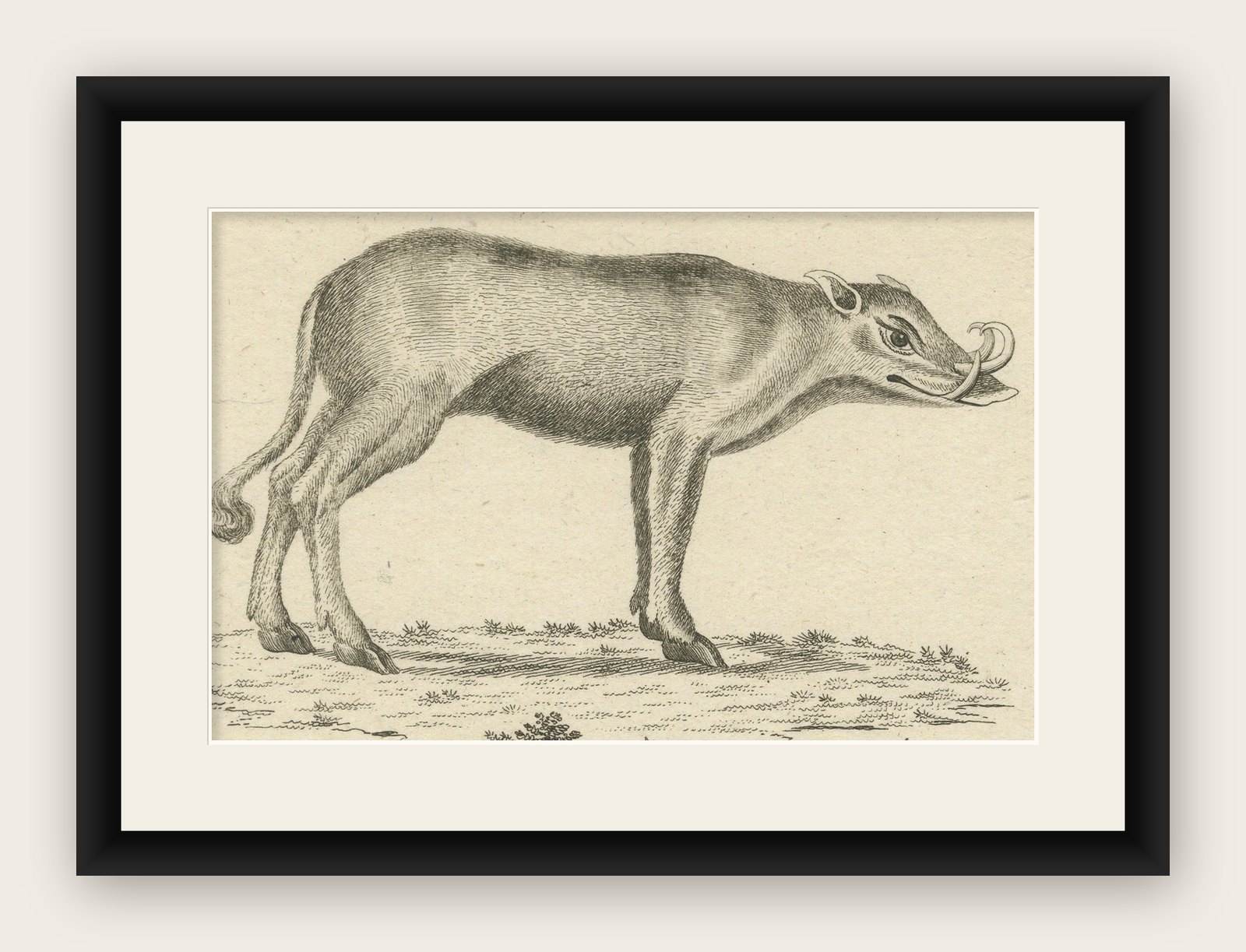
Antique Engraving of a Babirusa and a Swallow, ca.1800
£195 ($255, €230)
Period original, not a reproduction.
Shipped from the Netherlands, flat, insured and tracked, worldwide. Returns accepted within 14 days.
- Date
- 1800
- Size
- 10.4 × 8.7 in (26.5 × 22 cm)
- Condition
- Good. Good condition with mild age toning and light handling marks consistent with age. Strong, clean impression on laid paper with full plate mark and wide margins. Minor binding traces at the left edge, otherwise very well preserved.
- Period
- Early 19th century
- Section
- Birds
- Reference
- f_46977712
Title:
Antique Engraving of a Babirusa and a Swallow (Sus Babyrussa Linn. & Hirundo rustica Linn.), circa 1800
Description:
This fine natural history engraving presents two distinct animal studies, the Babirusa (Sus Babyrussa Linn.) and the Barn Swallow (Hirundo rustica Linn.), both depicted with elegance and precision typical of early 19th-century German zoological illustration.
The upper image shows the exotic Babirusa, or “Deer Pig,” native to the Indonesian islands of Sulawesi and Buru. The animal’s unusual appearance, with its upward-curving tusks and elongated body, is rendered with scientific accuracy and careful attention to texture. This species, first classified by Linnaeus, fascinated European naturalists for its remarkable morphology and rarity.
Below, the Barn Swallow (Die Rauchschwalbe) is shown perched on a delicate branch, wings folded, and tail elegantly forked. The artist’s light and refined linework captures both the anatomical grace and natural poise of this familiar European bird. Together, these two subjects, one tropical and exotic, the other local and commonplace, reflect the Enlightenment spirit of global curiosity and systematic study of nature.
Such engravings were produced for major German natural history works of the late 18th and early 19th centuries, uniting art and science in detailed visual form. The balanced composition and clarity of line demonstrate the technical skill of the engraver and the precision of the naturalist’s observation.
Condition report:
Good condition with mild age toning and light handling marks consistent with age. Strong, clean impression on laid paper with full plate mark and wide margins. Minor binding traces at the left edge, otherwise very well preserved.
Framing tips:
A soft ivory or warm cream mat will enhance the engraving’s subtle tone. A simple walnut or light oak frame complements the naturalistic style and suits both classic and contemporary interiors.
Technique: Engraving on laid paper
Maker: Anonymous German engraver, circa 1800